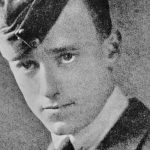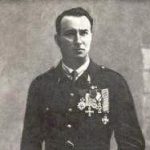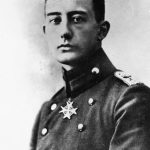
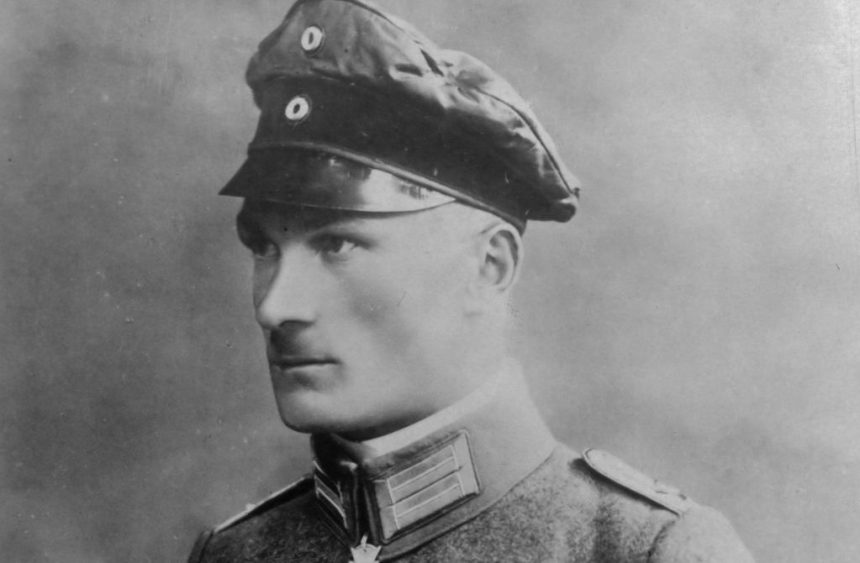

During World War I, Germany had two of the highest awards for valor, the Pour le Mérite (often called the “Blue Max”) and the Military Merit Cross. Some soldiers were awarded the Pour le Mérite, while others were awarded the Military Merit Cross. But only five were awarded both. One of them was Fritz Rumey, the German flying ace credited with 45 aerial victories. Born on March 3, 1891, in Königsberg, Kingdom of Prussia, German Empire, Rumey joined the military before the war. When World War I began, Rumey was already serving with the 45th Infantry Regiment as an infantryman. After serving with the 3rd Grenadier Regiment on the Russian Front during the first year of World War I, he was awarded the Iron Cross 2nd Class. He then transferred to the German Air Force in the summer of 1915. Serving first as an observer with Fliegerabteilung (Artillerie) 219, he completed fighter pilot training and was assigned to Jasta 2 in May 1917.
Ace Journey of Fritz Rumey
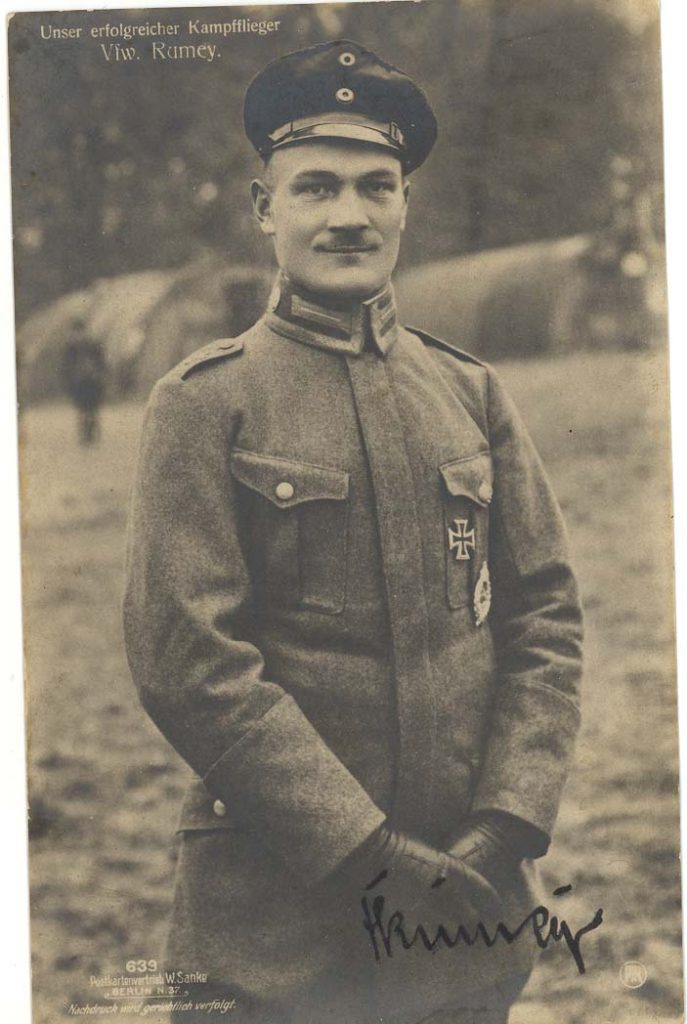
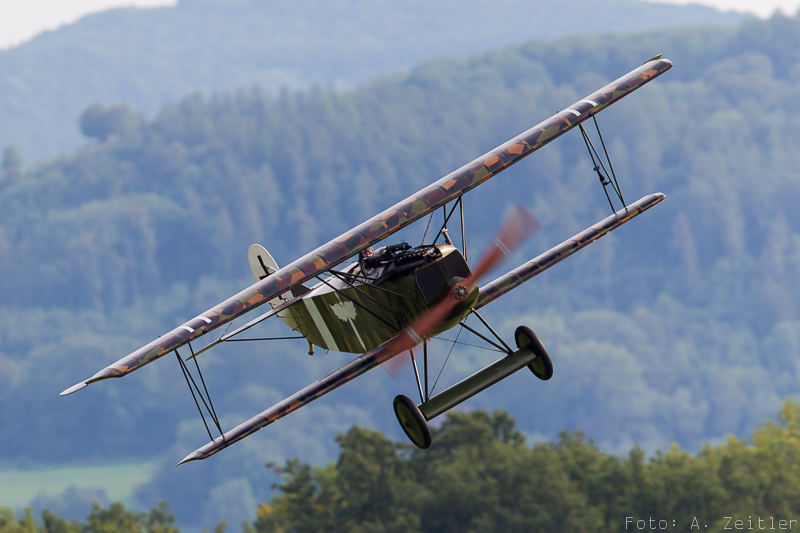
The following month, he joined Jasta 5, where he remained until his death, scoring all 45 of his victories. He initially flew an Albatros D.V in combat and a Fokker D.VII later, when Jasta 5 was equipped with them in the late spring to early summer of 1918. Fritz Rumey’s first victory came on July 6, 1917, when he destroyed a British observation balloon over Boursies. The next day, he was awarded the Military Merit Cross. It took him more than a month to achieve his second victory when he shot down an R.E.8 aircraft on August 19. He was injured on August 25, 1917, and again on September 24, 1917, forcing him to spend some time out of combat. His third victory came on November 22, when he shot down a Sopwith Camel flown by British ace Captain Gerald Crole, who was captured as a prisoner of war and spent the rest of the war at Holzminden camp in Germany. The following day, Fritz Rumey shot down two aircraft, including a Sopwith Camel and an Armstrong Whitworth F.K.8. With this, on November 23, 1917, he officially became an ace with five confirmed aerial victories. He ended 1917 with five victories. Rumey’s first victory in the new year came on January 13, 1918, when he destroyed a Bristol F.2b. He ended his January with two more victories on 28 and 29, killing another Bristol F.2b and D.H.4, respectively. In February, he scored one victory on February 26, downing a D.H.4. In March, he scored four victories, one in April, and seven in May, which brought his total to 21. After destroying a Sopwith Camel on June 2, he killed ace Lt. James Dawe, who was flying S.E.5a, on June 7, 1918, as his 23rd aerial victory. Rumey’s 25th victory came on June 26, 1918, when he shot down a Sopwith Camel flown by Canadian ace Edward Eaton. Fritz Rumey shot down a total of six aircraft in June, and his score by the end of the month stood at 27.
Rise and Fall
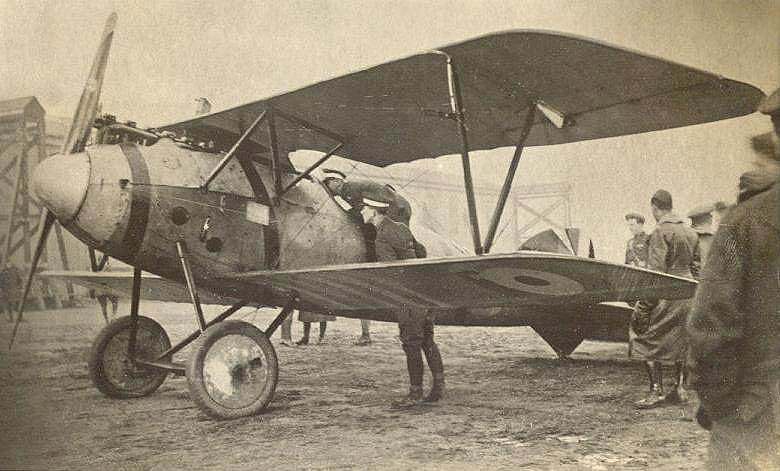
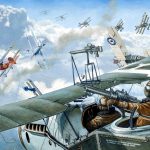
Fritz Rumey scored two victories in July, and with 29 confirmed aerial victories, Rumey was awarded Pour le Mérite on July 10, 1918. He could not improve his score in August, but Fritz Rumey made up the gap in September, when he scored well. He destroyed one aircraft each on September 3, 4, 5, 7, and 14. On September 16 and 17, he killed three aircraft each day. Destroying one aircraft each on September 23 and 24, and two on September 26, his final and 45th aerial victory came on September 27, 1918. On the same day as his last aerial victory, during his final dogfight, Rumey’s Fokker D.VII was badly damaged when he collided with an S.E.5a flown by South African ace George Lawson. Fritz Rumey jumped from his plane but was killed when his parachute failed to open. In his time at war, Rumey killed 44 aircraft and one balloon. Out of the 44 aircraft he destroyed, 15 were Sopwith Camels, 11 were S.E.5a, four were Sopwith Dolphin, four were D.H.4, three were Bristol F.2b, two each were R.E.8 and D.H.9, and one each were SPAD, Bréguet 14, and Armstrong Whitworth F.K.8. Fritz Rumey was not an ordinary ace. He fought and defeated several aces to become the legend he was. In the Aces series, he stands as a pinnacle of bravery, courage, and resilience. Read about more Aces HERE.