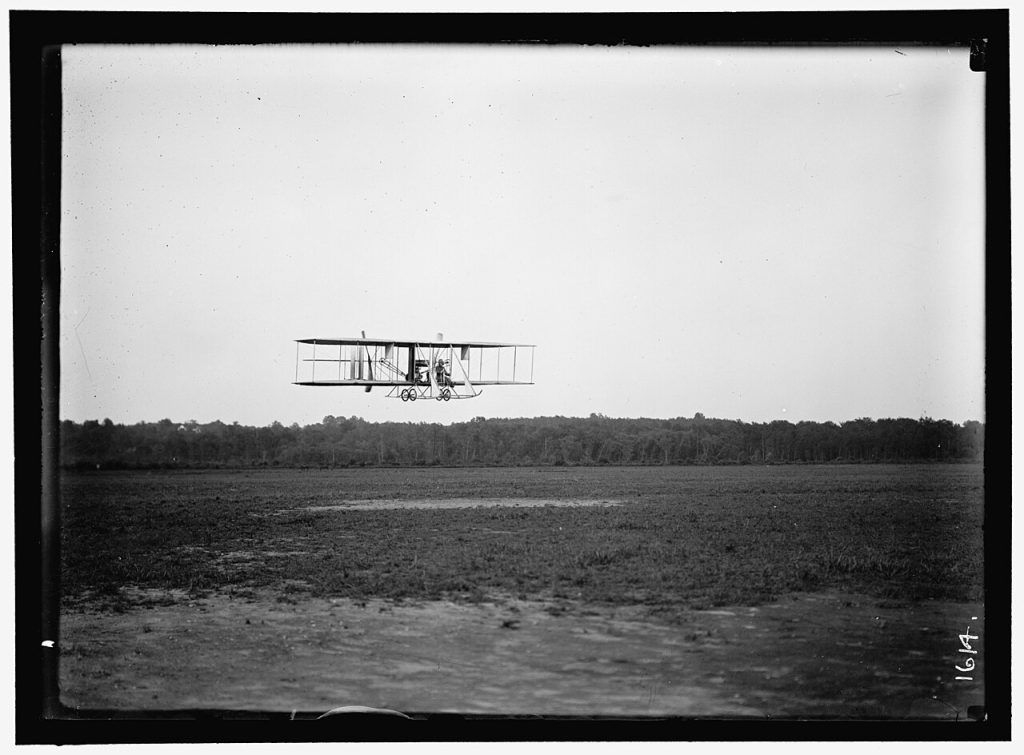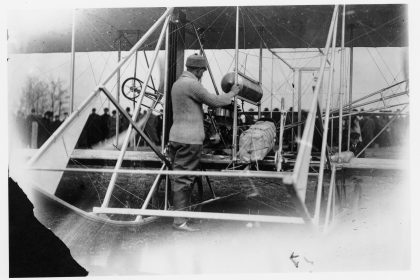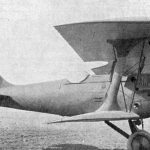
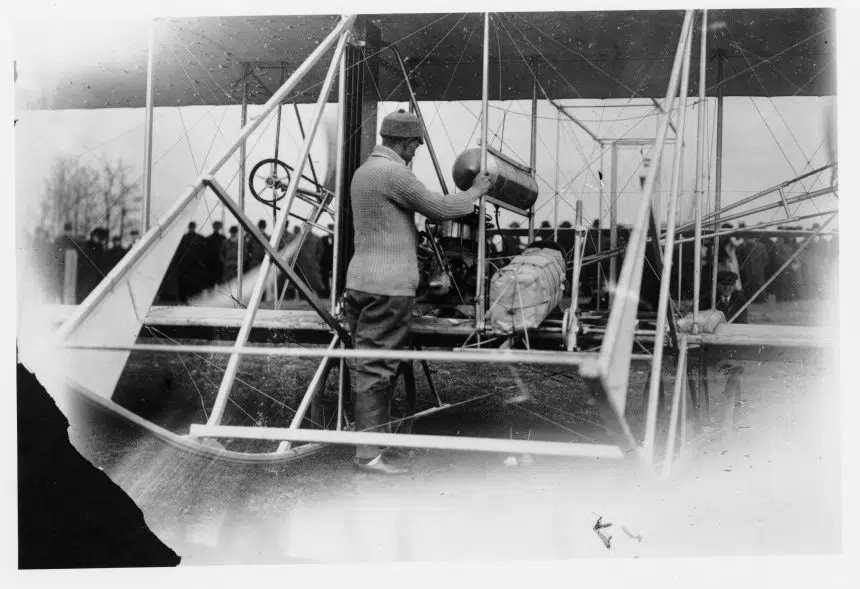


On this day in aviation history, 116 years ago (November 7, 1910), aviator Philip Orin Parmelee completed what is widely recognized as the world’s first commercial air cargo flight. Flying a Wright Model B biplane, Parmelee transported two bolts of dress silk from Dayton to Columbus, Ohio, for the Morehouse-Martens Department Store. The approximately 65-mile journey took one hour and six minutes, demonstrating a new commercial application for the airplane. The historic flight was arranged as a publicity event for the Columbus department store, which sought to demonstrate the speed and possibilities of aviation. The silk, weighing approximately 100 pounds, was secured in the aircraft’s passenger seat. Parmelee departed from Huffman Prairie near Dayton and flew eastward toward Columbus, navigating across the Ohio countryside at a time when aviation was still in its infancy.

Parmelee successfully landed at Driving Park in Columbus, where the shipment was received and subsequently delivered to the department store. The event attracted considerable public attention and demonstrated that aircraft could transport valuable goods between cities far more quickly than conventional ground transportation. Although regularly scheduled commercial air cargo service remained years away, Parmelee’s flight established an important precedent for the rapidly developing aviation industry. Tragically, Parmelee was killed in an aviation accident in June 1912. The Wright Model B was a two-seat biplane powered by a Wright four-cylinder engine producing approximately 35 horsepower. It had a wingspan of 39 feet, measured 26 feet 6 inches in length, and could reach speeds of approximately 45 mph. Unlike the Wright brothers’ earlier aircraft, the Model B featured an elevator mounted at the rear rather than the front. The aircraft became one of the Wright Company’s first commercially produced designs and played an important role in early civilian and military aviation.