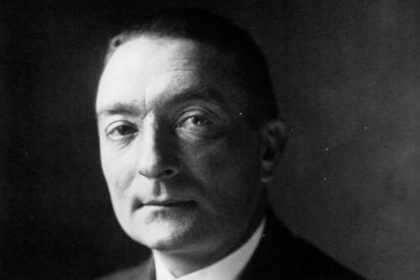
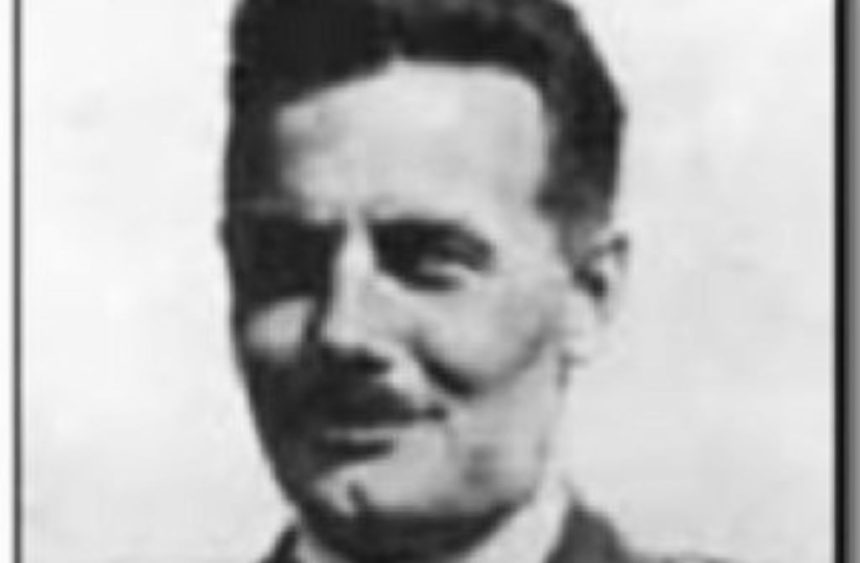

During WWI, some Canadian aces made their way from serving in local infantry units to flying at the front. One of them was Albert Desbrisay Carter, who was born on June 2, 1892, in New Brunswick. After he began his studies, he joined a local infantry unit, F Company, in the 74th Regiment, known as The New Brunswick Rangers, and was promoted to lieutenant in April 1912. In November 1914, he volunteered for the 26th Battalion Canadian Expeditionary Force. The 26th Battalion arrived in France in September 1915, and Lieutenant Carter was serving in it as a machine gun officer. On October 14, 1915, he was wounded when shrapnel hit his right thigh. After getting treatment in England, he took sick leave back home to New Brunswick. While recovering, he got permission to lead a company in the new 140th Battalion and was promoted to major. With his new rank, he returned to England in September 1916. Due to a shortage of experienced senior officers, Albert Desbrisay Carter spent several months training with the Royal Canadian Regiment depot and then with the 13th Reserve Battalion of the New Brunswick Regiment.
Ace Journey of Albert Desbrisay Carter
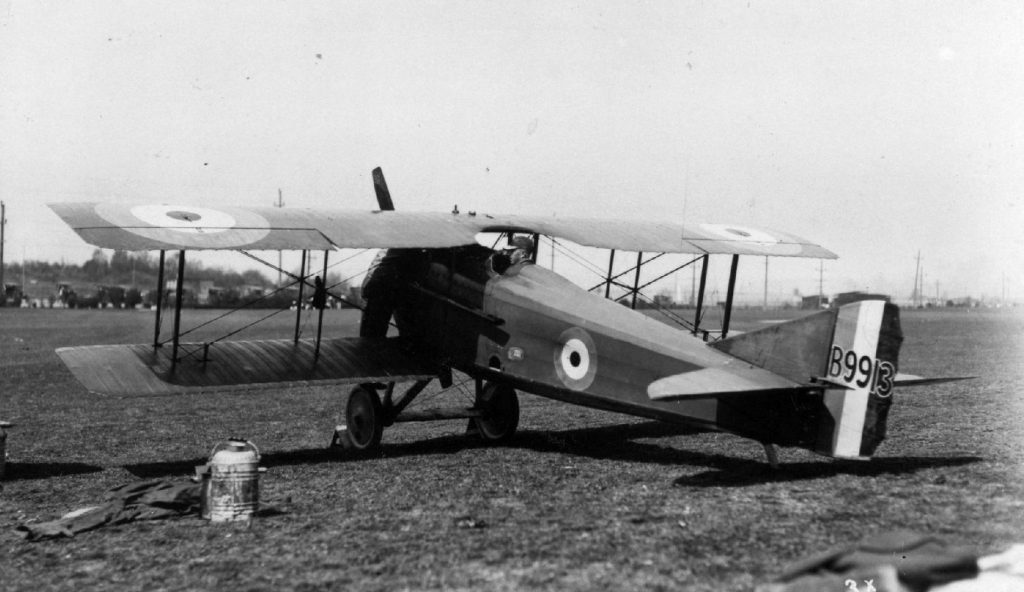
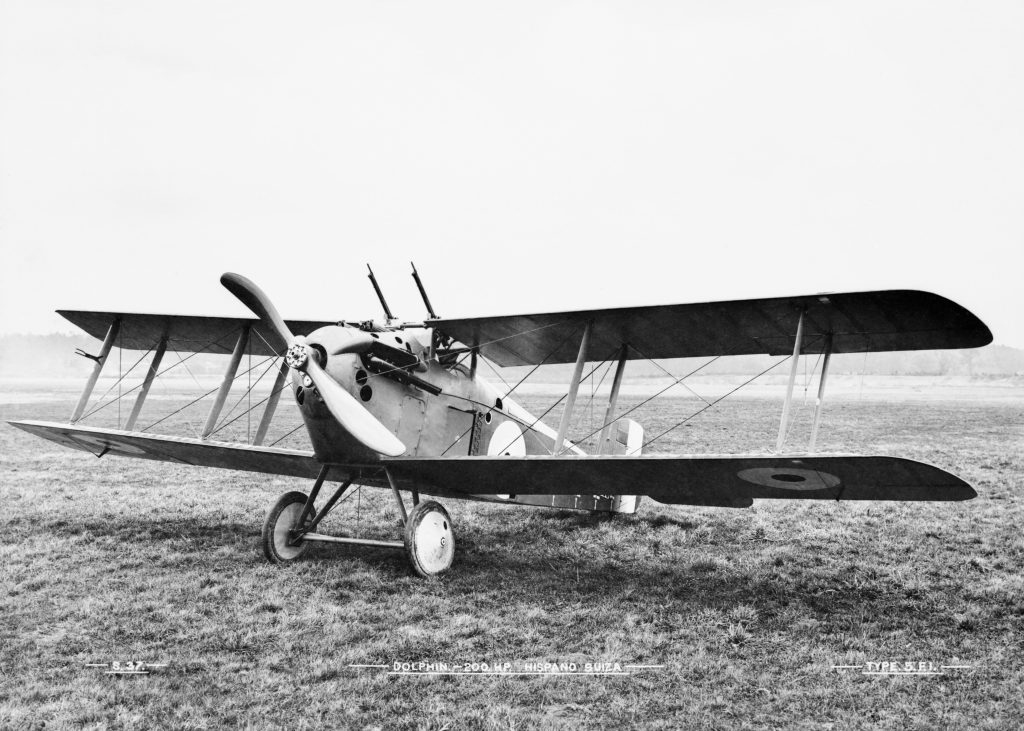
In May 1917, Albert Desbrisay Carter was transferred to the Royal Flying Corps (RFC) and, after training, received a temporary commission as a Flying Officer on September 3, 1917, while retaining his Canadian Army rank of major. On October 1, 1917, Carter joined No. 19 Squadron RFC and stayed there until the end of the war. He flew a SPAD in this unit. His first victory came on October 31, 1917, when he shot down a C-type aircraft, followed by an Albatros D.V on the same day. His third victory came on November 8, followed by another one the next day. He became an ace after shooting down an Albatros D.V on November 15. He claimed two more victories in November and seven in December, bringing his personal score to 15. After this, his unit was assigned to Sopwith Dolphin aircraft, on which his first victory came on March 15, 1918, followed by three more victories in that month. Albert Desbrisay Carter destroyed four aerial targets in April and five in May, with his final victory on May 16, bringing his total to 28. On May 19, 1918, he was captured after his Sopwith Dolphin was shot down by Paul Billik from Jasta 52.
Legacy and Death
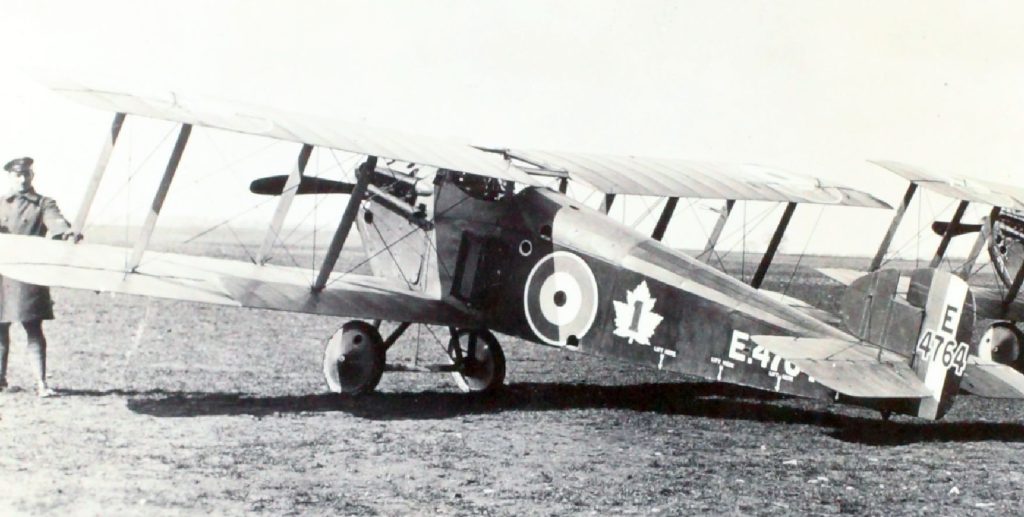
While in prison, Albert Desbrisay Carter was awarded the Distinguished Service Order in July, with a citation, “For conspicuous gallantry and devotion to duty. He destroyed two enemy airplanes, drove down several others out of control, and on two occasions attacked enemy troops from a low altitude. He showed great keenness and dash as a patrol leader.” Albert Desbrisay Carter was the highest scoring ace to serve with No. 19 Squadron, and among his 28 victories, 11 were Albatros, eight were C-type aircraft, six were Pfalz D.IIIs, and three were Fokkers. In September, Albert Desbrisay Carter was awarded the Distinguished Service Order Bar, with a citation, ” For conspicuous gallantry and devotion to duty as a fighting pilot. In three and a half months, he destroyed thirteen enemy machines. He showed the utmost determination, keenness, and dash, and his various successful encounters, often against odds, make up a splendid record.” After the armistice, he was repatriated on December 13, 1918. After spending January 1919 in the hospital, Carter moved to the 123 Squadron of the Royal Air Force, which was the beginning of the Canadian Air Force. On May 22, 1919, Carter died in a flying accident while testing a Fokker D.VII, when the plane broke apart during the flight. He was buried at Old Shoreham Cemetery in Shoreham, Sussex, England. In the Aces series, Albert Desbrisay Carter was a brave pilot and thoughtful leader. Starting his service on the land, he made his way to the air, where he excelled. Read stories about other aces HERE.