






A great start to the airshow season at the Shuttleworth Collection, in Biggleswade, Bedfordshire, UK, despite the cold, blustery north wind, which made it difficult for some and prevented some of the lighter aircraft from flying. Luckily, the sun at least came out for part of the time. Even with several last-minute cancellations due to the serviceability of visiting aircraft, the organizing team did a great job finding replacements and, with the usual innovative Shuttleworth thinking, produced some great display combinations and great flying, which, along with the excellent airfield layout and atmosphere, is why Shuttleworth is so good and why people keep coming back.
(Image credit: NIgel Hitcham)
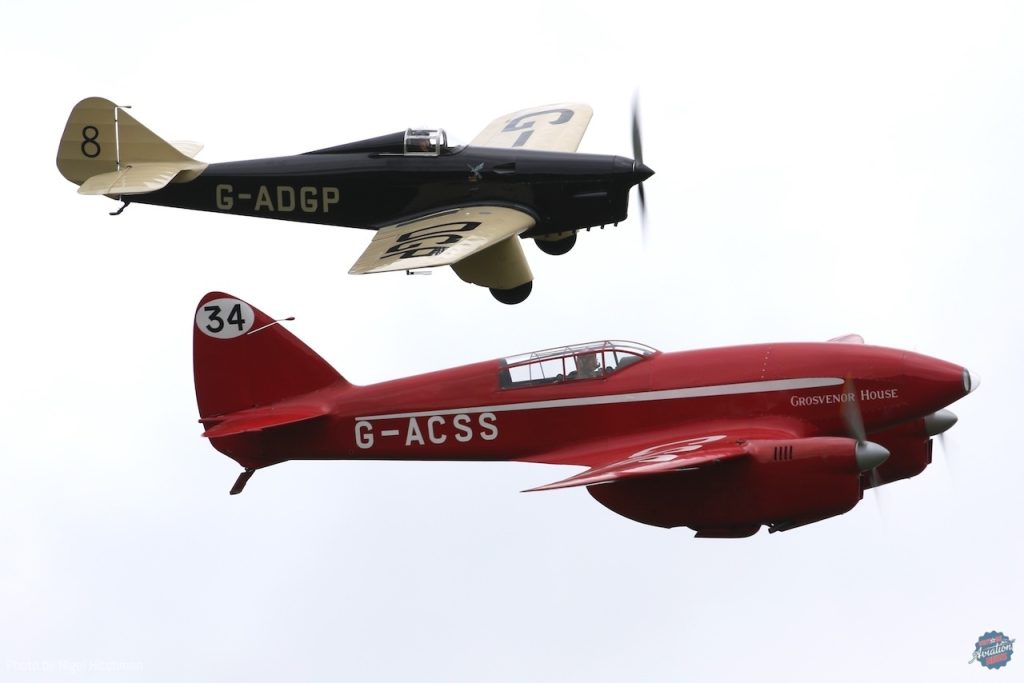
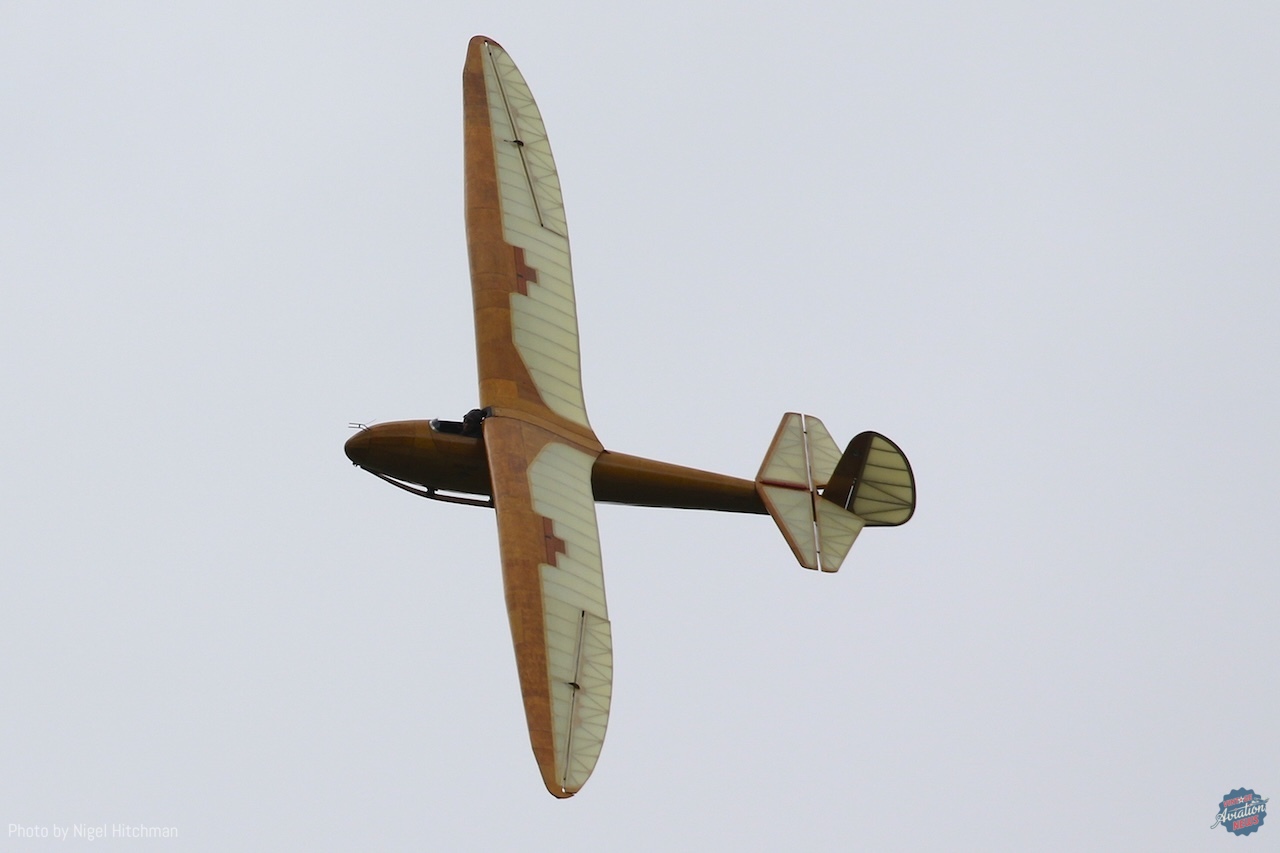
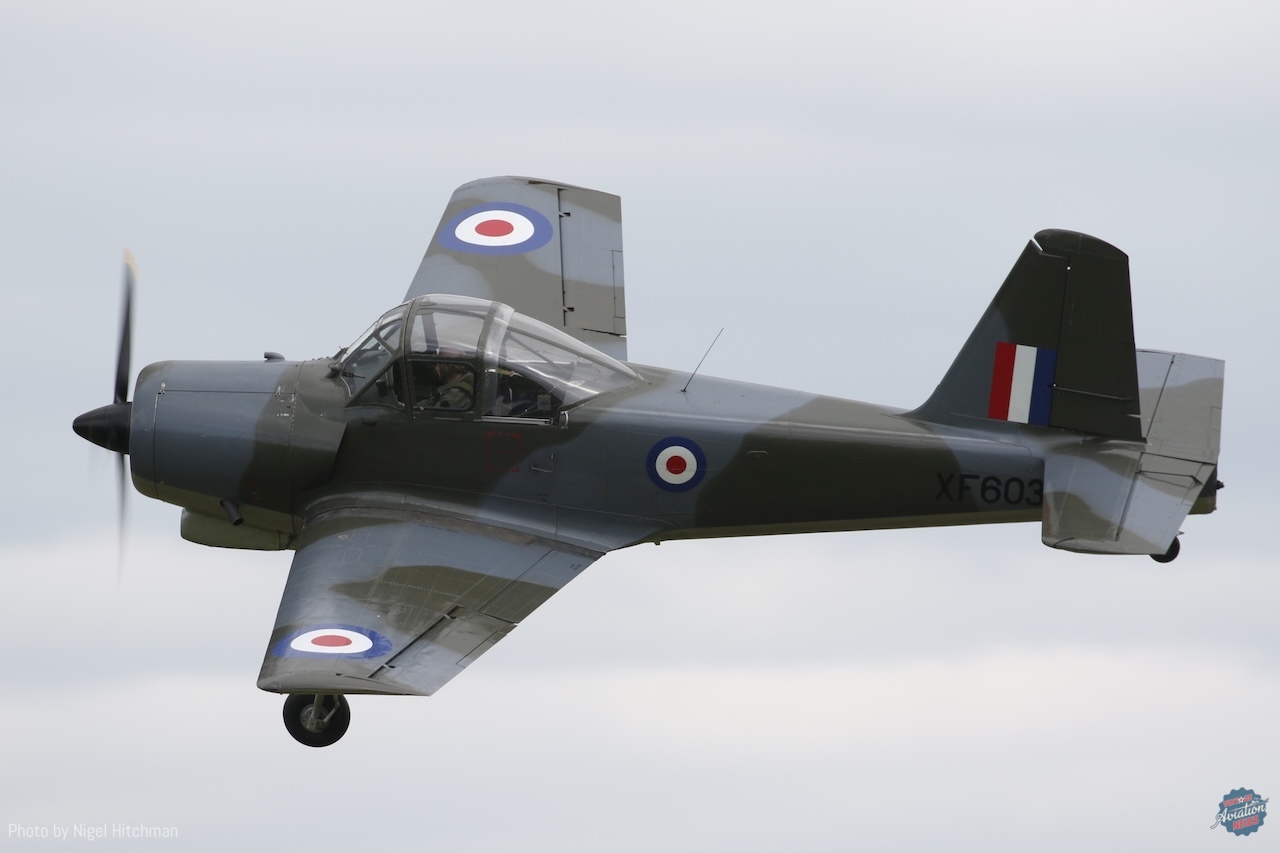
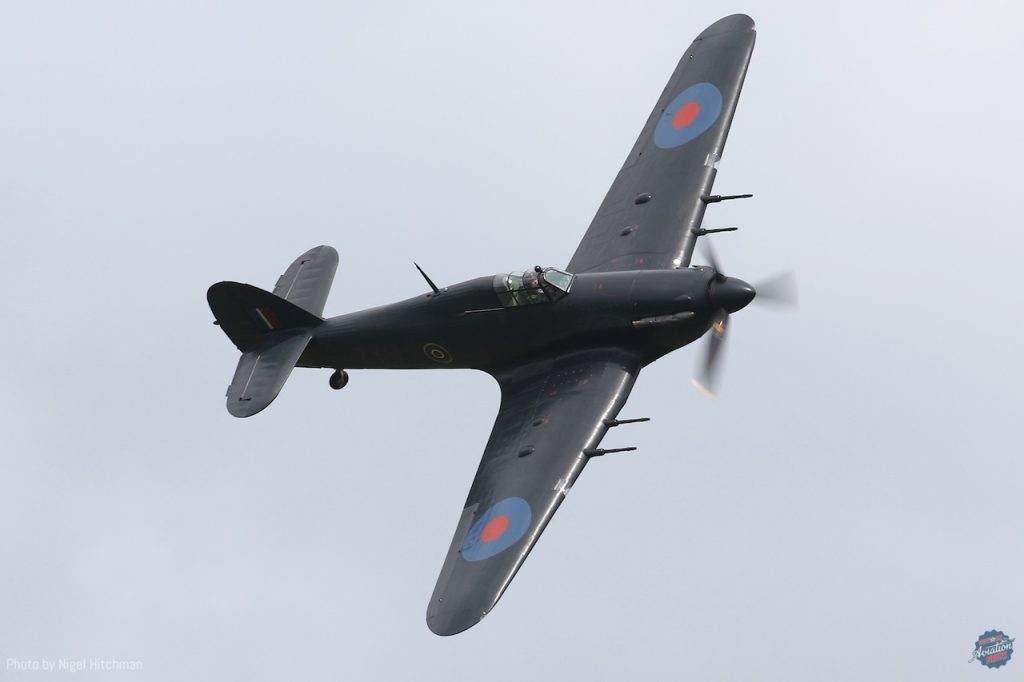
After a parachute drop, the display started with the star of Shuttleworth, the de Havilland DH88 Comet Racer G-ACSS, flying together with the Miles Hawk Speed Six G-ADGP in a racer formation, followed by individual displays. The Percival Mew Gull G-AEXF, which often displays with this pair, is not quite ready yet following refurbishment and should be seen later in the season. A nice aerobatic display by the Percival Provost followed, interspersed with the Kirby Kite glider, then it was the turn of the Battle of Britain Memorial Flight. We were hoping for a first public display of the Douglas C47 Dakota in its new colours, but it was unserviceable, so it was replaced by the Hawker Hurricane IIC PZ865, “the last of the many”, now in night fighter scheme, which wasn’t great with the dark sky at the time of its display! This was the last of 14,533 Hawker Hurricanes built, delivered in 1944. It never saw operational RAF service and was bought back by Hawkers in 1946 and used for testing and as a company hack before being donated to the BBMF in 1972.
(Image credit: NIgel Hitcham)
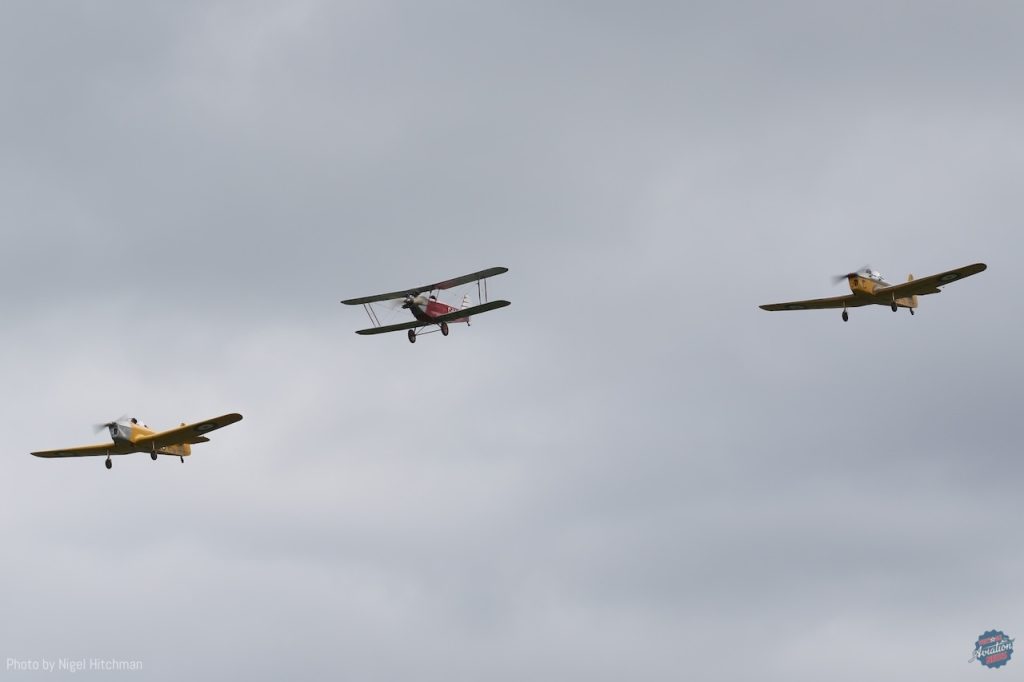
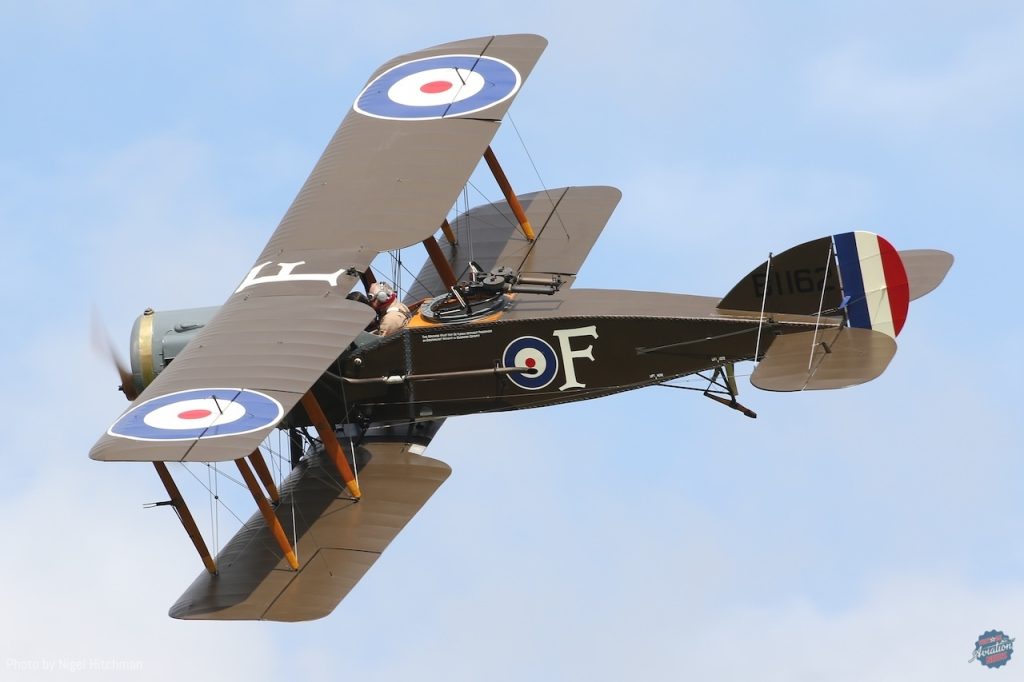
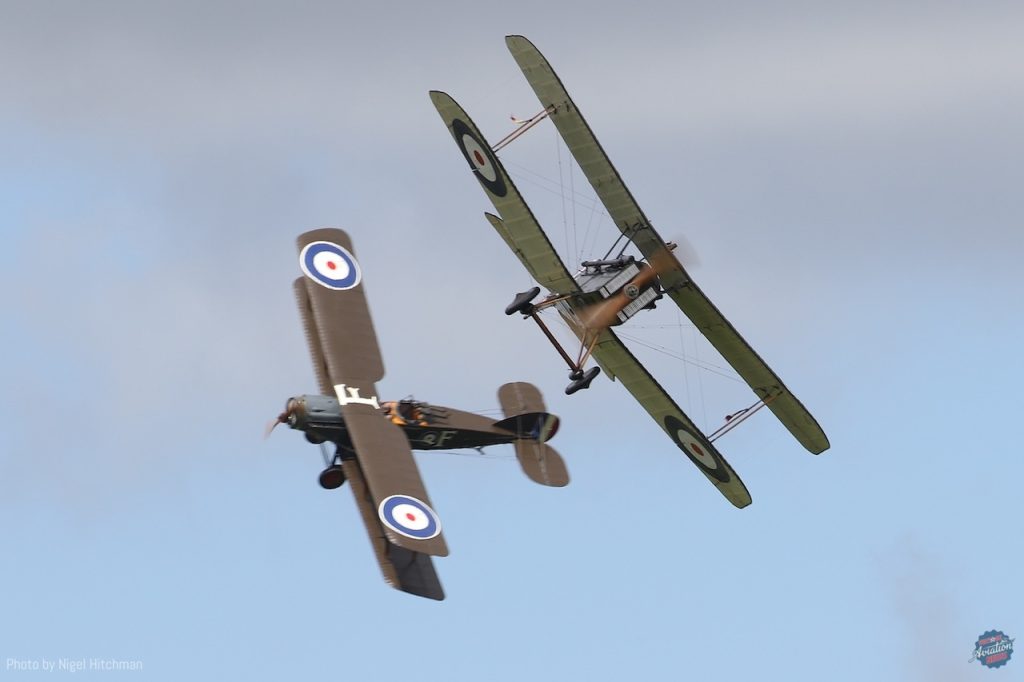
A nice display of Miles aircraft followed, with the Southern Martlet (designed by Miles) and two Magisters flown together in quite a wide formation due to the blustery conditions. This was followed by the first of the WWI displays, with the Bristol F2b Fighter and SE5A very well displayed together, although with no close formation due to the winds, followed by the Avro 504K.
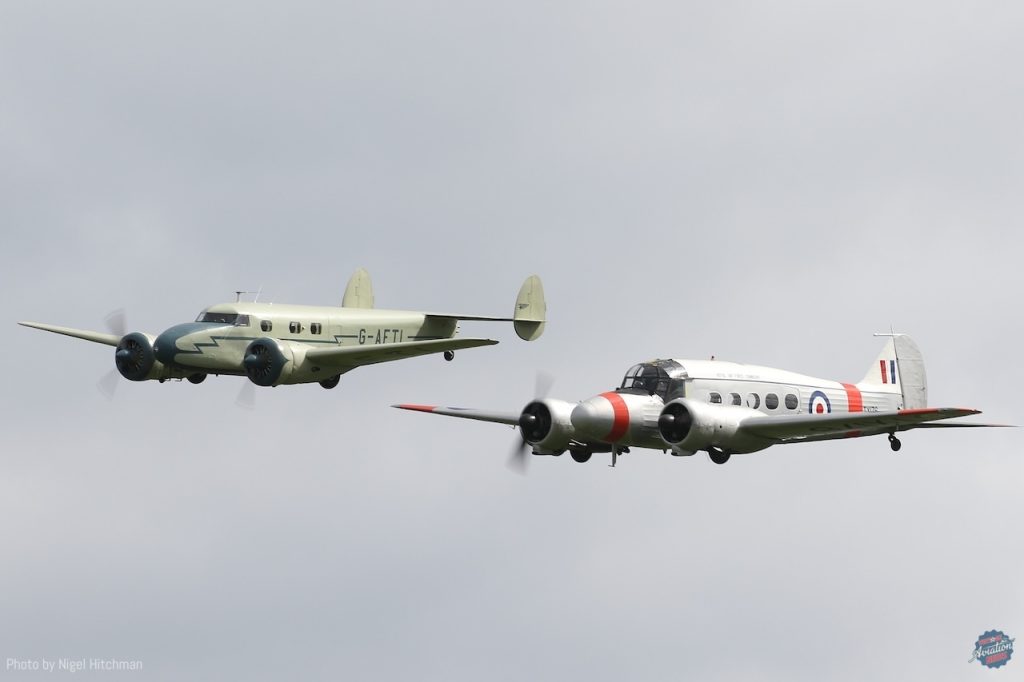
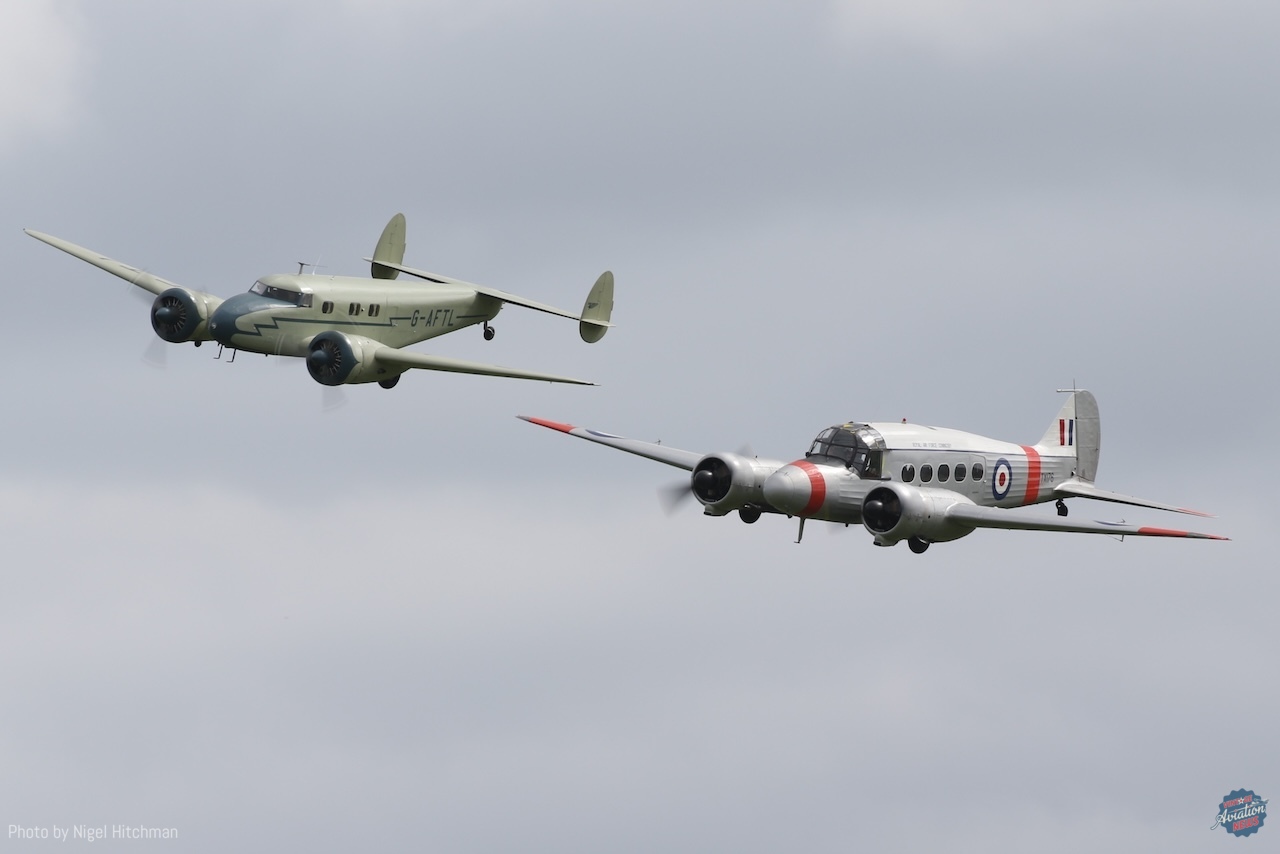
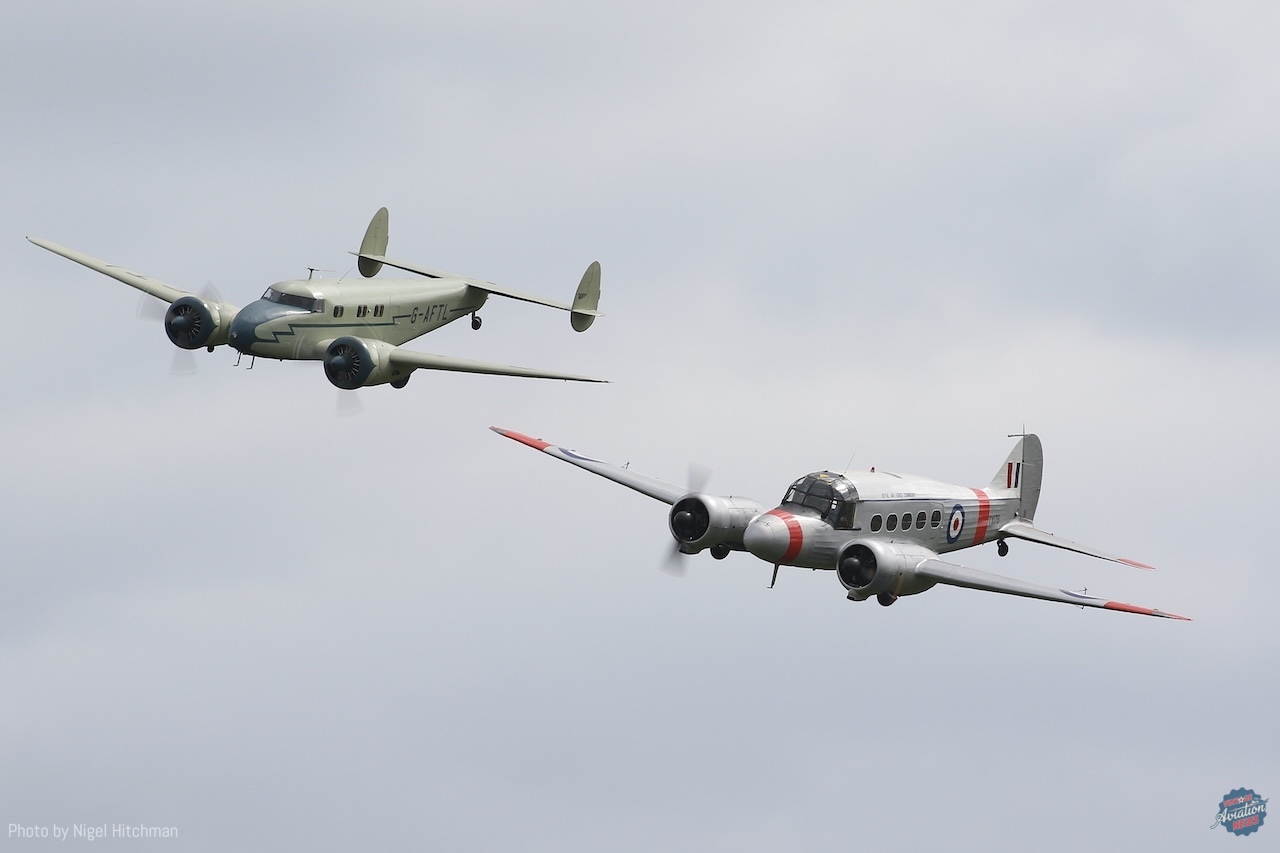
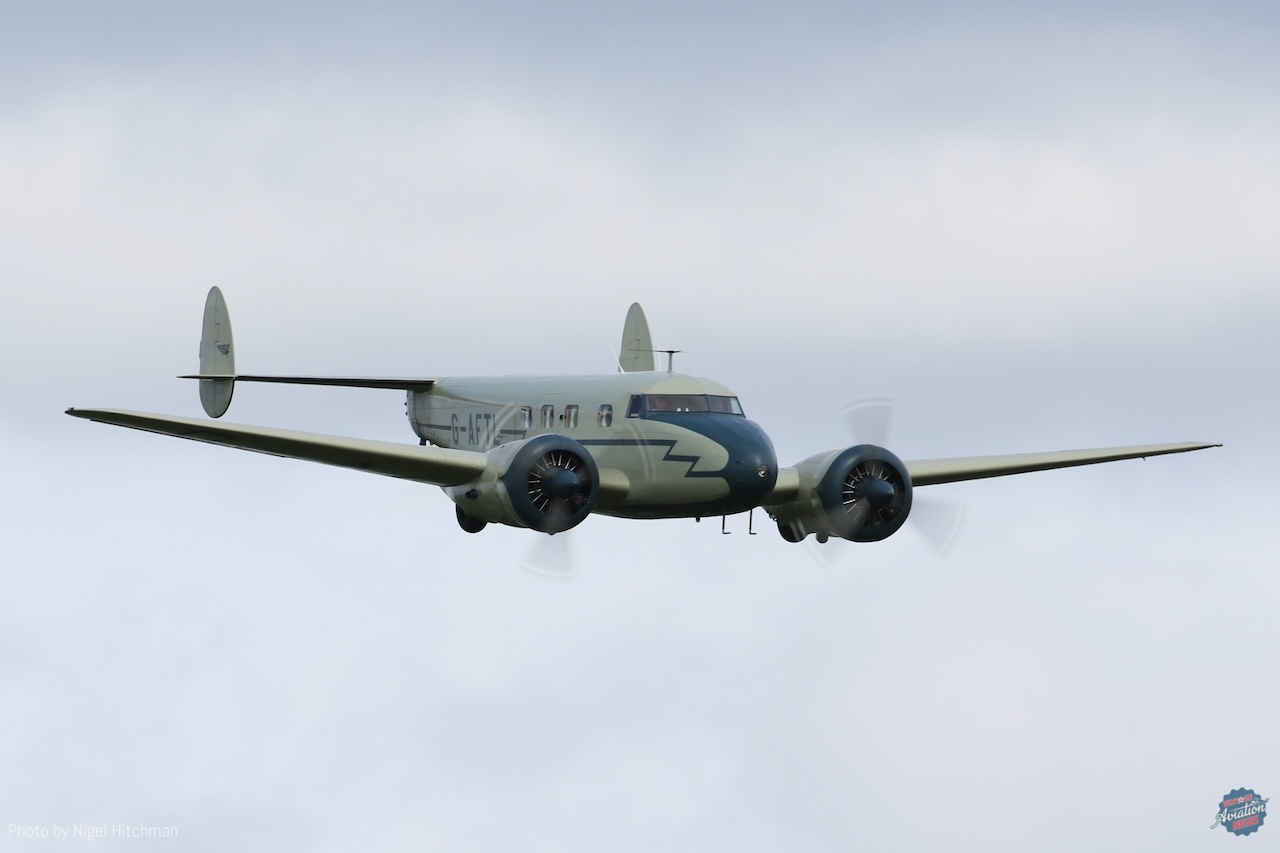
Next was one of the highlights, with the visiting Lockheed 12A Electra Junior G-AFTL, the very famous aircraft used by Sidney Cotton on his reconnaissance flights over Germany just before WWII, flying in formation with the collection’s Avro XIX Anson. A couple of excellent formation passes were followed by great solo displays from each, fully utilizing the excellent curved display line at Old Warden.
(Image credit: Nigel Hitchman)
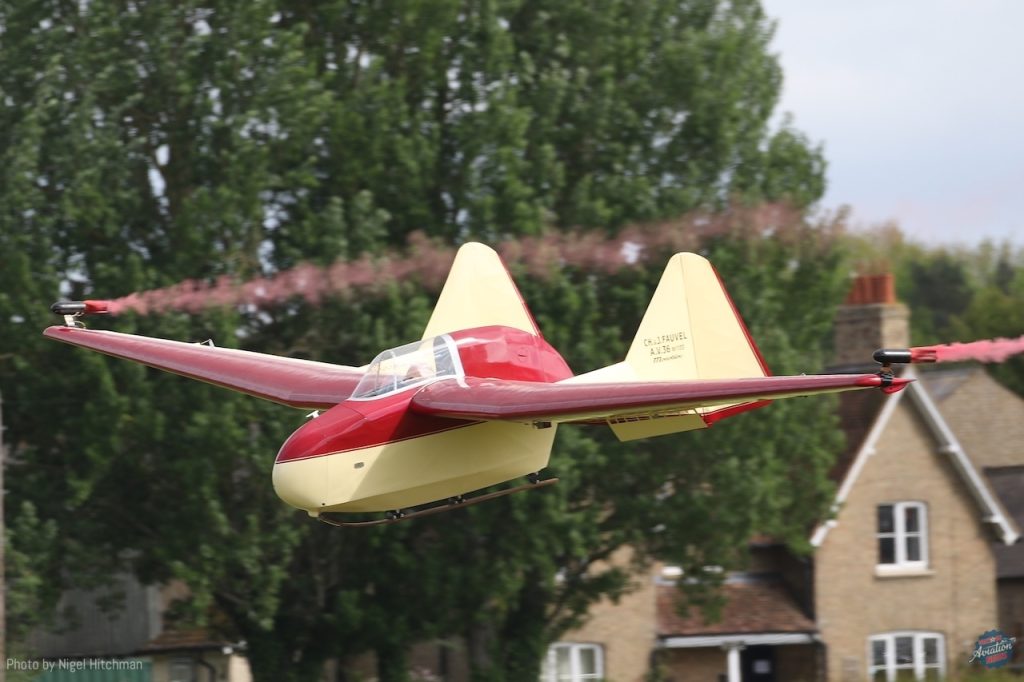
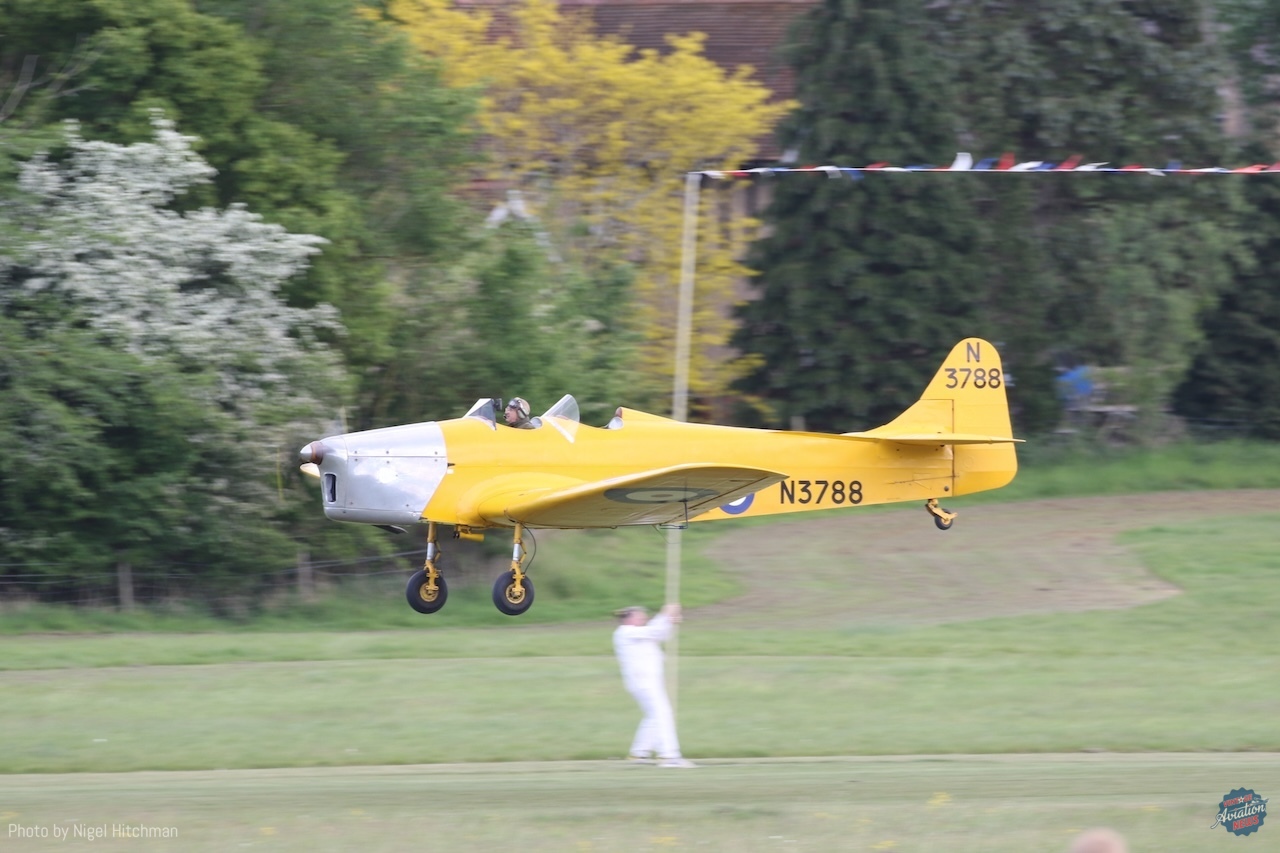
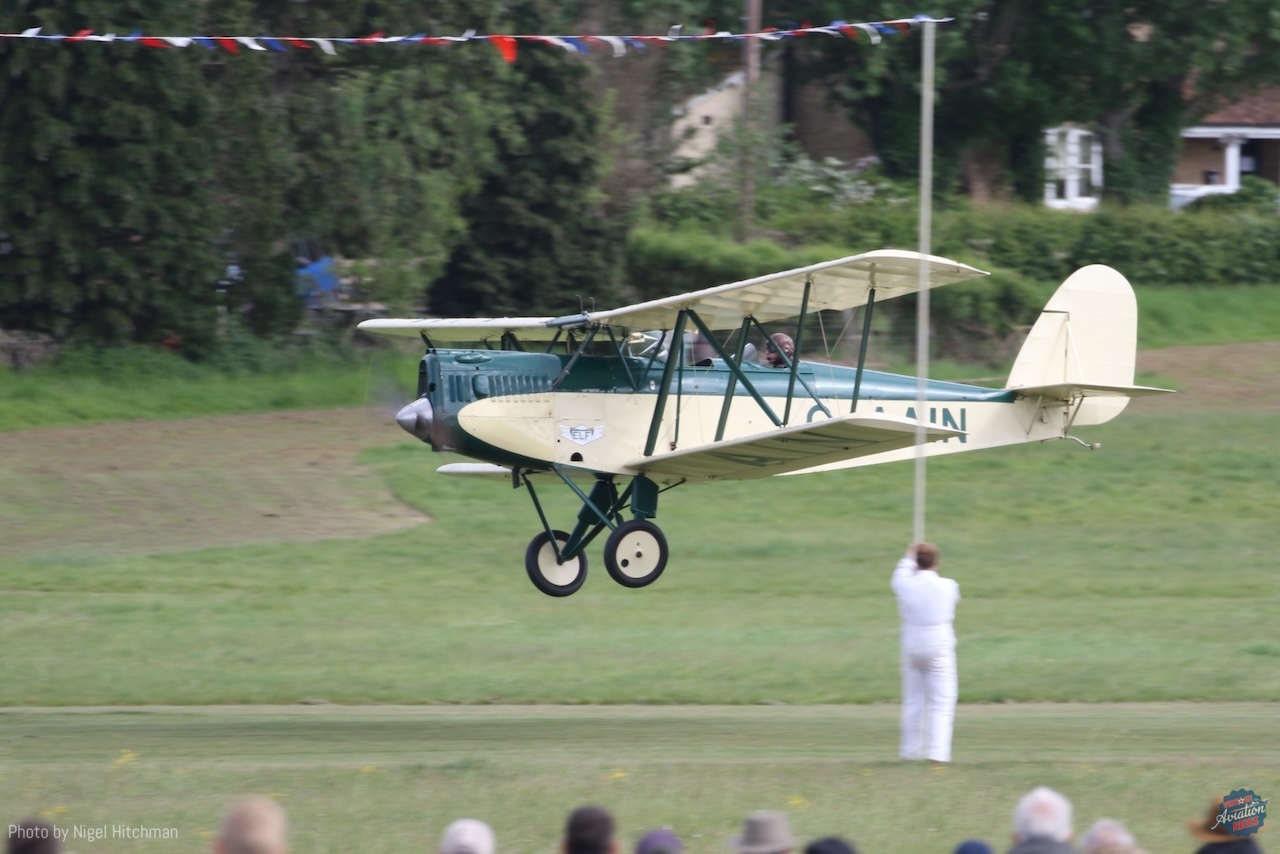
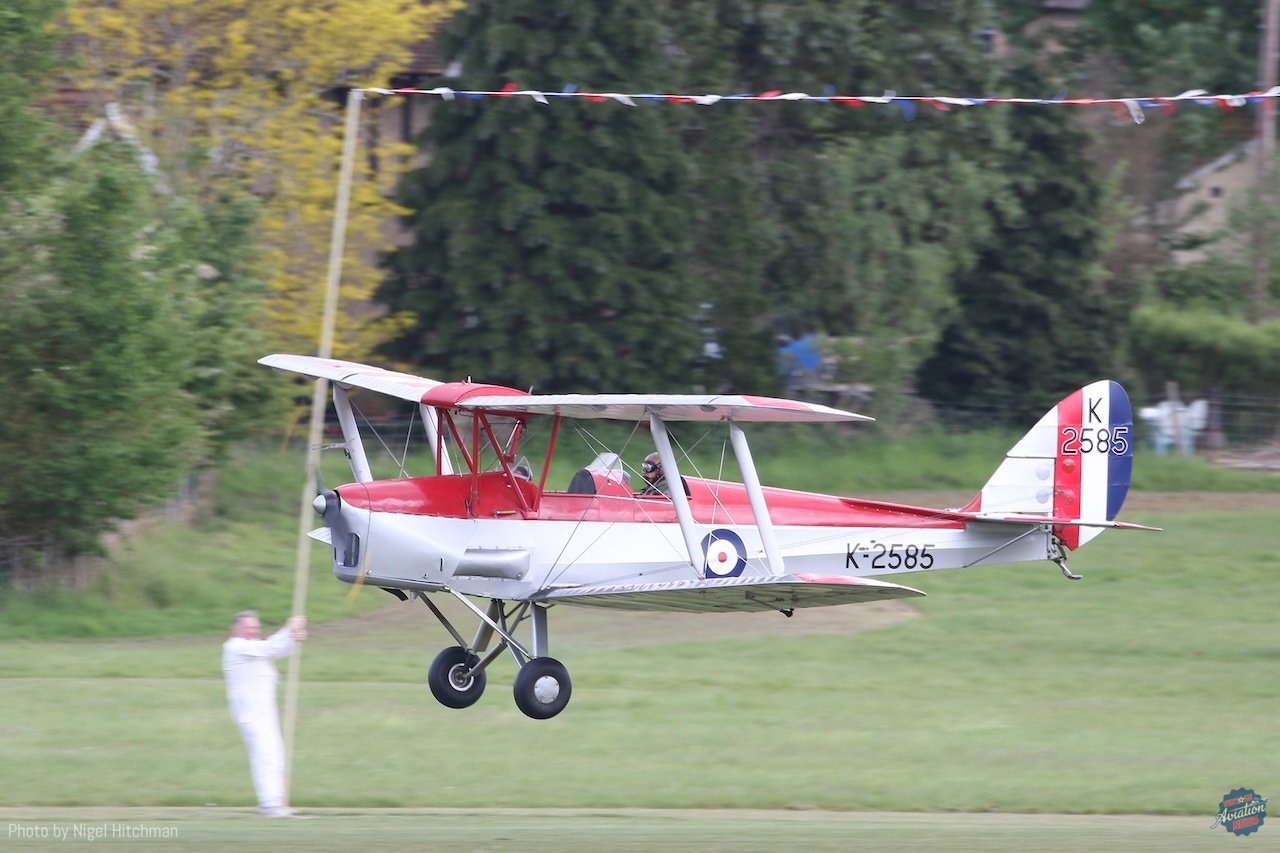
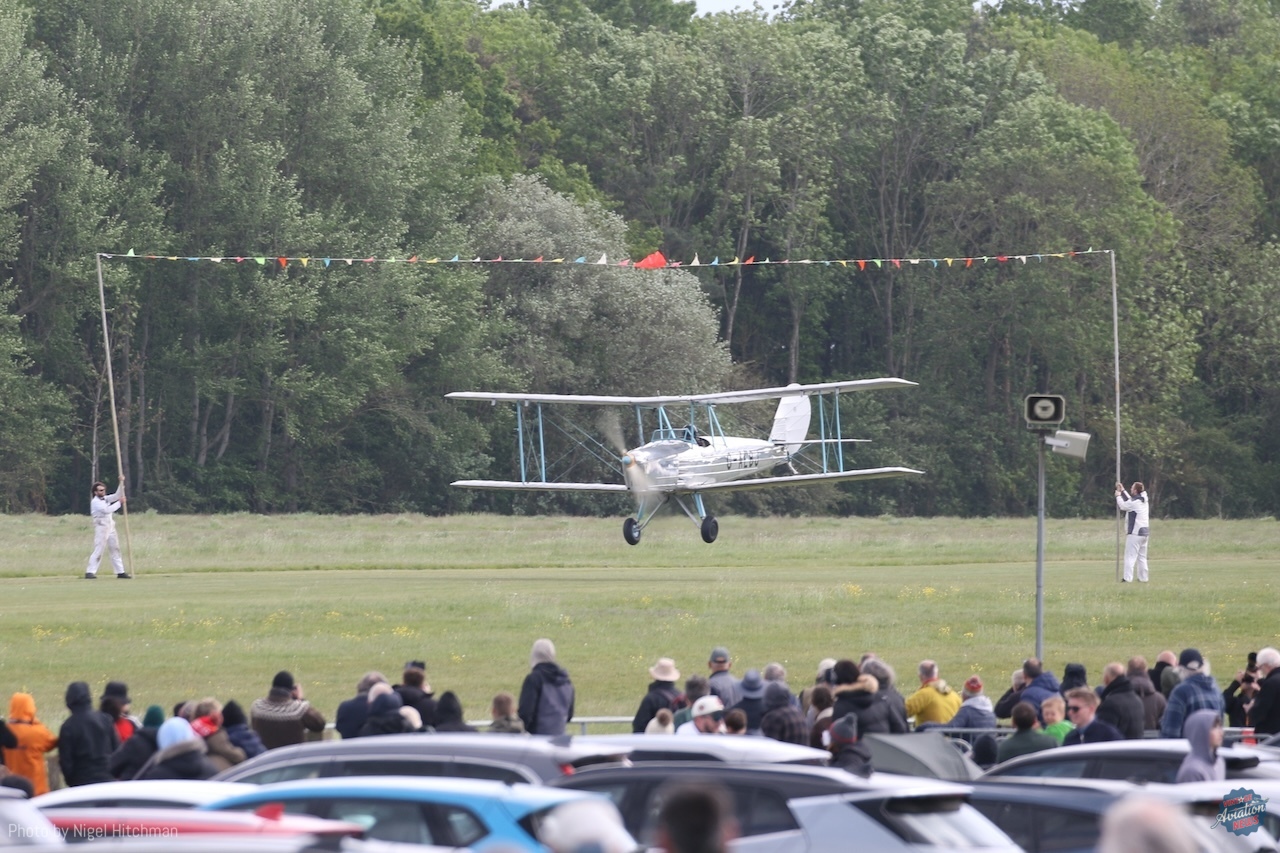
An excellent aerobatic display in the Fauvel tailless glider was followed by the “barnstorming” display with flour bombing, ribbon cutting and the famous “limbo”, where they fly under the bunting held between two poles across the runway! The pilots did remarkably well given the conditions.
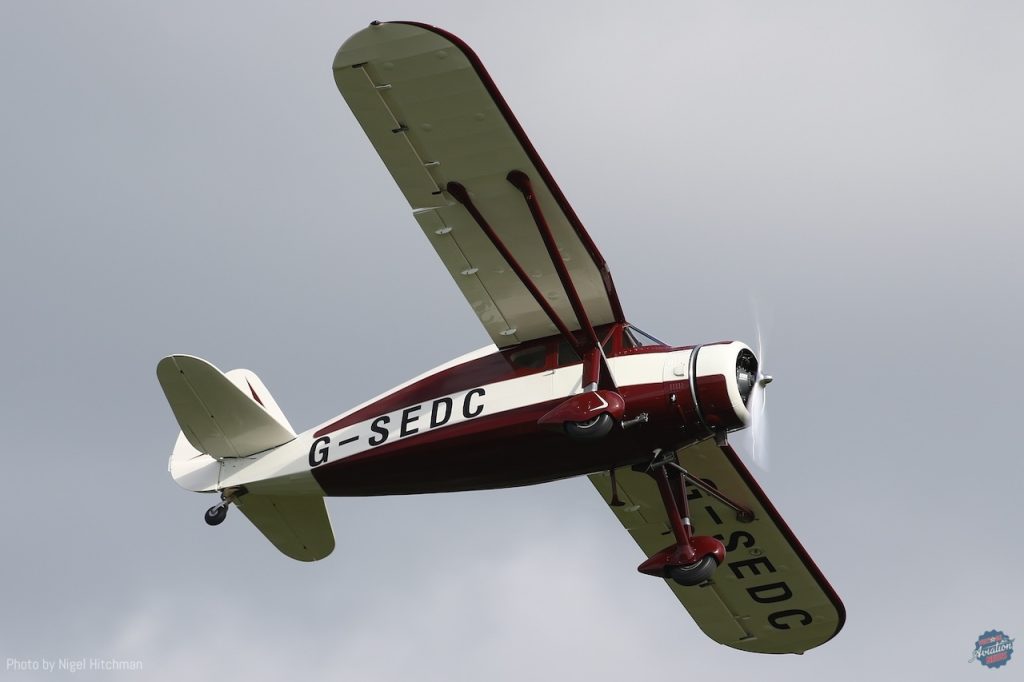
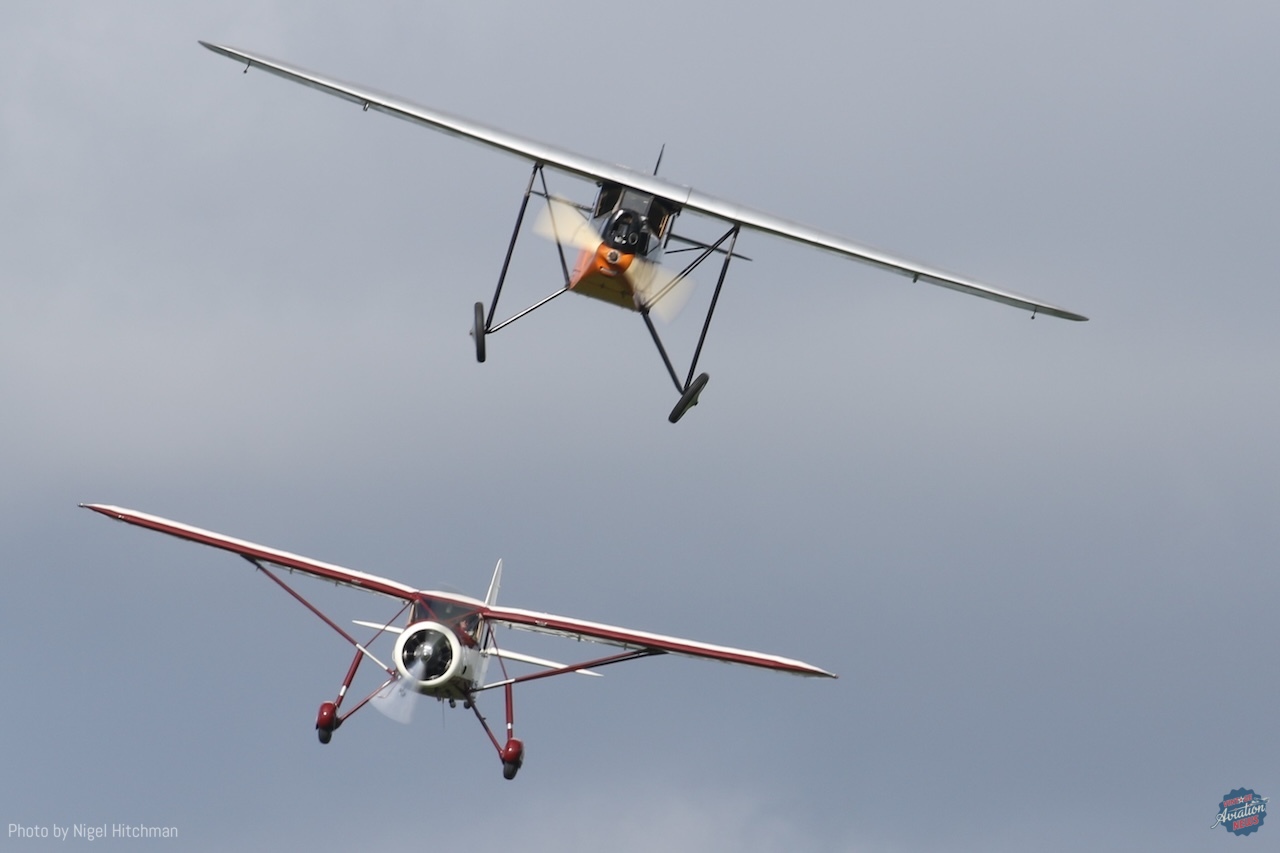
Another of the visiting aircraft was the beautiful Fairchild 24W G-SEDC, great to see in civilian colours, unlike most Fairchild 24s that have been in the UK painted in RAF or USAAF colours. A great idea to display this colourful aircraft together with the equally colourful Shuttleworth Desoutter G-AAPZ; they made a great pairing and were perhaps my favourite display of the day, especially as the sun had come out.
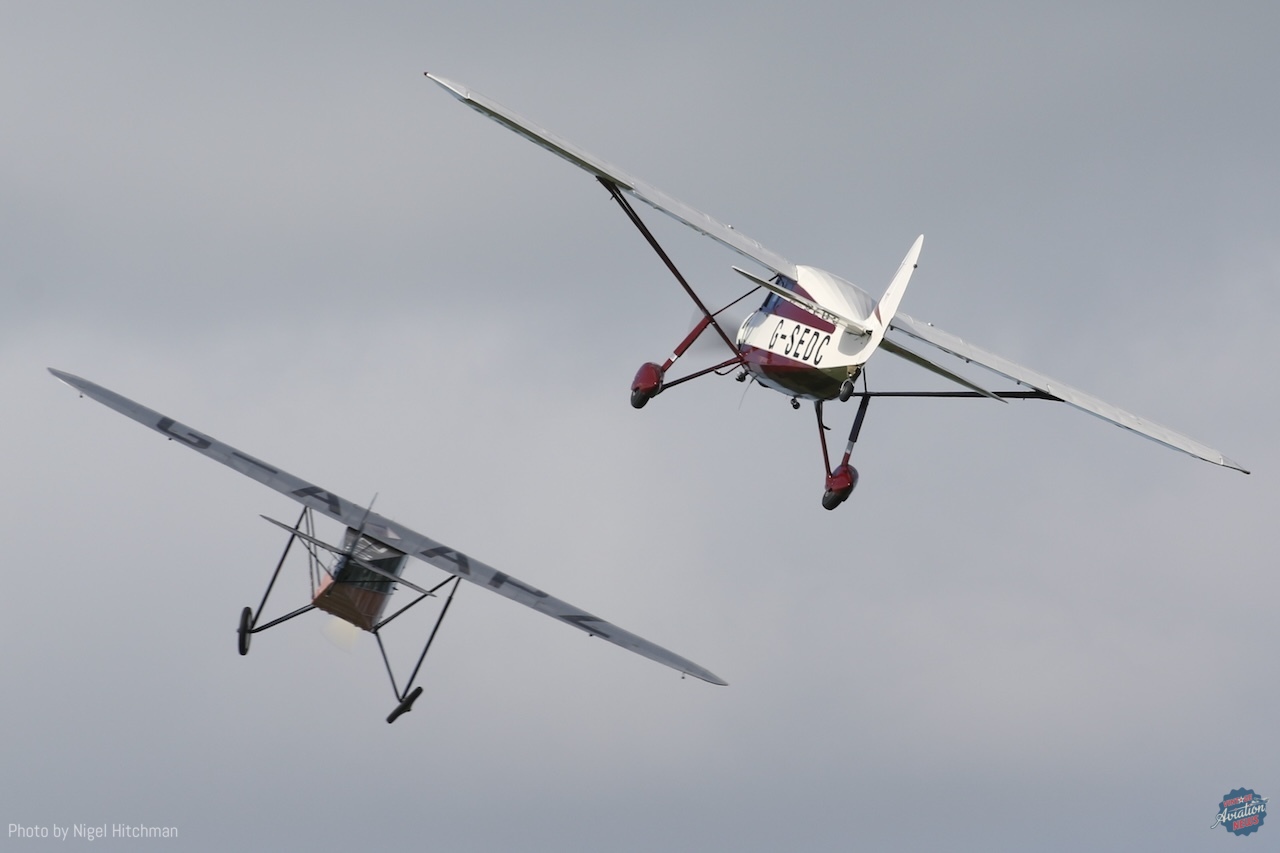
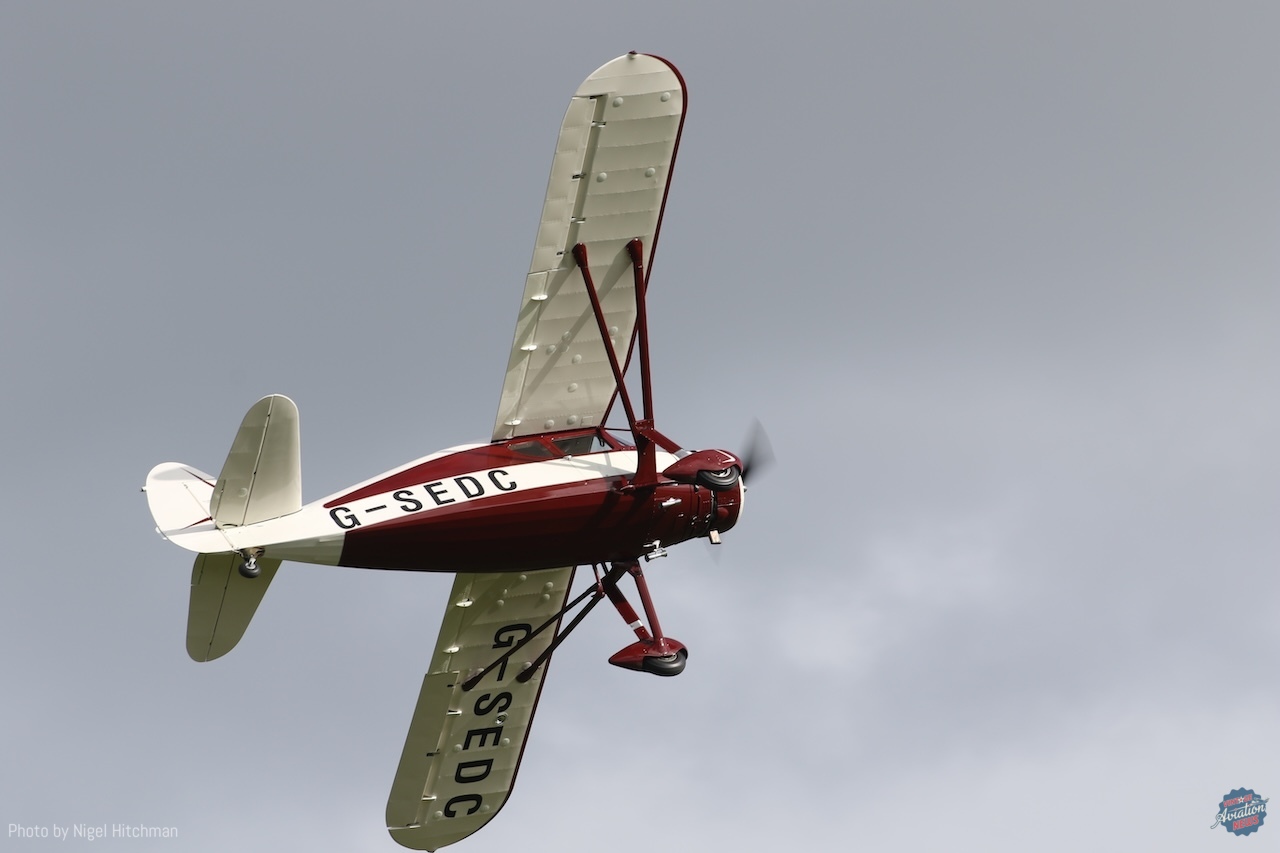
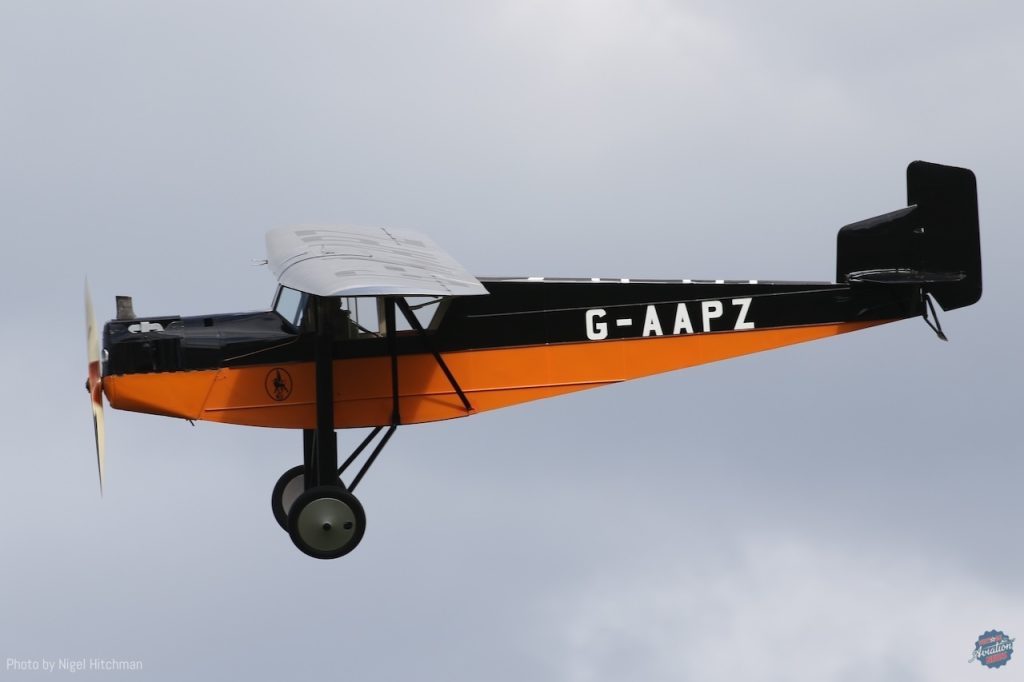
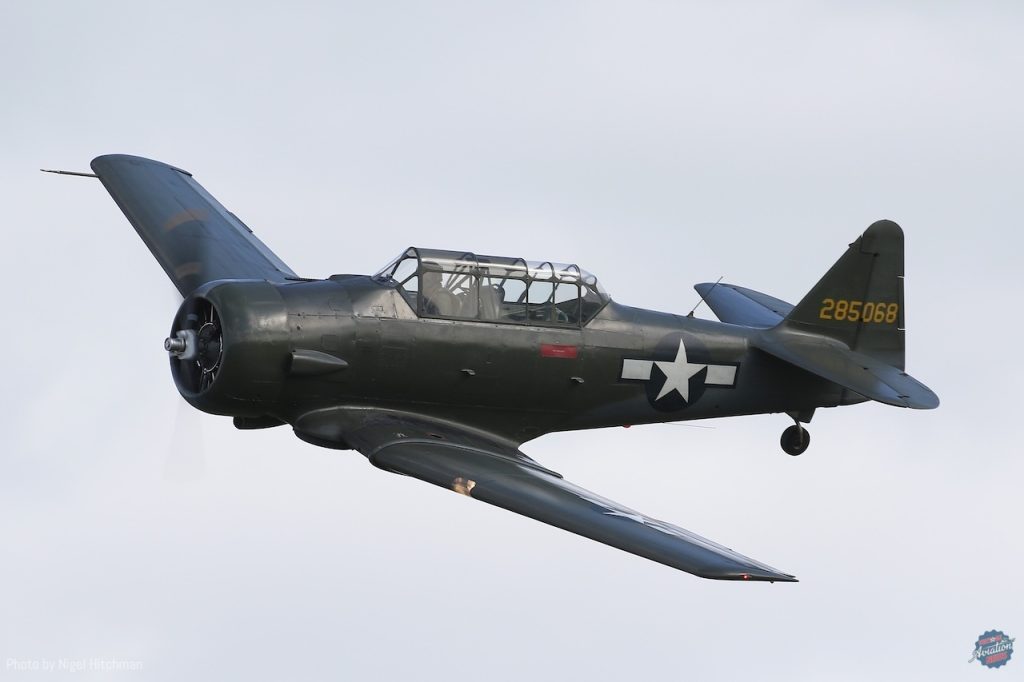
The Bristol Mercury engine pair of the Gloster Gladiator and Westland Lysander were next, starting with some excellent formation passes around the curved display line and then individual displays, followed by the Navy Wings display, which should have been the Swordfish, but ended up being the Kennet Aviation North American AT-6D G-KAMY “285068”, and we were treated to an excellent aerobatic display.
(Image credit: Nigel Hitchman)
It was great to see the de Havilland DH71 Tiger Moth G-ECDX flying for only its fourth public display, with the wind abating enough to allow it to be flown, initially with the collection’s Comper Swift and then for a much-appreciated solo display. This diminutive aircraft really looks amazing.
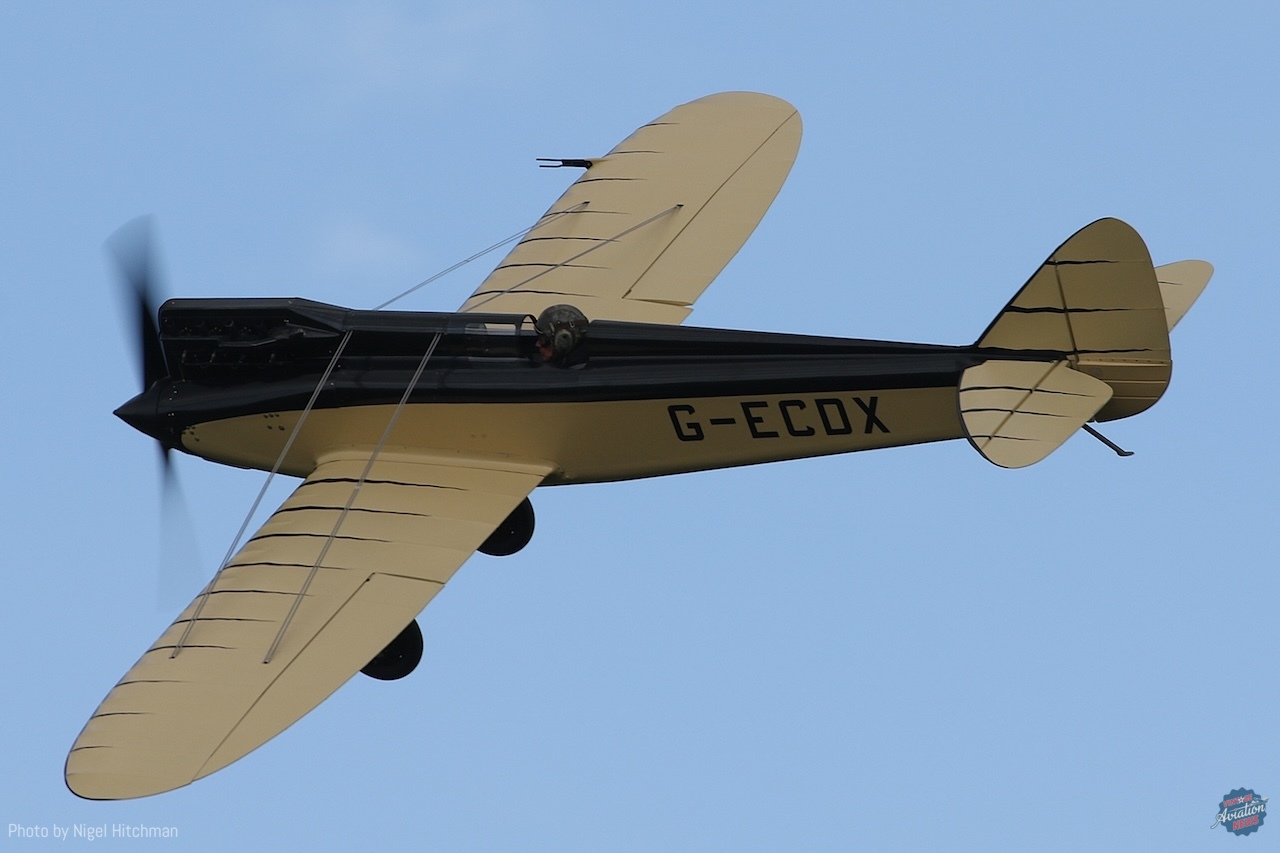
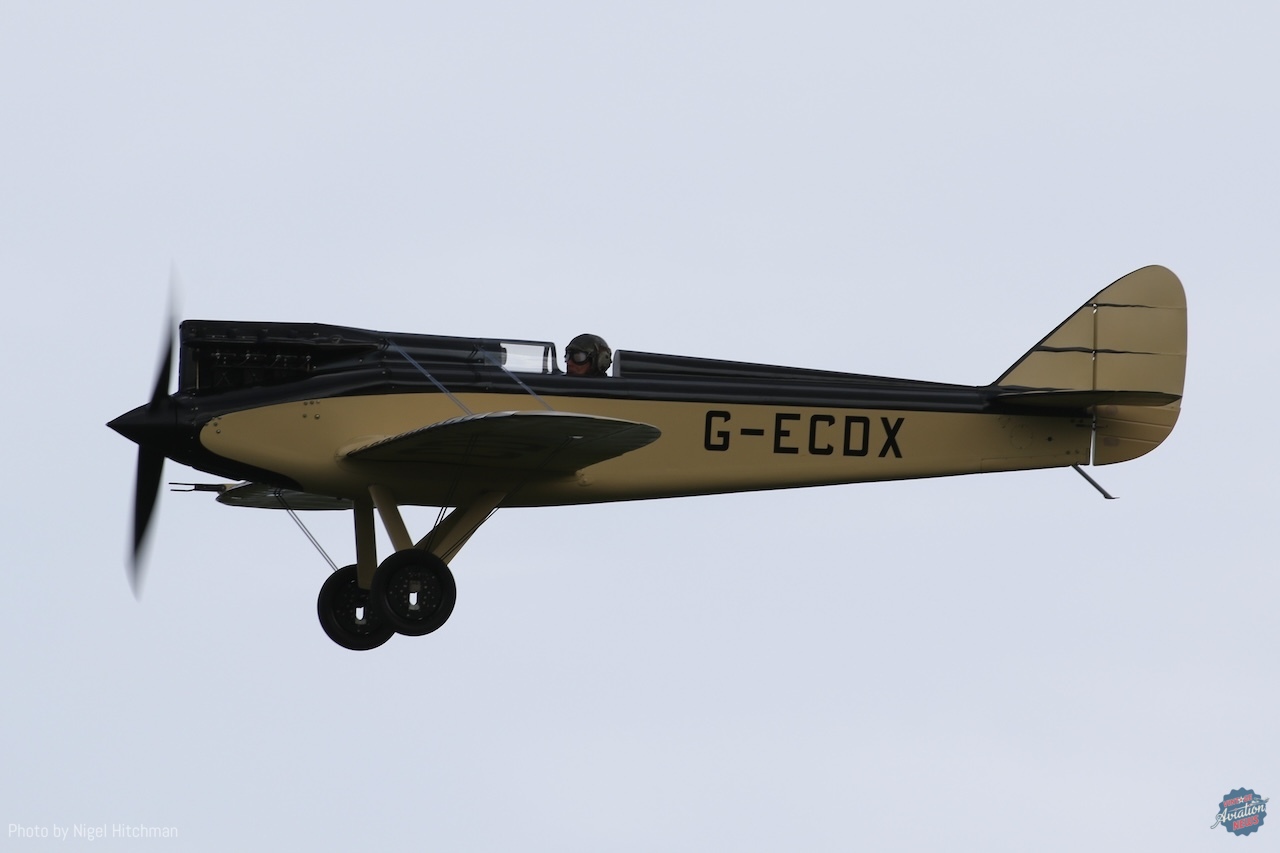
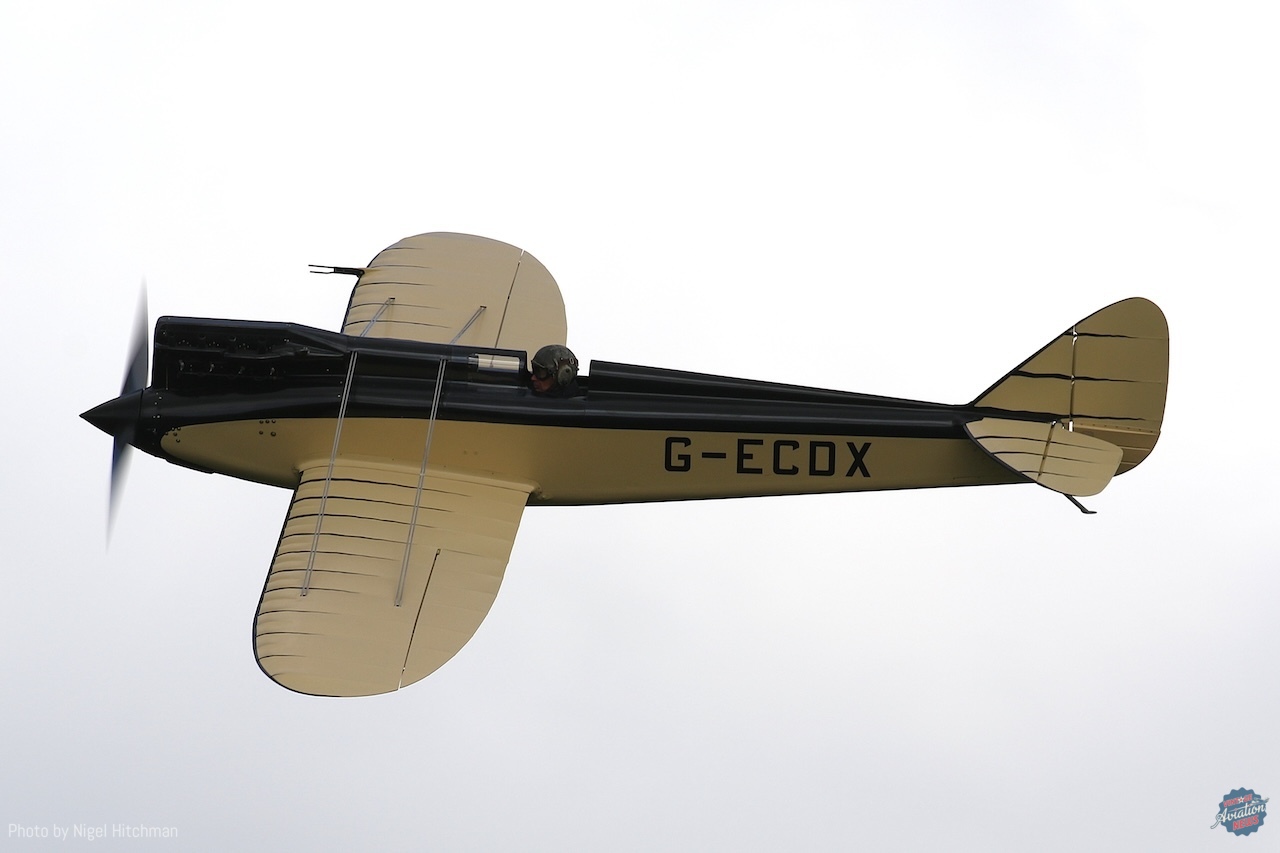
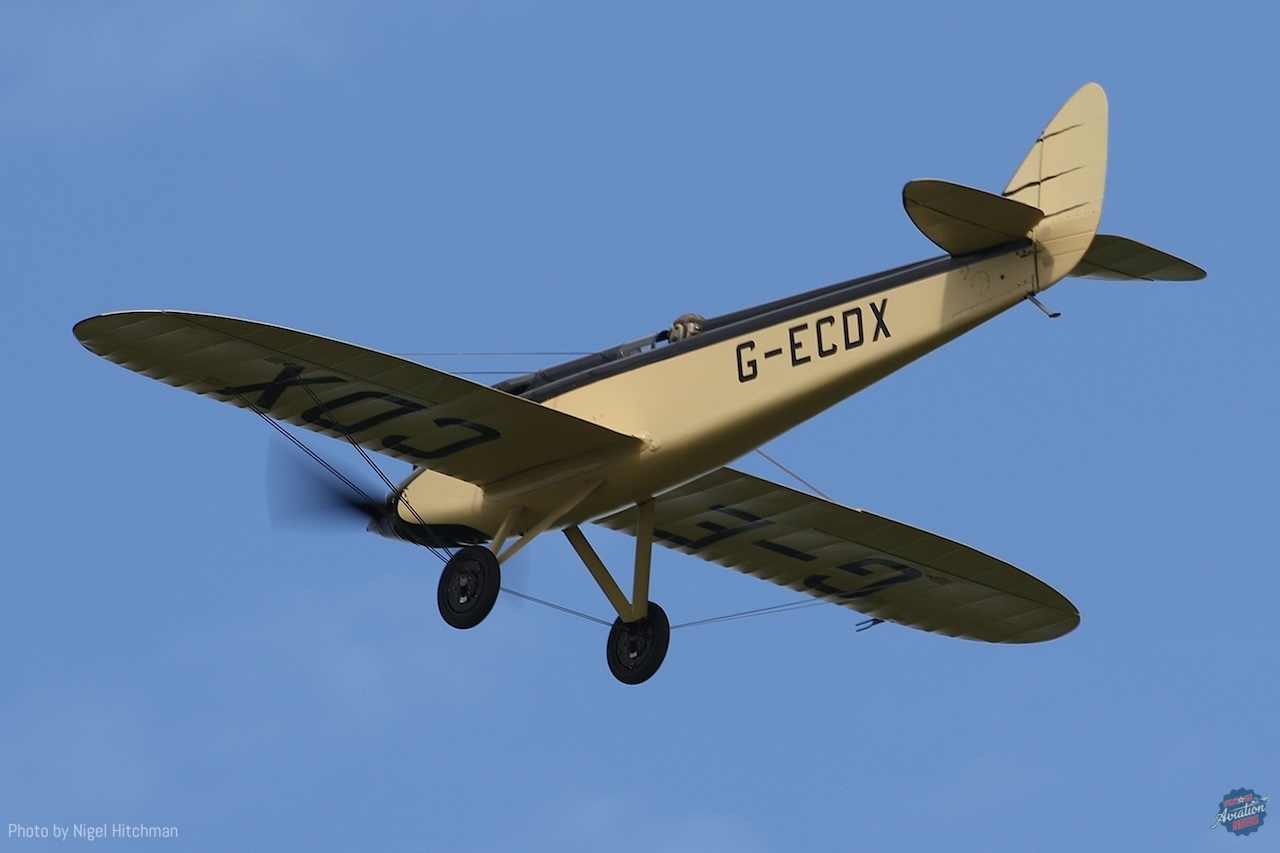
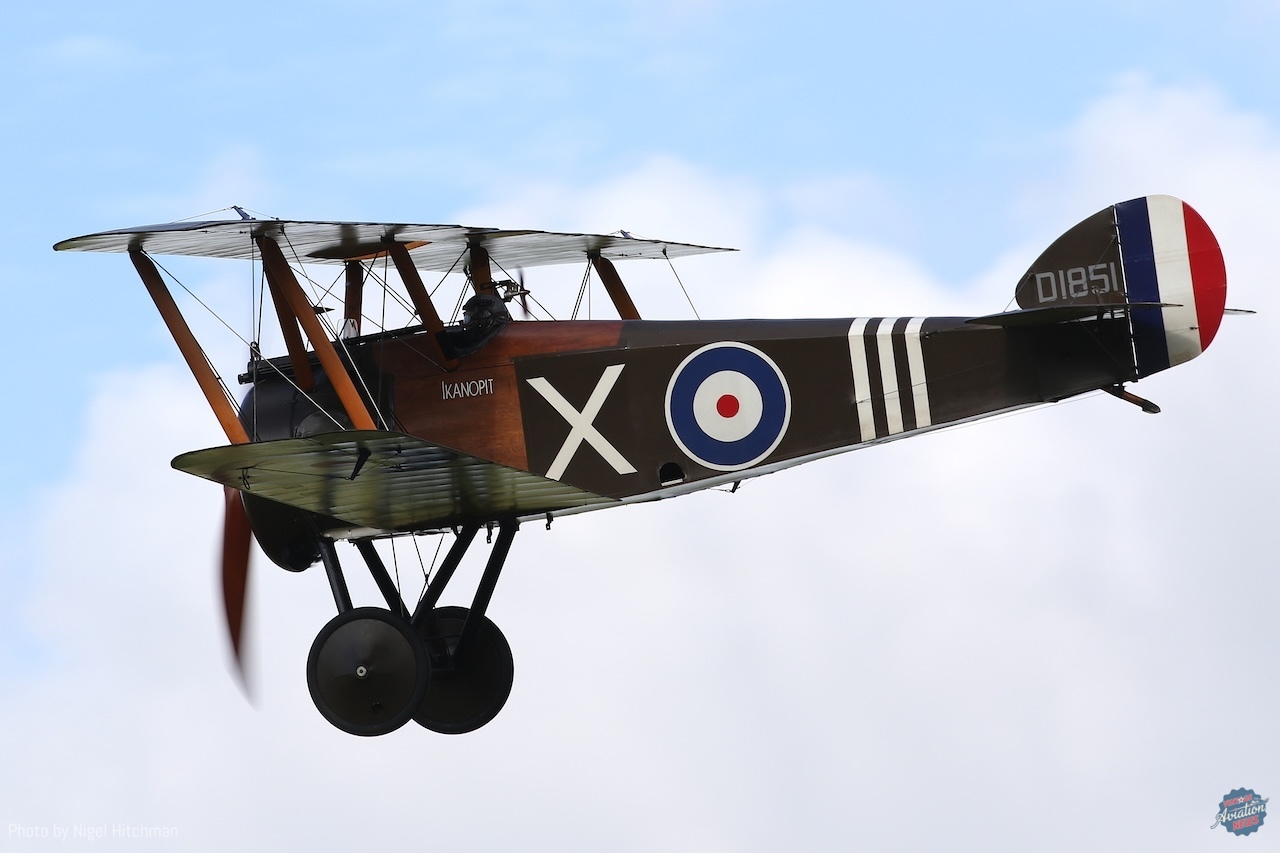
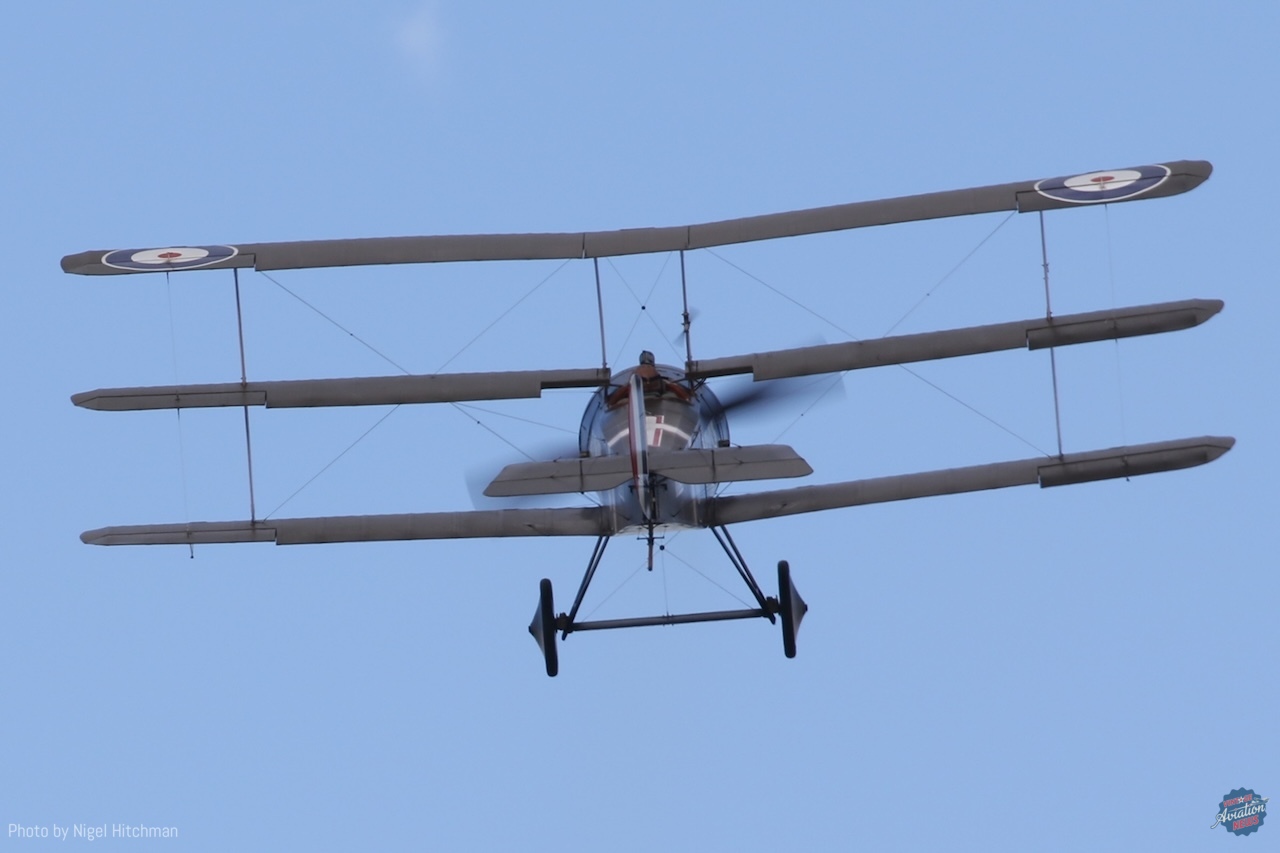
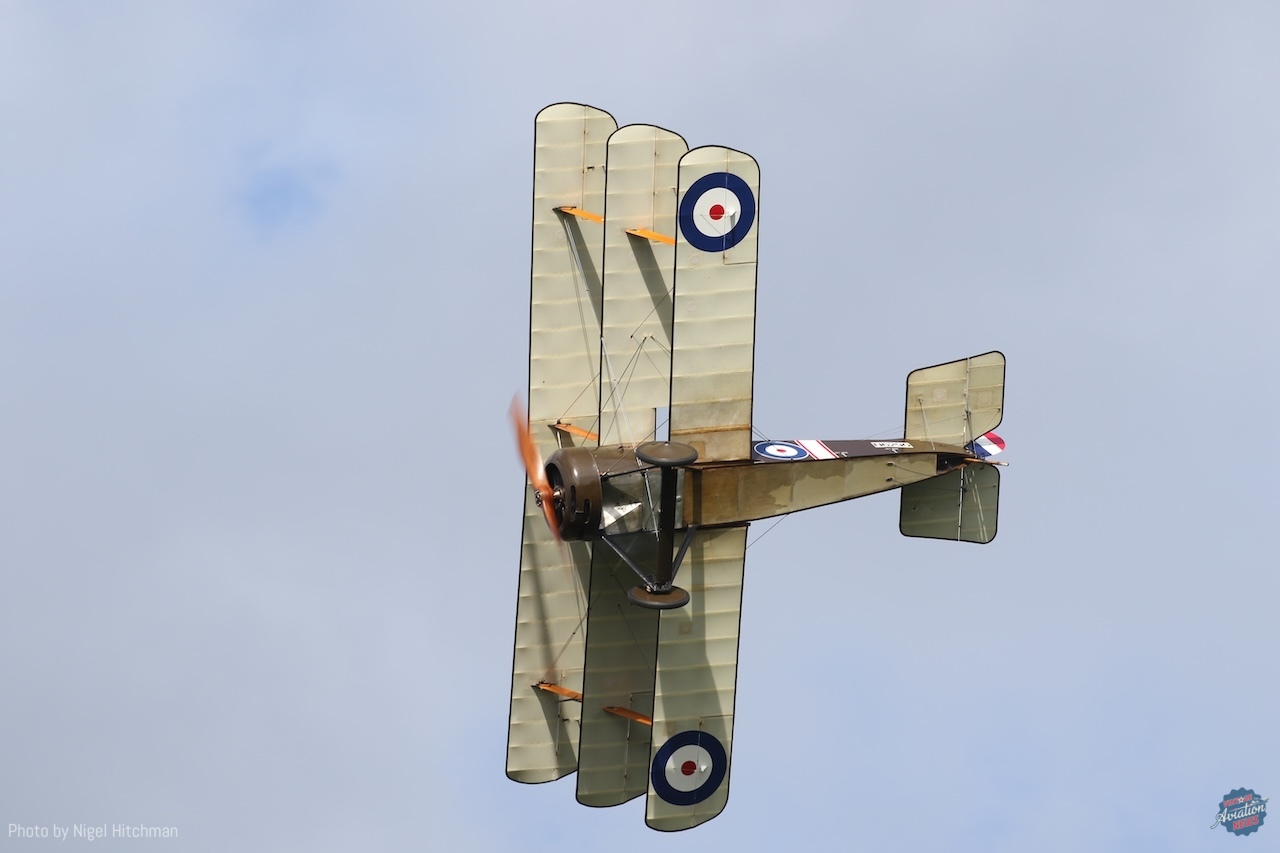
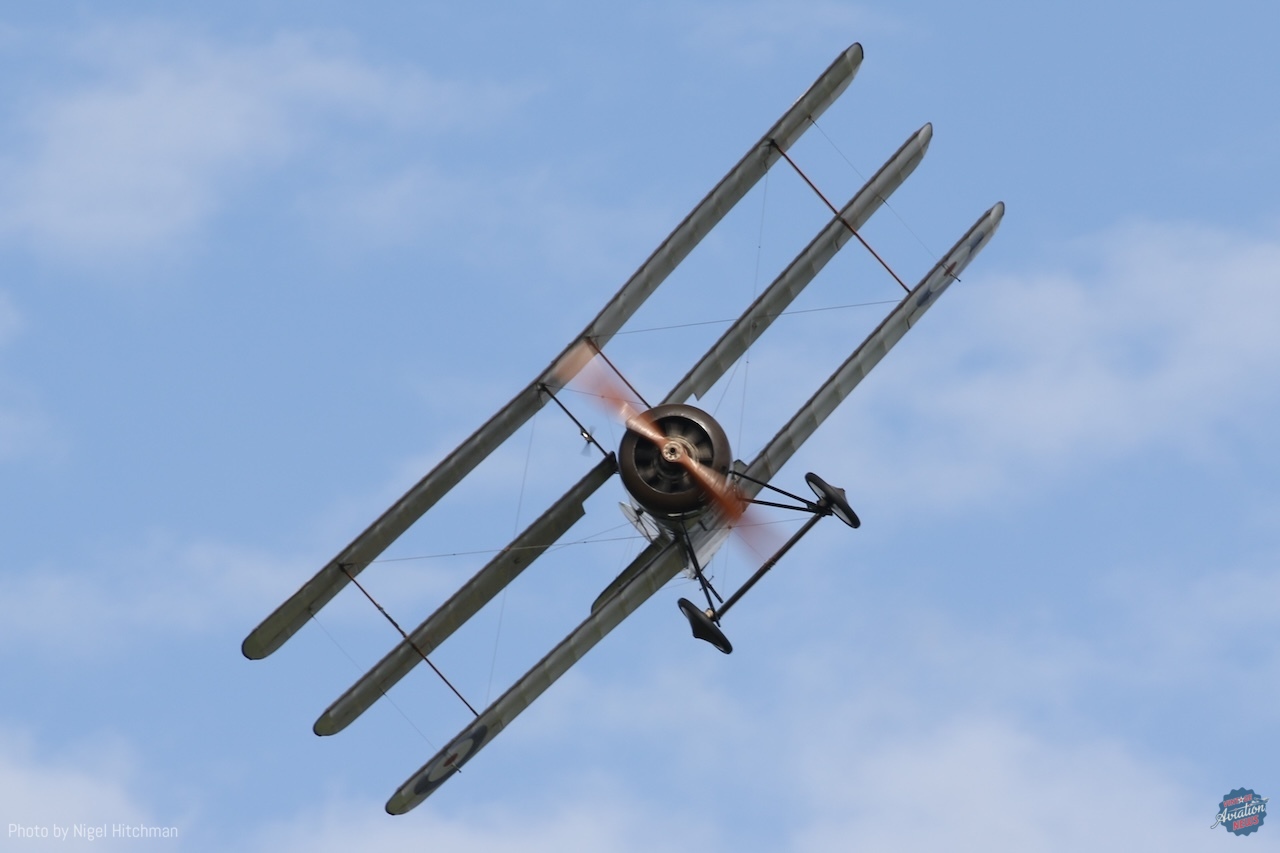
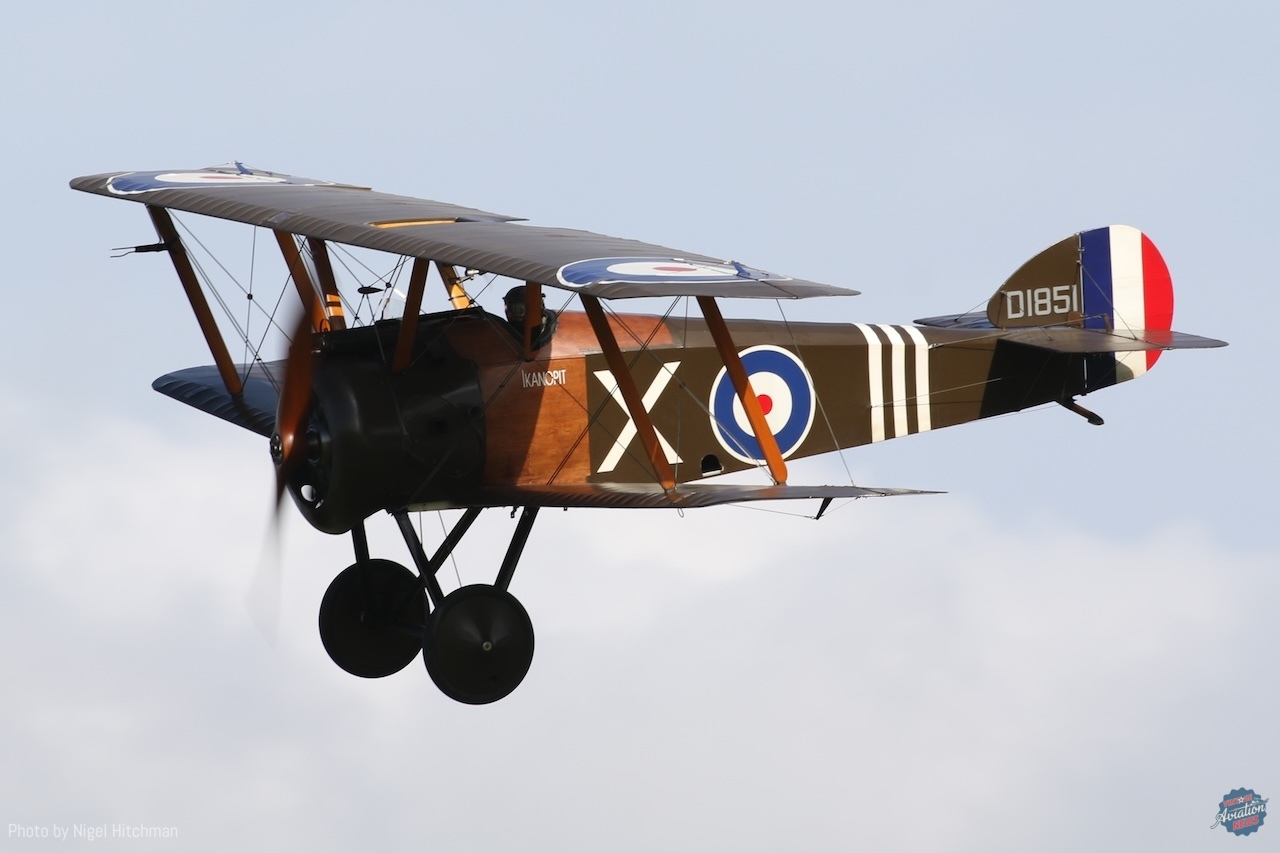
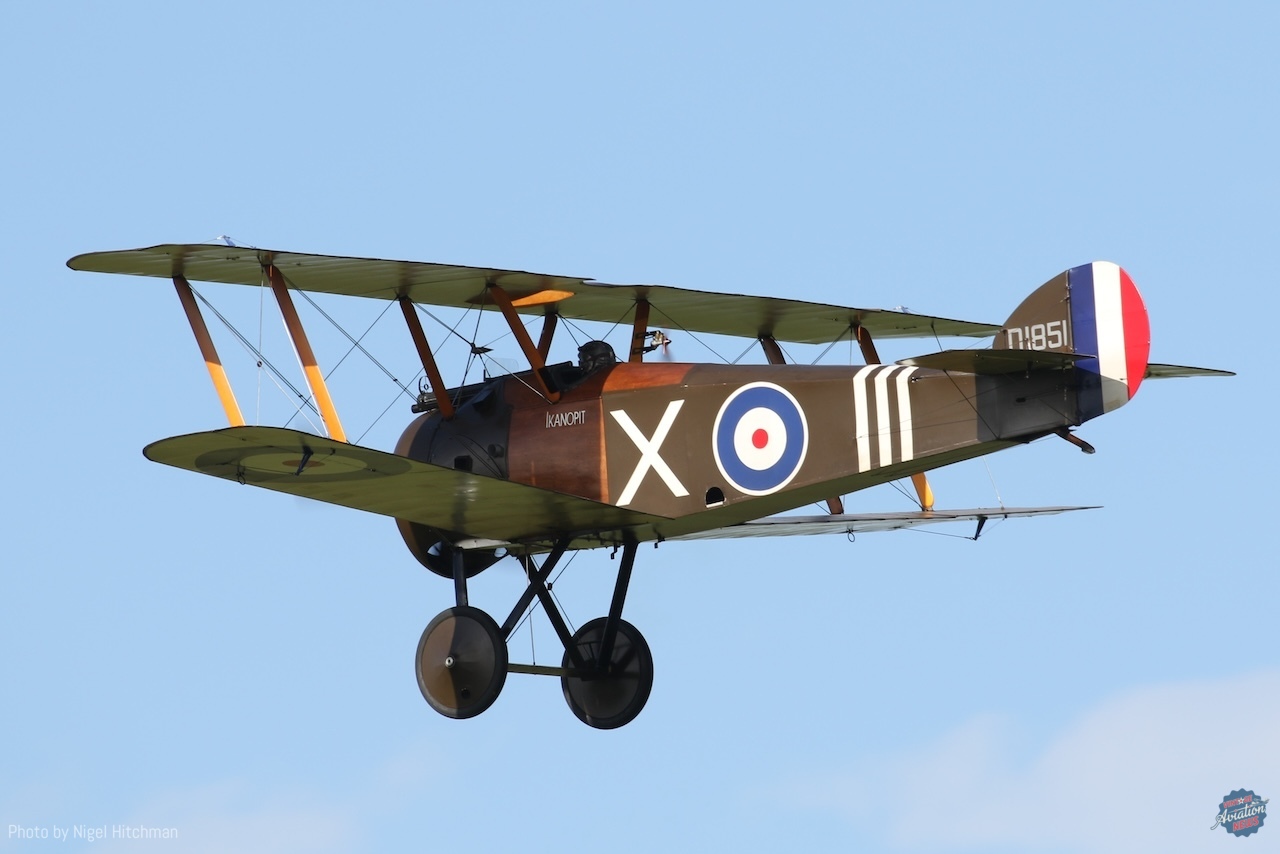
Next was the Sopwith display. The Pup didn’t fly due to a technical issue, but it was great to see the Triplane well displayed and then the Camel, which was making its first display for several years following its engine rebuild.
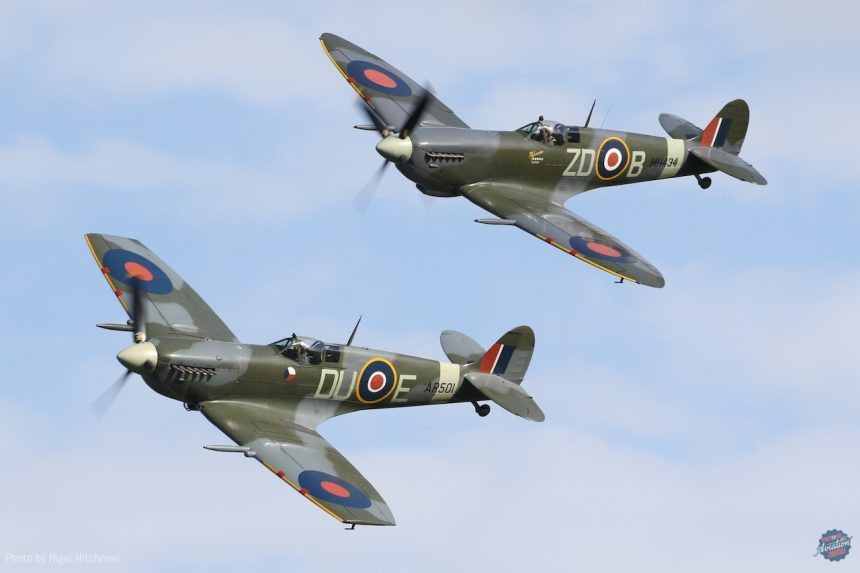
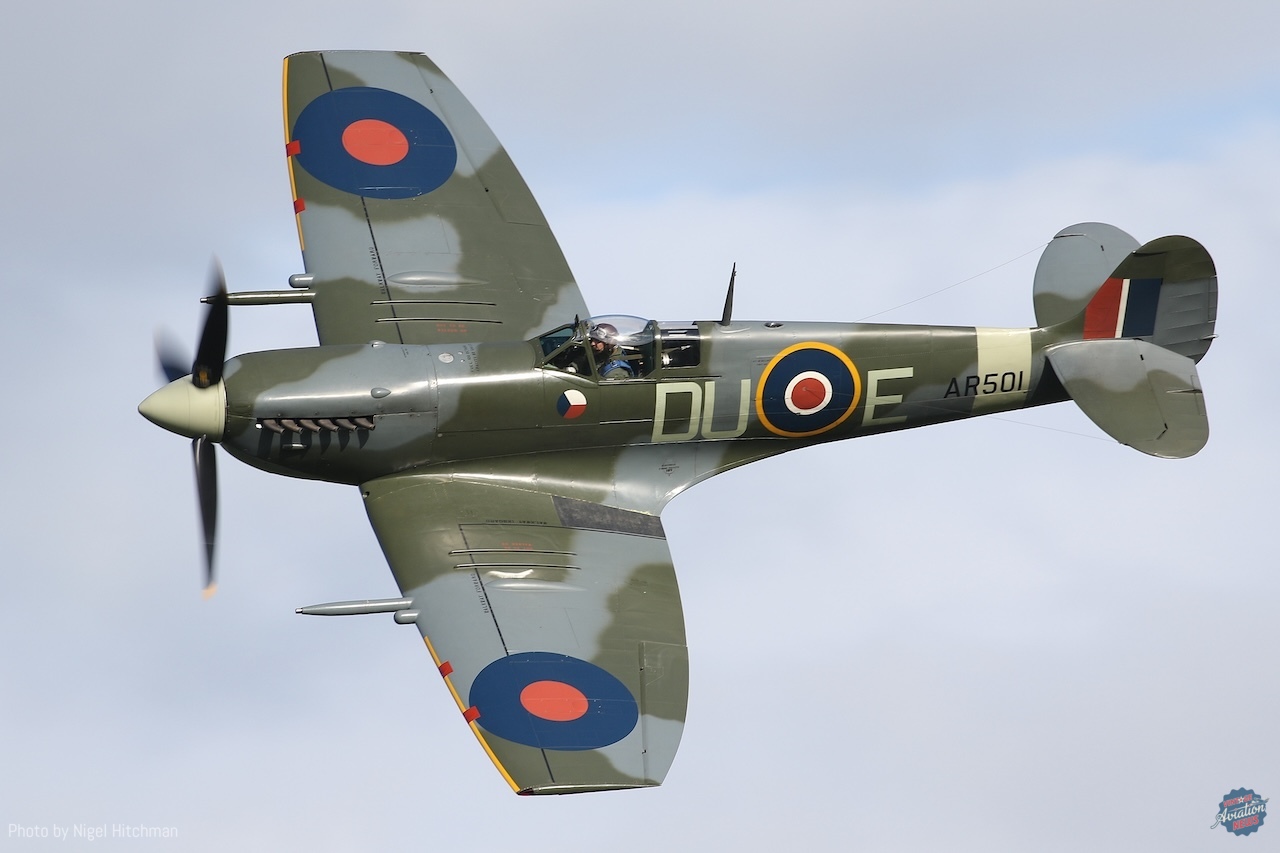
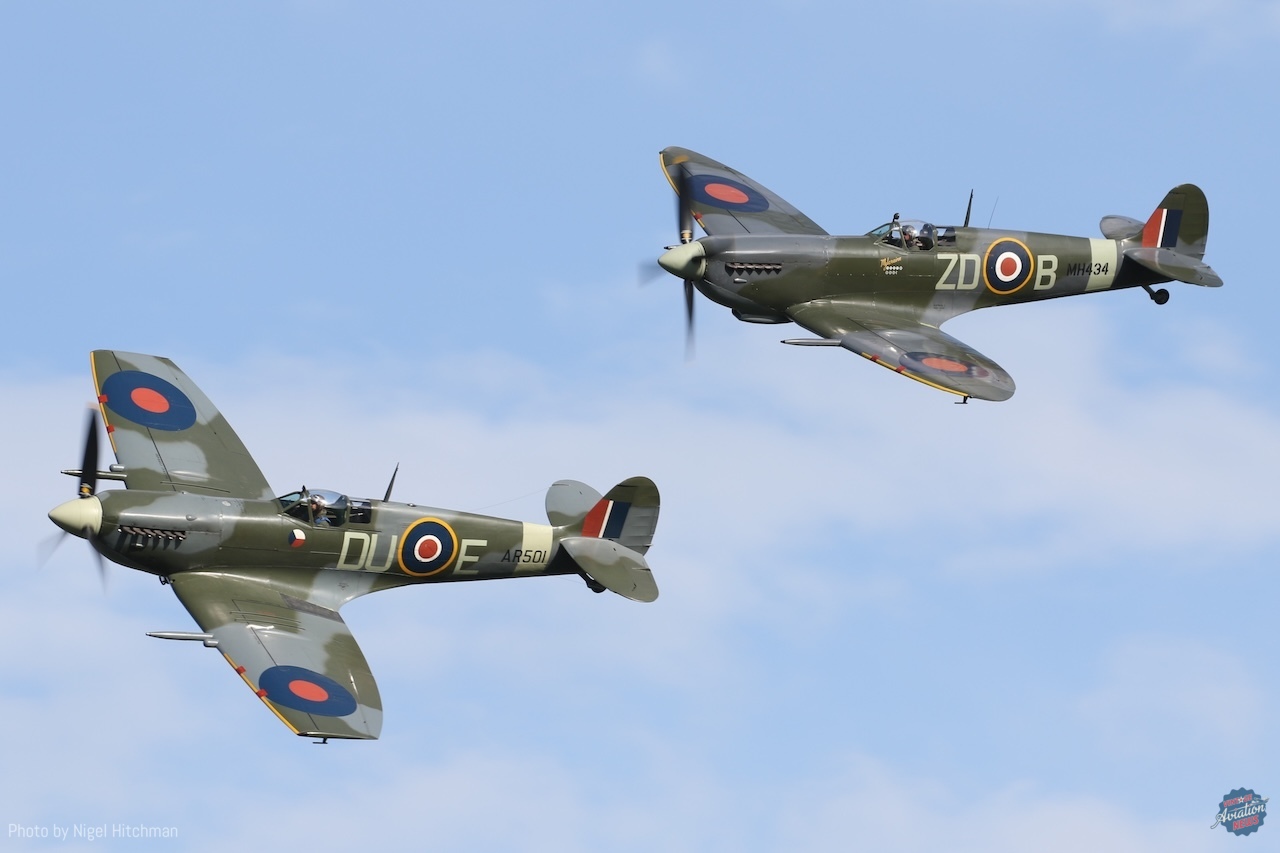
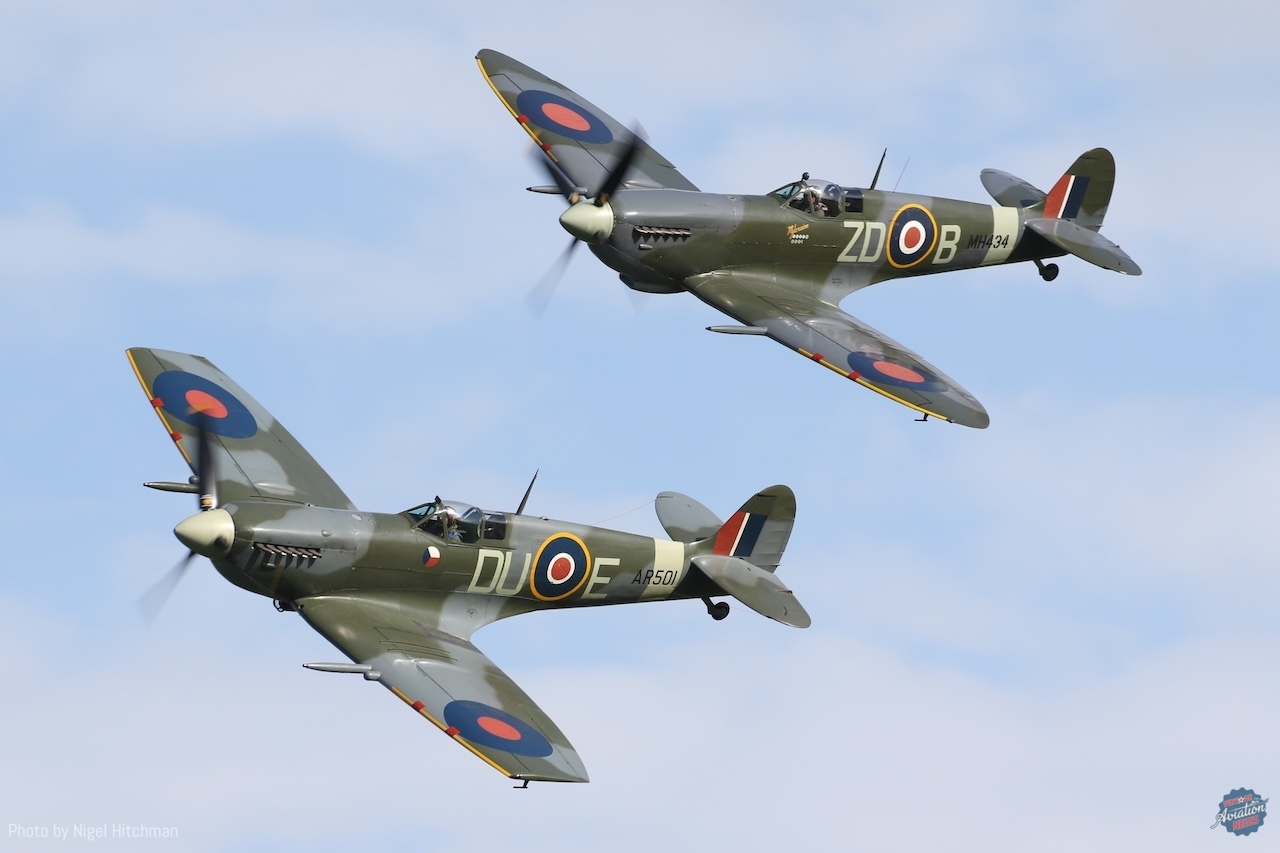
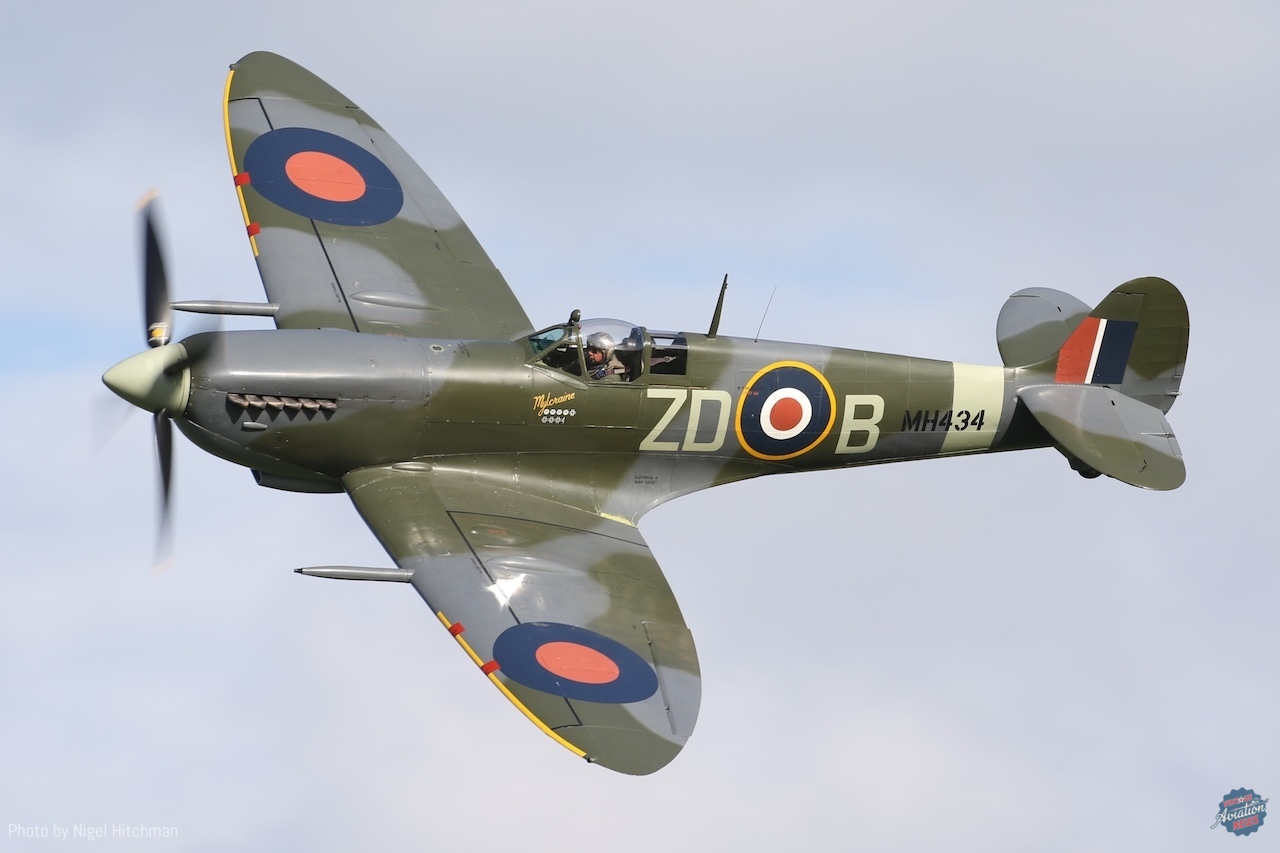
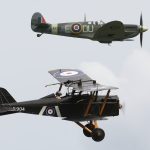
With none of the Edwardians able to fly due to the wind (too strong to even get them out of the hangars), the finale was the two Spitfires: the Shuttleworth Collection’s Mk. Vc AR501 G-AWII, now with its clipped wings again, together with the Mk.IX MH434 G-ASJV, perhaps the most famous Spitfire in the UK, has been privately operated since 1963, when it was purchased from Belgium. It was one of only two Spitfires regularly seen at airshows in the 1970s and 1980s (along with BBMF examples) and was flown by two of the most famous display pilots, Neil Williams and Ray Hanna. Bought by a consortium led by Ray Hanna in 1983, it has continued to thrill audiences ever since.
Overall, a really great show. The next Shuttleworth airshow is Saturday, May 30, which will also feature an evening display when hopefully it will be calm enough for the Edwardians to fly. Then after that it’s the two-day “Festival of Flight” on 27/28 June, which looks like being the best display of the year in the UK, with most of the collection aircraft and a lot of exciting visitors, including the Red Bull P-38, Bearcat, Mustang, Corsair and B25 for their first display at Shuttleworth, and the debut of RAF Station Czechoslovakia’s Avro Anson Mk.1. For more information about the Shuttleworth Collection, visit www.shuttleworth.org.
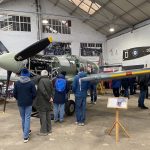




A wonderful museum, and a great Collection. All the Collections of Old Prop aircraft have that same heady aroma … Engine Oil, Fabric Dope and ‘Charisma’!!!
Just to walk through a Hangar is to breath the Scent of History and, with Old Hangars, to encounter the Uninformed Ghosts of Past Pilots would come as no great surprise; indeed, not to meet them is something of a disappointment.
On the Aircraft I can ‘warm’ to most … Save the Spit MK5c, with its Clipped Wings. As Pilots said at the time …’Clipped, Cropped & Clapped’; not, by all the accounts I’ve read, greatly loved; a Cruel Necessity, dictated by the arrival of the FW190.
Still, the Lottery Day comes round and, who knows, I might soon have my Very Own Stable of Thorough-Breds … ‘When You Wish Upon A Star …’!!!