





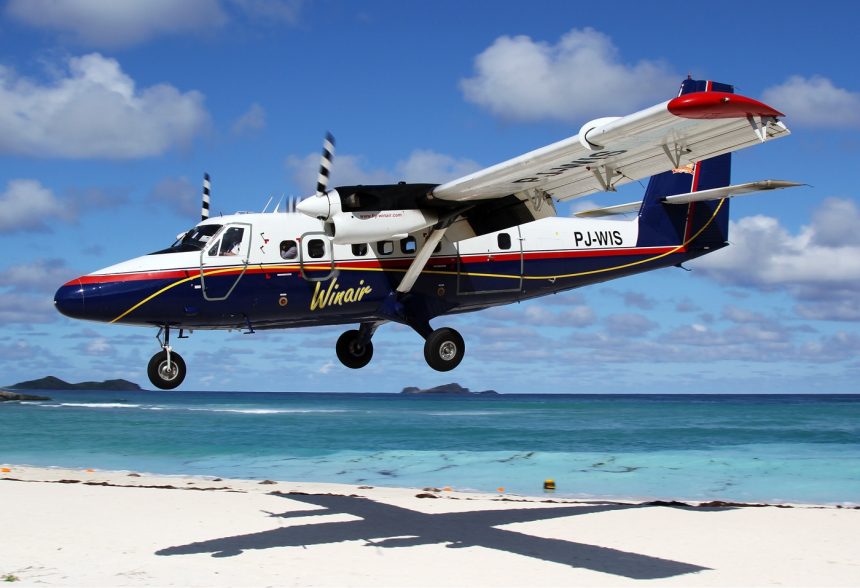

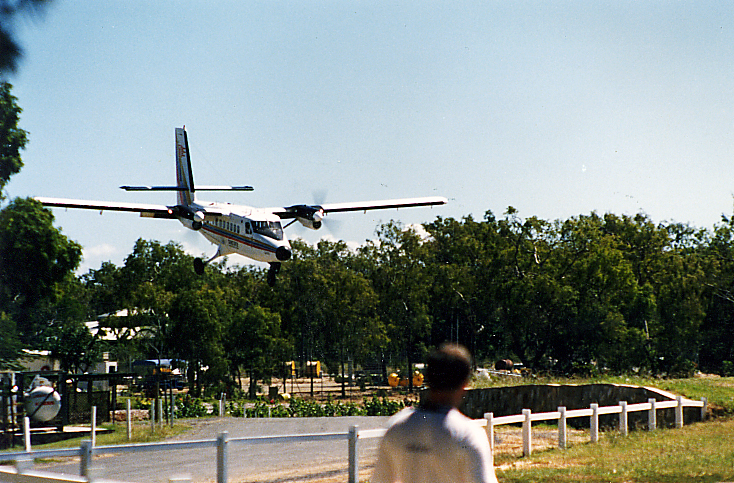
On this day in aviation history, 61 years ago (May 20, 1965), the de Havilland Canada DHC-6 Twin Otter took flight for the first time. The DHC-6 is a Short-takeoff and landing (STOL) utility aircraft designed and built by de Havilland Canada beginning in the mid-1960s. de Havilland Canada manufactured the aircraft from 1965 until 1988. Viking Air bought the Twin Otter’s type certificate in 2006 and restarted production of the aircraft in 2008. Viking eventually adopted the name of de Havilland Canada and, in 2023, began production of the 300-G. This newest variant is an upgraded version of the DHC-6 Series 400, with advanced avionics.
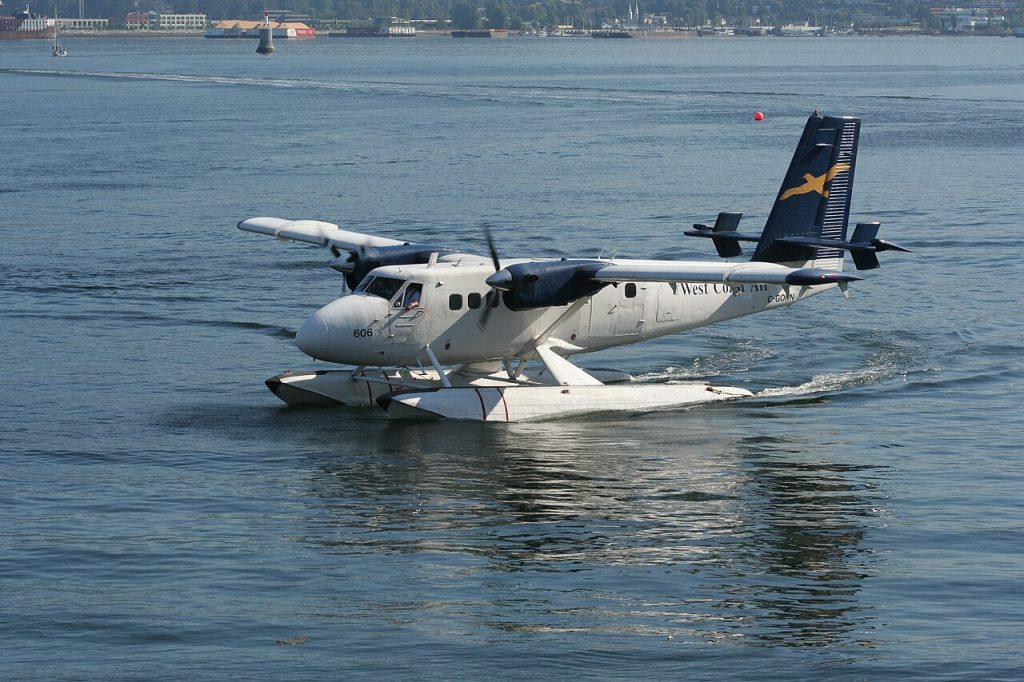
Development of the DHC-6 began in 1964 with the intention that the aircraft would be a suitable replacement for the single-engine DHC-3 Otter, while retaining the DHC-3’s STOL qualities. The Twin Otter features fixed landing gear, double-slotted trailing-edge flaps, and ailerons that work uniformly with the flaps to enhance overall STOL performance. With two Pratt & Whitney Canada PT6A turboprop engines, each producing between 560 and 620 shp, the DHC-6 also has superior climb performance. When all of these features are combined, the Twin Otter is an excellent platform to serve as an airline commuter, medevac ship, and skydiver hauler. The US Army Parachute Team and the 98th Flying Training Squadron of the USAF both employ the DHC-6 for skydiving operations.
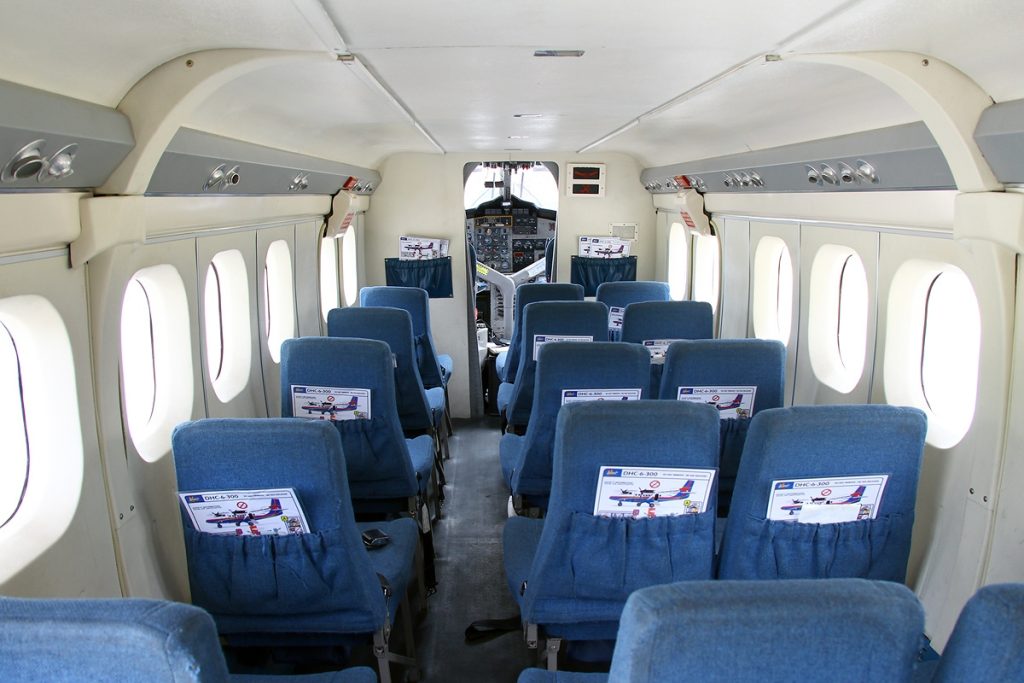
Three distinct “Series” of DHC-6s have been produced: the 100, 300, and 400. The 300 Series Twin Otter can seat 20, with a crew of 1-2 in the cockpit. The aircraft has a payload of between 1,900 and 2,500 lbs and can cruise at 182 KIAS. The 400 Series can take off at 1,200 ft and land at 1,050 ft. DHC-6-400s can fly for close to 7 hours with full fuel, and climb at a rate of 1,600 fpm. Since 1965, a total of 1,000 DHC-6 have been manufactured by de Havilland Canada and Viking. The Twin Otter shows no signs of stopping, as production continues on the newest 300-G variant, a testament to the aircraft’s strong design.











I wish these articles were actually written by the author rather than cut and pasted from Wikipedia !
They are all written by author Austin Hancock and not cut/pasted from Wikipedia: https://vintageaviationnews.com/author/austin – If you think that can do better, raise your hand and we will be happy to work with you.