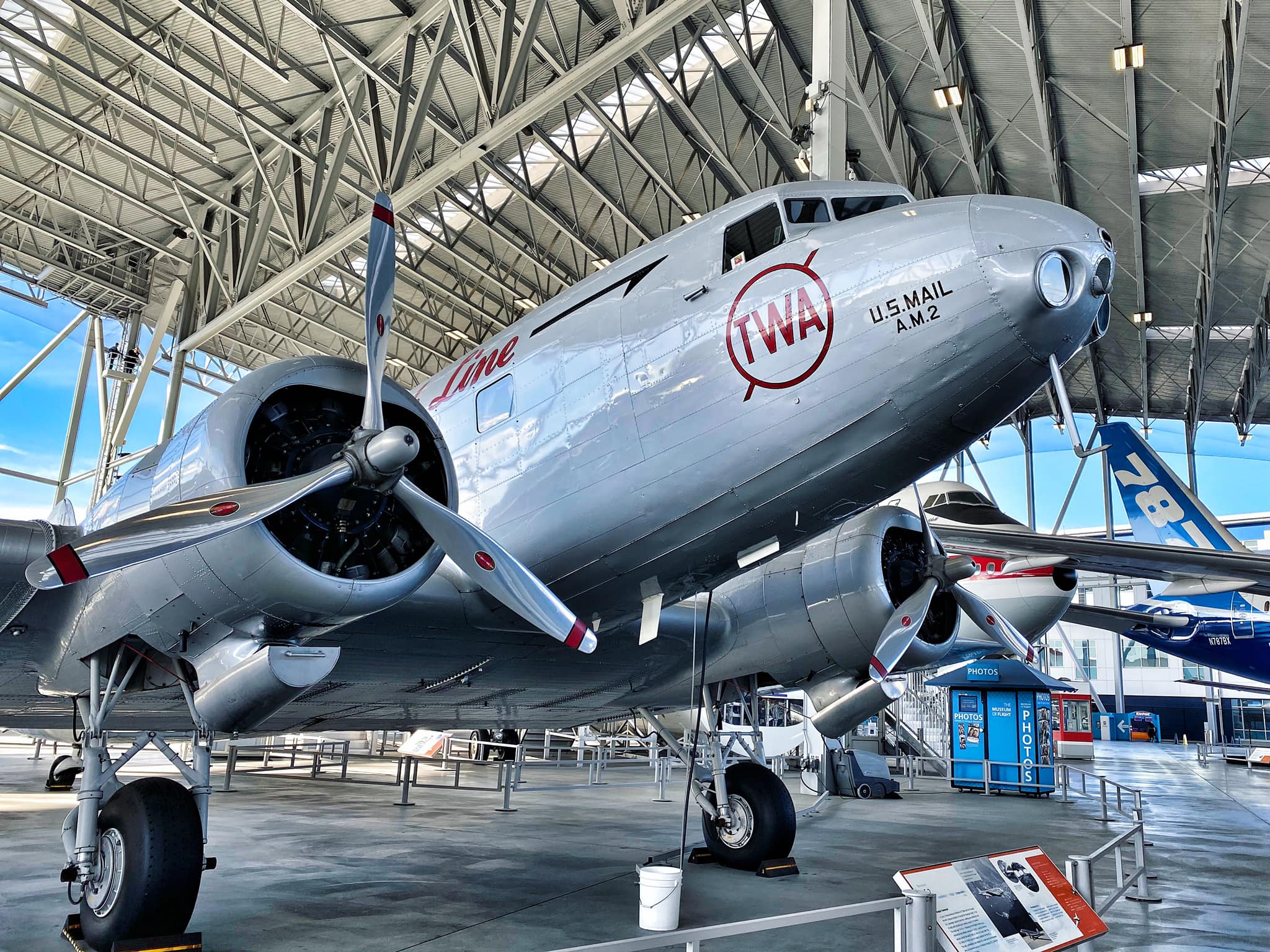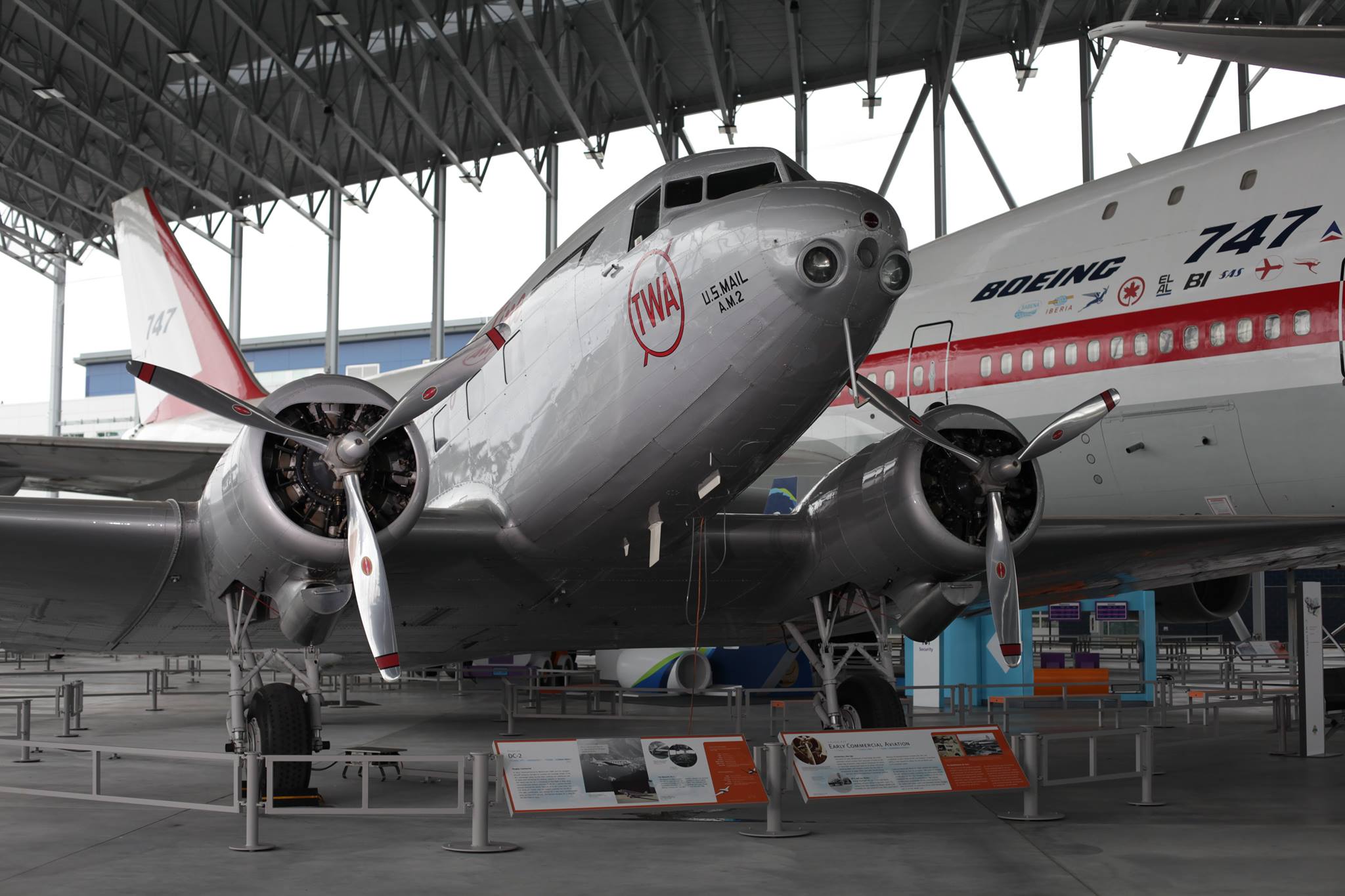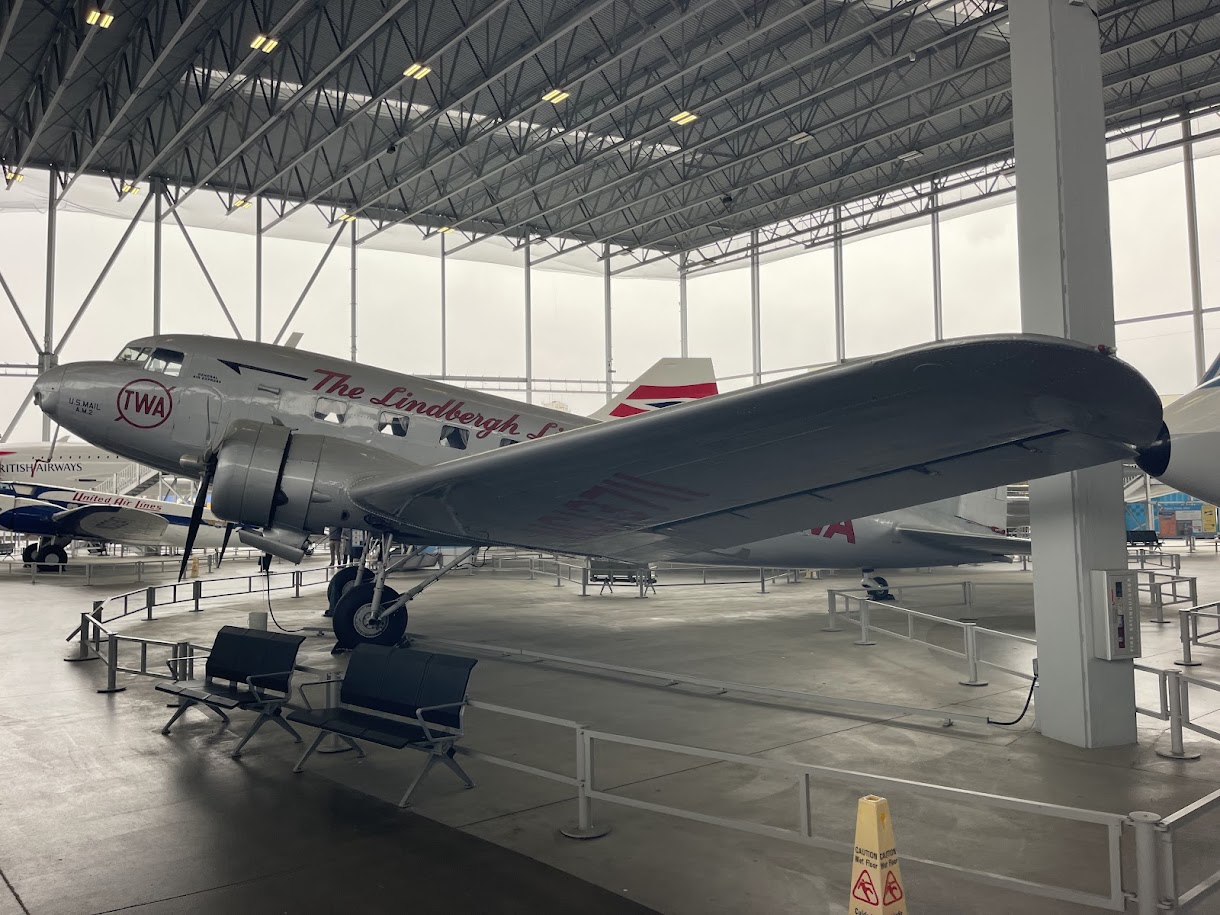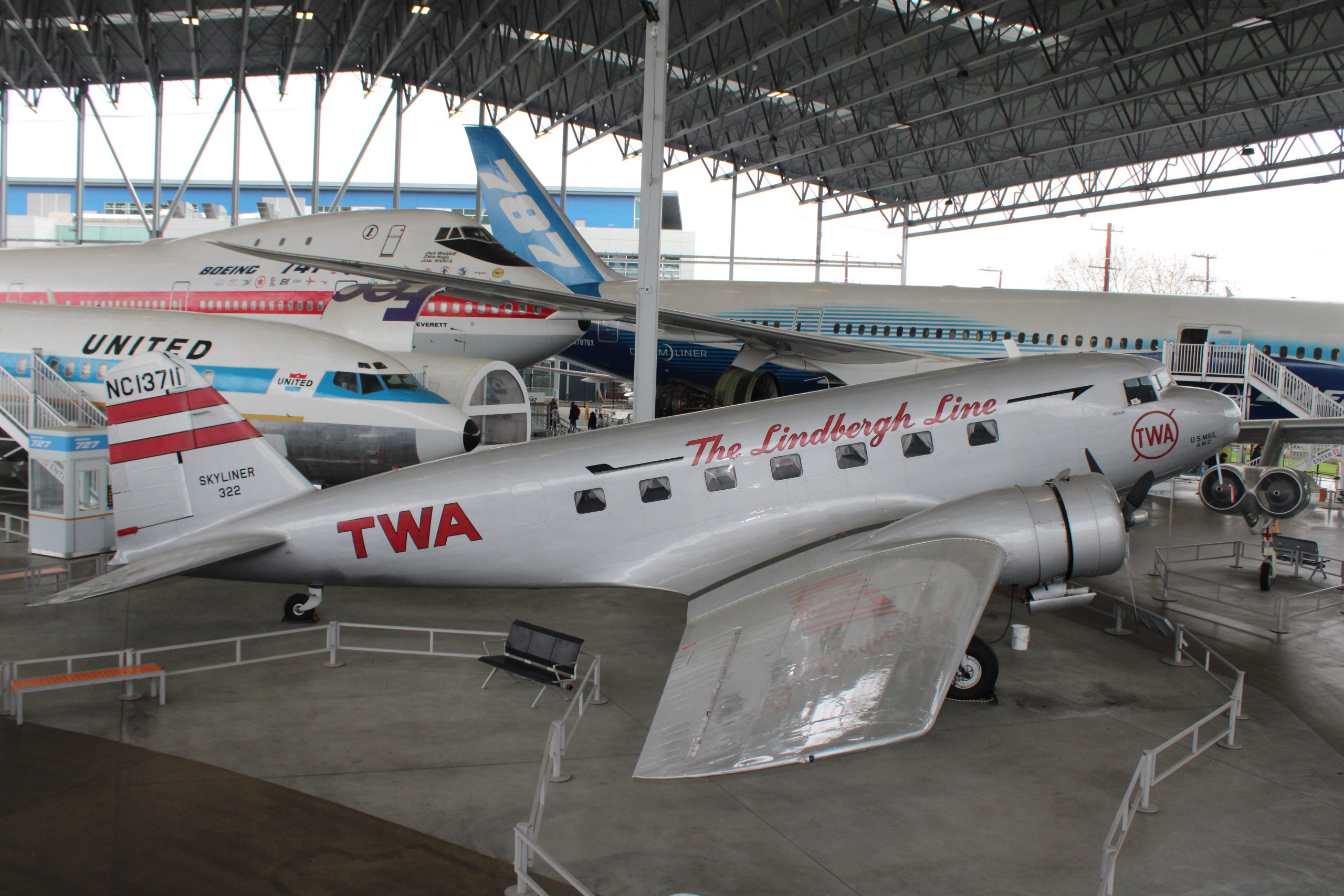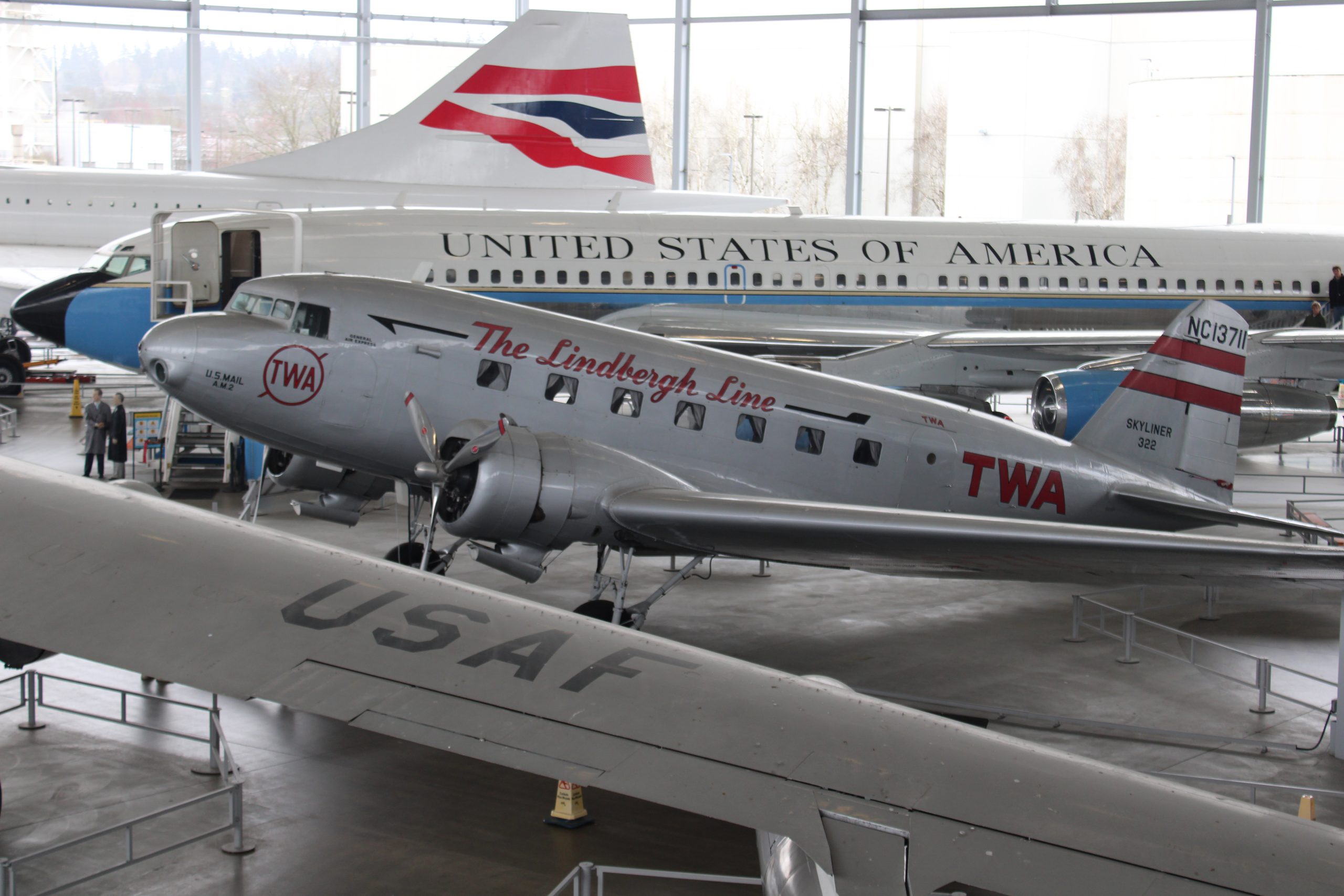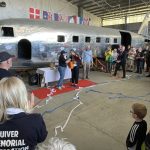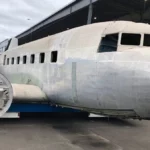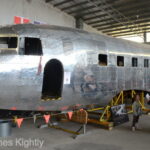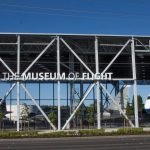
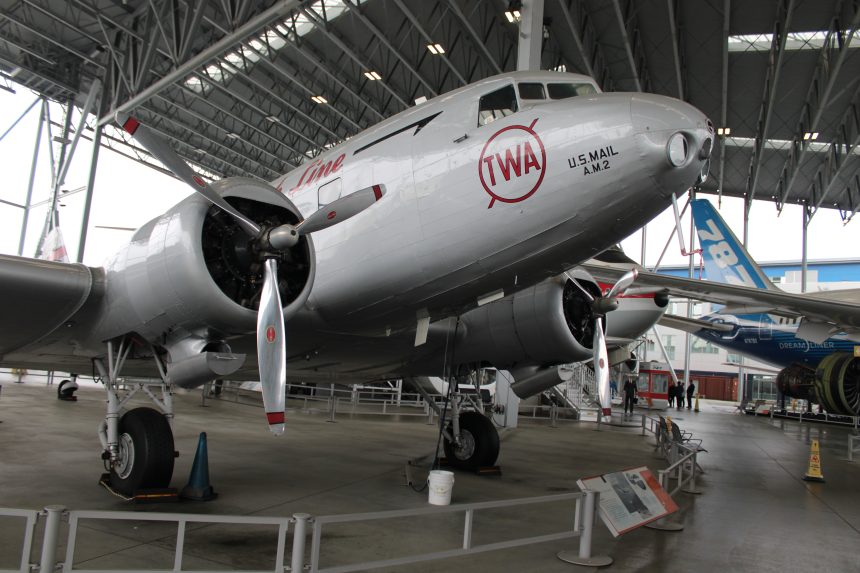

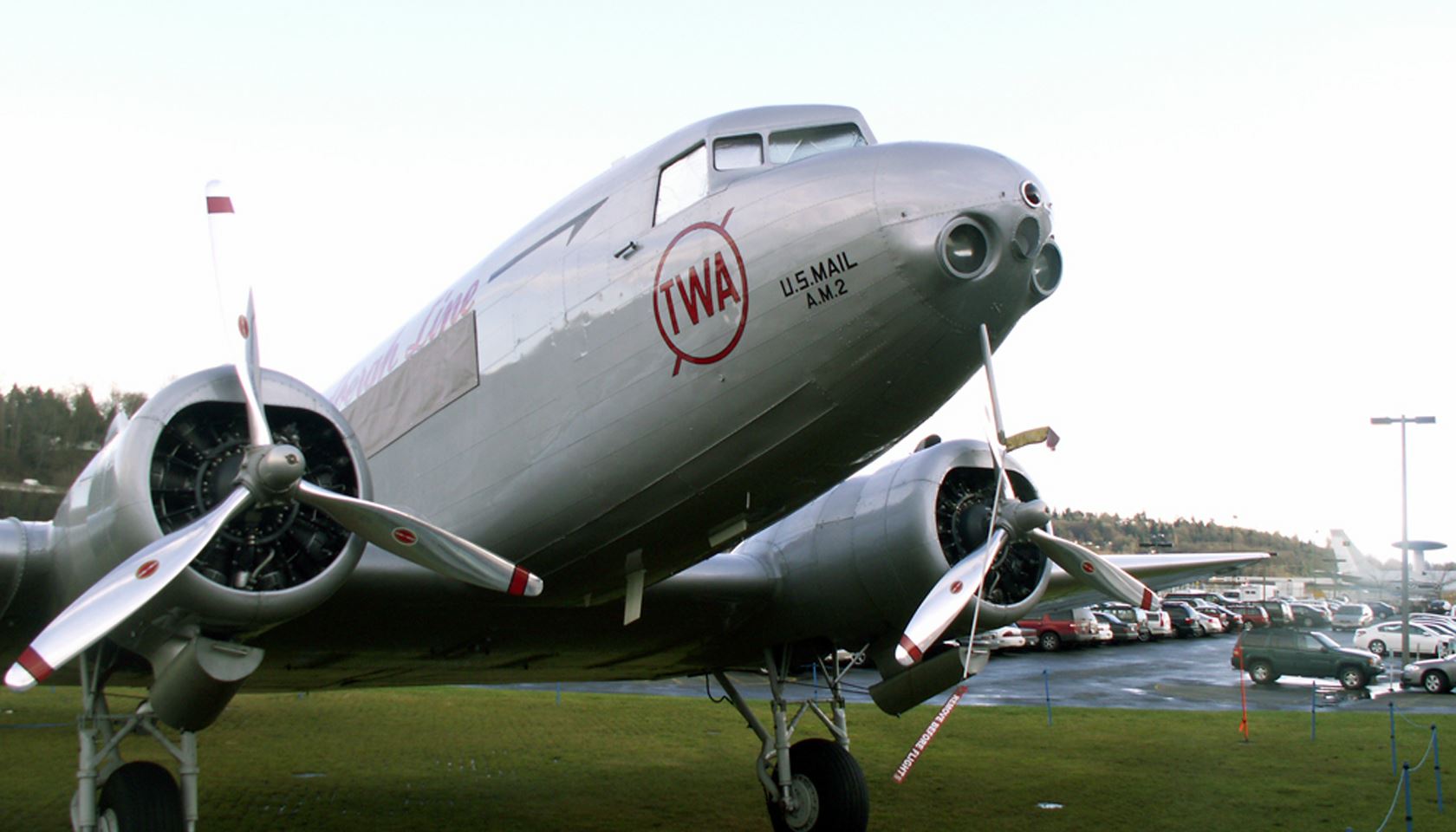
If there is one aviation museum in the US Pacific Northwest that is on par with such institutions as the National Air and Space Museum, it is the Museum of Flight in Seattle, which has been expanding further and further in its scope of preserving aerospace history and inspiring future generations for more than 50 years. One of the museum’s most popular exhibits, situated across Marginal Way from the main campus and connected by the T. Evans Wyckoff Memorial Bridge is the museum’s Aviation Pavilion, a covered, open-air gallery with 3-acres and 19 commercial and military aircraft, from the Boeing B-17F Flying Fortress to the prototypes of the Boeing 727, 737, 747, and 787 Dreamliner airliners, and even a Concorde and a former Air Force One (a Boeing VC-137B). Located in the middle of the Aviation Pavilion and dwarfed by the giant 747 and 787 airliners, sits an example of the Douglas DC-2, the first airliner built by the Douglas Aircraft Company for widespread, worldwide service, and a direct ancestor of the legendary DC-3.
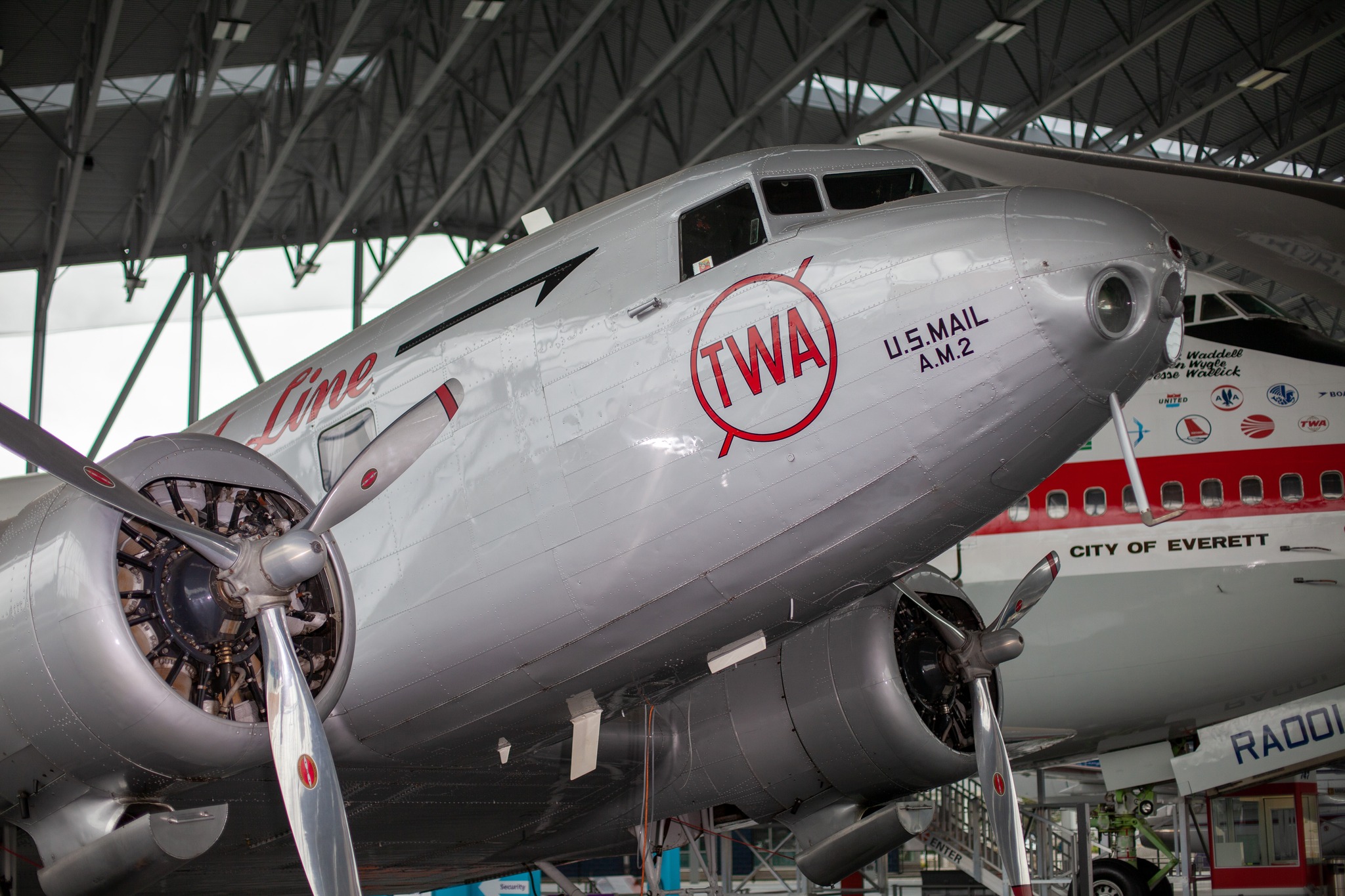
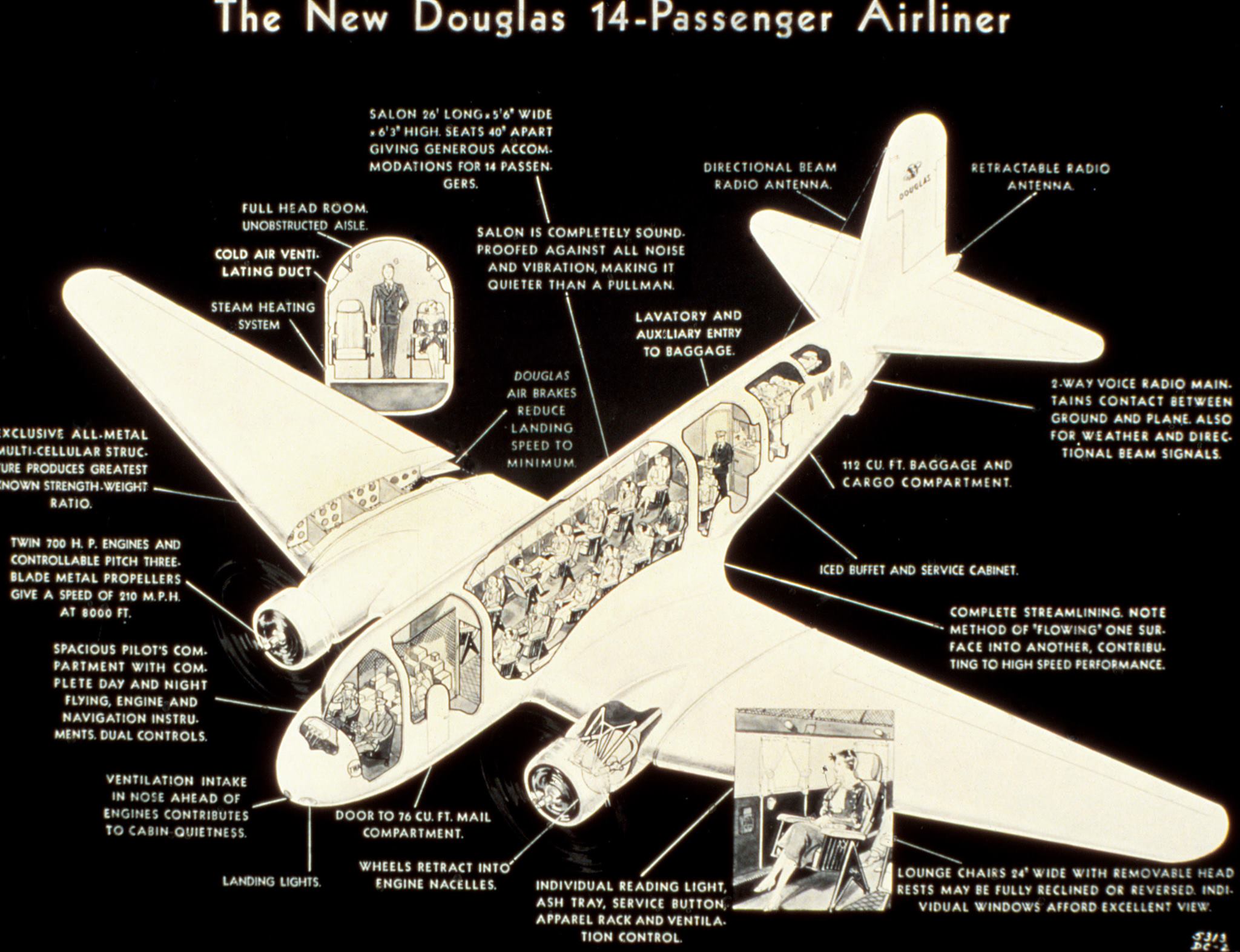
Derived from the one-and-only DC-1, the DC-2 may have been eclipsed by its younger brother, so to speak, but was nonetheless an aircraft of substance. With a capacity for 14 passengers and powered by Wright R-1820 Cyclone radial engines, the DC-2’s crowning achievement was when KLM flew their first DC-2, PH-AJU Uiver (Stork) in the 1934 MacRobertson Air Race from England to Australia, and won second place, beaten only by the purpose-built de Havilland DH.88 Comet racer “Grosvenor House”. The DC-2 would serve as both a civilian airliner and a military transport during the 1930s and in World War II by Argentina, Australia, Austria, and Brazil. China, Colombia, Czechoslovakia, the Dutch East Indies (now Indonesia), Finland, France, Germany, Honduras, Italy, Japan, Manchukuo, Mexico, the Netherlands, Poland, Spain, South Africa, Switzerland, the United Kingdom, the United States, and Uruguay. Some military variants flown by the U.S. Army Air Corps (later U.S. Army Air Force), such as the C-33 and C-39, also flew with a mixture of DC-2 and DC-3 components, usually with the DC-3-style tail for greater lateral stability. The DC-2 on display in Seattle is evocative of the type’s quiet but enduring legacy, and its story is that of a workhorse that served its owners well and lasted long enough for its value to be appreciated enough to be preserved for posterity.
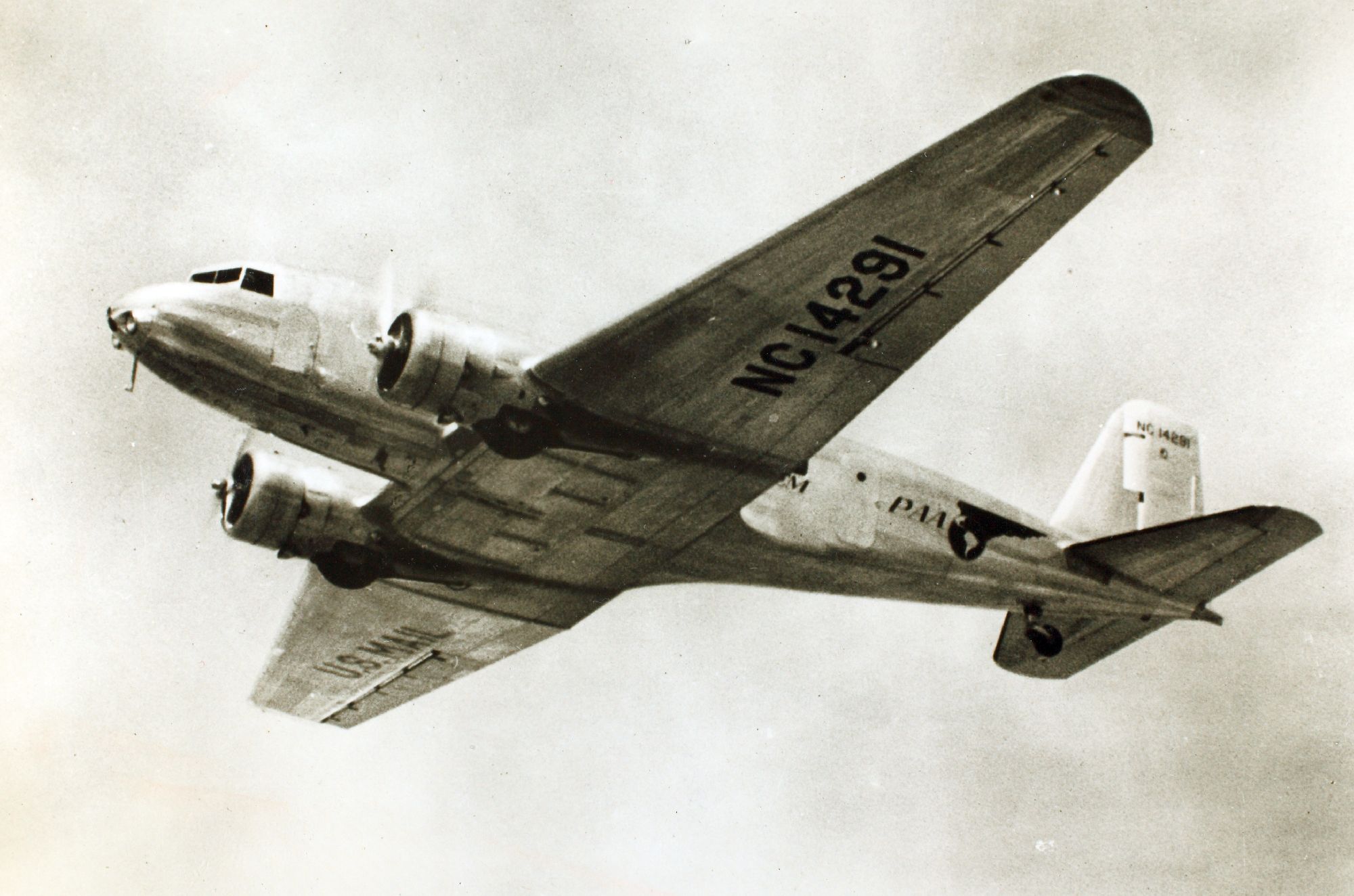
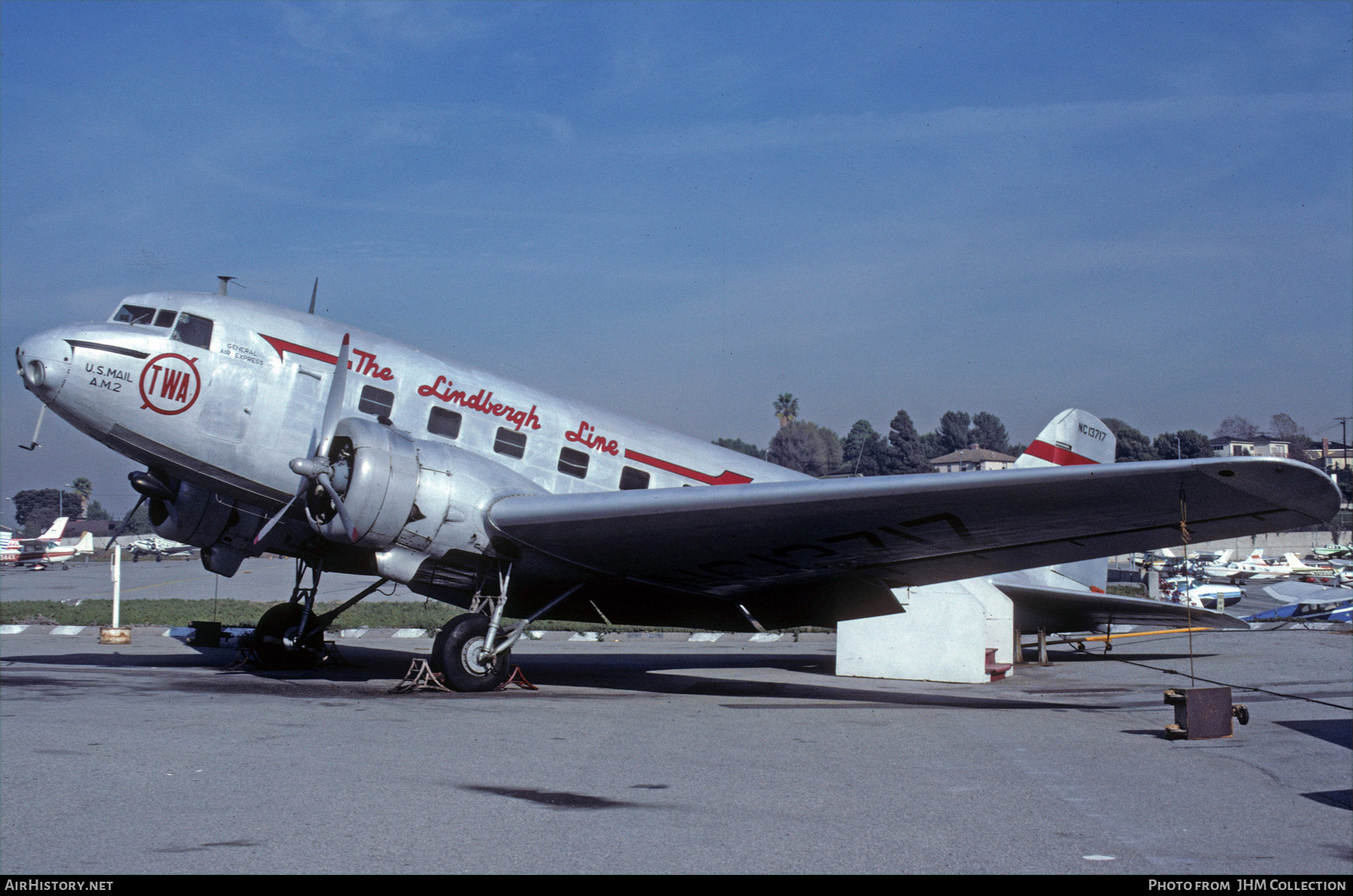
Built at the Douglas Aircraft Company’s plant in Santa Monica, California, as construction number 1368, this aircraft was the 77th production model DC-2 built. On March 16, 1935, c/n 1368 was delivered to Pan American Aviation Services, the holding company for Pan American Airways (Pan Am), as NC14296, with the formal transfer of the aircraft’s title taking place one month later on April 9. Being the largest U.S.-based airline to operate foreign routes (largely in Central and South America), Pan Am’s president, Juan Trippe, also owned a majority of shares in numerous airlines across Latin America, including the largest airline in Mexico at that time, Compañía Mexicana de Aviación (later known simply as Mexicana). On October 26, 1937, DC-2 NC14296 was transferred to Mexicana and re-registered as XA-BJL. After three years of flying passengers and cargo across Mexico, XA-BJL became one of two DC-2s transferred to Guatemala to fly with Aerovías de Guatemala (now operating as Avianca) on October 11, 1940, being registered as LC-ACA.
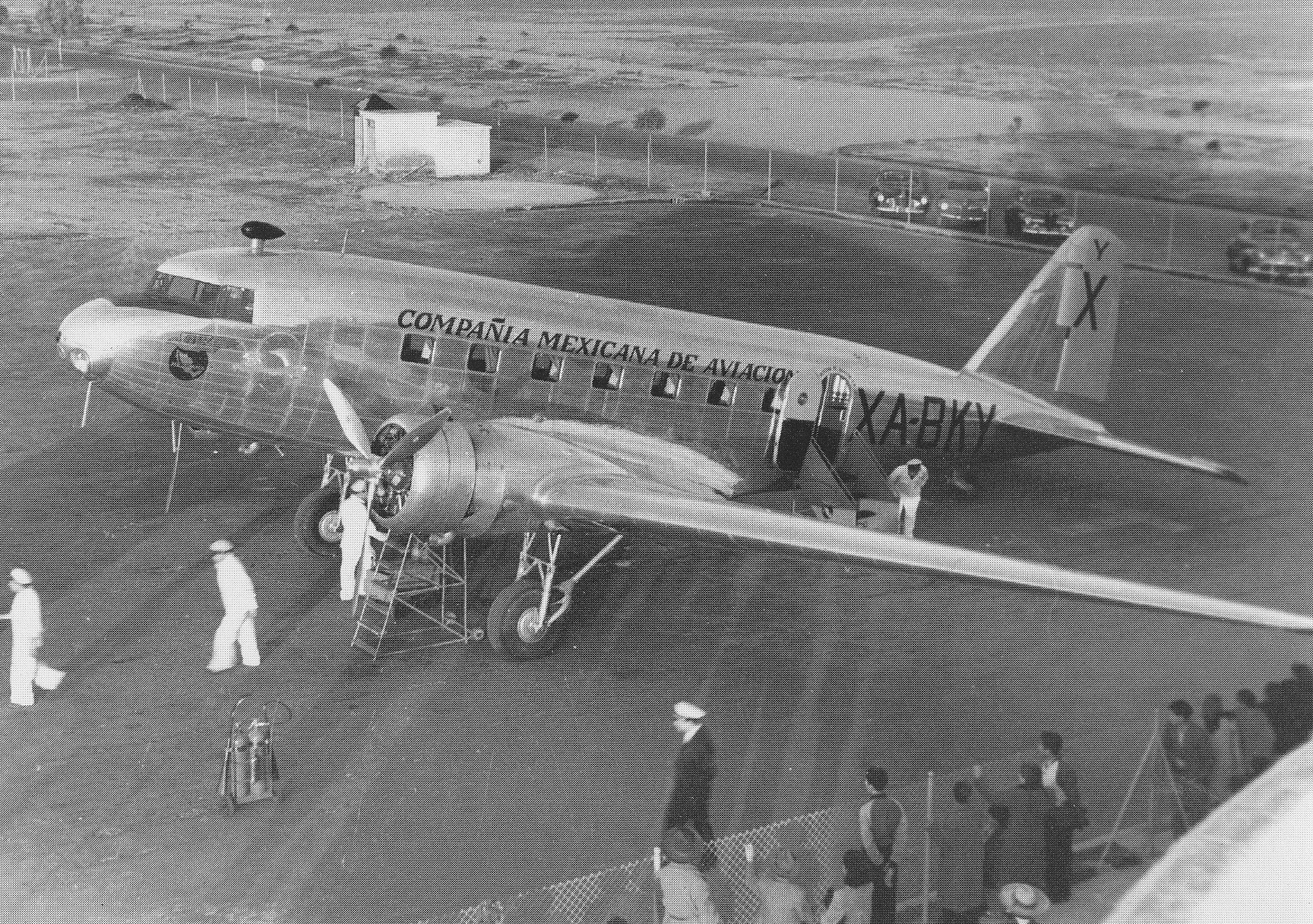
In 1944, Guatemala elected its first democratically elected president, Juan José Arévalo, who would set about nationalizing key industries in Guatemala that had been dominated by the business interests of the United States. On entering office on March 15, 1945, Arévalo would nationalize Aerovías de Guatemala, and the airline adopted the new name Empresa Guatemalteca de Aviación S.A. Soon afterward, the aircraft registration prefixes in Guatemala were also changed, and DC-2 LC-ANA was re-registered as TG-ACA. Over the next seven years, DC-2 TG-ACA remained in operation over Guatemala, carrying everything from passengers and cargo to livestock around the country, but with Empresa Guatemalteca de Aviación purchasing WWII surplus Douglas DC-3s/C-47s and Curtiss C-46 Commandos, TG-ACA was put up for auction in Guatemala City, where a new chapter in the airplane’s story would unfold. On June 6, 1952, an American national named A.J. Levin, working on behalf of a company called Hosmer Industries, Inc., purchased DC-2 TG-ACA for $12,000 (about $149,530 in 2026). By this time, the aircraft had a total of 15,363 hours of flight time but would require several upgrades before its return to the United States. Levin would purchase a further $1,000 worth of new equipment, such as a pair of surplus tires, a new pair of ailerons, one elevator, one flap actuating cylinder, and one propeller valve. Soon after these modifications were installed, the aircraft was flown by Hosmer company pilots from Guatemala City back to California via a stopover in Mexico City. On returning to the United States, DC-2 TG-ACA became NC4867V.
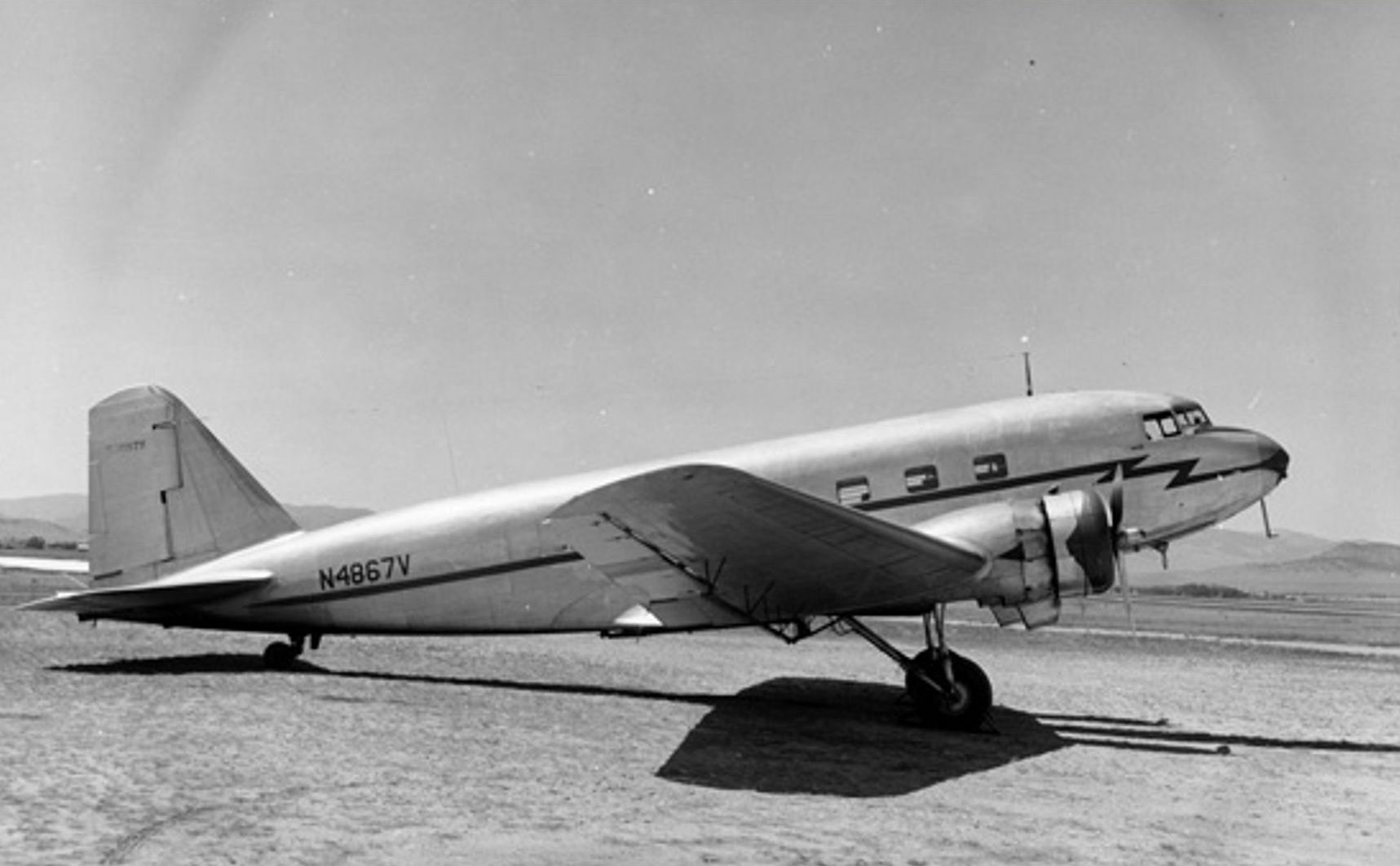
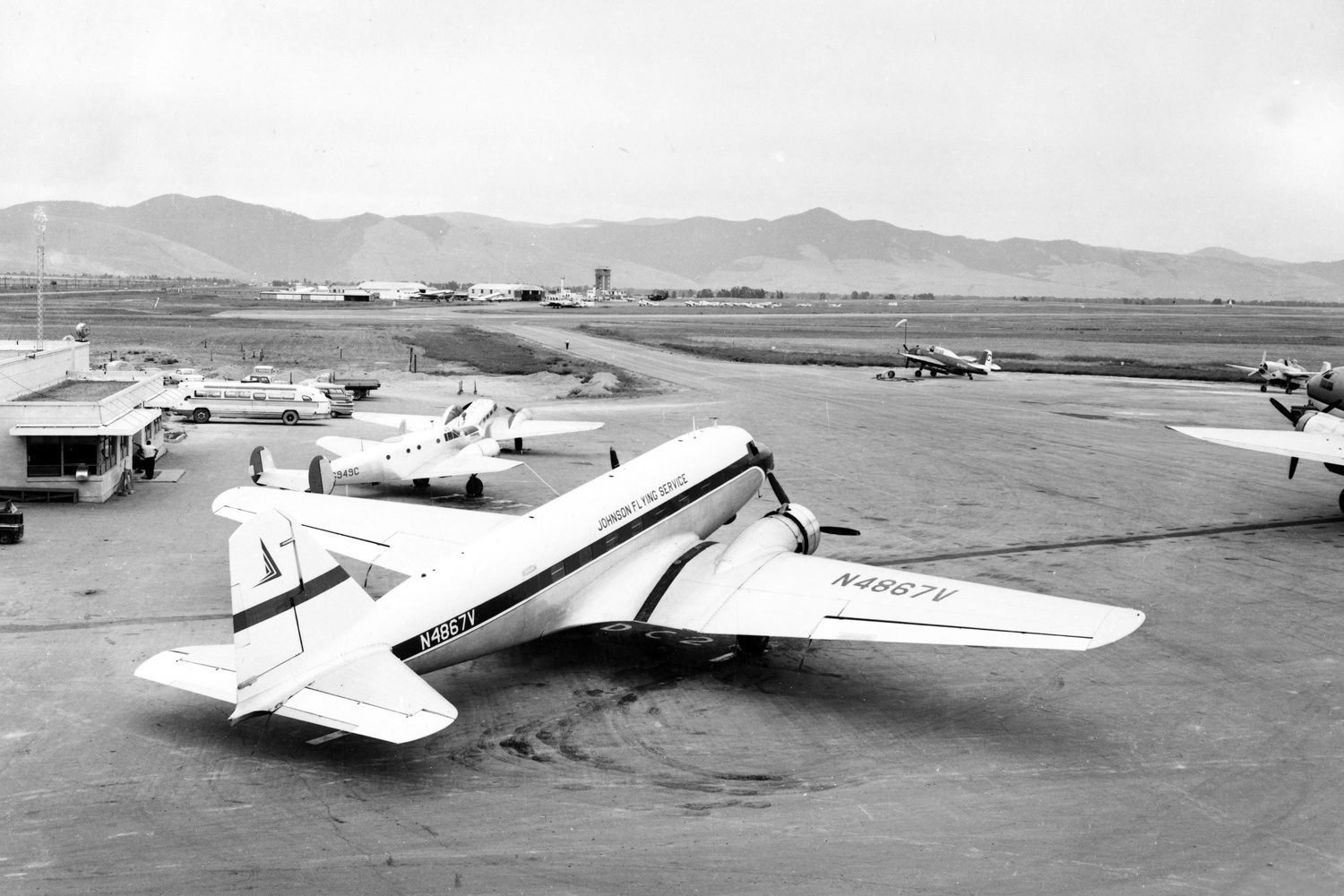
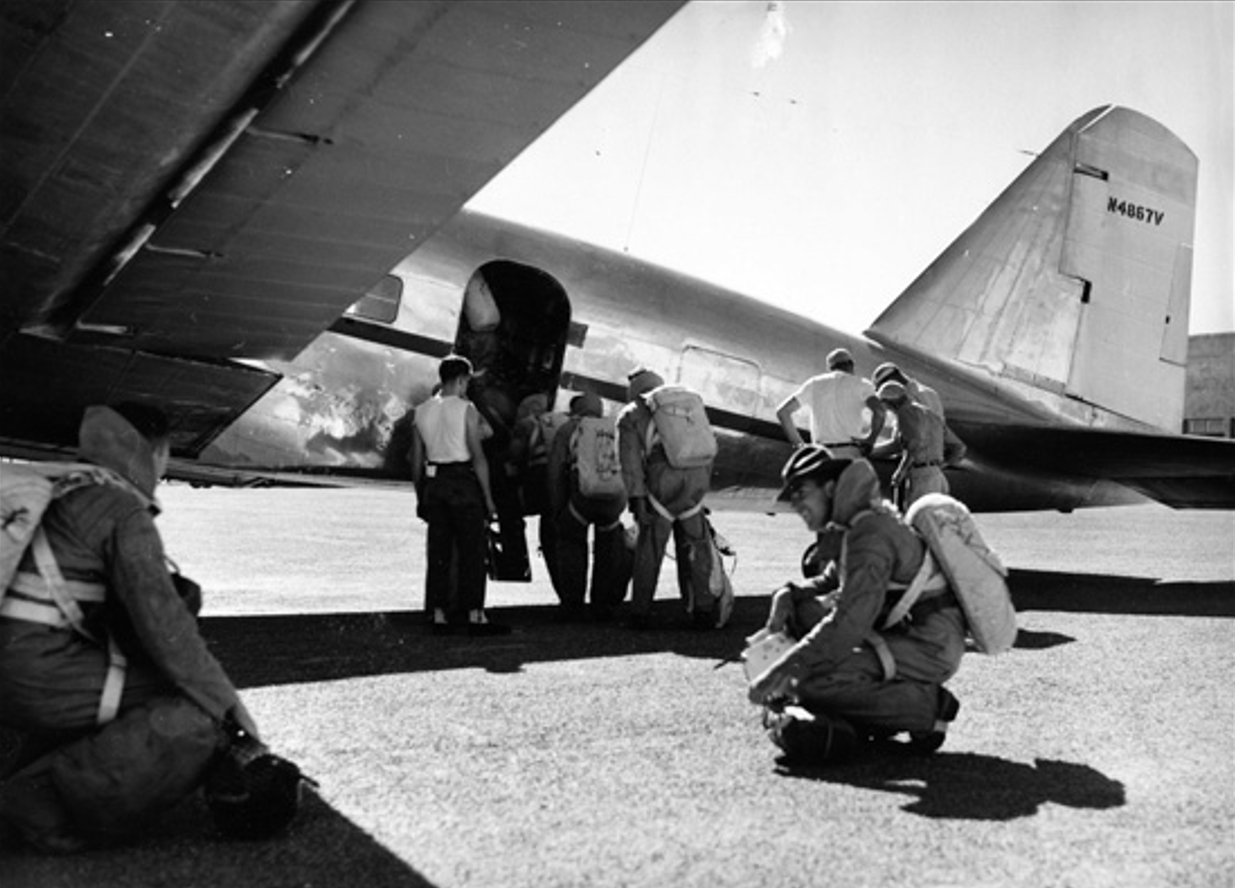
One year after NC486V’s return to the United States, Hosmer Industries would offer to sell the aircraft in August 1953 to Robert R. “Bob” Johnson of Johnson Flying Service, based in Missoula, Montana. Johnson maintained a fleet of used aircraft for mountain flying, from prewar Travel Air 6000s to Ford Trimotors to WWII surplus DC-3s, C-46s, Beech 18s, and Lockheed Electras, and on September 25, 1953, he purchased the DC-2 for $25,500. For the next 20 years, DC-2 NC4867V (later N4867V) was used by Johnson Flying Service for nearly every conceivable task in the Northern Rocky Mountains, from being used as a jump plan for smokejumpers to fight forest fires, airdropping supplies to isolated forest ranger stations, and carrying livestock to pastures rendered inaccessible by winter snowfall and ice, as well as carrying passengers and cargo. The aircraft also operated from all kinds of airfields, from paved runways to dirt strips. The aircraft was even briefly fitted with a spray boom and tanks to spray insecticide. Johnson also replaced the 710-hp Wright R-1820-F3 engines with 1,000-hp R-1820-52 Cyclone engines. Additionally, N4867V was refitted with engine mounts from a B-18 Bolo bomber, as well as adding brake systems and oil coolers from DC-3s and enlarged the main passenger door in the rear of the fuselage to better accommodate fully equipped smokejumpers and to airdrop cargo from the cabin.
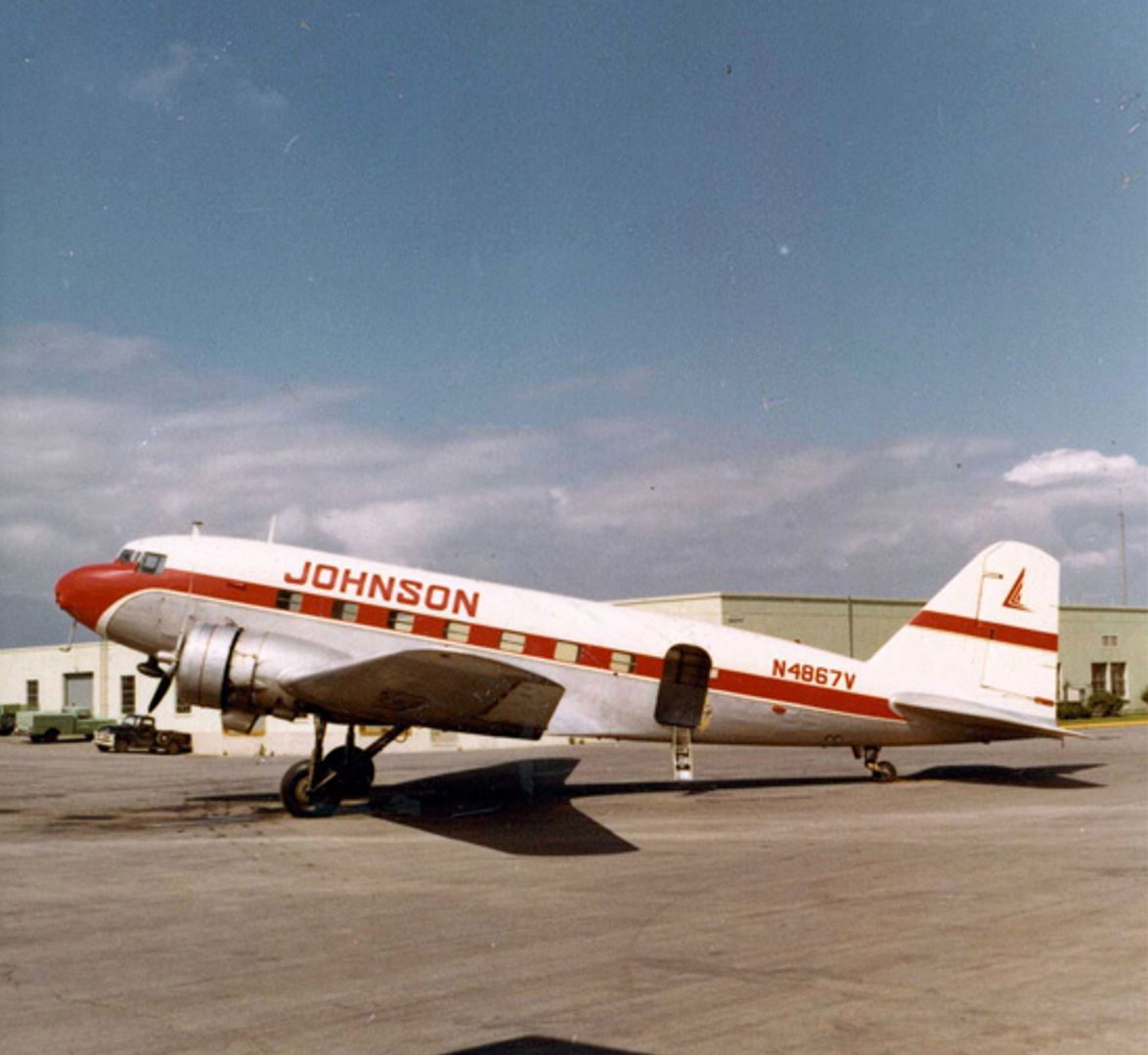
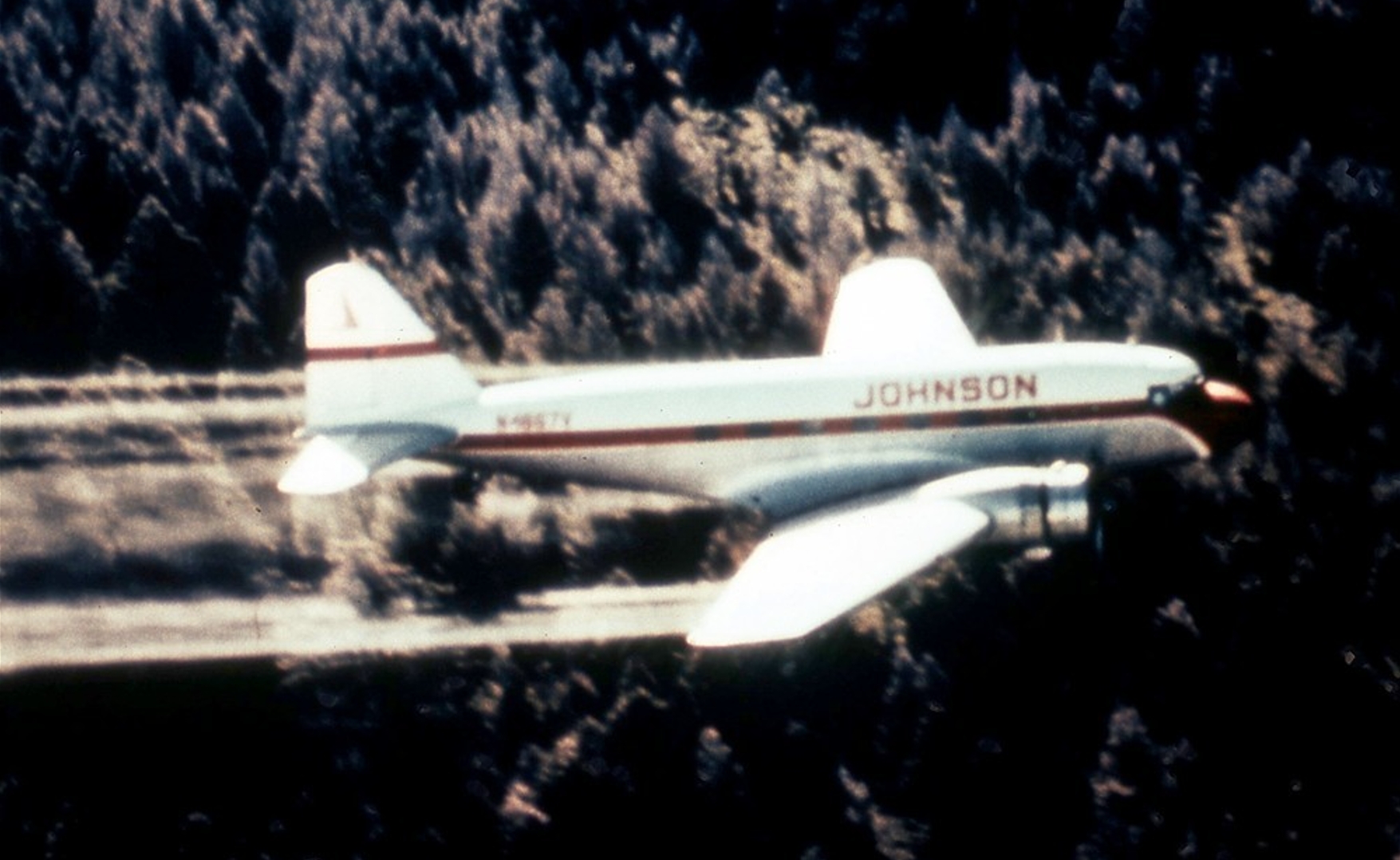
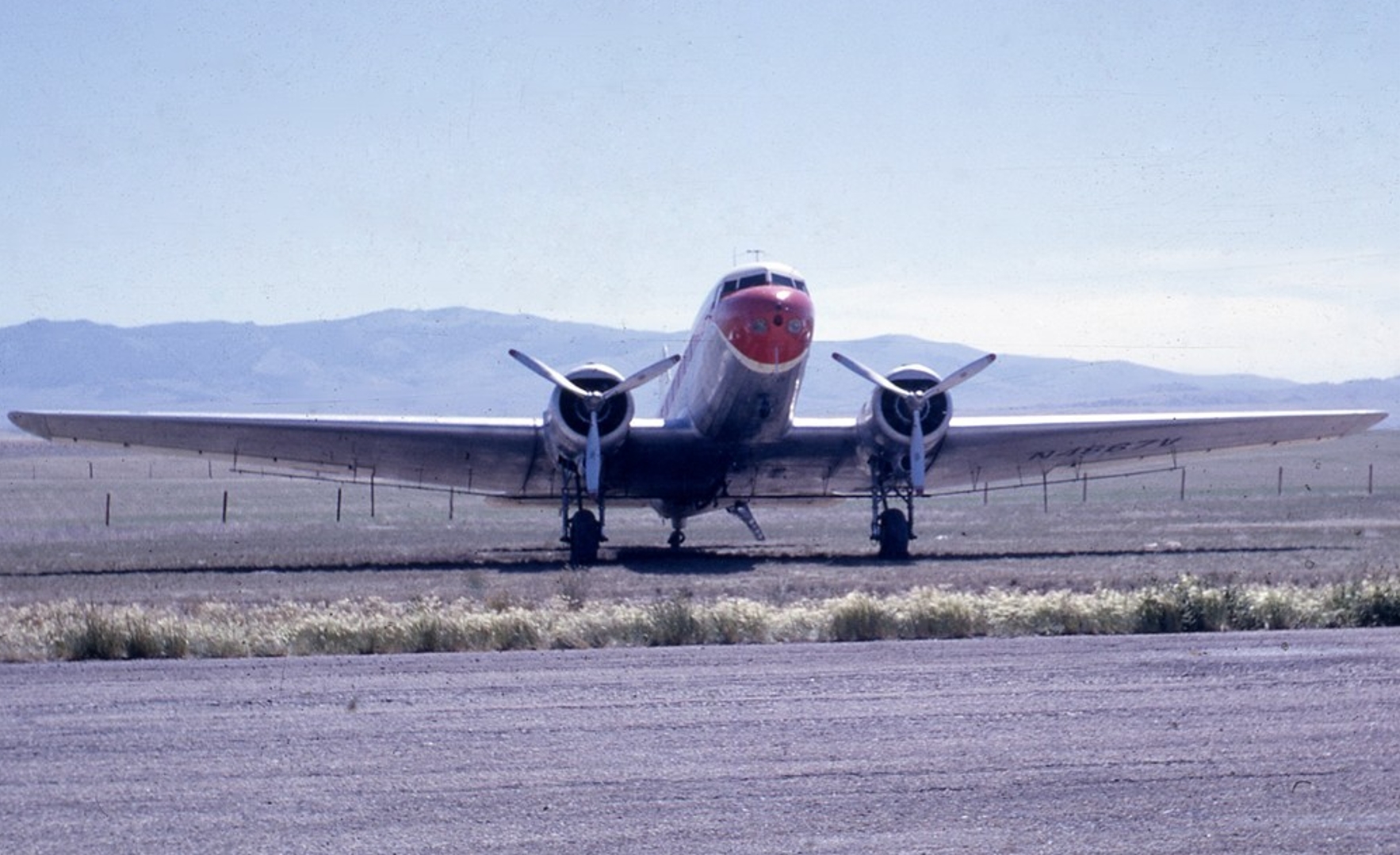
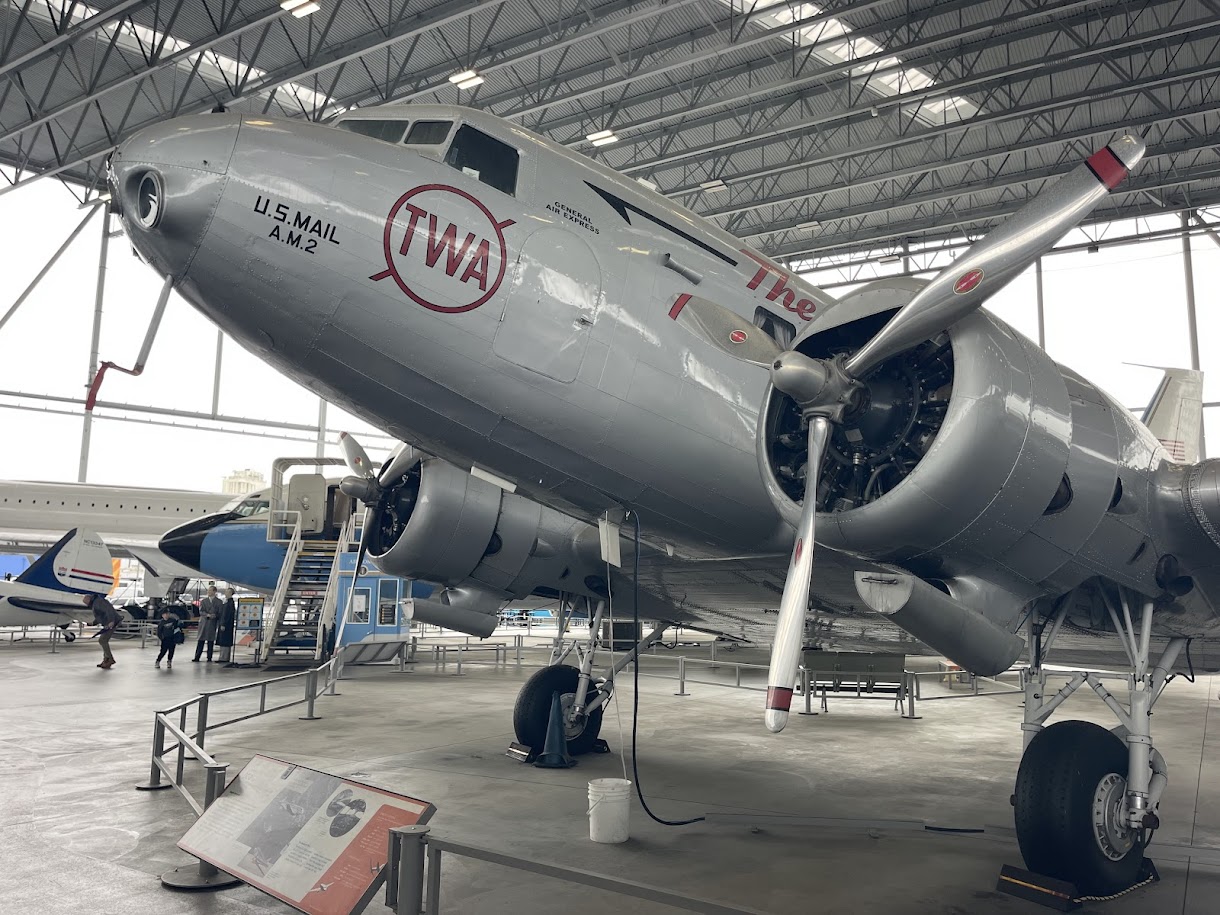
By the early 1970s, though, Johnson Flying Service began to decline, and so did Bob Johnson’s health. After Oregon-based aviation businessman Delford Smith of Evergreen Helicopters offered to purchase Johnson Flying Service, JFS and Evergreen merged in 1975 to form Evergreen International Airlines. The new company inherited Johnson’s fleet and decided to sell off the older aircraft in the fleet in favor of newer aircraft with greater capabilities. Prior to Johnson Flying Service’s merger with Evergreen Helicopters, though, Douglas DC-2 N4867V had already been sold off to Stan Burnstein of Tulsa, Oklahoma in 1973 as part of a deal to purchase surplus DC-8 jetliners for carrying cargo. The following year, Burnstein sold the DC-2 to the newly-established Douglas Museum and Library in Santa Monica, California, in January 1975, N4867V was flown from Tulsa to Santa Monica, where Douglas Aircraft’s founder Douglas W. Douglas Sr. and his son Donald Douglas Jr., former president of Douglas Aircraft, were on hand to welcome the aircraft back to the airport where it had been born, with the museum re-registering the aircraft as N1934D by February 11, 1975. The aircraft had truly come full circle. Yet returning to Santa Monica was far from the end of the story for the venerable DC-2. Initially kept in a hangar for two years, the lack of space in the hangar meant that N4867V would end up sitting on the flight apron at Santa Monica Airport, exposed to the elements. Seeing the condition of the aircraft, employees of Trans World Airlines (TWA) from Los Angeles International Airport approached the Douglas Museum with an offer to restore N1934D’s exterior in exchange for getting permission to paint the aircraft in TWA colors. The museum agreed, but with the plane remaining outside for a few more years, N1934D began deteriorating once again, as the museum lacked the resources to house the aircraft in another hangar at Santa Monica. Seeking to address the condition of the aircraft, the Douglas Museum and Library wrote to the McDonnell Douglas Long Beach Management Club with a proposal to transport the DC-2 from Santa Monica to the McDonnell Douglas plant in Long Beach to restore and maintain the aircraft there. At the time, the proposal was not about restoring the aircraft to flying condition, but rather to restore it for static display in a public showroom at the plant that could also display other aircraft built by Douglas. With that, a number of McDonnell Douglas retiree volunteers would go to Santa Monica Airport and begin the work of bringing N1934D to Long Beach.
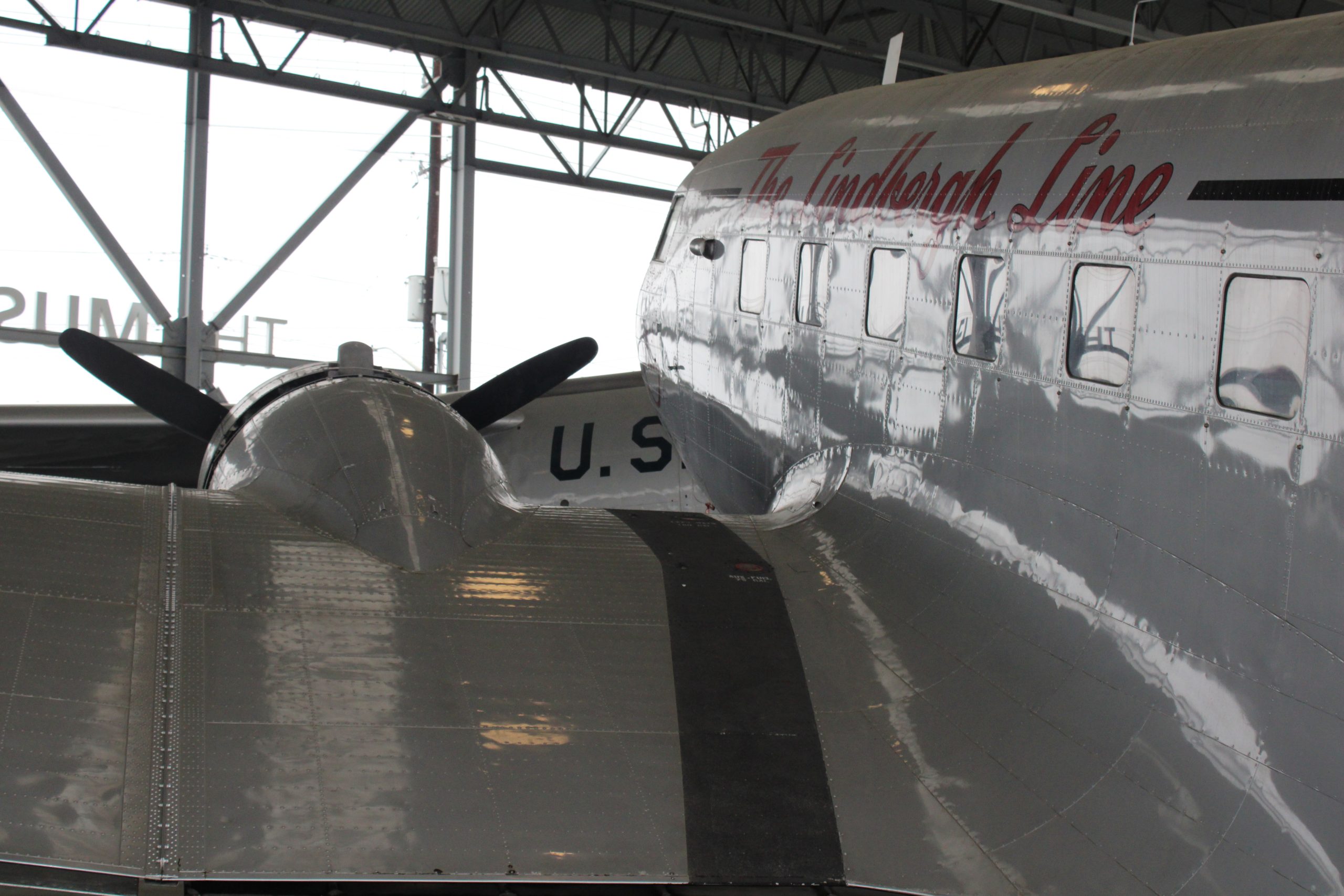
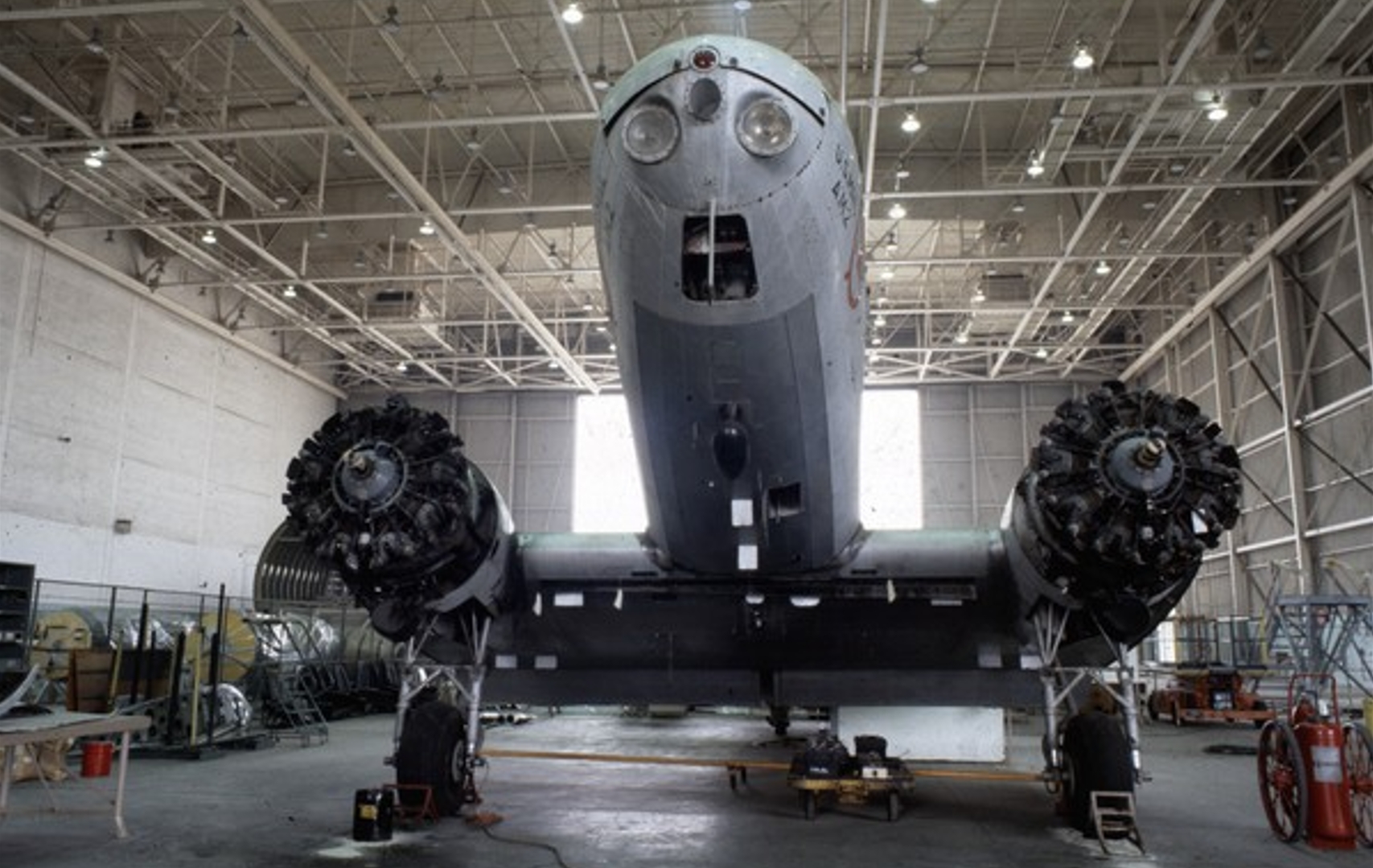
On March 4, 1982, the volunteer team of McDonnell Douglas retirees removed the 60-foot-wide outer wings of the DC-2, leaving a total of 25 feet of clearance with the center wing section. This width would still prevent the disassembled transport from being driven on local highways, but luckily for the volunteers, they were able to create a route on surface roads to get the DC-2 across more than 20 miles of urban sprawl. The Douglas Aircraft Company also had prior experience with transporting oversized components of missiles constructed at the Santa Monica plant down to port facilities in San Pedro. After fifteen days of planning and routing, DC-2 N1934D left Santa Monica Airport by road at midnight on March 19, being towed tail first and rolling on its main landing gear wheels, with the engines and propellers still attached to the aircraft. By the early morning, DC-2 N1934D had at last arrived at the McDonnell Douglas Long Beach plant’s building 54, where the tedious restoration work would soon begin. During the spring of 1982, the volunteers expressed their interest in restoring the DC-2 to airworthy condition and getting permission to fly the nearly 50-year-old aircraft, while more people offered their services with the restoration. For the next five years, the volunteers worked on N1934D, and with the establishment of the Douglas Historical Foundation on August 6, 1982, the team now had a means to accept public donations as a non-profit organization, and the foundation secured a 15-year lease from the Douglas Museum and Library in Santa Monica to restore and maintain the aircraft in Long Beach. As part of the restoration of N1934D, the volunteers removed the four fuel tanks, which were found to be corroded, and cut them in half to remove the corroded sections, add new sections, and install the restored fuel tanks back into the airplane. All control surfaces were removed and recovered, the engines were overhauled, the external fuselage skins aft of the main entrance door were replaced due to the dents and scratches left behind from the parachute lanyards of the Smokejumpers, the landing gear and brake assemblies were redone, and new electrical components, window seals, hydraulic systems, flight instruments, and radios were installed. Fortunately for the Douglas Historical Foundation team, almost no corrosion was found in the structure of the wings or the fuselage. Incredibly, some of the companies that had originally built the DC-2’s landing gear assembly and window seals were still in operation some 50 years later and restored these items for the Douglas Historical Foundation.
Throughout the restoration, N1934D spent much of its time inside the McDonnell-Douglas plant in Long Beach, but when production of current aircraft took precedence over the DC-2’s space, the aircraft was moved in and out of three of the company buildings. By 1987, the DC-2 was at last ready to begin flight testing and was on the ramp doing engine runs and going through systems check-ups. However, company policy stated that as long as the aircraft was fueled, it had to stay outside except for the flight test hangar, which was usually occupied by new aircraft going through flight testing. Fortunately, the ground tests revealed no major issues, and the paperwork with the FAA to get N1934D was approved, so on April 25, 1987, DC-2 N1934D made its first post-restoration flight, and the aircraft’s first flight in 12 years. During the hour-long flight, N1934D flew out over the industrial harbors at San Pedro and Long Beach, but as the aircraft was making its landing approach, the cockpit instrumentation failed to verify that the landing gear was lowered and locked. However, this was immediately fixed when the pilot and copilot opened the cockpit windows and visually confirmed that the landing gear was indeed down, and the flight was concluded with no further incident.
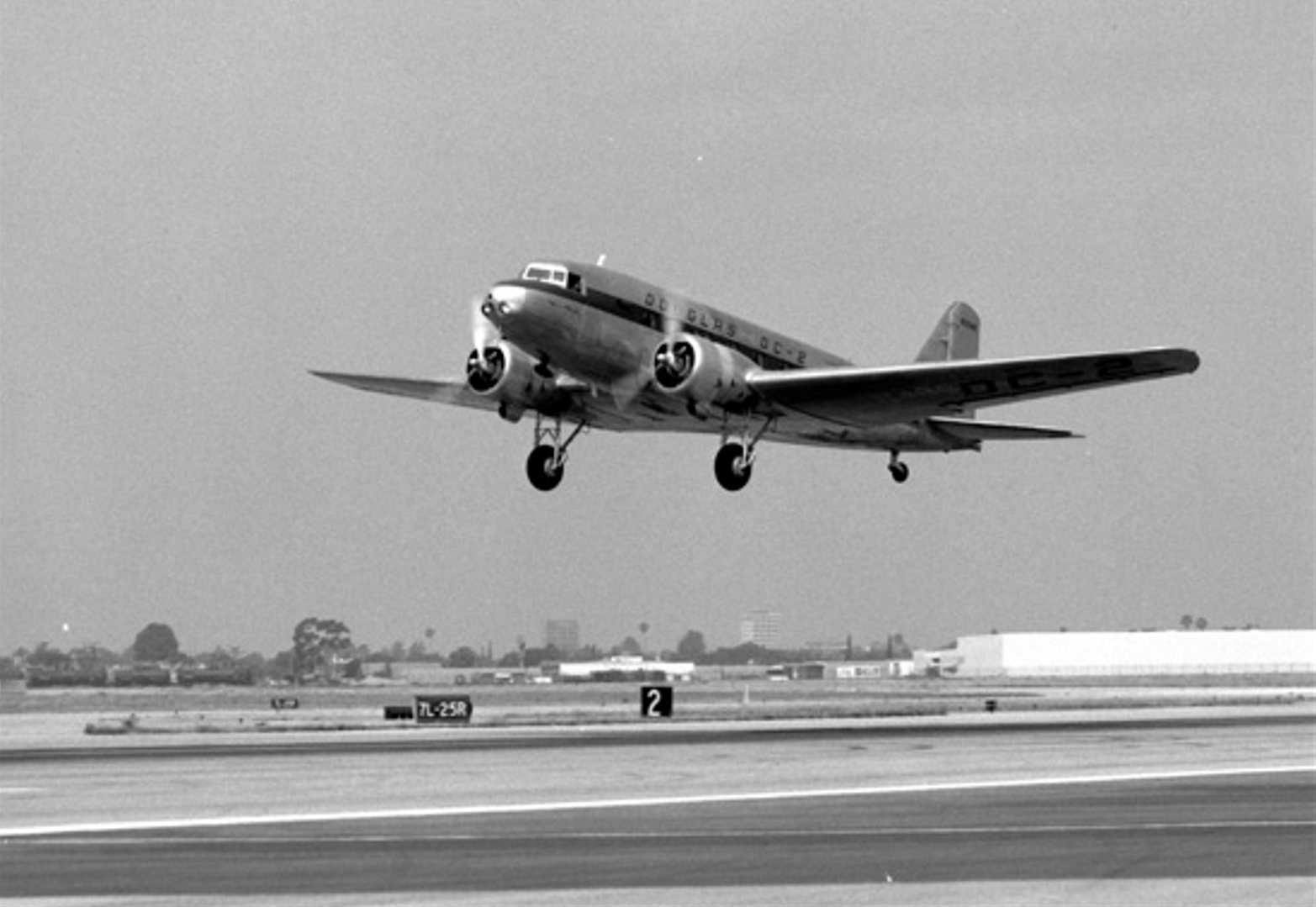
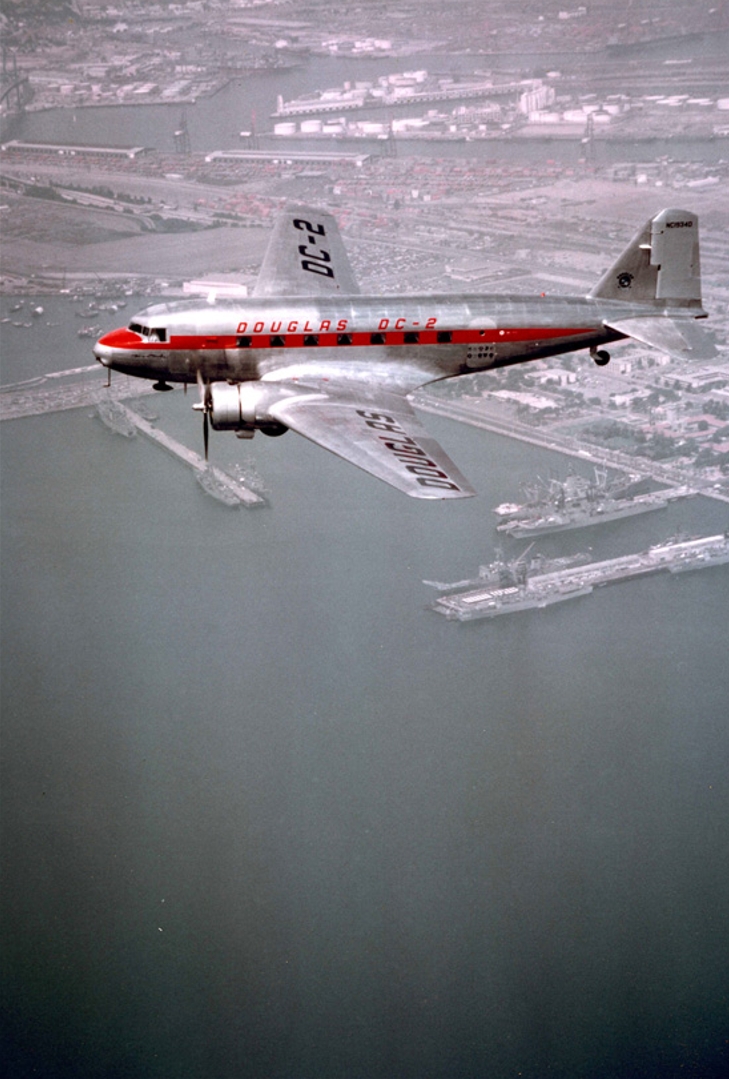
Over the next 10 years, DC-2 N1934D flew in many local airshows in Southern California, such as the airshows held at MCAS El Toro in Irvine, Chino, and Long Beach. Additionally, N1934D was flown at TWA’s expense to their headquarters in St. Louis, Missouri, and also to Kansas City for display and to give rides to passengers at public events for Trans World Airlines. The aircraft was also painted several times in commemorative schemes, usually as a TWA DC-2, but on one occasion it was briefly painted in Delta Air Lines colors. In 1989, the Douglas Museum and Library rebranded as the Museum of Flying and became home to a collection of WWII fighter aircraft kept in a new, purpose-built museum hangar. However, the DC-2 was not big enough for the hangar, and soon after the lease between the Douglas Historical Foundation and the Museum of Flying ran out, N1934D went dormant, sitting out on the flight apron at Long Beach Airport when space inside the hangars there was not available.
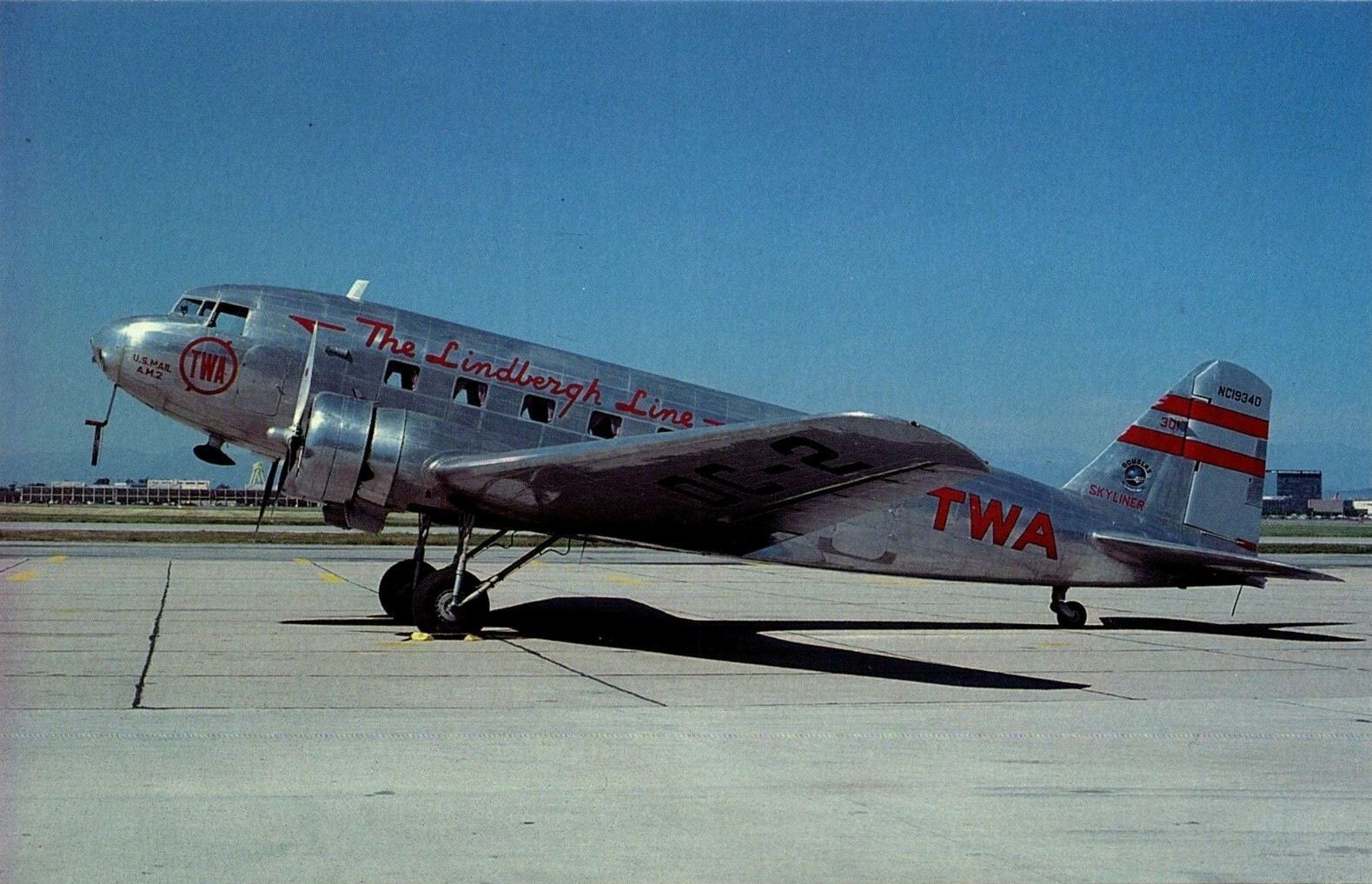
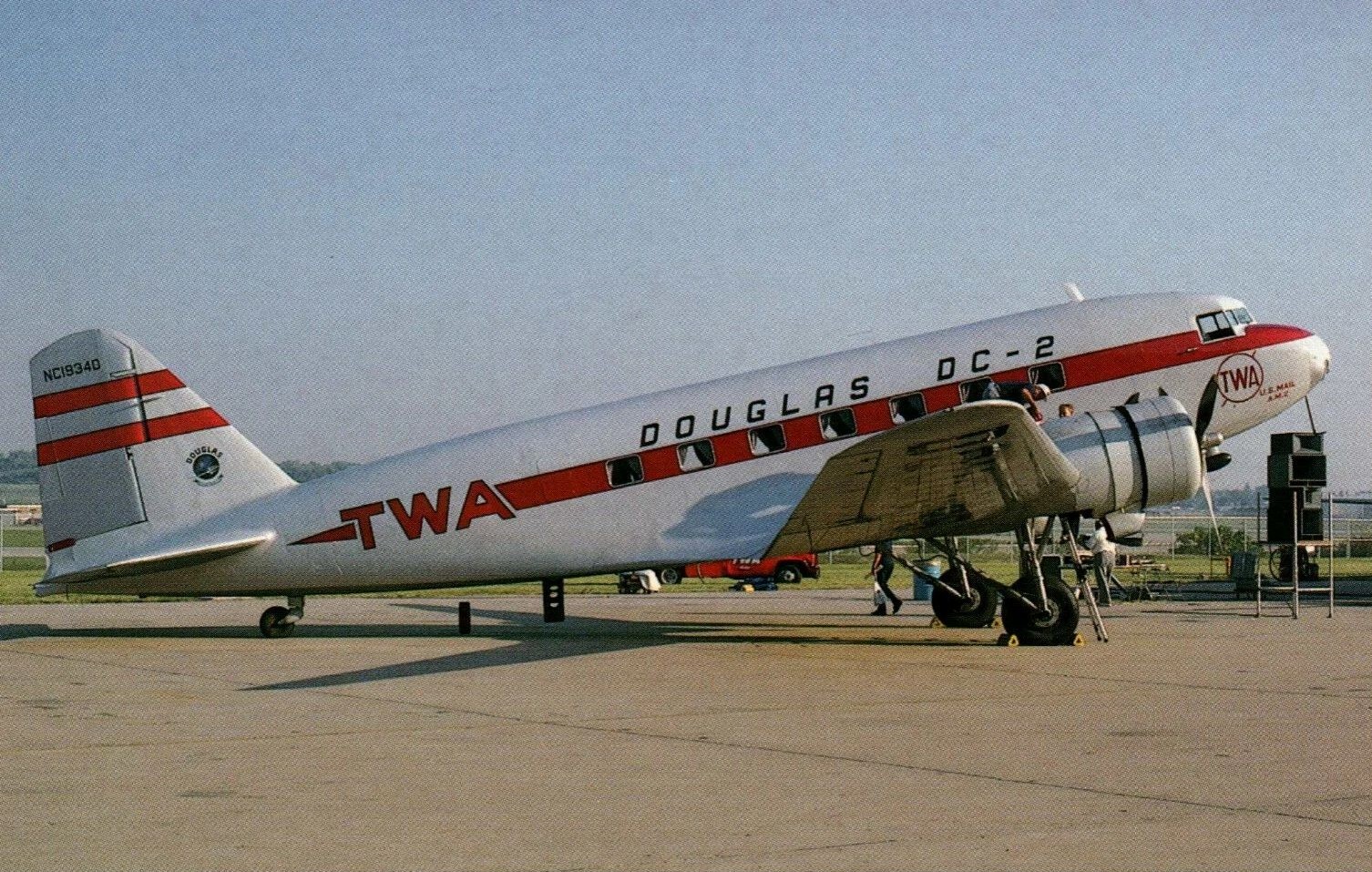
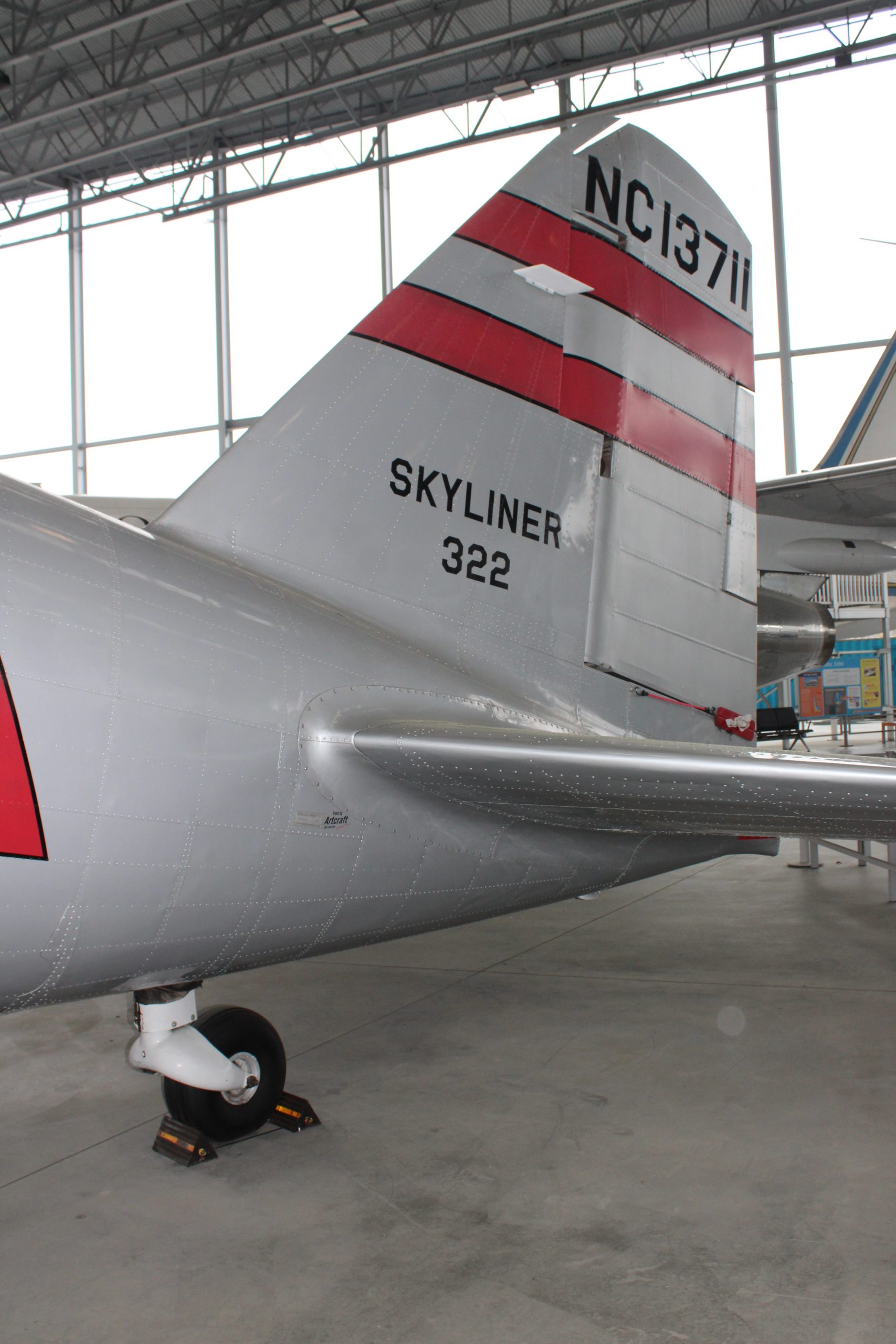
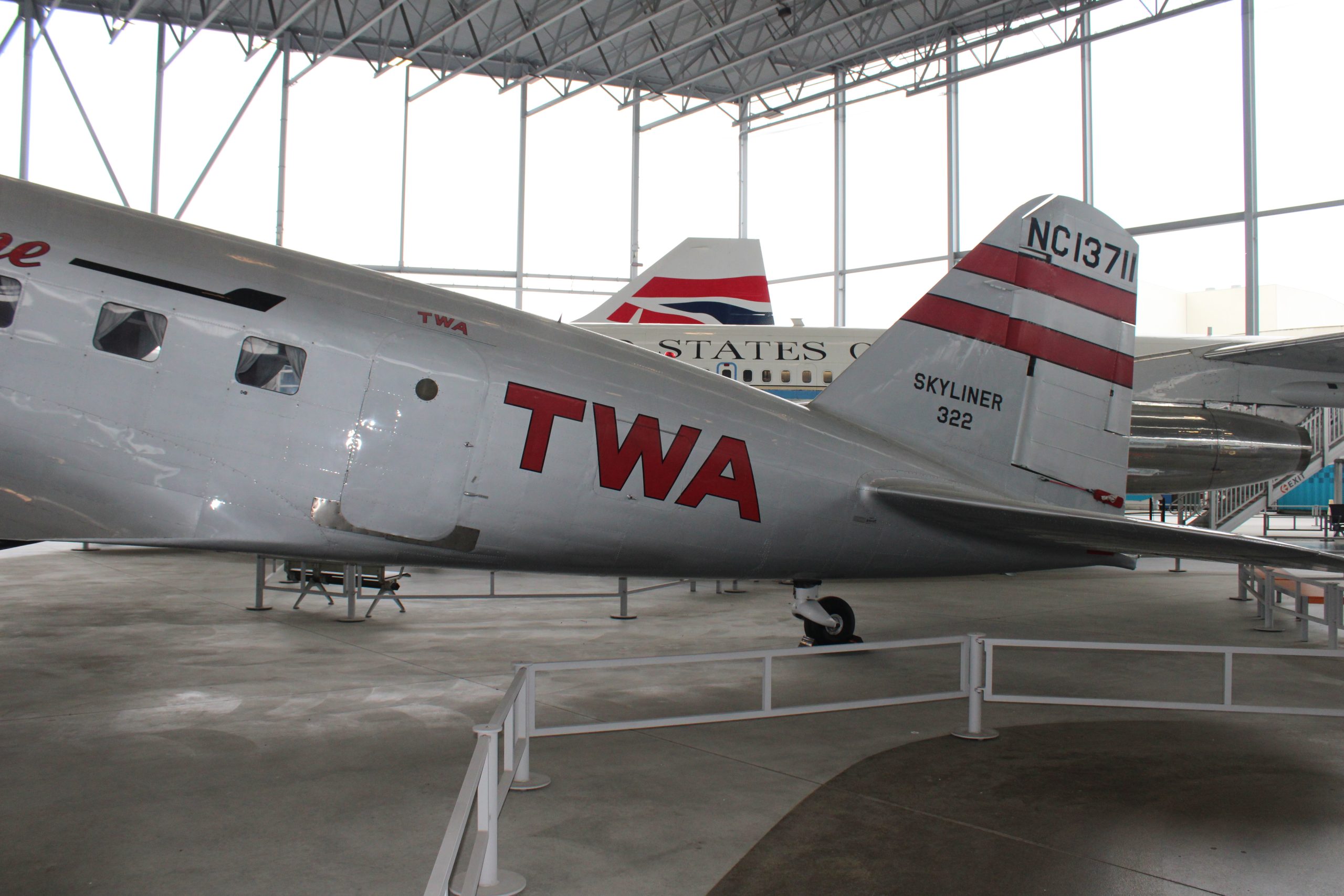
In 1998, DC-2 N1934D was acquired by the Museum of Flight in Seattle and on February 22, 1999, the aircraft re-registered for the final time as N17311, the same registration number once held by the first DC-2 ever built, c/n 1237, which flew for Transcontinental & Western Air as Fleet Number 301 until 1941, when it was purchased by the British Purchasing Commission and delivered to the Royal Air Force as serial number DG477. The first DC-2 built would operate with the RAF as a transport based in Iraq and India before ultimately being scrapped in 1947. However, inspection of the condition of the modern N13711 revealed that it would need to undergo yet another restoration before it could be flown up the Pacific coast from Long Beach to Seattle. That was where pilots and aviation businessmen Clay Lacy, Joe Clark, and Bruce McCaw agreed to restore the aircraft on behalf of the Museum of Flight, as Lacy is a Board Member and Trustee of the museum. Soon, work began on preparing the venerable DC-2 for a short flight from Long Beach Airport to Van Nuys Airport, where Clay Lacy Aviation would carry out further work on the aircraft.
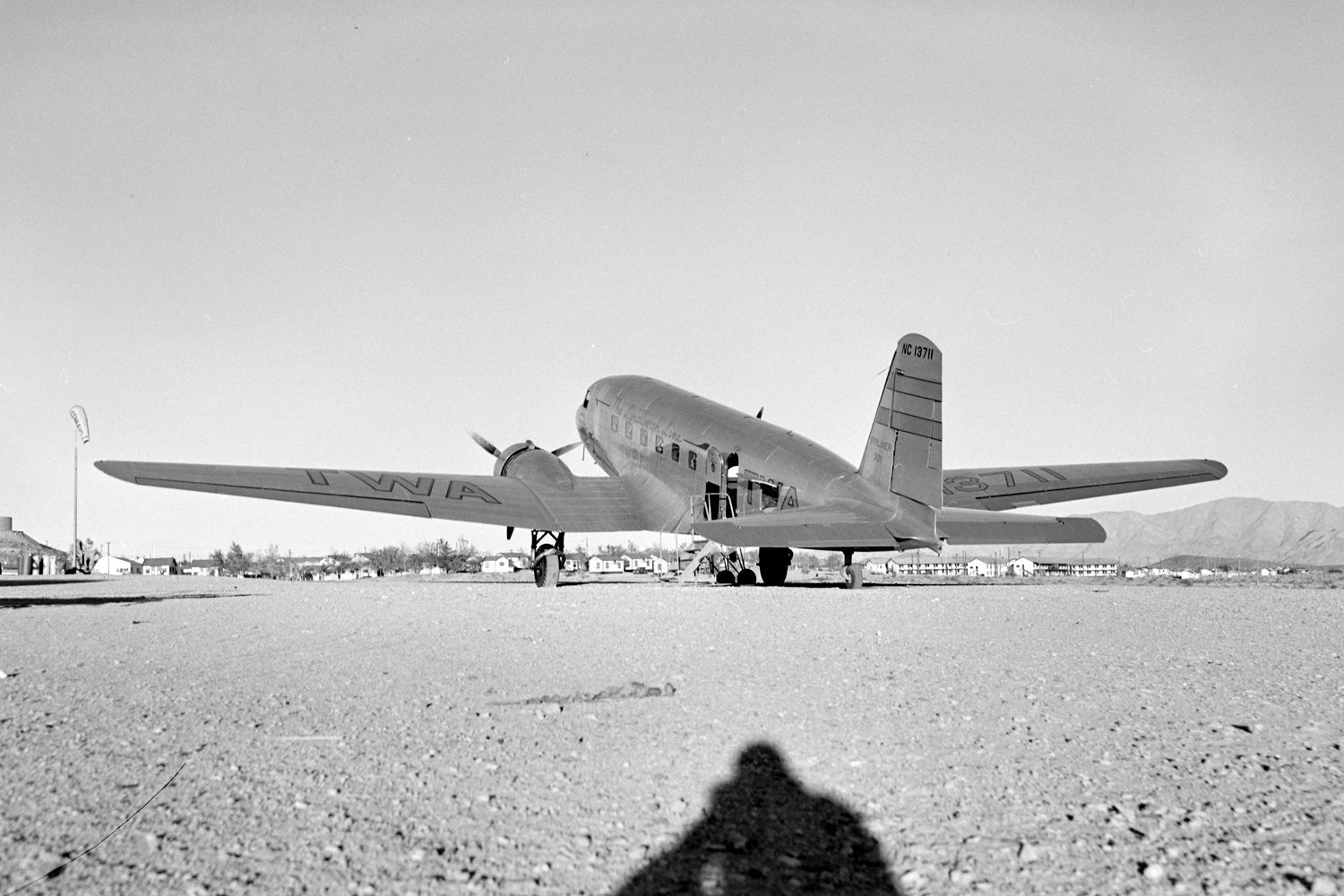
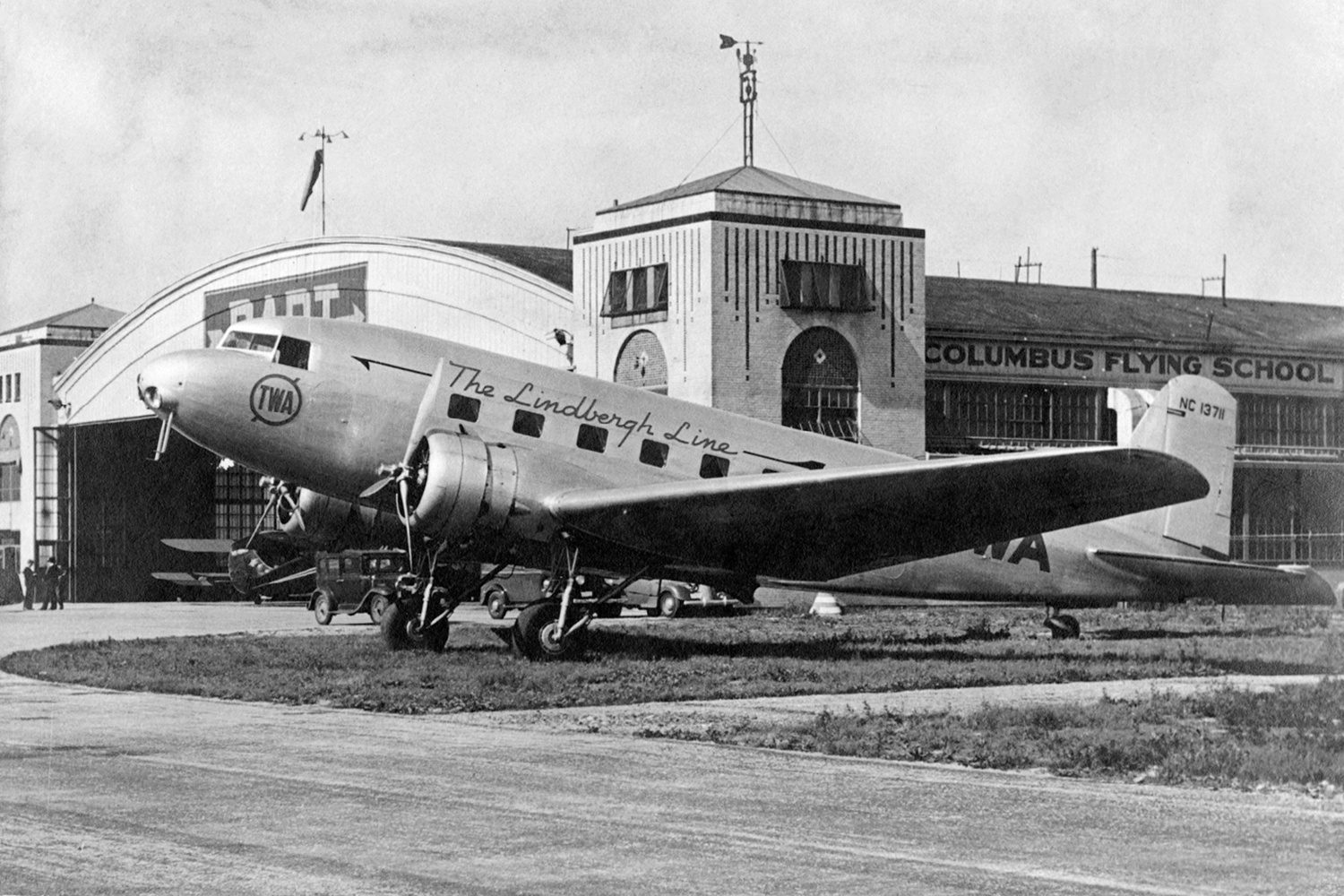
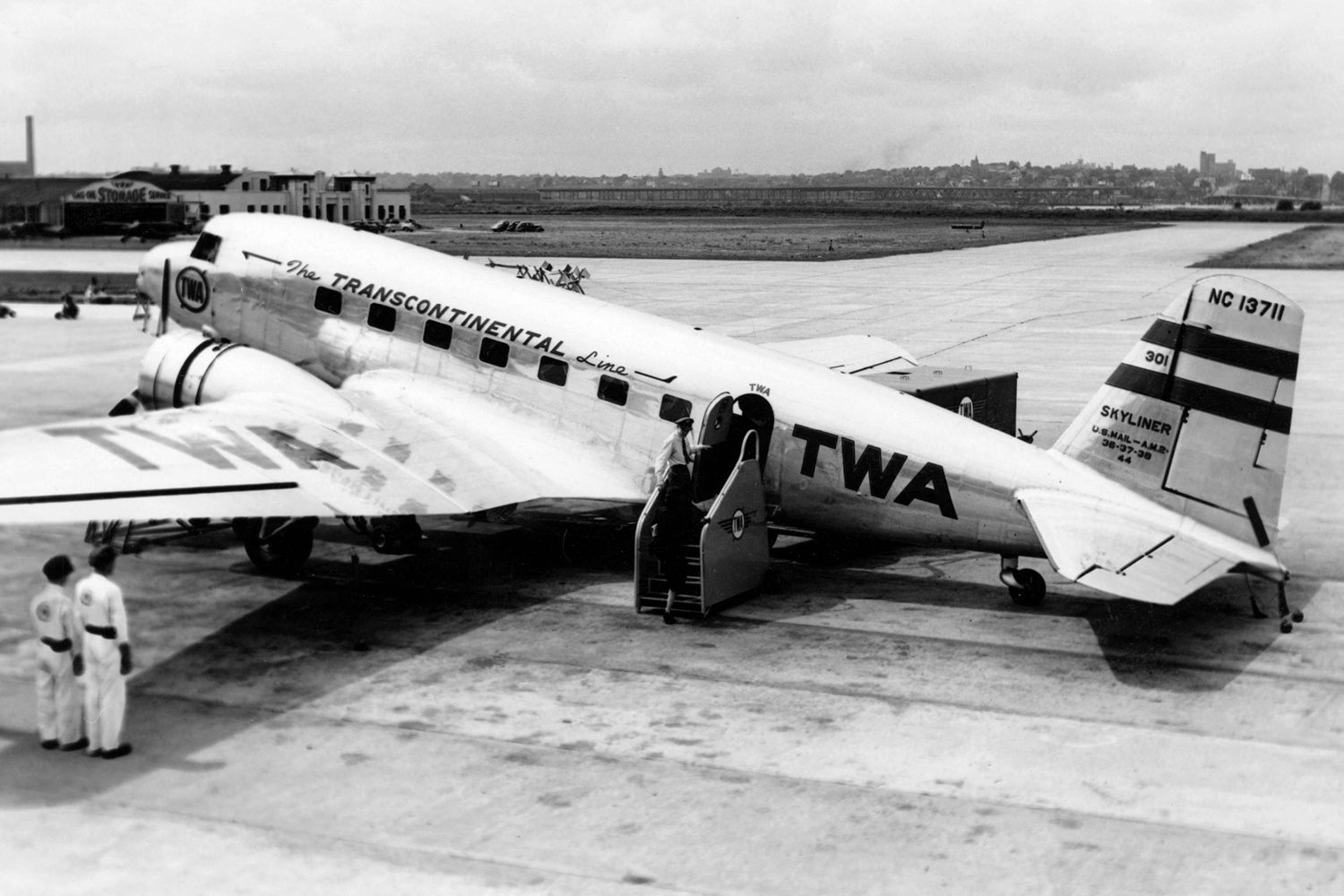
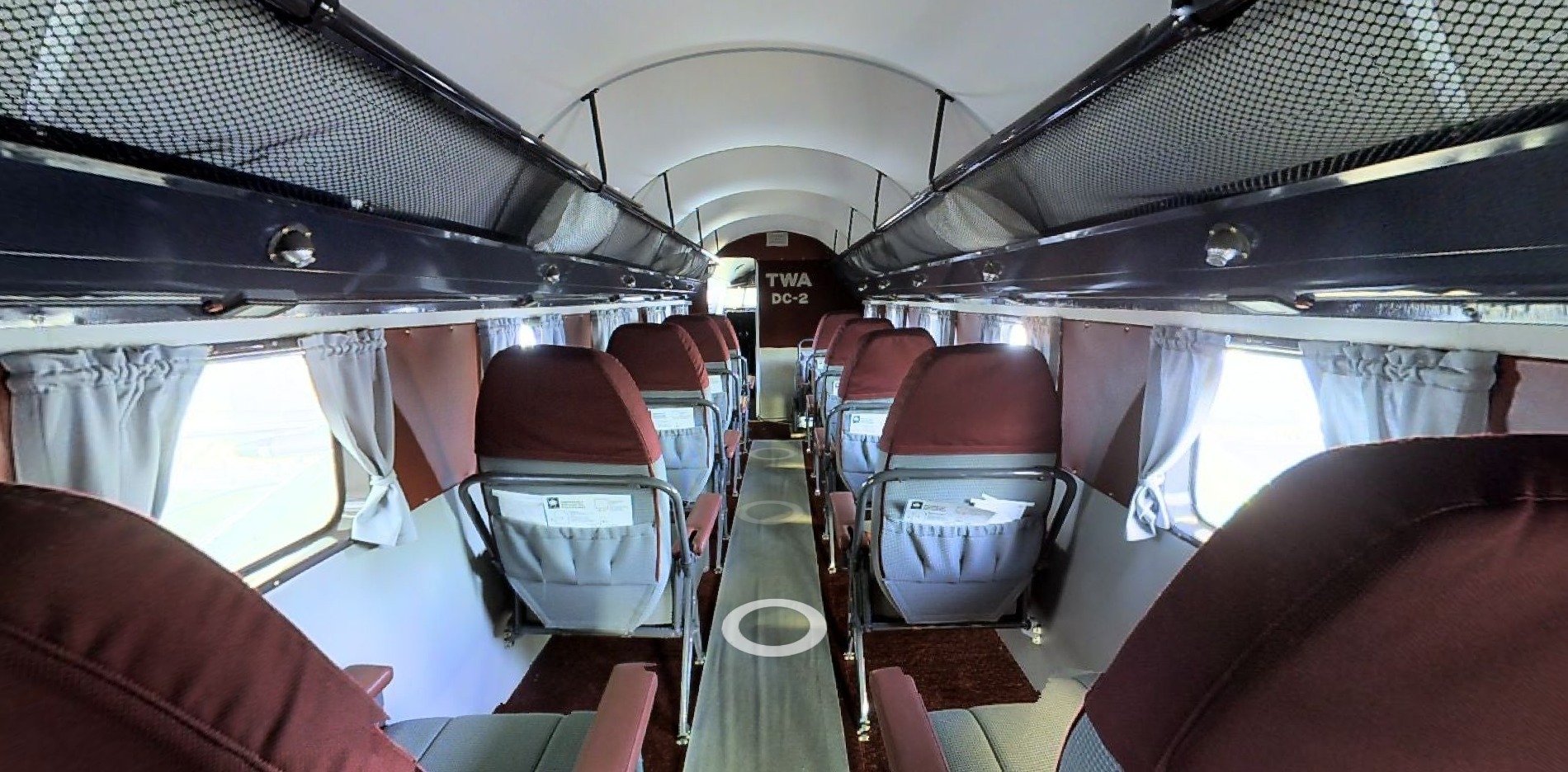
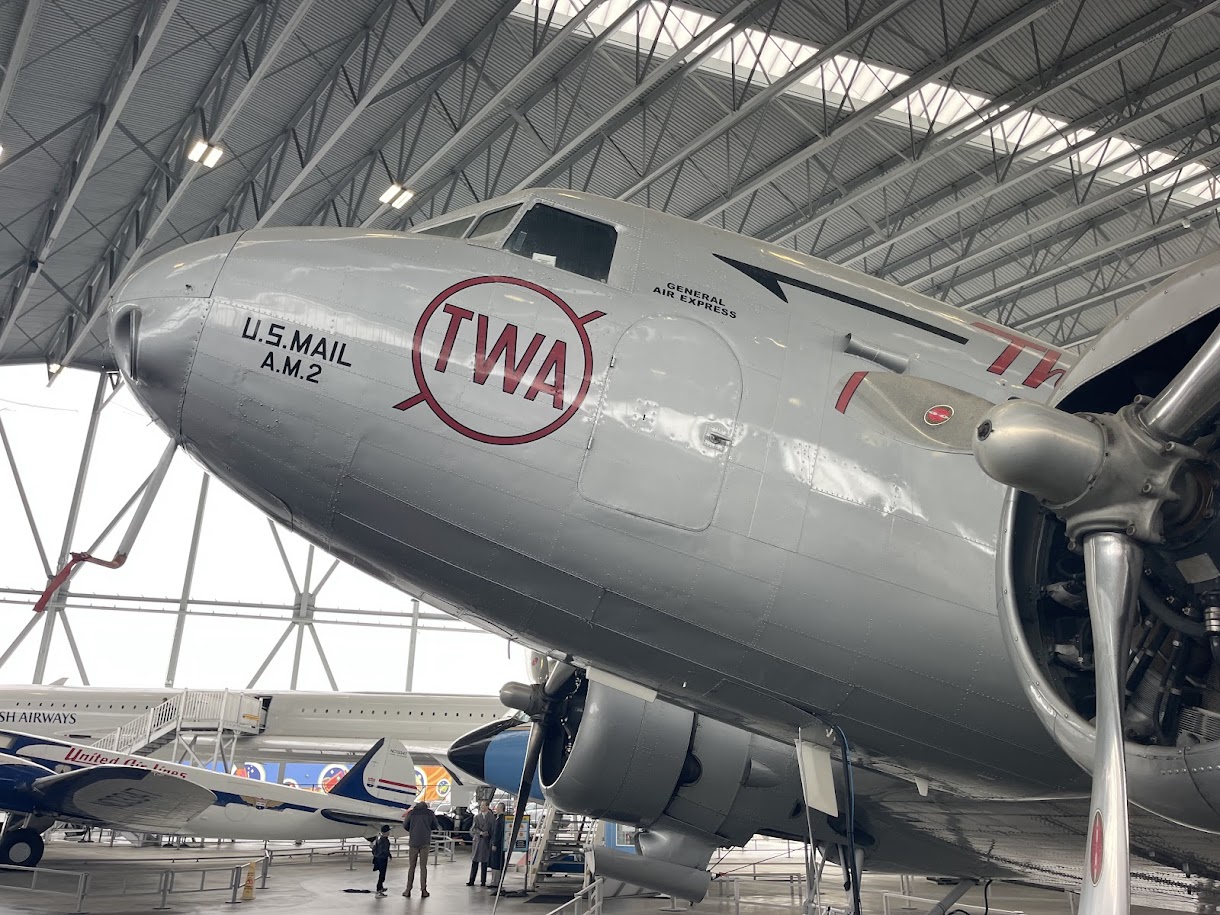
On 28 October 2005, Clay Lacy took Douglas DC-2 N13711 on the brief hop from Long Beach to Van Nuys, and over the next year, mechanics at Clay Lacy Aviation thoroughly restored N1934D/N13711 both inside and out, receiving a new interior for the passenger cabin and an overhaul of the two engines. On flying the airplane, Lacy was quoted as saying, “It’s a great old plane, and it flies like a big Piper Cub.” The aircraft even made a brief appearance in the background of an episode of the television show “Entourage” while its engines were removed. After over 3,000 man hours spent on the aircraft, Lacy flew the DC-2 to Santa Maria Public Airport to receive a final paint job in the TWA livery worn by the original NC17311 from ArtCraft Paint Inc. in 2006, with the aircraft remaining at Santa Maria to be displayed at both the Thunder Over the Valley airshow from August 25-26 and the Santa Maria Experimental Aircraft Association Fly-in held in October before flying back to Van Nuys in November 2006 for further flight testing. The following year, DC-2 N1934D/N13711 was finally ready for its flight to Seattle. Once again, Clay Lacy would be the pilot in command, but this time he would be joined by Boeing test pilot Richard “Buzz” Nelson. On June 7, 2007, Lacy and Nelson took off from Van Nuys in the DC-2, bound for Seattle. During the approximately 975-mile flight, N13711 made two refueling stops in Sacramento, California, and Eugene, Oregon, before arriving at Boeing Field, Seattle, and was officially transferred to the Museum of Flight. The total flight time was five hours and 30 minutes.
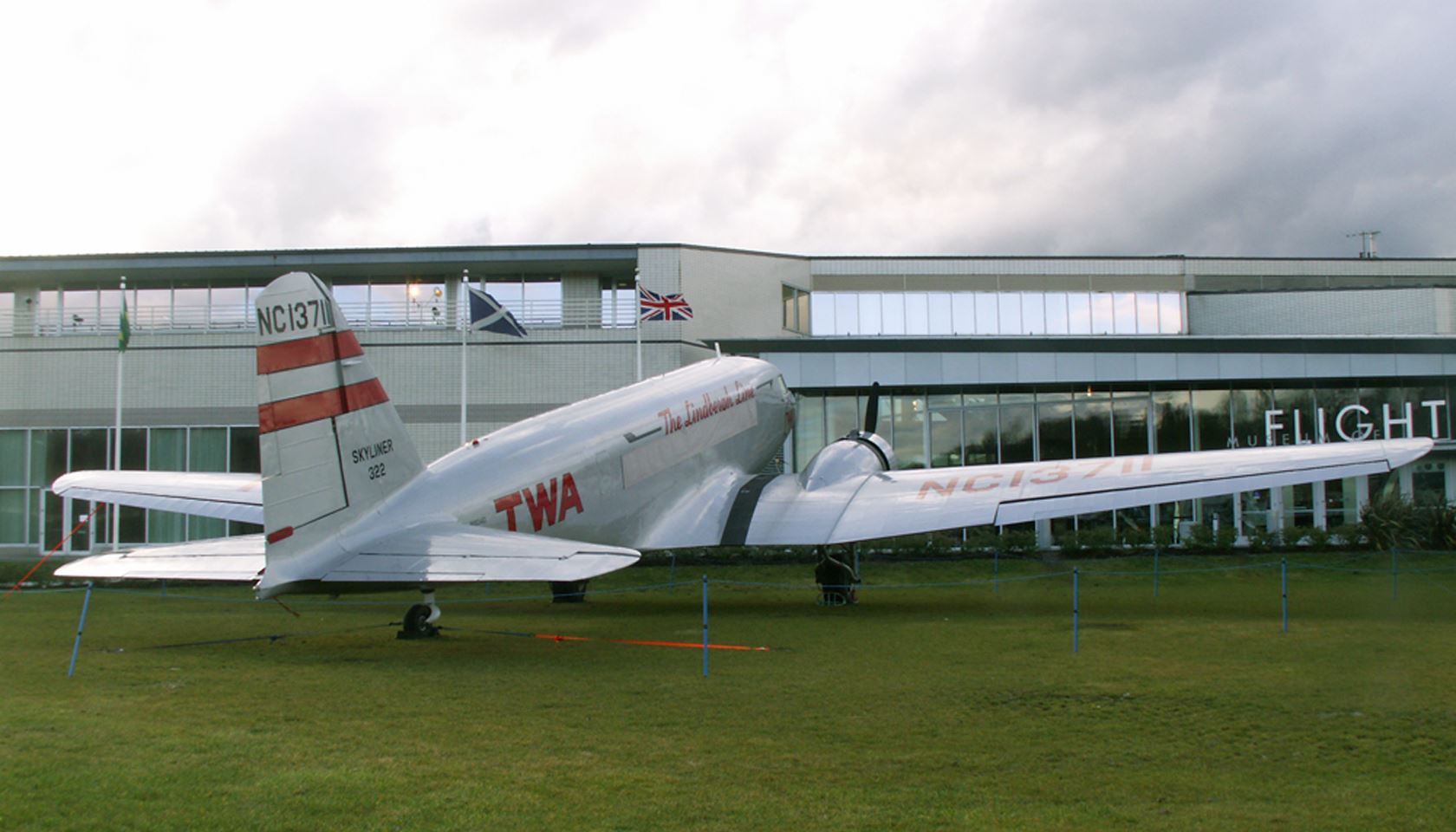
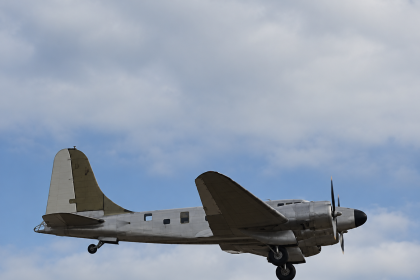
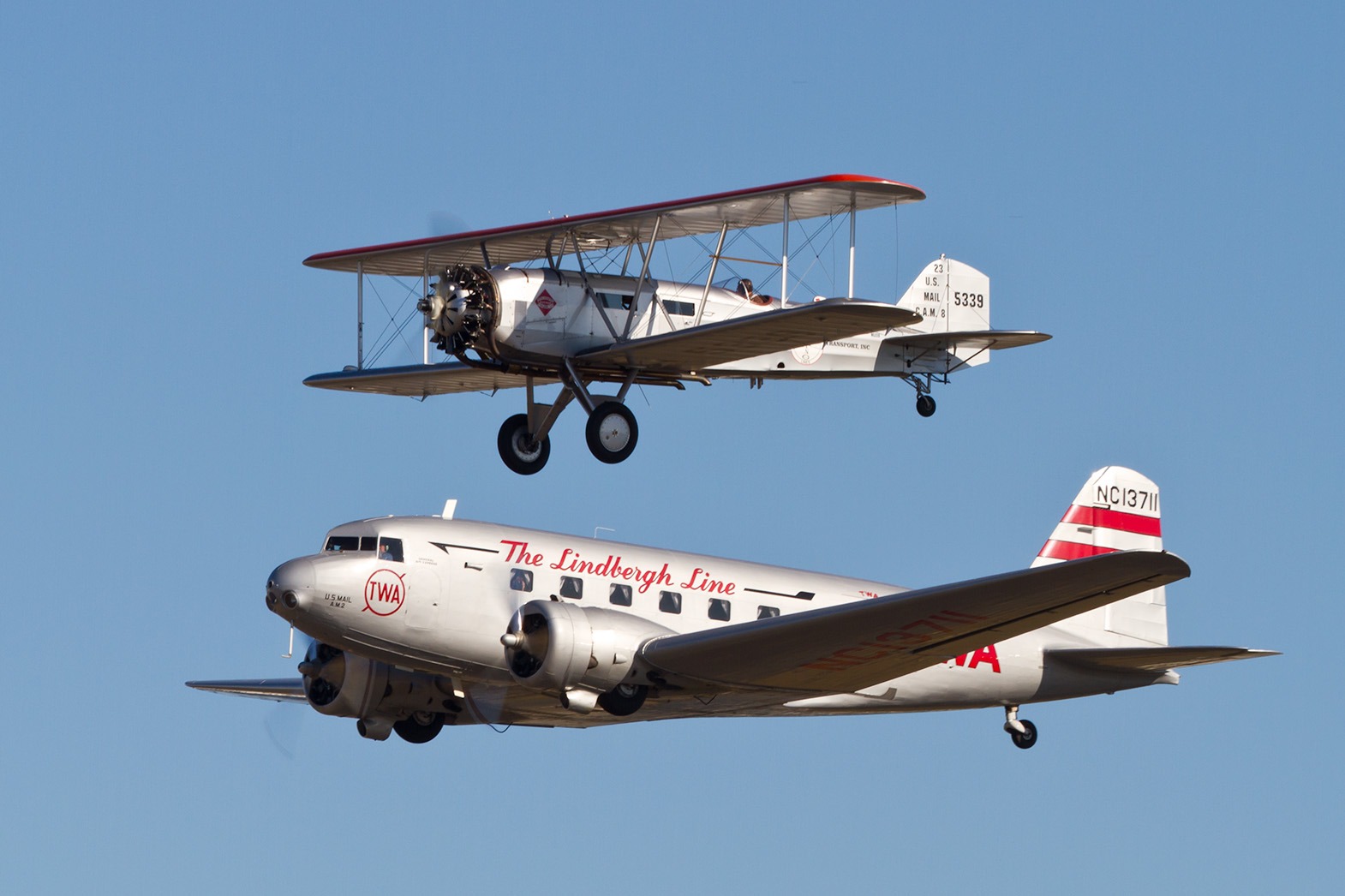
Though the aircraft was now owned by the MOF, it would not be the end of its flying life just yet. DC-2 N13711 was one of a few aircraft maintained in airworthy condition by the museum, including their Boeing 247D airliner, N13347, and their Boeing B-17F Flying Fortress, 42-29782/N17W. As it was maintained in airworthy condition, DC-2 N13711 made several appearances at airshows across the country since arriving in Seattle. In 2010, the aircraft was flown to Oshkosh, Wisconsin to attend the EAA Airventure airshow, then attended the Wings over Camarillo airshow in California, the Reno Air Races in Nevada, and made one last visit to Long Beach to attend an AOPA Summit held there. The aircraft also attended local airshows held at Paine Field in Everett, where the DC-2 flew in formation with DC-3 N877MG from the Historic Flight Foundation, and with Boeing Model 40C N5339, the oldest flying Boeing aircraft in the world (see this video HERE). Yet by the mid-2010s, the aircraft was retired from flying, and displayed on the museum grounds at Boeing Field, overlooking the comings and goings of all manner of airplanes, from new Boeing airliners and military transports to small general aviation, and in 2016, with the construction of the Museum of Flight’s Aviation Pavilion being completed in 2016, N17311 was towed under the roof of the new pavilion, and remains on display there.
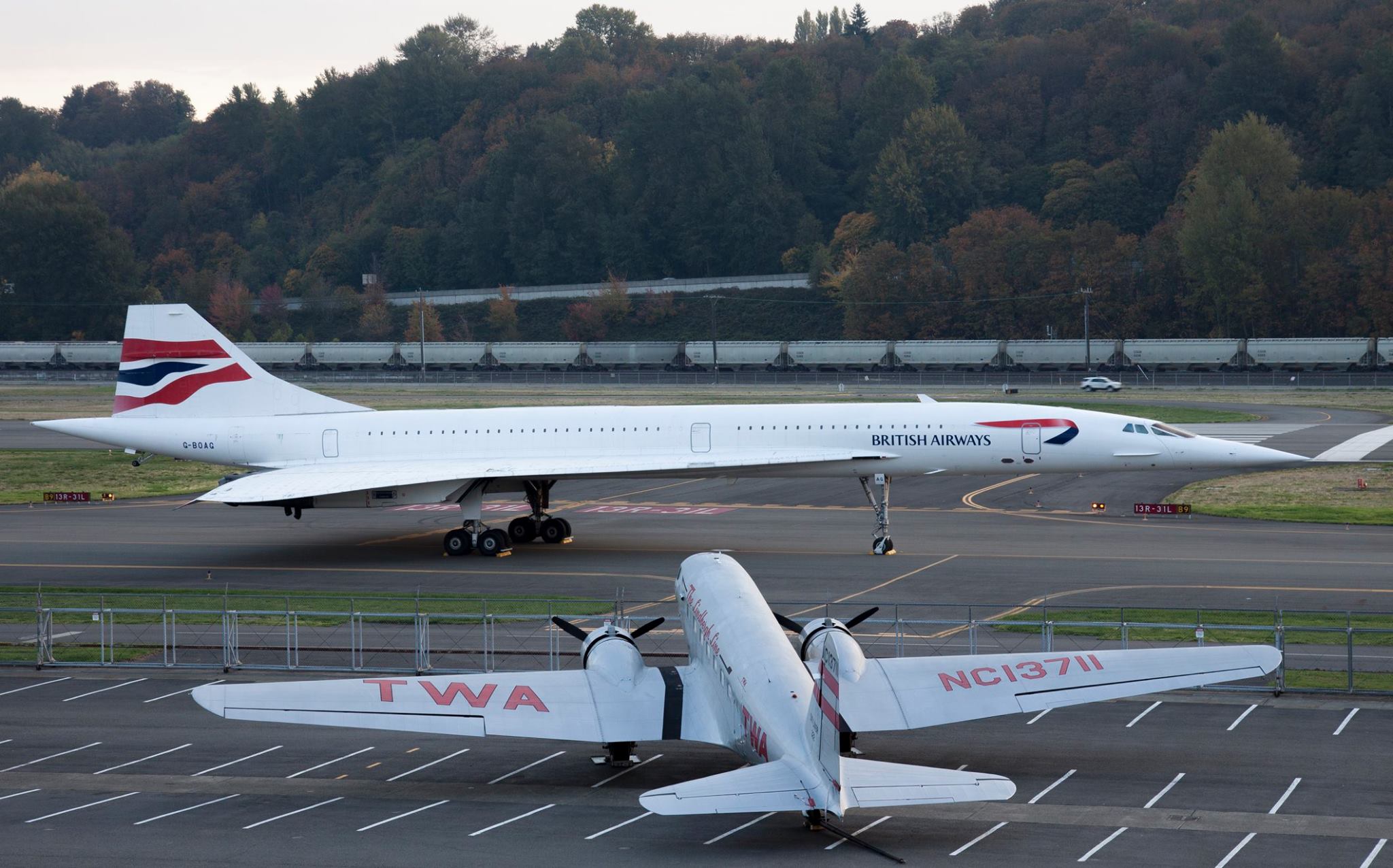
Somewhat fittingly, the DC-2 is also displayed next to the museum’s Boeing 247D (see our articles on this aircraft HERE), an example of the first all-metal, twin-engine airliner built by Boeing, for which the Douglas DC-2 was built to compete. Although the aircraft’s interior is not made available for visitors, unlike some of the larger aircraft surrounding it, the Museum of Flight offers online visitors free access to virtual reality tours of the DC-2’s cockpit and passenger cabin, made possible through the use of 3D cameras and scans. NC13711 is one of only eight intact DC-2s preserved throughout the entire world today, and while it may no longer fly, it is still looked after by the Museum of Flight’s team of aircraft detailers and now resides in a place of honor alongside some of the most influential aircraft designs of the 20th century. For more information, visit the Museum of Flight’s website HERE.