






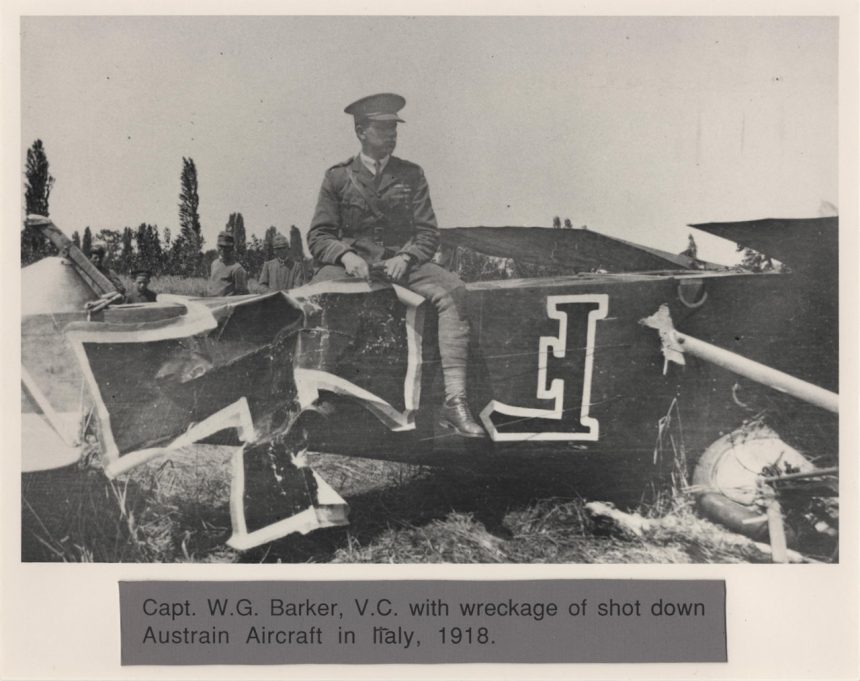

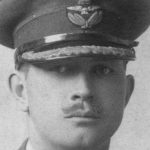
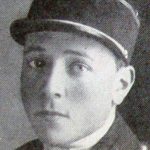
The list of Canadian flying aces who served with the Royal Air Force is endless. All of them showed bravery and skills while flying. But some of them left a long-lasting impact, and one of them was William George Barker. Born on November 3, 1894, in Dauphin, Barker left high school at the outbreak of WWI to join the Canadian Mounted Rifles in December 1914. The unit was sent to England in June 1915 and then traveled to France in September of that year. Barker served as a machine gunner with the regiment’s machine gun section until March 1916, before he received a commission in the Royal Flying Corps in April 1916. He initially worked as a mechanic, then became an observer in August 1916, flying in the rear seat of a B.E.2d. During his time as an observer, William George Barker shot down two German Roland aircraft and was awarded the Military Cross in January 1917, with a citation, “He flew at a height of 500 feet over the enemy’s lines, and brought back most valuable information. On another occasion, after driving off two hostile machines, he carried out an excellent photographic reconnaissance.”
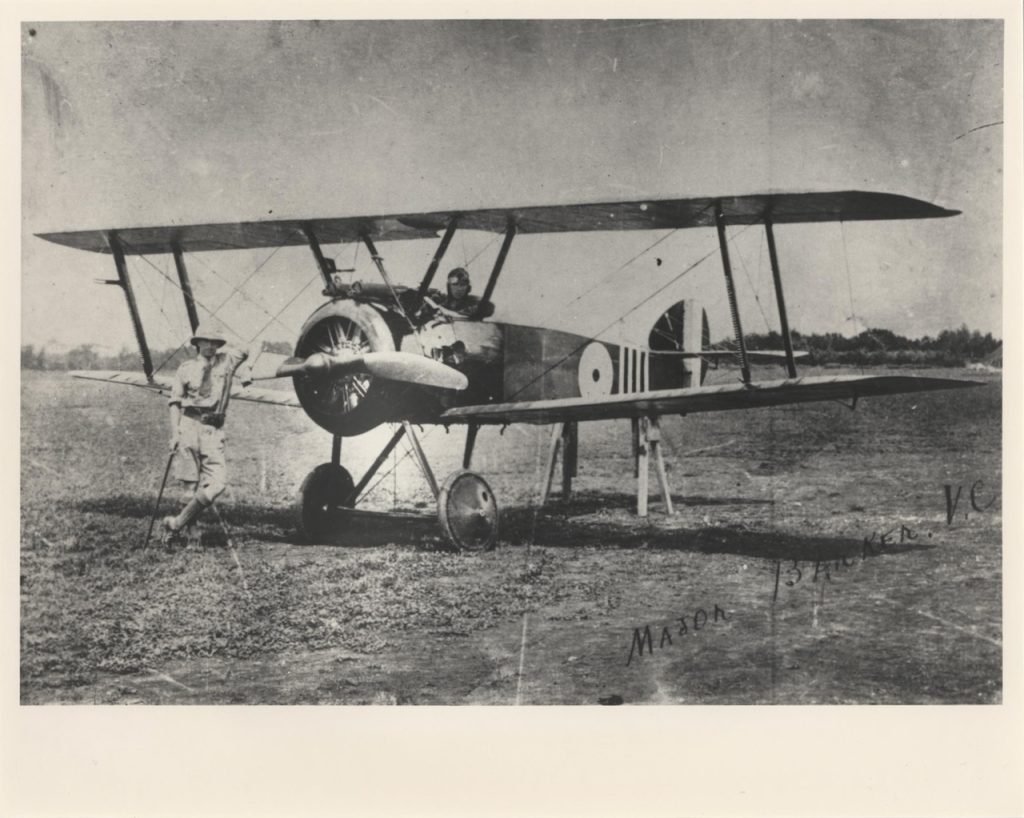
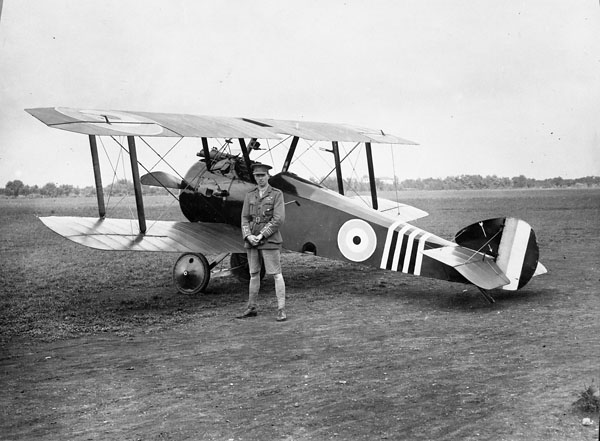
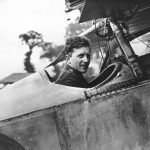
In late January 1917, William George Barker received his pilot’s license and returned to France flying reconnaissance aircraft. In February 1917, he initiated reconnaissance missions with 15 Squadron, flying B.E.2s and R.E.8s. During the Arras Offensive on April 25, 1917, Barker and his observer, while flying an R.E.8, spotted over 1,000 German troops hiding in trenches. They directed artillery fire at these positions, which helped prevent a counter-attack. For this effort, he was awarded the Military Cross First Bar, citing, “He has done continuous good work in co-operation with the artillery, and has carried out successful reconnaissances under most difficult and dangerous conditions.” In August 1917, Barker was injured by anti-aircraft fire and was sent back to England for recovery. After recovering, he joined 28 Squadron to fly a Sopwith Camel, serial number B6313. 46 out of his 50 victories would come flying this single aircraft. Barker’s unit moved to France in October 1917, and he didn’t waste much time scoring his first victory on October 20, downing an Albatros D.III, followed by two more victories on October 26.
Ace Journey of William George Barker
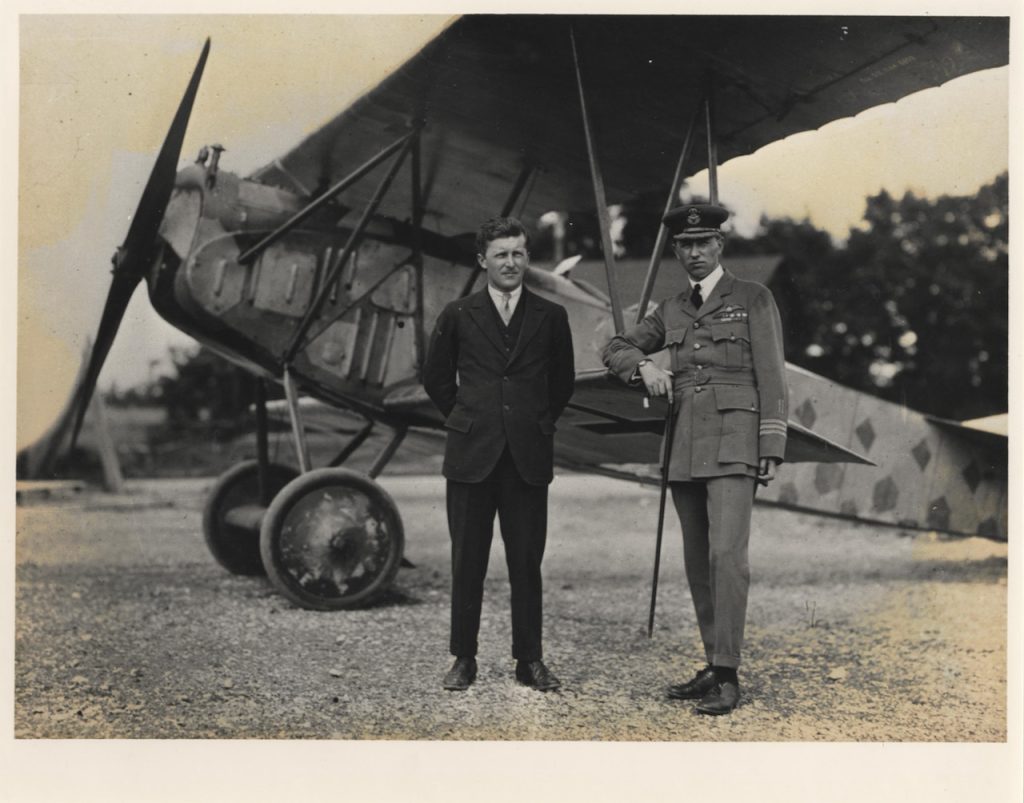
In November 1917, the 28 Squadron was transferred to Italy, and Barker scored his first victory on the Italian Front on November 29, to reach a personal score of four. On December 3, he shot down two more aerial targets, officially becoming an ace. He shot down a balloon on December 29 to end his 1917 at a score of seven. Continuing his successful run, William George Barker scored three victories in January, nine in February, and three in March, to reach a personal score of 22. After this, he was transferred to 66 Squadron in April 1918, where his first victory came on April 17, followed by 15 more victories by July 13. In July, he was awarded the Distinguished Service Order (DSO), with a citation, “When on scouting and patrol work, he has on five different occasions brought down and destroyed five enemy aeroplanes and two balloons, though on two of these occasions he was attacked by superior numbers. On each occasion, the hostile machines were observed to crash to earth, the wreckage bursting into flames. His splendid example of fearlessness and magnificent leadership have been of inestimable value to his squadron.”
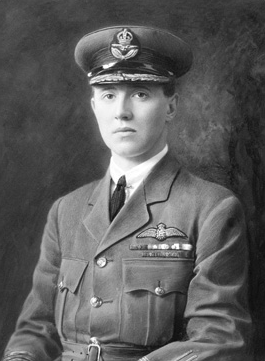
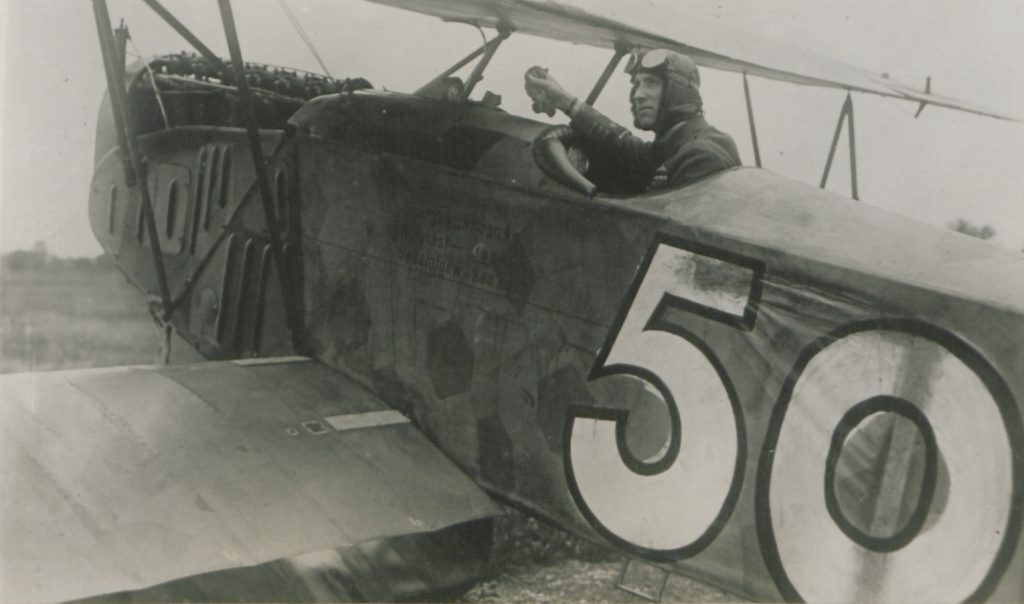
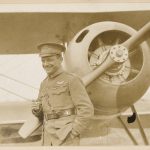
Later, William George Barker became Squadron Commander of 139 Squadron and flew the Bristol Fighter. However, he took his Sopwith Camel with him and continued to fly fighter missions. He scored eight more victories in this new squadron with his Sopwith Camel by September, to reach a score of 46. By that time, his Sopwith Camel was the most successful fighter plane of the war. Barker flew for over 379 hours and shot down 46 enemy planes before his Camel B6313 was taken out of service and dismantled on October 2, 1918. He also received the Military Cross (MC) Second Bar and Distinguished Service Order (DSO) Bar. William George Barker wanted to improve his air combat skills for his new job, so he joined 201 Squadron in France for ten days. During this time, he saw no action and was about to return to England when he decided to take one last flight over the front lines. On October 27, 1918, while flying alone in a Sopwith Snipe, he faced sixty Fokker D.VIIs in formation. In an unbelievable battle with Jagdgeschwader 3, Barker shot down four enemy planes, bringing his personal score to 50, despite suffering severe wounds to both legs and his elbow. He fainted from pain and loss of blood but managed to crash-land his Snipe safely within British lines.
One vs 60
For his bravery that day, William George Barker received the Victoria Cross, with a citation “On the morning of October 27, 1918, this officer observed an enemy two-seater over the Fôret de Mormal. He attacked this machine, and after a short burst, it broke up in the air. At the same time, a Fokker biplane attacked him, and he was wounded in the right thigh, but managed, despite this, to shoot down the enemy aeroplane in flames. He then found himself in the middle of a large formation of Fokkers, who attacked him from all directions, and was again severely wounded in the left thigh, but succeeded in driving down two of the enemy in a spin. He lost consciousness after this, and his machine fell out of control. On recovery, he found himself being again attacked heavily by a large formation, and singling out one machine, he deliberately charged and drove it down in flames. During this fight, his left elbow was shattered, and he again fainted, and on regaining consciousness, he found himself still being attacked, but, notwithstanding that he was now severely wounded in both legs and his left arm shattered, he dived on the nearest machine and shot it down in flames. Being greatly exhausted, he dived out of the fight to regain our lines, but was met by another formation, which attacked and endeavored to cut him off, but after a hard fight, he succeeded in breaking up this formation and reached our lines, where he crashed on landing. This combat, in which Major Barker destroyed four enemy machines (three of them in flames), brought his total successes up to fifty enemy machines destroyed, and is a notable example of the exceptional bravery and disregard of danger which this very gallant officer has always displayed throughout his distinguished career.”
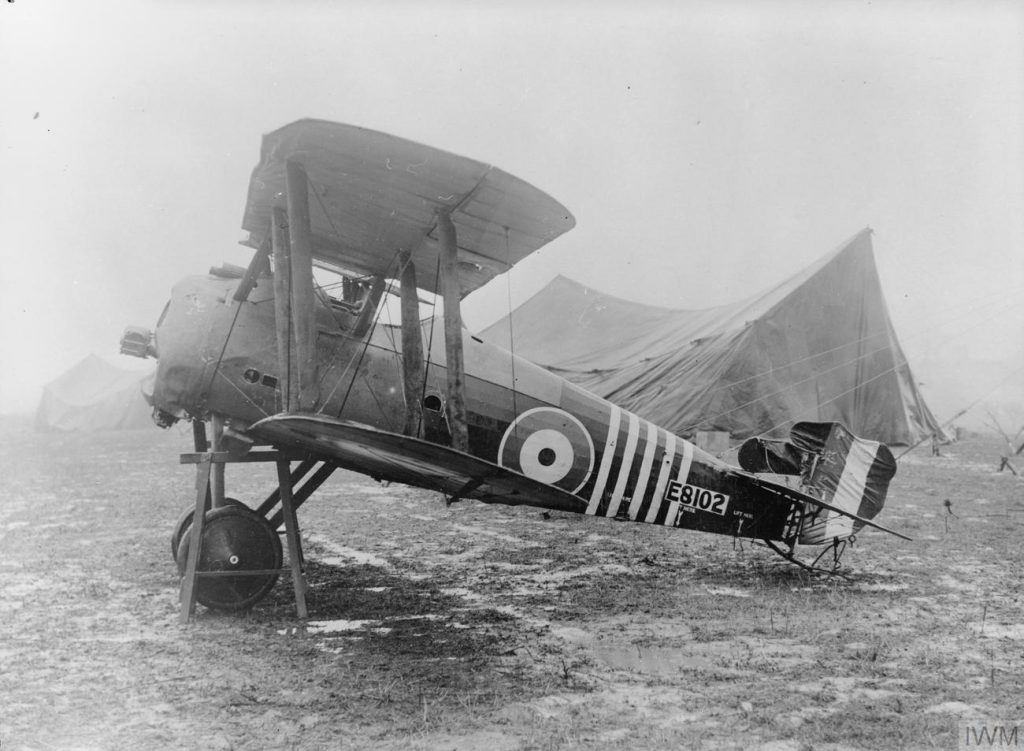
William George Barker was promoted to Lieutenant Colonel while in the hospital and returned to civilian life in Canada in 1919. After the war, he was made a Wing Commander in the Canadian Air Force (CAF) and served from 1920 to 1924. In 1924, he helped start the Royal Canadian Air Force (RCAF). In January 1930, he became Vice-President of the Fairchild Aviation Corporation of Canada. He crashed and died near Rockcliffe Airport in Ottawa on March 12, 1930, while test flying one of their new planes. In 1974, William George Barker was inducted into Canada’s Aviation Hall of Fame at a ceremony in Edmonton, Alberta. In the Aces series, William George Barker stands out as the one who received a very detailed citation of his skills and bravery in the Victoria Cross, which very few aces had received in the past. Read stories about more Aces HERE.





Awesome to read this and learn more about Barker. Now I know why he is painted on the wall of Dauphin Marketplace Mall and had a school named after him. I’ll have to admit I didn’t realize quite how accomplished he was.