








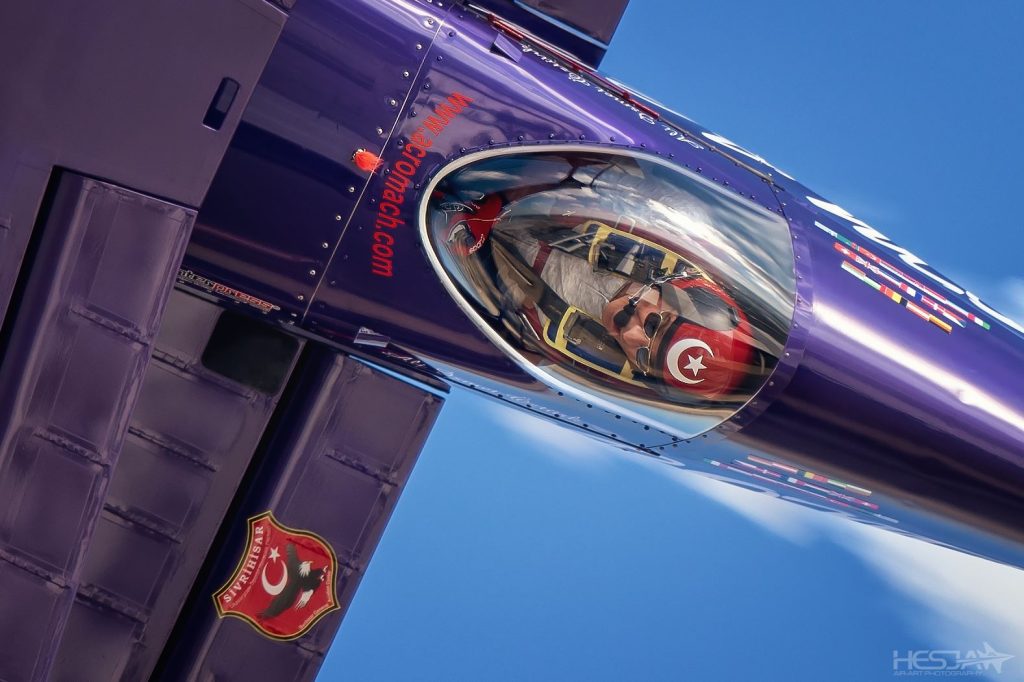
At Sivrihisar Aviation Center in central Türkiye, the sound of Merlin engines and radial-powered warbirds has become something almost unimaginable for the region: normal. On any given event weekend, visitors may watch a Spitfire taxi past a Vietnam-veteran Huey helicopter while a historic DC-3 sits nearby inside one of the most architecturally striking aviation museum complexes in Europe. For many Turkish visitors, it is their first opportunity not only to see legendary aircraft up close, but to hear them fly. Behind it all is one man’s lifelong devotion to aviation. “For me, flying is everything,” said Ali İsmet Öztürk during a recent interview with Vintage Aviation News. “It’s my job, my life.”
(Image credit: Ali İsmet Öztürk)
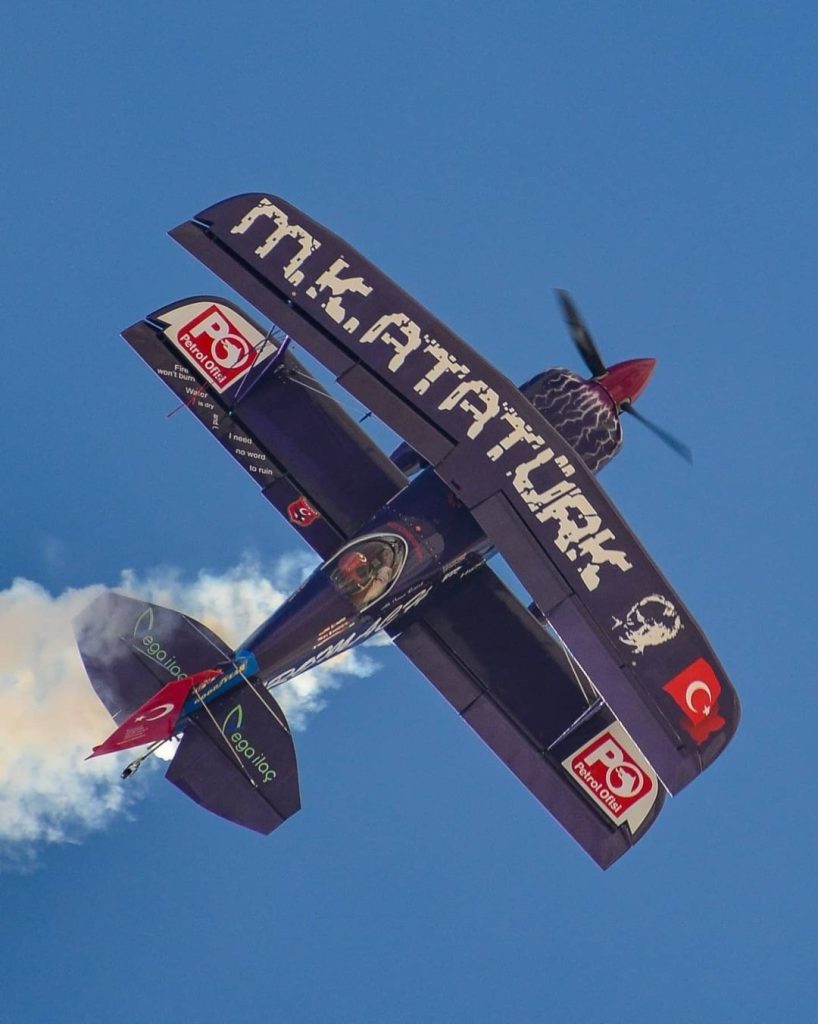
Öztürk is already well known in international aviation circles as Türkiye’s first professional civilian aerobatic pilot and for his decades-long career on the global airshow circuit. Beginning his flying career in 1984, he spent more than 20 years performing professional solo aerobatic displays across 22 countries. “I think I flew more than 2,000 displays around the world,” he recalled. Like many aviators, his passion began early. “When I was a child, I started building model aircraft,” he said. “That provides very large development in aviation knowledge for children.”
(Image credit: Ali İsmet Öztürk)
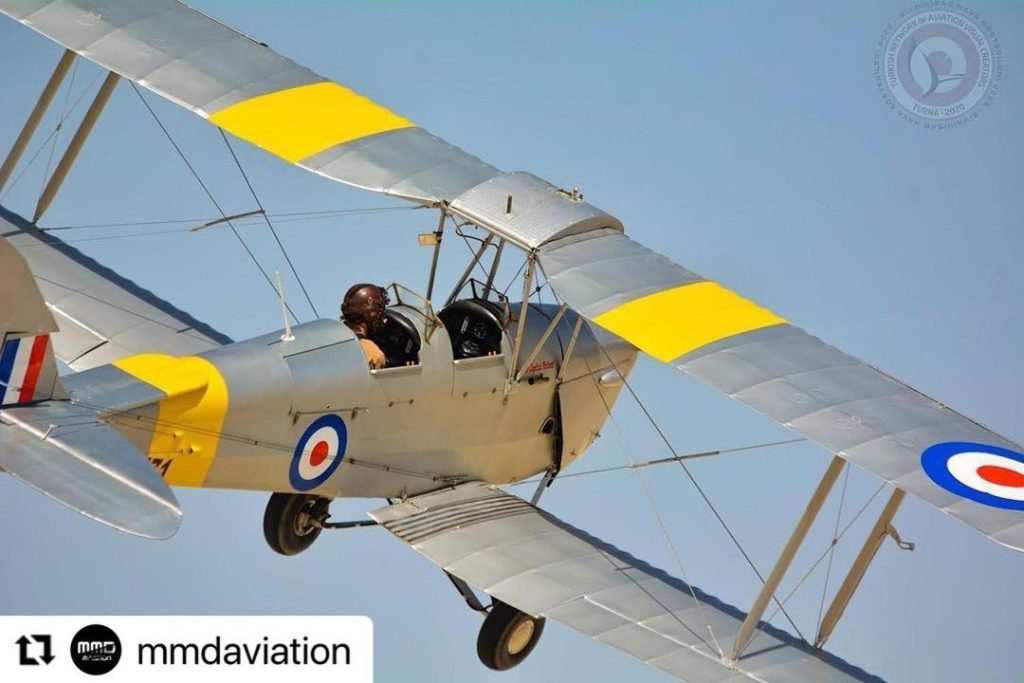
Over time, his aviation career expanded from small aircraft into helicopters for aerial filming and live television work before aerobatics ultimately became his defining specialty. Along the way, international airshows exposed him to the world of warbird preservation. “I had the opportunity to see a lot of warbirds during the airshows I participated in,” Öztürk explained. “Especially biplanes and WWII aircraft were taking my attention because I love them.” Those experiences planted the seed for what would eventually become the MSÖ Air & Space Museum.
(Image credit: mmdaviation)
Building a Museum Before Owning an Airplane
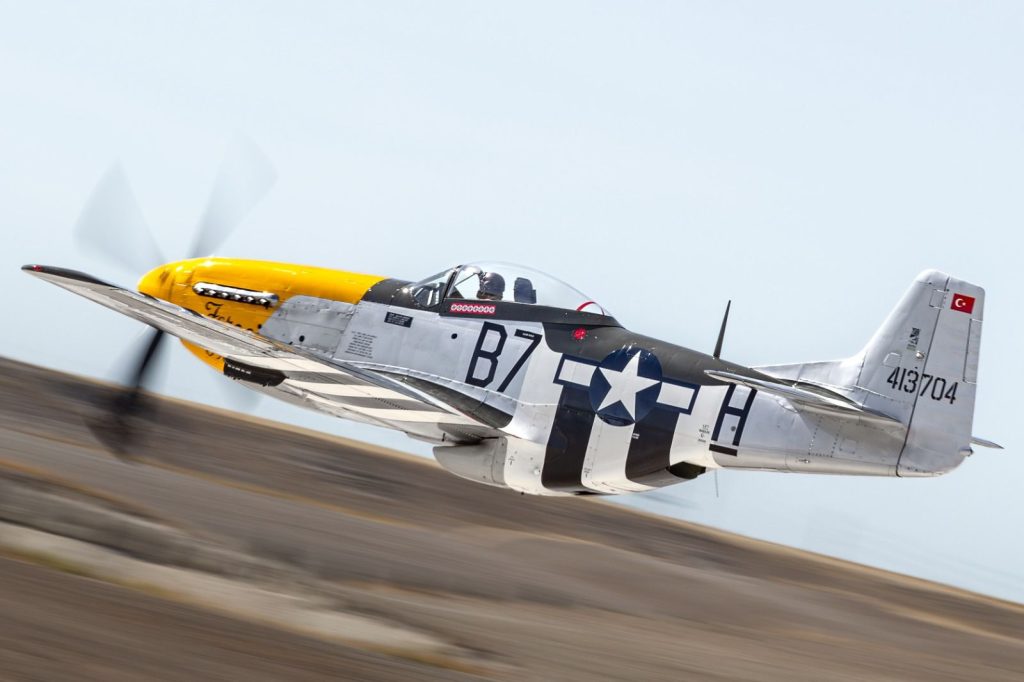
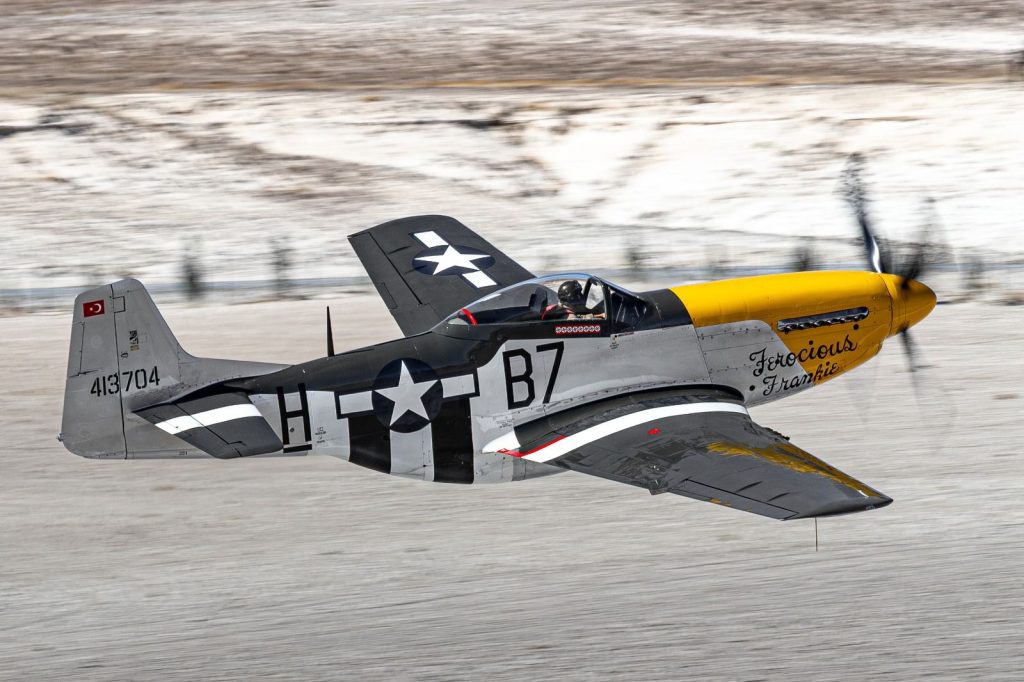
Around a decade ago, Öztürk and his team began developing Sivrihisar Aviation Center. From the beginning, he believed the facility needed more than runways and hangars. “I saw this center needs an aviation museum,” he said. The museum itself was officially approved by the Turkish government before the collection even existed. “We had permission for the museum,” he laughed, “but we had no airplanes.” That quickly changed. The museum first acquired a Boeing Stearman before eventually securing the aircraft that would become the centerpiece of the collection: the North American P-51 Mustang Ferocious Frankie.
(Image credit: Ataberk Özsoy)
At the time, the Mustang had spent nearly two decades in the United Kingdom and was well known among British warbird enthusiasts. Öztürk learned the aircraft was for sale and began negotiations through contacts in the UK. “There was another customer from another country interested in the airplane,” he recalled. “The owner had some hesitation about who to sell it to.” Eventually, the deal was completed and Ferocious Frankie made the journey from England to Türkiye. “That was our first real warbird,” Öztürk said. The Mustang also became a training ground for the museum’s restoration and maintenance team as they developed the technical capability required to sustain a flying collection.
(Image credit: Atakan ÖZSOY)
A Collection Rooted in Turkish Aviation History
From there, the museum expanded steadily. Additional aircraft included another Stearman, a North American T-6 Texan, an Antonov An-2, and eventually a Douglas DC-3 with a particularly remarkable history. Built in 1939 for a U.S. airline, the aircraft was later transferred to the U.S. Army during WWII. According to Öztürk, the airplane participated in the Normandy invasion as a paratrooper transport during D-Day. The aircraft later accumulated approximately 75,000 flight hours and even completed a world tour before arriving in Türkiye.
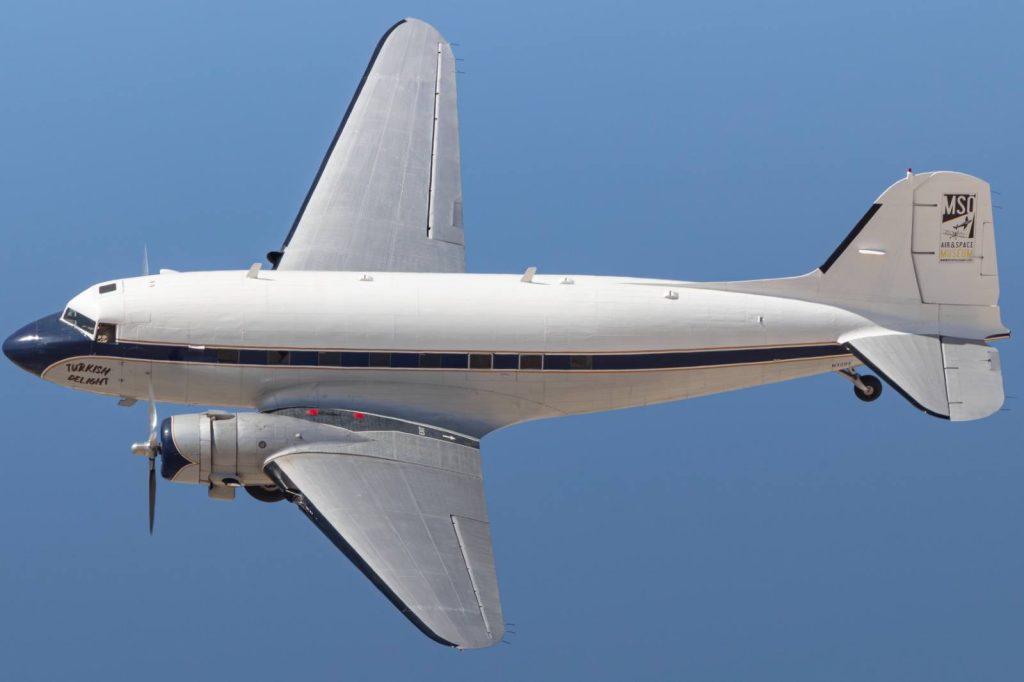
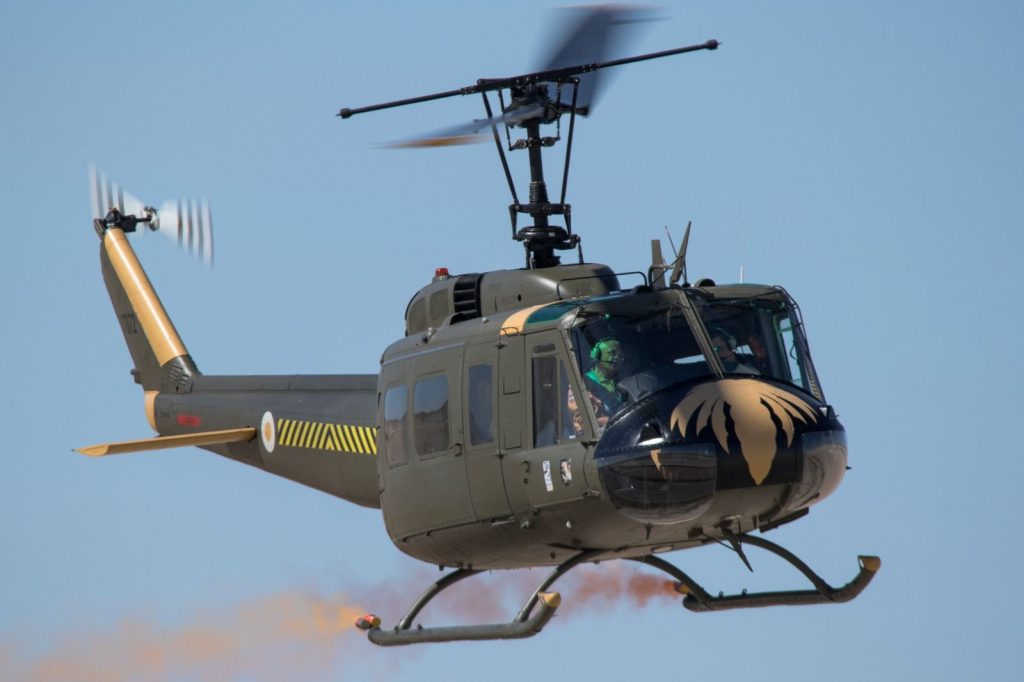
“This is the unique DC-3 that flew during D-Day after being converted to a C-47 and also eventually made a complete world tour,” he said. Another important addition was the museum’s Bell UH-1H Huey helicopter, a Vietnam war veteran that once belonged to the 116th Assault Helicopter Company ‘Hornets’. After crashing in the jungle during the war—with no fatalities—the helicopter was recovered and returned to the United States rather than abandoned in Vietnam like many other Hueys.
(Image credit: Emrah Coşkun)
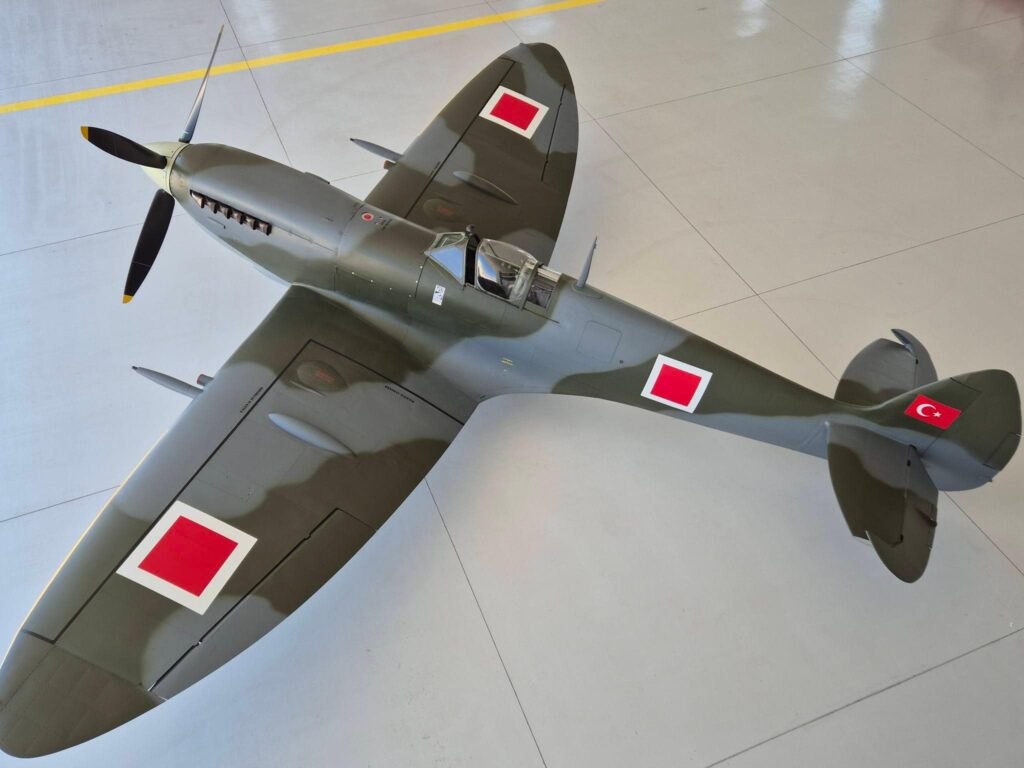
The museum also acquired a Supermarine Spitfire finished in Turkish Air Force markings. The type has deep historical significance in Türkiye, where approximately 250 Spitfires once served. More recently, the museum completed the rollout of a Focke-Wulf Fw 190 restoration project—another aircraft with Turkish service history. “Turkish Air Force had 72 Focke-Wulf 190s,” Öztürk explained. The project required extensive restoration work after the aircraft was acquired from Arizona in poor condition, but the museum’s growing in-house engineering capability made the effort possible.
The Challenge of Keeping Warbirds Flying
Maintaining airworthy warbirds in any country is difficult. Doing so in Türkiye presents unique logistical and regulatory challenges. Unlike museums in the United States or United Kingdom, Türkiye lacks an extensive network of restoration shops and warbird suppliers. Öztürk said the museum relies on a combination of imported parts and in-house manufacturing.
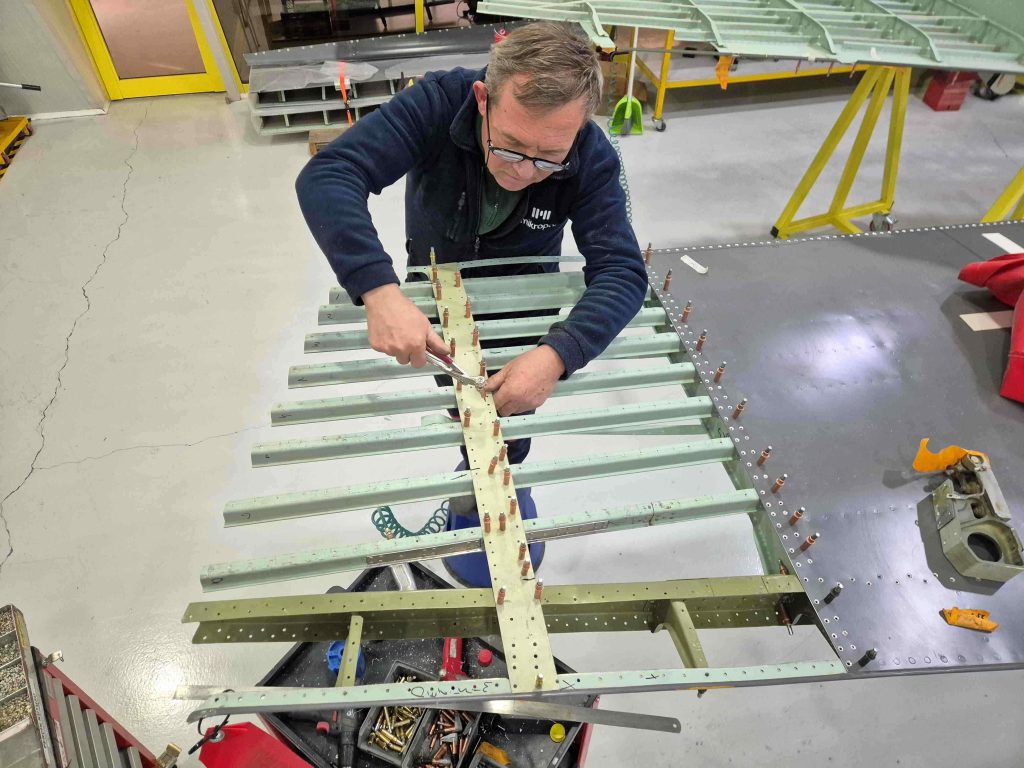
“For some aircraft like the Focke-Wulf 190, it’s not possible to find spare parts,” he explained. The museum imports components from the U.S. and UK whenever possible, but many parts must be fabricated locally inside Sivrihisar’s own machine shop. “For parts that are not critical, and if we are able to build them safely, we manufacture them ourselves,” he said. The museum also operates many aircraft under FAA regulations rather than European EASA regulations. “FAA regulations are much easier for this type of museum operation,” Öztürk explained. Because the aircraft primarily conduct local demonstration flights from Sivrihisar rather than extensive international touring, the arrangement has worked effectively with Turkish civil aviation authorities.

A Living Museum
What truly separates the MSÖ Air & Space Museum from other aviation museums in Türkiye is that the aircraft actually fly. “In Turkey there are aviation museums,” Öztürk said, “but none of them are in flying condition.” That difference transforms the visitor experience. Each year, Sivrihisar Aviation Center hosts approximately 11 aviation-related events, including the major Sivrihisar Airshow every September. Last year alone, the event attracted roughly 60,000 visitors.


(Image credit: MSÖ Air & Space Museum)
International participants regularly attend the show, and Öztürk said organizers hope to feature an F4U Corsair this year alongside the museum’s own collection. For Turkish aviation enthusiasts, the experience is deeply emotional. “To hear the sound of the engine, see the propeller turning, watch the roll, see the airplane flying aerobatics—this is very important,” he said. The museum’s growing popularity has also created a surprising financial reality. The museum operates through a mix of admission revenue, private donors, full-time staff, and volunteers. Despite its scale and visibility, Öztürk noted the museum receives no direct government financial support, but it is able to sustain the costs of operations.

Inspiring the Next Generation
For Öztürk, the museum’s greatest purpose is not preservation alone, but inspiration. He believes seeing historic aircraft in motion can spark curiosity in young visitors in ways static displays cannot. “When young people see airplanes that are 70 years old still flying, they start to think,” he said. That thought process matters deeply to him. “They begin asking themselves what aircraft will look like 70 years in the future,” he explained. “The museum is the point for thinking.”

That mindset also reflects broader changes taking place across Turkish aerospace and aviation industries. During the interview, Öztürk discussed the rapid growth of Türkiye’s aviation and defense sectors over the last two decades, particularly in drone development and domestic aerospace manufacturing. While emphasizing that the museum itself is completely separate from defense companies, he believes the country’s increasing focus on aerospace has created new energy around aviation culture overall.
Looking Toward the Future
At 62 years old, Öztürk remains realistic about the future. “One day will come when I won’t be able to fly these beauties,” he said quietly. Then, cheerfully, he added, “But that day isn’t today!” Still, his ambitions for the museum remain strong. He hopes to eventually acquire aircraft such as a Miles Magister and possibly a Curtiss P-40 Warhawk—both types once operated by the Turkish Air Force. But above all, he hopes the museum inspires future generations of Turkish aviators, engineers, and restorers. “I want to see aviation culture grow,” he said. “I want to see young people building projects like the Focke-Wulf project in the future.” At Sivrihisar, history is not sitting silently behind ropes and barriers. It is taxiing, flying, roaring overhead—and inspiring the next generation one engine start at a time. For more information about the MSÖ Air & Space Museum, visit www.msomuseum.com/en/

(Image credit: Zafer Buna)








A great building War Bird & Civilian museum; such a pity it’s mid-Turkey, and not near the coast! Had it been the later I could, possibly, have ‘finessed’ a Holiday … with a … ‘small side trip’; but ‘mid-Turkey’ … forget it.
My Dearly Beloved would Smell a Rat … and I would ‘Cease To Be’ – ‘Hung, Drawn & Quartered’!!!
I will have to indulge in some area research; I mean – call me ‘Picky’ – but I’ve grown fondly accustomed to good food … and Breathing …..