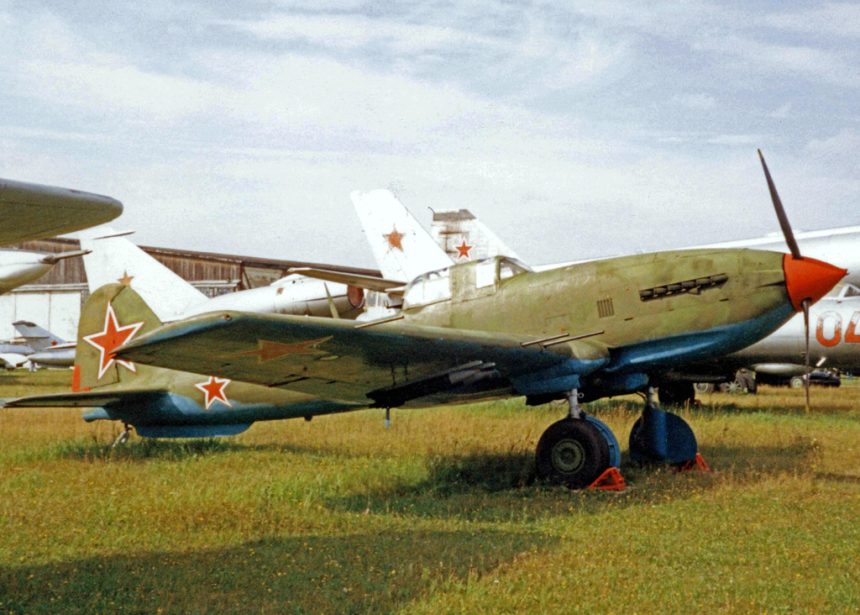

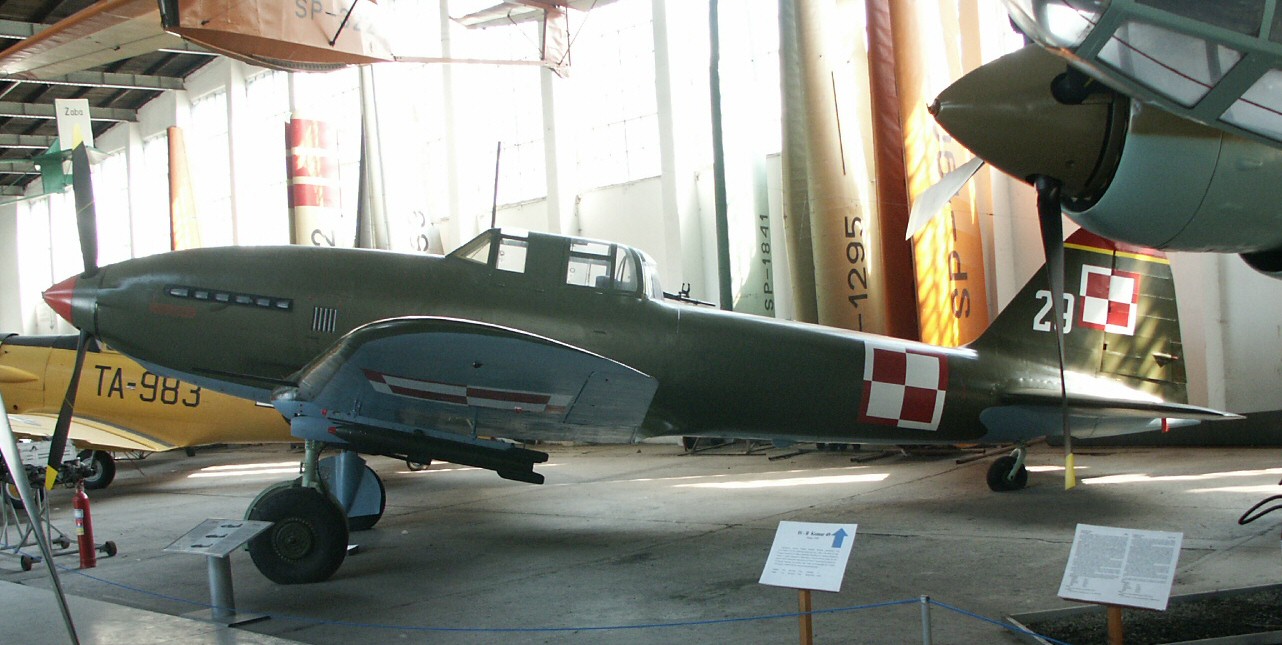
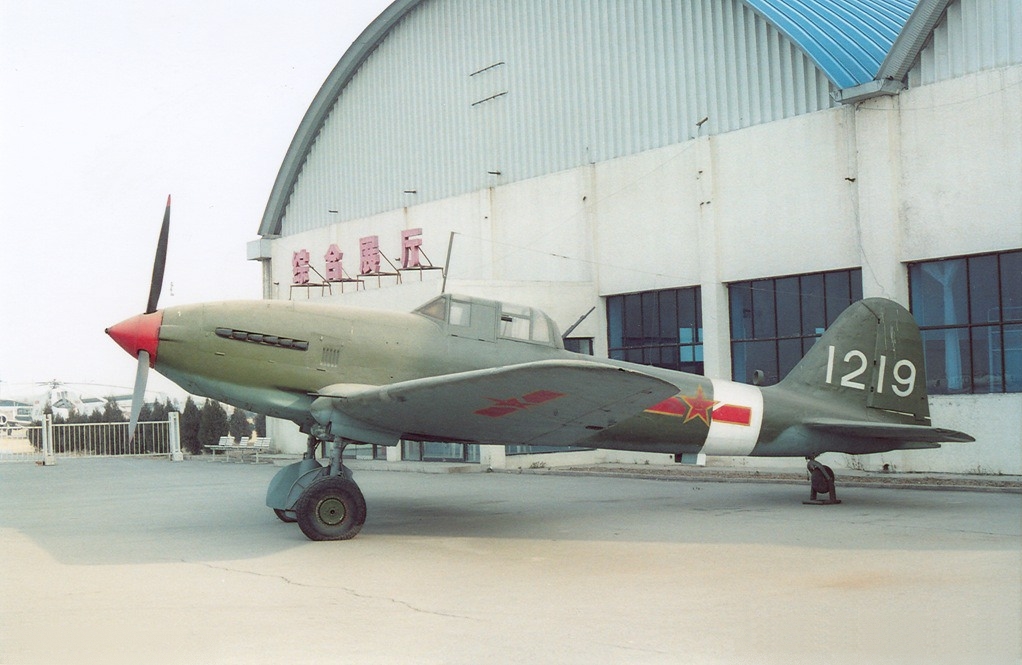
On this day in aviation history, 82 years ago (April 18, 1944), the first flight of the Ilyushin Il-10 took place. Known by NATO as the Beast, the Il-10 was a Soviet ground-attack aircraft that was developed in the later years of World War II. The Il-10 was designed and built by the Ilyushin construction bureau, and also manufactured under license in Czechoslovakia by Avia as the Avia B-33. The Il-10 was developed from the highly successful Ilyushin Il-2 Shturmovík, which thrived in the ground-attack mission.
As World War II progressed, Soviet Air Force leadership sought an upgrade over the Il-2. There was no need to “reinvent the wheel,” but the Il-2 did need to be upgraded to remain superior on the battlefield. Improvements sought were an increase in the aircraft’s speed and improved maneuverability at low altitudes. Both elements would help the aircraft to evade small-caliber anti-aircraft artillery, the main threat for ground attack aircraft at the time. Sergei Ilyushin developed an Il-1 design in 1943, which was planned to be a one or two-seat heavily armoured fighter-interceptor. The Il-1 was intended for fighting enemy bombers and transports. Seeing the need for an upgrade over the Il-2, Ilyushin opted to morph the Il-1 into a two-seat ground attack aircraft. The designation was changed to Il-10 in early 1944.
The Il-10 was powered by a 1,770-horsepower Mikulin AM-42 liquid-cooled V12 engine, which drove the aircraft to a maximum airspeed of 342 mph. The Beast could cruise at 190 mph and had a range of 430 nautical miles. During the Second World War, the Il-10 was armed with two 23-millimeter Vya-23 cannons and two 7.62-millimeter ShKAS machine guns. Additionally, a 20 millimeter Berezin B-20 cannon, or a 12.7 millimeter UBT machine gun, was installed in the rear turret. Il-10s could carry four RS-82 or RS-132 rockets, and up to 1,100 pounds of bombs.
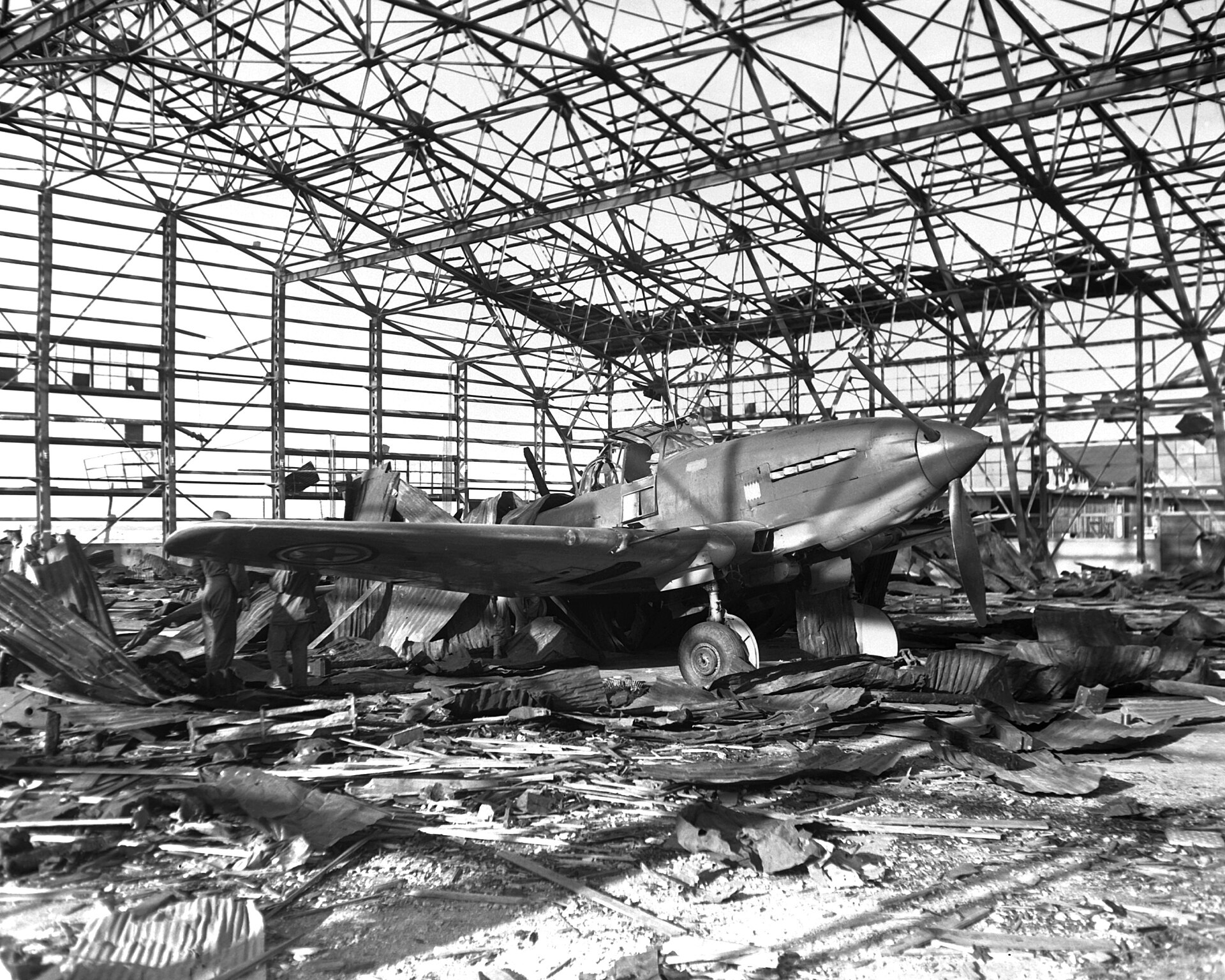
Between 1944 and 1954, a total of 6,166 Beasts were built, 4,966 Il-10s and 1,200 B-33s. The aircraft would serve with the Soviet Air Force during the closing months of World War II, and it would do so without incident. The Czechoslovakian and Polish Air Forces also operated the aircraft post-WWII. Four Ilyushin Il-10s and four Avia B-33s are known to survive today, and they are on display at museums throughout Europe and China.