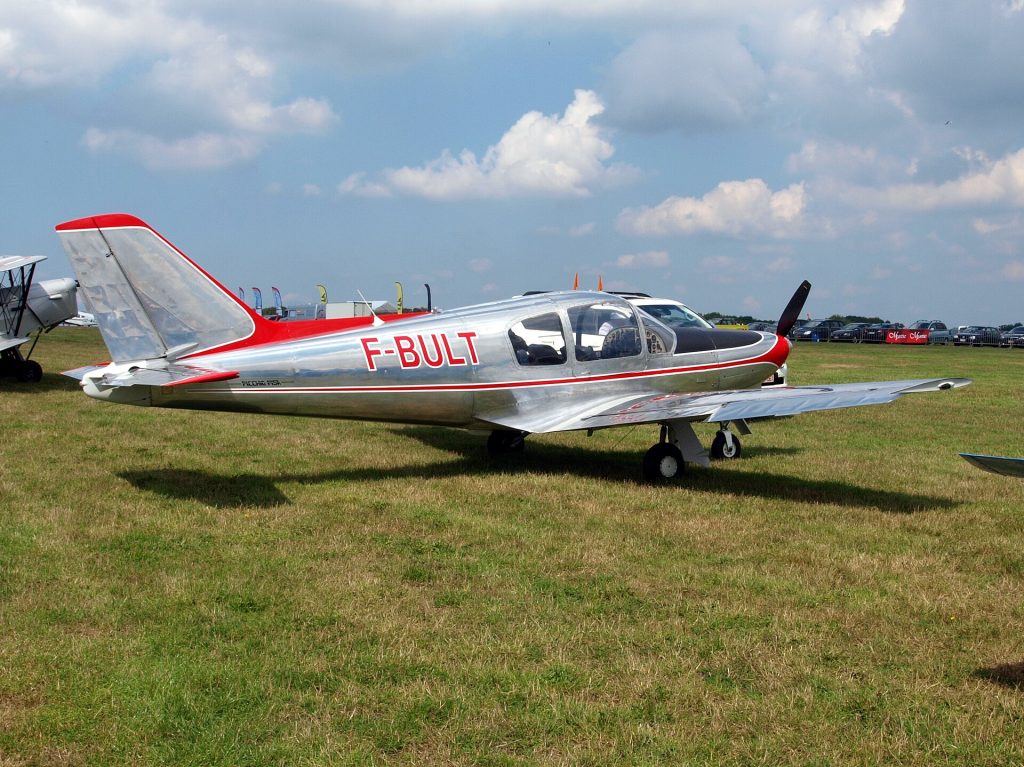
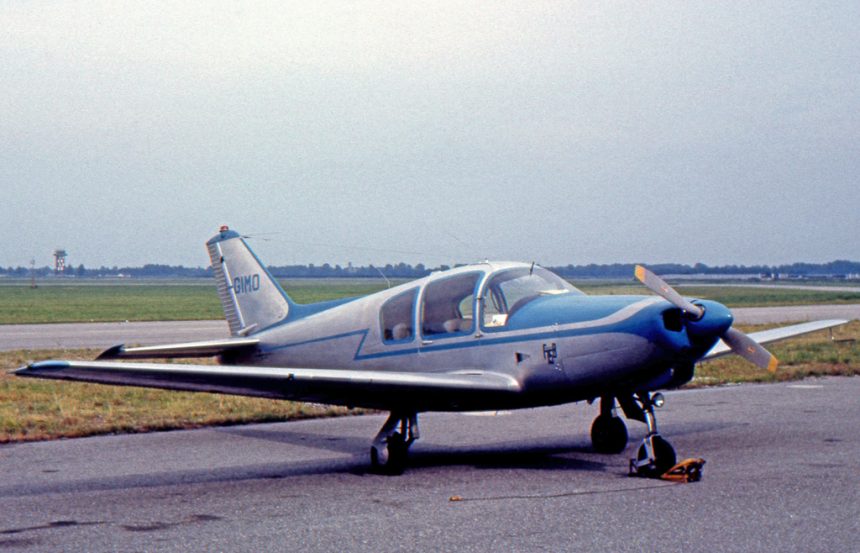


On this day in aviation history, 67 years ago (May 7, 1959), the Procaer F.15 Picchio first took flight. Italian for “Woodpecker,” the Picchio is a light utility aircraft that was designed and built by native aviation manufacturer Procaer (PROgetti Costruzioni AERonautiche). Development of the aircraft began in the late 1950s, originally as a further development of noted Italian aircraft designer Stelio Frati’s Falco and Nibbio designs. The Picchio retained the low-wing cantilever monoplane format of Frati’s designs. The aircraft had sleek lines and retractable landing gear that added to the overall clean appearance.
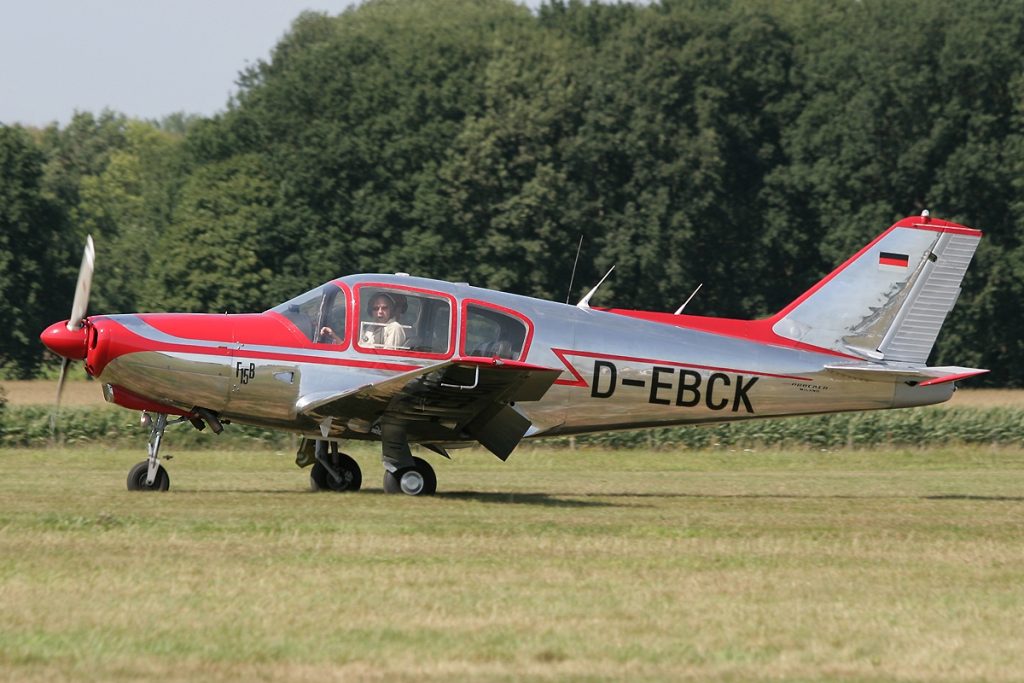
The early versions of the Picchio used wooden constructions, akin to the Falco and Nibbio. A thin aluminum skin was added over the airframe’s plywood, however. The F.15E and F.15F were of all-metal construction. The earlier wooden variants of the Picchio were manufactured in Milan by Procaer. In the mid-1960s, Stelio Frati launched his own factory, General Avia, as a place where he could build his own designs. Frati began building F.15Es here, in limited numbers. The design remained dormant until the mid-1990s, when Austrian company HOAC (now Diamond Aircraft) revived the Woodpecker. A two-seat F.15F model was developed and then manufactured at the JSC Sokol plant in Nizhny Novgorod. Funding of the F.15F eventually ran out of money, and many airframes were left uncompleted. The F.15 Picchio was designed with the intent of serving the private and sport pilot markets. A 180-horsepower Lycoming O-360-A1A horizontally opposed, four-cylinder engine powered the F.15B model. The aircraft could cruise at 160 mph and attain a maximum airspeed of 190 mph. A range of 860 nautical miles and a service ceiling of 17,100 feet gave the F.15B a decent envelope for sport aviation functions. The Picchio could climb at 1,000 fpm, and take off and land below 2,000 ft, with a stall speed of 57 mph. A total of 50 F.15s were built, and several are still airworthy today.