






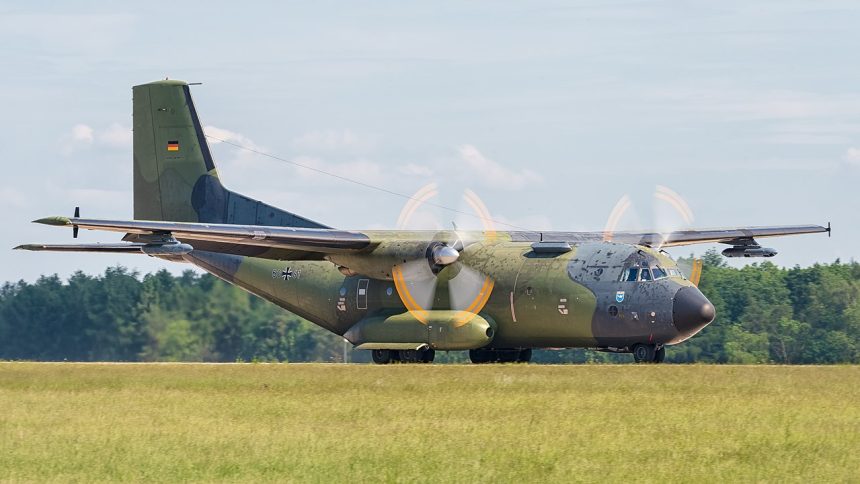


(Image credit: VAN)
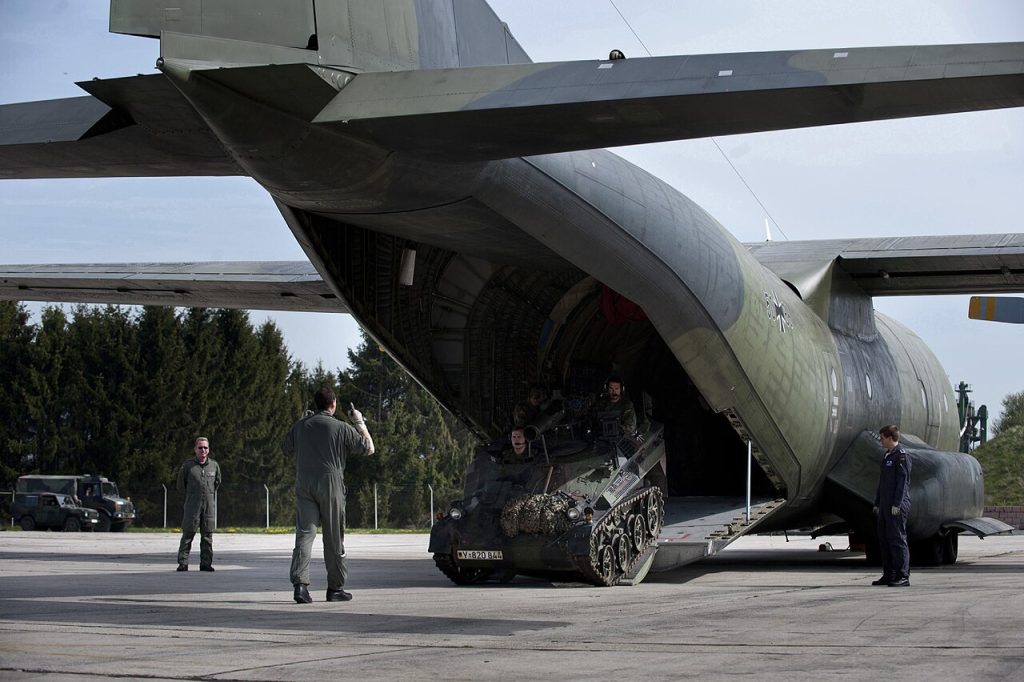
On this day in aviation history, 63 years ago (February 25, 1963), the Transall C-160 took flight for the first time. The C-160 is a military transport aircraft that was developed in a joint venture between German and French aviation manufacturers. The name “Transall” is an abbreviated title from the German term “Transporter Allianz,” which consisted of VFW-Fokker, MBB, and Aérospatiale. Development of the C-160 began in the late 1950s with the goal of modernizing the French and German military transport fleet.
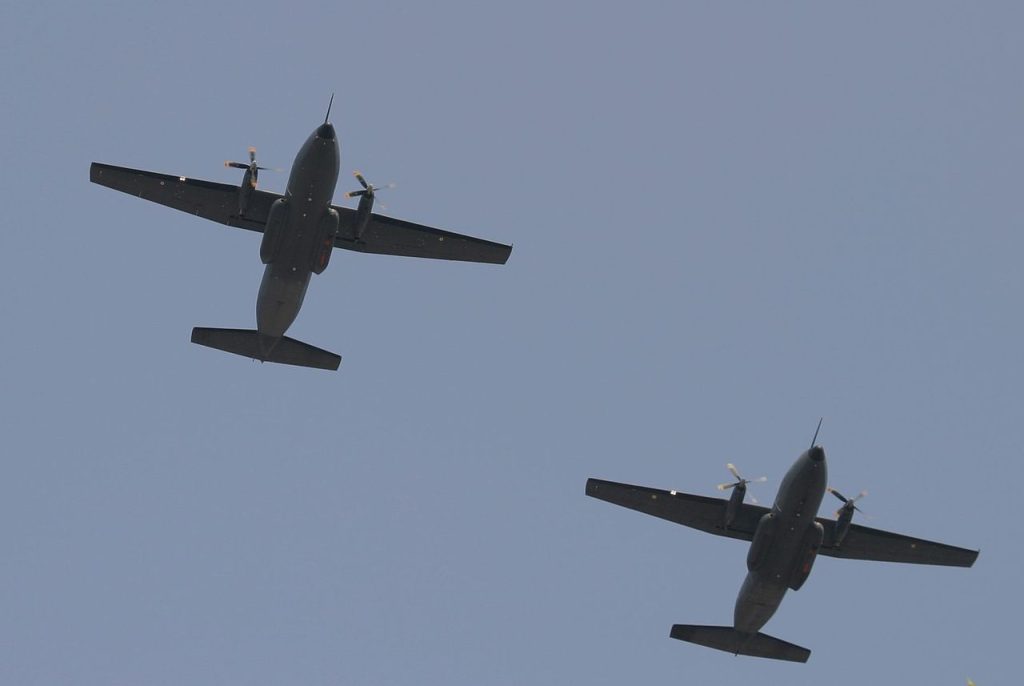
In 1967, four years after the C-160’s first flight, the aircraft would officially enter service with the French and German Air Forces. In the initial years of production, C-160s were produced at factories in both Germany and France. However, in the name of consolidation, the process was simplified to a single assembly line in Toulouse during the late 1970s. The C-160 would attract the South African and Turkish Air Forces as well; the aircraft is still in service in Turkey. Germany and France have replaced the C-160 with the Airbus A400M Atlas and Lockheed Martin C-130J Super Hercules as of 2022.
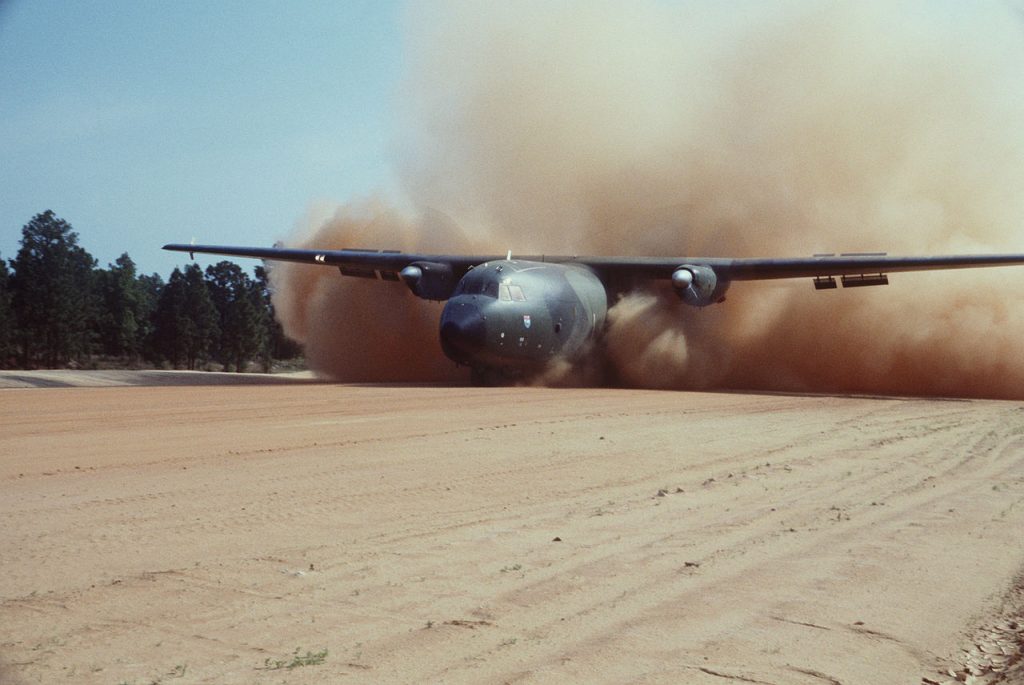
The Transall C-160 filled multiple roles during its service life beyond general transport, including aerial refueling and electronic intelligence. The type flew in support of the invasion of Cyprus, the South African Border War, and the Gulf War. Transall designed the C-160 with unimproved short-field operations in mind, as the aircraft was given the capability to fly steep descents, up to 20 degrees, and make landings on runways with as little as 400 meters available.
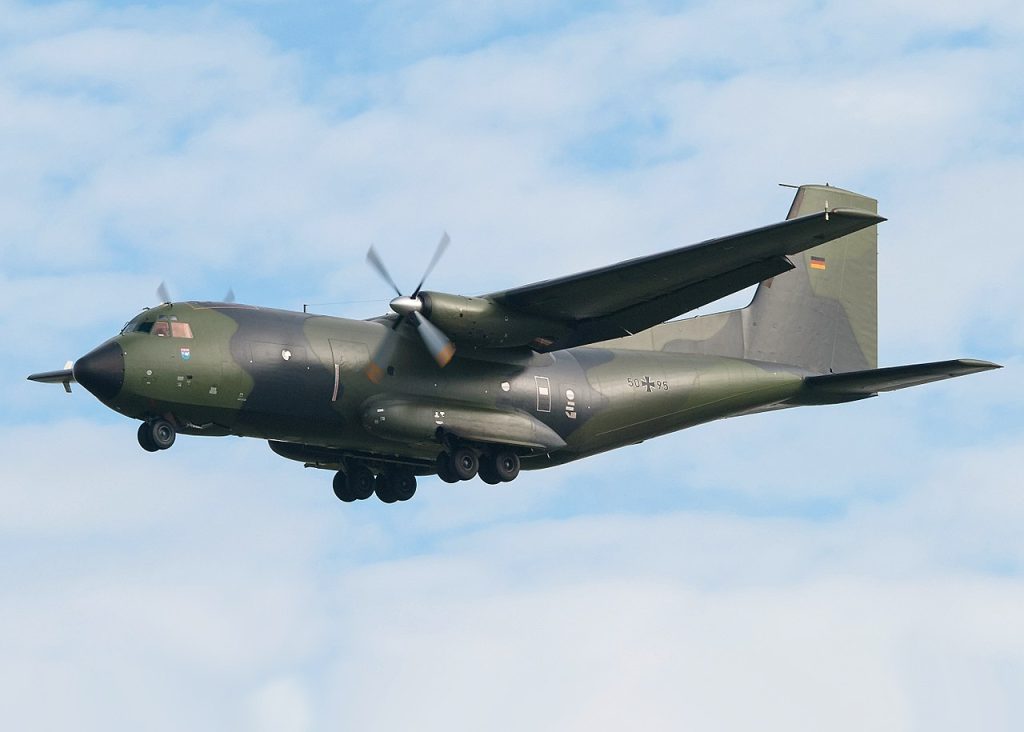
The C-160 was powered by two Rolls-Royce RTy.20 Tyne Mk 22 turboprop engines, each with 6,100 horsepower. Three flight crew and one loadmaster served aboard the C-160 for each flight, while a capacity for 35,274 pounds of payload was available in the back. This payload could include either 93 troops, 61 to 88 paratroopers, or 62 stretchers. Transalls had a maximum airspeed of 319 mph and a stall speed of 110 mph. A range of 1,001 nautical miles and a service ceiling of 27,000 feet made the C-160 a solid mobility platform. A total of 214 C-160s were built, and a small contingency continues to serve with the Turkish Air Force.









Are you sure each engine produced 6100 HP? That’s a lot. The Allison 501-D13H (fitted to Convair 580 and Lockheed Electra) produced about 3400 HP and they were similar vintage
Yes, the Rolls-Royce RTy.20 Tyne Mk 22 turboprop engine of the C-160 produced 6,100 shp each.
https://en.wikipedia.org/wiki/Rolls-Royce_Tyne