
By Randy Malmstrom
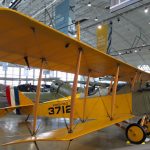
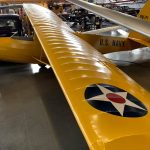
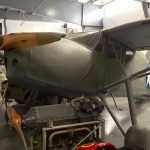
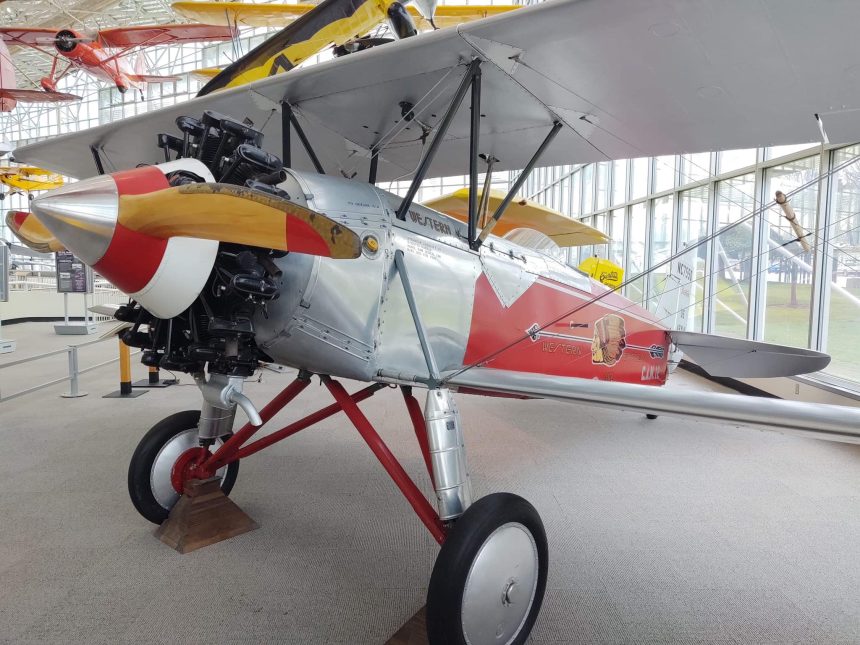
Stearman C-3B NC7550 on static display at the Museum of Flight in Seattle. Photos courtesy of Don England.
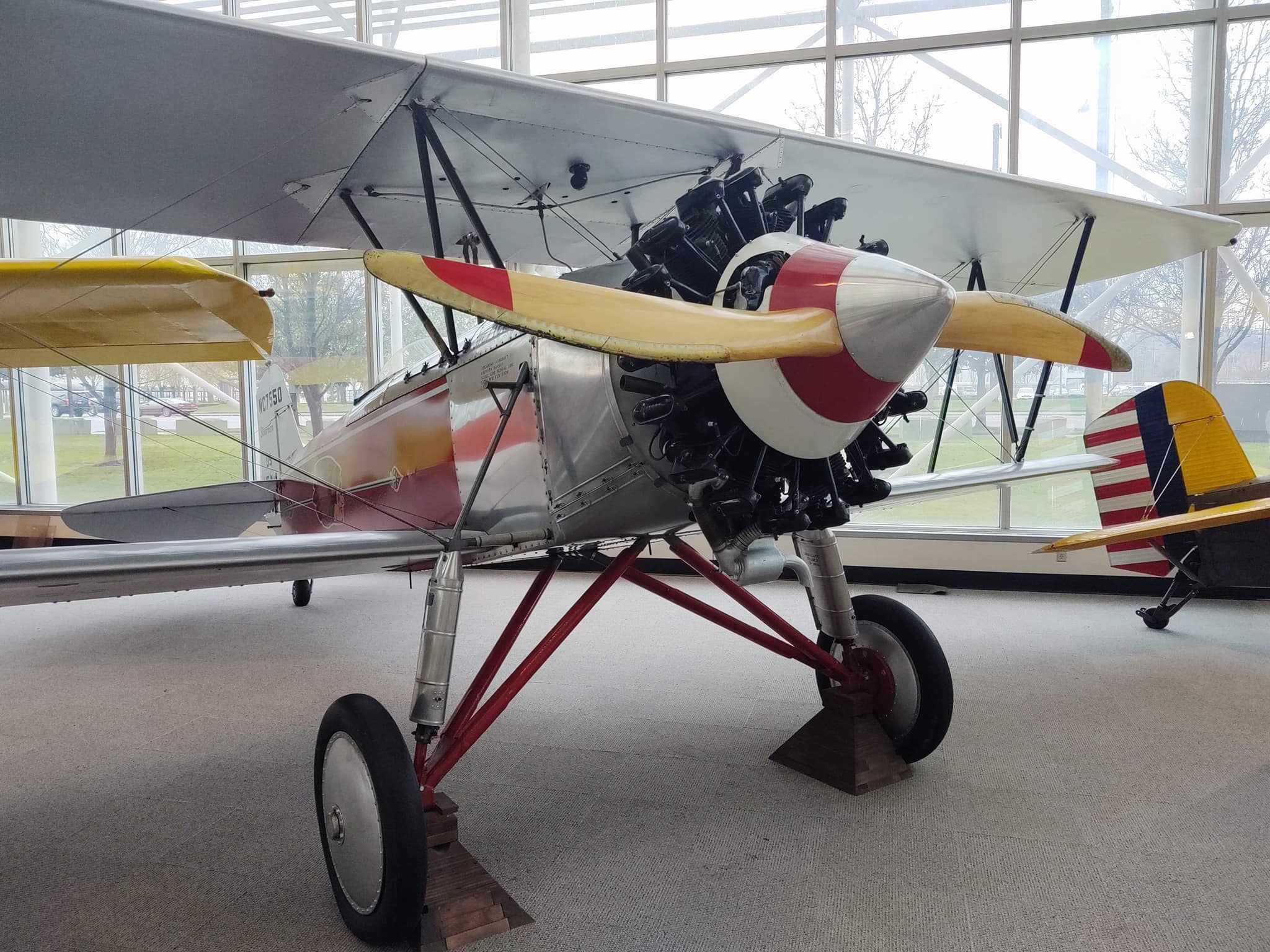
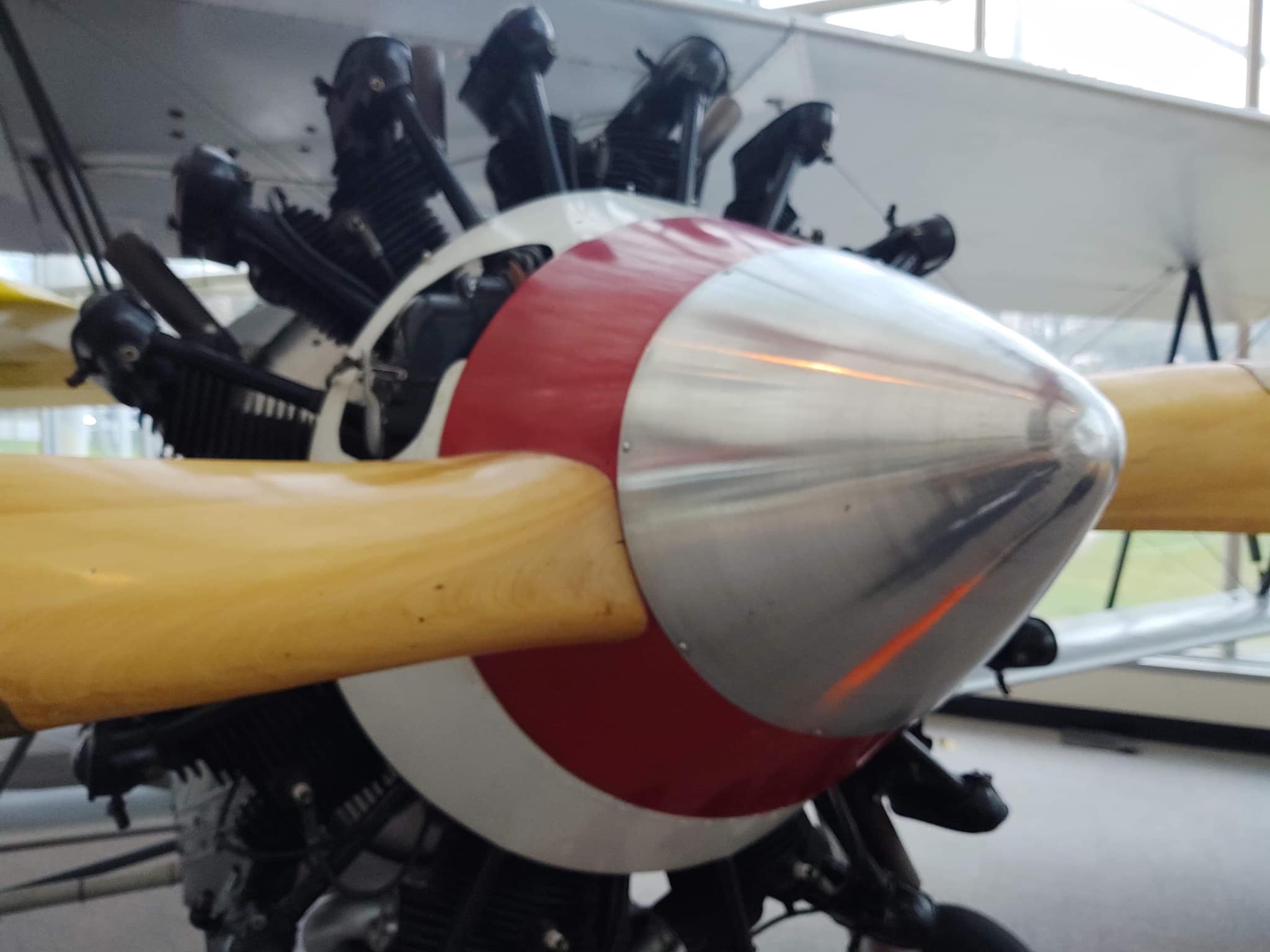
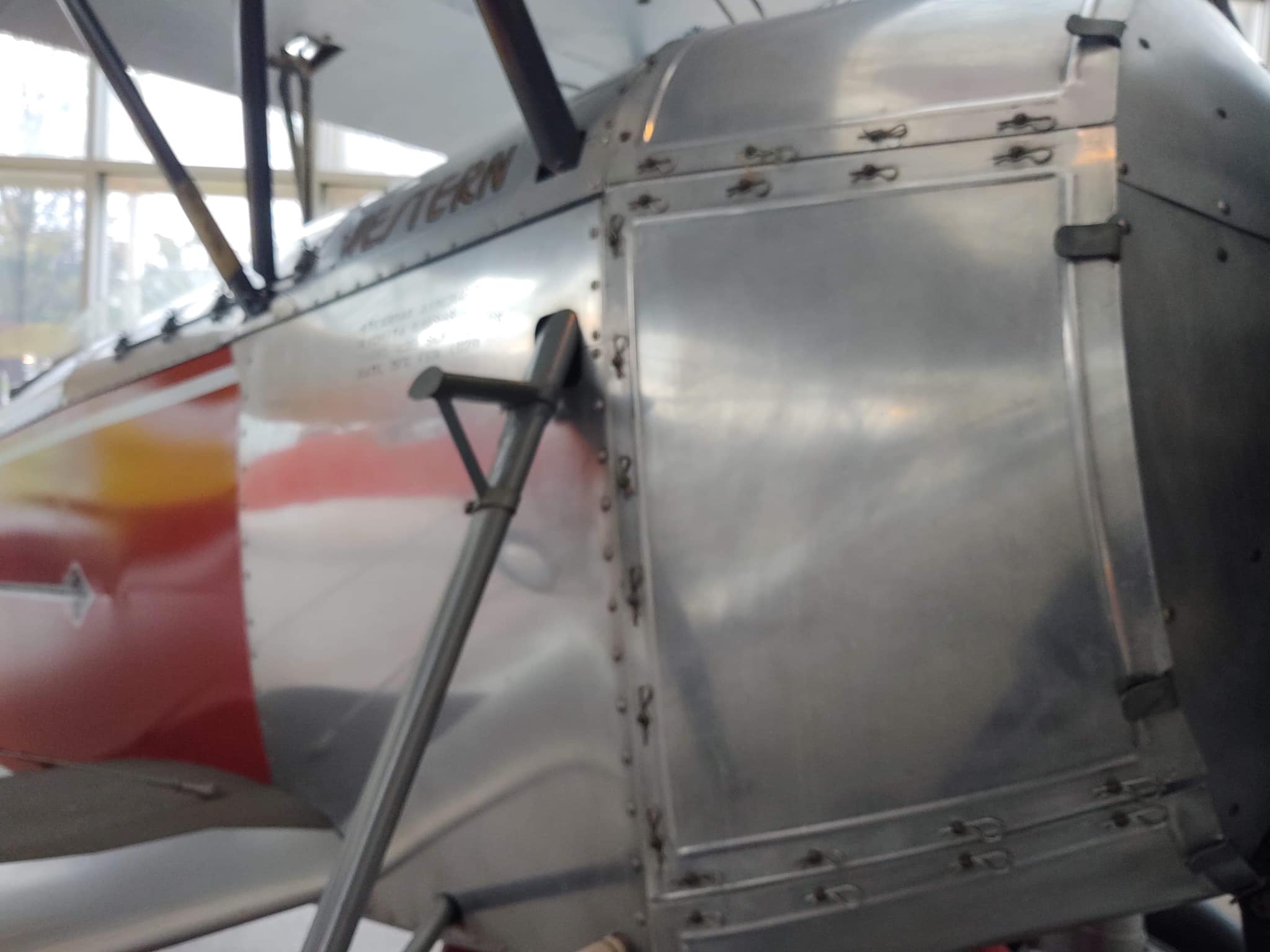
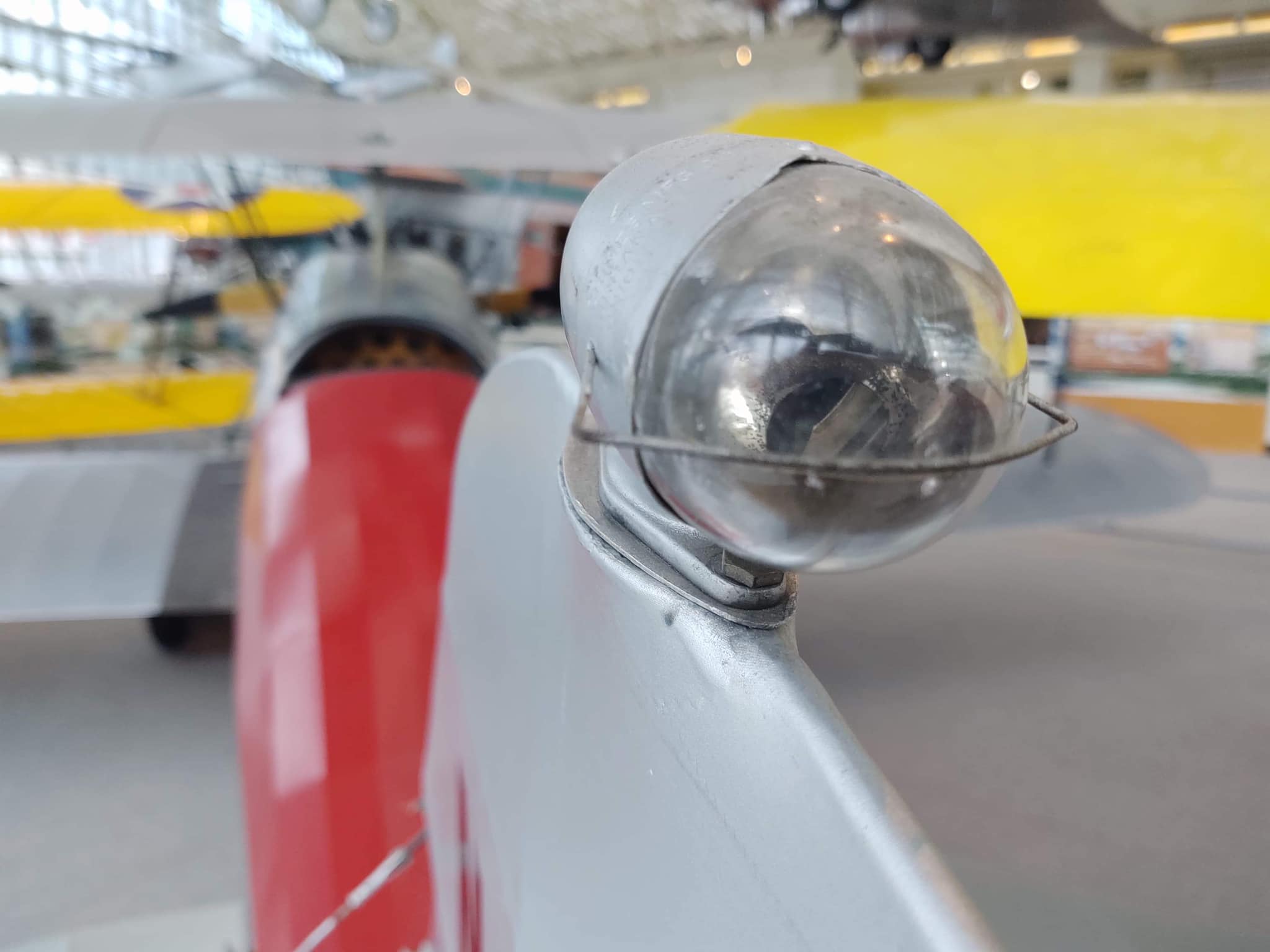
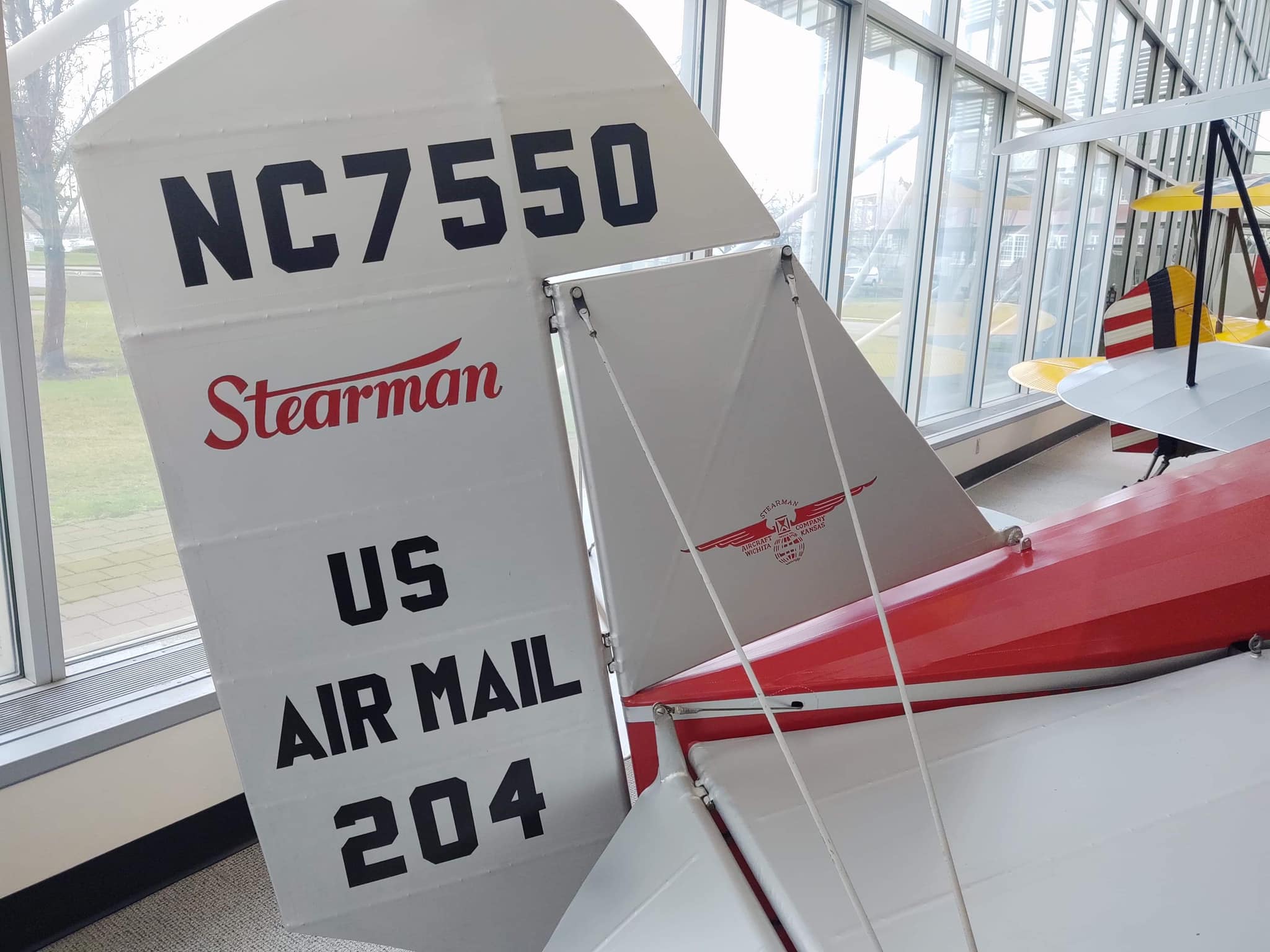
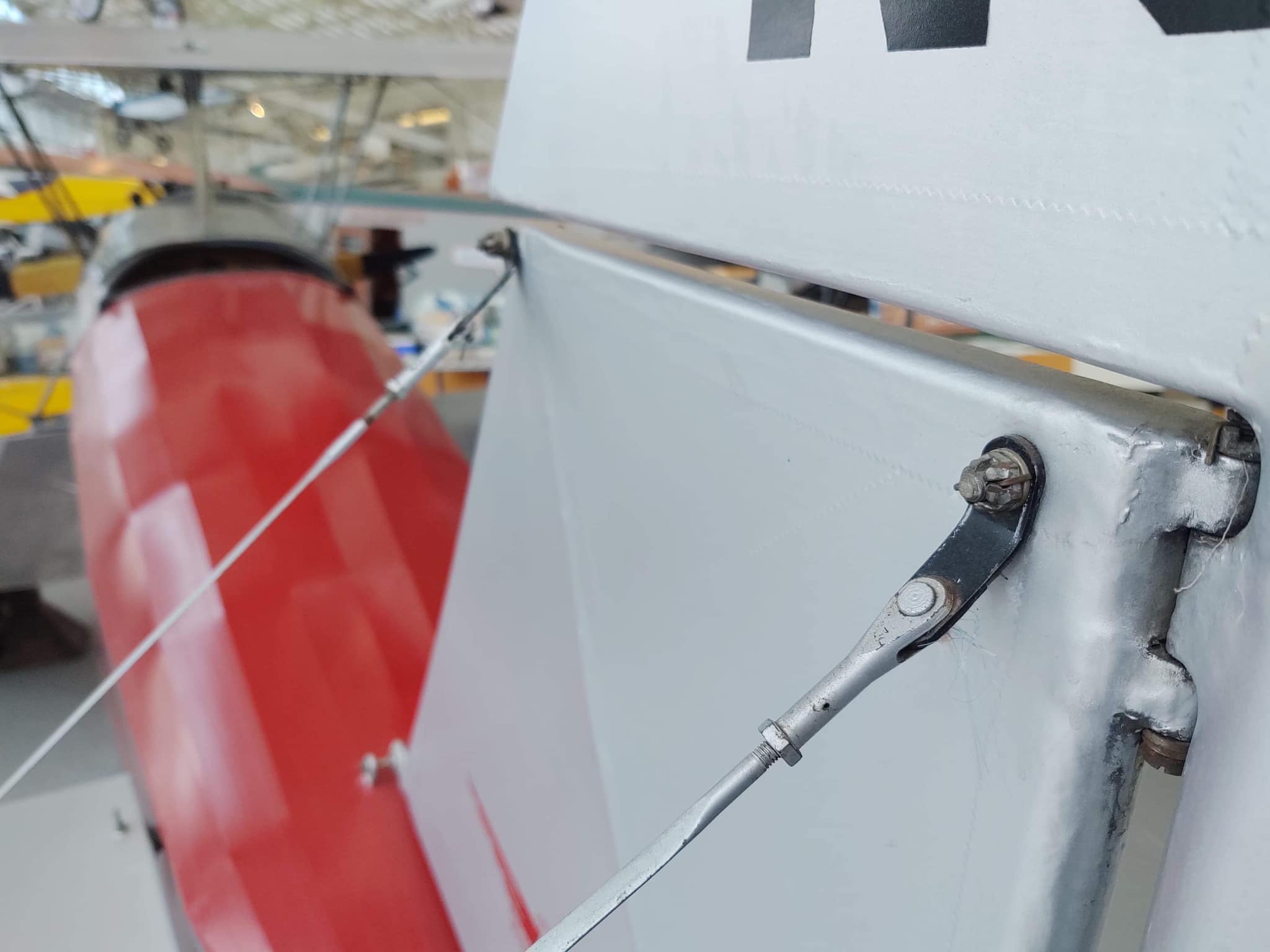
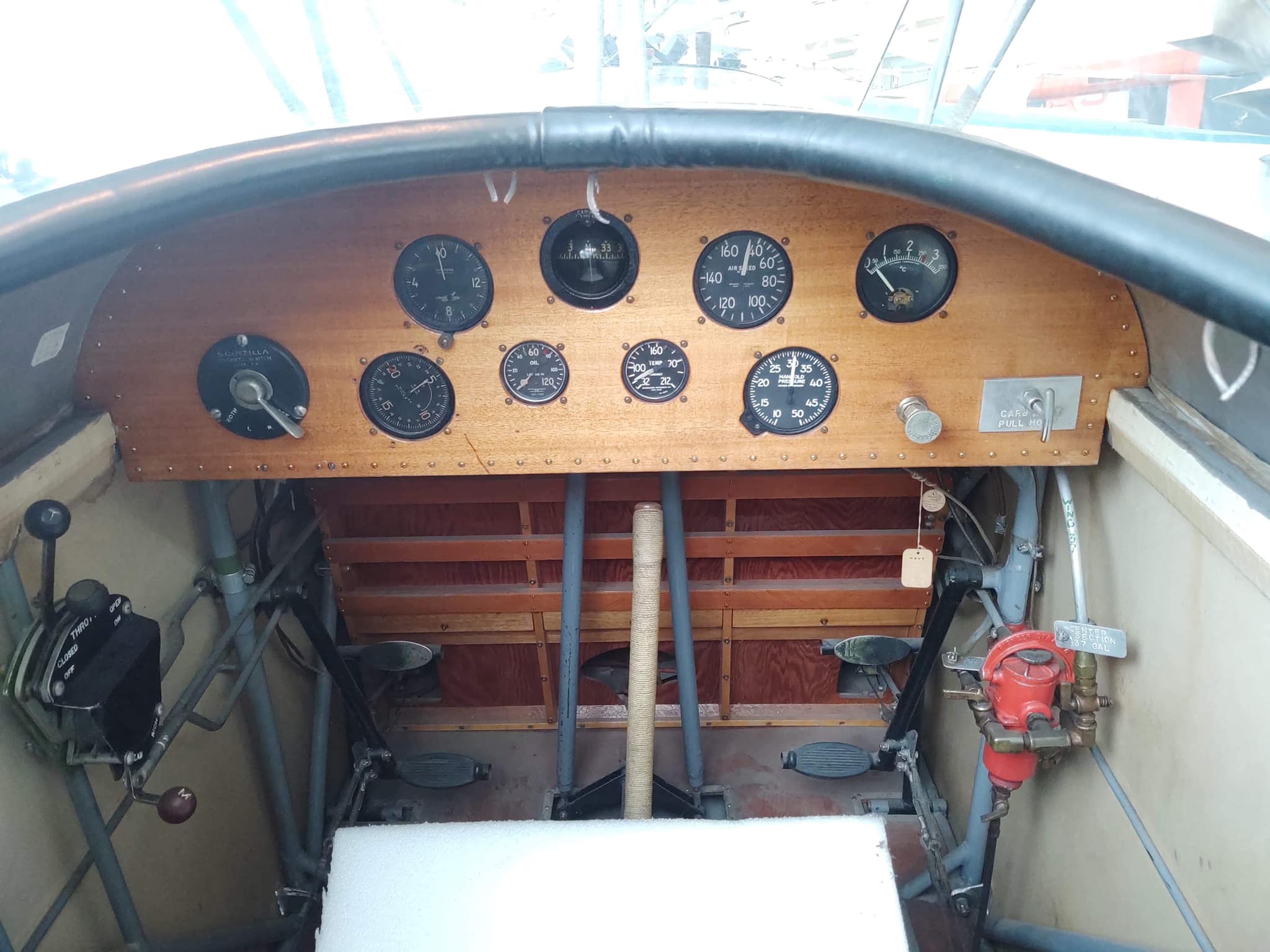
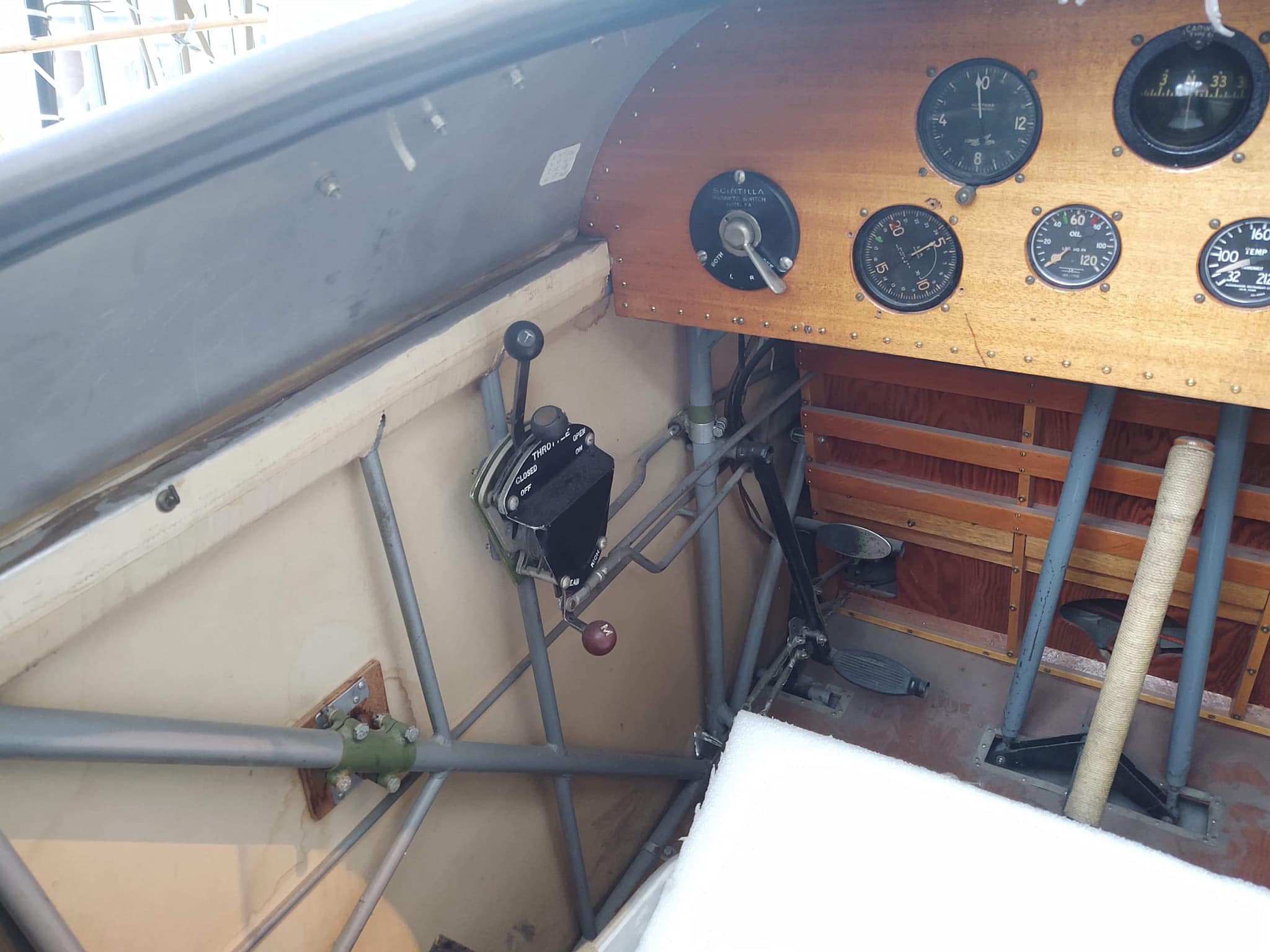
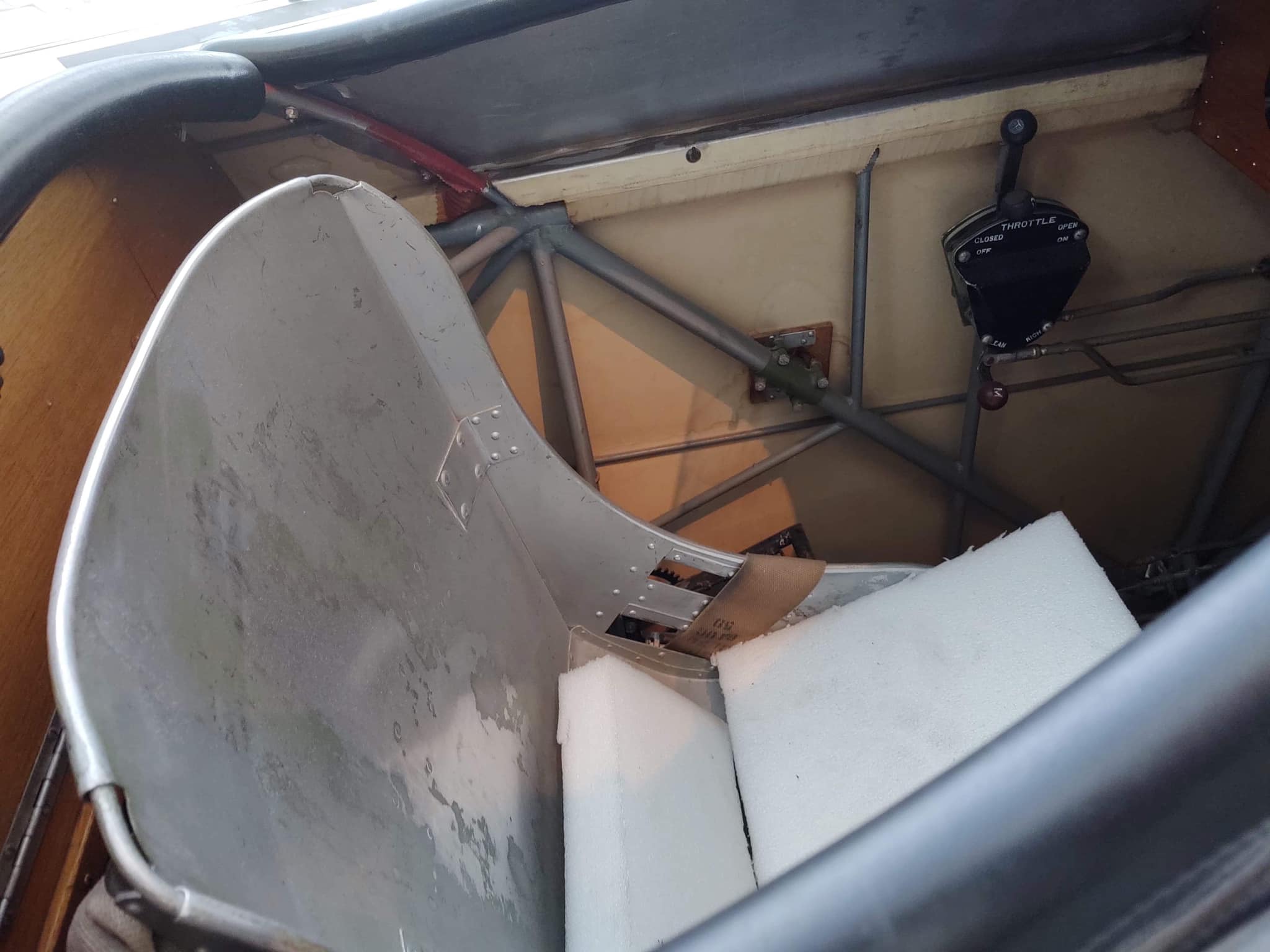
Editor’s notes: This aircraft was constructed in 1928 as manufacturer’s number 116 at Stearman Aircraft’s plant in Wichita, Kansas and registered as NS7550. In October-November 1928, Stearman delivered four Stearman C-3Bs to the U.S. Department of Commerce’s Airways Division for use as survey airplanes. NS7550 was one of these airplanes and would remain in service with the Bureau of Commerce until 1935.

After leaving the Department, the aircraft became NC7550, and like many Stearman C-3s, it was converted for use as a crop duster. By the early 1960s, the aircraft was abandoned in Nevada, but flown to Twin Falls, Idaho, in 1963, where it was involved in a ground loop incident. By 1966, the aircraft had been shipped to Iowa by Shelby Hagberg but was then acquired that year by Richard J. McWhorter of Prosser, Washington, who began restoring the vintage Stearman to airworthiness with an original Wright J-5 Whirlwind radial engine.
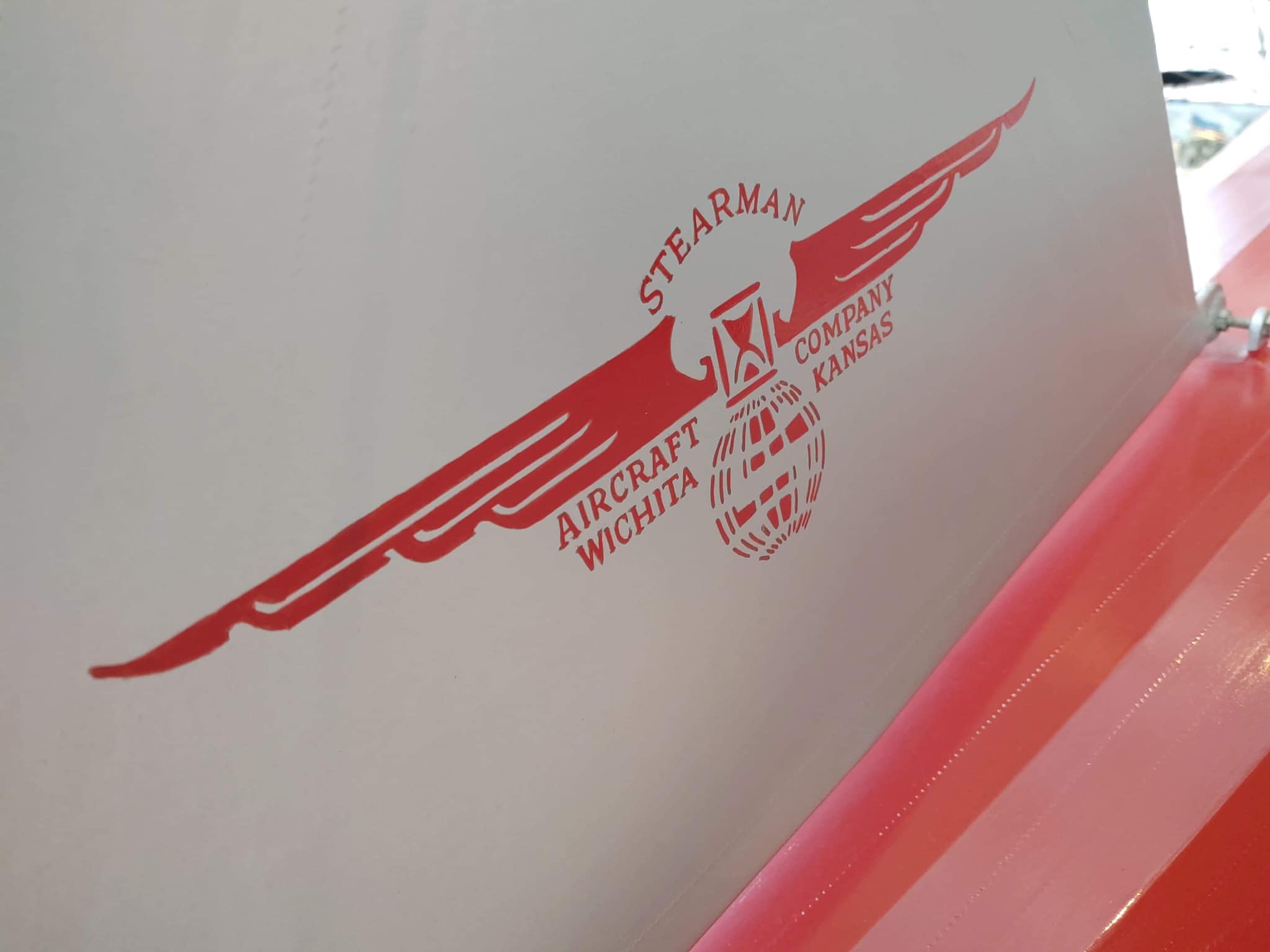
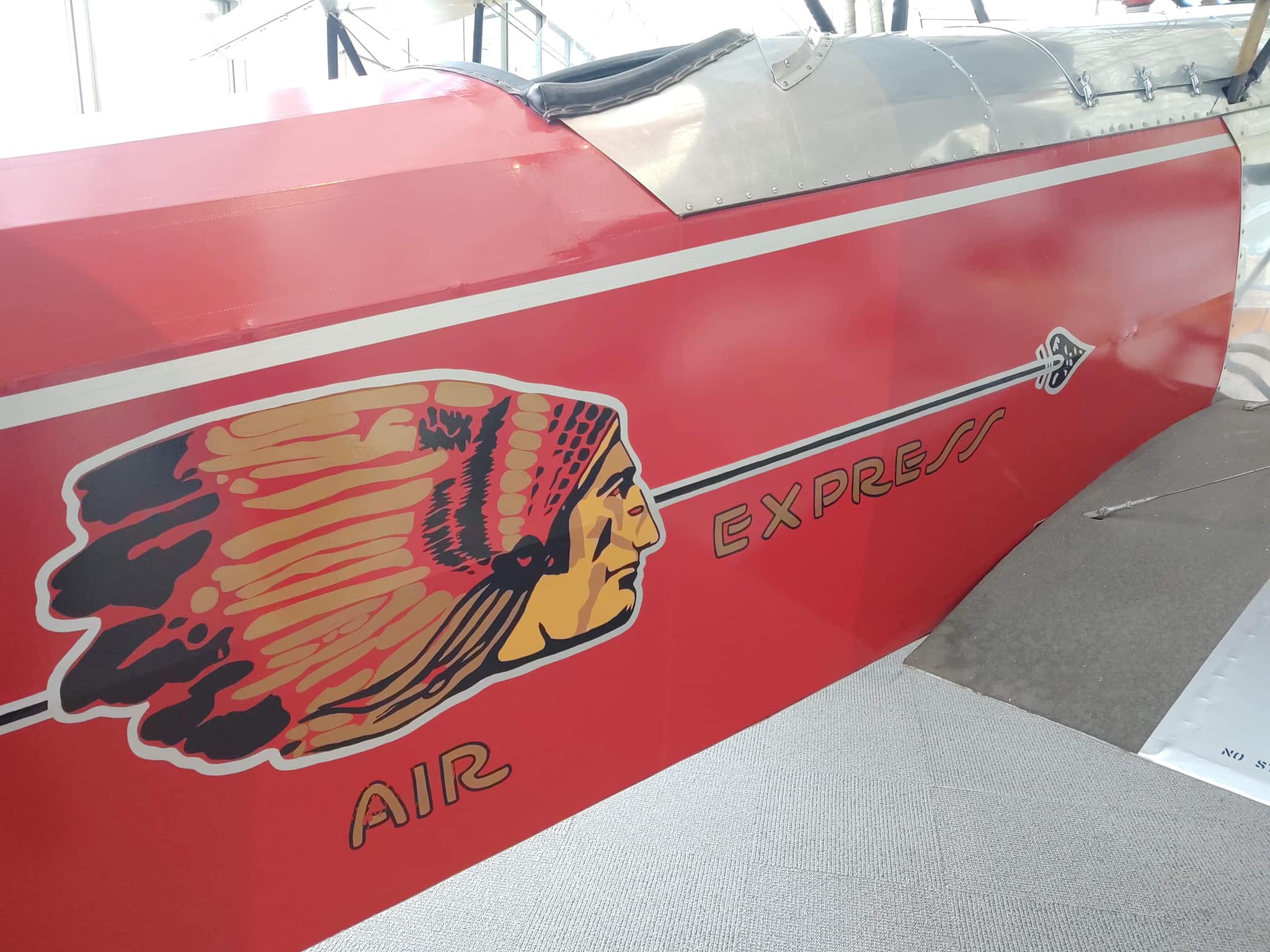
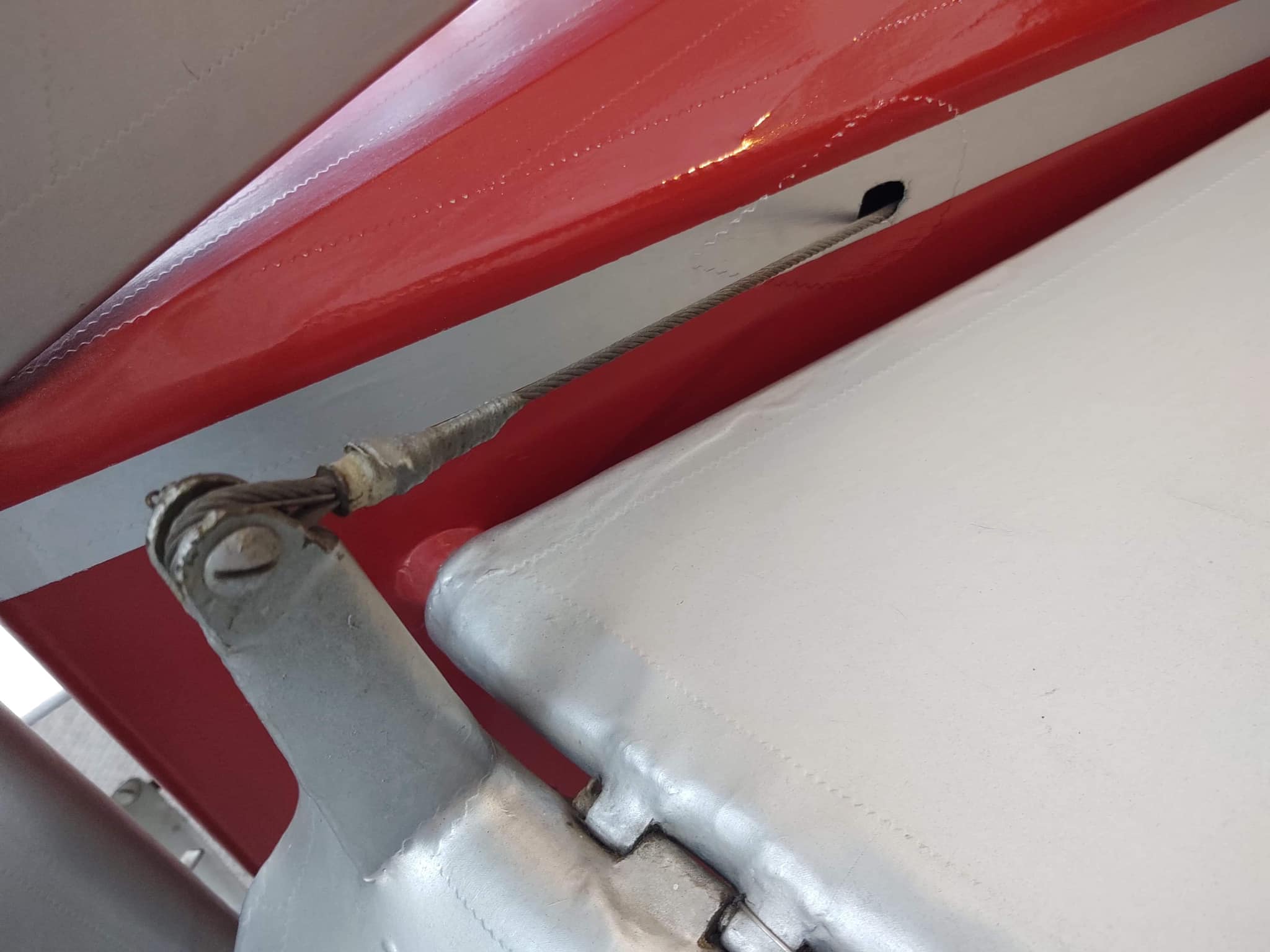
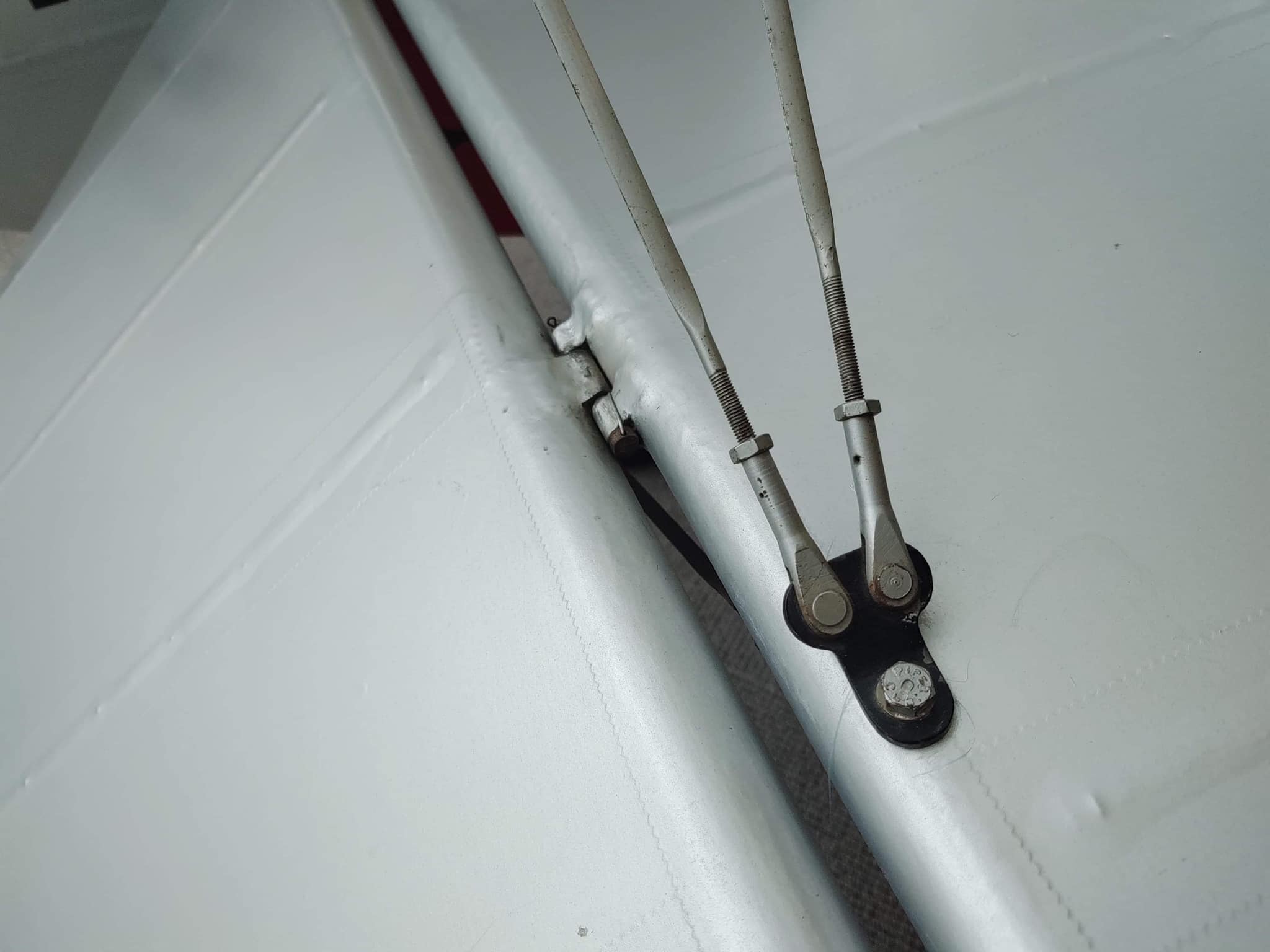
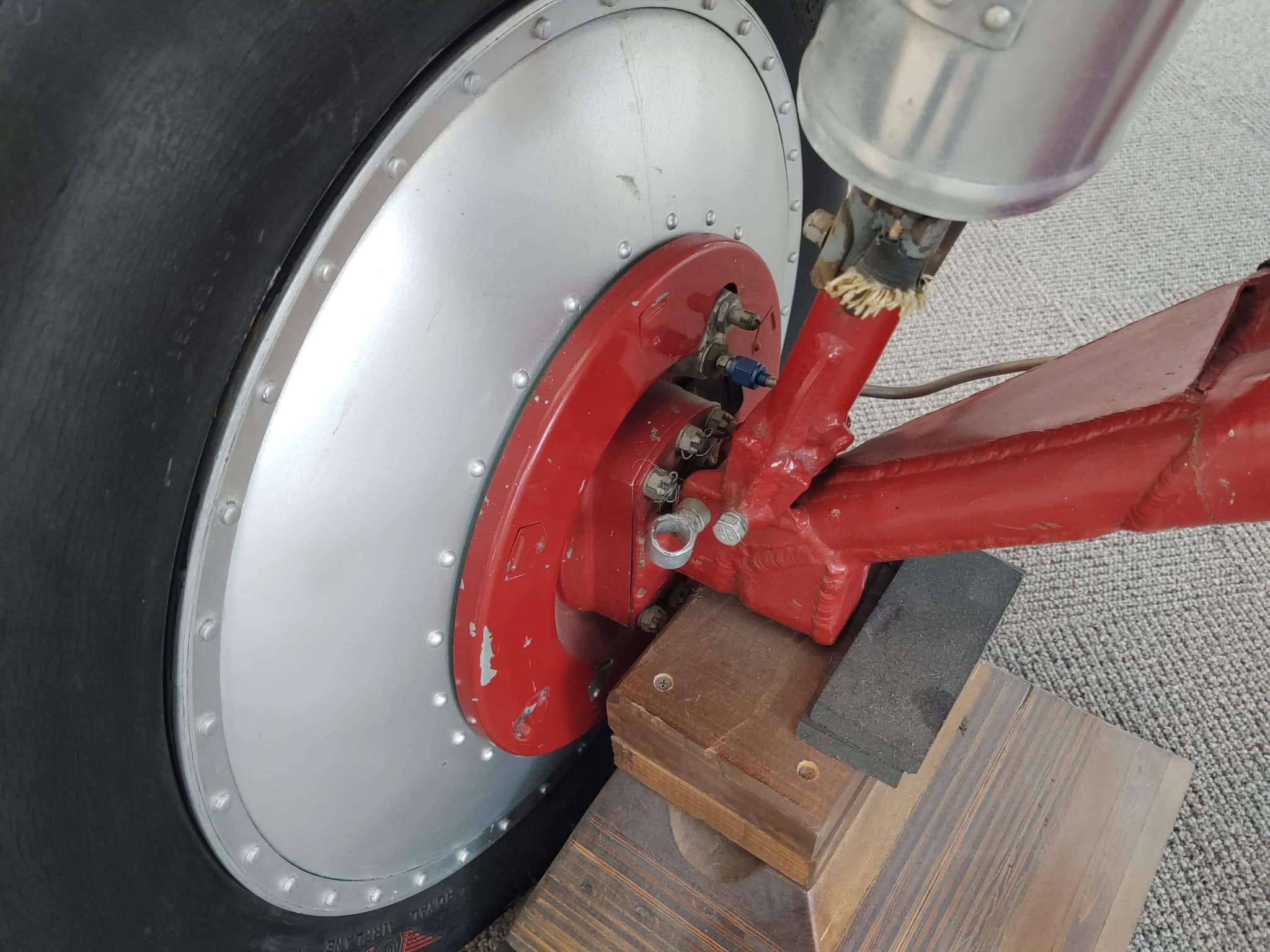
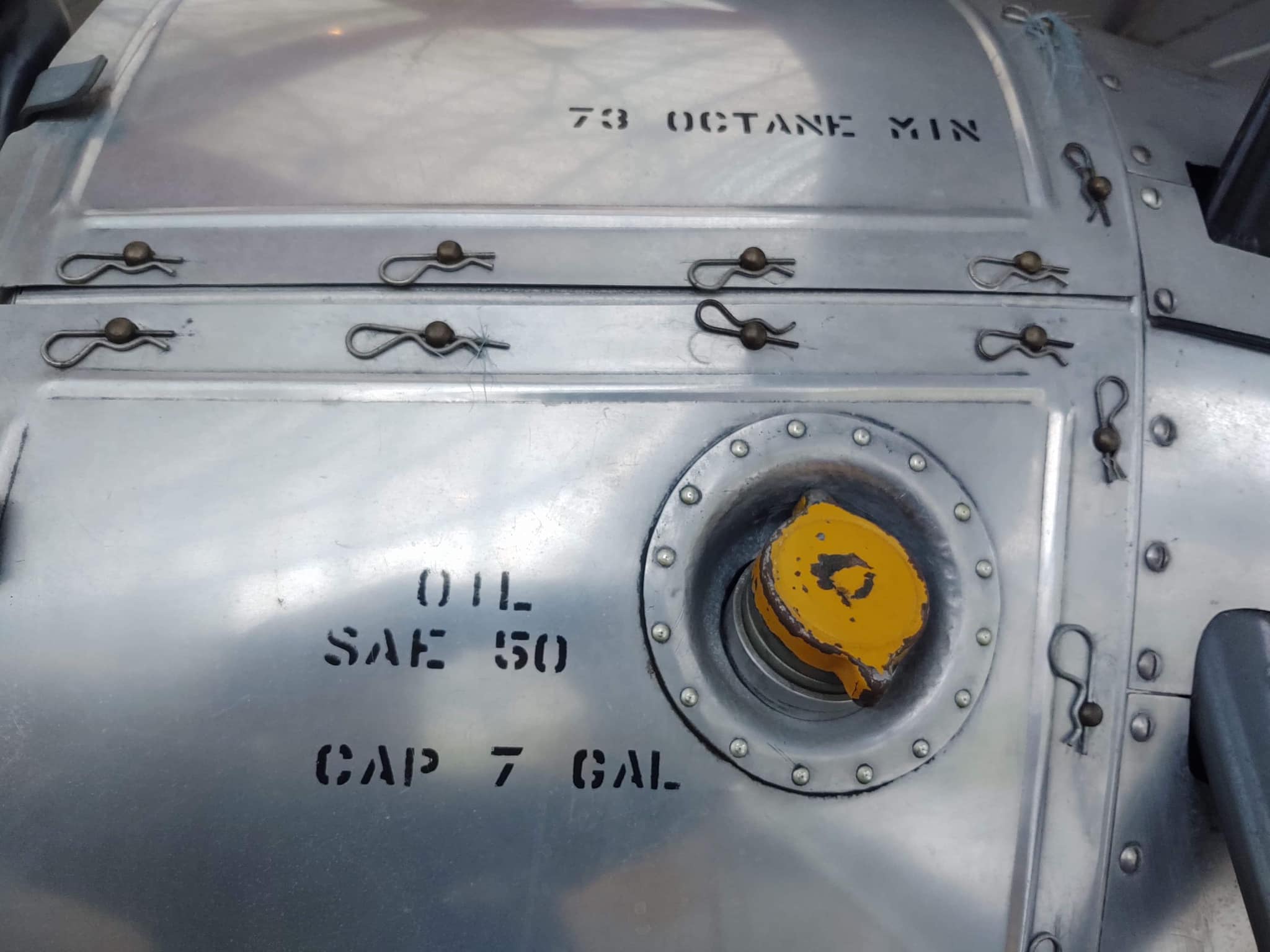
When the restoration was completed in 1972, the aircraft had been painted in the colors of a Western Air Express (later rebranded as Western Airlines) airmail carrier, with stenciling for C.A.M 12 (Contract Air Mail Route 12; flown from Pueblo, Colorado to Cheyenne, Wyoming). McWhorter flew the aircraft to several fly-ins and airshows, and after putting about 200 flying hours on the airframe after its restoration, McWhorter donated Stearman C-3B N7550 to the Museum of Flight, where it remains to this day.

About the author:  Randy Malmstrom grew up in a family steeped in aviation culture. His father, Bob, was still a cadet in training with the USAAF at the end of WWII, but did serve in Germany during the U.S. occupation in the immediate post-war period, where he had the opportunity to fly in a wide variety of types that flew in WWII. After returning to the States, Bob became a multi-engine aircraft sales manager and, as such, flew a wide variety of aircraft; Randy frequently accompanied him on these flights. Furthermore, Randy’s cousin, Einar Axel Malmstrom, flew P-47 Thunderbolts with the 356th FG from RAF Martlesham Heath. He was commanding this unit at the time he was shot down over France on April 24th, 1944, and spent the rest of the war as a prisoner of war. Following his repatriation at war’s end, Einar continued his military service, attaining the rank of Colonel. He was serving as Deputy Wing Commander of the 407th Strategic Fighter Wing at Great Falls AFB, MT, at the time of his death in a T-33 training accident on August 21, 1954. The base was renamed in his honor in October 1955 and continues to serve in the present USAF as home to the 341st Missile Wing. Randy’s innate interest in history in general, and aviation history in particular, plus his educational background and passion for WWII warbirds, led him down his current path of capturing detailed aircraft walk-around photos and in-depth airframe histories, recording a precise description of a particular aircraft in all aspects.