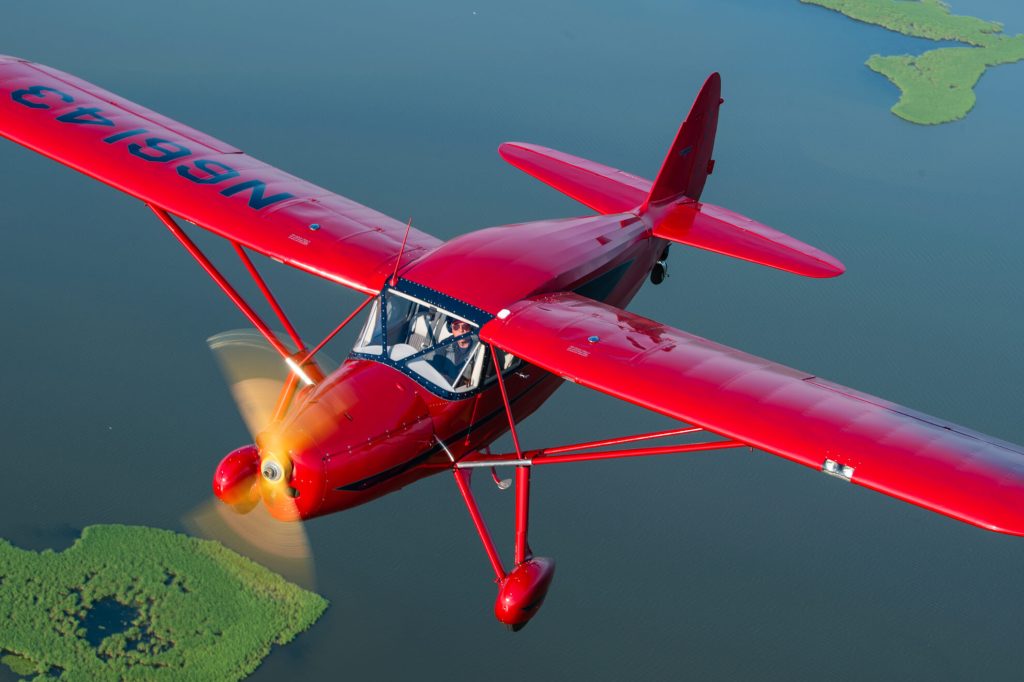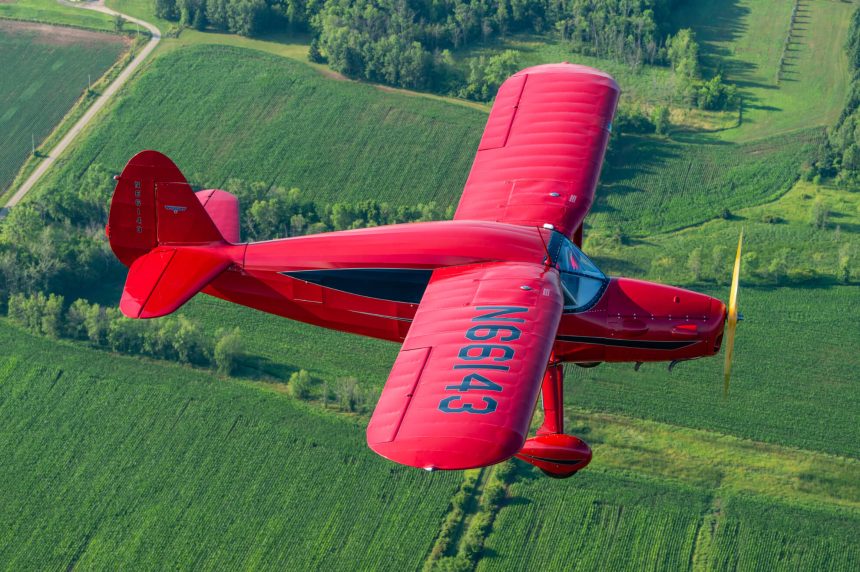

Platinum Fighter Sales has listed yet another beautiful aircraft, the Fairchild 24, on sale, which served in World War II. The Oshkosh 2023 winner, Fairchild Aircraft, with a unique history, is now live on the website. The aircraft, N66143, was built in 1941 for the United States Army Air Forces (USAAF) and was a four-seat airplane originally designed in the 1930s. George Hardman’s team designed the Fairchild 24 airplane after the success of the Fairchild 22. The Fairchild 24 was designed as a two-seat cabin airplane that would use as much data and tooling from the Fairchild 22 as possible. The prototype was test flown in Hagerstown, Maryland, in late 1931.
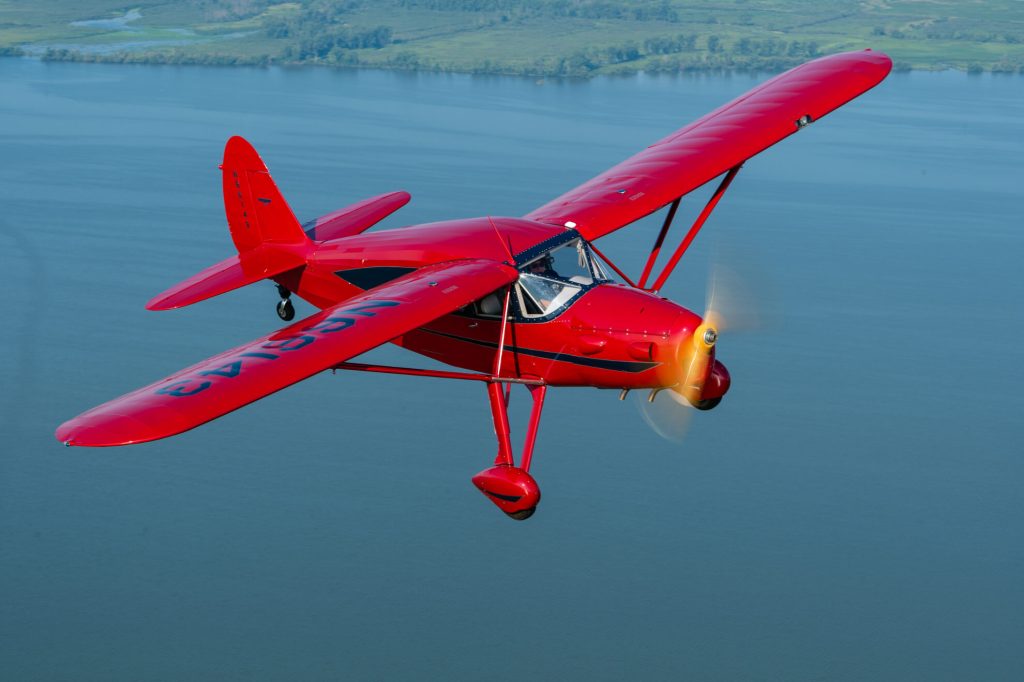
The original two-seat Fairchild 24 evolved into a three-seat version and later a four-seat model. Most Fairchild 24 airplanes used the 145-horsepower Warner Scarab engine, and later models were powered by the 165-horsepower Warner Super Scarab. In 1935, the Model 24 used a 150-horsepower Ranger engine. In 1938, the Fairchild 24K and J models underwent major changes, including a new rudder and vertical tail, which were eventually seen in the PT series. The K model received a 165-horsepower Ranger engine. By 1939, the Fairchild 24 had reached its peak refinement, featuring hydraulic brakes and a new tail assembly. From 1932 to 1948, Fairchild built a total of over 1,500 Model 24s. The Fairchild 24 was nearly 25 feet long, 8 feet high, and had a wingspan of 36 feet. Its loaded weight was 2,450 pounds with a range of 525 miles. It had a maximum speed of 120 mph, a cruising speed of 103 mph, and a service ceiling of 15,000 feet.
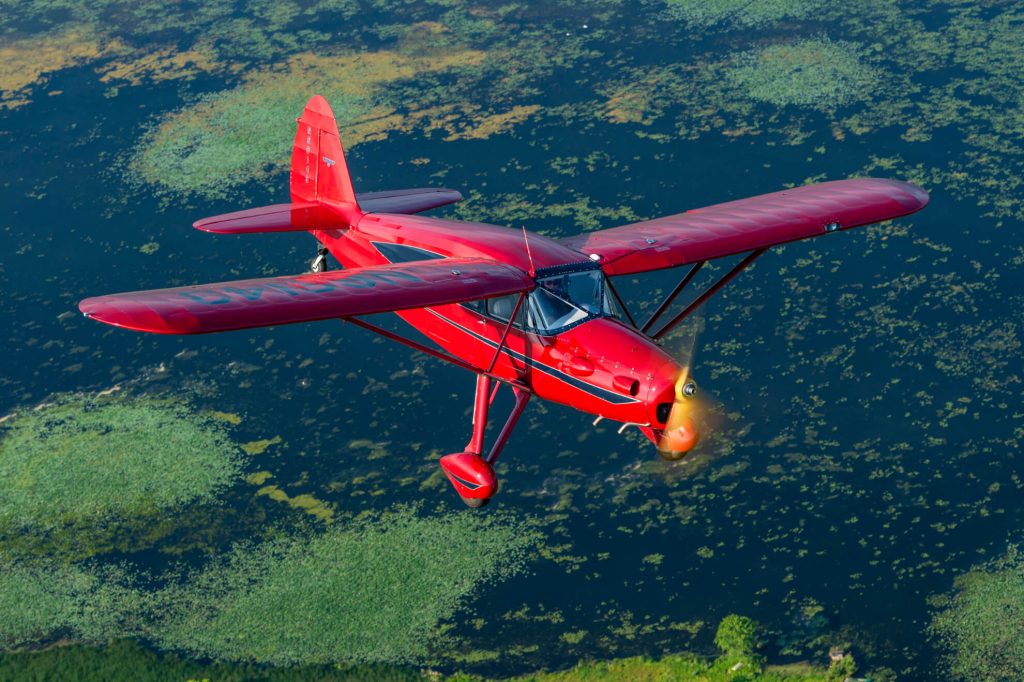
The N66143 was part of a batch of Fairchild 24s originally designated for delivery to the Royal Air Force (RAF) under lend-lease as the Argus Mk I and Mk II. But the Pearl Harbor attack in December 1941 changed its fate, and the USAAF retained it along with 20 other aircraft to be used as a UC-61 utility aircraft, serial number 41-38794, in the Caribbean and South America. The EAA Vintage Aircraft Association stated in January 2024 that, out of the 21 aircraft of NC66143’s class that the USAAF kept during WWII, 17 were destroyed or damaged beyond repair, leaving NC66143 as one of only four survivors. In August 1946, the War Assets Administration (WAA) sold NC66143 to US Navy Lt Jack Bruce in San Juan, Puerto Rico.
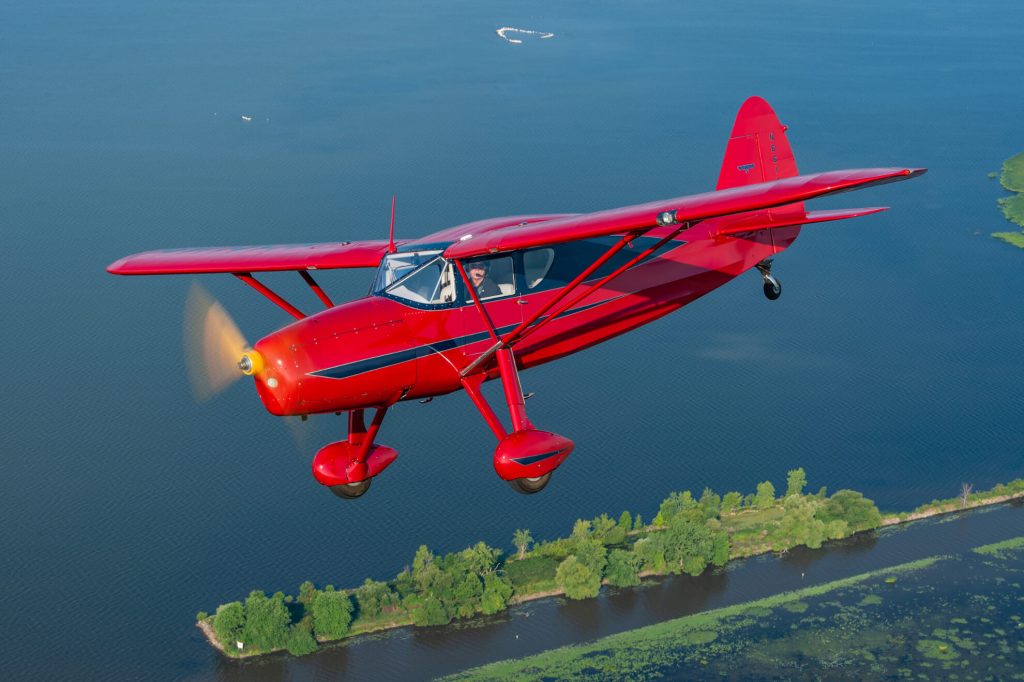
In the late 1940s, the aircraft was released from military service and converted to civilian status by West Indies Airways in San Juan, Puerto Rico. It made its first flight under civilian ownership on February 23, 1947. In June 1947, it flew to Washington, DC, and remained in the Eastern United States flying until 1966. Seven owners later, on May 24, 1968, the old airplane made its last flight after 22 years as a civilian, having accumulated just 1,342 flight hours. It then sat in a hangar in Kentucky for 15 years, slowly deteriorating, as many old planes do. During this time, its engine was removed and sold to a builder of a Jungmeister replica.
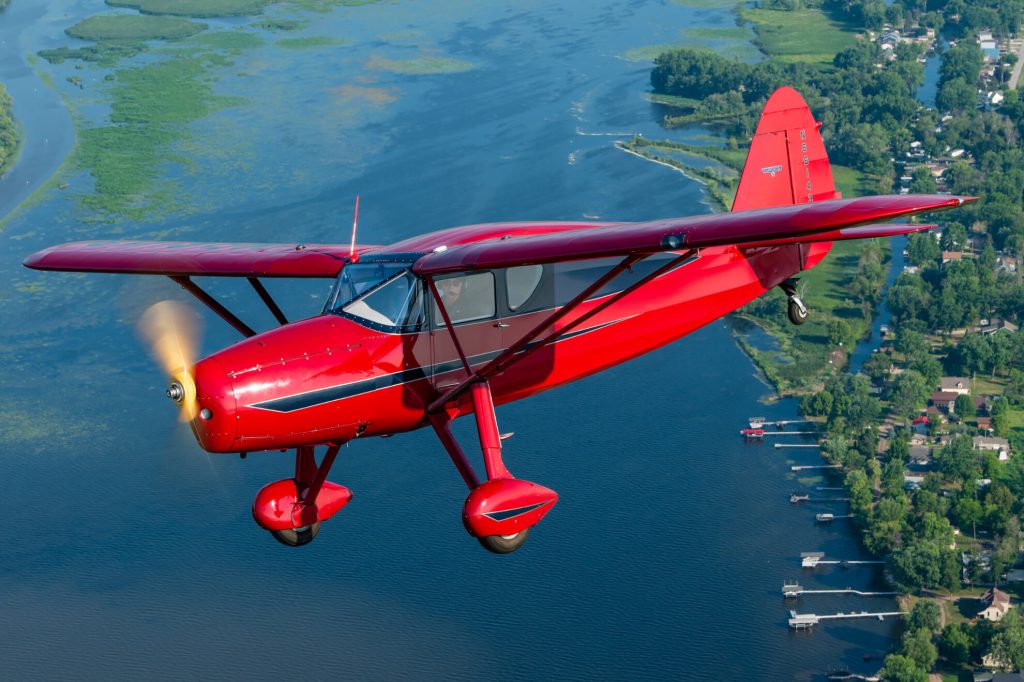
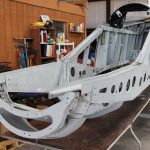
The Fairchild airplane was left without an engine and was of low value. In 1983, the incomplete airplane was put up for sale by the estate of its late owner, and Shawn Magrini from Salem, Ohio, became involved. The aircraft was then rescued in 1983 and underwent a 26-year restoration. During this time, the aircraft was fitted with a 200 hp Ranger engine, changing the model from 24W to 24R. In June 1989, a project that could not fly was sold to a new owner who started a detailed 100-point restoration. The current owner, former Lone Star Flight Museum (LSFM) Board Chair Scott Rozzell, bought it in 2011, has flown it for over 200 hours, and made several upgrades. At Oshkosh 2023, N66143 was awarded the Bronze Lindy as the World War II Era Champion in the Antique category. For more information about this airplane, visit www.platinumfighters.com.