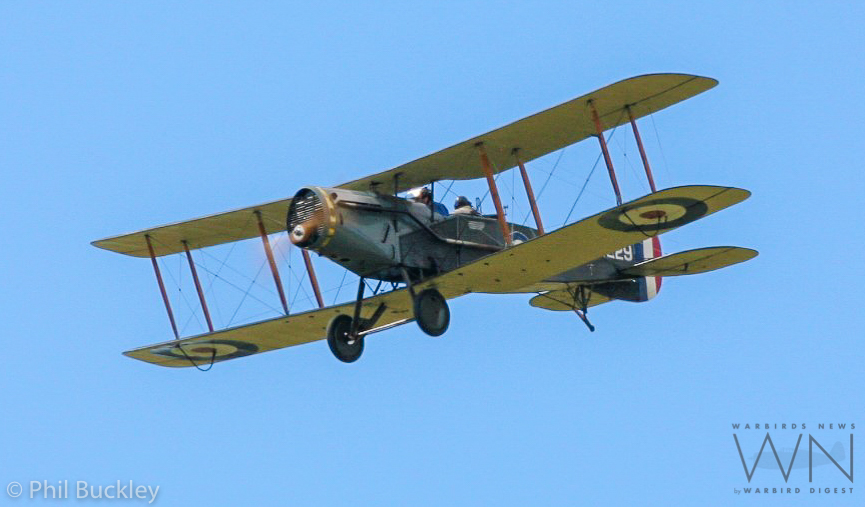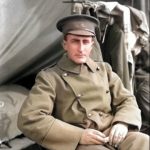
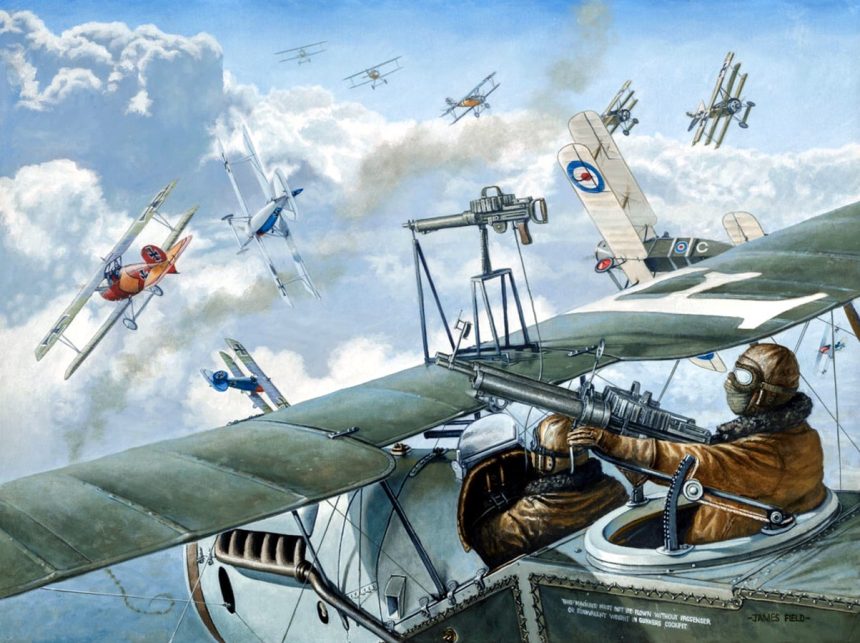

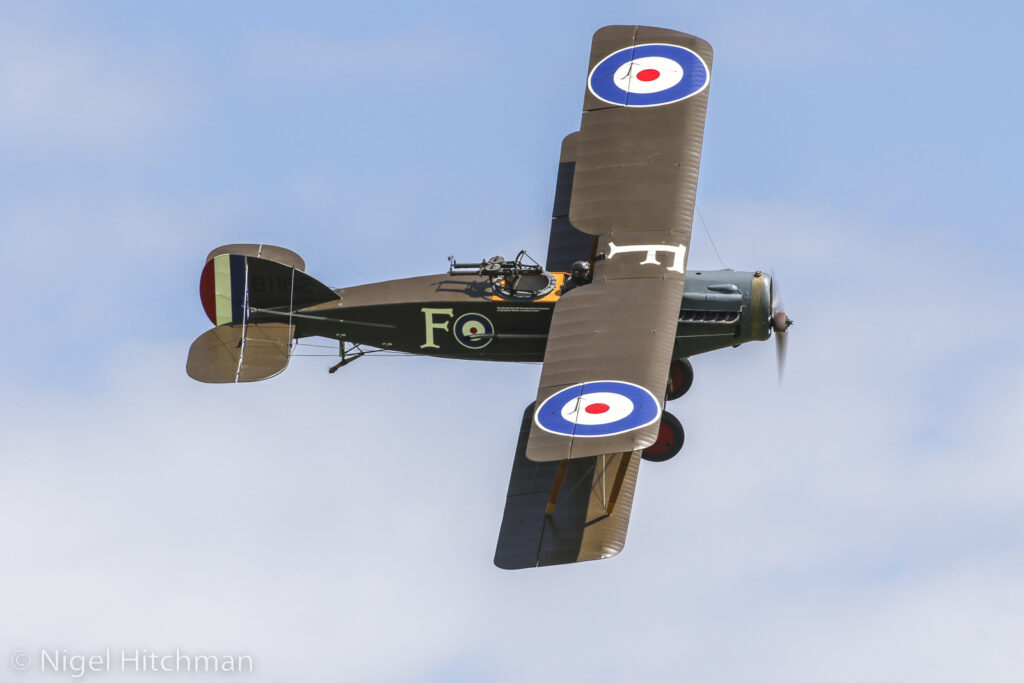
When someone hears the term “flying ace”, an image of a fighter pilot appears in the mind who flew an aircraft with passion and bravery. But there existed an ace who was not a pilot. Born on April 18, 1898, in Chelsea, London, Charles George Gass was the highest-scoring World War I observer ace. He achieved 39 aerial victories, including 16 solo victories, using his observation skills as a gunner flying with several pilots. Gass started his military career in the 2/24th Battalion, London Regiment, of the Territorial Force, and rose to the rank of sergeant. Later, he was promoted to second lieutenant in the 17th Battalion, London Regiment, and in 1917, he joined the Royal Flying Corps. On March 26, 1918, he became an observer with No. 22 Squadron, which flew Bristol F. 2Bs in France. The two-seater aircraft was equipped with a Vickers machine gun for the pilot and Lewis machine guns for the observer or gunner.
Ace Journey of Charles George Gass
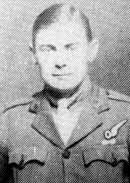
On April 22, 1918, Gass scored his first victory when he shot down a German Albatros D.V as an observer with a Lewis gun. As the Germans had launched the Spring Offensive at the time, the dogfights were rising, and the skies were busy with aircraft. The work of observers was no less than that of the pilots, as they could track troop movements and identify the buildup of reserves. Charles George Gass, who had already begun his observer journey, saw May as his best month. Gass flew as an observer with an ace pilot, Alfred Atkey, in a Bristol F. 2B on May 7. Along with his aircraft, another F.2B was flying in formation. In an incredible act of bravery, both F.2Bs attacked a force of 20 German scouting planes, and Gass, along with Atkey, shot down five German planes in the battle, and with that, he became an observer ace. On May 8, flying with pilot John Everard Gurdon, Gass gained another victory. Repeating what they did on May 7, Gass and Atkey downed five more German aircraft on May 9. The pair didn’t stop and killed two aircraft on May 15, three on May 19, three on May 20, two on May 22, three on May 27, and two each on May 30 and 31. In May, Gass was credited with shooting down 28 German planes, the maximum in a month during World War I. All except one of his victories in May came with his pair with Atkey. The duo went on to score two victories on June 2, after which Atkey was posted back to the Home Establishment in England. After Atkey left, Charles George Gass was paired with Lieutenant Edwin Bromley, and the new duo scored its first victory on June 5, when they shot down two German aircraft. Gass scored another victory on July 26 with Lieutenant Samuel Thompson. In August, Gass teamed up again with Gurdon, with whom he scored a victory on May 8. The pair shot down five German planes together, with the last one coming on August 13. After this, Gass was transferred to the training program to become a pilot himself, but before he qualified, the war was over.
World War II Participation
Charles George Gass’ World War I tally stood at 39, and for this act, he was awarded the Military Cross in September 1918, which said, “For conspicuous gallantry and devotion to duty. During many engagements, generally against heavy odds, he [Gass] destroyed five enemy aircraft. He showed great ability and an entire disregard for personal danger.” After the war, he returned to civilian life and married in 1921. In June 1922, he joined the post office as a clerk. In 1925, he joined the Reserve of Air Force Officers as a pilot officer and was promoted to flying officer on May 6. He left the reserve on September 30, 1928. Gass later served in World War II, when he was recommissioned as a pilot officer in the Administrative and Special Duties Branch of the RAF Volunteer Reserve (RAFVR) in January 1940. After multiple promotions, he retired from RAFVR as a squadron leader in August 1955, and with this, his phenomenal service came to an end. In the Aces series, Charles George Gass perfectly illustrates how pilots and observers fought in World War I, a style no longer possible in the modern world. Shooting a target precisely from the ground is not easy, while Gass used to shoot down targets from the air in a plane flying at 123 mph, with all pitch, roll, and yaw. It perfectly sums up his capabilities as an observer. To read about more Aces, click HERE.