






By Randy Malmstrom
Since his childhood, Randy Malmstrom has had a passion for aviation history and historic military aircraft in particular. He has a particular penchant for documenting specific airframes with a highly detailed series of walk-around images and an in-depth exploration of their history, which have proved to be popular with many of those who have seen them, and we thought our readers would be equally fascinated too. This installment of Randy’s Warbird Profiles takes a look at the Nord 1101 Noralpha on display at the Tillamook Air Museum in Tillamook, Oregon.
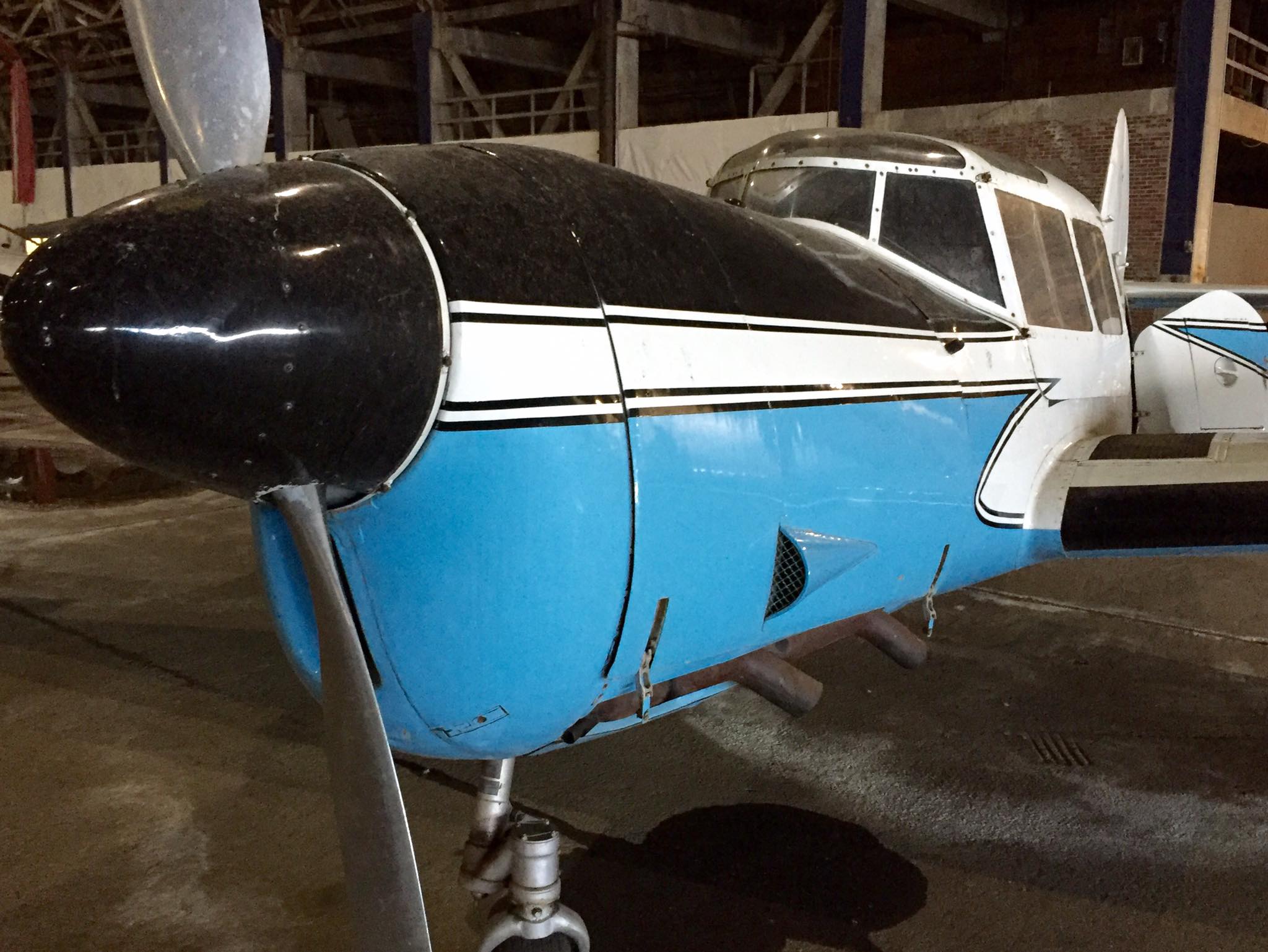
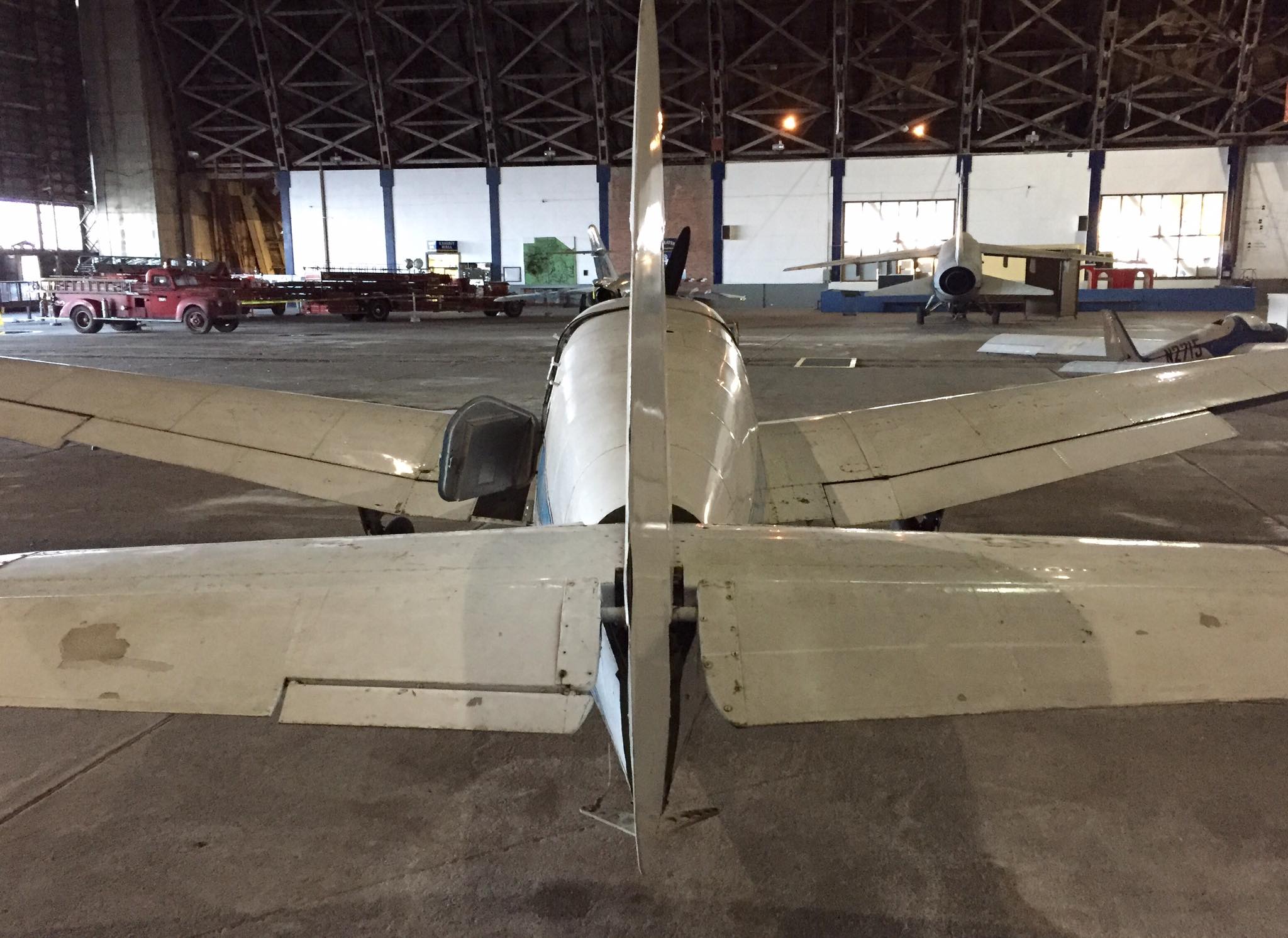
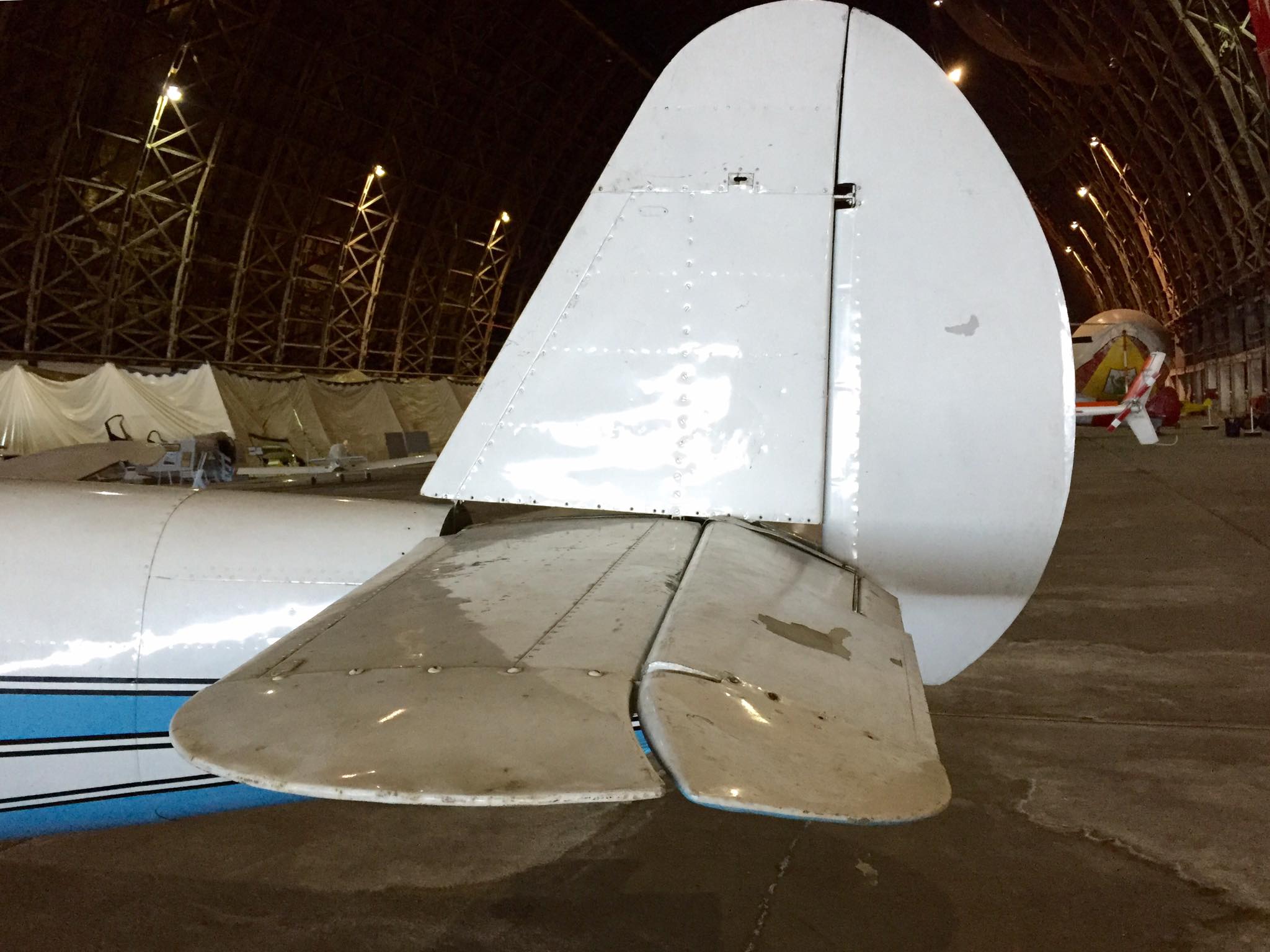
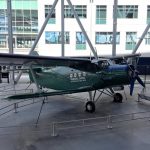
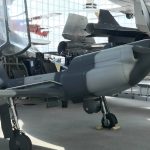
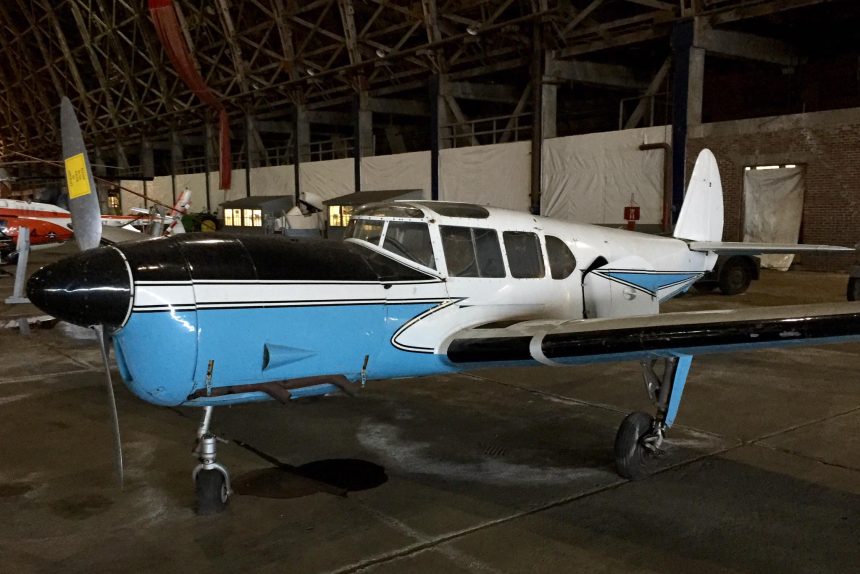
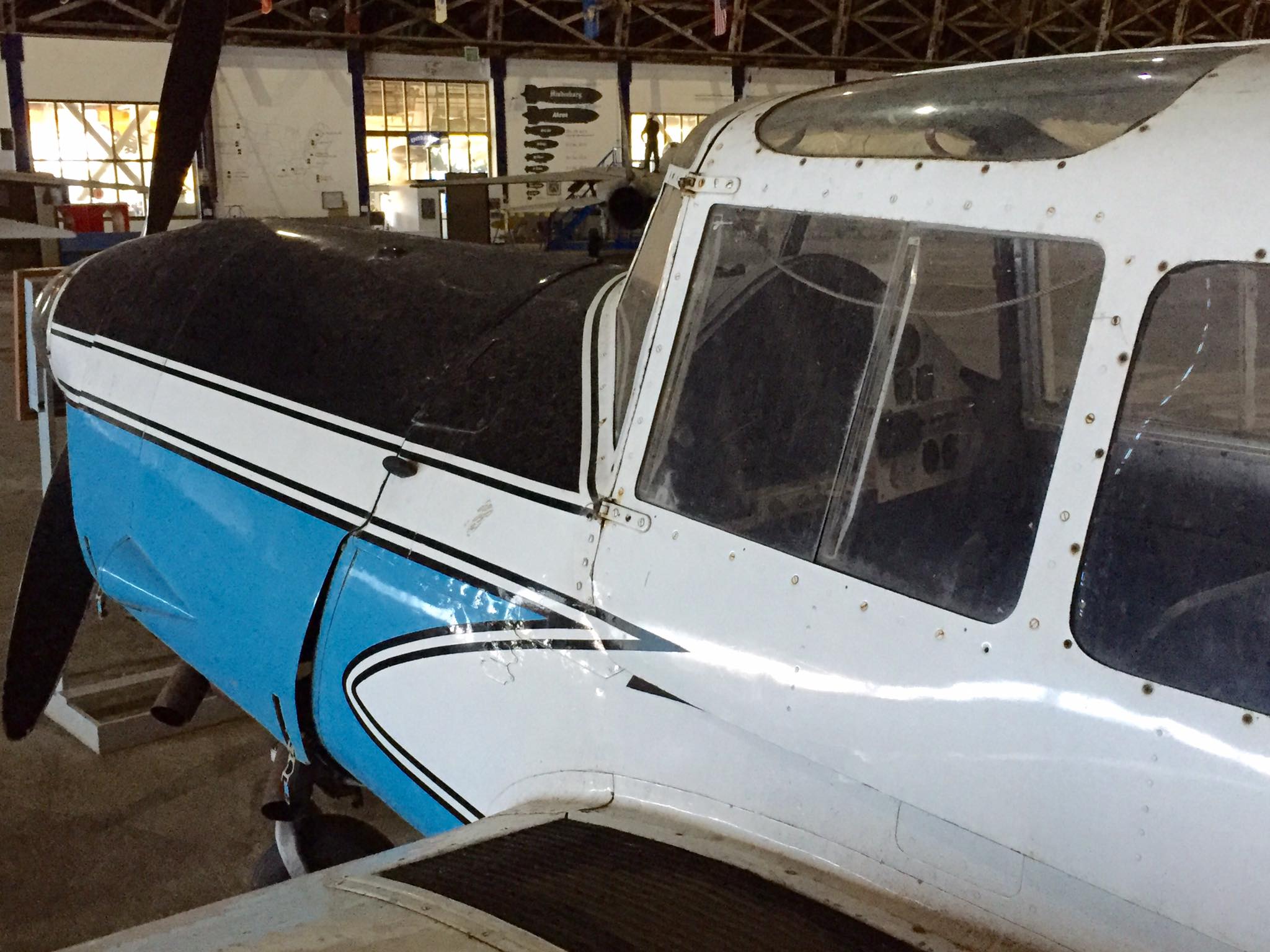
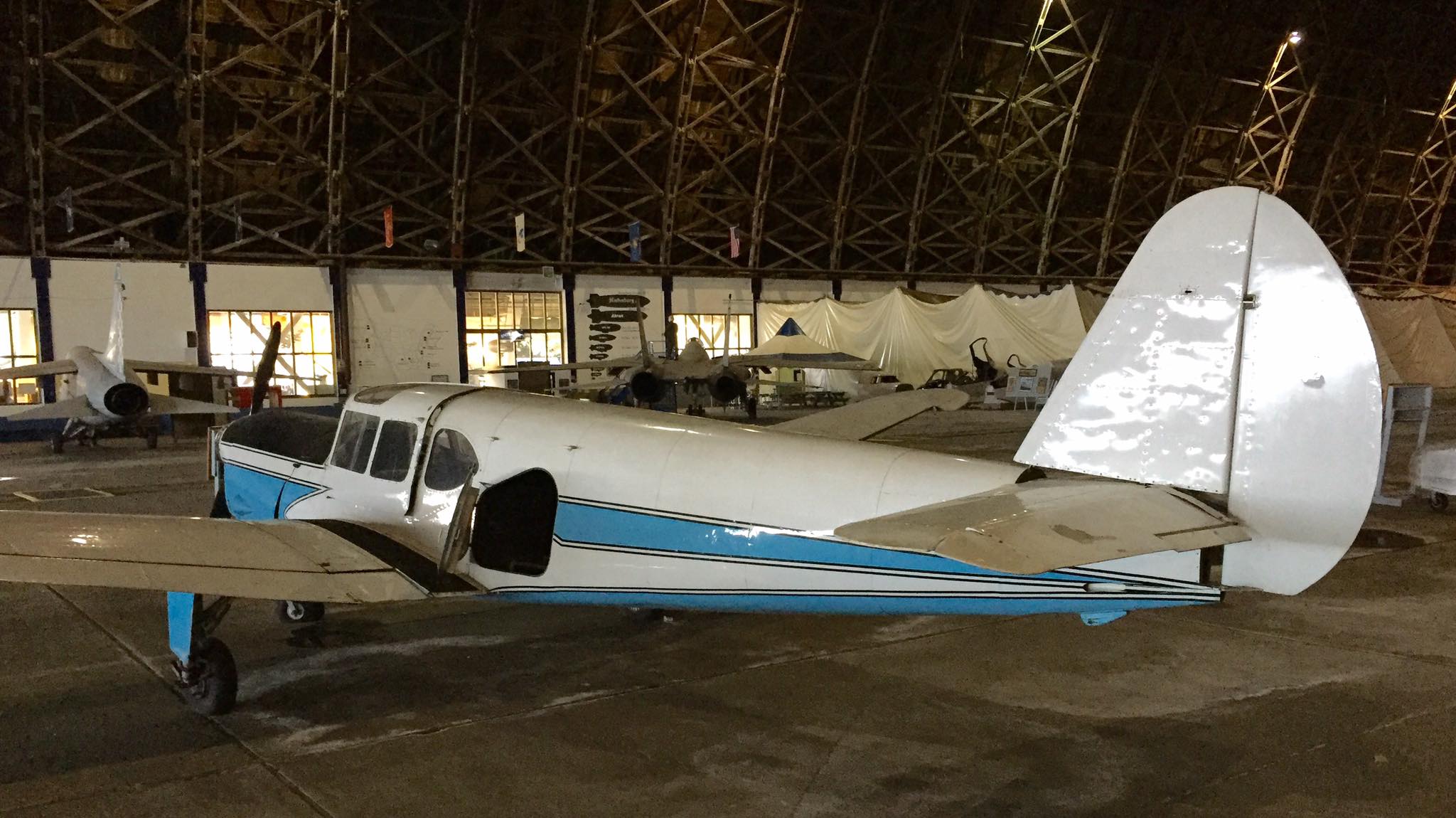
Nord 1101 Noralpha “Ramier I” (“Wood Pigeon I”) s/n 175, N2758. This particular aircraft was built in 1946 as a Nord 1101 Noralpha, the French-made version of the Me 208, the French military version referred to as the “Ramier I.” The Messerschmitt Bf-208 was a development of the Bf 108 Taifun (Typhoon) – the name was coined by Elly Beinhorn, a pilot of a Bf-108 and who, in 1932, became the second woman to fly solo from Europe to Australia. Four Bf 108’s were impounded, tested (in connection with the Messerschmitt Bf 109) and put into service by the British Royal Air Force at the outbreak of World War II and were referred to as the “Aldon.”
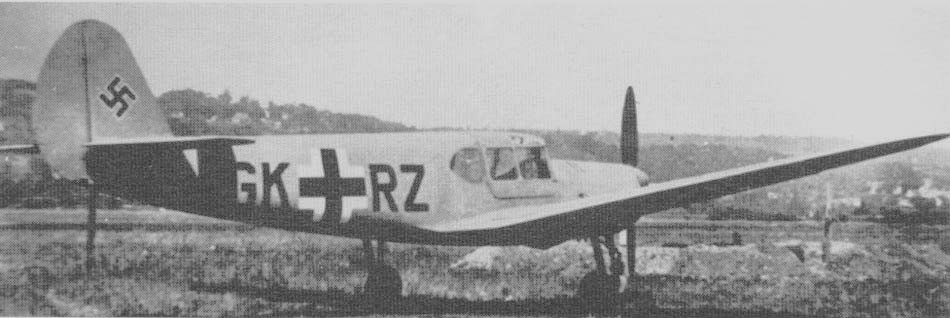
The Bf 108 was designed by Willy Messerschmitt as a taildragger and introduced in 1934; the Me 208 was built with tricycle landing gear. The Bf 108 was originally built as a racer and civilian/commercial aircraft and brought into military service by the Luftwaffe in 1939 as a transport/liaison and ambulance aircraft. Article 198 of the Peace Treaty of Versailles (1919) prohibited Germany from an air force (defensive seaplanes and flying boats were allowed until late 1919). After 1922, Germany was allowed the development of civil aircraft, and it can be said that their design had the ultimate goal of easy conversion of many aircraft to military service – the most obvious conversion here is the Messerschmitt Bf 109.

The Bf 108 was featured in flyovers at the 1936 Berlin Olympic Games. Production in Germany was transferred to occupied France in 1942 and were built by the Société Nationale de Constructions Aéronautiques du Nord at Les Mureaux (SNCAN or “Nord”) where the Bf 108 was built as the Nord 1000, 1001, and 1002 “Pingouin” and “Pingouin II” (Penguin), and the Me 208 as the 1101 as the “Noralpha” for the French Armée de l’Air. Production continued after the war. Originally powered by an Argus As-10 inverted V-8 engine (the Fieseler Storch was also fitted with one), Nord later substituted a Renault 6Q.10 engine – some right-cranking, some left-cranking. The Bf 108 was an early example of low-wing, stressed-skin construction with a patented single-spar wing assembly and had automatically deploying leading edge slats for enhanced slow-speed performance – a feature to become much more well-known in the Bf 109 and Me 262 (the Fieseler Fi 156 Storch had fixed “slots” rather than “slats”).

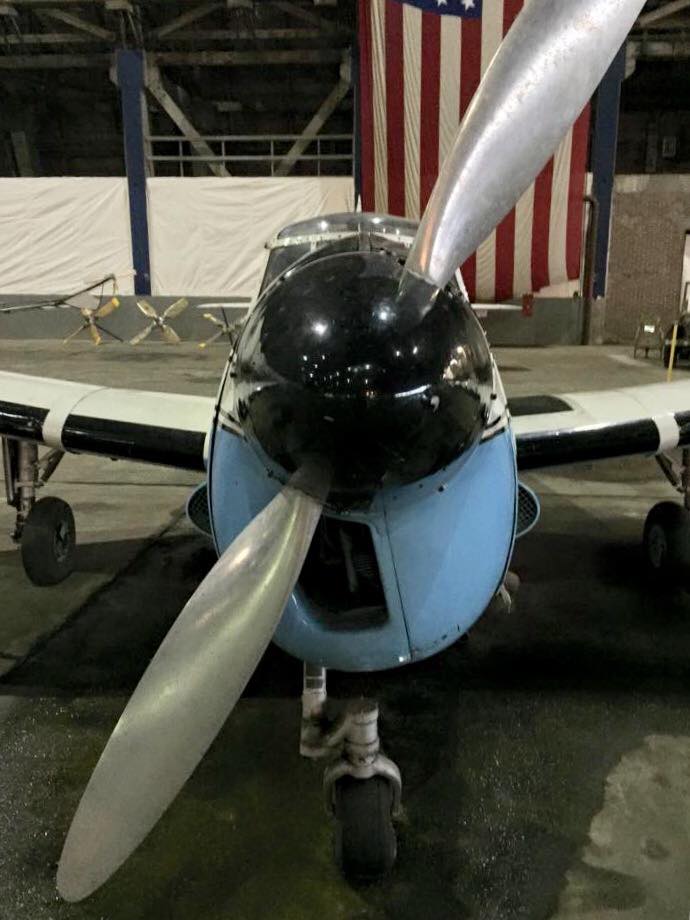
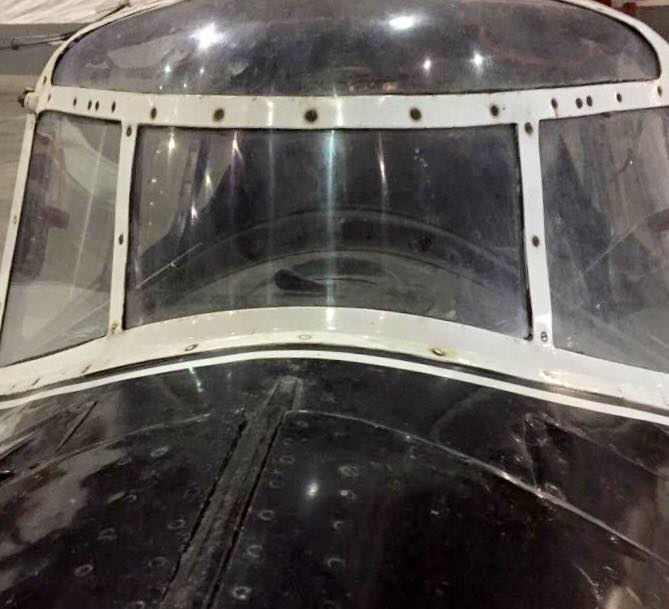
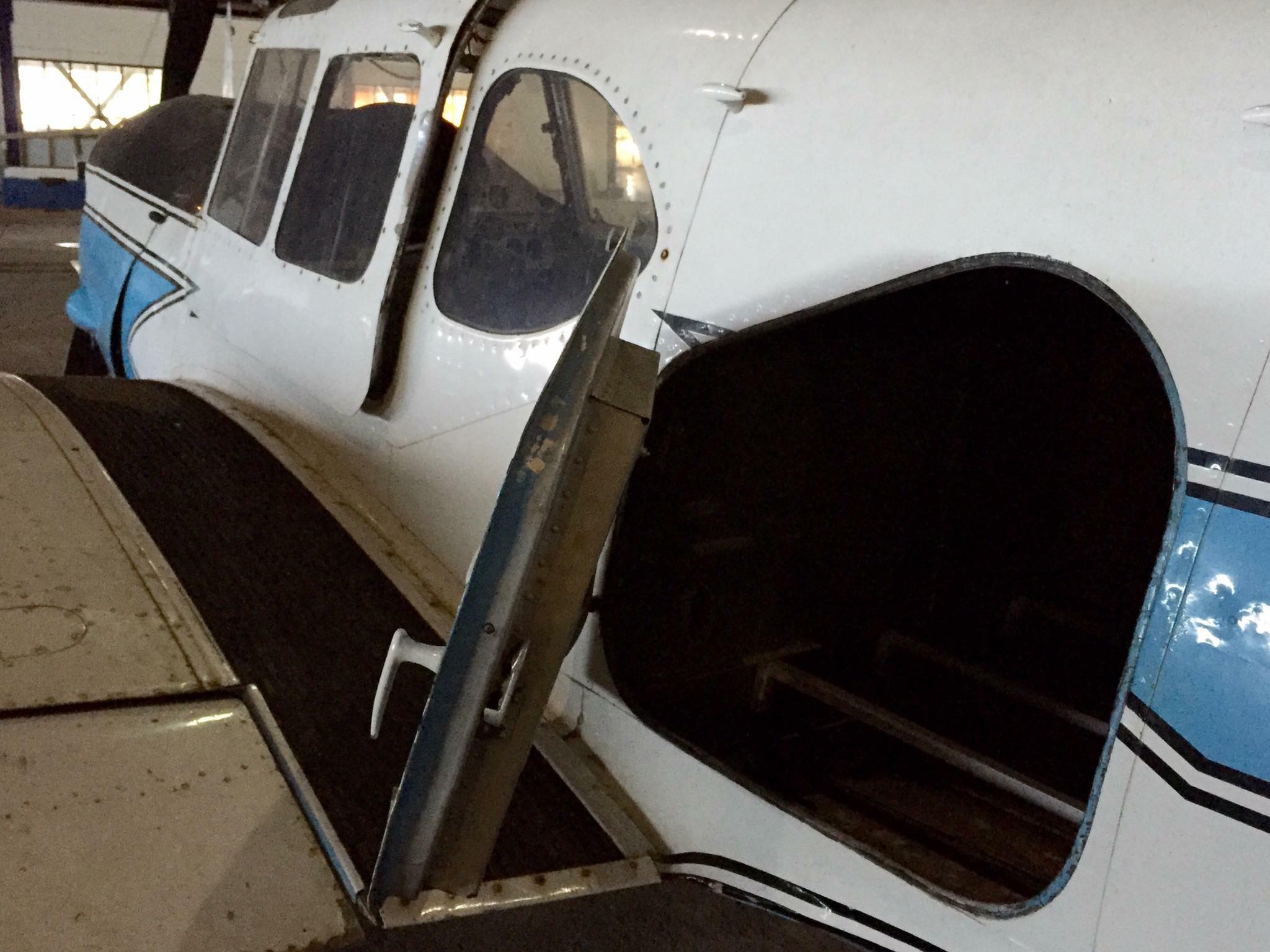
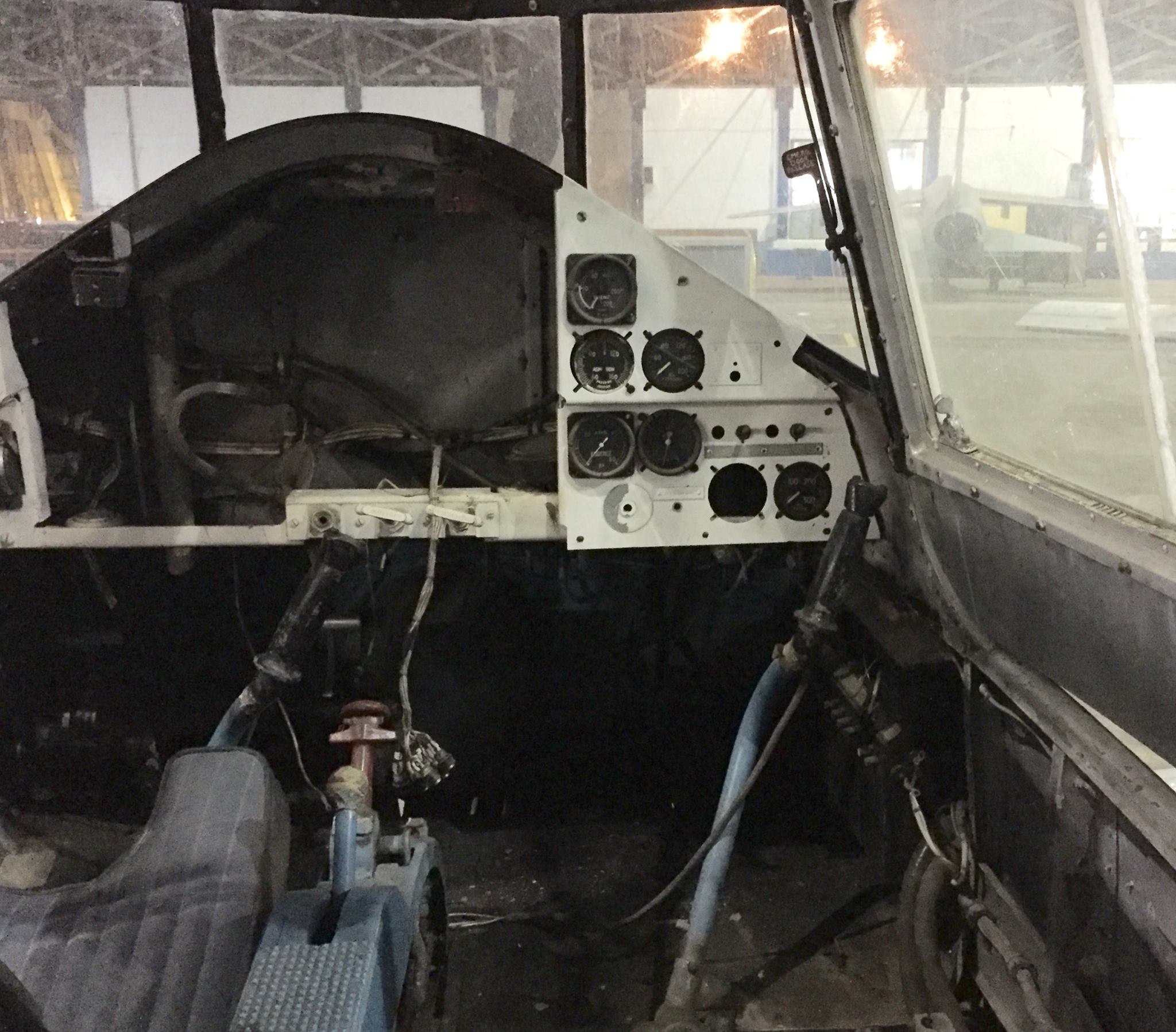
The Bf 108 was deployed by a large number of air forces (one 108 was purchased by the U.S. Army Air Corps as the XC-44 and used to fly the U.S. attaché in Berlin before being re-purchased by Germany in 1941). The Bf 108s were used as a substitute for the Bf 109 in some films including “The Longest Day.”
This aircraft is on loan to the Tillamook Air Museum (located at the former NAS Tillamook) from the National Museum of Naval Aviation in Pensacola, Florida. My photos in Blimp Hangar 2 at NAS Tillamook on the Oregon coast where the aircraft is now on static display. I have not thoroughly vetted this aircraft’s specific history.
Editor’s note: This aircraft flew with the French Air Force (Armee de l’Air) before being acquired by the Aero Club Sadi Lecointe at Lognes–Émerainville aerodrome, 28 kilometers east of Paris, on October 2, 1959, under the French civil registration F-BCAS. After its original civil registration was cancelled on October 18, 1963, the aircraft was re-registered as F-BLQK, but this do was cancelled on February 18, 1969. By 1991, the aircraft was registered with the FAA as N2758 to the National Naval Aviation Museum, which has loaned the aircraft to the Tillamook Air Museum since the 1990s. More information on the aircraft can be found on Aerial Visuals HERE.
 About the author: Randy Malmstrom grew up in a family steeped in aviation culture. His father, Bob, was still a cadet in training with the USAAF at the end of WWII but did serve in Germany during the U.S. occupation in the immediate post-war period, where he had the opportunity to fly in a wide variety of types which flew in WWII. After returning to the States, Bob became a multi-engine aircraft sales manager and as such flew a wide variety of aircraft; Randy frequently accompanied him on these flights. Furthermore, Randy’s cousin, Einar Axel Malmstrom flew P-47 Thunderbolts with the 356th FG from RAF Martlesham Heath. He was commanding this unit at the time he was shot down over France on April 24th, 1944, spending the rest of the war as a prisoner of war. Following his repatriation at war’s end, Einar continued his military service, attaining the rank of Colonel. He was serving as Deputy Wing Commander of the 407th Strategic Fighter Wing at Great Falls AFB, MT at the time of his death in a T-33 training accident on August 21, 1954. The base was renamed in his honor in October 1955 and continues to serve in the present USAF as home to the 341st Missile Wing. Randy’s innate interest in history in general, and aviation history in particular, plus his educational background and passion for WWII warbirds, led him down his current path of capturing detailed aircraft walk-around photos and in-depth airframe histories, recording a precise description of a particular aircraft in all aspects.