
This story is shared with permission from our friend John Parker of Warbirds Online, who has closely followed the project for many years.
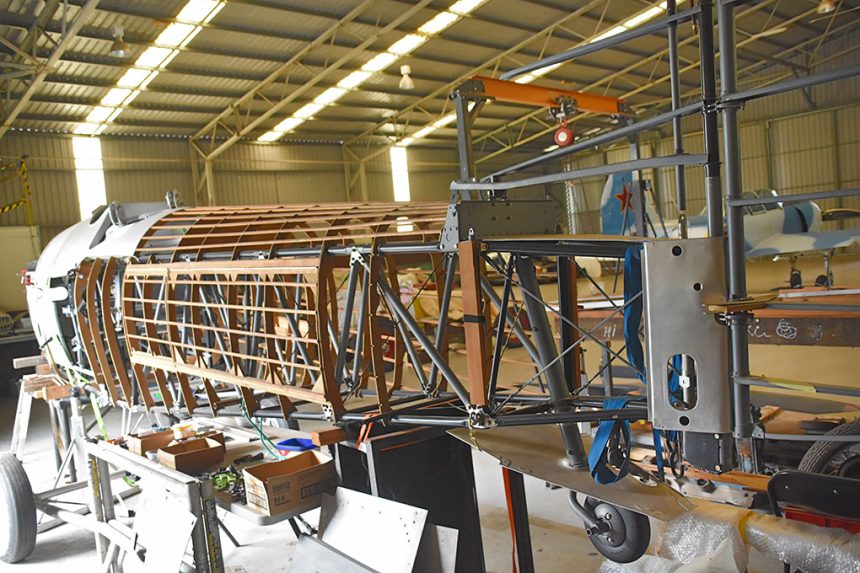
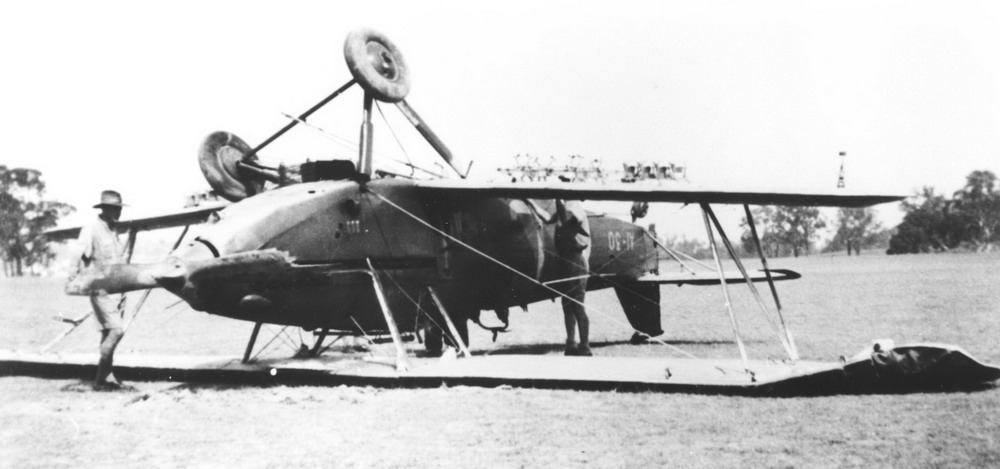
One of Australia’s most enduring and meaningful Warbird restoration efforts has been the late Jack McDonald’s decades-long rebuild of a Hawker Demon. Jack’s relationship with the type began in the 1980s when he assisted with the RAAF Museum’s Hawker Demon A1-8, restored as a static exhibit in 1987. That experience sparked a passion that stayed with him throughout his life.
A Lifelong Project
Around the time he helped with A1-8, Jack began sourcing components for another Demon, imagining a future where one might return to the skies. Over the following decades, he continued work on the rebuild at Caboolture, Queensland, even as he undertook numerous other restorations. The Demon remained his most personal and enduring effort, and he continued advancing the project until his passing earlier this year. For Jack, the aircraft represented the pinnacle of his restoration career — a flying tribute to the early RAAF aviators who flew the type. Although he did not live to see the Demon completed, the restoration will now continue under new custodians, preserving both his vision and his respect for those pilots.
Honouring Jack’s Intentions
The Demon has yet to be conclusively identified, though evidence suggests it may be A1-30. Before his passing, Jack expressed a clear wish that the aircraft remain in Australia and be entrusted to a not-for-profit heritage organisation in Scone, New South Wales, for eventual completion to flight status. This was not Jack’s first act of generosity toward the same organisation. He had previously donated his flying Bristol Fighter B1229, a static MiG-17, and a sizable collection of engines and historic artefacts. After Jack’s death, his son Rob McDonald honoured these wishes and completed the donation. Warbirds Online, having long followed the Demon’s progress, assisted the McDonald family in facilitating the transfer through a long-standing personal connection with Jack. The aircraft will shortly be prepared, packed, and transported to its new home, where work toward airworthiness will continue.
A Rare Aircraft in Any Context
The Hawker Demon is exceedingly scarce today, both in Australia and worldwide. Around 300 Demons and Hart-family fighter variants were produced, with only 64 entering RAAF service in the 1930s. Limited production and the passage of time mean that few examples survive. Australia’s only public example is the RAAF Museum’s A1-8 — the aircraft Jack helped restore in the 1980s. The possibility of another Demon eventually returning to flight is therefore of considerable importance to the Australian Warbird community and to global Hawker heritage. Given the type’s rarity, the advanced stage of Jack’s project makes this one of the most meaningful Warbird transfers seen in Australia for many years.
A Restoration of Exceptional Skill
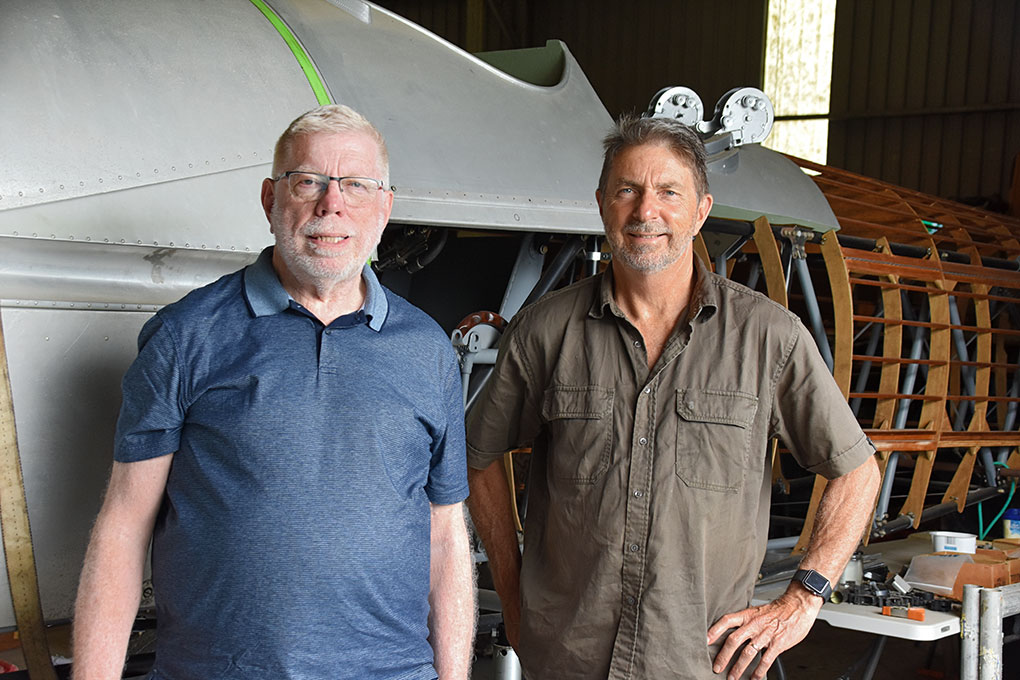
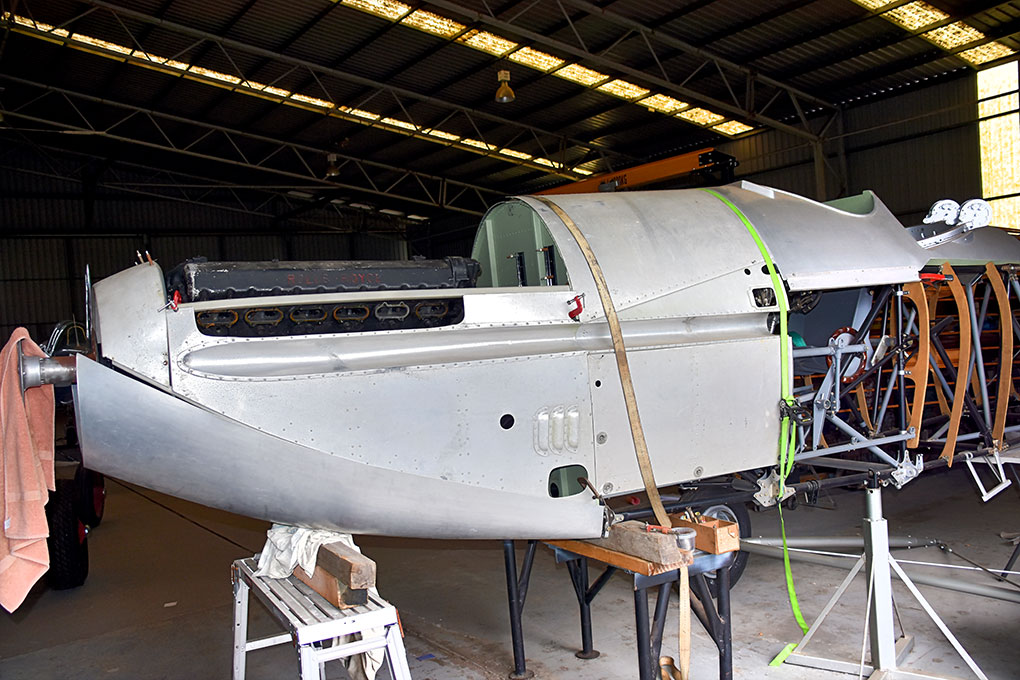
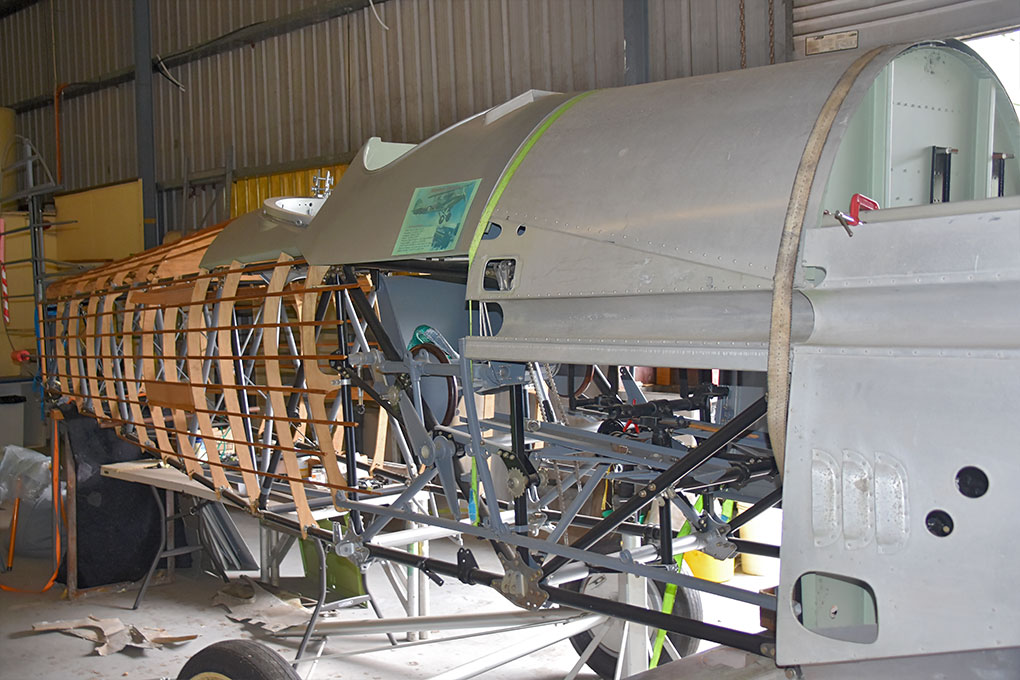
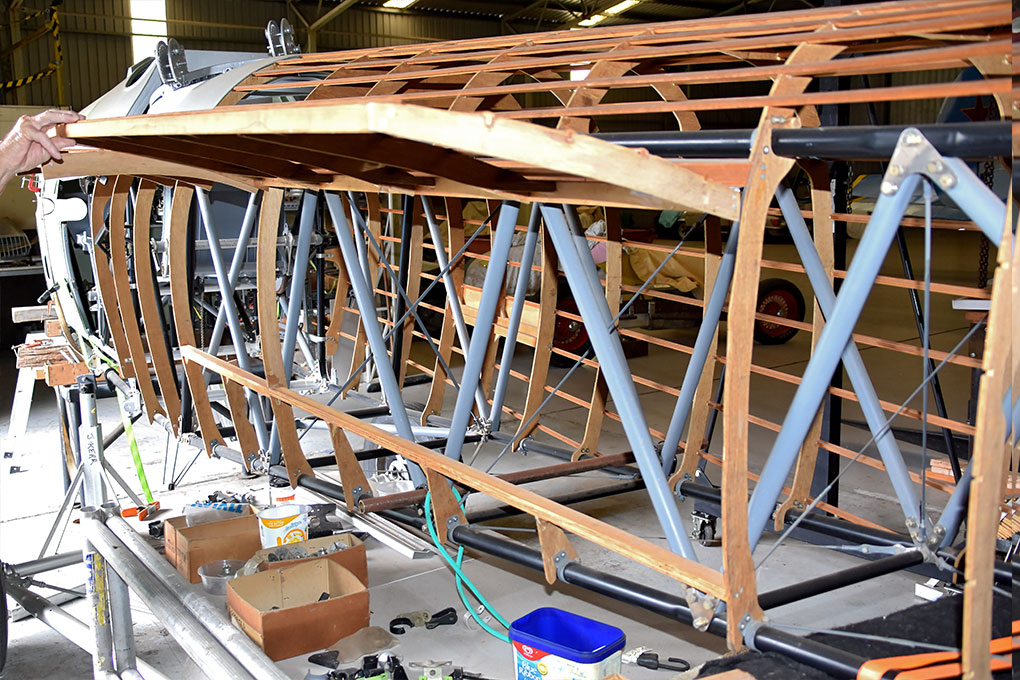
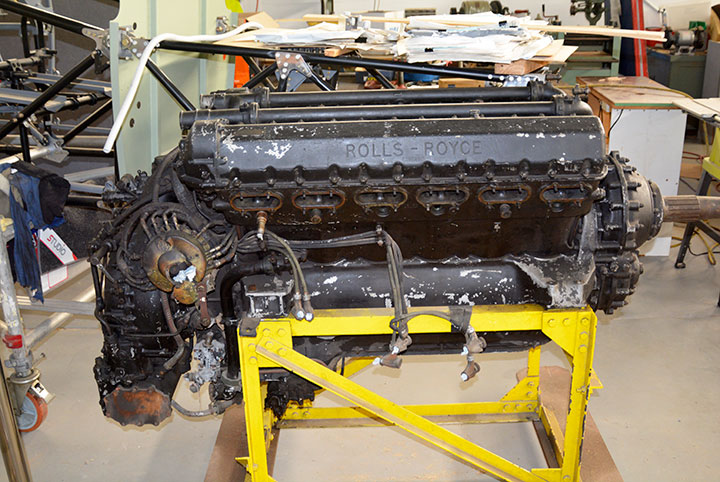
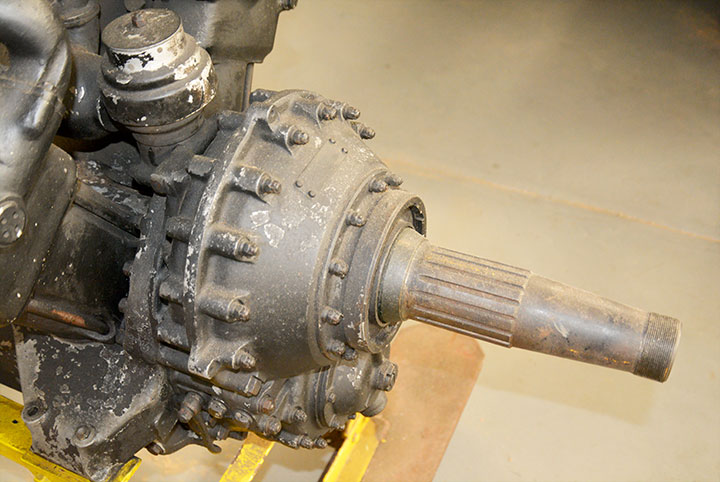
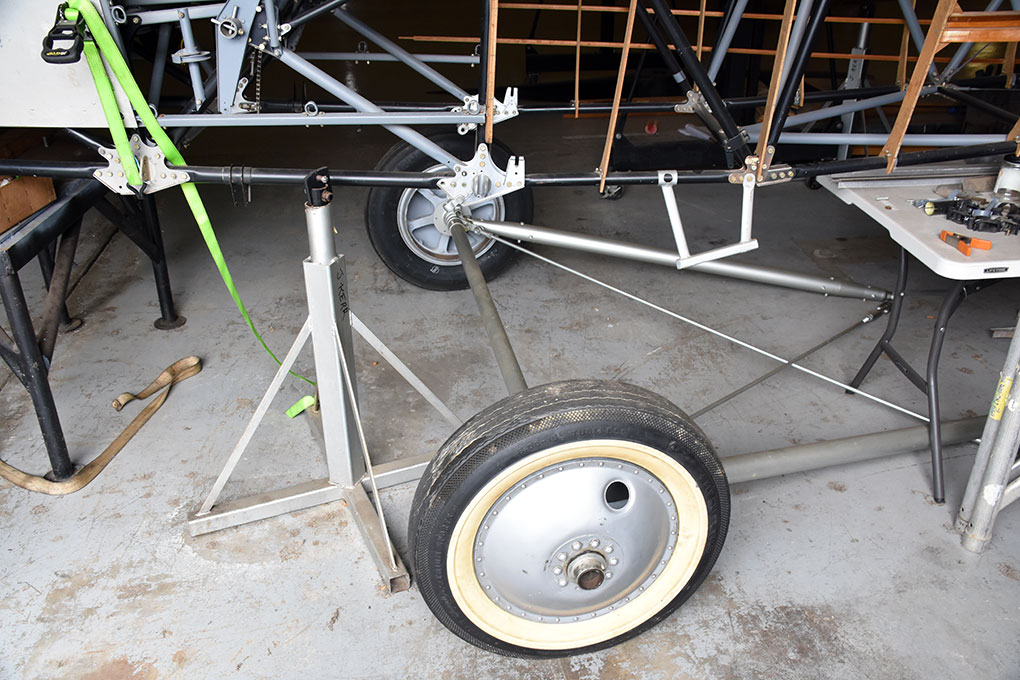
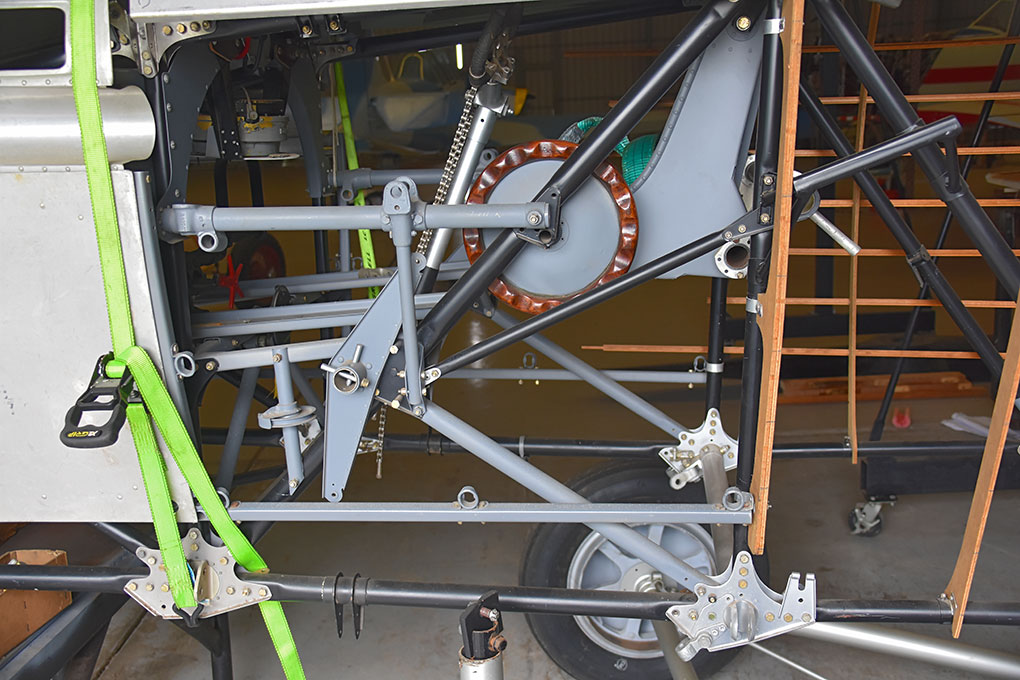
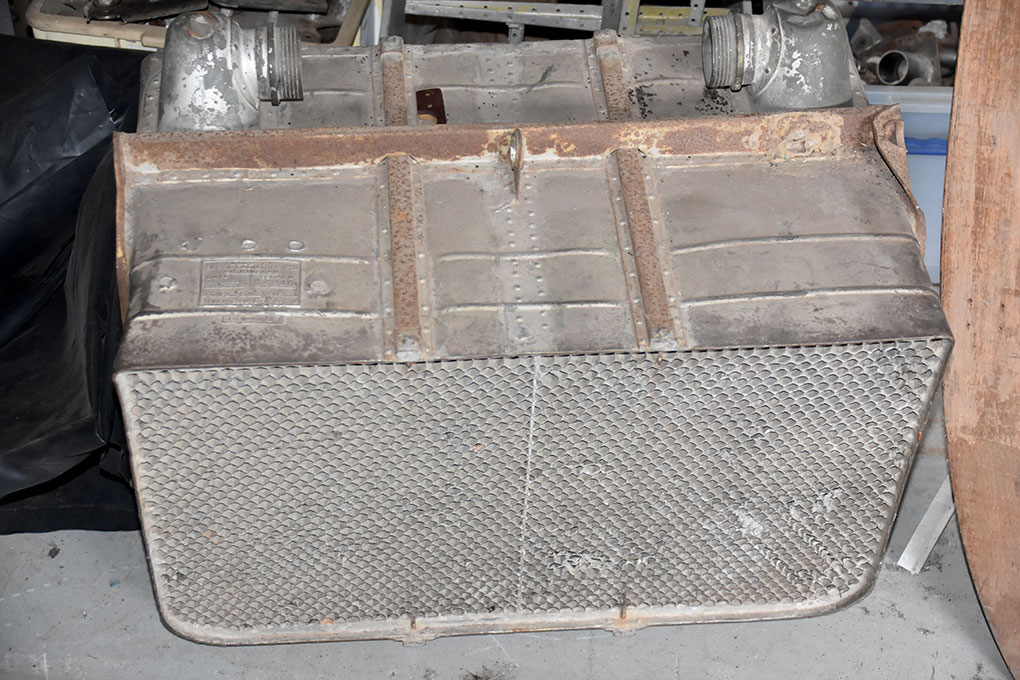
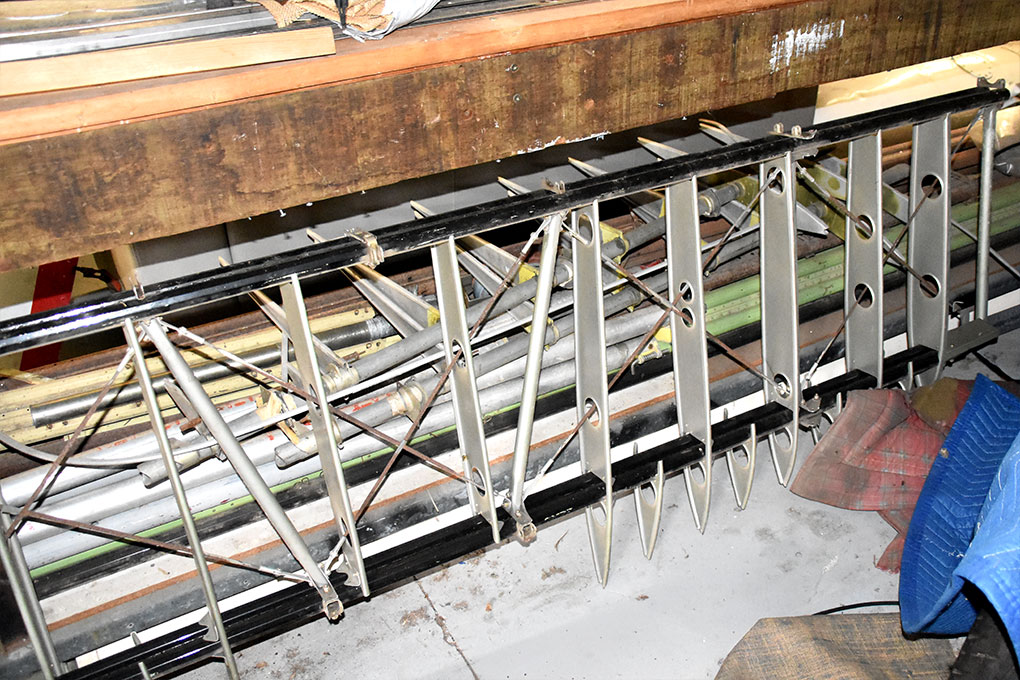
Jack’s craftsmanship is evident throughout the airframe. He used numerous new-old-stock components and manufactured new items only when originals were unavailable, always working toward a faithful, flyable rebuild. The fuselage is significantly advanced: the tubular frame is complete, cockpit structures are installed, and the aircraft’s timber stringers and outer framework have been expertly shaped and attached. The cowling work is well underway, the engine mount is fitted, and the undercarriage has been fully restored and is ready for installation. The tail assembly — including the stabiliser, fin, and rudder — has also been completed to a high standard. The wings remain unassembled but far from untouched. Jack completed the complex dumbbell spars, arguably the most challenging part of the wing structure. Numerous ribs and additional wing components are finished or in progress, giving the future restoration team a strong foundation. The project also includes a Rolls-Royce Kestrel engine in apparently sound condition, along with an original propeller and radiator. With the airframe so far along and the majority of components present, this Demon is an excellent candidate for an eventual return to flight.
Thanks to Those Who Made the Donation Possible
Gratitude is owed to Rob McDonald for ensuring his father’s wishes were fulfilled, and to Jack’s close friend Grant Wallace for his considerable assistance throughout. Warbirds Online and Vintage Aviation News will continue to follow the progress of this significant restoration as Jack’s much-loved Demon transitions toward the day it may once again take to the sky.