

(Image credit: VAN)
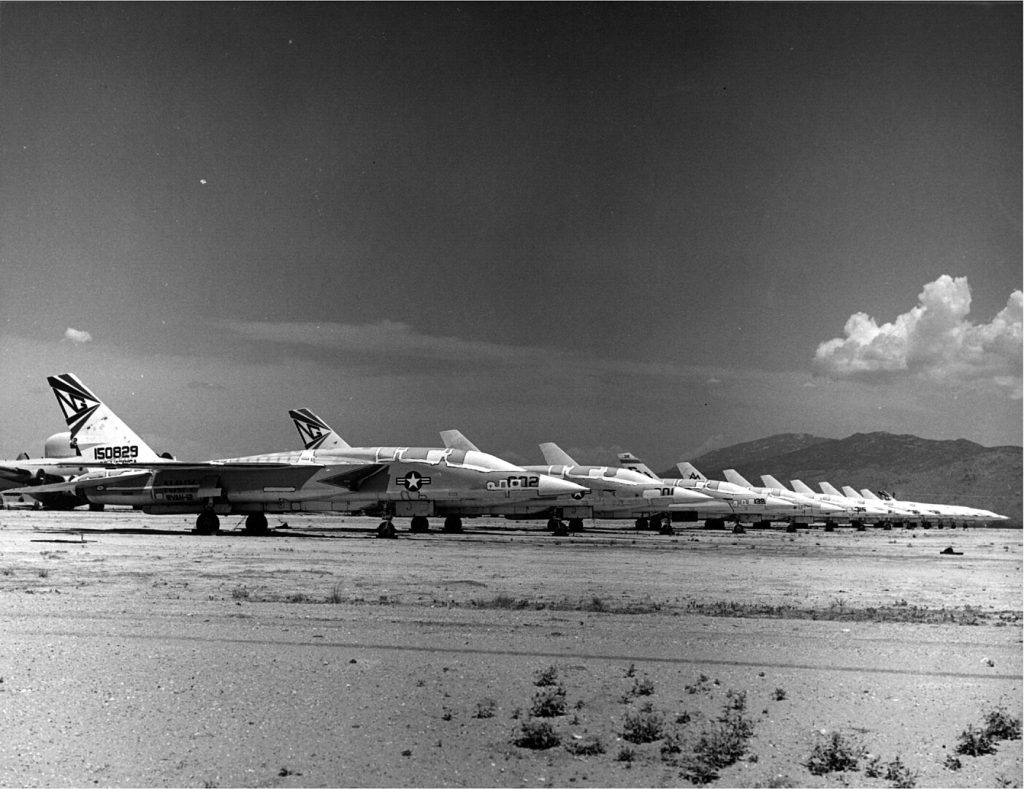
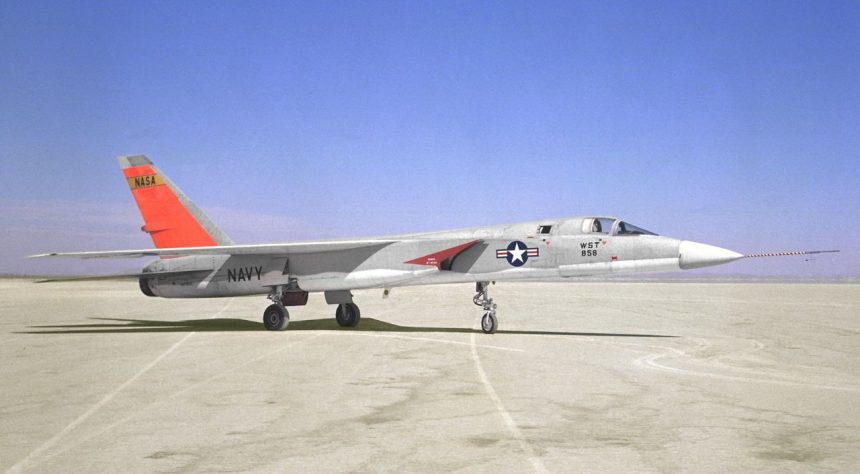
On this day in aviation history, 65 years ago (December 13, 1960), a new World Altitude Record was set by the North American A3J-1 Vigilante and its crew. The history-making flight took place at Edwards Air Force Base in California. Flying the Vigilante were Commander Leroy Anthony Heath and Lieutenant Henry L. Monroe. The A3J-1 that Heath and Monroe were flying was carrying a 1,000-kilogram payload in its weapons bay.
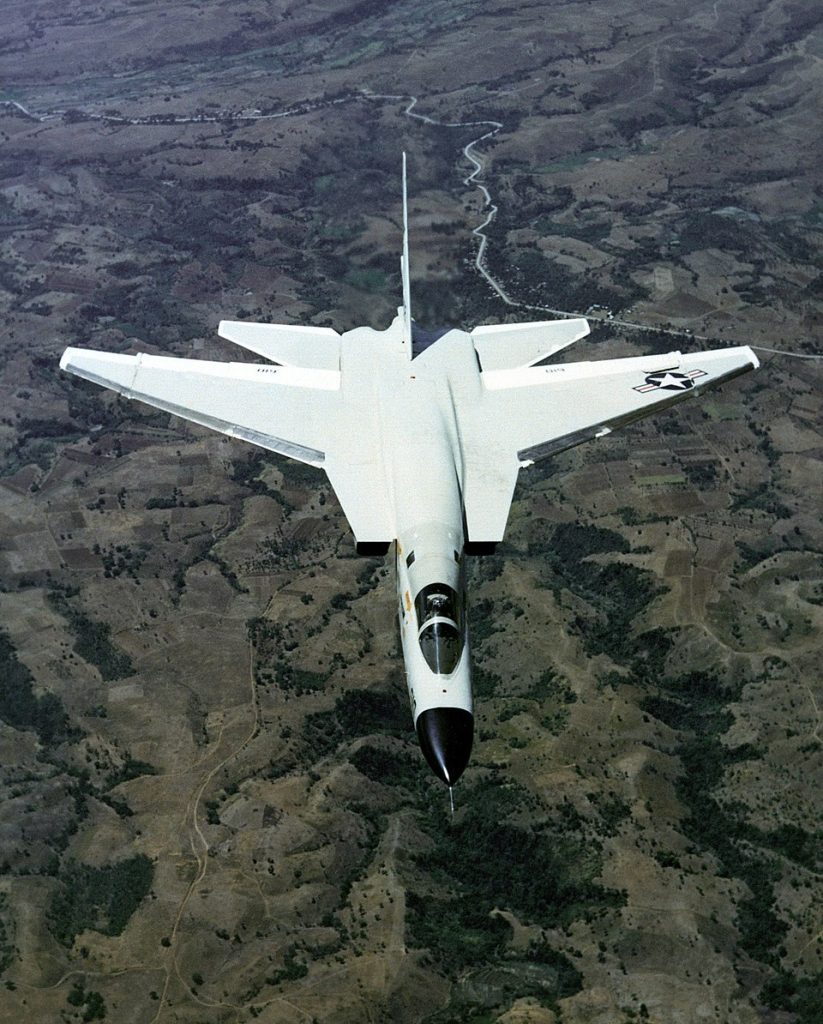
In the skies above Edwards AFB, the crew accelerated the Vigilante to an airspeed of 1,400 miles per hour. Upon attaining this airspeed, Pilots Heath and Monroe entered a steep climb that resembled a ballistic missile. The A3J-1 eventually reached an altitude of 91,450 feet, at which point the aircraft’s speed had slowed to 400 mph. At the moment of level-off, Heath and Monroe described the sensation as feeling “weightless” momentarily, a “pleasant sensation.” The attained altitude of 91.450 feet broke the previous Fédération Aéronautique Internationale (FAI) World Record for Altitude by 24,337 feet.
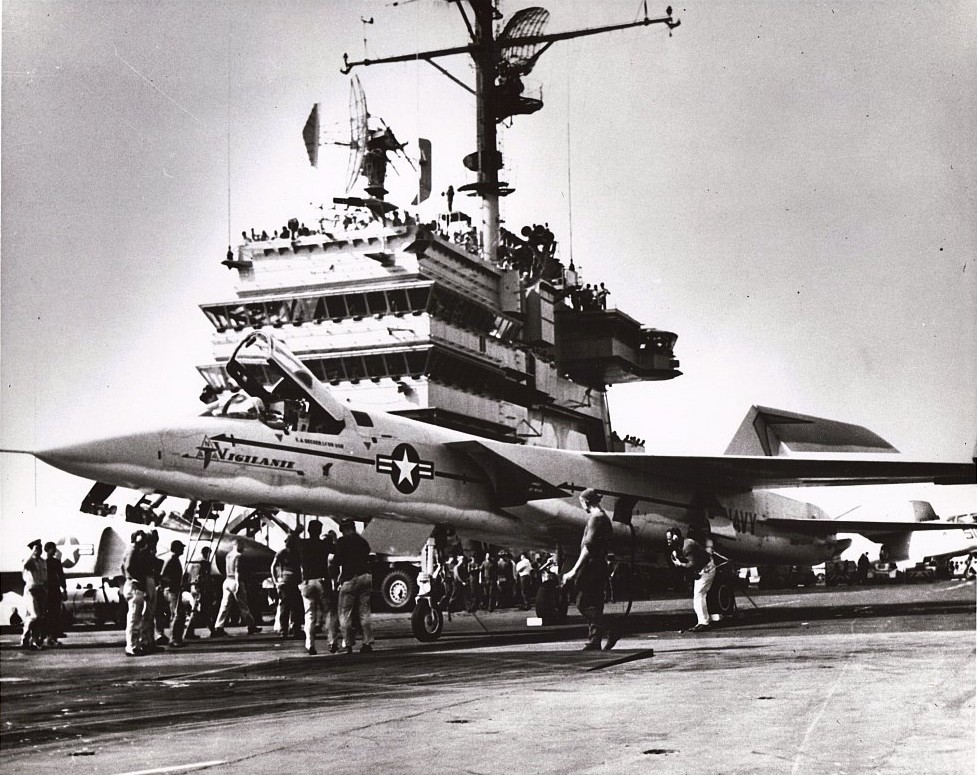
Commander Heath earned the Distinguished Flying Cross for this extraordinary feat, while Lieutenant Monroe received the Air Medal, both from Secretary of the Navy William B. Franke. The A3J-1 eventually became redesignated as the A-5, and its primary mission was as a carrier-based supersonic bomber. Designed and built by North American Aviation, of P-51 Mustang and F-86 Sabre fame, the A-5 saw extensive use during the Vietnam War, flying post-strike reconnaissance missions.
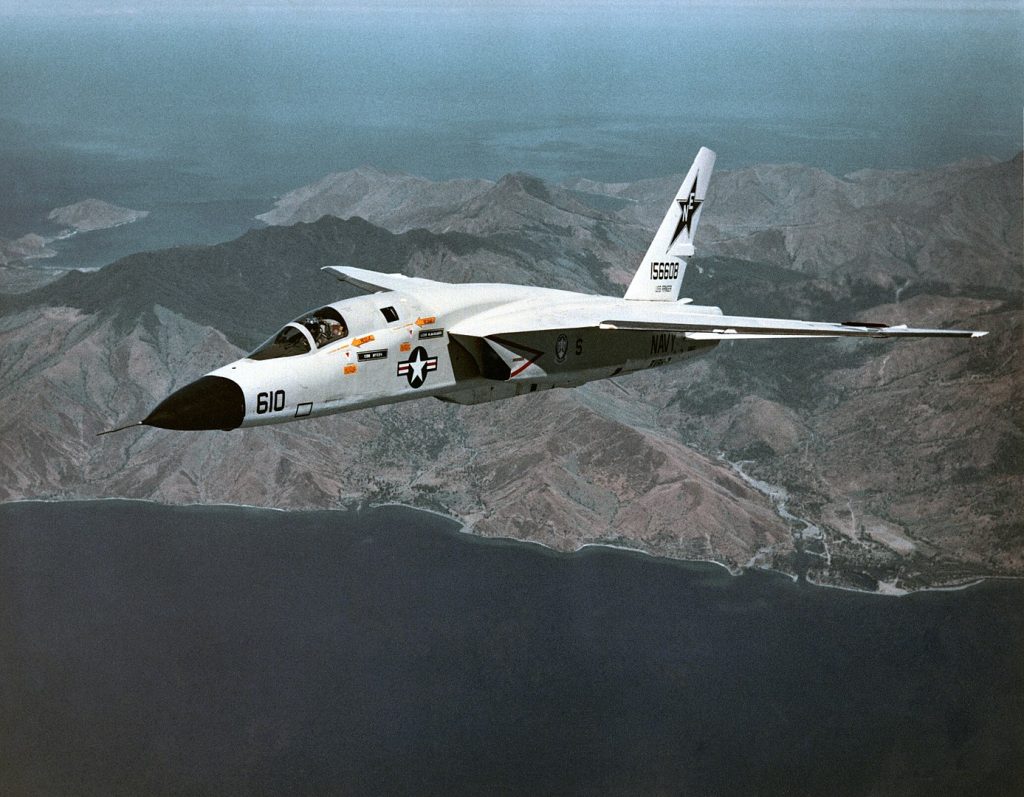
The A-5 Vigilante was powered by two General Electric J79-GE-8 after-burning turbojet engines, each with 10,900 pounds of thrust dry and 17,000 pounds with afterburners engaged. A-5s could attain a maximum airspeed of Mach 2 (1,322 mph). Vigilantes had a combat range of 974 nautical miles, a climb rate of 33,900 feet per minute, and a service ceiling of 52,100 feet. Armament for the Vigilante included one B27, B28, or B43 free-fall nuclear bomb in the internal weapons bay, and two B43, Mark 83, or Mark 84 bombs on the two external hardpoints.