
By Ben Presten
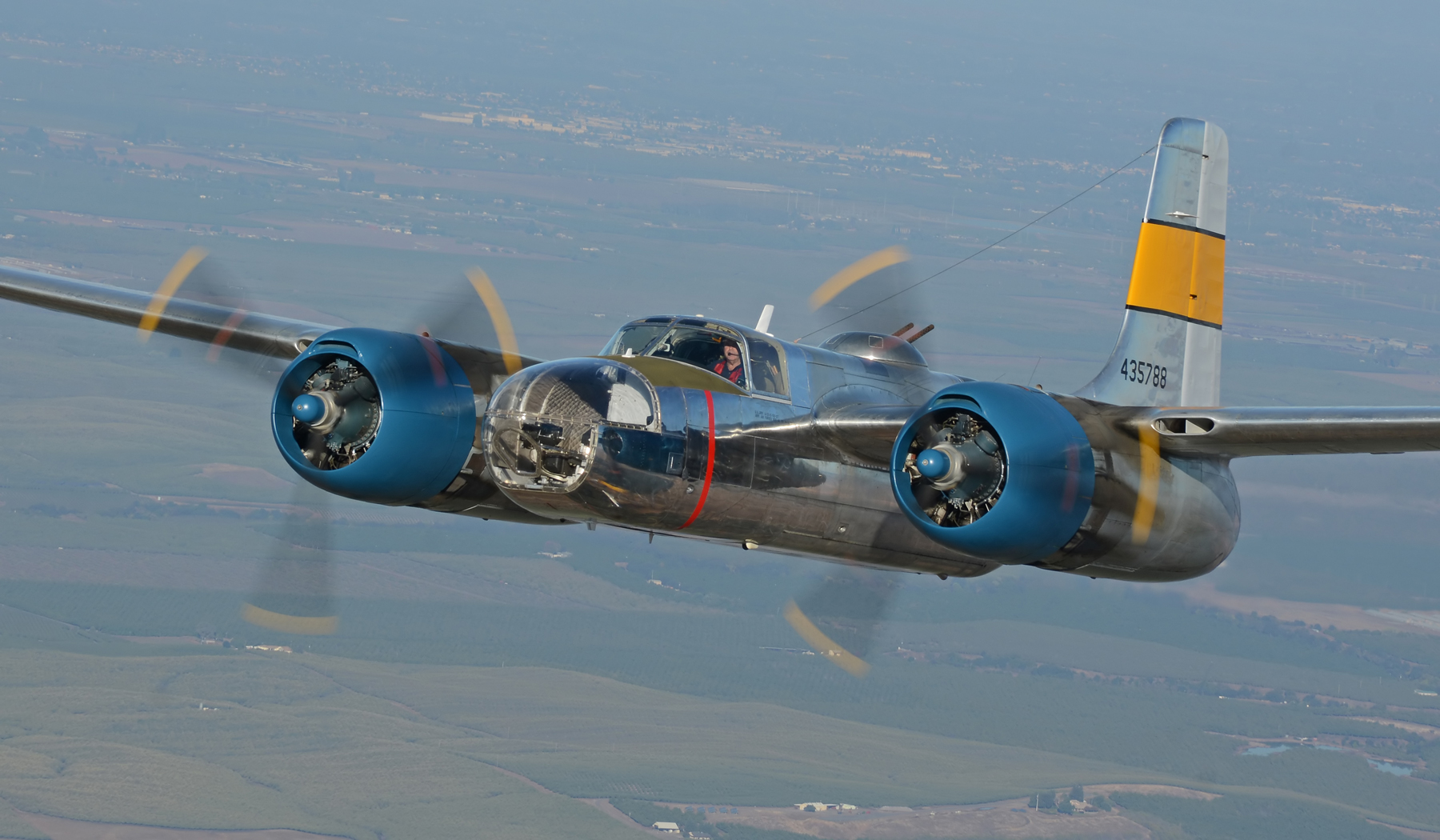
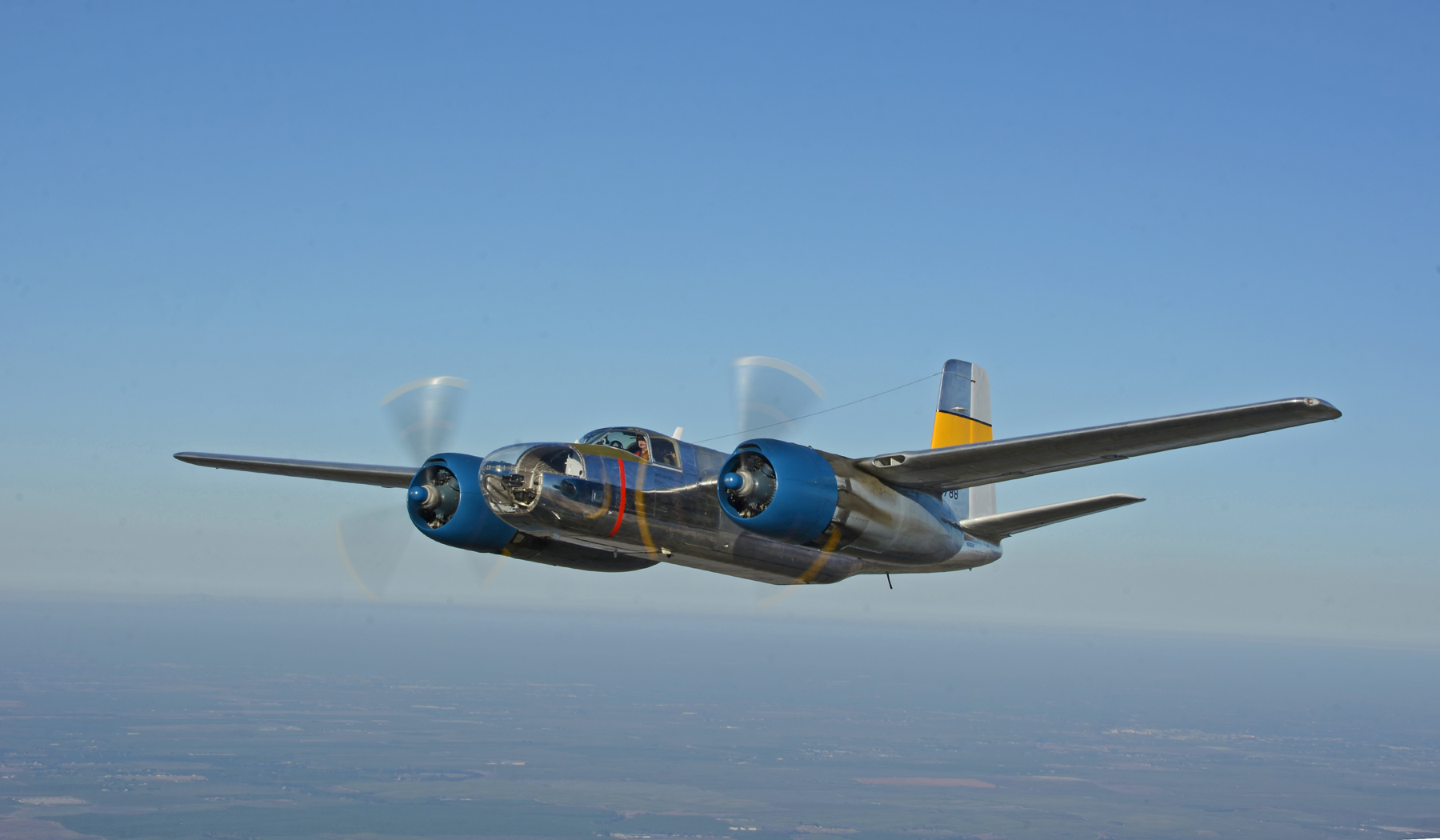
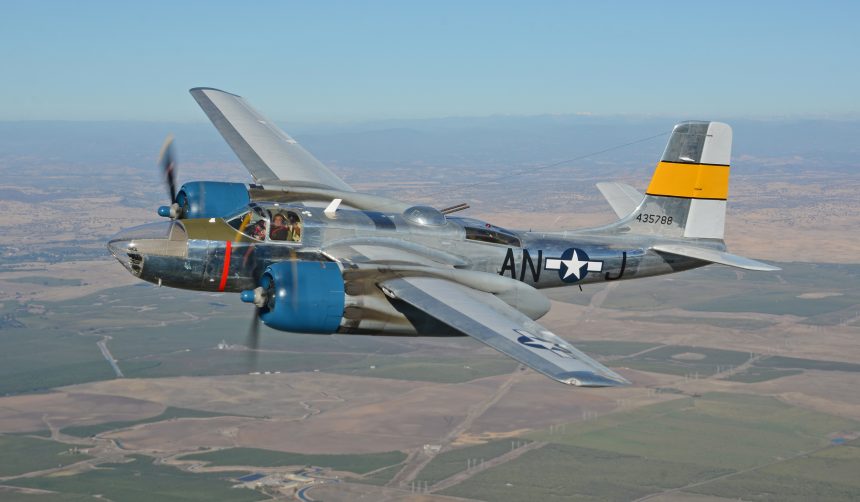
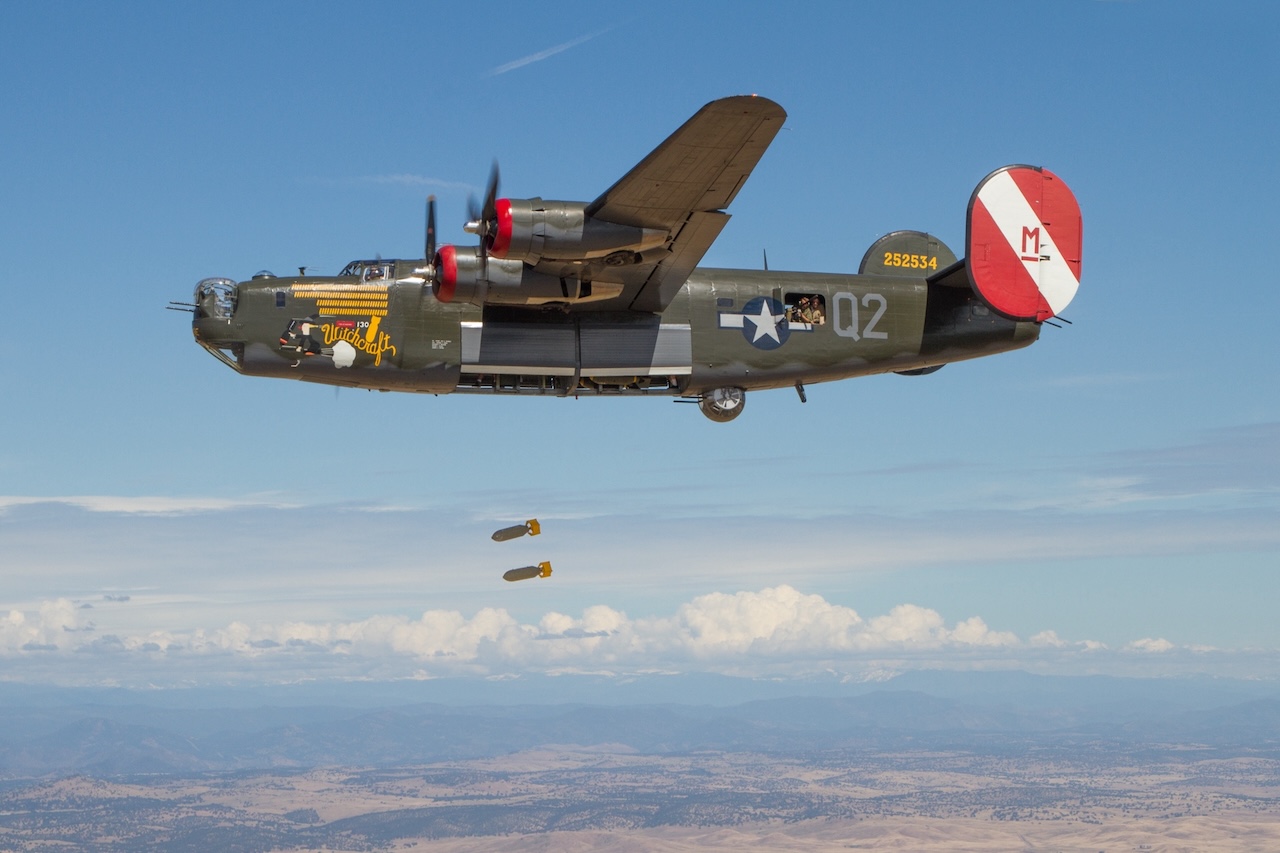
The small but active Stockton Field Aviation Museum, based an hour and a half east of San Francisco in California’s Central Valley, has added a wonderful new warbird to its collection. The A-26C N126HK formerly known as “Keck in the Ass” from the Cactus Air Force Wings and Wheels Museum in Carson City Nevada. Most warbird fans will be familiar with Stockton Field Aviation Museum as the host of the popular annual event known as “Bomber Camp,” where every May the museum hosts one or more bombers and a collection of re-enactors to run a bomber training squadron for a few days. The students do actual bomb drops using concrete practice bombs from B-17s and B-24s, complete with functioning Norden Bombsights. The only place in the world now where you can see an actual WWII bomber open up its bomb bay doors and drop a string of bombs. The effect is usually completed with a fighter escort and students operating the bull turrets and firing 50 caliber machine guns.
Since 2005, Stockton Field has also been home to the Lockheed PV-2D Harpoon “Tanker 101” or BuNo 84062. The airplane was acquired by the museum, having not flown for 16 years and sitting in an open field. The airplane had sunk into the dirt until it was sitting on its fire-bombing belly tank. Despite this, the crew at Stockton had the airplane ready to fly in a matter of weeks after doing extensive maintenance in the middle of the field. A successful flight back to the Museum facility allowed for much more extensive work, and less than three months later, she was wearing Navy stars and bars once again and attending her first air show.
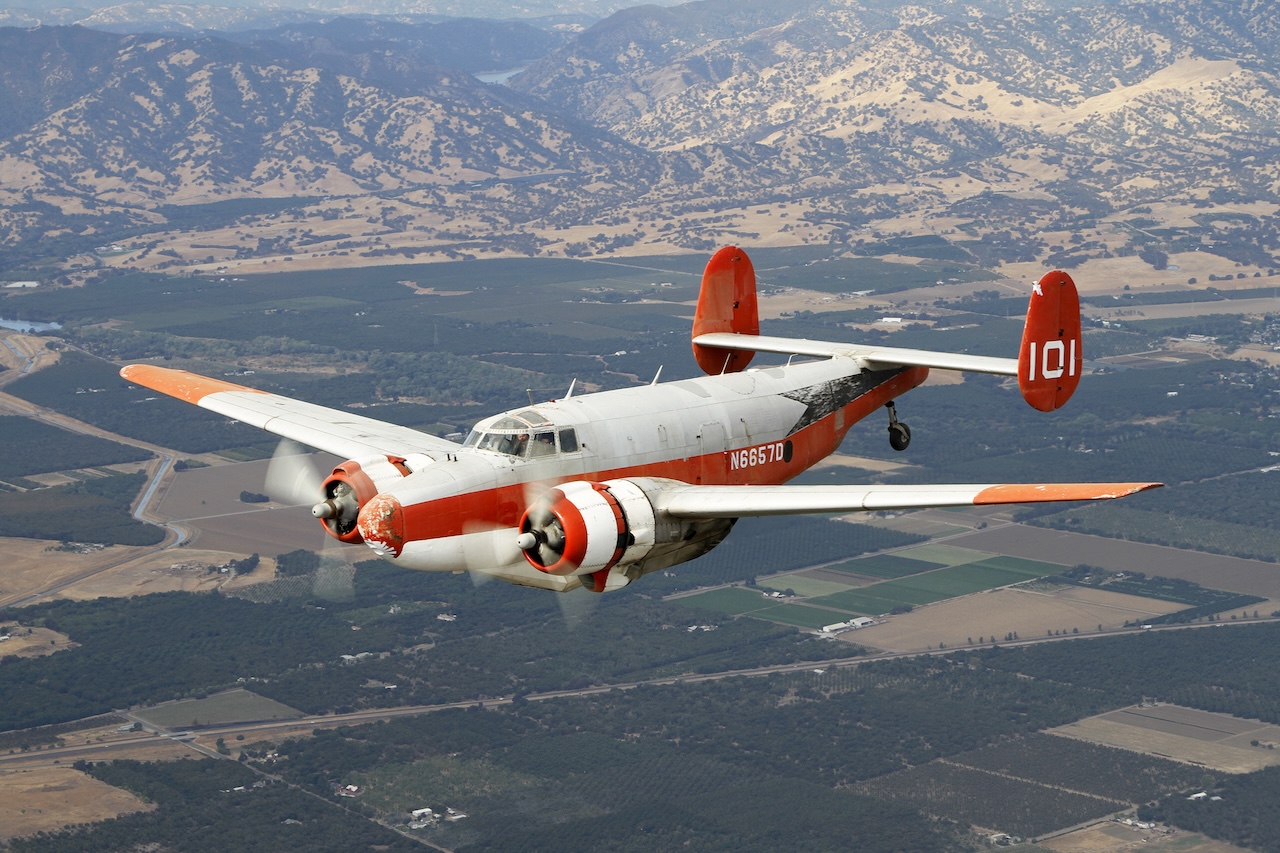
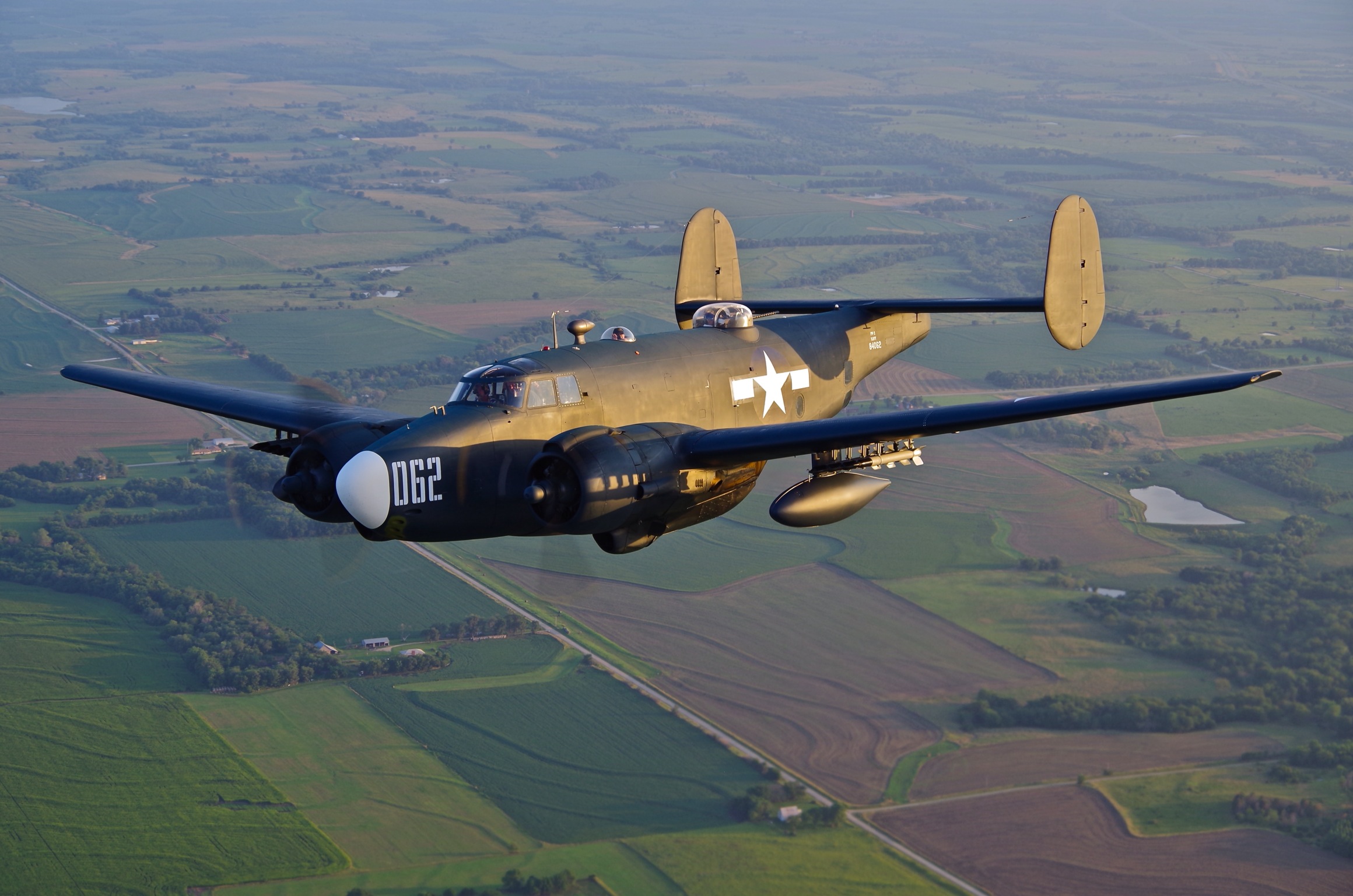
Since then, the museum returned the Harpoon to its original configuration with all its turrets and interior equipment and toured it to many shows around the country. In mid-2024, however, the museum had the opportunity to fulfill its long-time wish of owning an A-26. The airplane in question was based at the Cactus Air Force Wings and Wheels museum in Carson City, Nevada. The Cactus museum owned the A-26C, which was restored for Howard Keck by Matt Jackson. With the opportunity to buy the C model, the museum was on a mission. Luckily, a generous team member at the museum, Jan Johnson, stepped up to the plate and provided the funds for the museum to purchase the A-26C and fly her home to California. Jan is no stranger to the warbird community as she owns two Stinson L-5 Sentinels and a Cessna LC-126C. She has also been a friendly and smiling face around warbird events all over the US for many years. In a recent interview, museum director Taigh Ramey said that the A-26 purchase would not have been possible for the Stockton Field Aviation Museum without Jan.
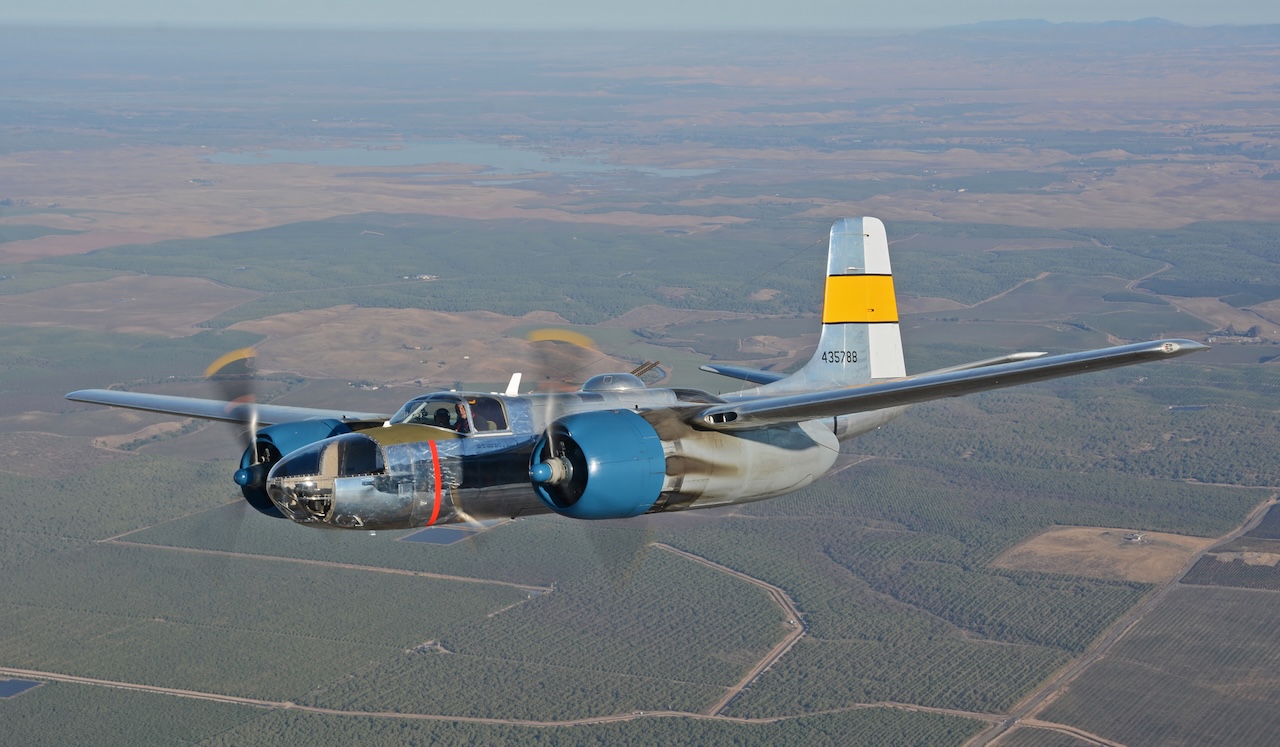
With the A-26 secured, it was time for the Harpoon to move on to a new home as well. Luckily, Kermit Weeks was in the market for one and purchased BuNo 84062 from the museum to complement his project PV-2 stored in Chino, California. Ramey delivered the Harpoon to Chino, where it will undergo a refresh and repaint before Kermit brings the airplane home to Florida. Back in Stockton, the museum got right to work on their new A-2,6, getting it dressed up for museum display. The somewhat modernized military markings that the airplane wore were quickly replaced with a much more accurate livery. The yellow tail band of the 386th Bomber Group remained, but the majority of the markings were added to represent the 553rd Squadron, with the lettering on the fuselage showing J-AN on one side and AN-J on the other. While this is a technically correct scheme for the 553rd Squadron, it is also a nod back to Jan Johnson.
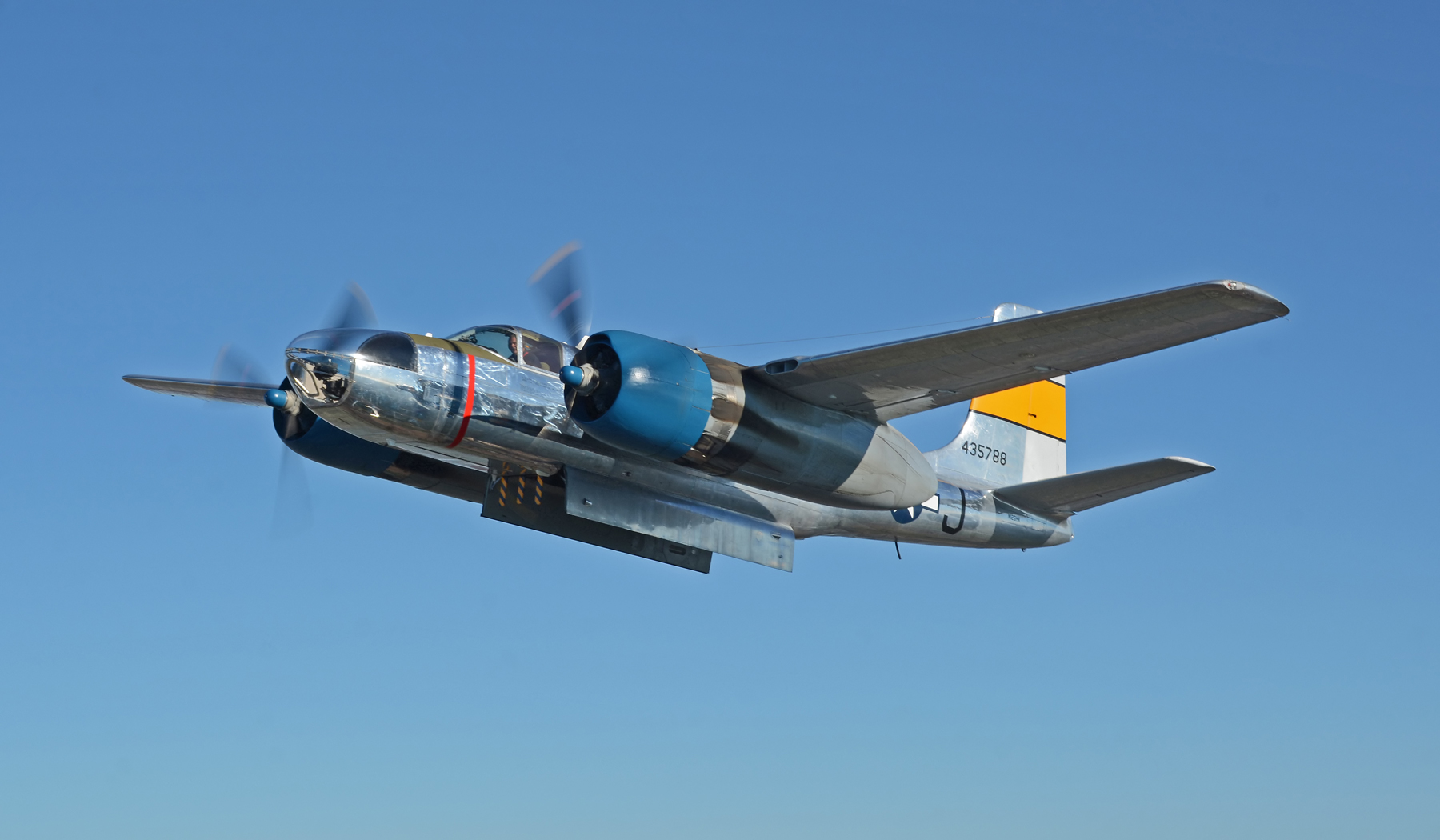
A fresh polish job also brought out that warbird shine in the A-26C before it quickly made its show debut. The airplane has already been in attendance at several airshows around California promoting the museum and its endeavors. Ramey says that the museum is currently raising money to redo the complex glass nose on the A-26 as well as bring it to Airventure 2026. As one of the volunteer warbird judges at Airventure, Ramey is trying to organize a gathering of a few A-26s at the 2026 celebration to show off the history of the type. Additionally, he says that the museum intends to use the A-26 in future Bomber Camp events so we can look forward to some exciting photos of an A-26 with earthbound bombs below it! For more information about Stockton Field Aviation Museum, visit their Facebook page.