
(Image credit: VAN)
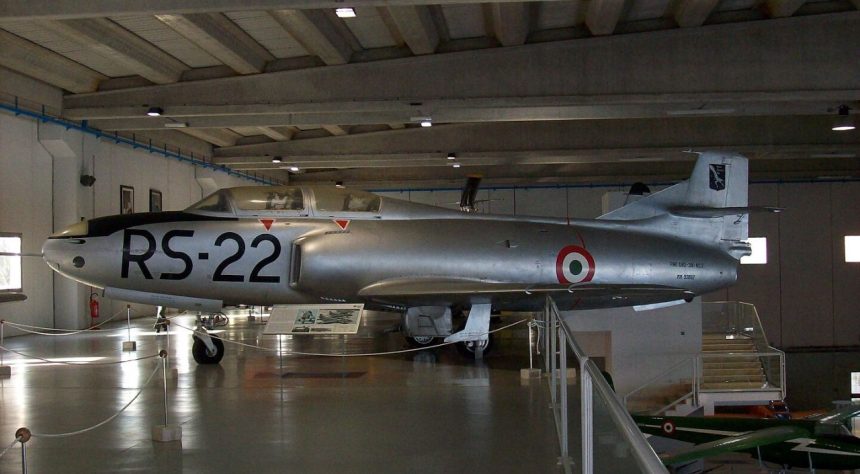
On this day in aviation history, 74 years ago (December 9, 1951), the first flight of the Fiat G.80 took place. The G.80 was a military jet trainer that was designed and built by Fiat. The aircraft is unique as it was the first true jet-powered aircraft to be designed, built, and flown by Italy. Development of the G.80 began when the Italian Air Force (Aeronautica Militare) required a jet-specific trainer, as the air forces of the world began to transition from propeller-driven aircraft.
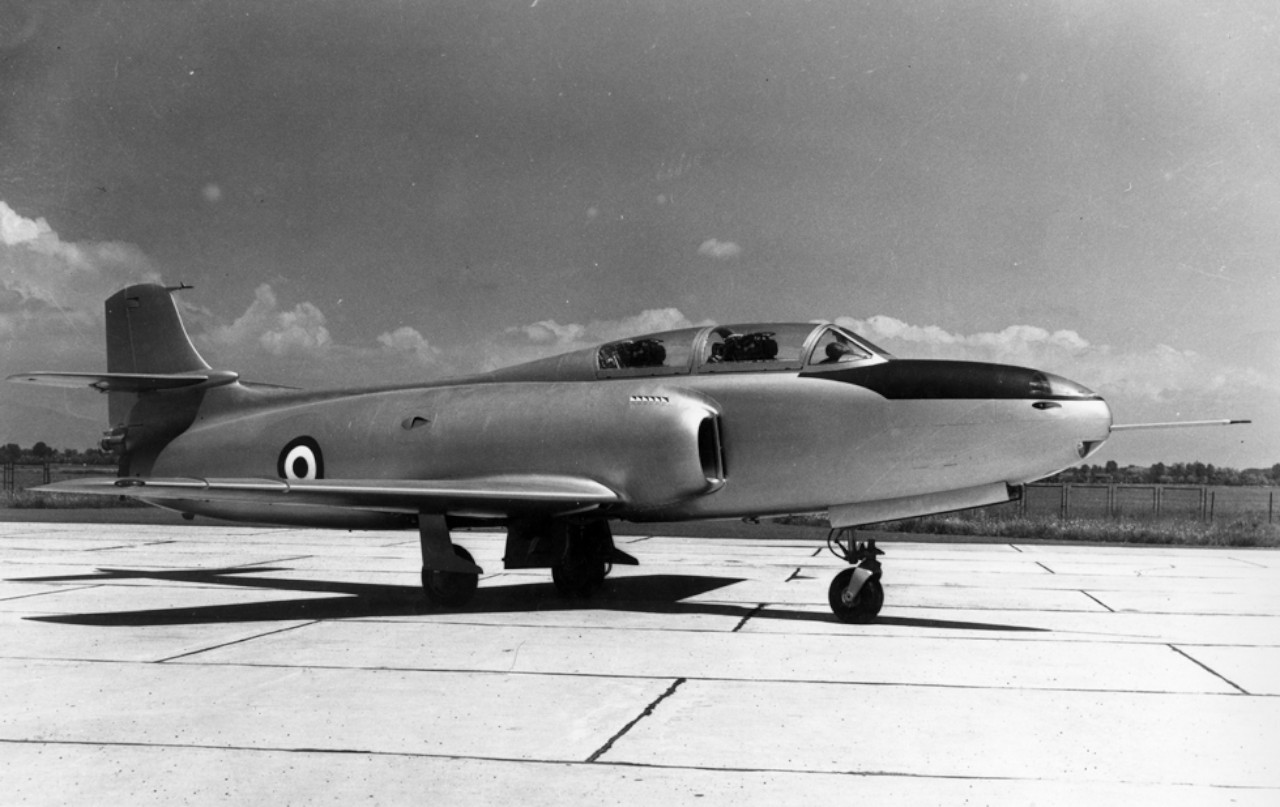
As the Second World War ended, many Italian aircraft manufacturers recognized a dire need to revitalize the industry. As a result, the focus shifted towards the future of aviation, jet aircraft. Fiat set out to develop its own indigenous design, one that reflected the best of Italian technology and ingenuity. What resulted from their efforts was a low-wing monoplane jet with a swept wing, pressurized cabin, and retractable landing gear. Two prototypes of the G.80 were built, but during flight testing, their performance was found to be lacking. Specifically, the G.80 was underpowered and heavier than the competing Fokker S.14 Machtrainer.
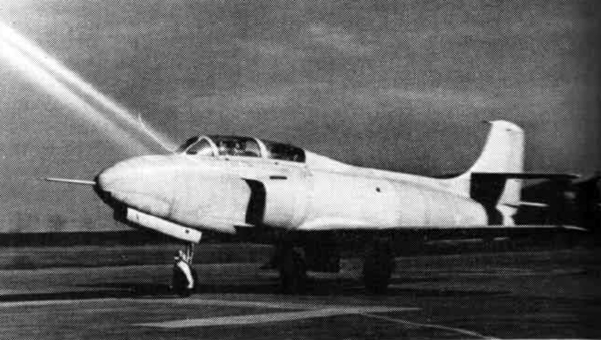
Fiat was determined to make this new design work. They further developed the G.80 into the G.82. A lengthened fuselage and a swap from the de Havilland Goblin turbojet to the Rolls-Royce Nene were features of the new plane. Additionally, fuel tip tanks were installed. The G.82 proved to have significantly better power, speed, and performance than the G.80. Fiat submitted the G.82 to NATO’s standard jet trainer competition. Although superior in performance to the Lockheed T-33, the G.82 was not as economical. The two G.80s and two G.82s built were used for testing, but would never serve as trainers.
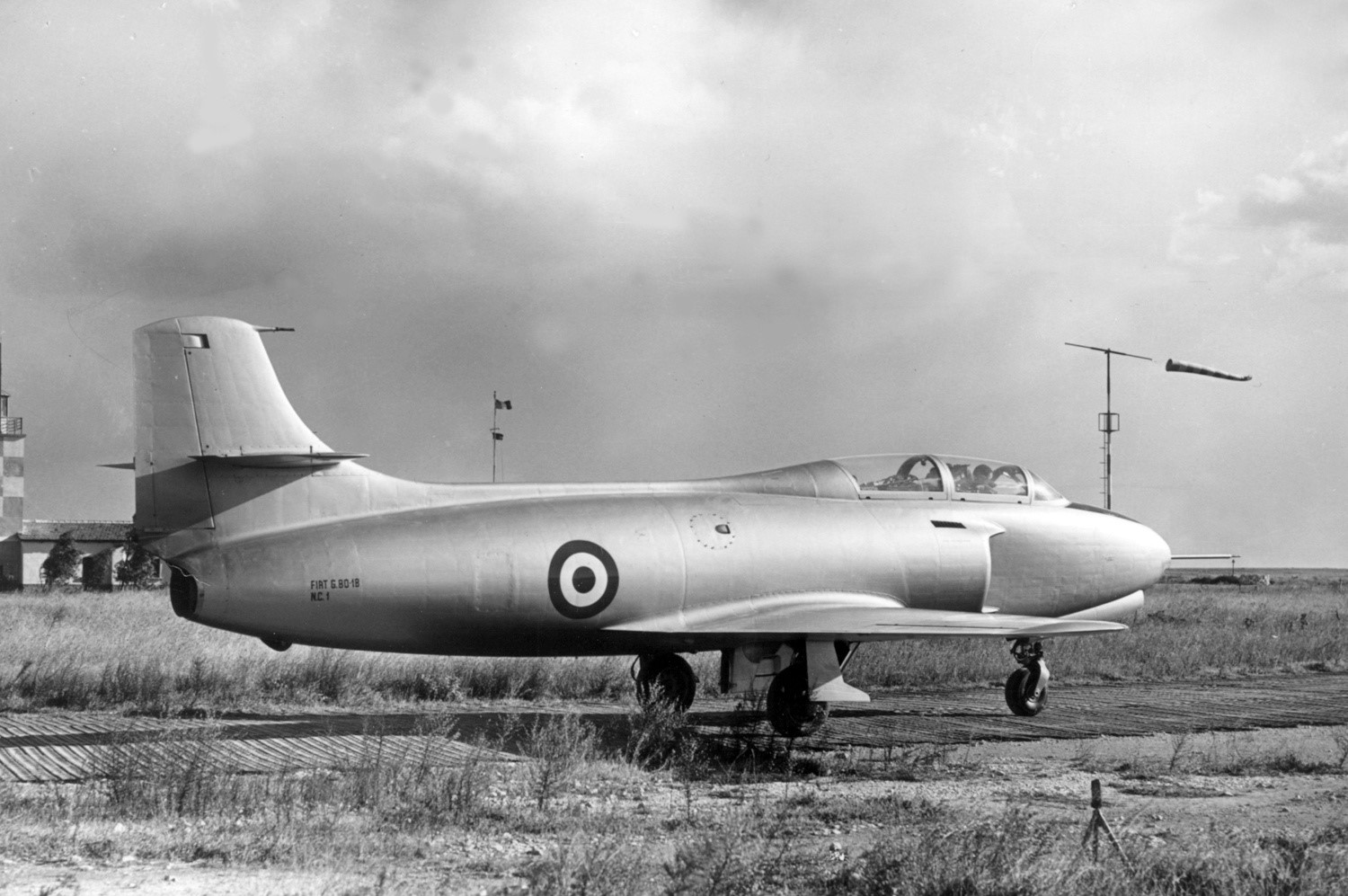
The Fiat G.82 was powered by the Rolls-Royce Nene 2/21 turbojet engine, which provided 5,000 pounds of thrust. A maximum airspeed of 570 mph was attainable for the two-seat Italian trainer. The G.82 had a range of 860 nautical miles and a service ceiling of 41,000 feet. Armament could be equipped on the G.82, including two 12.7 millimeter Colt-Browning M3 machine guns, eight HVARs, and two 500-pound bombs.