
(Image credit: VAN)
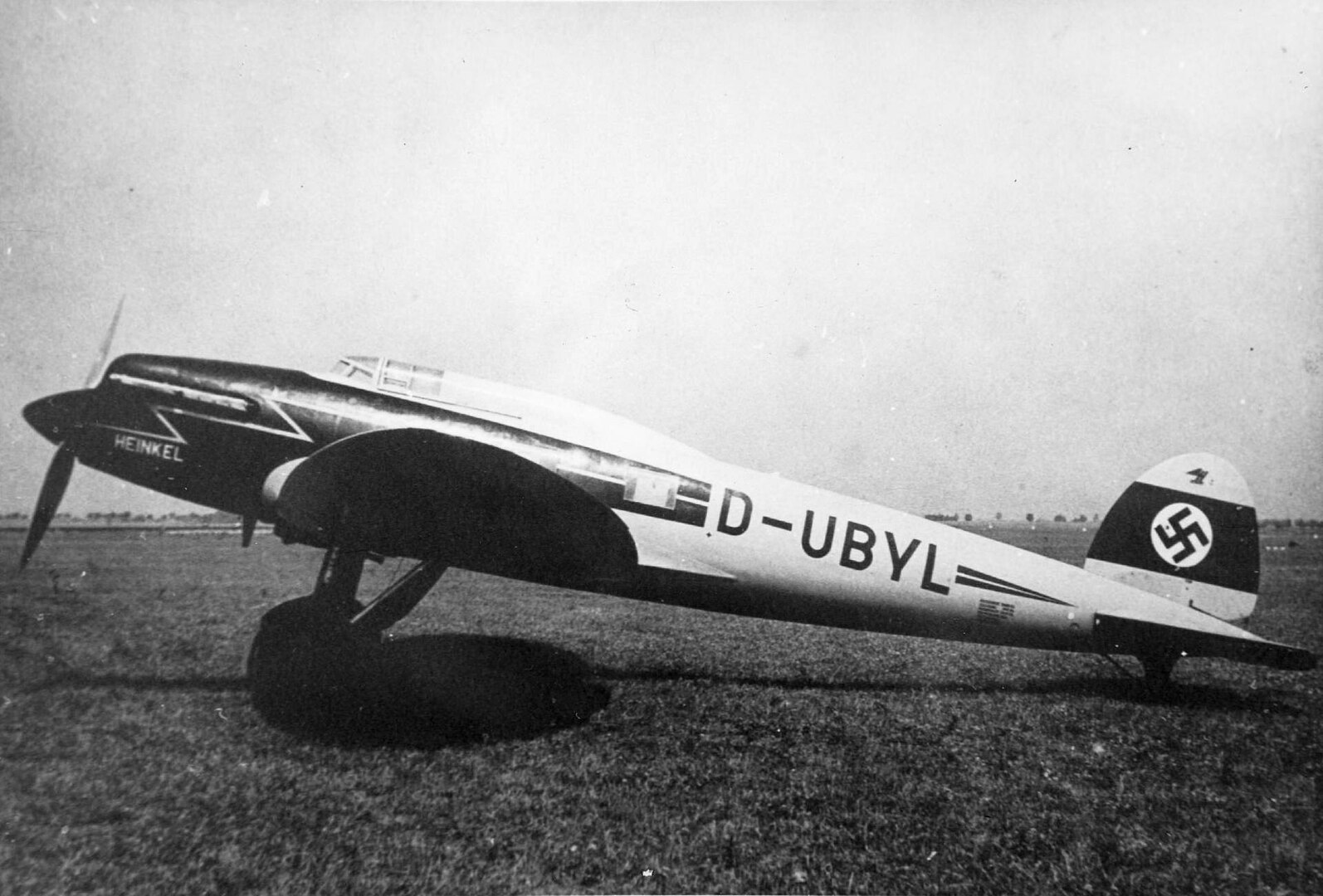
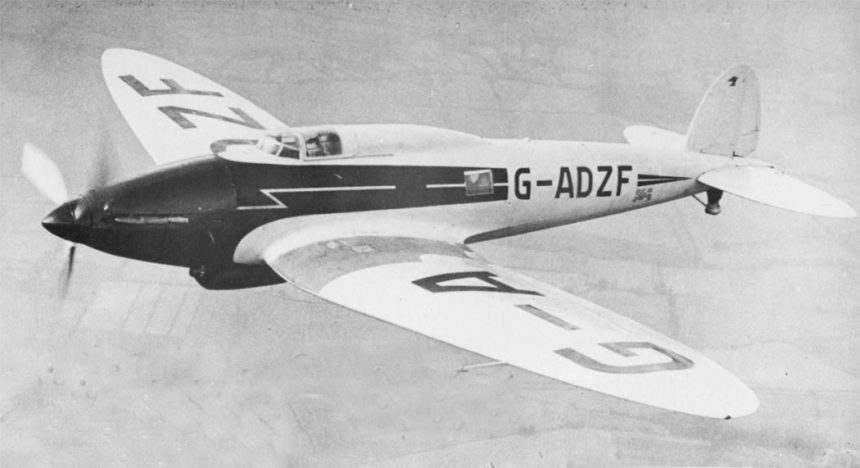
On this day in aviation history, 93 years ago (December 1, 1932), the Heinkel He 70 took flight for the first time. Named the Blitz (or Lightning), the He 70 was a speedy monoplane designed and built by Heinkel Flugzeugwerke. The Blitz holds the distinction of being the first Schnellbomber (fast bomber) flown by the German Luftwaffe. The design of the He 70 began in the early 1930s, when Deutsche Lufthansa sought a mail plane that could fly fast and deliver more efficiently.
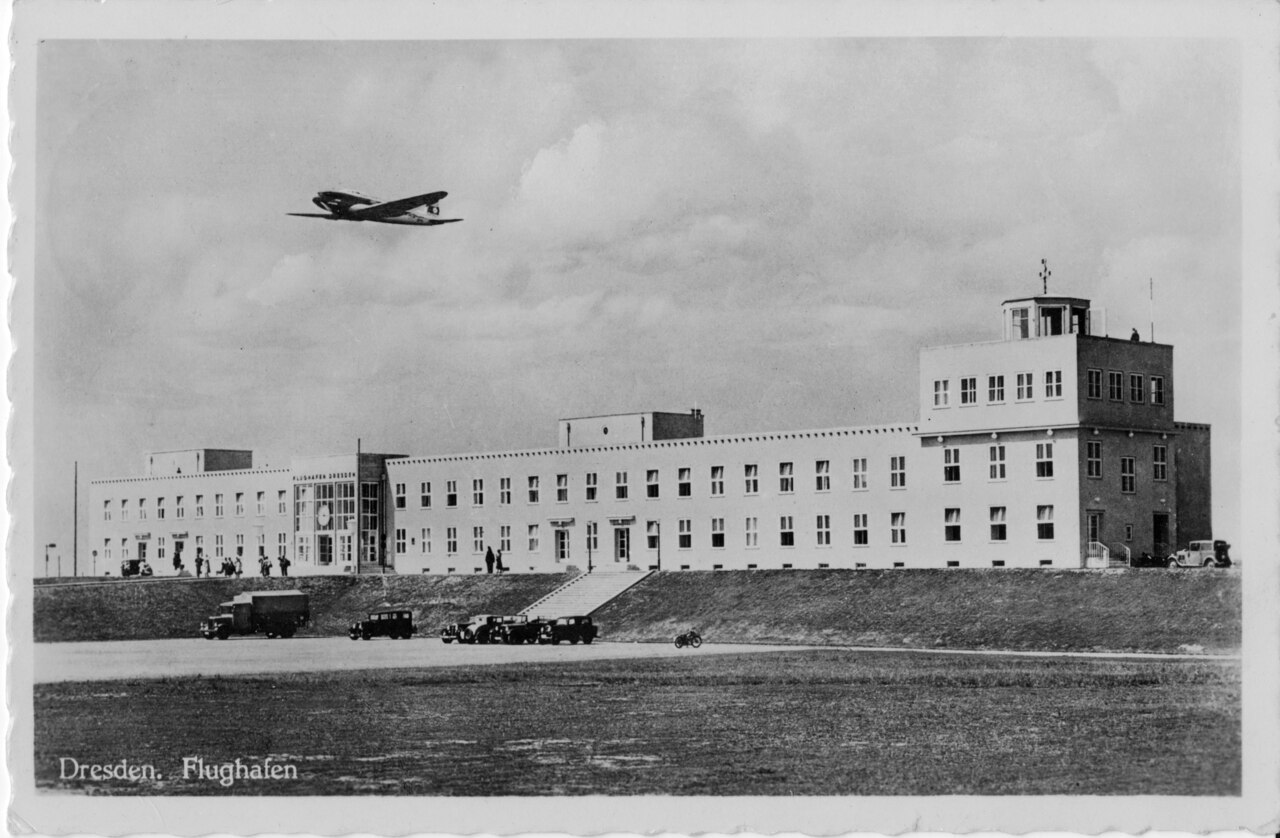
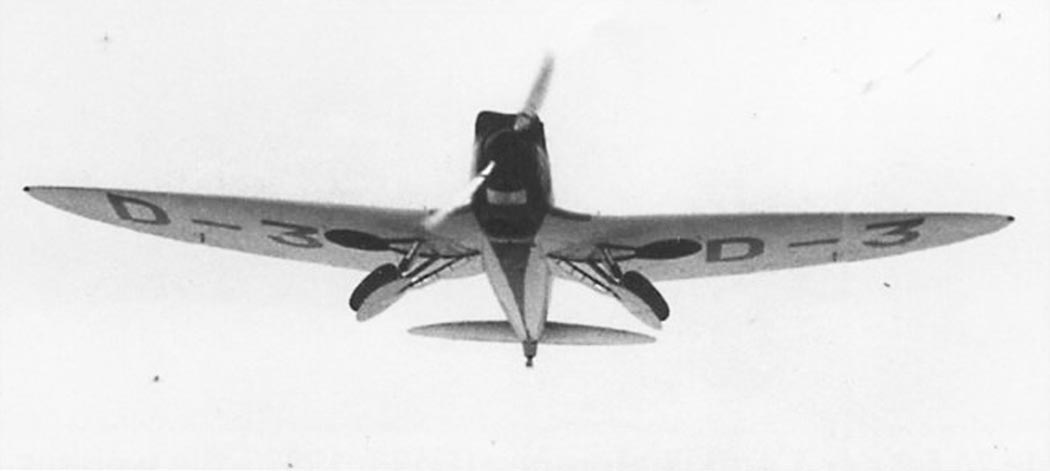
Heinkel set to work on this new mail plane for Lufthansa, focusing on an overall reduction of drag to make the aircraft as fast as possible. A low-wing cantilever monoplane design was used, coupled with an elliptical wing. Additionally, Heinkel’s developmental mail plane had a smooth skin finish and retractable landing gear. Every inch of the He 70 was built for speed. Even the aircraft’s BMW VI 7.3 Z engine featured a radiator that could retract, further reducing the plane’s overall drag.
In the months following the Blitz’s first flight, the aircraft would go on to break eight world speed records. In 1934, the He 70 was taken into service by Deutsche Lufthansa. Eventually, larger aircraft replaced the He 70 in commercial operations, but the aircraft would soon find a role in the military. The Blitz was modified to fly as a light bomber and reconnaissance aircraft. The aircraft would go on to serve with the Luftwaffe, Royal Hungarian Air Force, and Ejército del Aire (Spanish Air Force) in the years leading up to World War II. By the time the Second World War was active, the He 70 was relegated to mostly training duties.
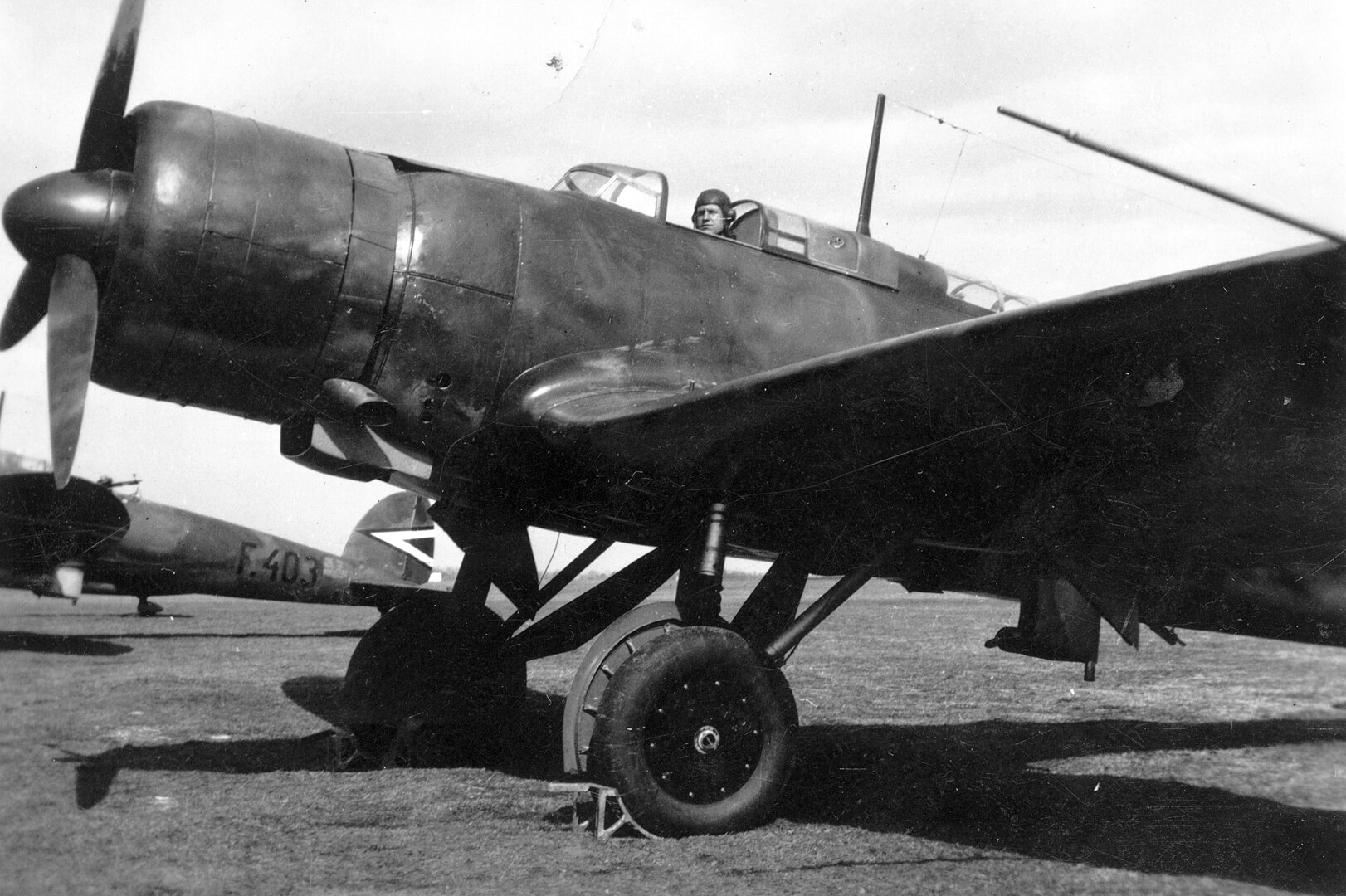
Heinkel’s He 70F-2 Blitz was powered by a 740-horsepower BMW VI 7.3 Z V-12 liquid-cooled engine. The aircraft had a crew of three (pilot, radio operator, gunner), and could attain a maximum airspeed of 220 miles per hour. The He 70 had a range of 1,130 nautical miles and a service ceiling of 20,000 feet. Armament for the Blitz included one 7.92 millimeter MG 15 machine gun in the rear cockpit, and the capacity for six 110-pound, or twenty-four 22-pound, bombs internally.
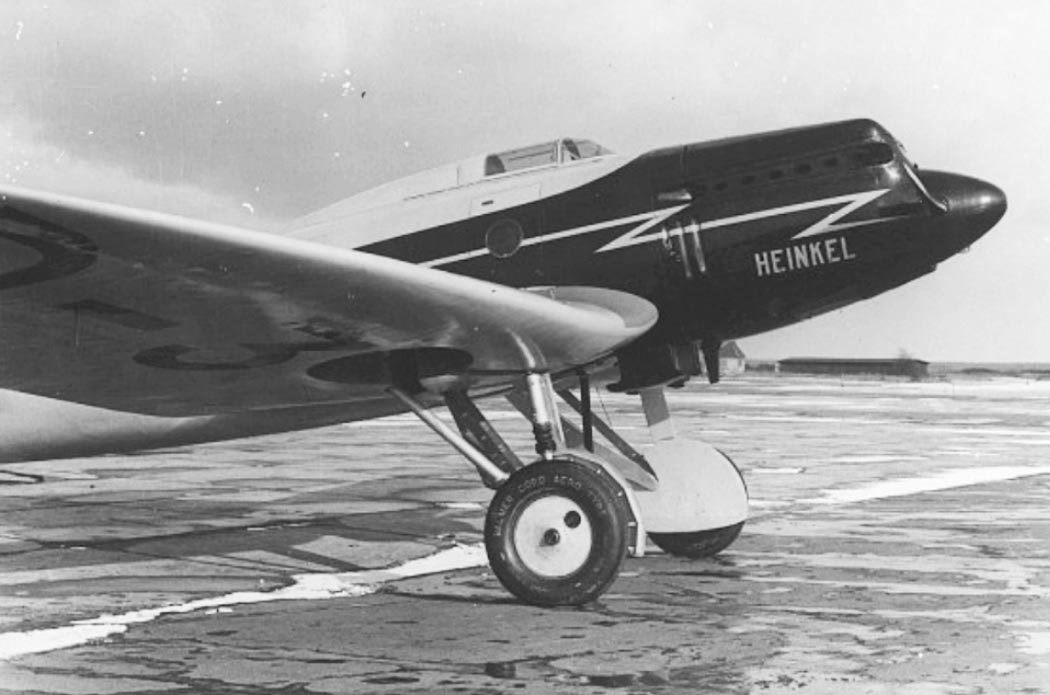
The He 70 is often referred to as the “ancestor” of the Heinkel He 111, a German medium bomber used in World War II. The aircraft both utilized an elliptical wing and streamlined fuselage – signature features of Heinkel’s design at the time. The He 70 also served as inspiration for the Japanese Aichi D3A Val dive bomber, after one was sent to Japan for study. The Blitz was scaled down by Heinkel to produce the He 112 fighter, which ultimately lost out to the Messerschmitt Bf 109. Heinkel built a total of 324 He 70s, and the final Blitz was retired from service with the Spanish Air Force in 1954.