
By Randy Malmstrom
Since his childhood, Randy Malmstrom has had a passion for aviation history and historic military aircraft in particular. He has a particular penchant for documenting specific airframes with a highly detailed series of walk-around images and an in-depth exploration of their history, which have proved to be popular with many of those who have seen them, and we thought our readers would be equally fascinated too. This installment of Randy’s Warbird Profiles takes a look at the Antonov AN-2 on display at the Museum of Flight in Seattle, Washington.
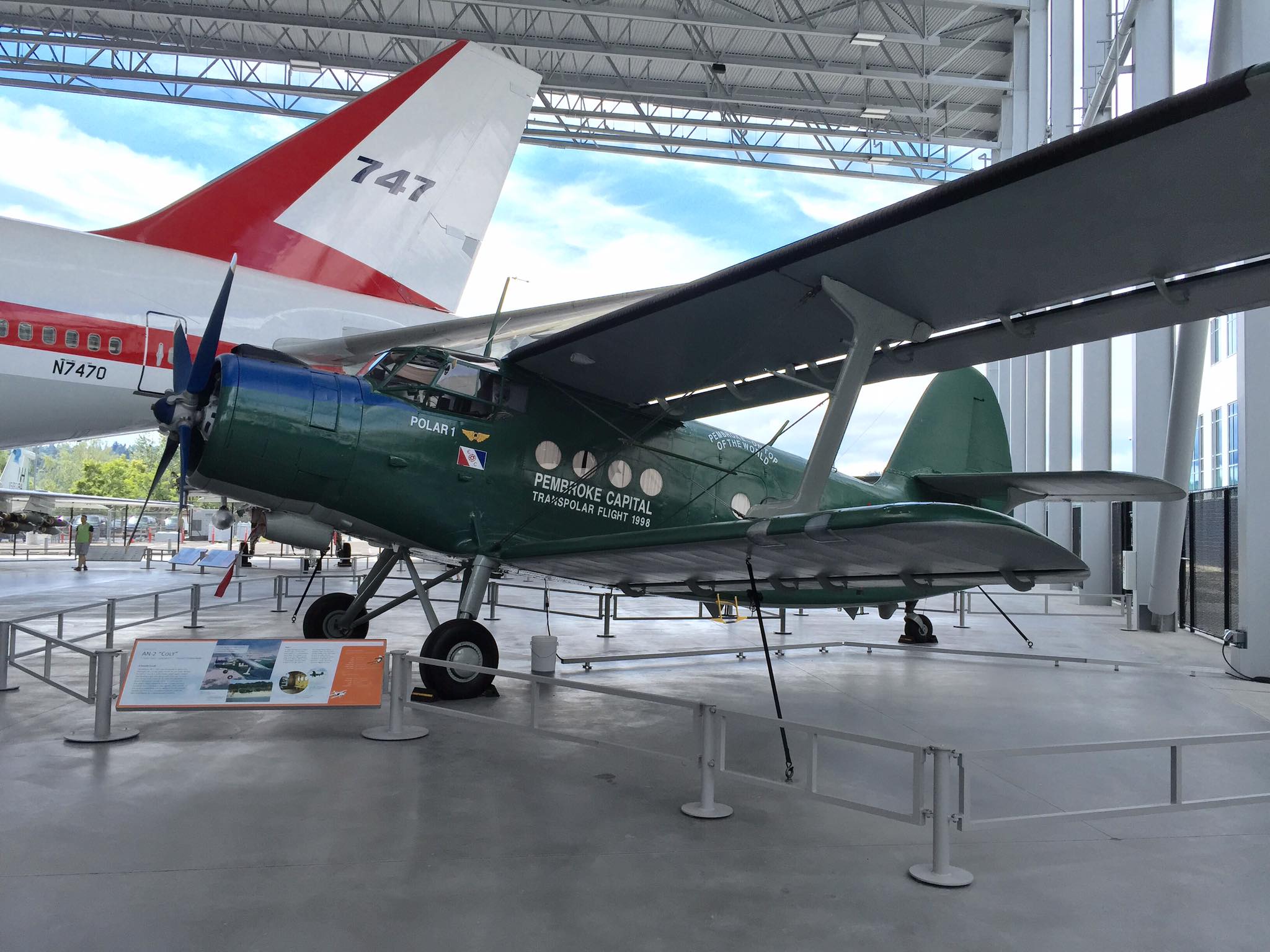
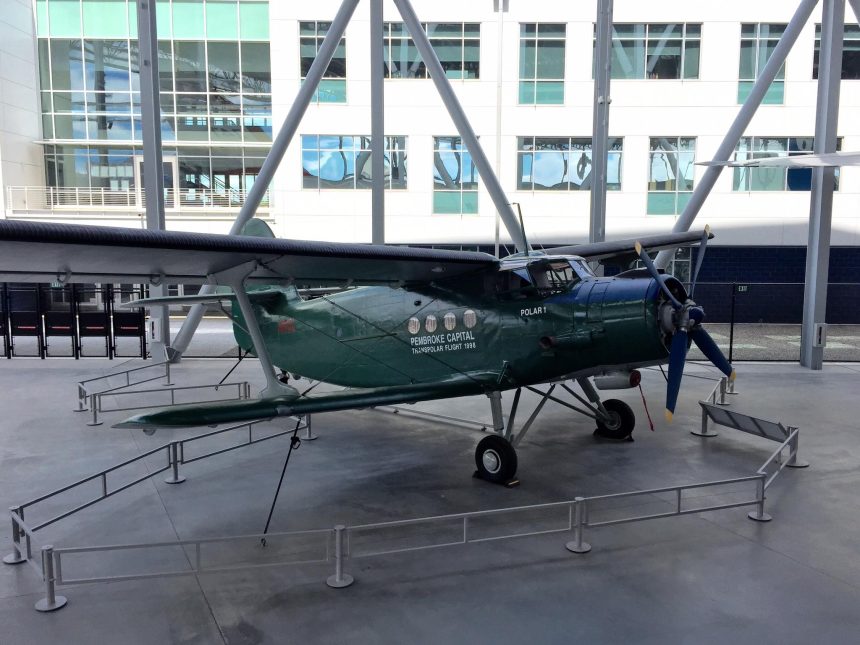
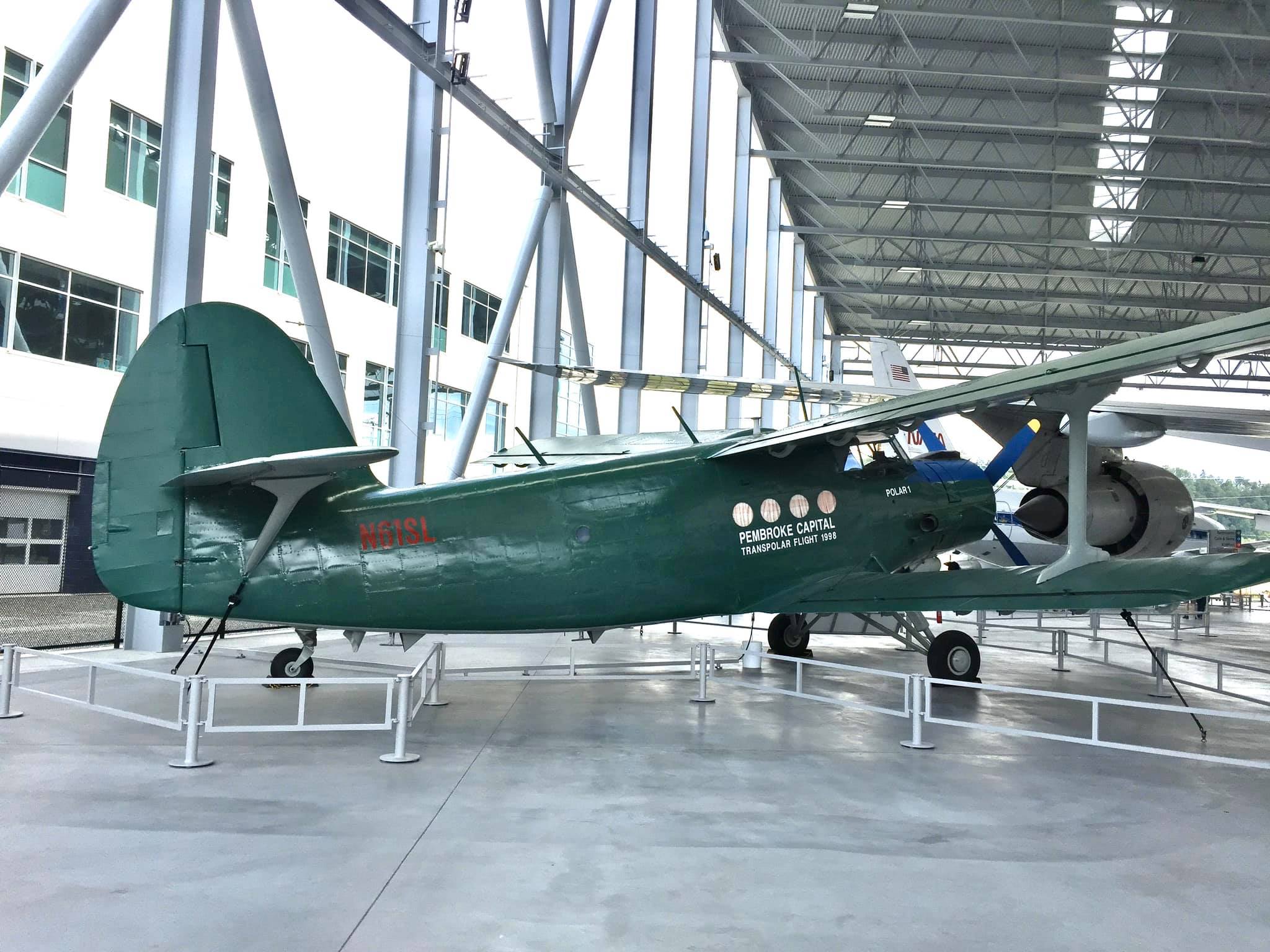
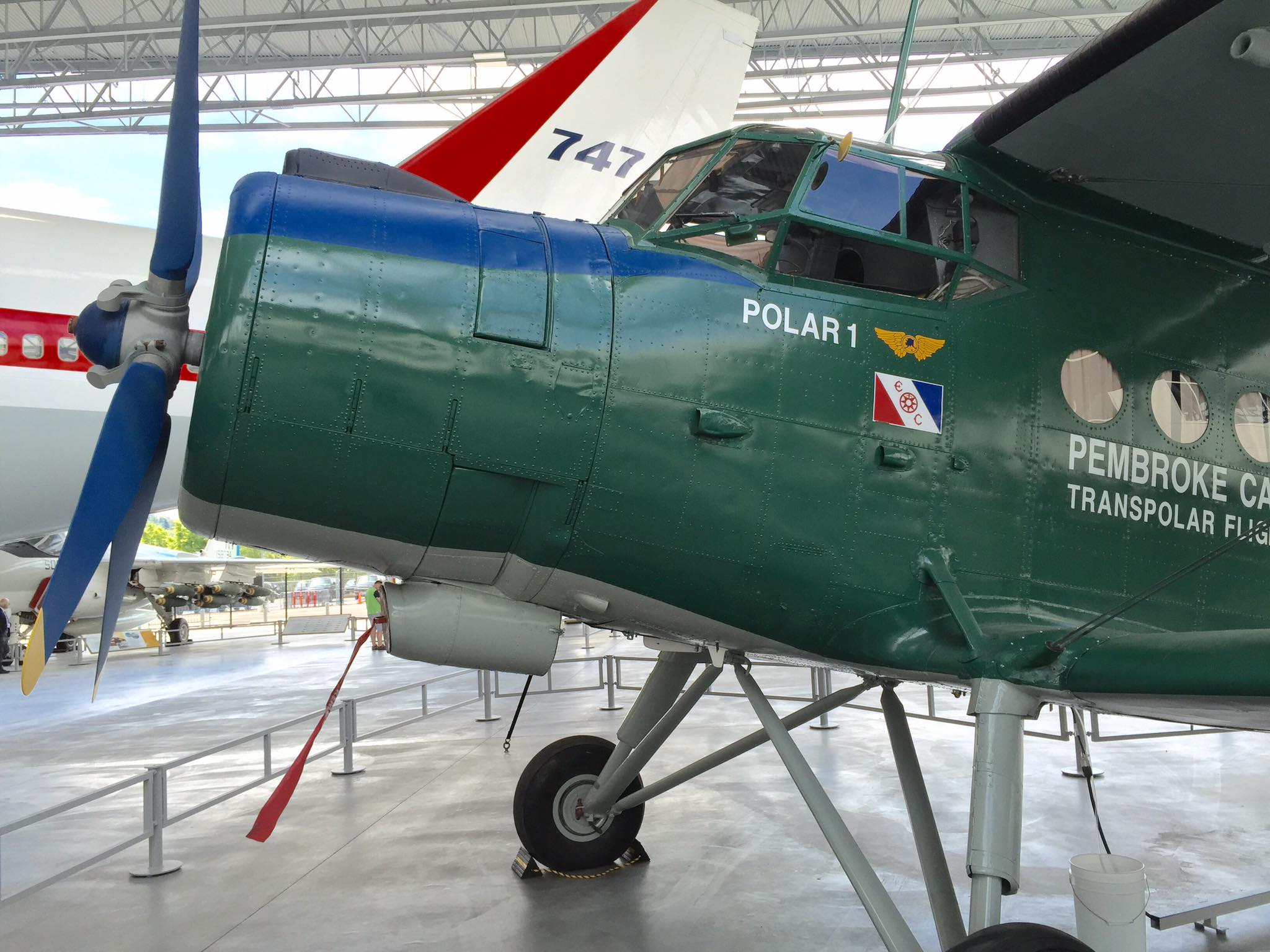
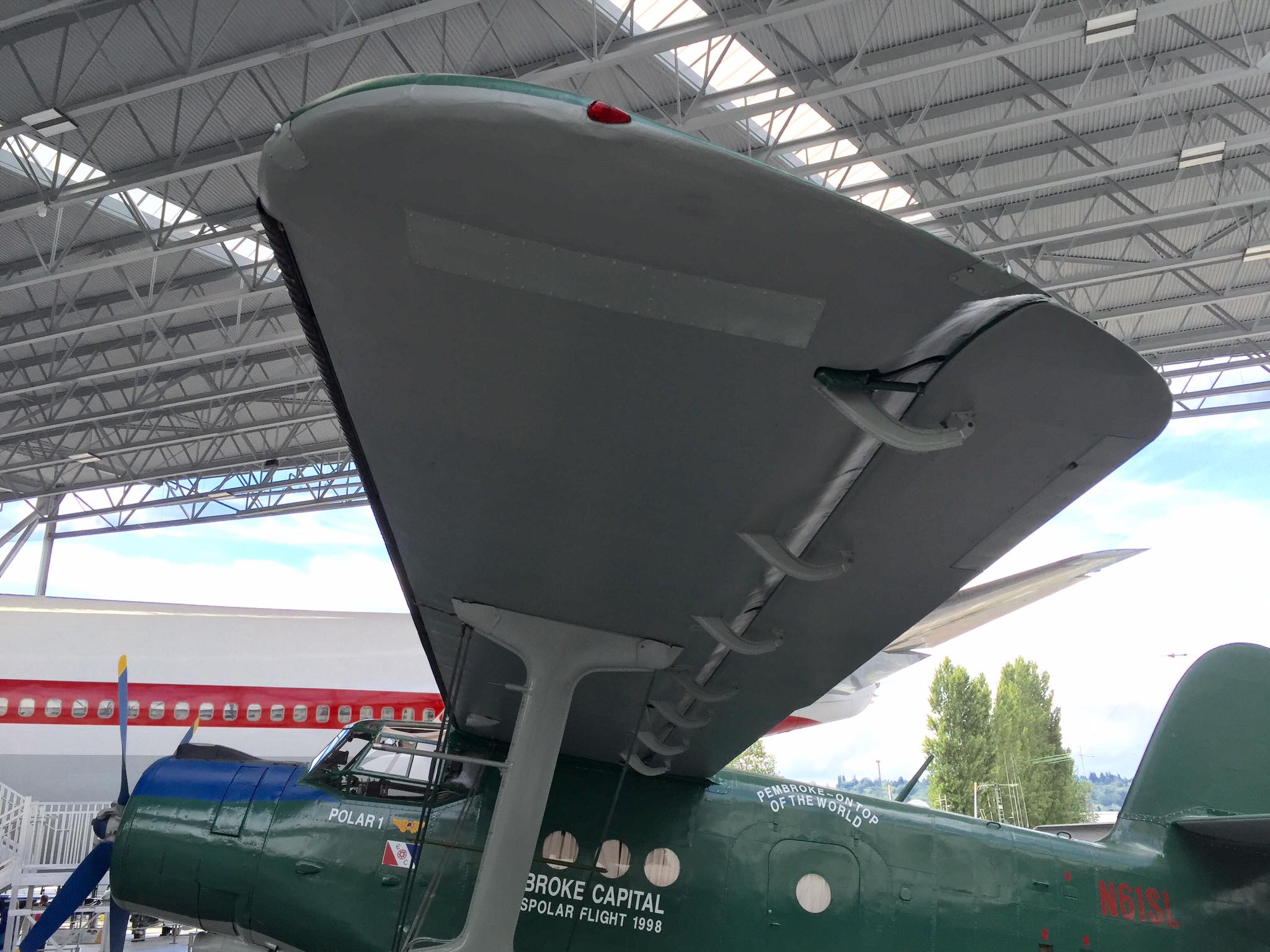
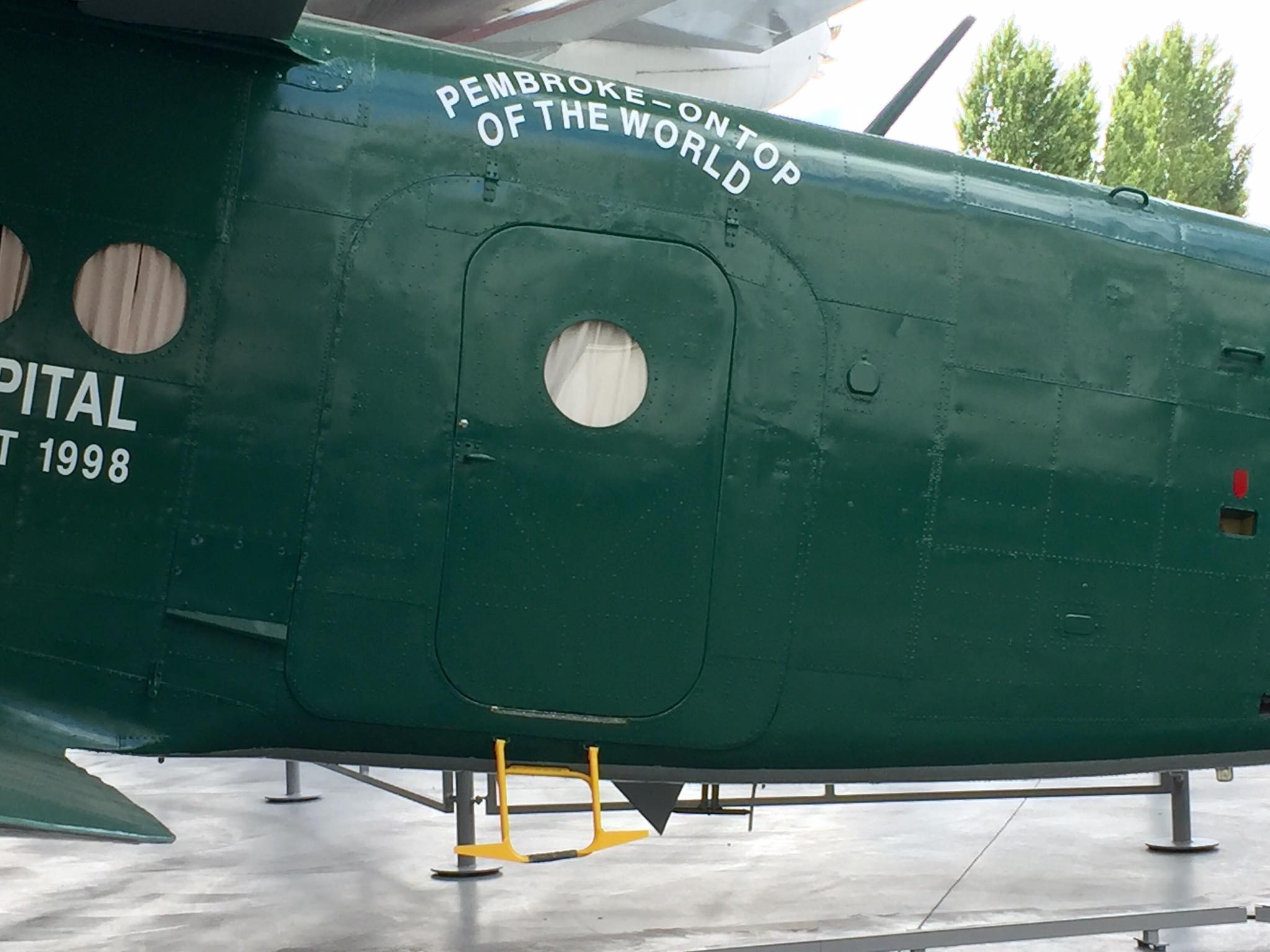
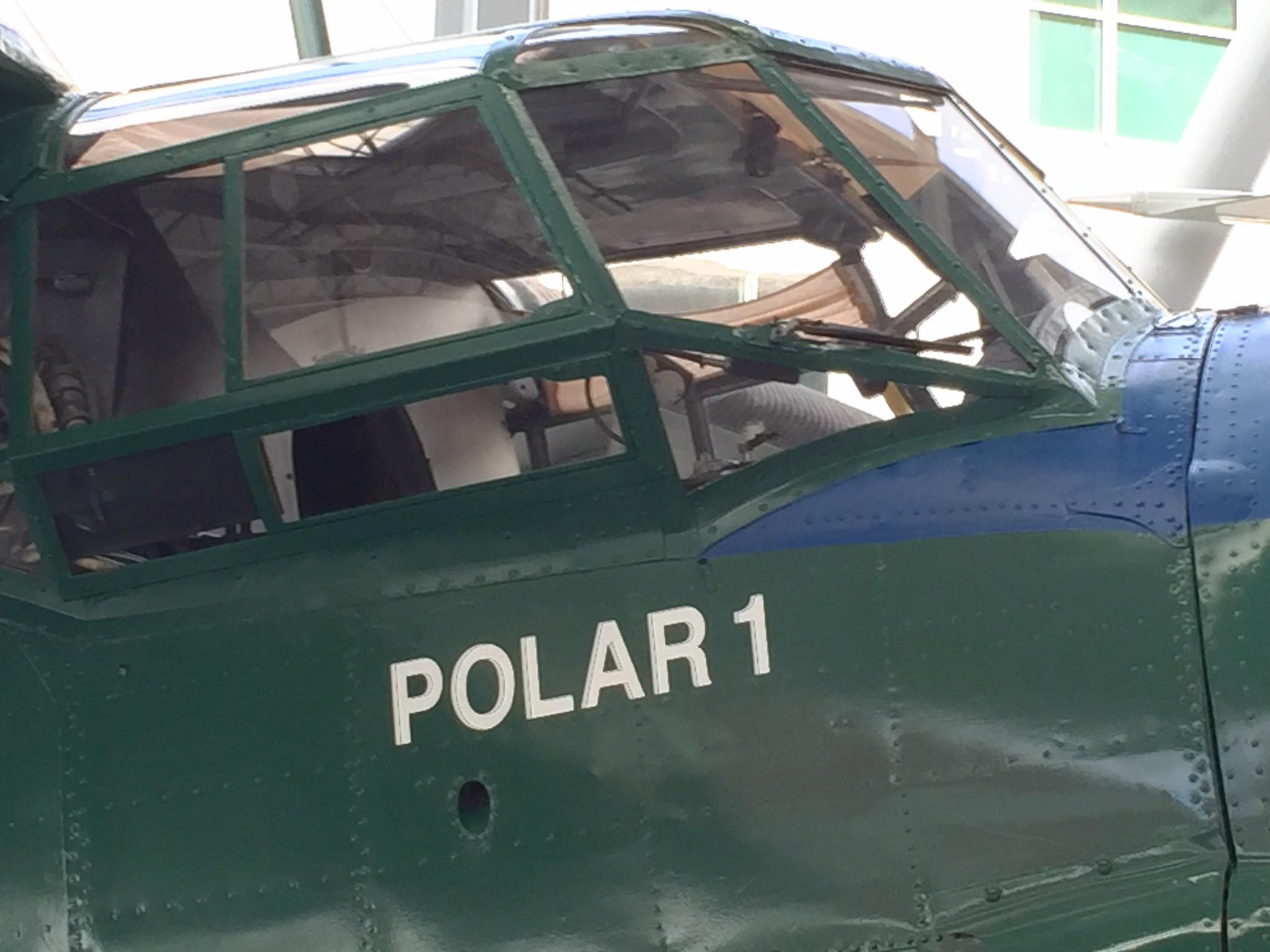
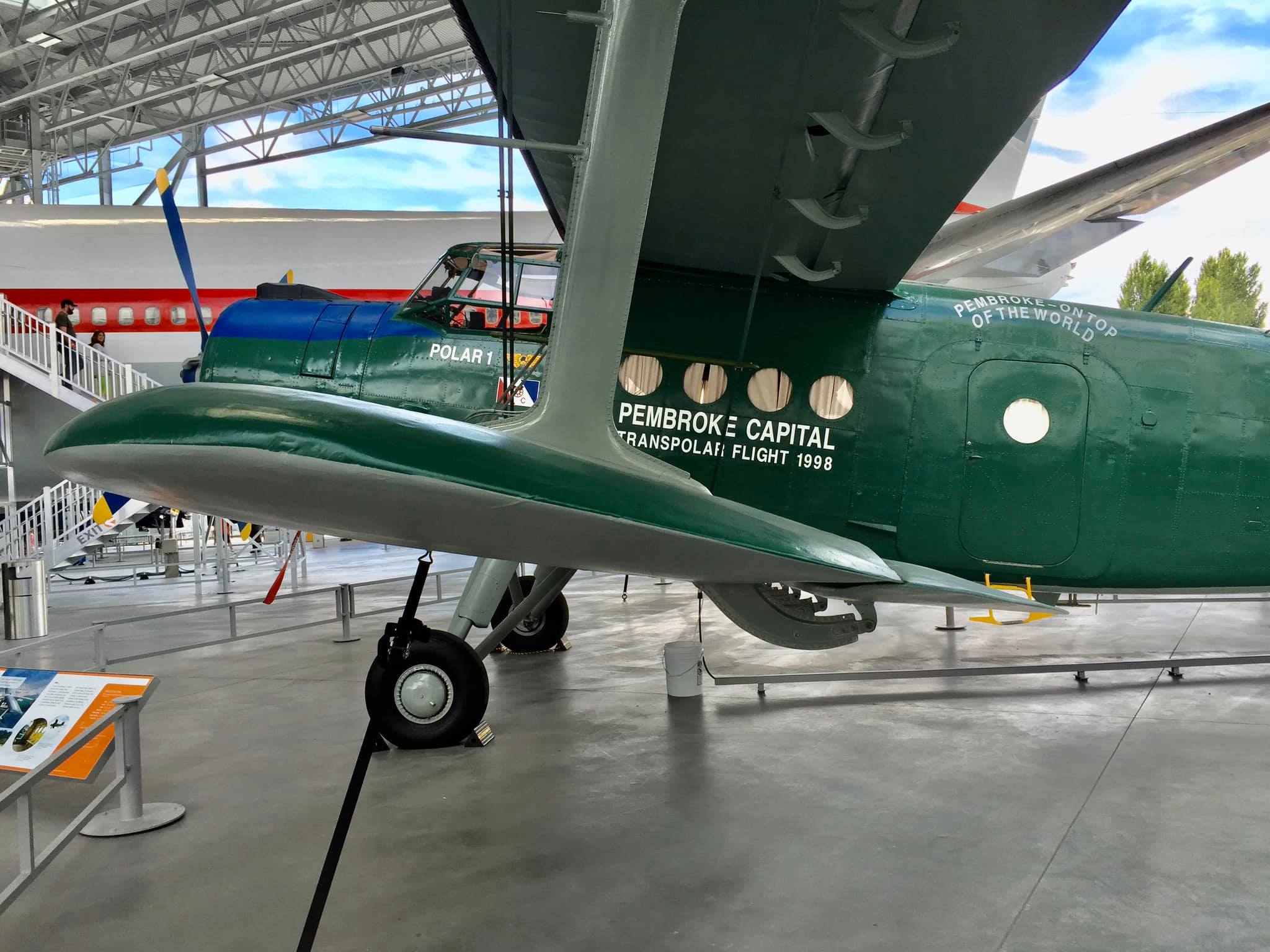
Antonov AN-2R, s/n 1G17527, N61SL, NATO reporting name “Colt” and “Type 22” by the U.S. Department of Defense, “Kukuruznik” (Corn Farmer), and is also known throughout the former Soviet Union block as “Annushka” (Annie) and “Flying Can.” This particular airplane was built in 1977 by PZL Mielec, a Polish aerospace manufacturer that produced more AN-2s than any other at the plant. I find little of the early flight history of this airplane, e.g., 1977 to an unknown owner as CCCP-62504; 1993 to another unknown owner as FLA-01270; until 1996-97, its acquisition and certificate of airworthiness as indicated in the following. As “Polar 1” in a flight ending April 13, 1998, it took part in a flight honoring the ca. 2,200-mile, 20-hour polar flight made in Lockheed Vega, NX3903 in April of 1928 by American aviators Carl Benjamin “Ben” Eielson and George H. Wilkins from Point Barrow, Alaska to Spitsbergen, Svalbard, Norway (see historic photo). Following completion of the honorary flight, this airplane was donated to the Museum of Flight in Seattle (which is the registered owner) by Pembroke Capital of Dublin, one of the sponsors of the transpolar flight, which in turn had hired Shane Lundgren – founder of Air Berlin – as a marketing director for the flight. Note that the polar bear has not yet been added to the tail fin.
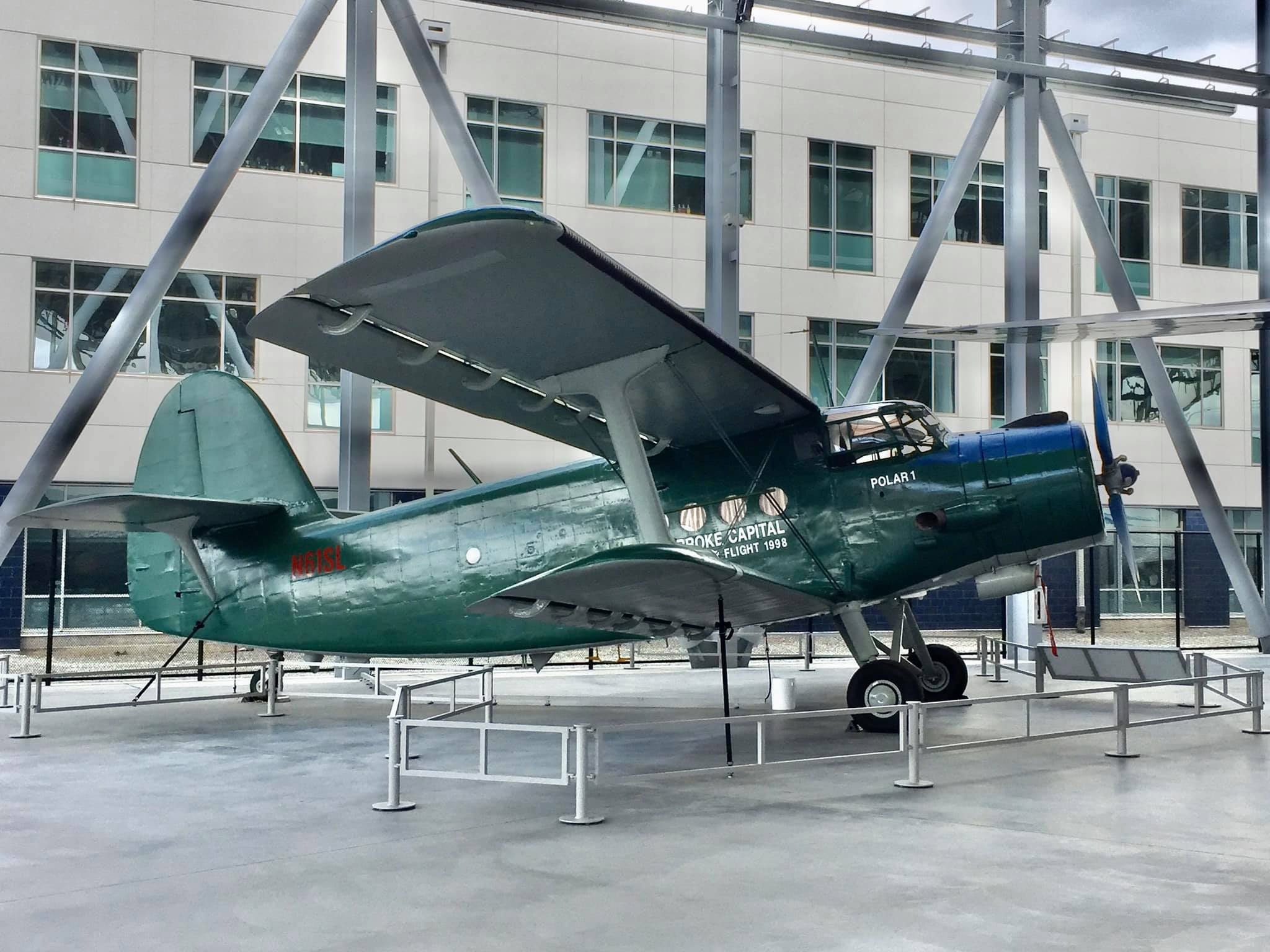
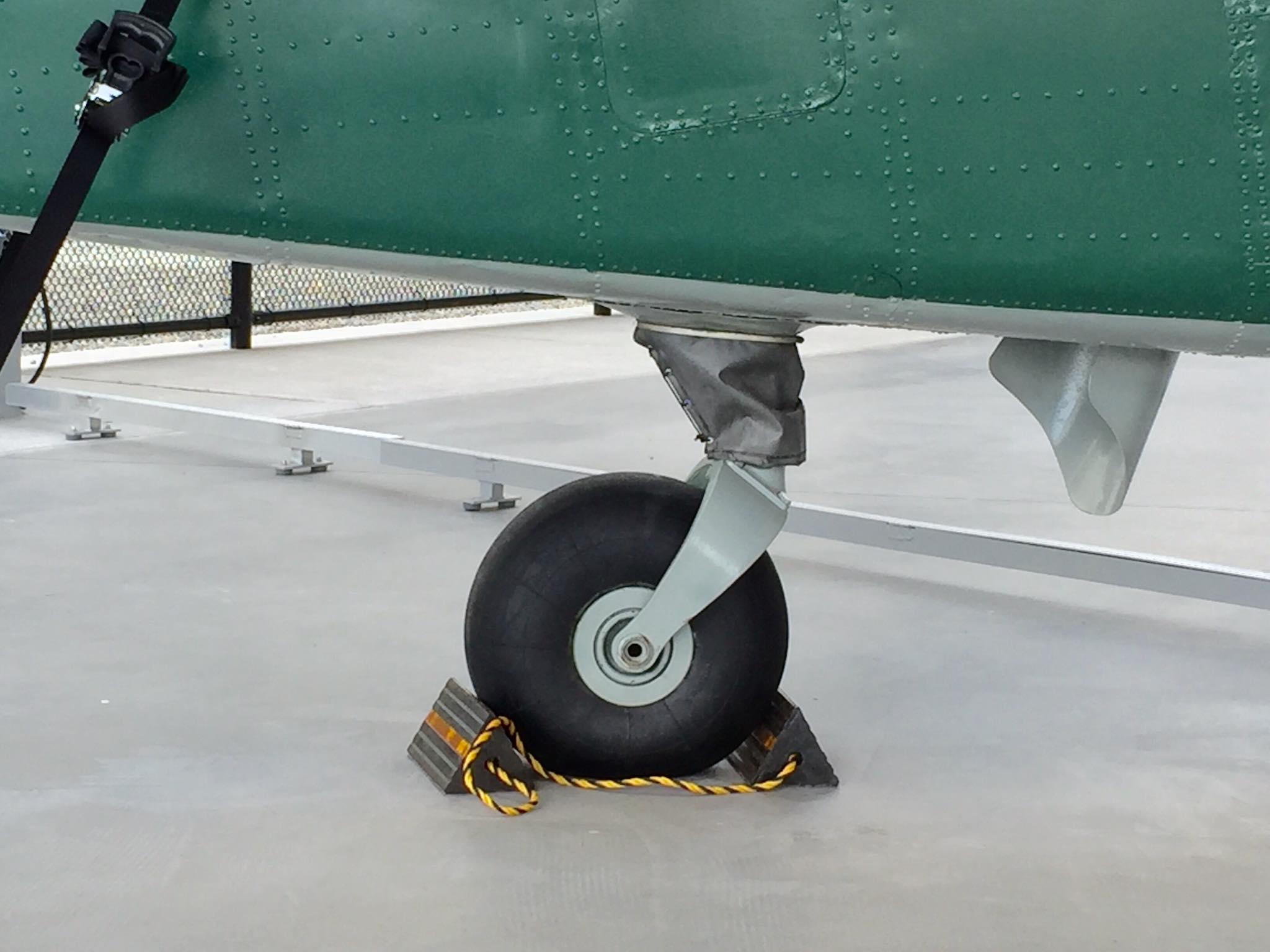
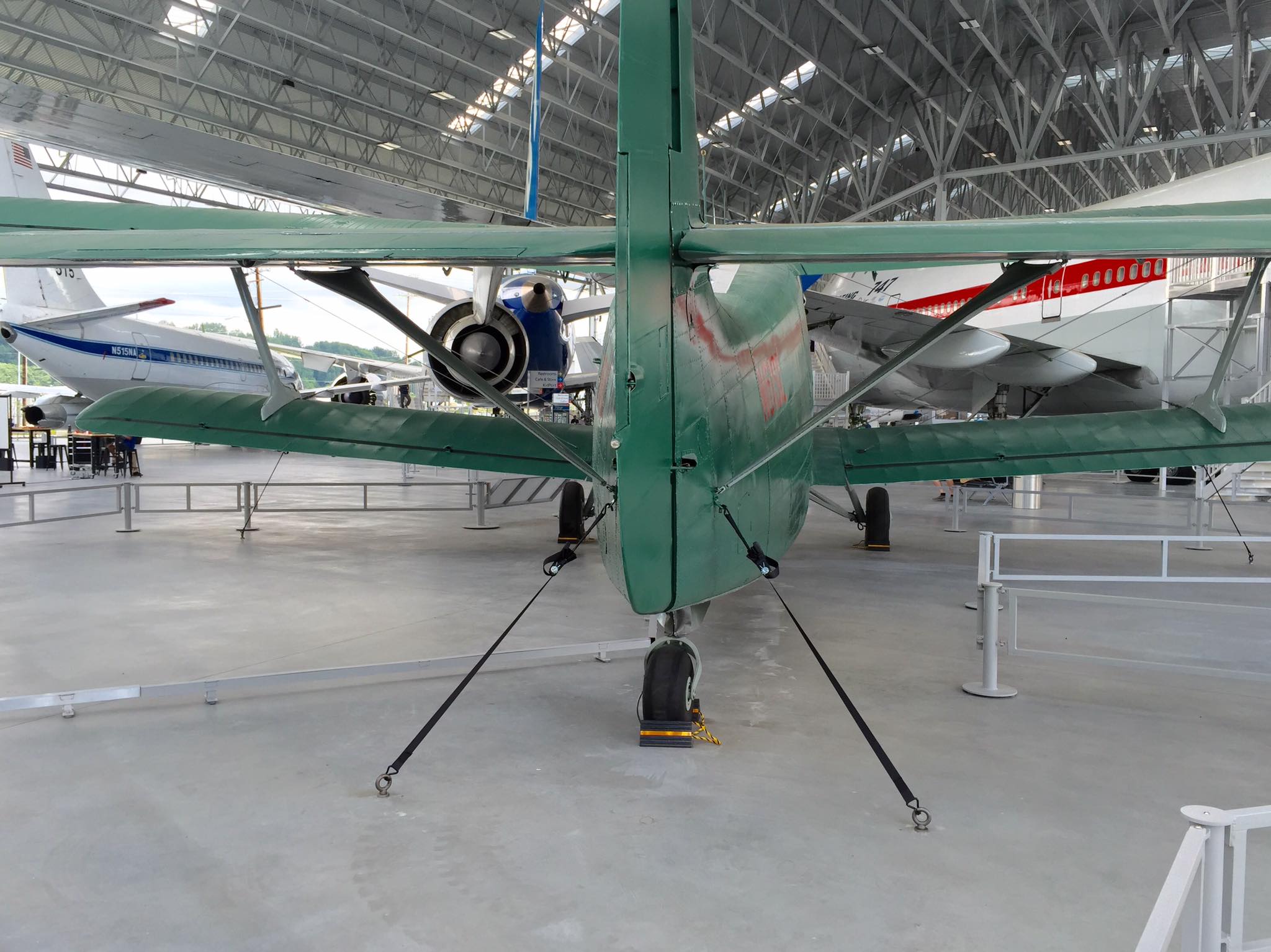
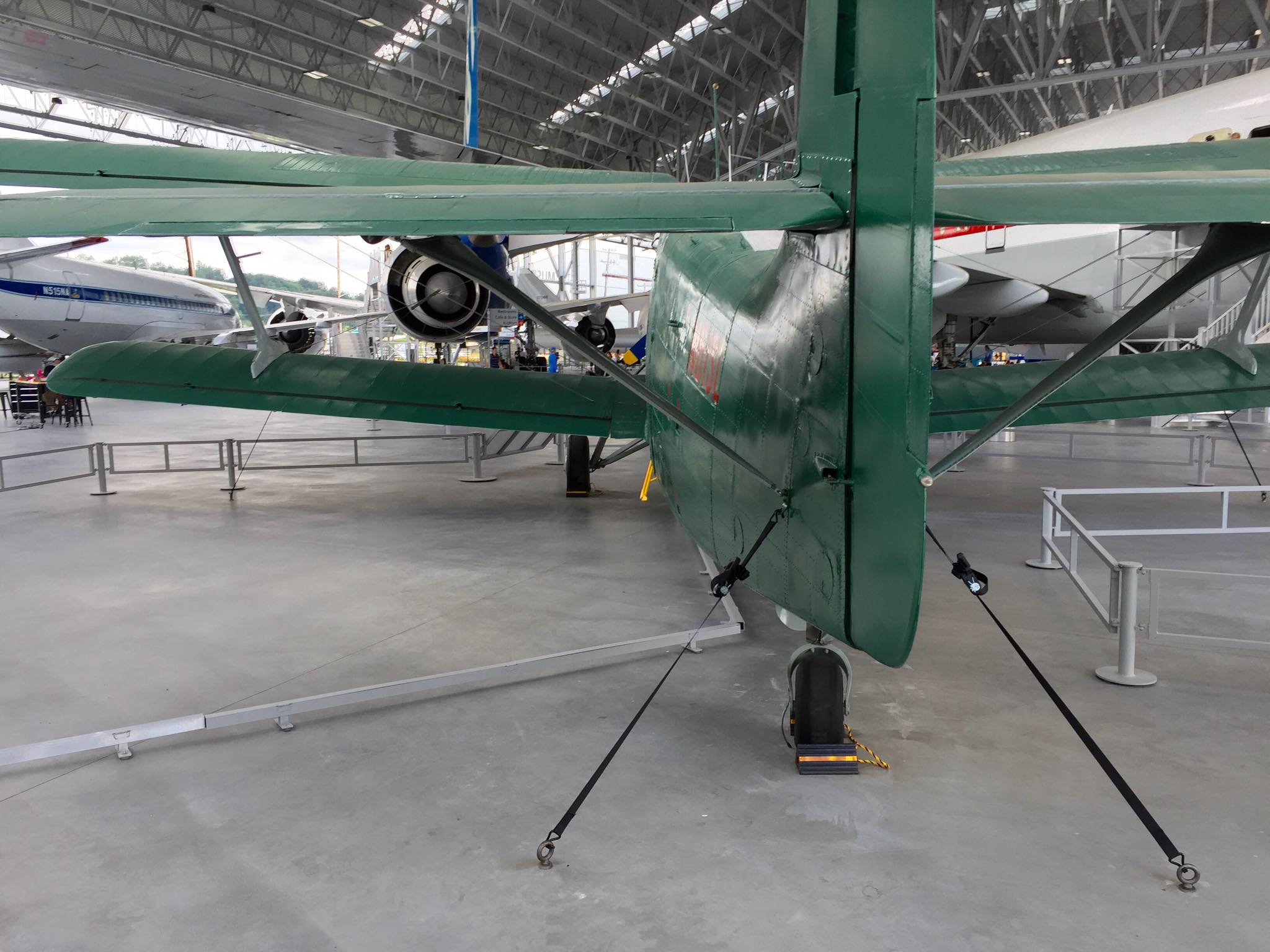
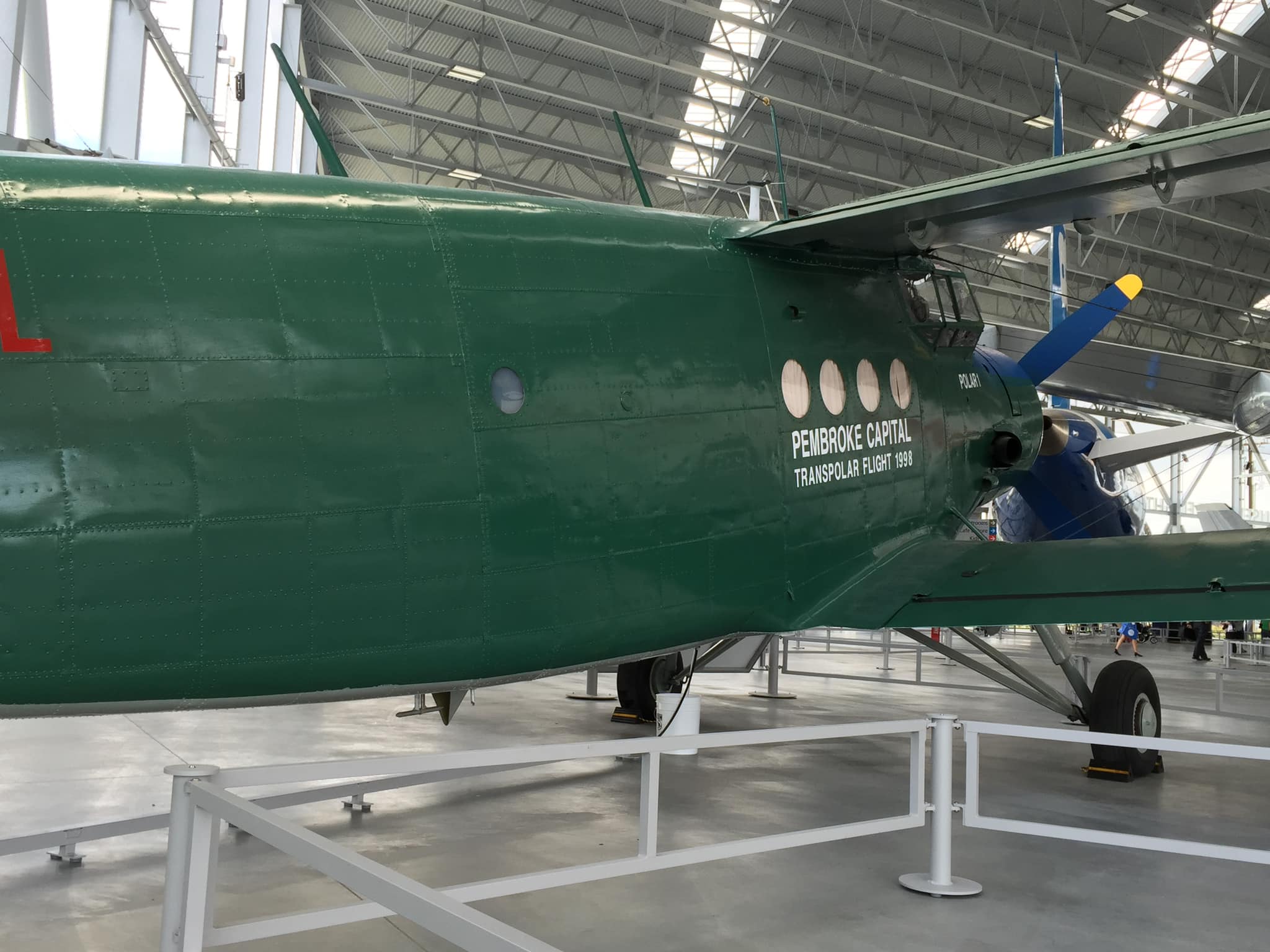
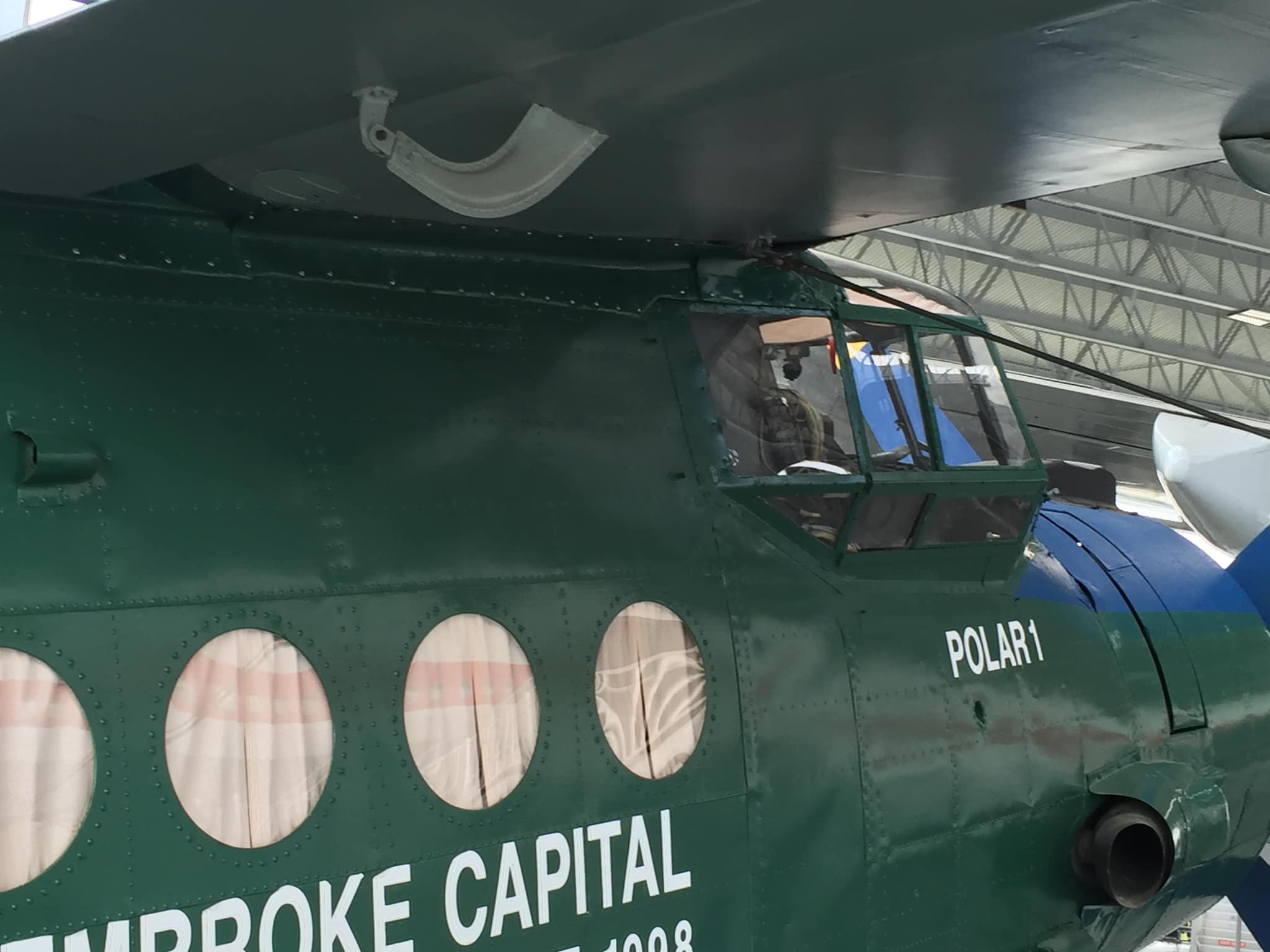
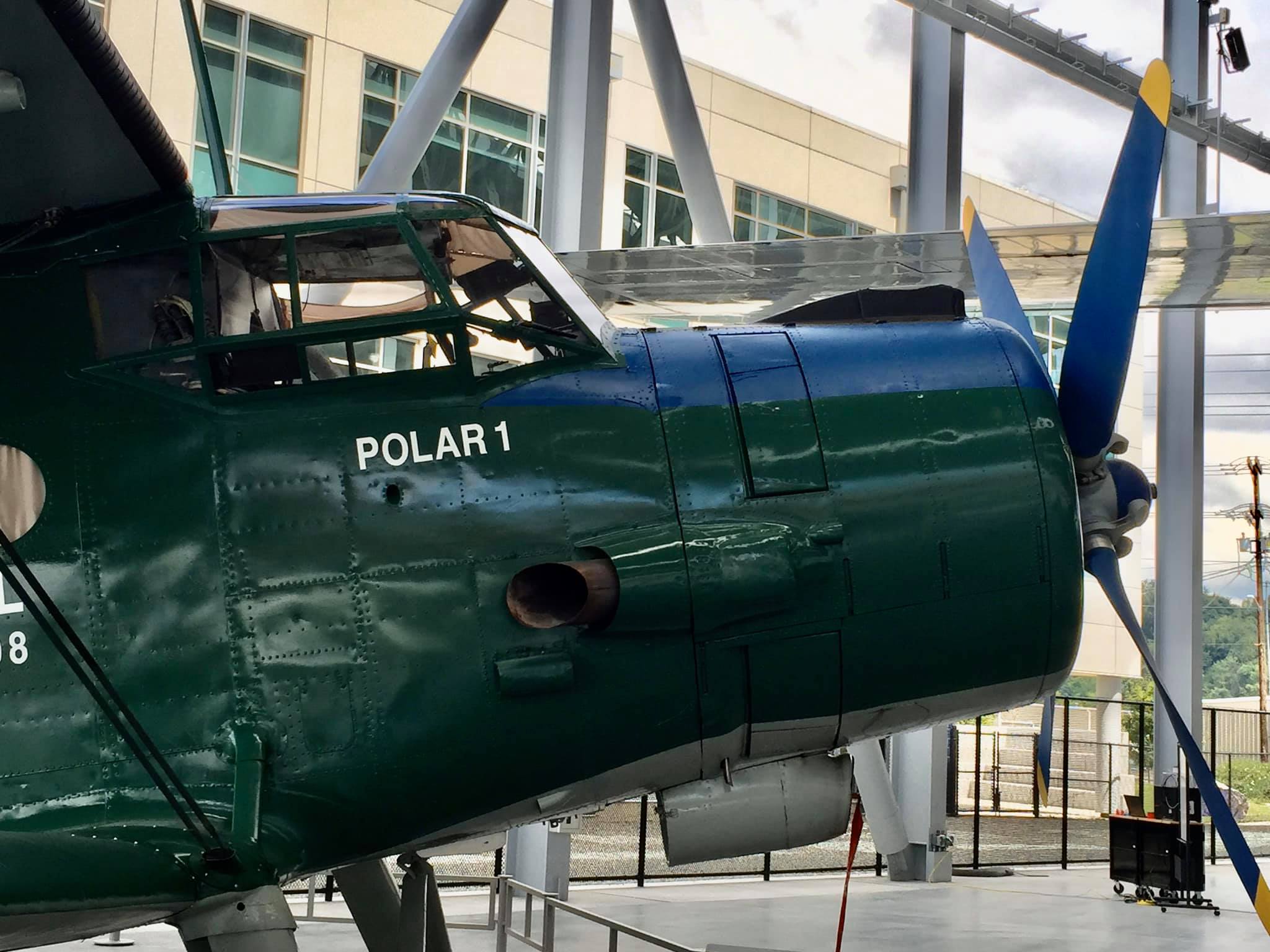
Designed by Oleg Antonov and built by the konstruktorskoye byuro OKB-153 (OKB-153 Design Bureau = Soviet “OKB” or Experimental Design Bureau, 153 the number assigned to Antonov), a/k/a Kiev Mechanical Plant/Research and Design Bureau, to fulfill a Soviet Forest Ministry requirement for a crop duster and utility transport that could take off and land in short spaces on unpaved, grass airstrips, and dirt roads and forest clearings. The AN-2 first flew in 1947 and during its long, record-setting production run, more than 19,000 have been produced in Russia and Poland, with thousands more built under license in Ukraine and, beginning in 1957, the People’s Republic of China (with the designation “Y-5”). They were flown in combat for the first time during the Korean War and later in the Vietnam War.
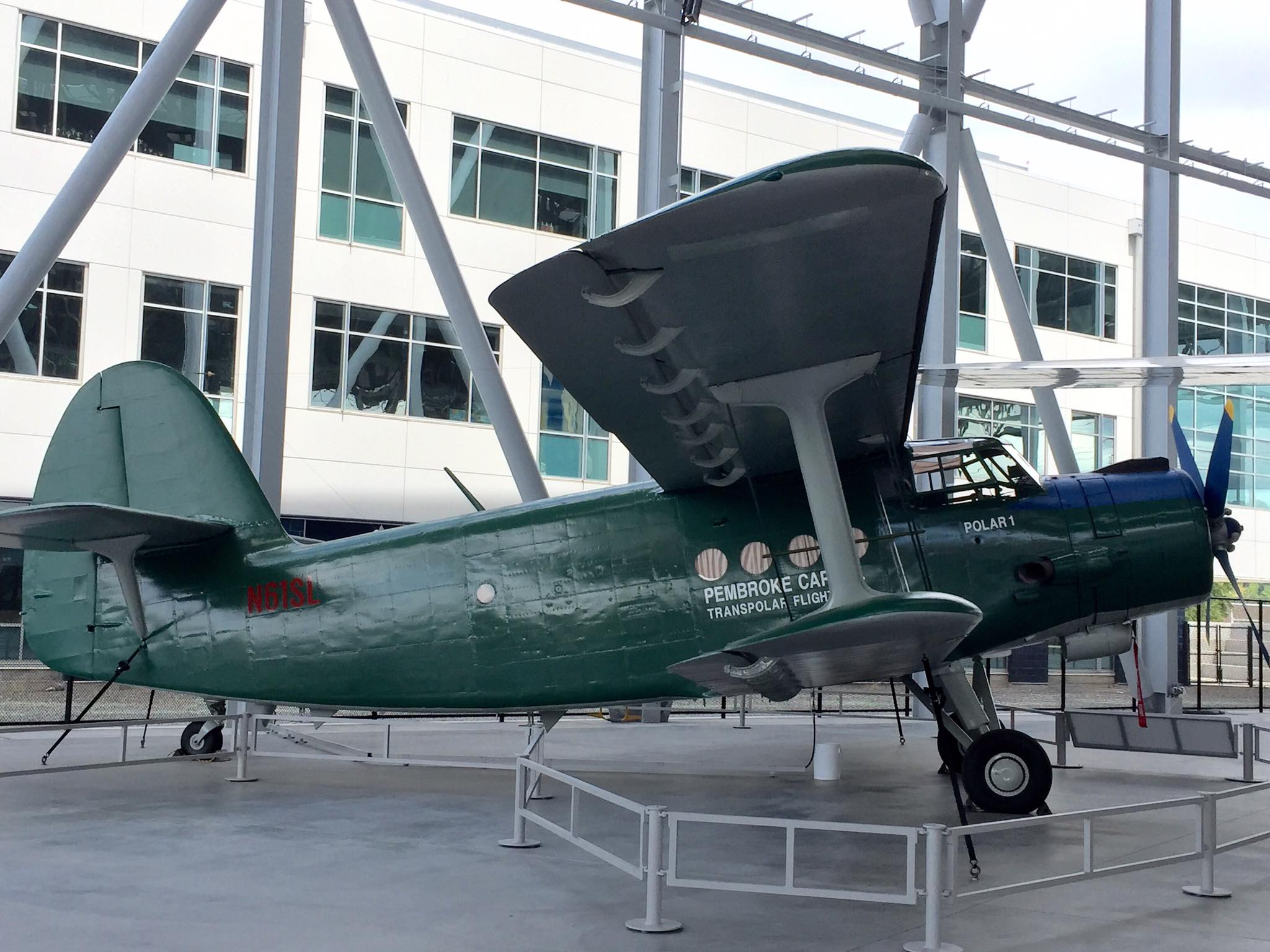
The production in China was taken over by Shijiazhuang Aircraft, which has produced the Y-5N and the Y-5C paratroop carrier; these Chinese versions were fitted with winglets or triple tipsails, which reportedly provided a 20% higher climb rate and improved L/D (lift/drag) ratio by 15%. The AN-2 has been shipped worldwide for airlines and other civilian uses, and to as many as 50 militaries and is still in use in some capacities to this day, including Afghanistan, Albania, Angola, Azerbaijan, Byelorussia, Bulgaria, China, Croatia, Cuba, Czech Republic, Georgia, Germany, Hungary, Laos, Latvia, Mali, Mongolia, Nicaragua, North Korea, Poland, Romania, Russia, Slovak Republic, Tajikistan, Ukraine, Uzbekistan, and Vietnam, and has also been used for photogrammetry (AN-2P), ambulance (AN-2S), military transport (AN2-T), AN-2TD (parachute drops).
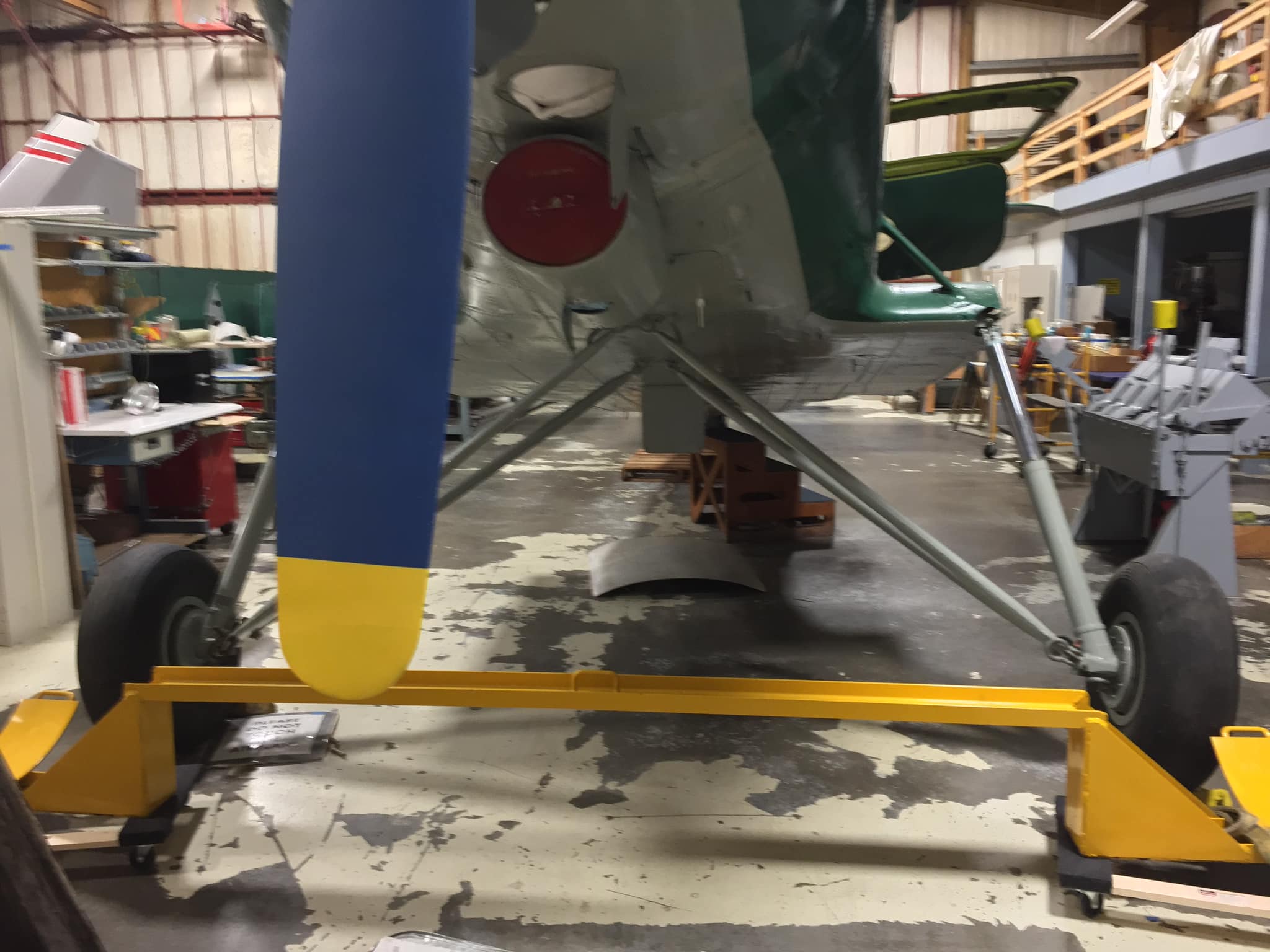
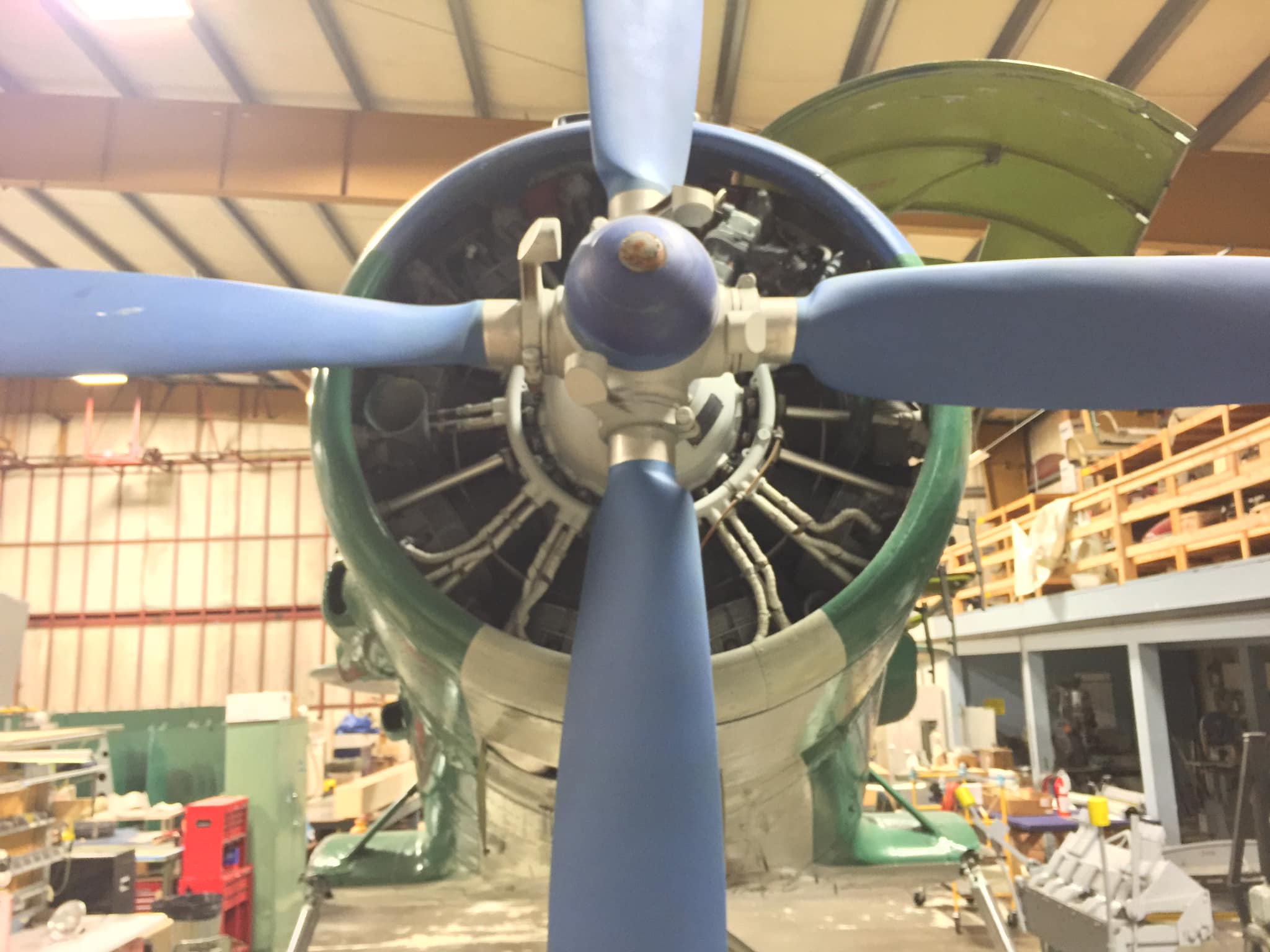
Notably, the aircraft has received publicity regarding its use by the Korean People’s Army Air Force (KPA) of the Democratic People’s Republic of Korea (North Korea) as a potential invasion aircraft into South Korea. It is still in use in North Korea as transport for special operations forces, including paratroopers. At least some are armed with air-to-ground rocket launchers. The aircraft is considered especially valuable in the Korean terrain because of its ability to fly low since radars operate on line-of-sight, making it less detectable, and the KPA has replaced much of the metal with wood and fabric. The AN-2 has been in the KPA arsenal since the 1950s, having been acquired from a number of countries as the AN-2 or Chinese Y-5, and currently has about 300 of the aircraft.
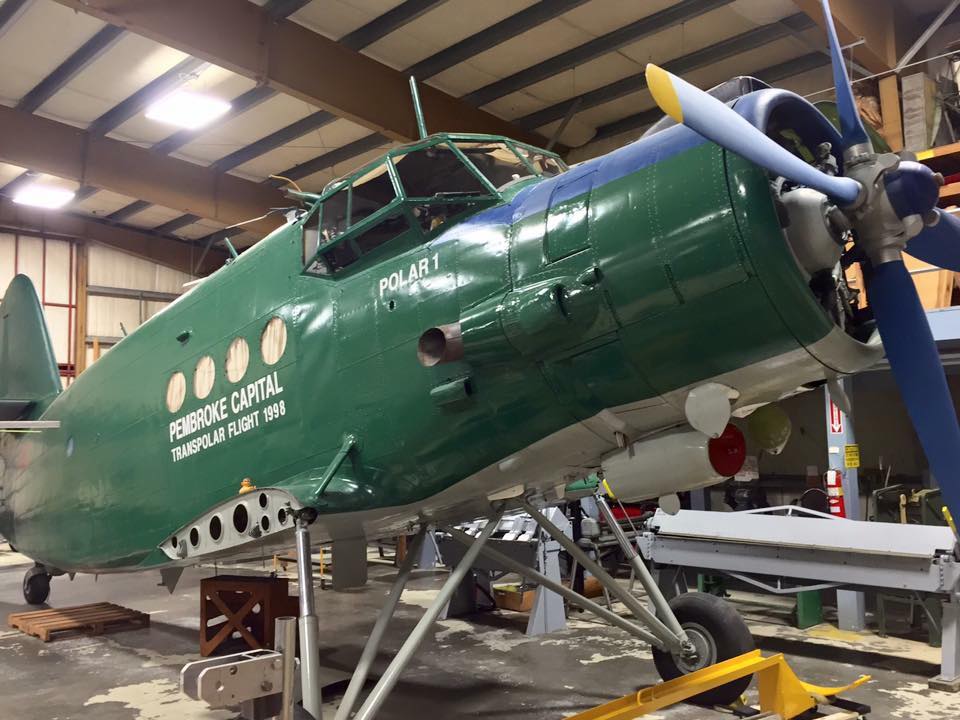
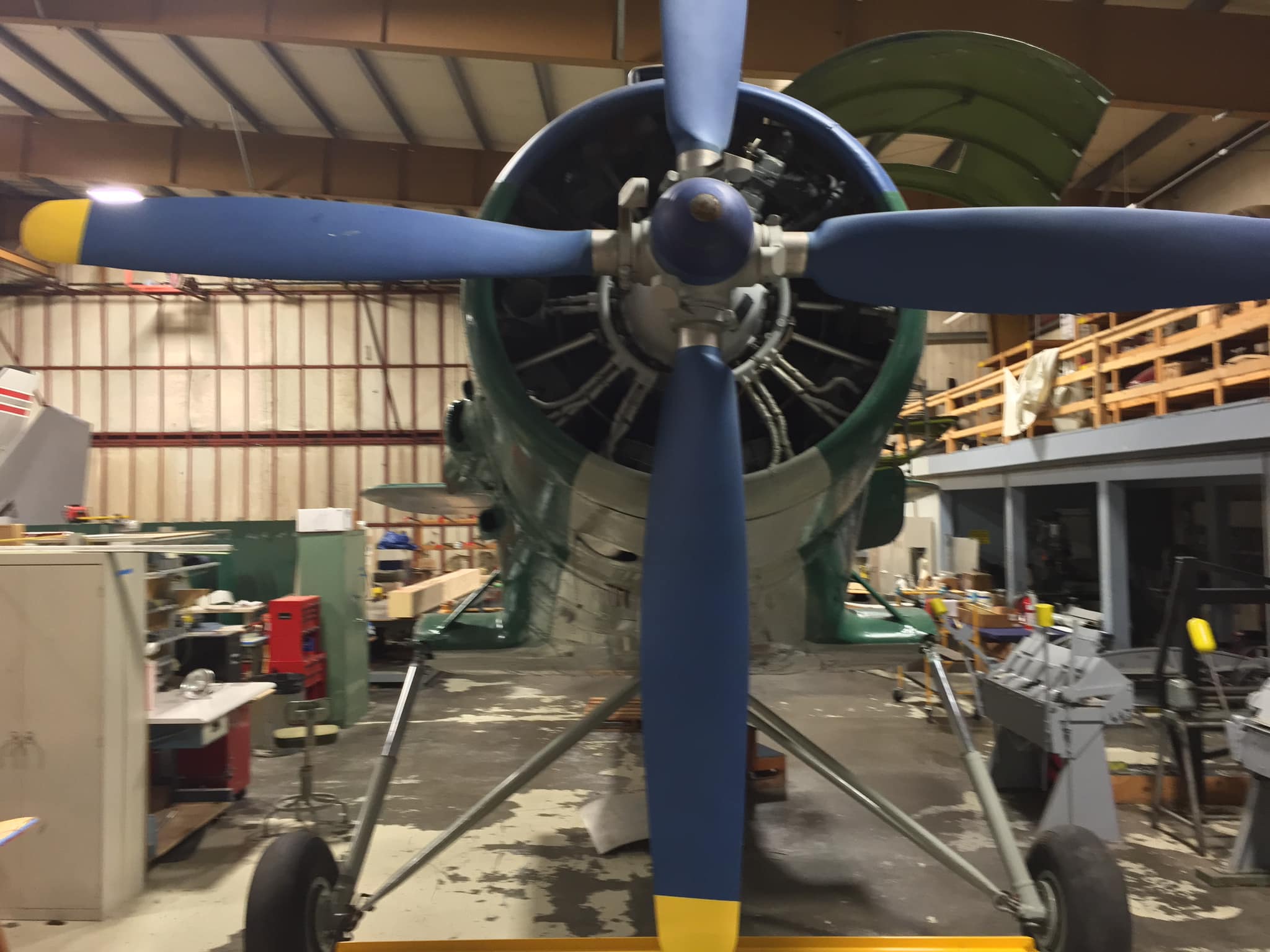
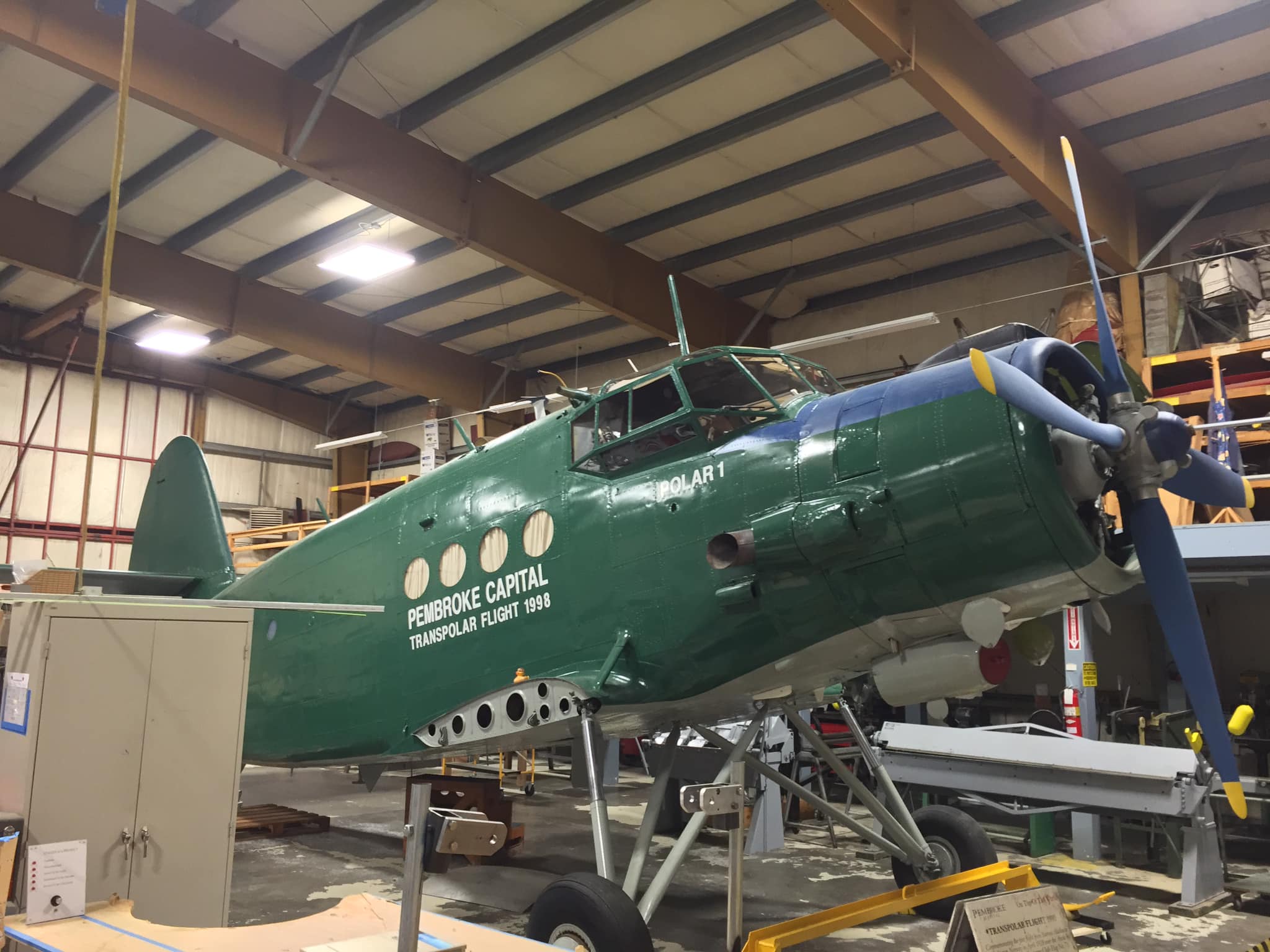
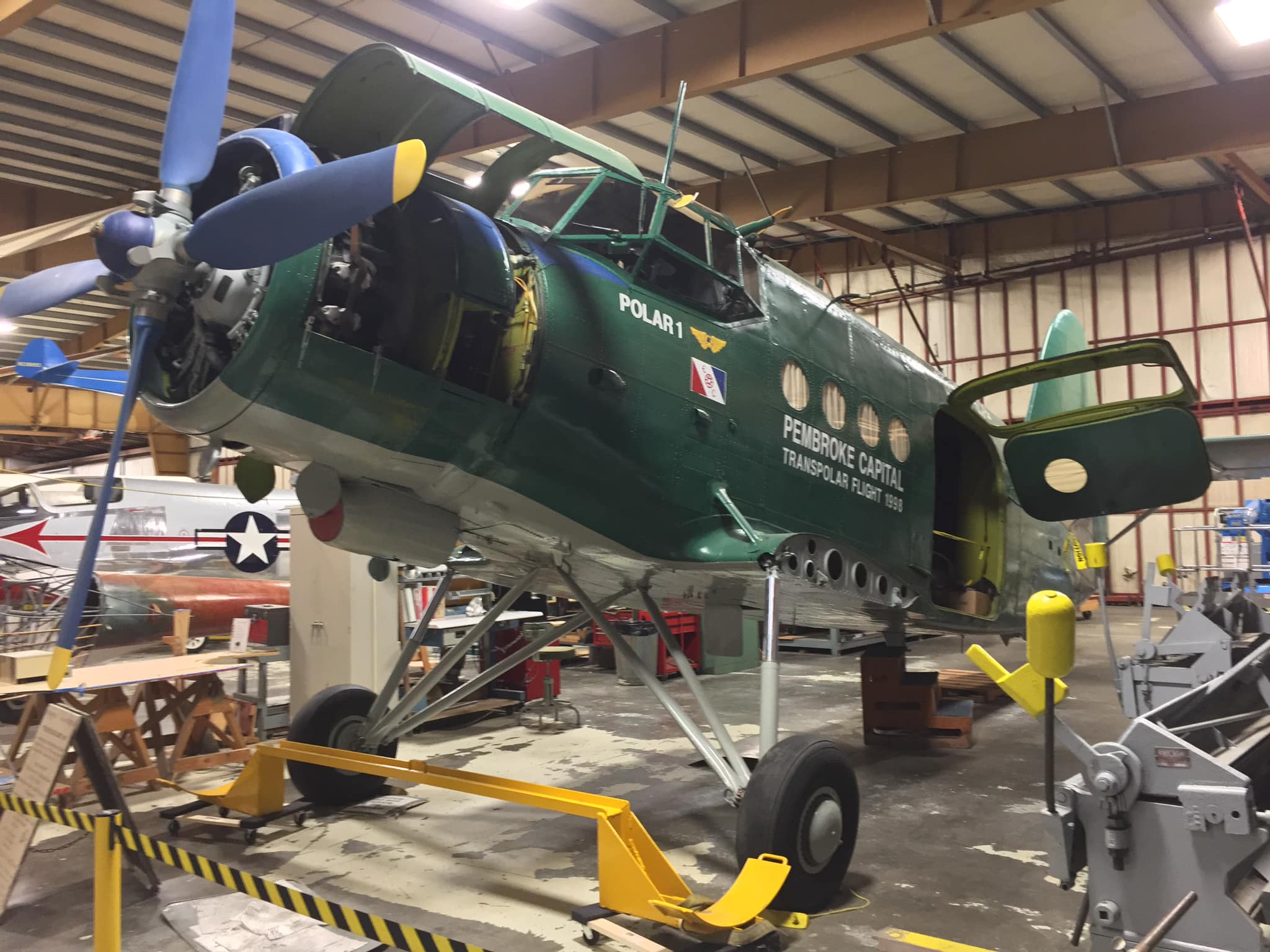
The aircraft is considered the largest single-engine biplane produced. It is fitted with control surfaces that are manually controlled with cables and rods rather than hydraulics, with full-span automatic leading edge slats (reminiscent of those found on the Messerschmitt Bf-109 among other aircraft) and flaperons that run the entire length of the trailing edges of the lower wings, and more on the top wings. The aircraft’s flight manual has no published stall speed, but it is known to be controllable at 25 mph (U.S. comparable). This has also made it popular with parachute training and skydiving schools.
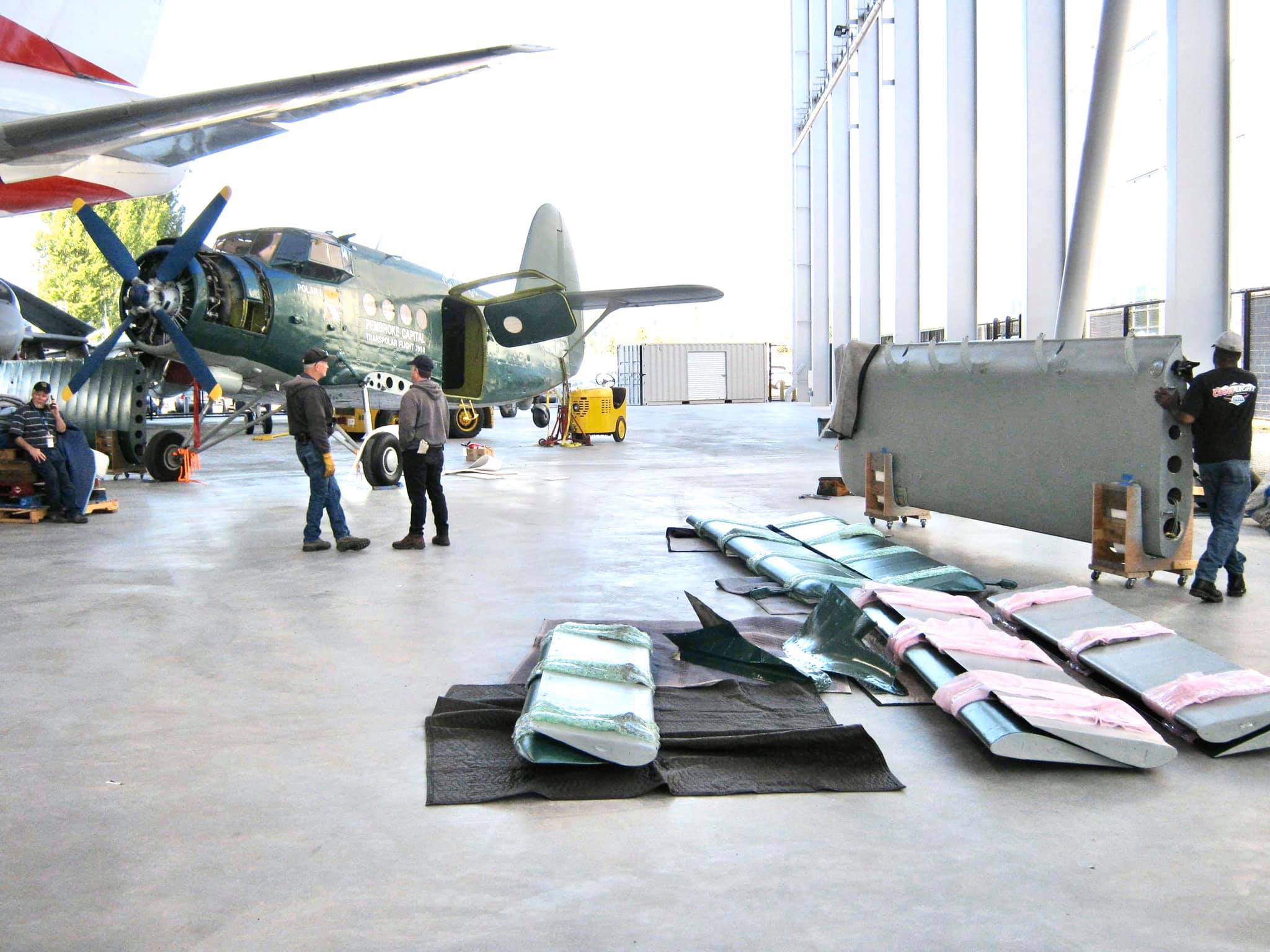
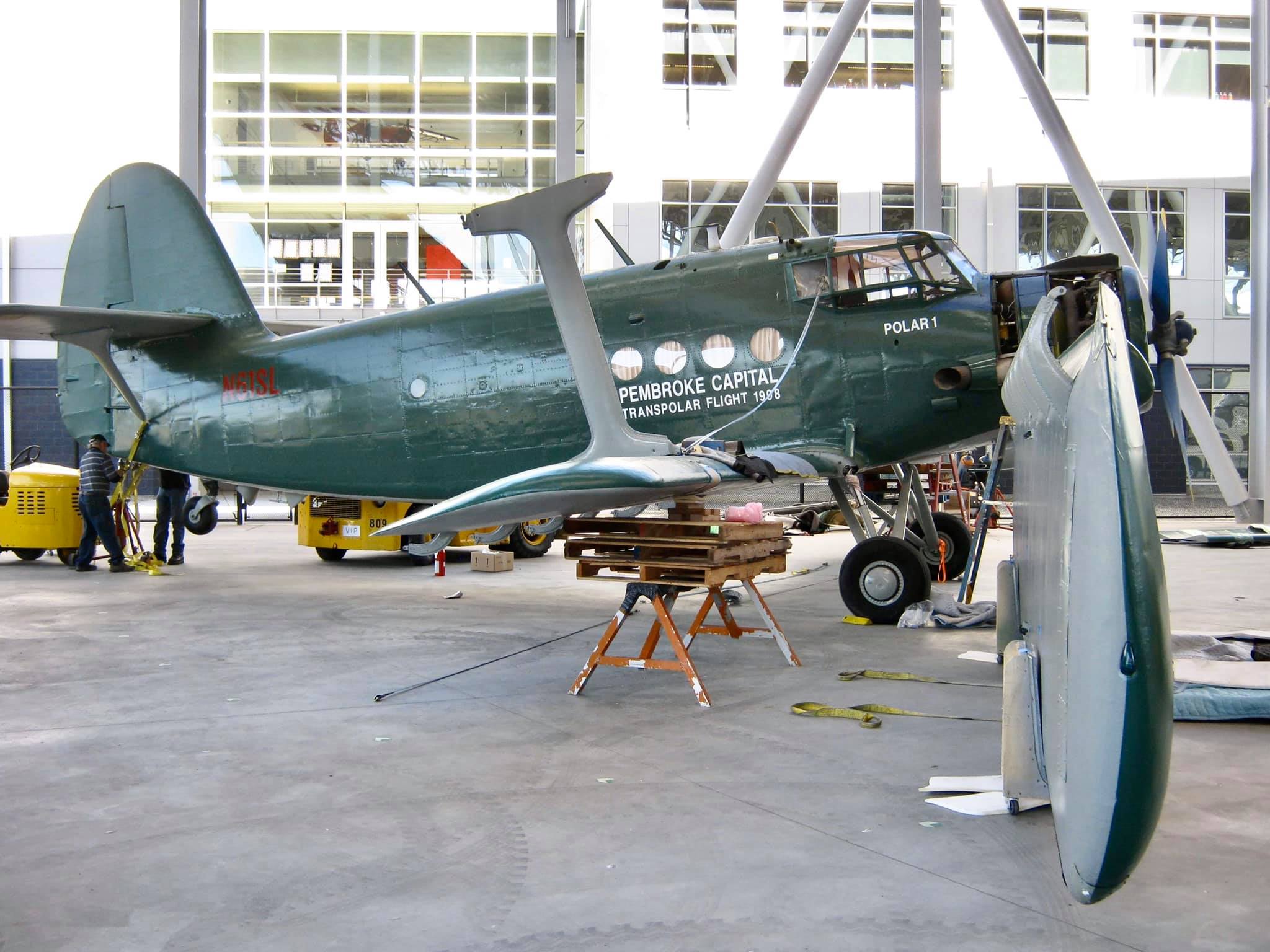
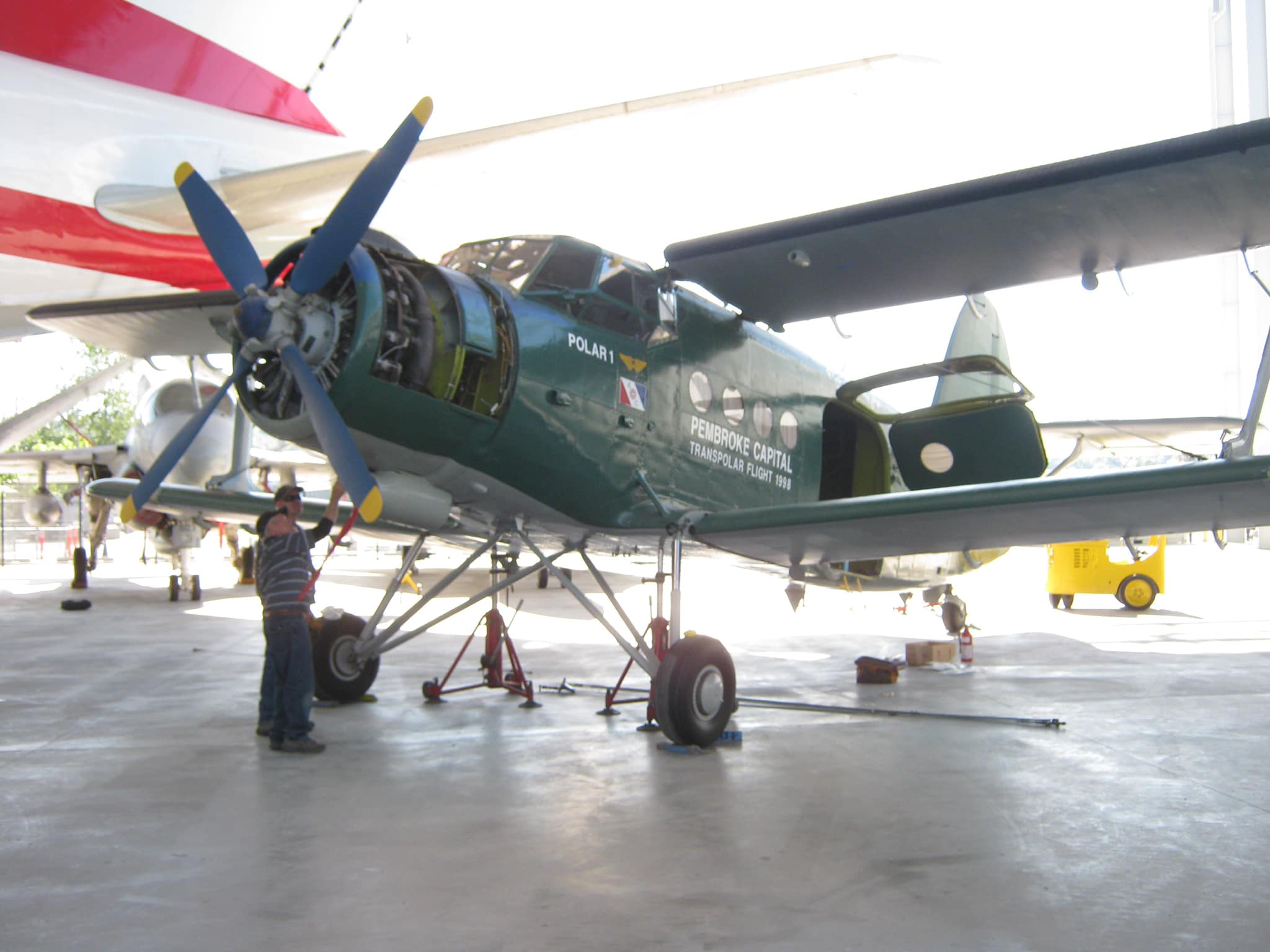
At air shows, pilots are known to hover or even fly backwards in the aircraft by turning into a headwind. It is crewed by one or two and has room for up to 12 passengers/troops or just over a ton of cargo. Current U.S. Federal Aviation Administration regulations, however, limit certification in the U.S. to experimental-exhibition and experimental-research.
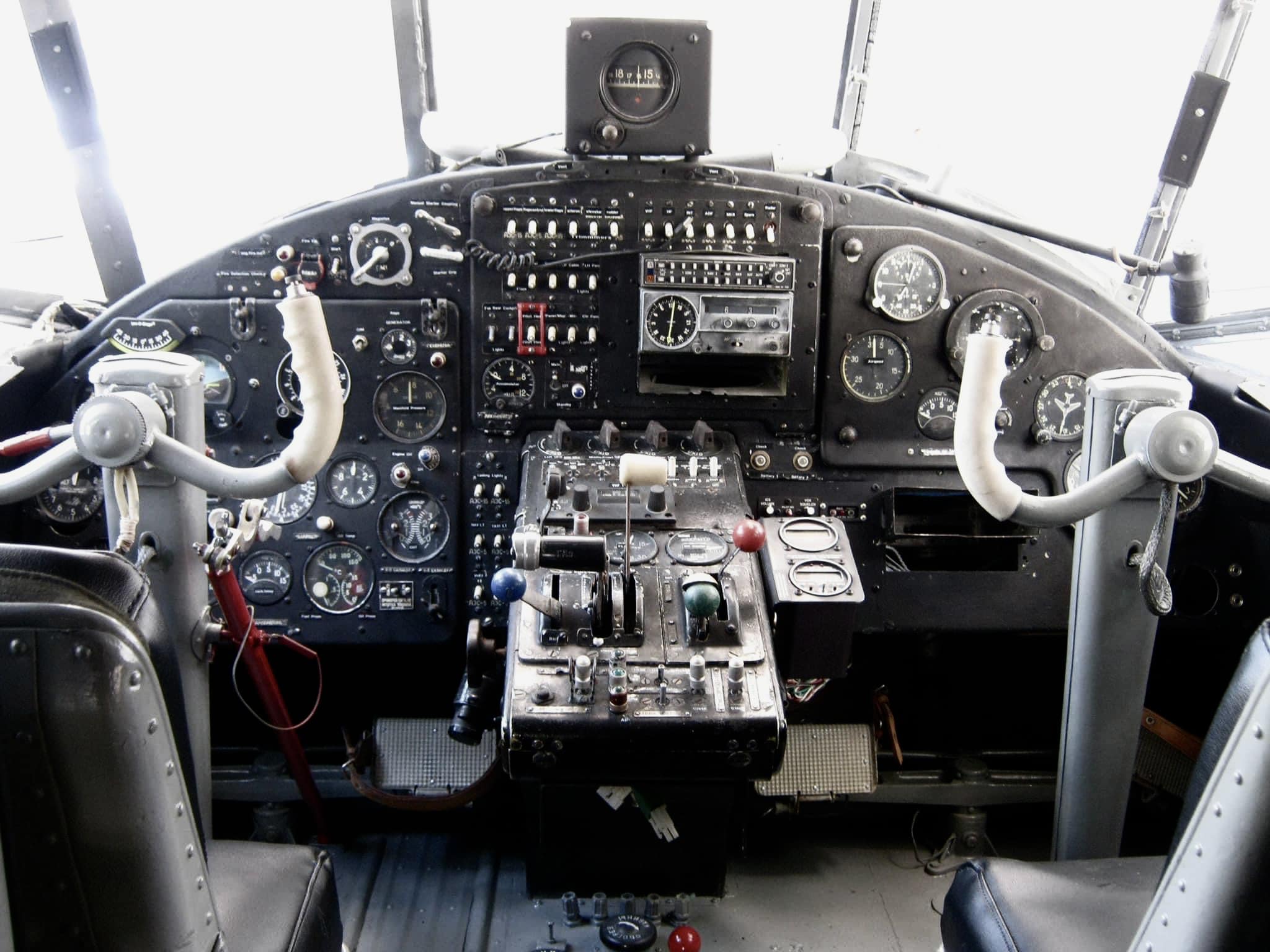
Powerplant: the 1,000 hp. The Shvetsov ASh-62 9-cylinder radial engine and the aircraft have a flight range of about 525 miles (U.S. equivalent). Wingspan: 59.71 ft.; Length: 46 ft.; Height: 14 ft.; Wing Area: 765.30 ft.; Gross Weight: 12,125 lbs. Maximum Speed: 157mph; Cruise Speed: 124 mph. My photos, except those of Don England, formerly of MOF – thanks. MOF 360-degree looks:
https://vr.museumofflight.org/antonov_cockpit
https://vr.museumofflight.org/antonov_cabin
About the author:  Randy Malmstrom grew up in a family steeped in aviation culture. His father, Bob, was still a cadet in training with the USAAF at the end of WWII, but did serve in Germany during the U.S. occupation in the immediate post-war period, where he had the opportunity to fly in a wide variety of types that flew in WWII. After returning to the States, Bob became a multi-engine aircraft sales manager and, as such, flew a wide variety of aircraft; Randy frequently accompanied him on these flights. Furthermore, Randy’s cousin, Einar Axel Malmstrom, flew P-47 Thunderbolts with the 356th FG from RAF Martlesham Heath. He was commanding this unit at the time he was shot down over France on April 24th, 1944, and spent the rest of the war as a prisoner of war. Following his repatriation at war’s end, Einar continued his military service, attaining the rank of Colonel. He was serving as Deputy Wing Commander of the 407th Strategic Fighter Wing at Great Falls AFB, MT at the time of his death in a T-33 training accident on August 21, 1954. The base was renamed in his honor in October 1955 and continues to serve in the present USAF as home to the 341st Missile Wing. Randy’s innate interest in history in general, and aviation history in particular, plus his educational background and passion for WWII warbirds, led him down his current path of capturing detailed aircraft walk-around photos and in-depth airframe histories, recording a precise description of a particular aircraft in all aspects.