
(Image credit: VAN)
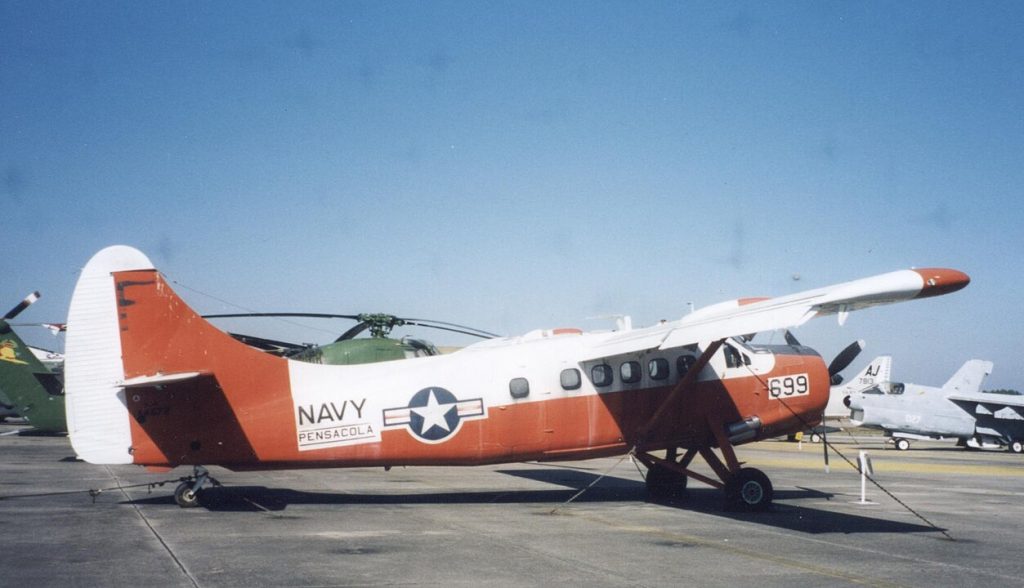
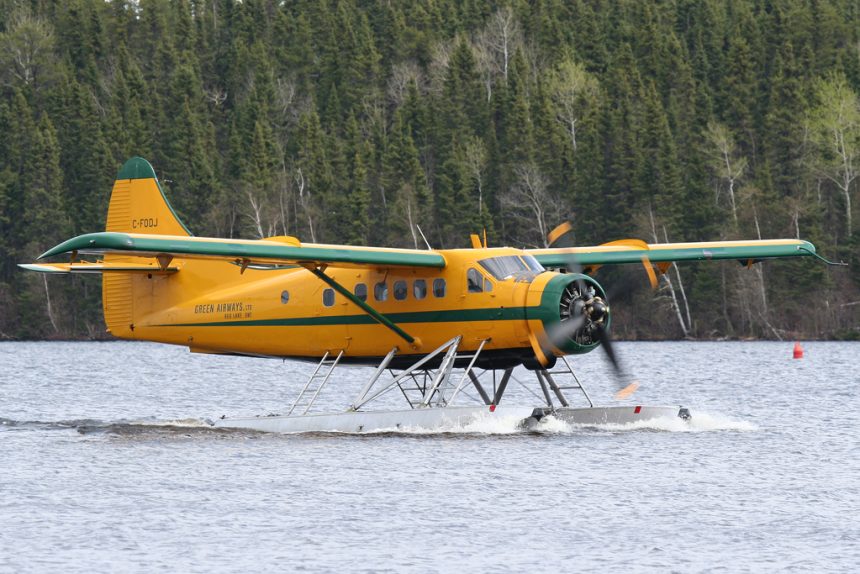
On this day in aviation history, 74 years ago (December 12, 1951), the first flight of the de Havilland Canada DHC-3 Otter prototype took place. The DHC-3 is a single-engined high-wing aircraft powered by a reciprocating engine. Otters were developed by de Havilland Canada for short take-off and landing (STOL) operations. De Havilland’s prior, highly successful DHC-2 Beaver served as inspiration for a larger aircraft with bush-flying abilities. During the design phase, the Otter was referred to as the King Beaver. Where the Beaver was seen as a half-ton truck, the Otter would be a one-ton semi.
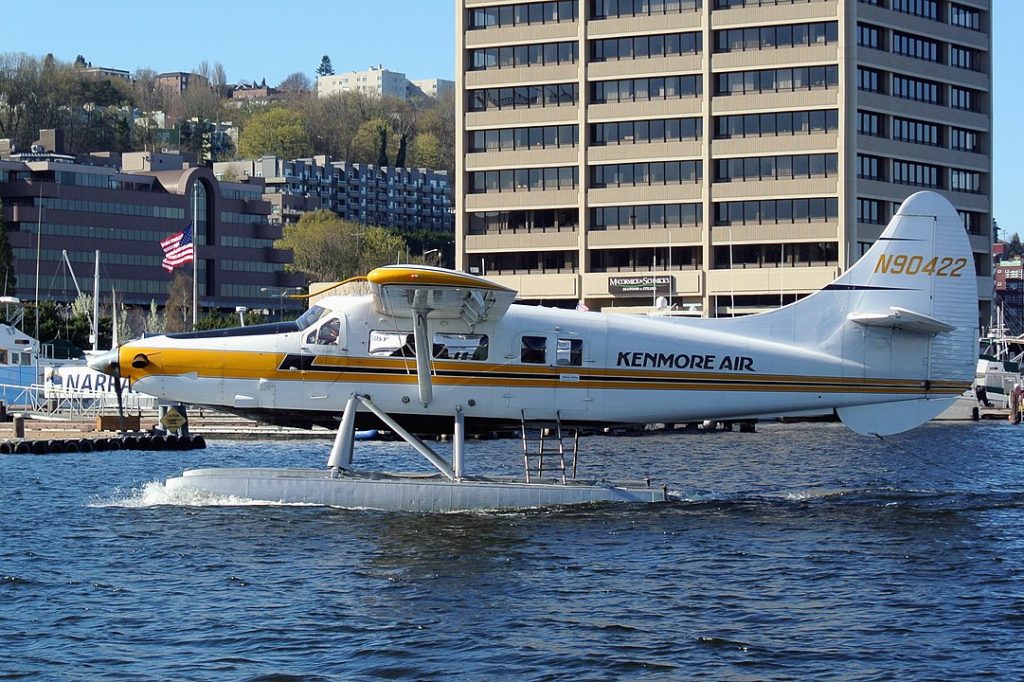
In November 1952, de Havilland received certification from the Canadian government for the Otter. Production began shortly thereafter, and the aircraft began to see extensive use in multiple roles – both in the civilian and military world. The Otter could be fitted with skis or floats, making it an ideal bush plane for accessing hard-to-reach destinations, especially in the rugged terrain of Canada’s remote wilderness. The United States military employed the Otter as a Utility plane within the Army, Navy, and Air Force, under the designation of U-1.
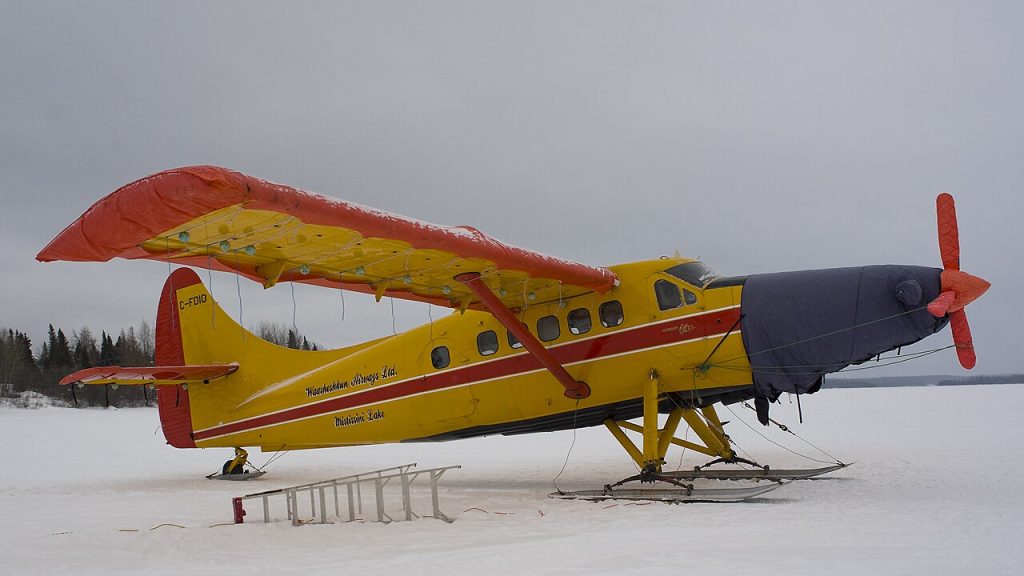
The de Havilland DHC-3 Otter landplane variant has a crew of 2 and a capacity for 9 to 11 passengers. Power is provided by a Pratt & Whitney R-1340-S1H1-G Wasp 9-cylinder radial engine, with 600 horsepower. The Otter can attain a maximum airspeed of 160 mph, although the aircraft typically cruises closer to 138. At 5,000 feet of altitude, the DHC-3 can cruise for 9 hours and 24 minutes, a range of 960 nautical miles. Otters have a service ceiling of 18,800 feet. The aircraft can take off with 1,310 feet of runway, and land with 975 feet (including over a 50-foot obstacle).
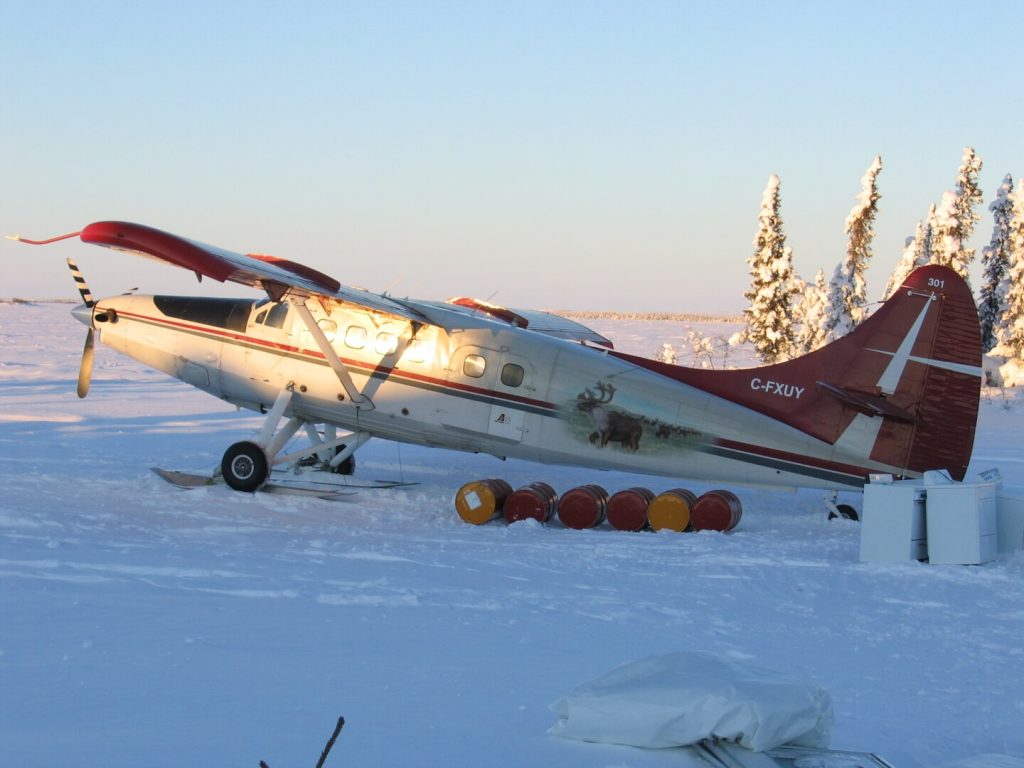
Between 1951 and 1957, de Havilland Canada built 466 DHC-3 Otters. Many of these aircraft continue to fly and serve today; many have been converted to turbo-props for more power and efficiency. Otter NU-1B continues to serve with the United States Navy to this day, at the Naval Test Pilot School in Maryland. This aircraft is the oldest in the U.S. Navy’s aircraft fleet.