
(Image credit: VAN)
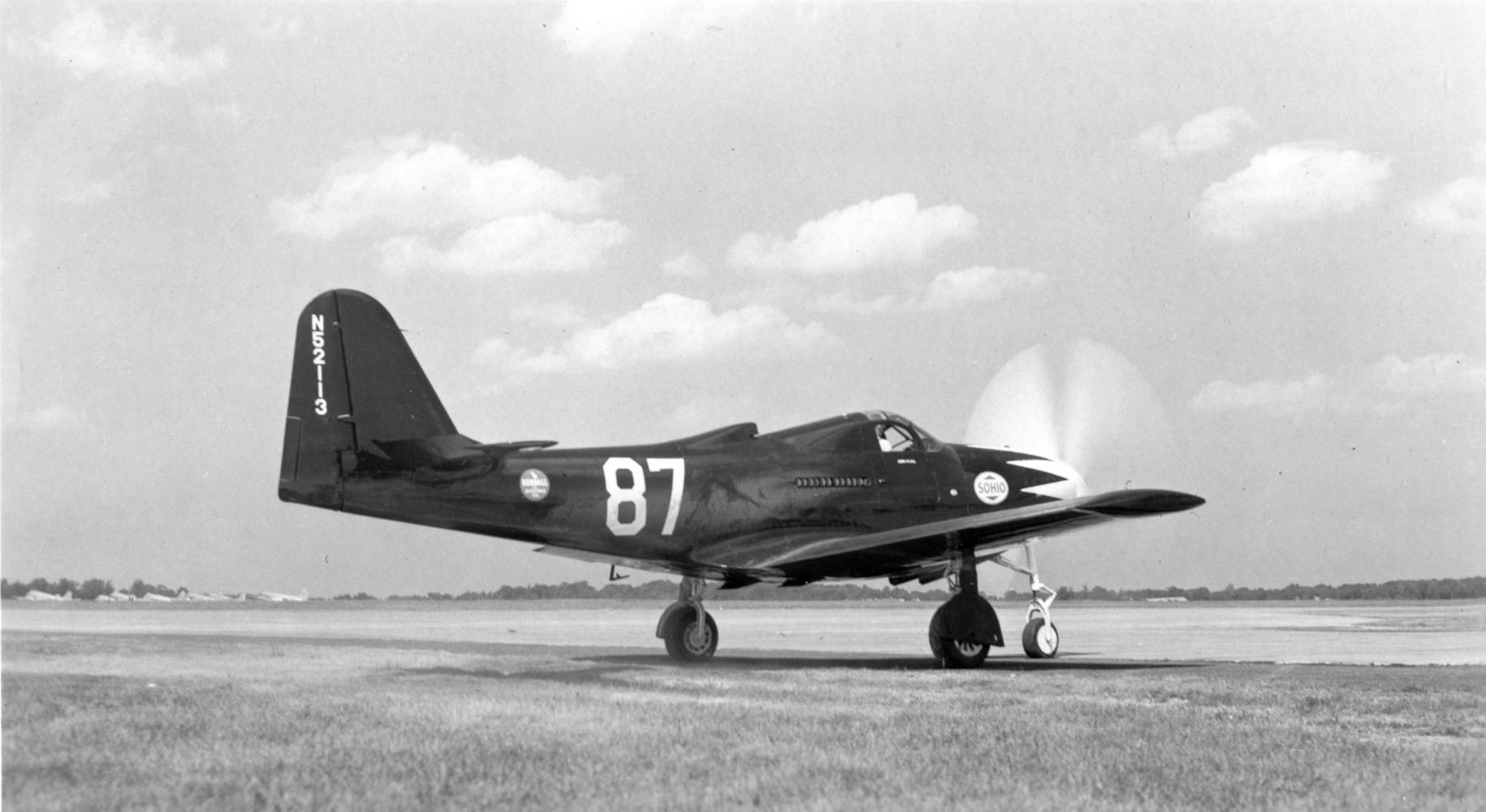
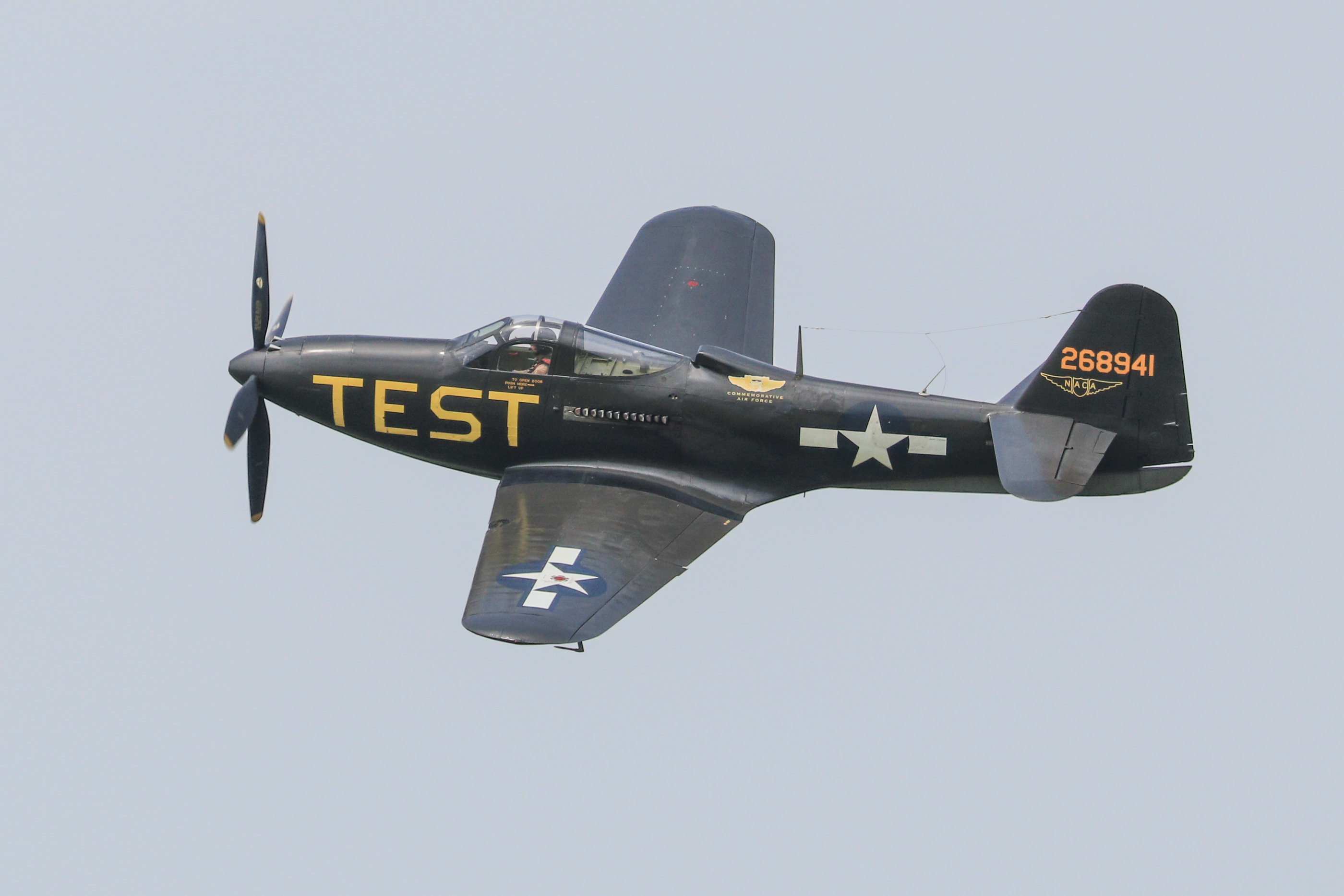
On this day in aviation history, 68 years ago (December 7, 1942), the Bell P-63 Kingcobra made its first flight. Built in Buffalo, New York, by the Bell Aircraft Company during World War II, the P-63 was a single-engine fighter. The Kingcobra was based on Bell’s P-39 Airacobra, which came before it. Noting suggestions from P-39 pilots, Bell made improvements to the P-63 that made the aircraft far superior to its predecessor. Although the United States Army Air Forces did not accept the Kingcobra for combat use, the Soviet Air Force utilized the aircraft heavily. The Soviets used the P-39 extensively in combat, and they would grow quite fond of the P-63 as well.
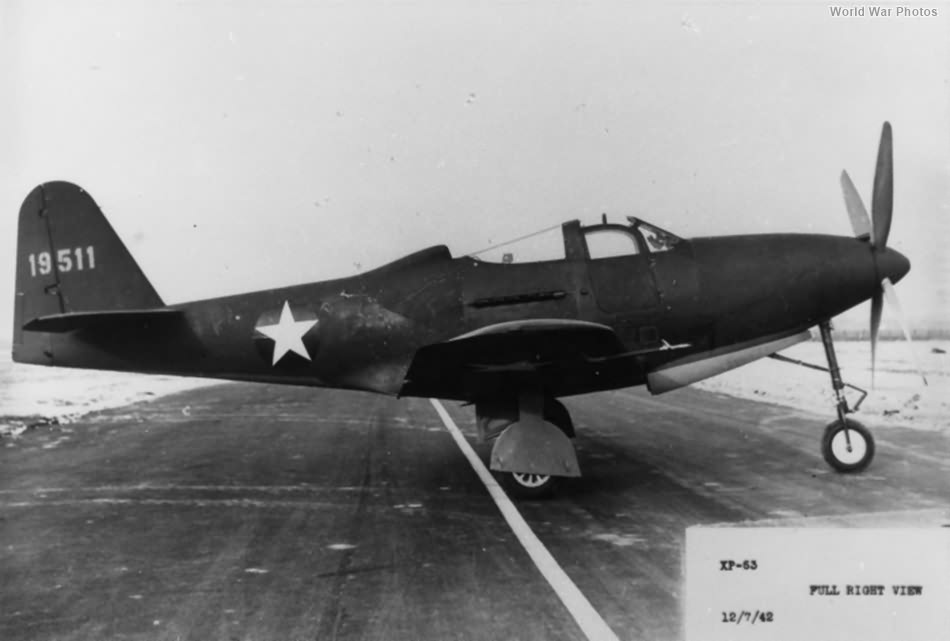
The first prototype XP-63 to take flight was 41-19511, which was lost a month later when the landing gear failed to extend. The P-63A models began to be delivered in October 1943. At this time, the USAAF concluded that the P-63’s performance was not on par or above that of the P-51 Mustang, and thus it was not needed. The Soviet Air Force, however, did have a significant need for fighter aircraft. Through the Lend-Lease Act, P-63s began to be funneled to the Soviet Union to fight on the Eastern Front. The Kingcobra would prove to be an effective fighter when coupled with the Soviets’ tactics, amassing a surprising amount of aerial victories against the Germans.
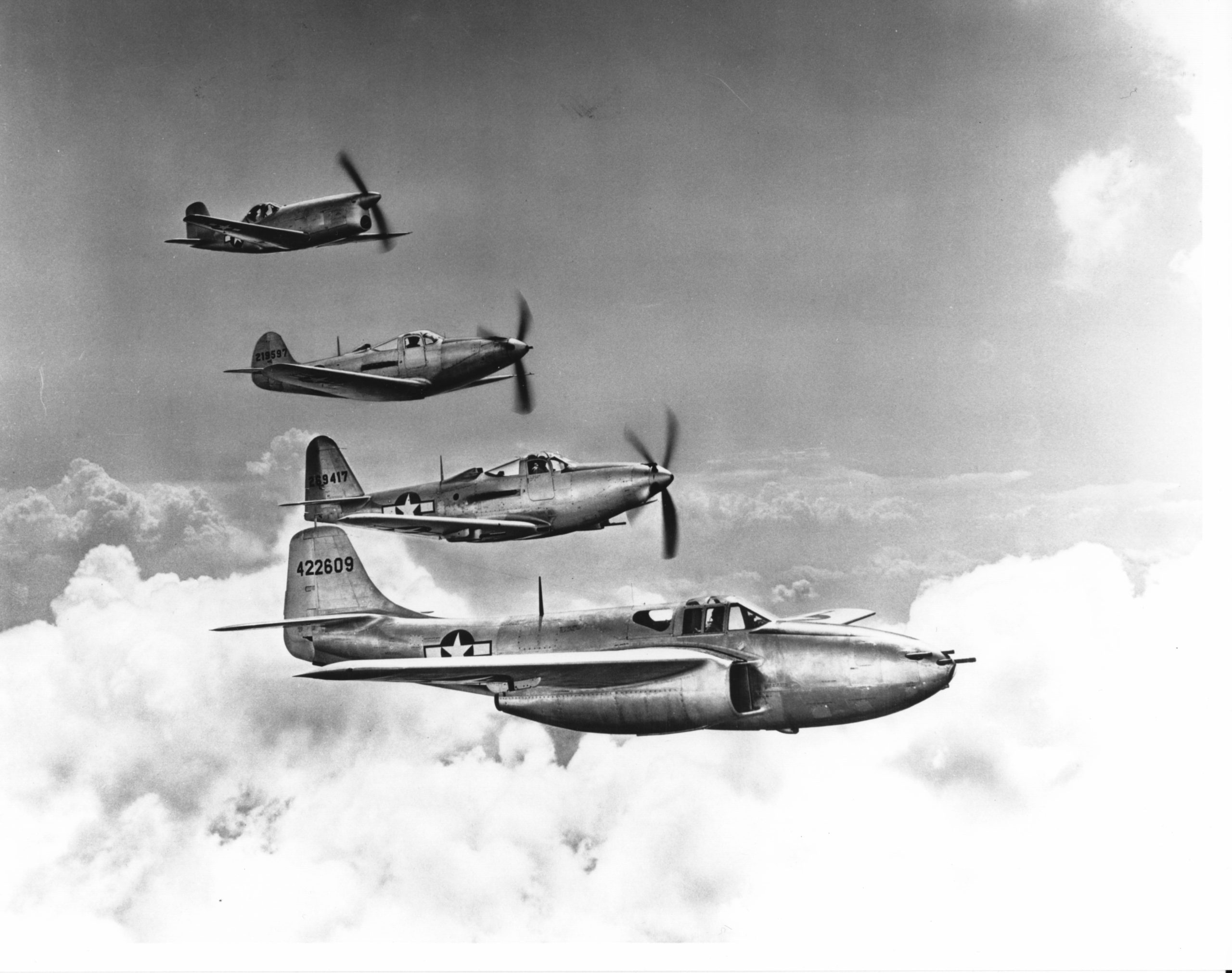
On the Eastern Front, low ceilings and short missions were the P-63’s domain. The heated cockpit and exceptional radios made the Kingcobra a Russian pilot’s dream. Overall, the aircraft was quite rugged. The P-63 was powered by an Allison V-1710-117 V-12 liquid-cooled engine, which featured a two-stage supercharger. This V-1710 could produce 1,800 horsepower. The airfoil used for the wing was that of a laminar flow design, similar to the P-51. The P-63 could attain a maximum airspeed of 410 mph, and it had a range of 390 nautical miles. The Kingcobra’s service ceiling was 43,000 feet, and its rate of climb was 2,500 feet per minute.

Much like its predecessor, P-39, the P-63 featured a gun shooting through the propeller hub, a 37 millimeter M4 cannon (later swapped for the M10). Four 0.50 caliber M2 Browning machine guns, two in the nose and two in the wings, provided an additional punch for the Kingcobra. In addition to guns, the P-63 could be fitted with up to 1,500 pounds of bombs under the wings and fuselage. Between 1943 and 1945, Bell manufactured a total of 3,303 P-63s. Today, only a handful survive, including three airworthy examples in the United States.