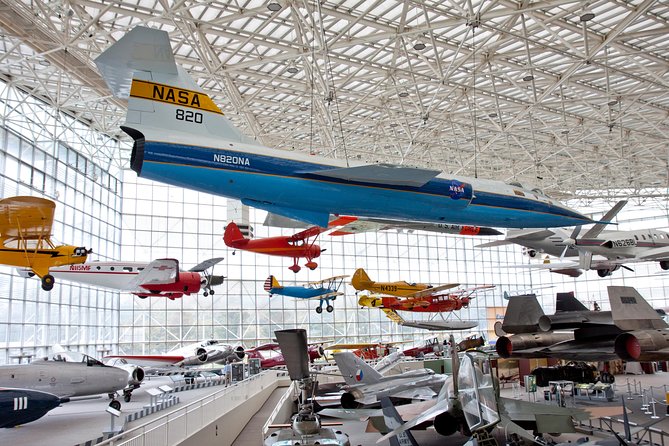

In September, NASA announced that a Pacific Northwest native, Lauren Edgar, would be part of the 2025 astronaut candidate class. Edgar, now 40, grew up in a small town roughly 20 miles from Seattle’s Museum of Flight. She’s spoken often about how much the Museum shaped her early fascination with the cosmos. “I think that my experience at the Museum turned my childhood passion for space exploration into a realistic career path,” she said back when she was working as a Mars Rover driver a decade ago. Her journey mirrors that of many others in aerospace whose first spark of curiosity, and sometimes even scholarships, came through the Museum’s education programs.
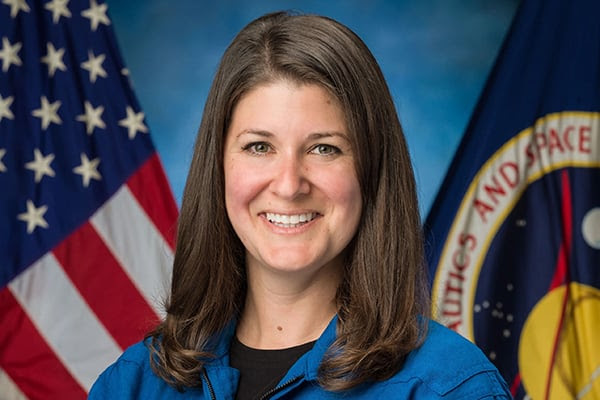
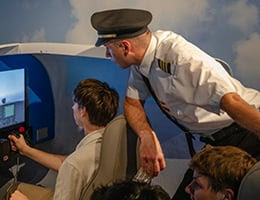
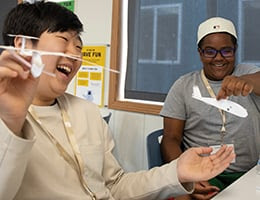
Edgar also pointed out something many students quietly feel. “Aviation and space exploration are not fields that we’re exposed to in a typical public school education,” she said. “But I’m grateful that I could continue to learn outside of the classroom, even if I didn’t realize how much I was learning at the time!” The Museum’s Education office is the largest of any aerospace museum in the country, and it runs an incredible range of programs for learners from kindergarten through 12th grade. For thousands of young students, it’s often the first real doorway into STEM, aviation, and aerospace.
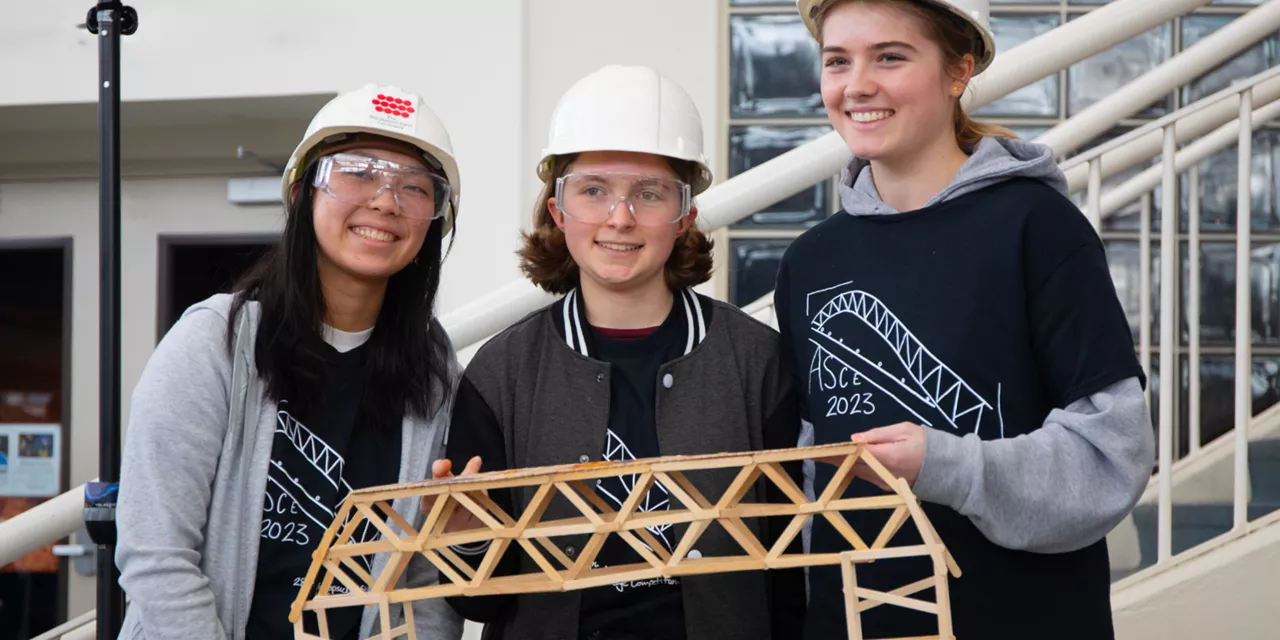
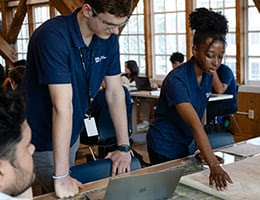
Edgar first fell in love with the Museum during middle school, and by high school, she was volunteering in the Museum Apprentice Program (MAP). “I had the opportunity to interact with other students from around the Puget Sound who shared my passion. Rather than giving up on STEM fields, I was encouraged even further to pursue this as a career.” Her time there also connected her with the kinds of people she once only read about. “Through the Museum,” said Edgar, “I was also able to meet a number of mentors and inspirational figures—pilots, astronauts, flight controllers, etcetera—and learn about the paths they took to achieve their goals. Hearing their stories made me realize that this career path was obtainable.”
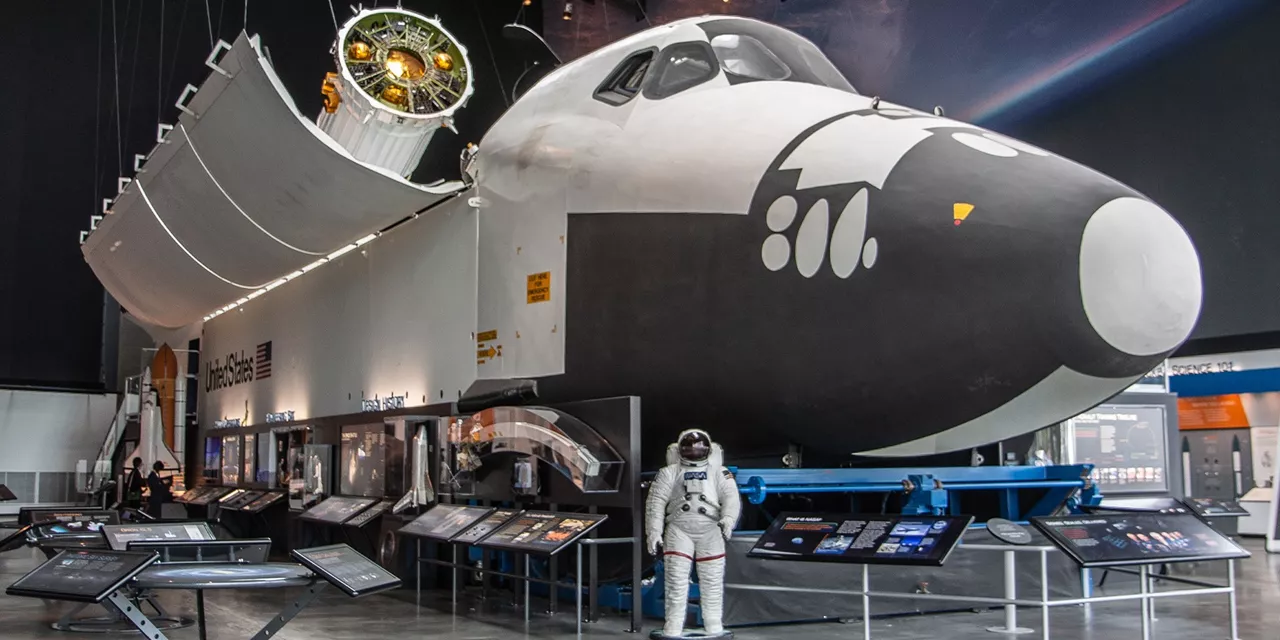
Many MAP participants and other education-program graduates have gone on to receive Museum scholarships for flight training or college. Edgar herself was awarded the Stephen and Hazel Eastman Memorial Scholarship, which helped lighten her educational costs after high school. Since 2018, the Museum has provided nearly $2 million in scholarships to 120 students.
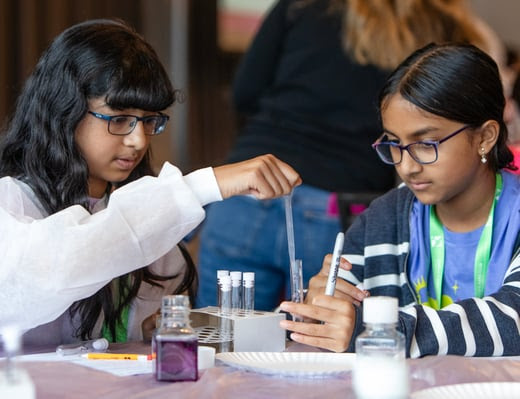
And now, as astronaut-candidate Edgar points out, the Museum continues to open doors into aviation and space for new generations. With hands-on resources and carefully designed programs meant to spark curiosity, deepen interest, and ultimately guide students into real professional pathways, the Museum sees its alumni step into top roles across the aerospace world every year. For more information and to support the Museum of Flight, visit: www.museumofflight.org.