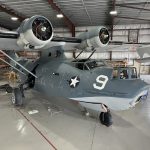


The restoration of the world’s oldest flying Consolidated PBY-5A Catalina, BuNo 2459, is well underway at American Aero Services in New Smyrna Beach, Florida. After several years in the Netherlands, this iconic World War II U-boat hunter found its way to the American Heritage Museum in 2019, where it is now undergoing a meticulous return to airworthy condition. Vintage Aviation News first reported on the early stages of this effort in March 2025, and the project has since advanced considerably. During a recent conversation, Rob Collings, President of the American Heritage Museum, shared insights into the progress being made on the aircraft—an effort led by Casey and his skilled team of restorers.
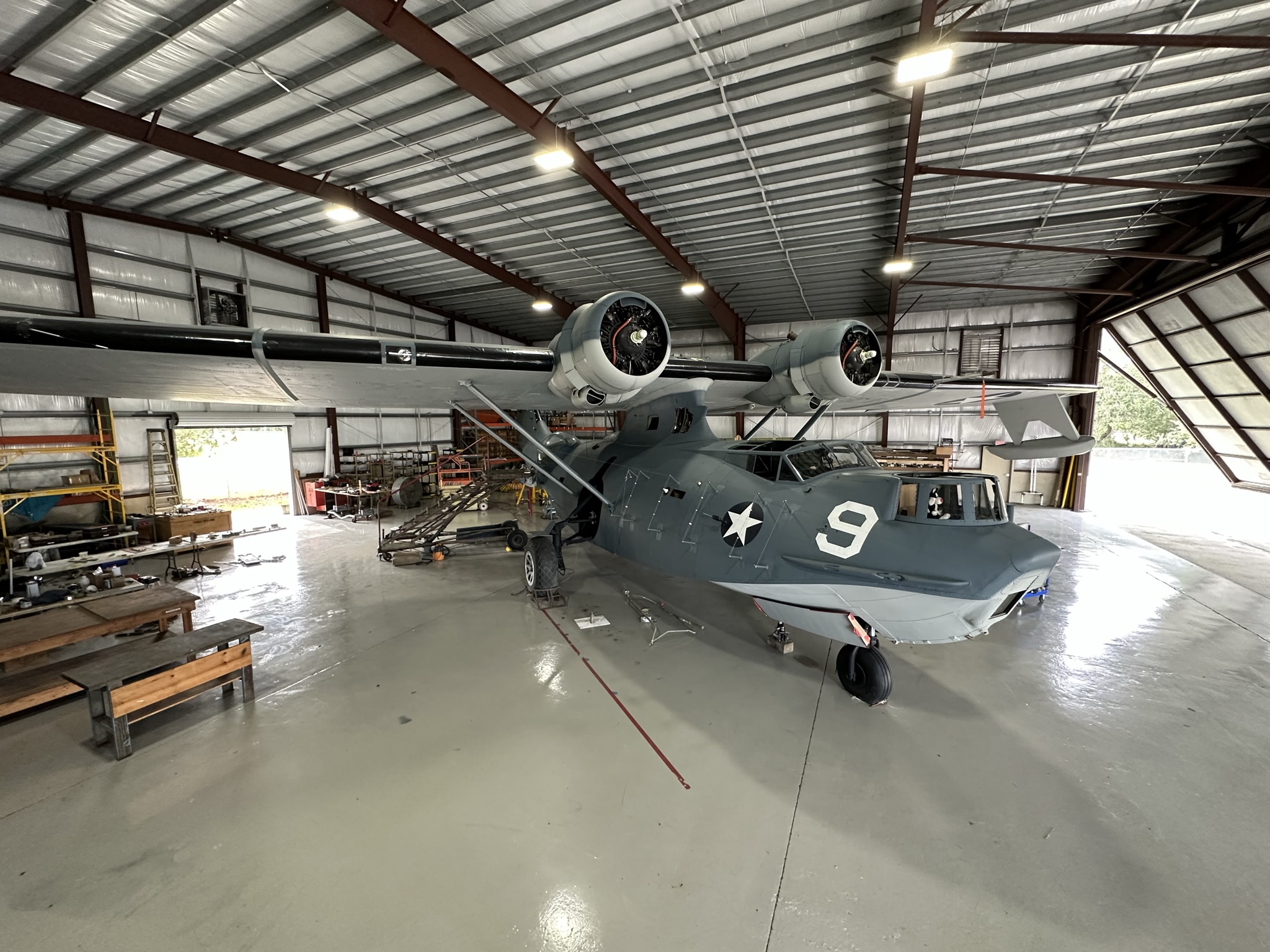
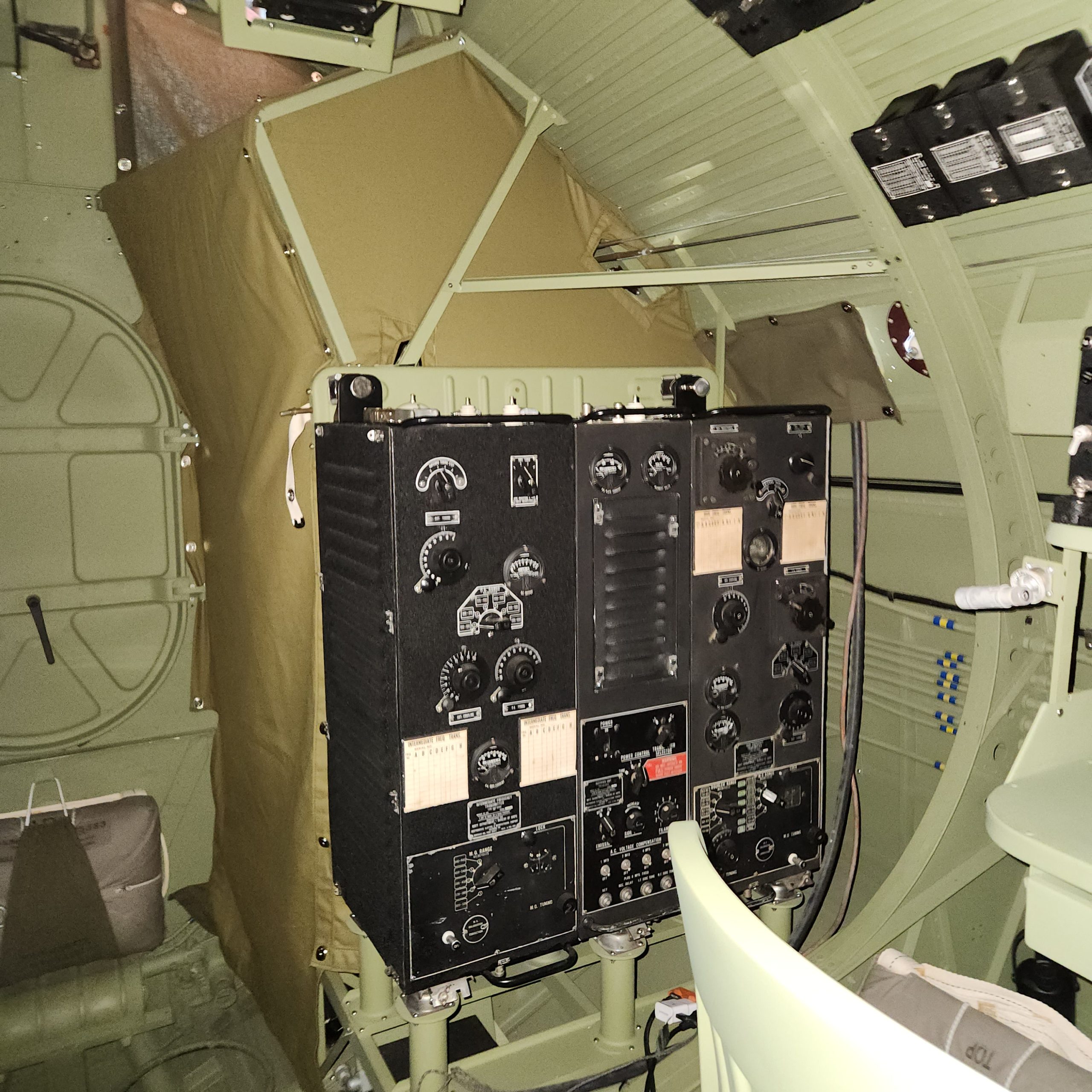
“They’re making fantastic progress,” Collings said. “The photos you’ve seen capture the radio, radar, and navigator’s compartments. All three crew members shared that space, and every piece of equipment in there is unique to the PBY.” Unlike the more standardized radio and radar equipment found in bombers such as the B-17 or B-24, the Catalina’s systems were designed for long-duration maritime patrols and submarine-hunting missions. The radar compartment itself is unusually small—“smaller than a phone booth,” Collings noted—and entirely canvas-lined. The enclosure helped protect the sensitive electronics while controlling ambient light, ensuring the radar operator could clearly read the scope.
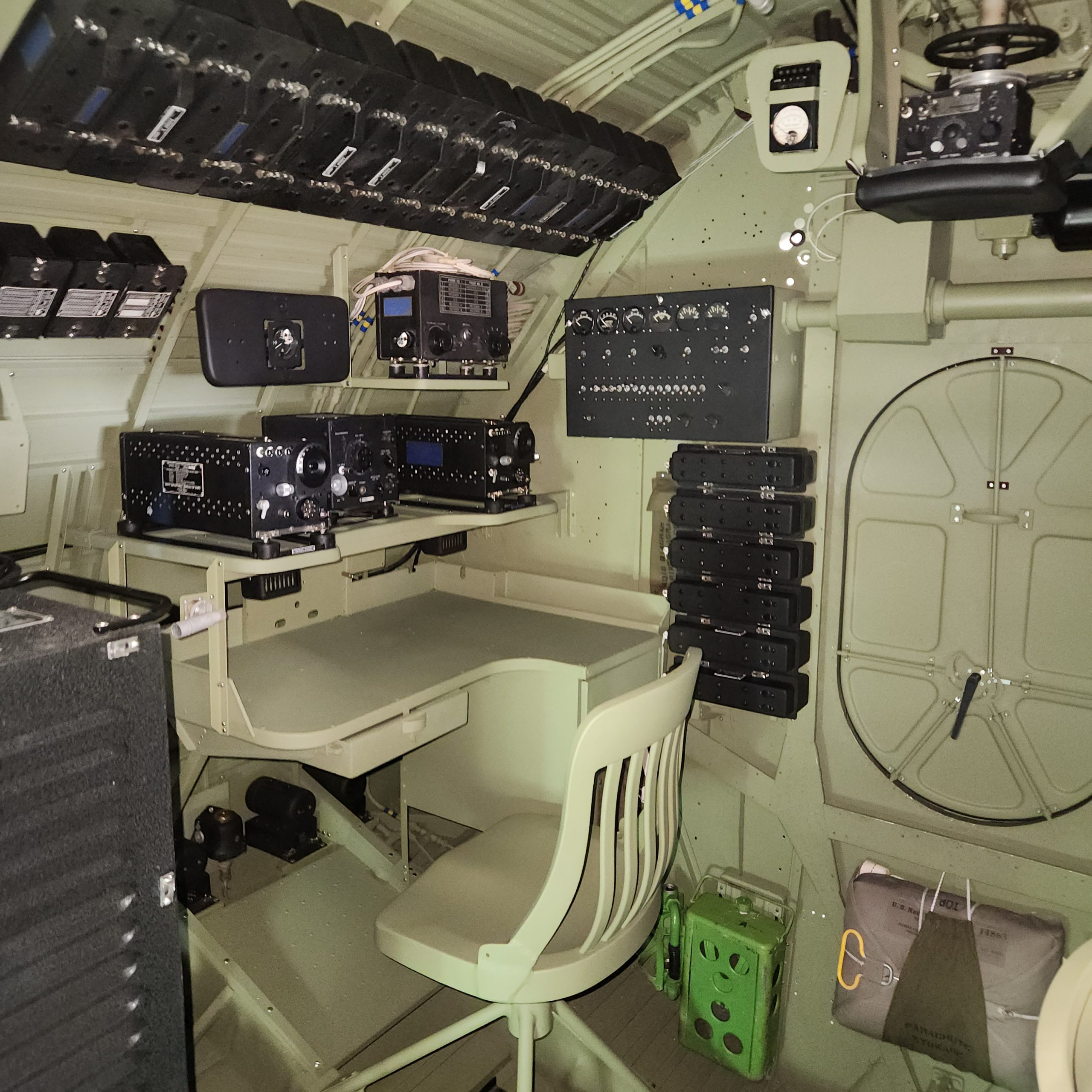
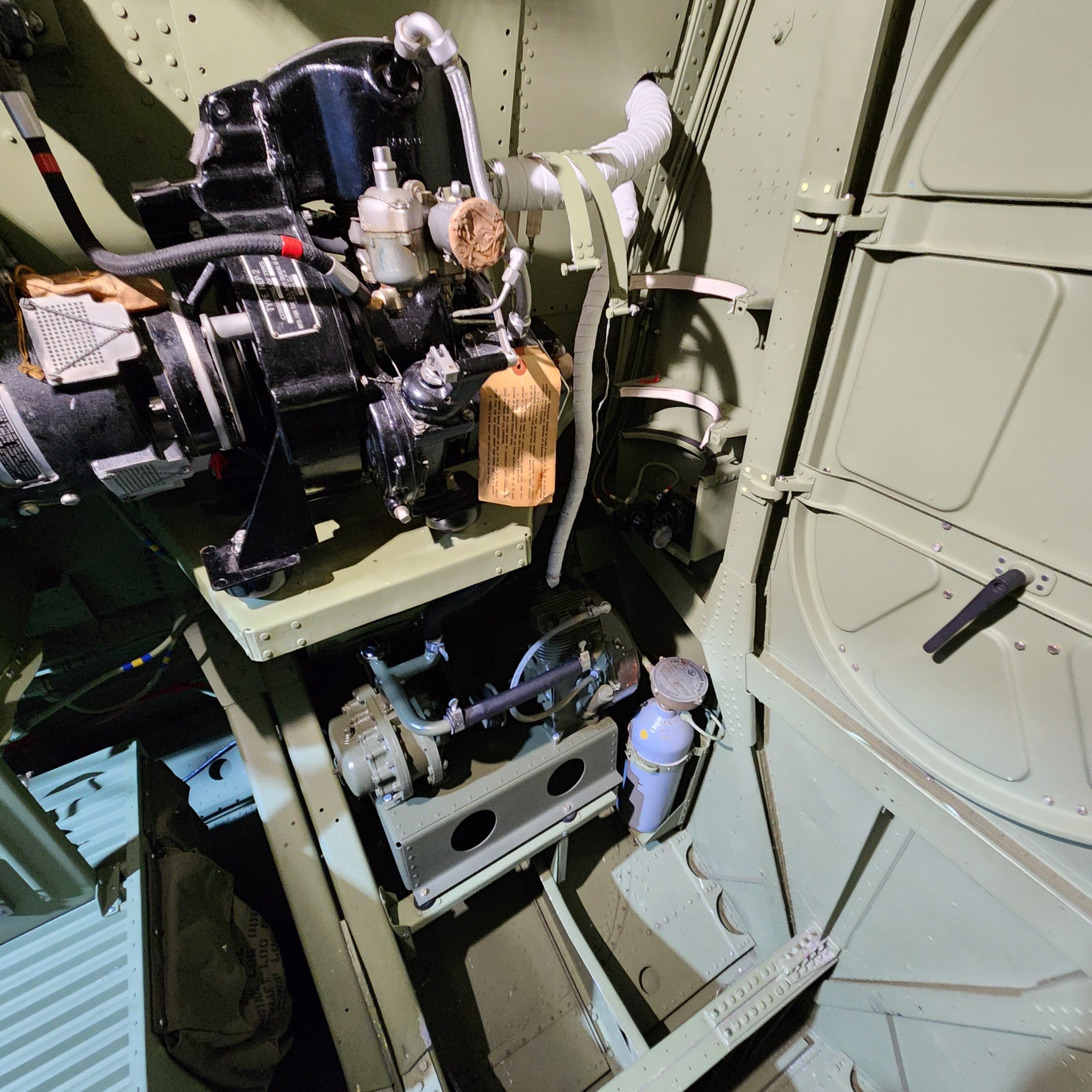
The radio equipment is equally distinctive. “The main tuning unit is just ginormous,” he said. Meanwhile, the navigator’s area features a large table, necessary for extended overwater navigation. PBY crews often flew as single ships, searching vast stretches of ocean for German U-boats, making precision navigation essential. Moving aft, the restoration team has completed significant work on the flight engineer’s compartment. This area houses an array of components: a generator, a small four-stroke engine powering the heating system, and provisions for long missions—including thermoses, cooking equipment, and food lockers.
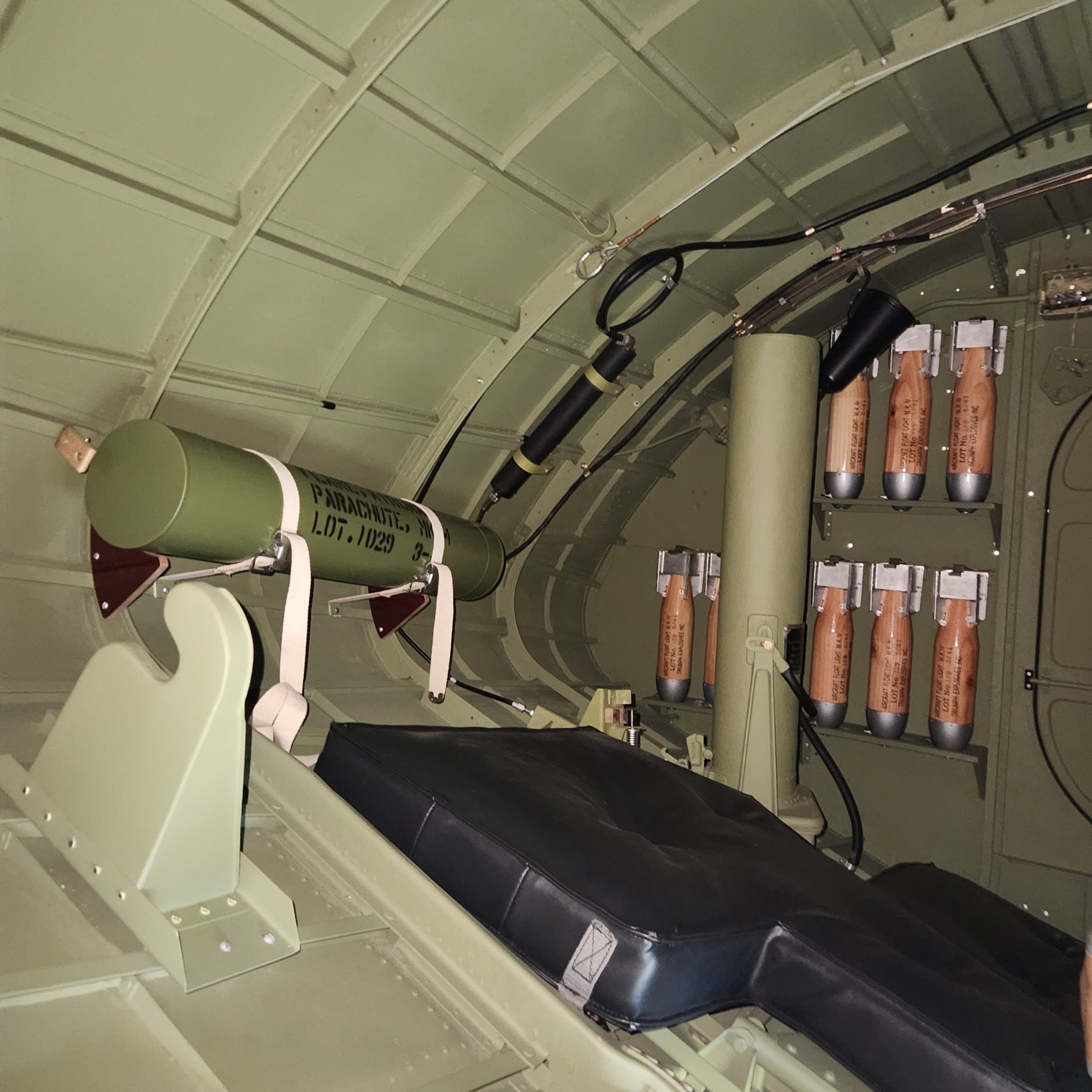
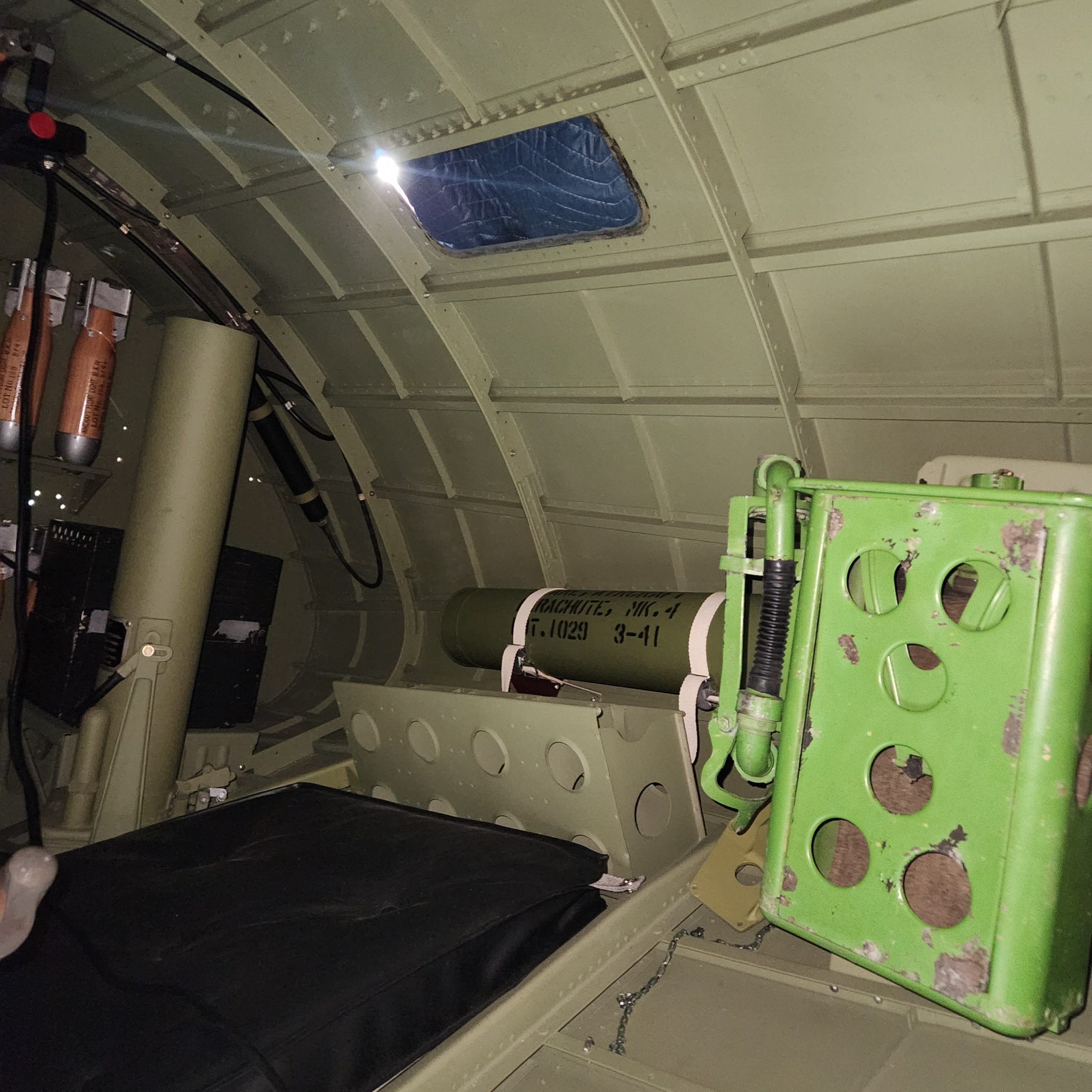
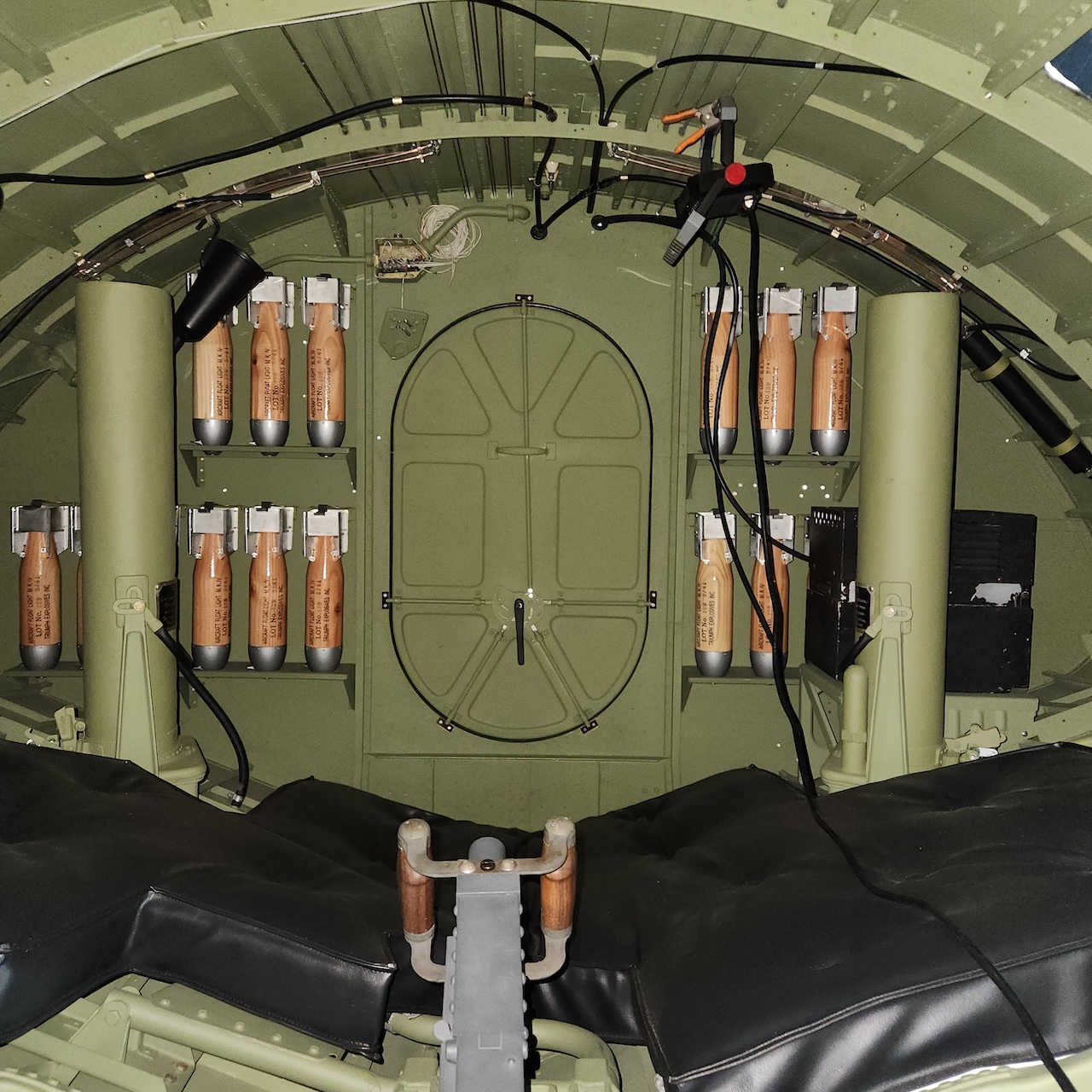
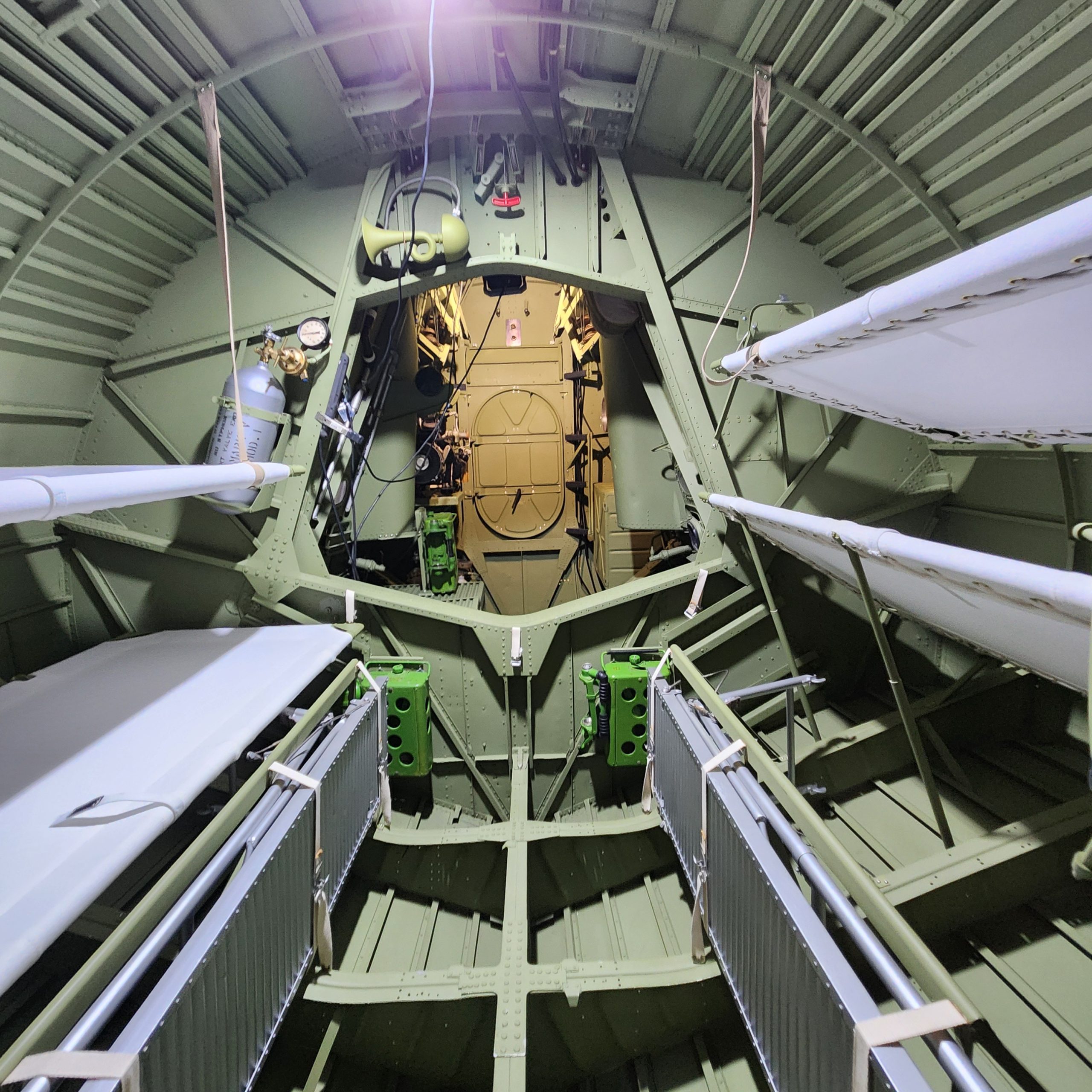
Behind that lies the bunk compartment, now fully built out. The PBY’s design allowed crew members to rest during marathon patrols that often exceeded 10 hours. Storage in this section includes work stands for engine maintenance, foghorns for water landings, smoke generator systems, and other mission gear. Further aft, the team has restored the tail gunner’s position, including the ventral gun mount, flare storage, and the small .30-caliber defensive gun.
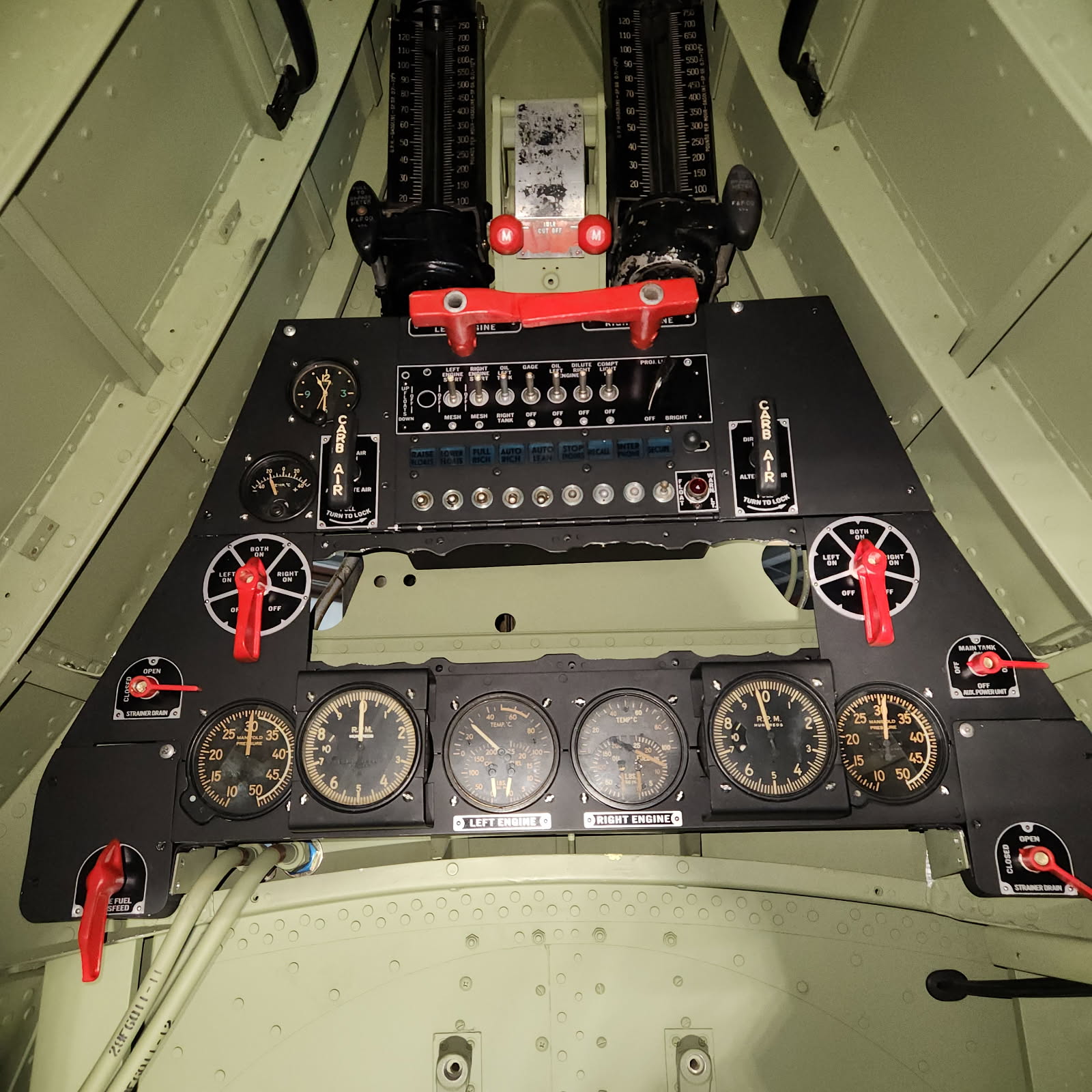
One major area still ahead is the waist gunner’s section and the aircraft’s iconic blisters. Before that work begins, the cockpit is receiving its final touches. The original instrument panel is being refitted, though not without challenges.
“Believe it or not,” Collings said, “the PBY cockpit did not have oil pressure, oil temperature, fuel pressure—none of the indicators you’d expect to find in a multi-engine aircraft. All of those were located up in the flight engineer’s station.” The layout calls to mind the B-29, where systems monitoring and engine management were entirely handled by the flight engineer. In the Catalina, cockpit switches often served only as command signals. For example, flipping the ‘raise floats’ switch simply illuminated a light in the flight engineer’s area, prompting him to perform the task manually—or crank the mechanism by hand if needed. “It really harkens back to that earlier era of naval operations,” Collings explained. “It’s like sending commands down to the boiler room of a ship.”
To maintain authenticity while ensuring safe modern operation, the restoration team has discreetly installed small digital gauges hidden behind the cockpit’s checklist. These supplemental instruments allow pilots to monitor vital engine data without altering the aircraft’s historic appearance. As the project moves toward the blister section and final systems integration, BuNo 2459 is rapidly transforming from a static survivor into a fully airworthy tribute to the crews who patrolled the world’s oceans more than 80 years ago. The American Heritage Museum’s commitment to preserving this rare aircraft—one of the most historically significant PBYs in existence—ensures that future generations will experience the power, purpose, and presence of a true World War II maritime workhorse. For more information about the American Heritage Museum, visit www.americanheritagemuseum.org.