
(Image credit: VAN)
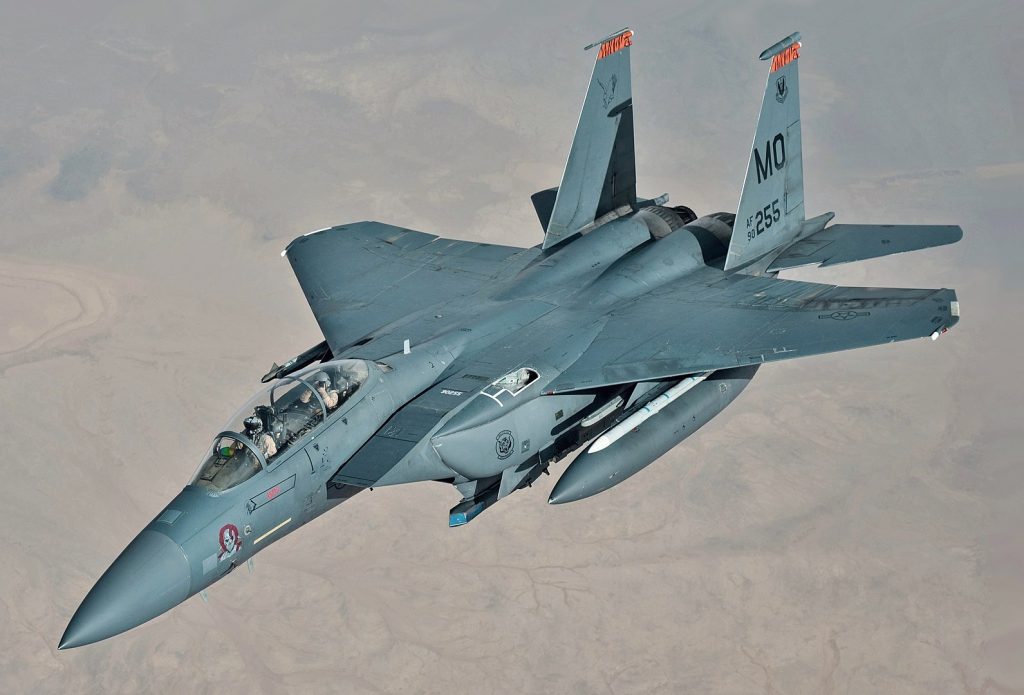
On this day in aviation history, 39 years ago (December 11, 1986), the McDonnell Douglas F-15E Strike Eagle first took to the skies. Derived from the original McDonnell Douglas F-15 fighter, the F-15E is an all-weather multirole strike fighter. Development of the Strike Eagle began in the 1980s and was aimed towards satisfying the Dual-Role Fighter (DRF) program. The purpose of a DRF is to fly and fight on long-range missions, at high velocities, without requiring the assistance of escorts or electronic-warfare aircraft. The F-15E is a “Swiss Army Knife” fighter.
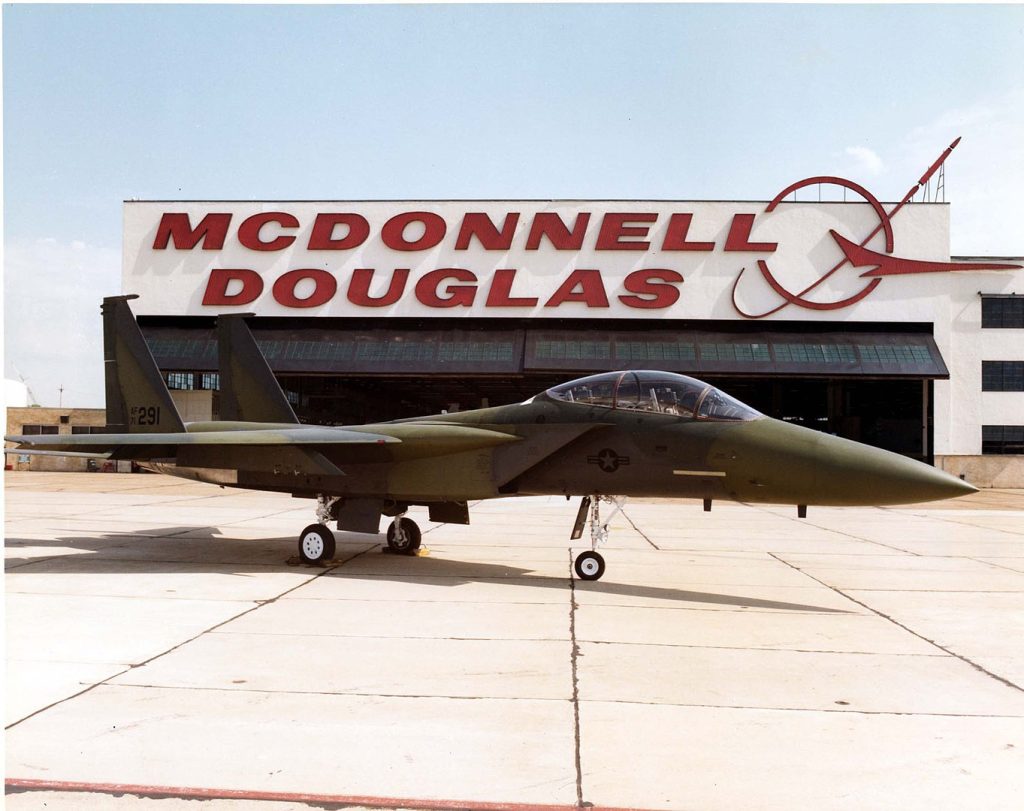
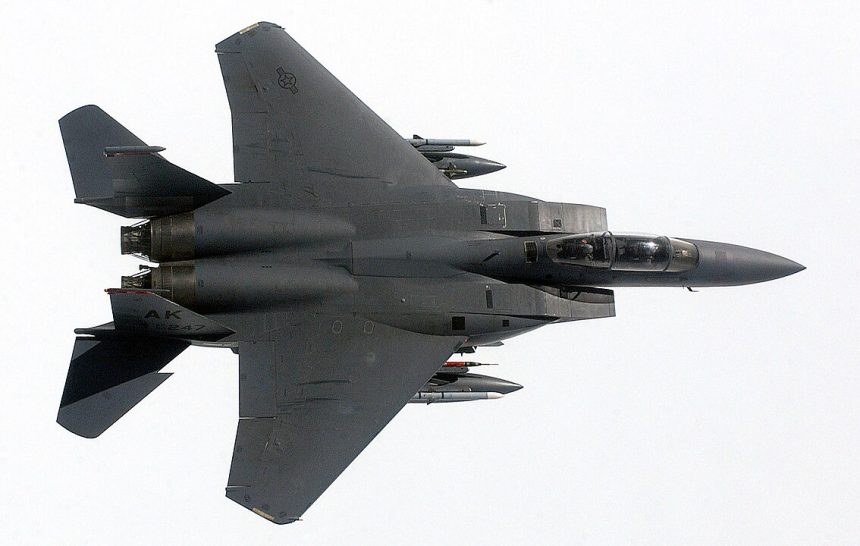
F-15E Strike Eagles are distinguishable from mainline F-15 variants due to their tandem-seat canopy, dark-grey camouflage, conformal fuel tanks (CFTs), and nav/targeting pods (LANTIRN) mounted near the engine intakes. When McDonnell Douglas merged with Boeing in 1997, production continued, as it has to this day. The Strike Eagle became the United States Air Force’s primary strike fighter once the Cold War began to wind down, replacing the General Dynamics F-111 Aardvark in that role.
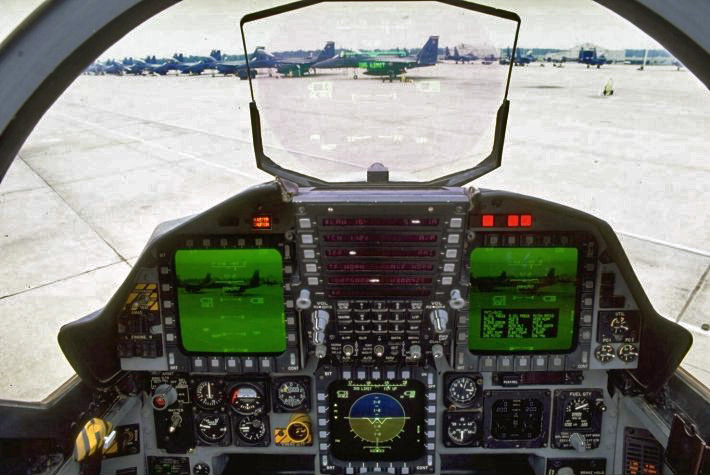
Boeing’s F-15E has a crew of two: a pilot and a weapons systems officer (WSO). The ship is powered by two Pratt & Whitney F100-PW-229 afterburning turbofan engines. These F100s produce 17,800 pounds of thrust each dry, and 29,160 pounds each with afterburner. A maximum airspeed of Mach 2.5 (1,650 mph) is attainable at high altitude, while Mach 1.2 (921 mph) is within reach at lower altitude. The Strike Eagle has a combat range of 687 nautical miles and a service ceiling of 60,000 feet. A climb rate of 50,000 feet per minute and a G-limit of +9 give the F-15E superior performance as a strike fighter. A 20 millimeter M61A1 Vulcan cannon, with 500 rounds of either M-56 or PGU-28 ammunition, gives the F-15E some bite. The Strike Eagle can be armed with a wide array of the latest missiles and/or bombs as well.
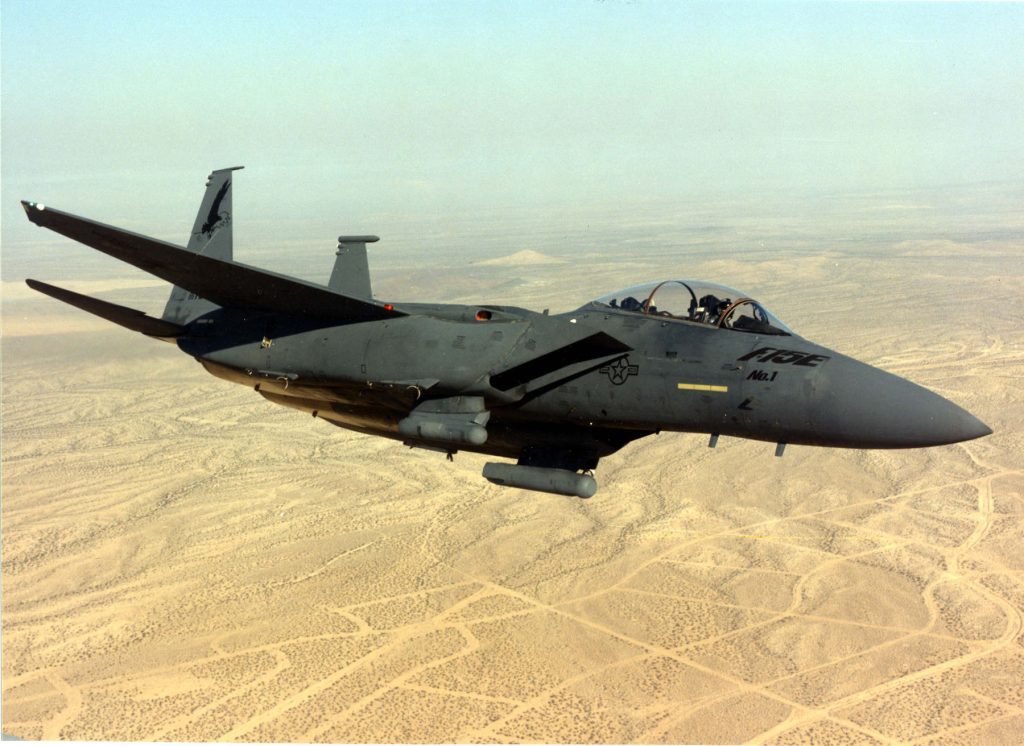
To date, 435 Strike Eagle variants (F-15E/I/S/K/SG) have been produced. In addition to the United States Air Force, the F-15E serves with the Royal Saudi, Israeli, and Republic of Korea Air Forces. Strike Eagles continue to serve with strength, their aerial superiority dominating any combat situation that the aircraft finds itself in.