
(Image credit: VAN)
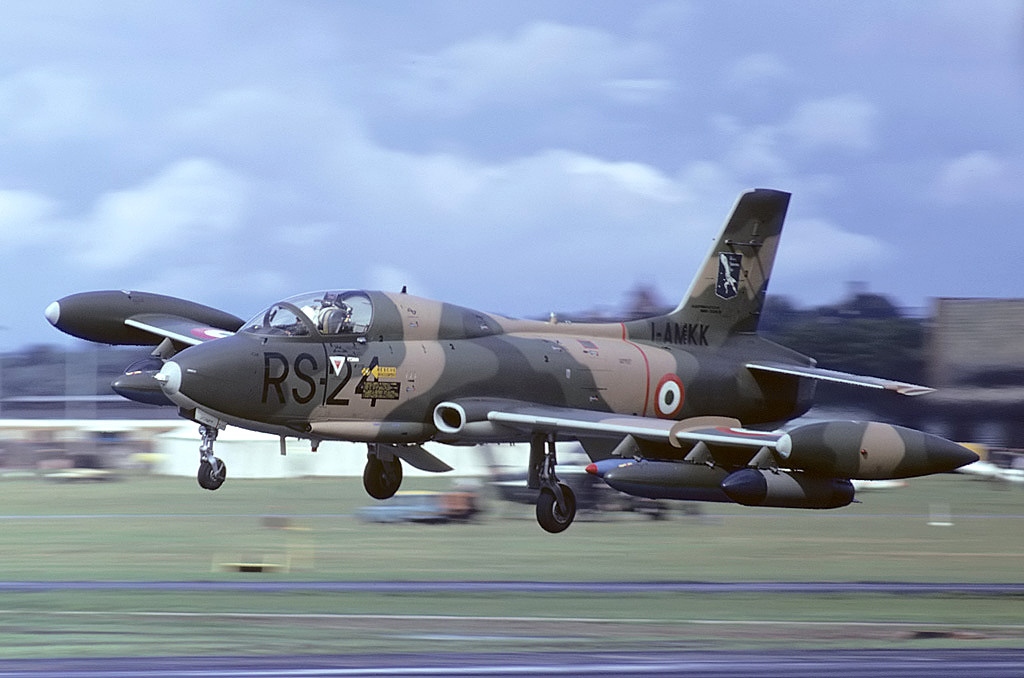
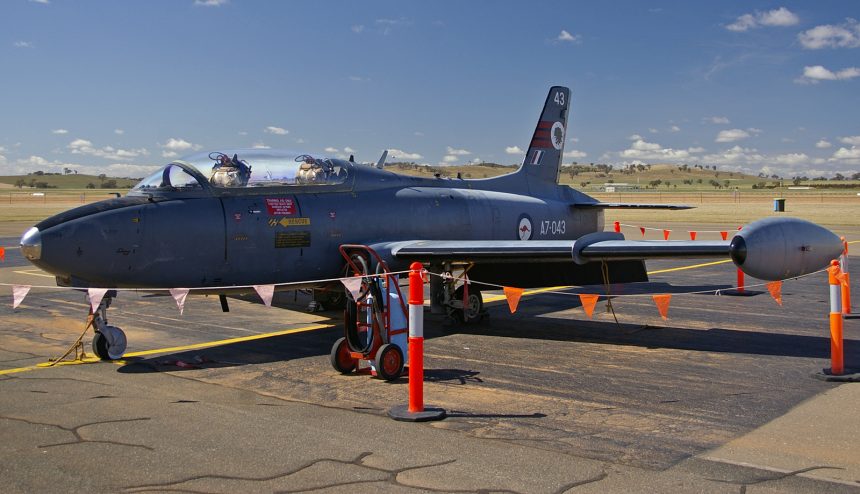
On this day in aviation history, 68 years ago (December 10, 1957), the Aermacchi MB-326 took flight for the first time. Affectionately nicknamed the Macchino by its pilots, the MB-326 is a light military jet trainer. This aircraft is one of the most successful trainer designs commercially, having been exported to and built under license by numerous countries. Aermacchi designed the MB-326 as a jet that could handle both elementary and advanced training, and beyond, near to combat-ready standards.
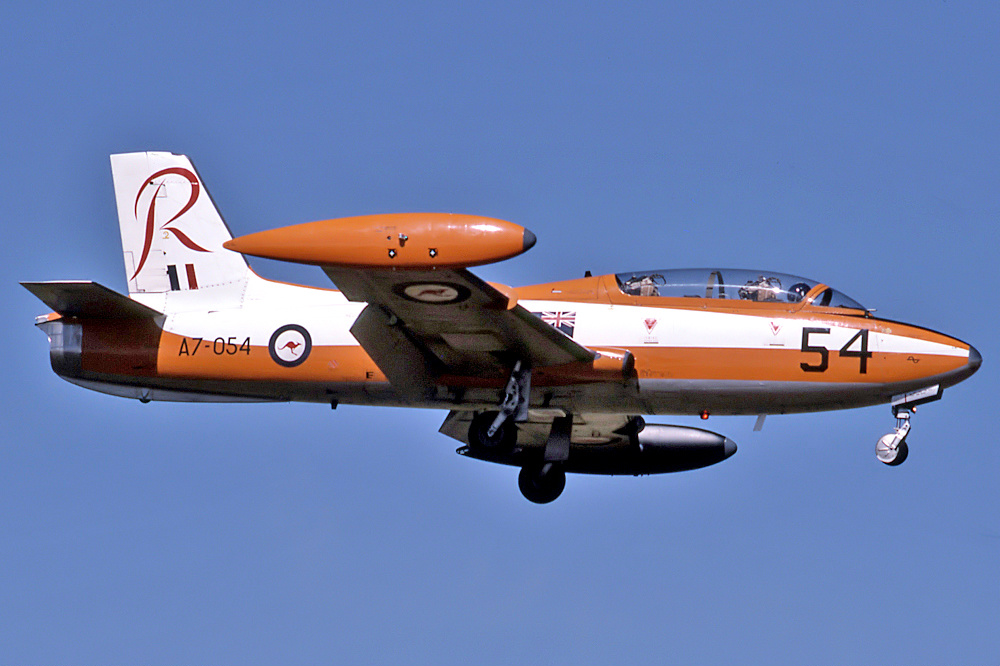
When Aermacchi first proposed the MB-326 design in 1950, the Italian Air Force had immediate interest. This was a period when a majority of air forces were transitioning to all-jet fleets, including trainers. After a developmental and competition period, the MB-326 was ordered by the Italian Air Force (AMI) on December 15, 1958. In February of 1962, the Macchino officially entered AMI service. The MB-326 quickly showed how much more efficient military pilot training could be using a single “all-through” jet trainer, and economical as well. Other nations began to take notice, namely, the South African, Brazilian, and Royal Australian Air Forces.
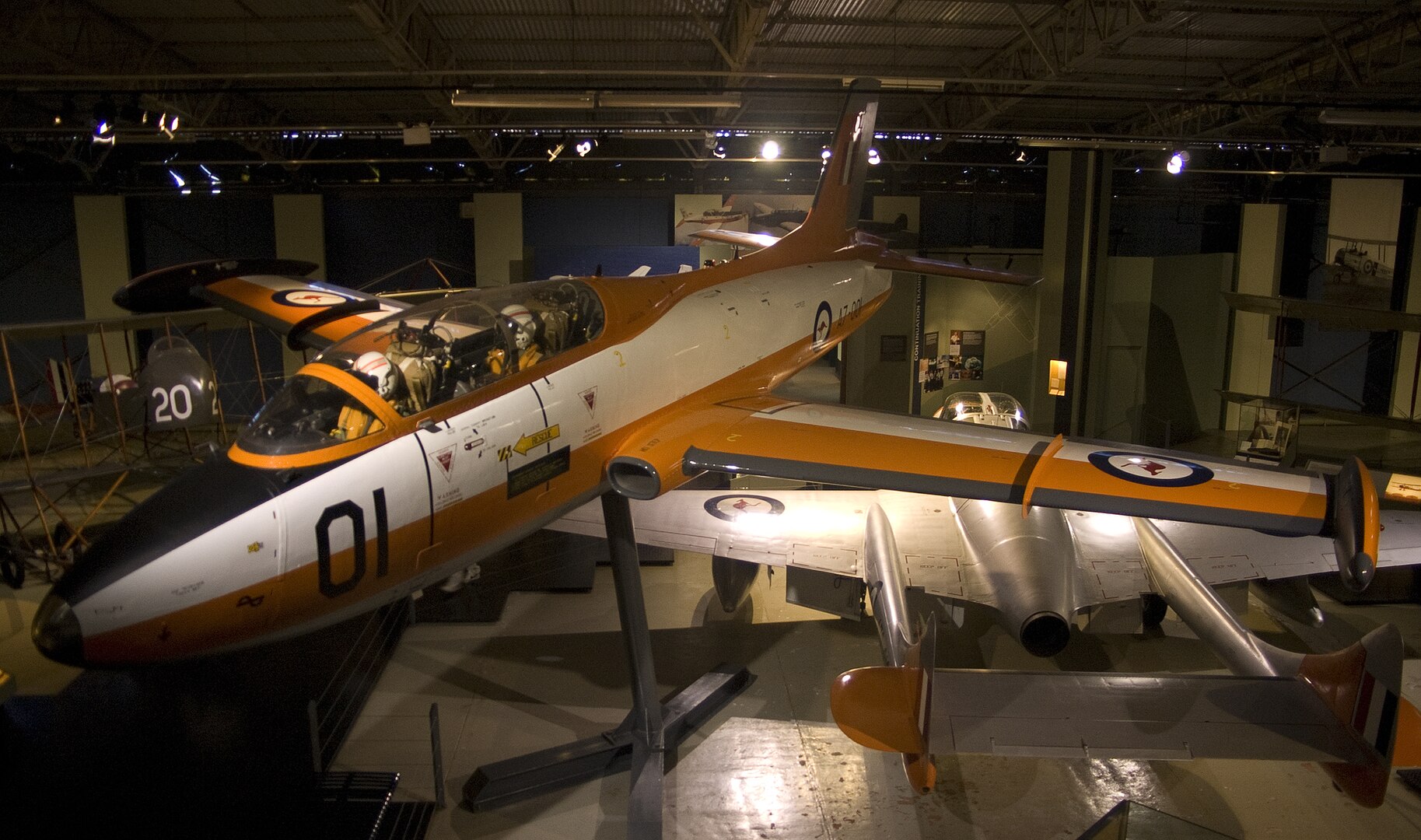
Brazil began to import the MB-326, and also built its own under license through Embraer. In South Africa, Atlas Aircraft Corporation began building the MB-326 under license, as well. In addition to serving as a trainer, an armed variant of the Macchino also saw action with the South African Defence Force. Between 1975 and 1989, armed MB-326s fought in the South African Border War against the People’s Armed Forces for the Liberation of Angola (FAPLA) and Cuban expeditionary troops in Angola.
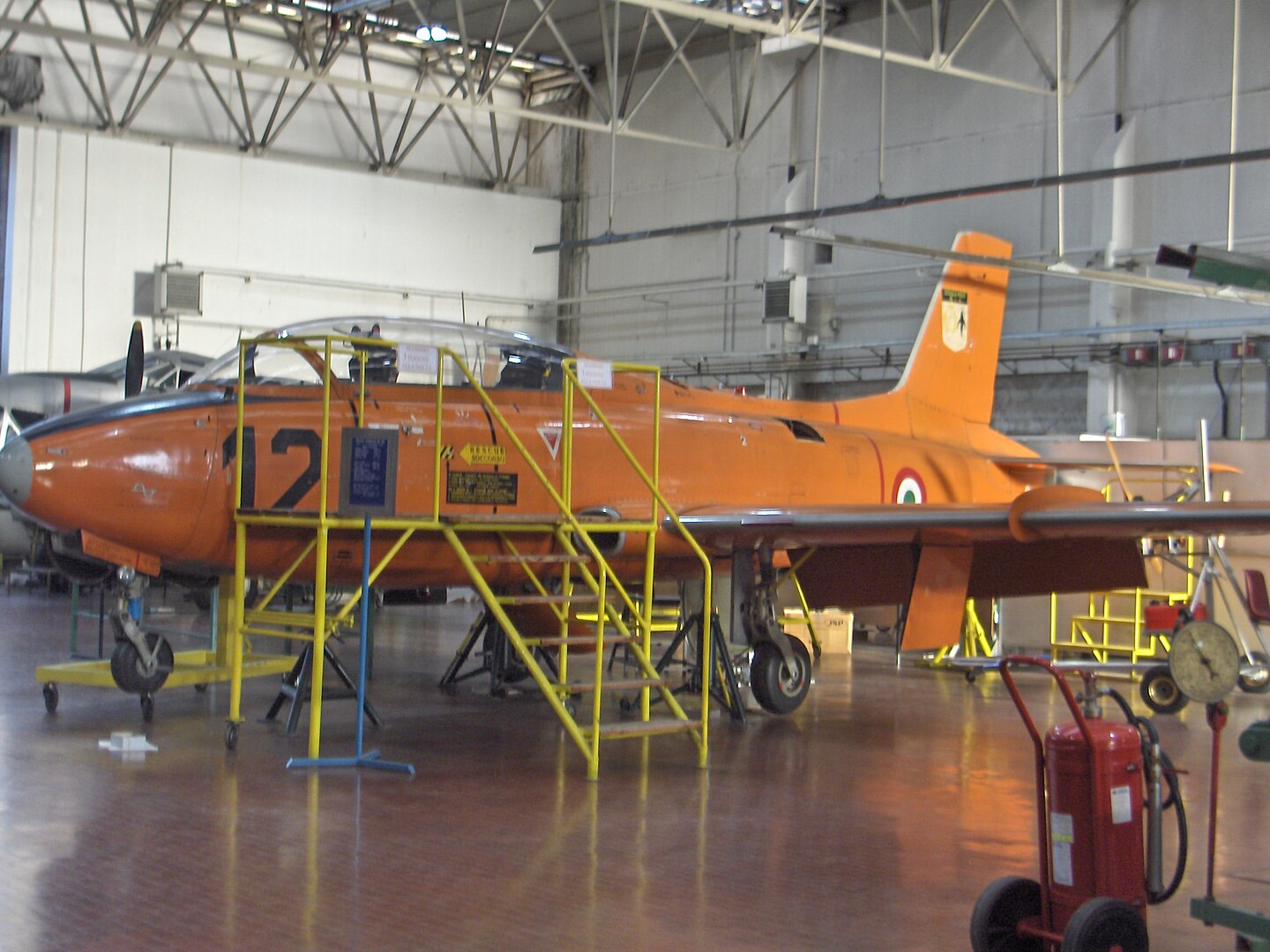
The Aermacchi MB-326G model had a crew of two and was powered by a Bristol Siddeley Viper 20 turbojet engine, with 3,410 pounds of thrust. The MB-326 had a cruise speed of 495 mph, but could attain a maximum of 541. The Macchino’s range was 1,000 nautical miles, while its service ceiling was 46,998 feet. Options for armament included two 7.7 millimeter machine-guns, either in the forward fuselage or on wing pylon-mounts. Six hardpoints, with a capacity of up to 4,000 pounds, could be loaded with optional rockets, missiles, or bombs. Between 1961 and 1975, Aermacchi built around 800 MB-326s. Many survive today, and some are still used as training aids with the Royal Australian Air Force. Renzo Catellani’s Volafenice flying collection maintains in flying condition a rare example of the MB-236, click HERE.