
(Image credit: VAN)
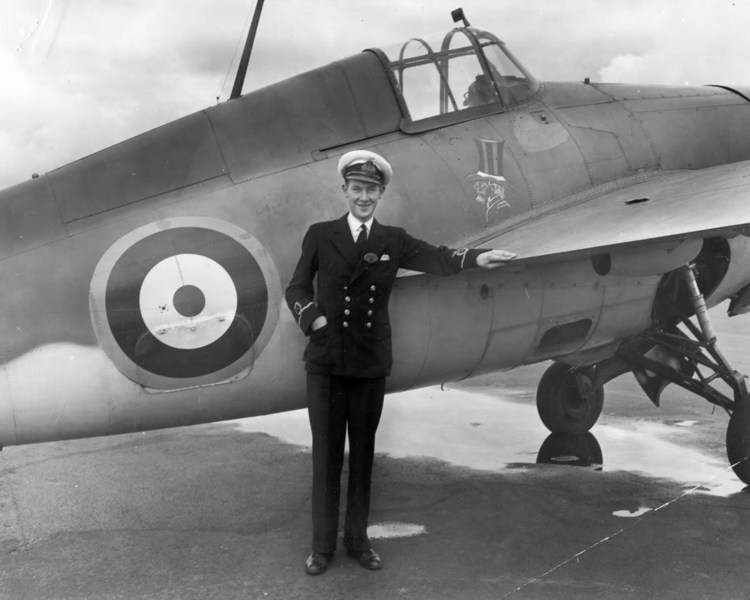
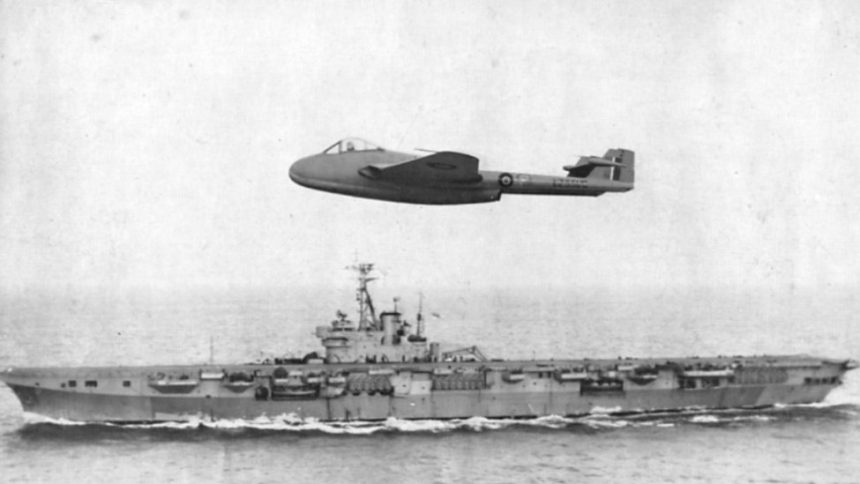
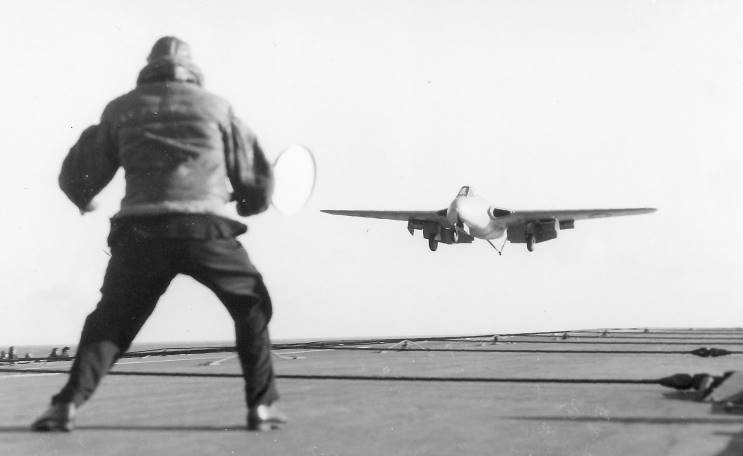
On this day in aviation history, 80 years ago (December 3, 1945), the first jet takeoff and landing aboard an aircraft carrier took place. Lieutenant-Commander Eric Melrose Brown, the Chief Naval Test Pilot at RAE Farnborough, was tasked with handling the flight. The aircraft flown was a de Havilland DH.100 Sea Vampire Mk.10, known as LZ551/G. Royal Navy Colossus-class aircraft carrier HMS Ocean (R68) was the ship from which Brown and the Sea Vampire departed and returned to land on.
Sea Vampire LZ551 was the second of three prototype DH.100s, and it first flew on March 17, 1944. After initial flight testing, the LZ551 was modified in 1945 to be able to fly to and from aircraft carriers, thus making it a Sea Vampire Mk. 10. This single-seat, single-engine jet fighter was powered by a Halford H.1 turbojet engine that could produce 2,300 pounds of thrust. A maximum airspeed of 548 mph was attainable by the DH.100. Vampires entered service with the Royal Air Force in 1945, remaining in front-line duties until 1953. LZ551, the first jet to take off and land from an aircraft carrier, survives today. This aircraft is on display at the Fleet Air Arm Museum in Somerset.
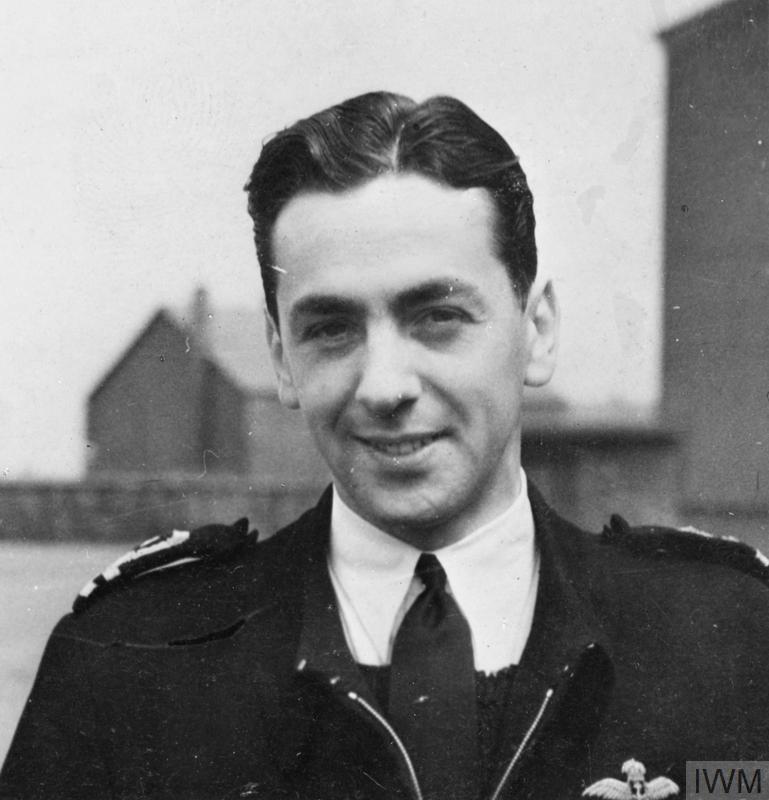
After the historic carrier-based flight in the Sea Vampire, Eric “Winkle” Brown would go on to continue his illustrious flying career. Prior to the flight, he had served in World War II with the Royal Navy as a Grumman G-36A Martlet Mk.I pilot. During the War, he would destroy several enemy aircraft, including two German Fw 200 Condor patrol bombers. As a test pilot, Brown would fly 487 different types of aircraft and accumulate over 18,000 flight hours. Brown lived a very remarkable life of 97 years, passing away on February 21, 2016.