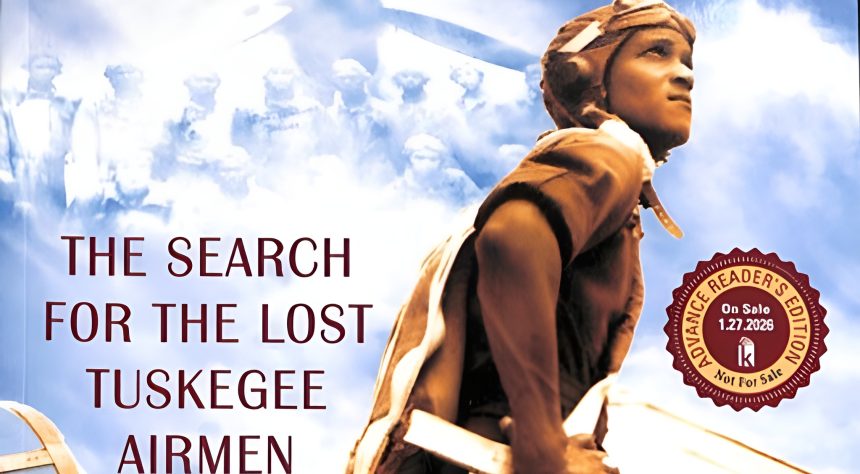

Forgotten Souls: the Search for the Lost Tuskegee Airmen by Cheryl W. Thompson, reviewed by Joe May, available on Amazon.
MIA—Missing in Action. The acronym signifies a service person lost in combat with remains unaccounted for, death uncertain. Once 366 days pass, with no recovery of remains or positive conclusion of death, the MIA is declared KIA—Killed in Action. The MIA acronym brings despondency to affected families along with an emotional void. An eternal void that troubles relatives and fellow service people with questions that have no answers. Thoughts of possible survival? Did the MIA perish with, or without, great pain? Or simply, “Just what happened?”
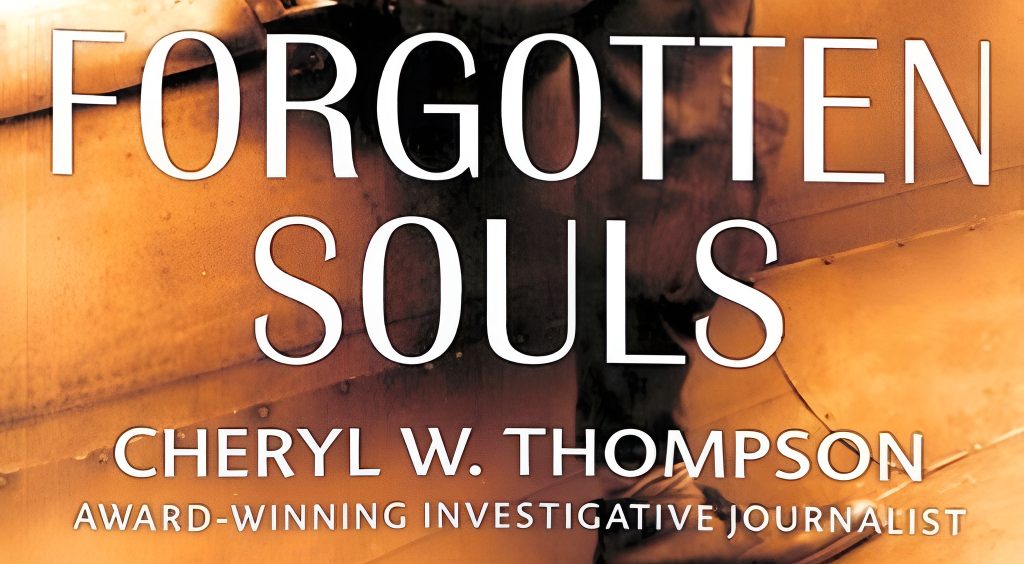
Cheryl Thompson’s Forgotten Souls has 27 of these gripping stories. Any MIA story is tragic. It is inherent in its nature. But these stories of these 27 pilots, all Tuskegee Airmen, are all the more tragic with the added insanity of racial discrimination. Recall that the Tuskegee Airmen were flying for the U.S. Army Air Forces (USAAF) in World War II (WWII) while breaking the “color barrier,” allowing the Afro-American men to pilot fighter aircraft on combat missions.
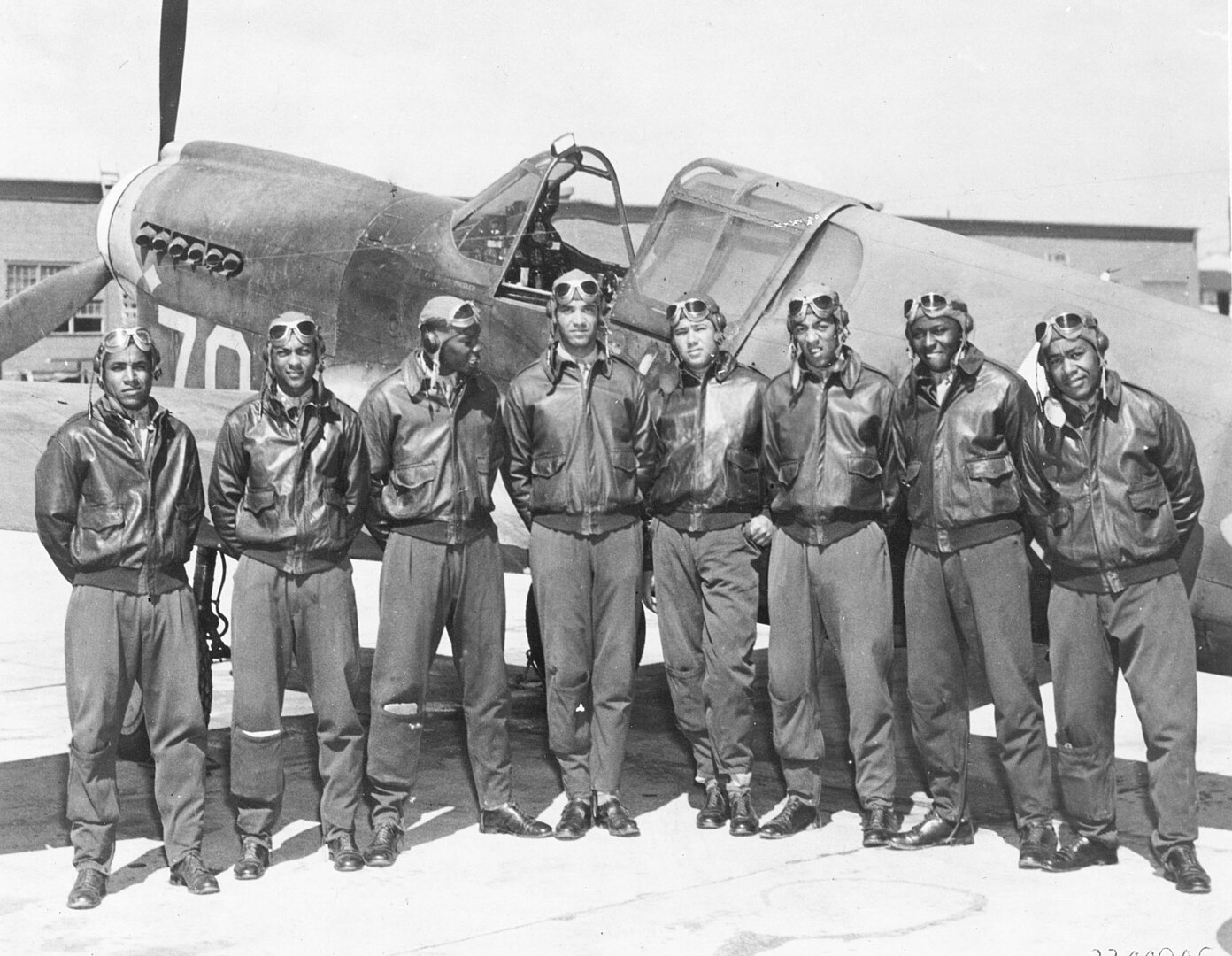
These 27 individual subjects in Forgotten Souls were lost on a combat mission in the skies over Italy during WWII. Sometimes deep inside Axis territory. Sometimes in the deep waters of lakes and seas. But lost, usually without missions dedicated to search and rescue (SAR) efforts. Simply written off. Replaceable. Not missed. But they were missed. Of course, they were missed. Missed by relatives, squadron mates, chief mechanics, and more. The math quickly adds up to hundreds of people missing these 27 men, wondering about their ultimate fates. All while bravely serving their country, flying bomber escort missions and fighter sweeps while protecting Allied bomber aircrews, all of whom would not have been African American.

Thompson tells of their lives and what she learned delving through family records as well as interviewing relatives. Humanity and history are both rich in her book. Readers get to know these men as individuals through Thompson’s uncommonly good writing. It is little wonder, given her caliber and the number of her credentials. Saying Cheryl Thompson is a journalist is like saying Chappie James was a General or that Robin Olds was a fighter pilot.
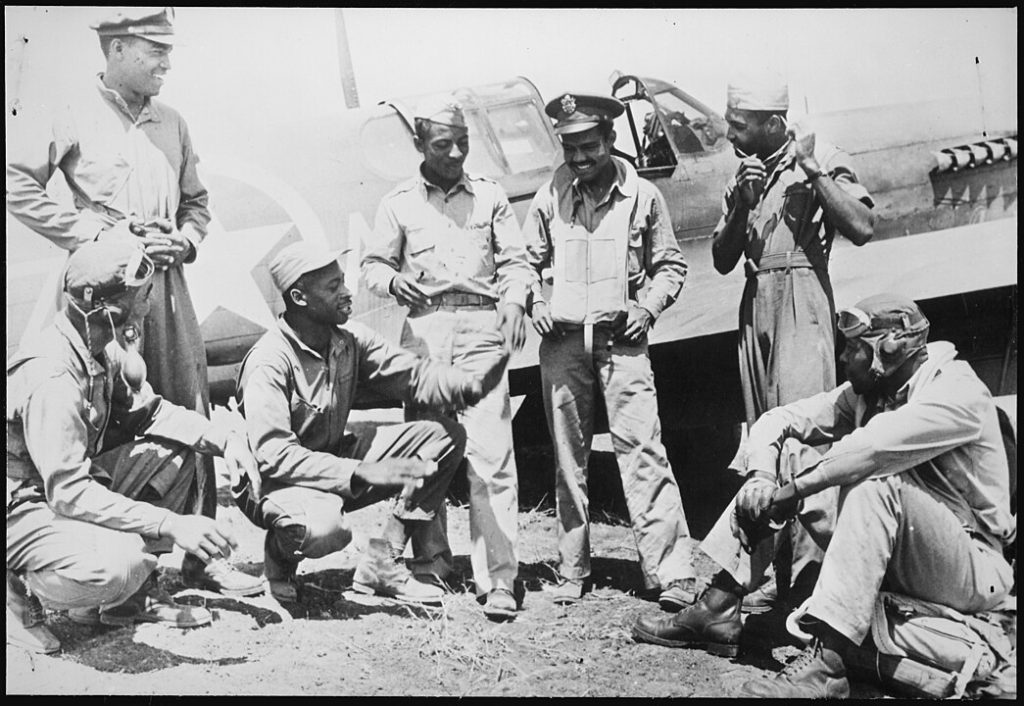
First not allowed to fight, these men rose to prove equal in ability compared to any country despite America’s deeply entrenched racism, even when a baseless government report concluded Afro-Americans to were inferior to other races was produced. Afro-Americans who earned medical degrees, engineering degrees, invented, were professors, and musicians apparently were insufficient to disprove the report. Belief over facts, as well as over common sense and logic, too often prevails with humans. Not so in the rest of the Animal World.
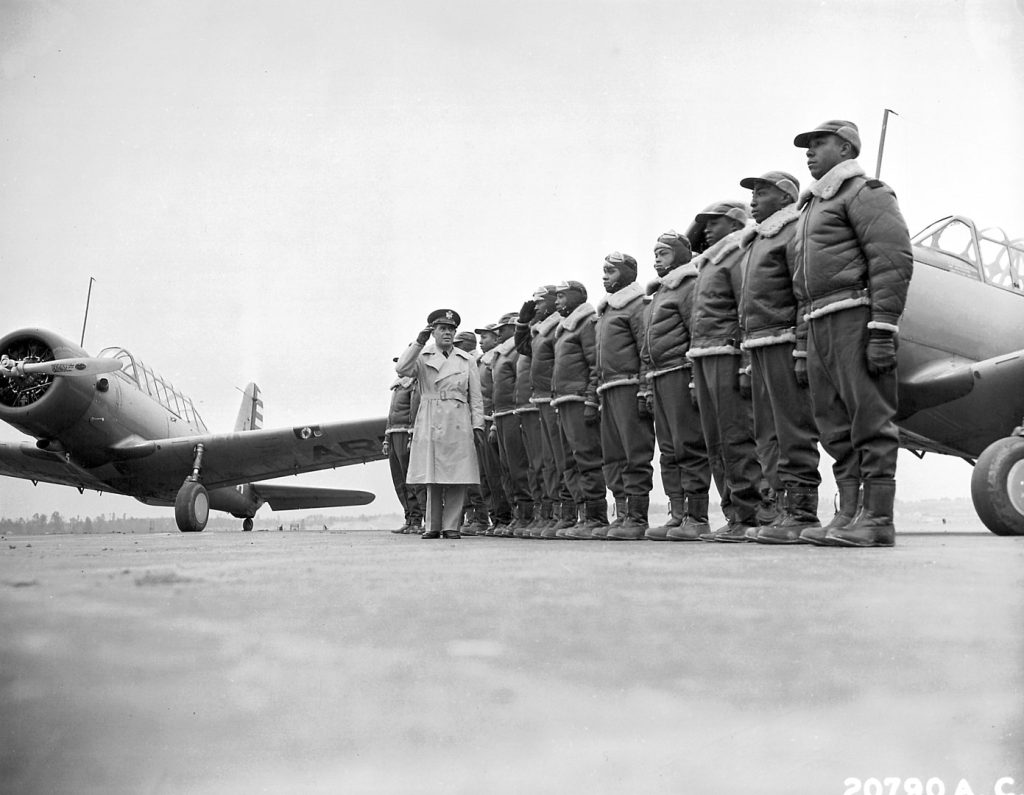
Readers also get a true understanding of a strand within this country’s intricate cultural tapestry. So many of the 27 are juniors in their families—30% in fact. The “Divine Nine” of Black Greekdom, a variety of Black thinkers and great achievers, but mostly families—regular families, American families. This book is unique for its depth of history as well as the lives of 27 of the Tuskegee Airmen who were MIA while fighting the Axis Powers. It tells of how they fought with less than stellar logistical support, worn aircraft, and within a system not devoting resources to search for them when lost or shot down. Thompson’s research into each story shows each to be unique, as was each Red Tail pilot. It is Thompson’s ability to talk with these MIA family members that brings this history home to the reader, however. Her compassion and empathy in interviewing dozens of family members bring the humanity of their experiences into the light—an aspect of history as commonplace as it is untold. But read of 27 men, these Forgotten Souls, who served in combat. not expecting to be appreciated by American society in their time, but who took the higher road all the same. Choosing to make history. Preorder the book HERE.

This is a review of a galley copy, a pre-publication, with the published book slated to have 50 additional pages. These pages may or may not include images, but can only add to the remarkable nature of Forgotten Souls: the Search for the Lost Tuskegee Airmen. Forgotten Souls would be as welcome on Afro-American bookshelves as on World War II air warfare bookshelves. It would also be welcomed on bookshelves for aspiring journalists to read firsthand how to investigate, as well as those concerned with humanity in wartime. Forgotten Souls: the Search for the Lost Tuskegee Airmen is set for release near the end of January 2026—at the beginning of Black History month!
|
Hardcover Publisher: Dafina—Imprint of Kensington Books (2026) Size: 9” x 6” Index: none, though the TOC is sufficient Bibliography: none Notes: endnotes Photos: ✔︎ Cost: $30 ISBN: 978-1-4967-5077-8 Page Count: 240 (galley copy has 191) Available on Amazon |