
By Kevin Wilkins
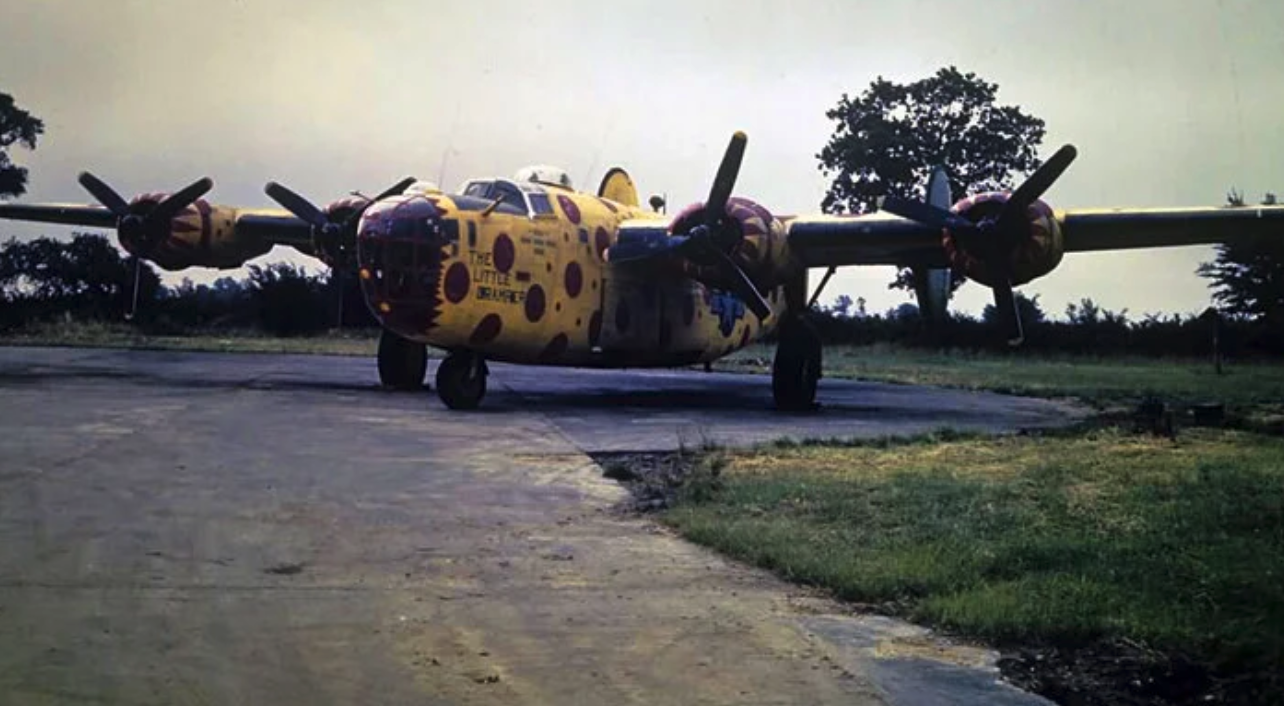
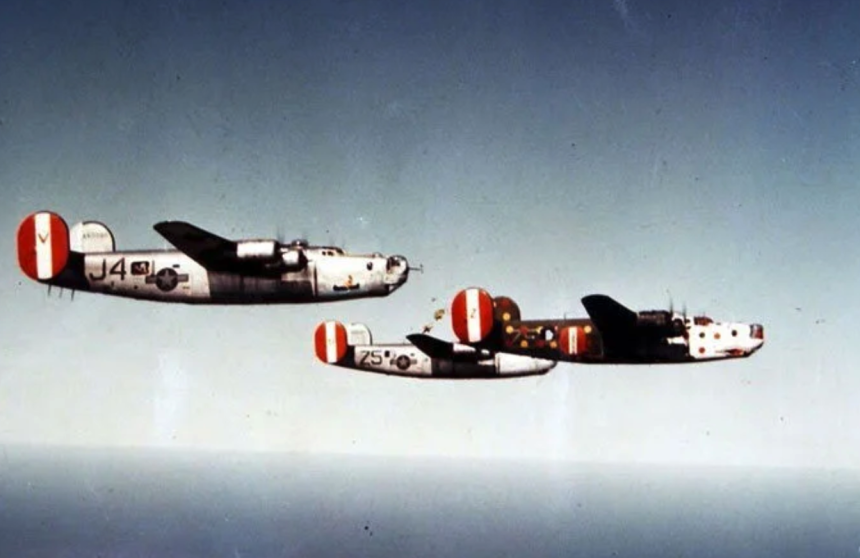
Necessity is the mother of invention. The story of the assembly ships of the Mighty Eighth perfectly illustrates this saying. Their singular, crucial mission was to organize and assemble large bomber formations before combat missions. You’ve probably seen images of WWII bombers that look like they were painted by a child—white B-17s covered in blue polka dots, B-24s with rainbow-esque stripes. But these were real planes that flew in combat, and their vivid paint served an important purpose. In this article, inspired by the excellent research of Dave O’Malley of Vintage Wings of Canada, we’ll explore the fascinating story of these aircraft, known as assembly ships.
To understand assembly ships, we need to go back to England, around 1943. The Eighth Air Force was ramping up operations, and with new units coming online, the number of aircraft on a single mission quickly ballooned. By November 1943, more than 500 bombers could take to the skies for a single operation. Coordinating these flights was no small task: aircraft had to take off at precise intervals, climb to specific altitudes, and follow predetermined flight paths so that squadrons could form coherent bomber streams for navigation and self-defense. Any deviation—planes arriving too early or too late, squadrons misaligned—could leave crews vulnerable to fighter attacks or even cause midair collisions.
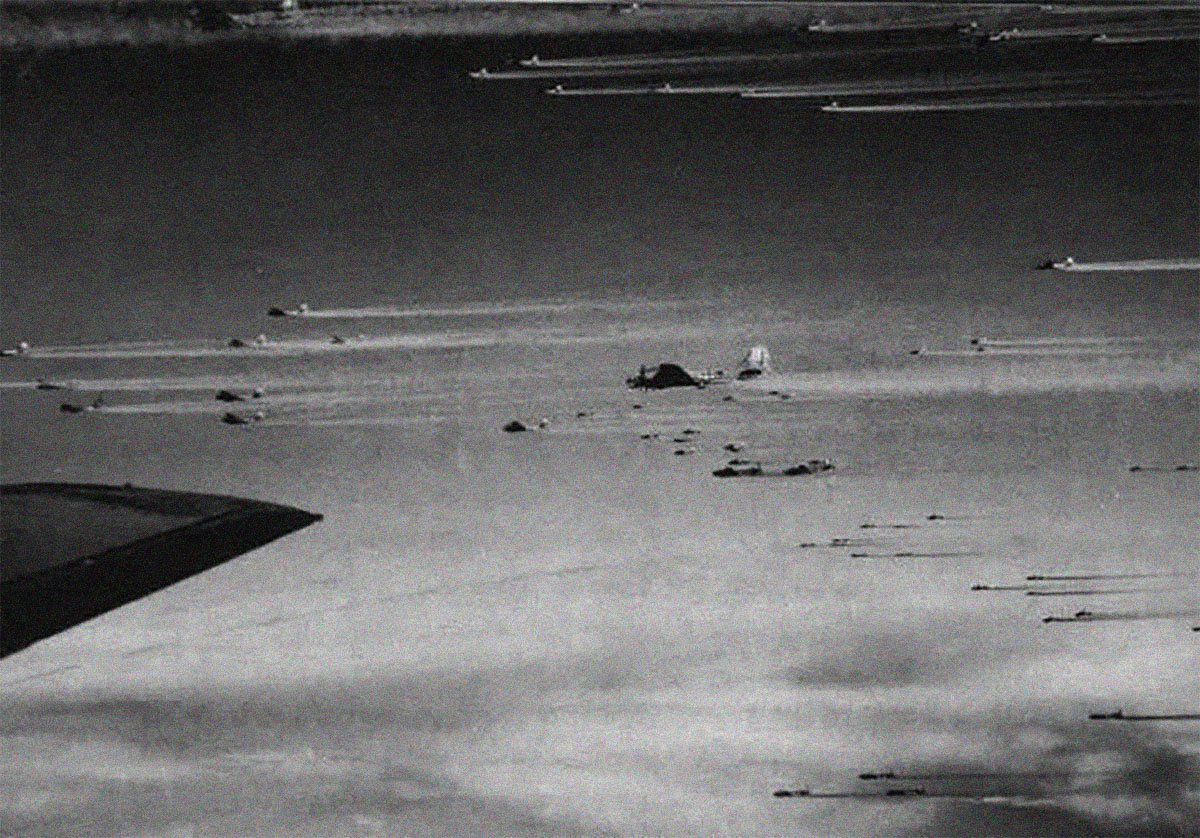
It was to mitigate these risks that assembly ships emerged. Often stripped of armament and flown by veteran pilots, these aircraft carried distinctive paint schemes, flares, and lights to guide other bombers into formation. They were sometimes called “Judas Goats,” acting much like rodeo clowns, distracting danger while ensuring the safety of others.
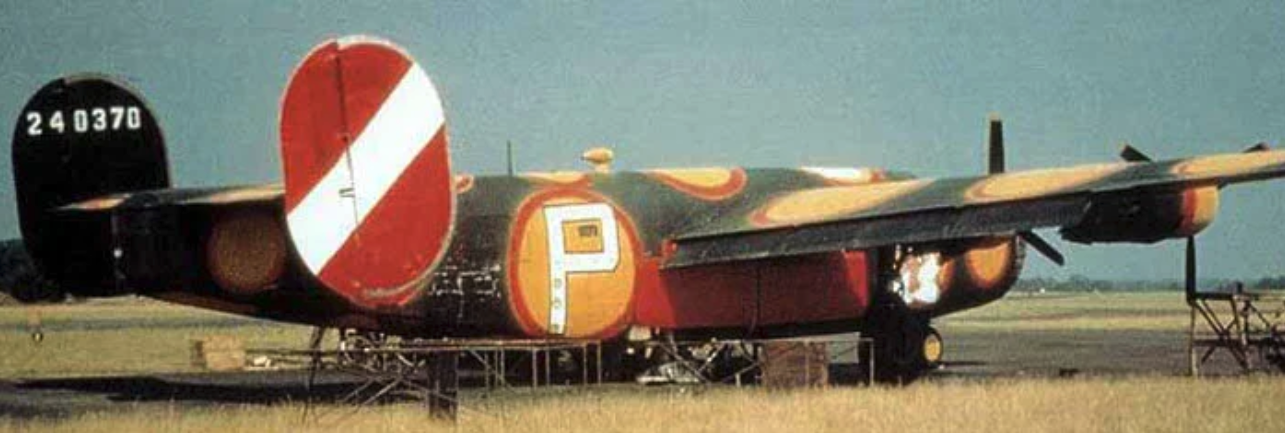
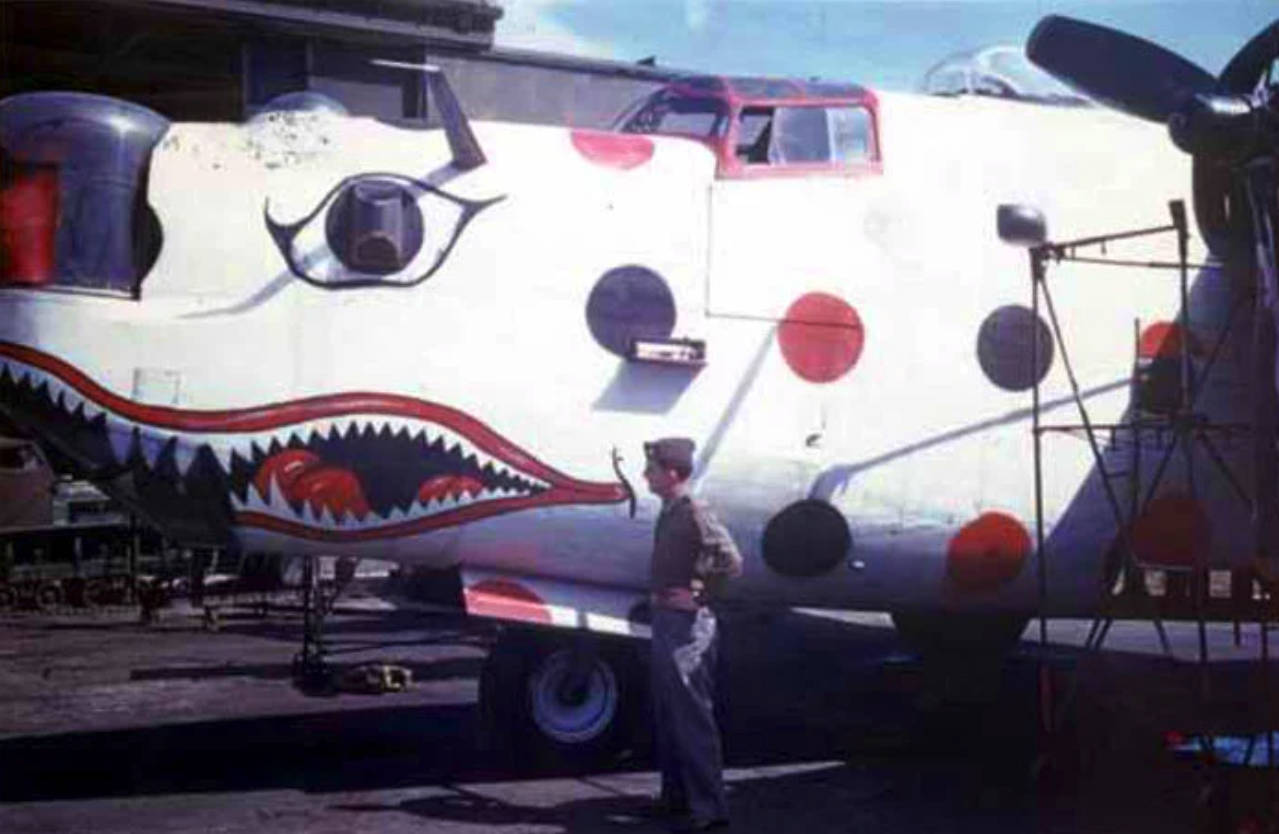
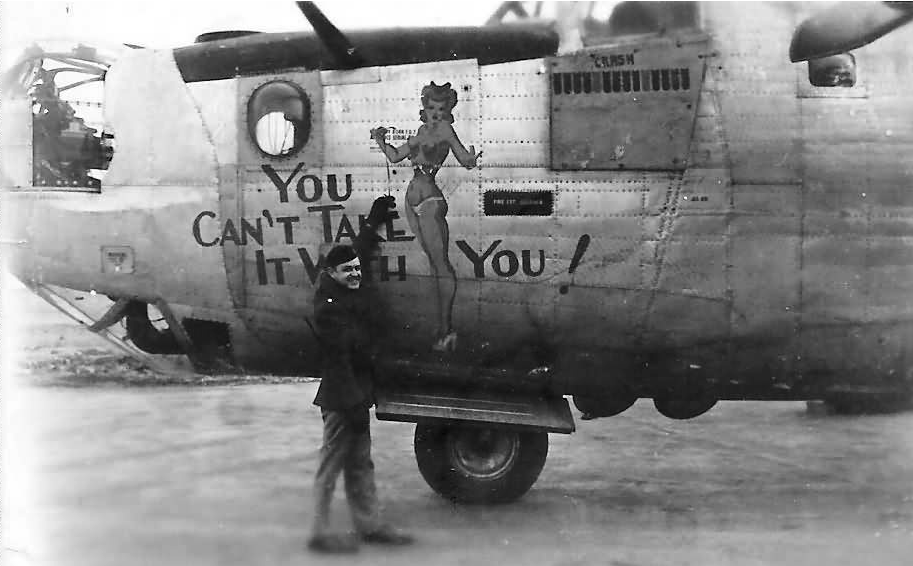
Over southern England on 20 July 1944, the crew of a fully armed B-24J Liberator named You Can’t Take It With You battled through low clouds and sweltering heat, bound for the railroad marshalling yards outside Munich. The cockpit thundered with noise, and the scent of gas, sweat, and Bakelite hung heavy. Fear gnawed at the nerves as German fighters awaited ahead. Many would fall. Many would die. As the crew searched through the haze, they began to spot other Liberators rising to join them, forming the massed formations necessary for mutual protection. Most of these aircraft were fresh from American factories, yet their paint was streaked with oil and exhaust. Names and nose art—Arise My Love, Time’s a Wastin’, Big Chief Little Beaver—adorned their fuselages. Then, unmistakable among them, appeared a Liberator unlike any other. Lit by the late afternoon sun, her white wings bore a riot of red and blue polka dots. A painted face, resembling a shark or a panting dog, grinned along her fuselage. Known to her crews as Spotted Ass Ape or Wonderbread, this aircraft had once flown combat missions as Dixie Bell II but had been repurposed as an assembly ship.
Assembly ships like Spotted Ass Ape played a crucial role. The chaos of mass formations—hundreds of heavy bombers departing dozens of airfields—posed severe risks, especially to inexperienced crews. Each bomber group was assigned one of these veteran aircraft, marked with highly visible paint and equipped with flares or lights, to guide the formation safely to the assembly point. Some even led their charges all the way to the target before returning home.
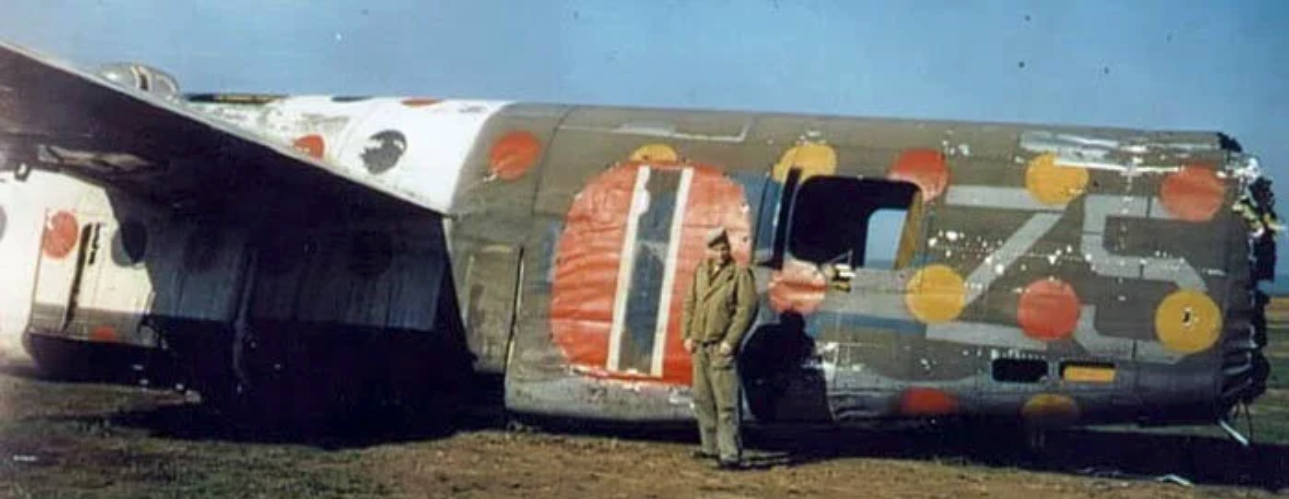
Despite their almost comical appearance, these “polka dot warriors” commanded respect. Much like rodeo clowns, they guided younger crews through danger, ensuring that formations could assemble efficiently, minimize losses, and strike their targets. For the crew of You Can’t Take It With You, seeing Spotted Ass Ape meant safety and order in an otherwise perilous sky. Once the formation was complete, the assembly ship would break off and return to base, leaving the bombers to continue their deadly mission over Europe.
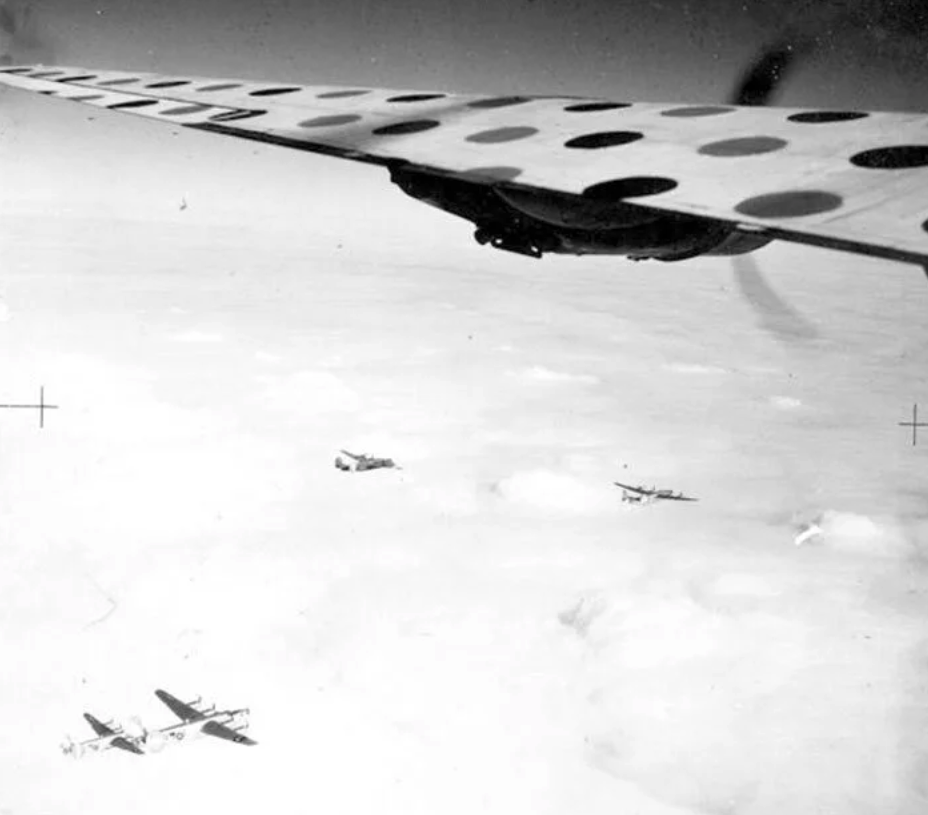
Many notable assembly ships existed: B-17s like Spotted Cow (B-17F 42-3441), and B-24s such as First Sergeant (B-24D 42-40127), Barber Bob (B-24D 41-23667), and Lil Cookie (B-24H 42-7552). Each carried unique, eye-catching paint schemes of polka dots, stripes, or shark mouths, often on otherwise war-weary frames. Their colorful appearances were more than whimsical—they were vital tools of coordination, safety, and efficiency in the massive aerial operations of the Mighty Eighth Air Force.
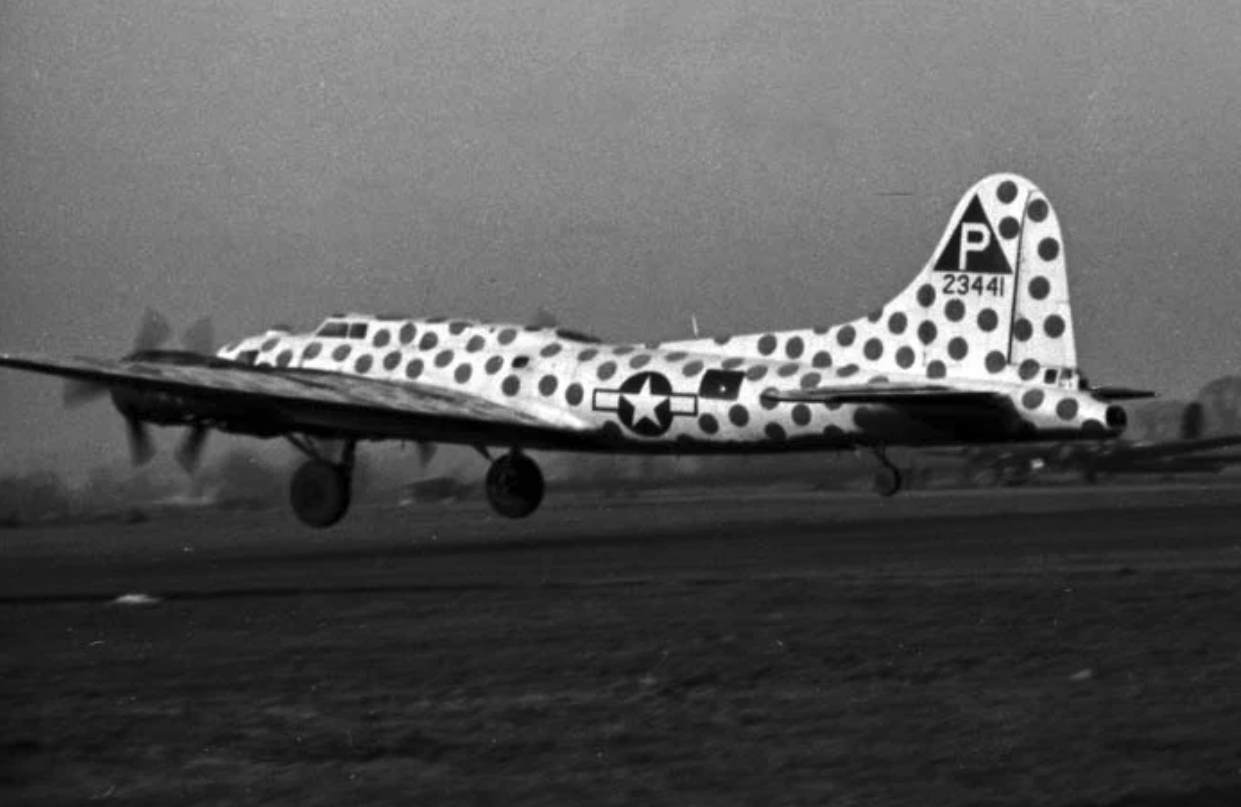
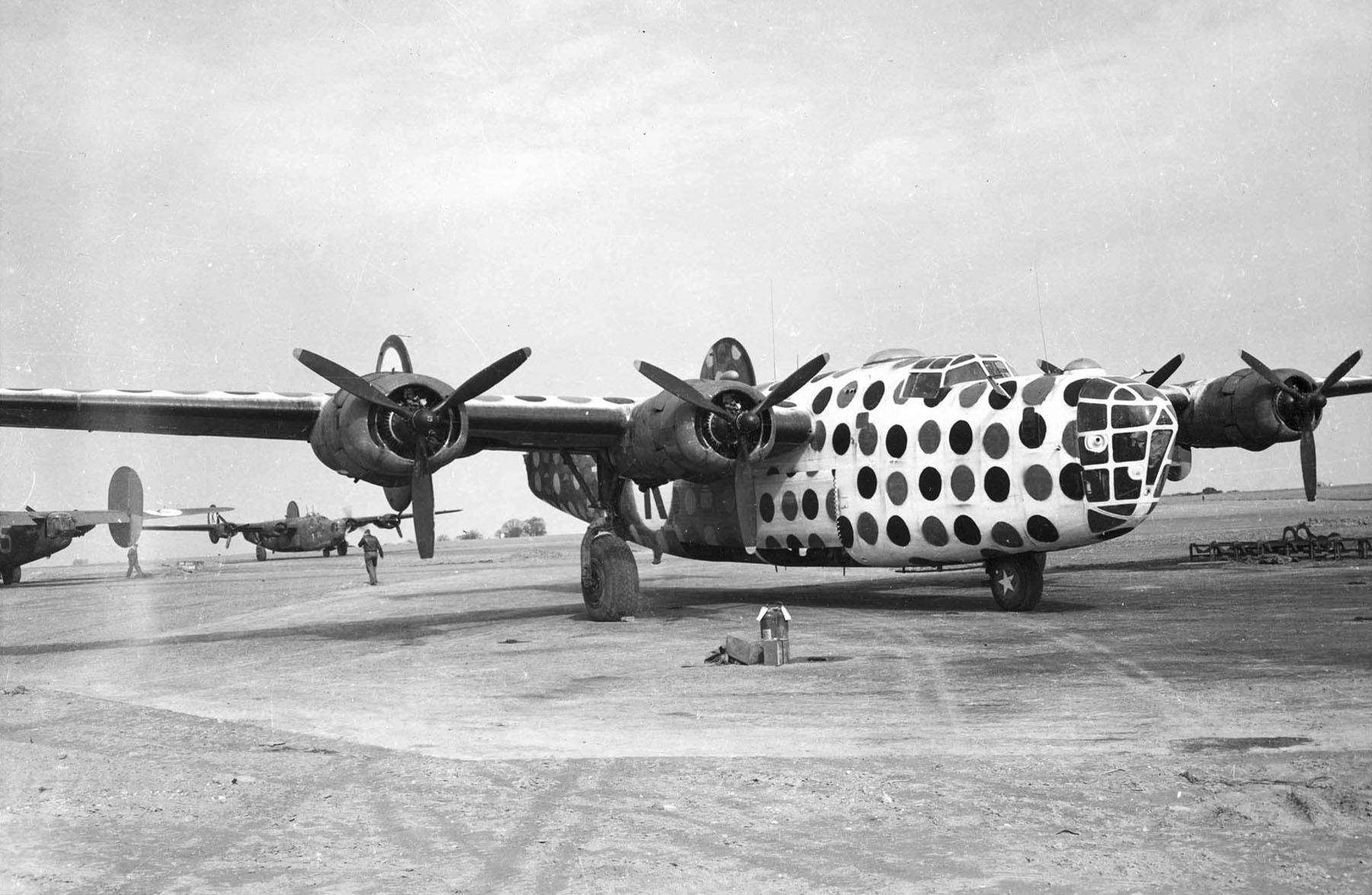
The legacy of assembly ships endures as one of the unsung contributions of WWII aviation. These garishly painted yet highly effective aircraft ensured that bomber crews could operate in tight, dangerous formations and survive the rigors of aerial combat. In their colors, in their role, and in the respect they commanded, they remain a vivid reminder of the ingenuity and courage woven into the story of the air war over Europe.
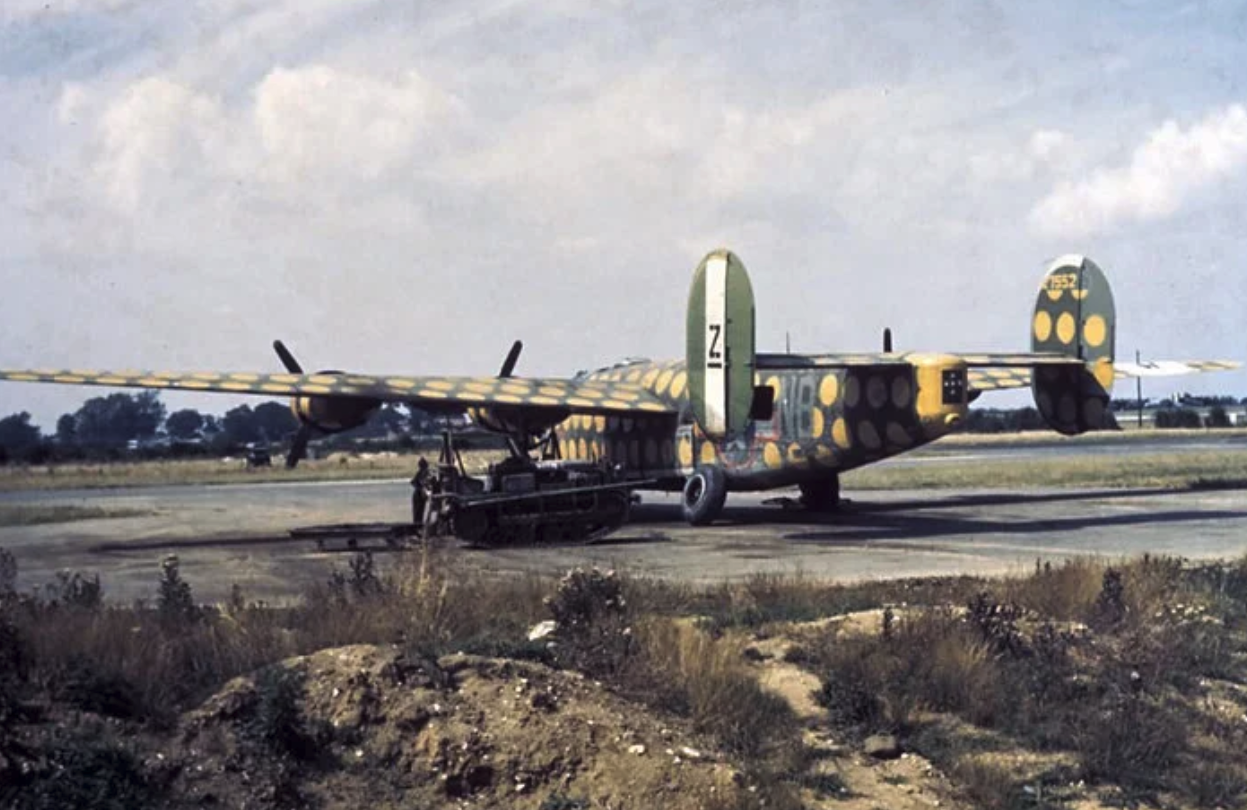
For more unique and meticulously researched aviation stories, check out Dave O’Malley’s articles on the Vintage Wings of Canada blog.