
By Randy Malmstrom
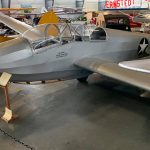
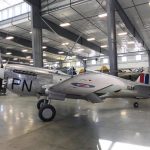
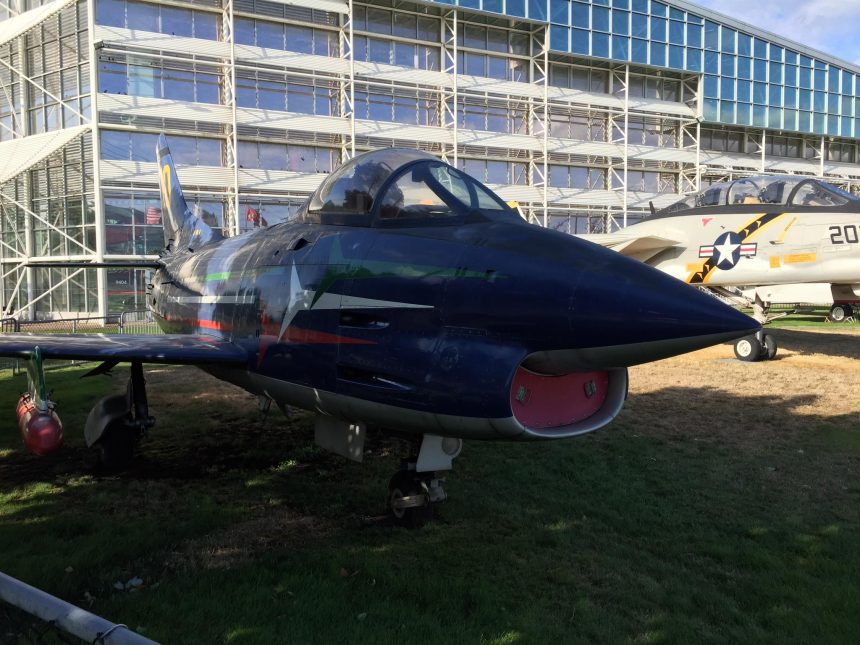
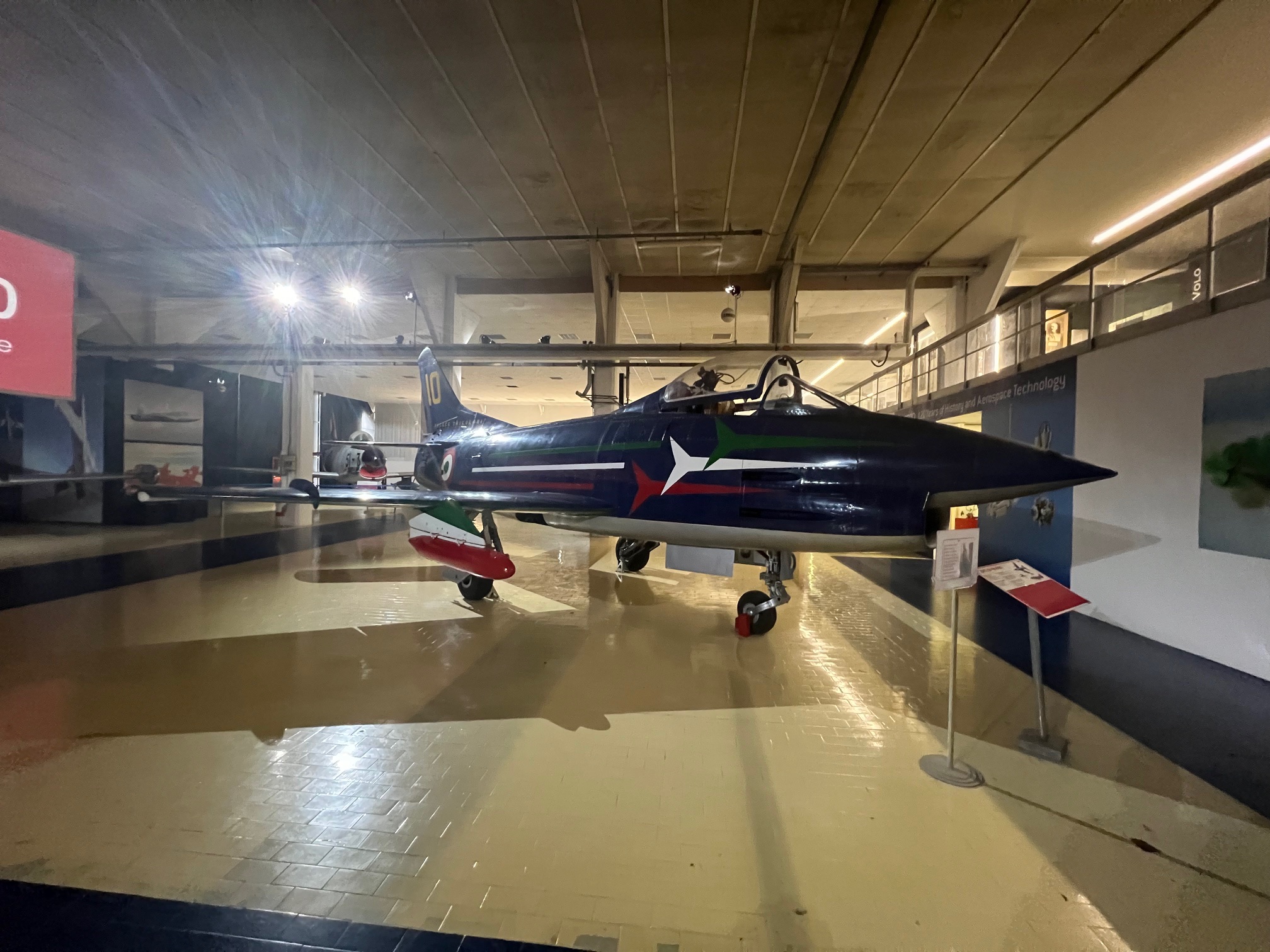
Fiat Aeritalia G.91 PAN. This aircraft was built as an aerobatic version of the Fiat Aeritalia G.91 light fighter and called the “PAN” for the 313° Gruppo Addestramento Acrobatico, Pattuglia Acrobatica Nazionale (PAN) Frecce Tricolori (Tricolor Arrows), call sign “Pony,” Italy’s national aerobatic team flying out of Rivolto Air Force Base in Udine, Friuli-Venezia Giulia, and flown from 1963 to 1986 (under the command of Major Mario Squarcina). This has the markings of the PAN Solo Pilot “Pony 10.” He flies an almost independent display program, pushing the envelope. PAN aircraft were fitted with smoke-producing equipment and counterweights in place of armament.
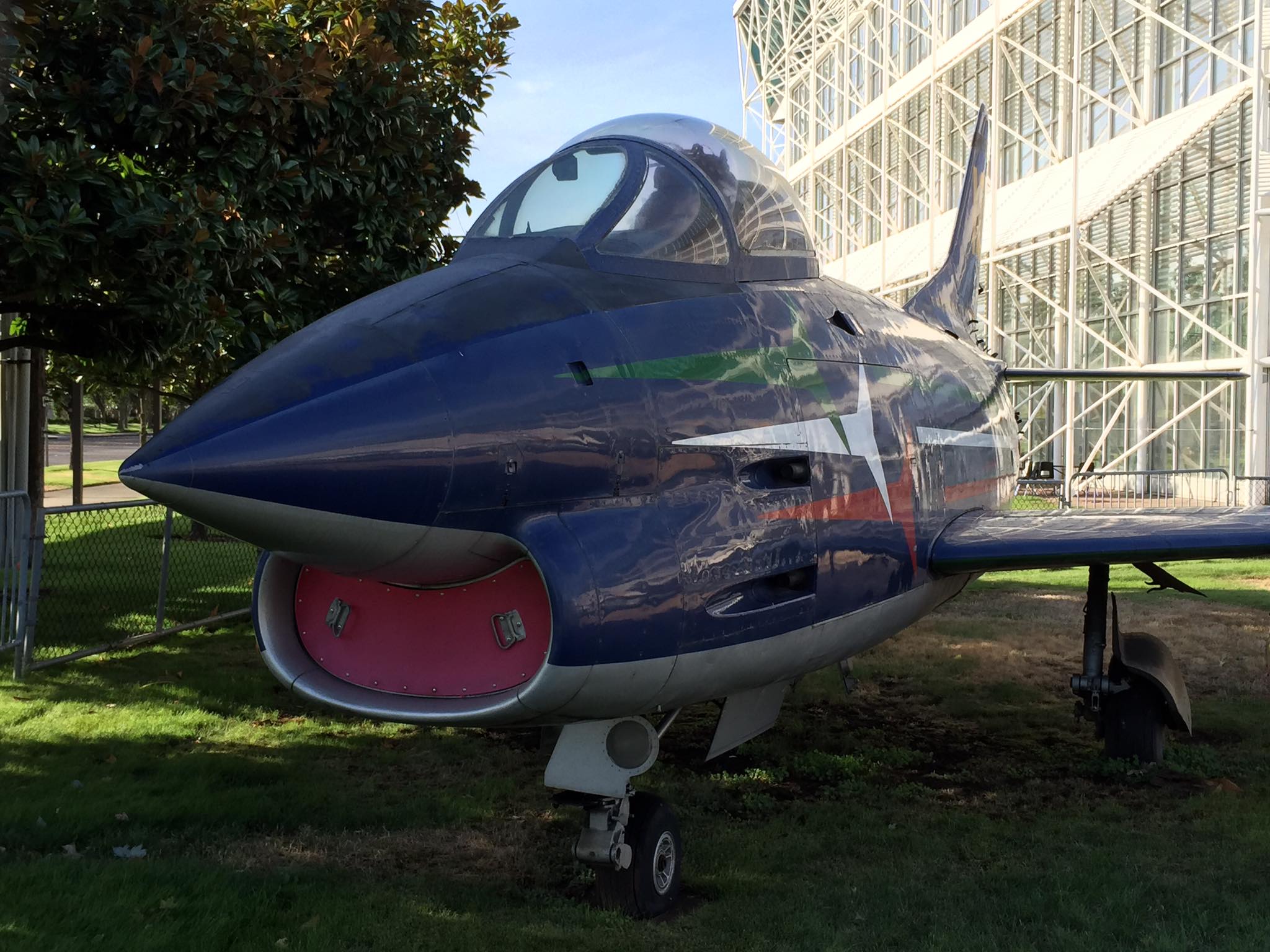
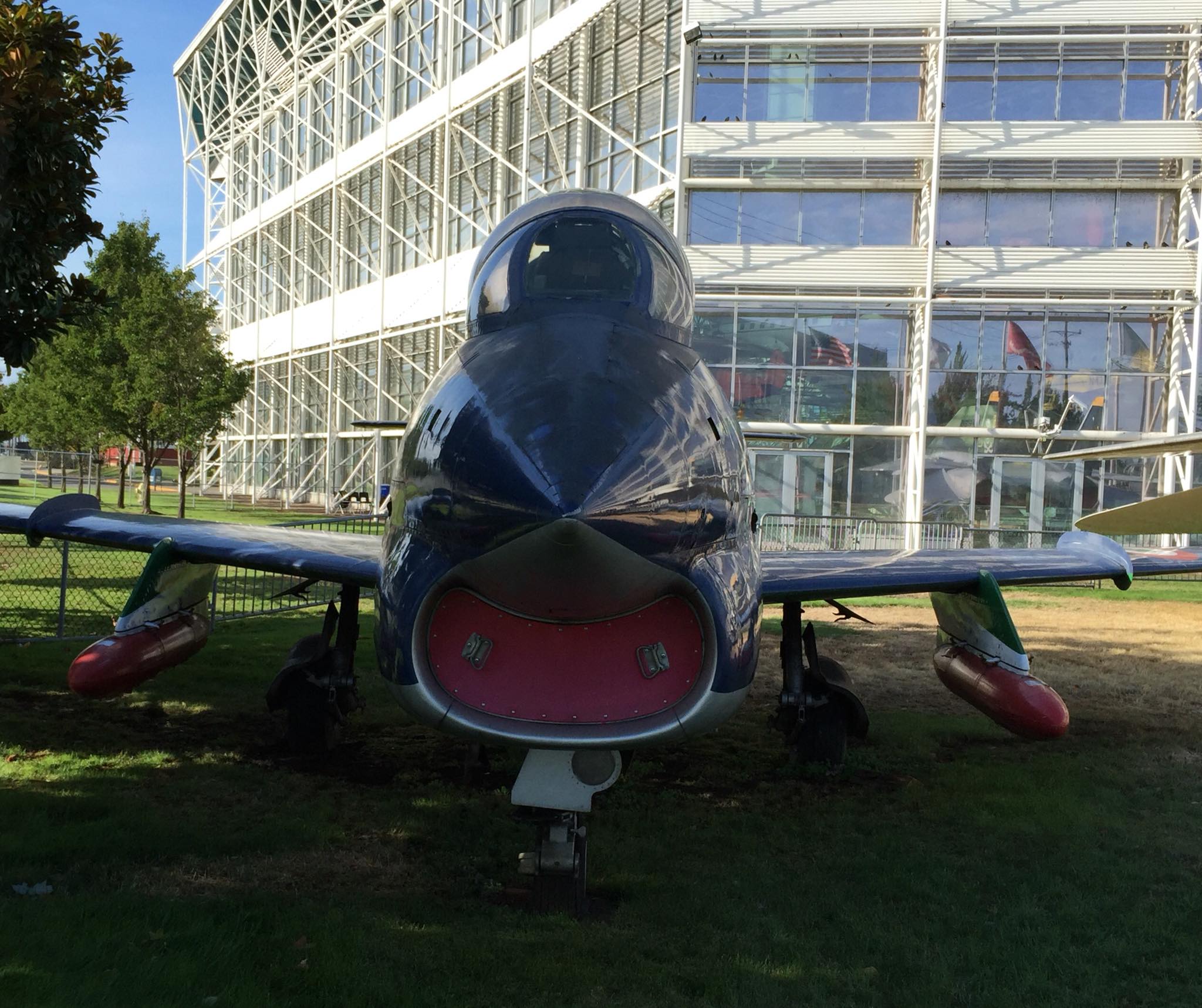
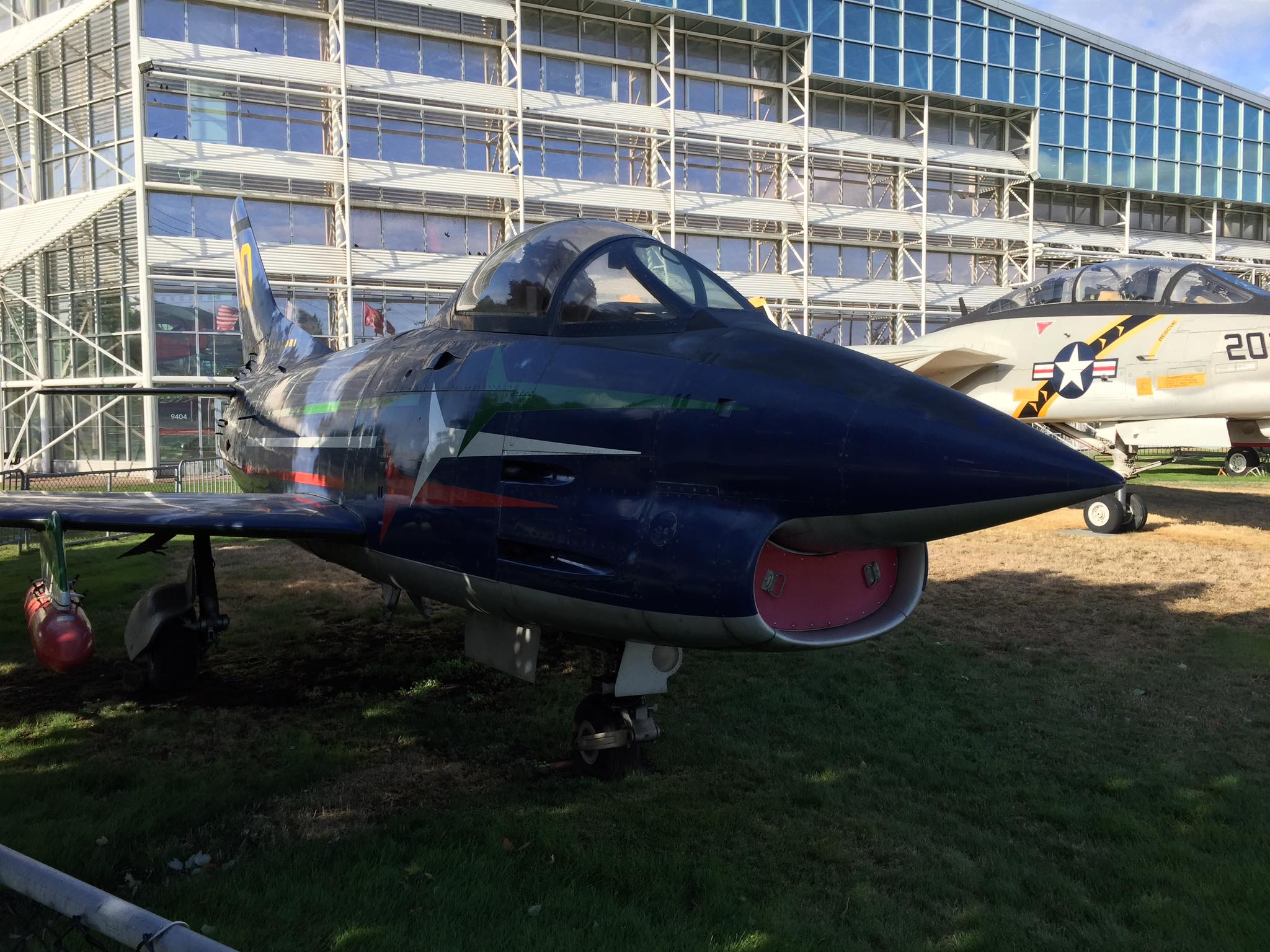
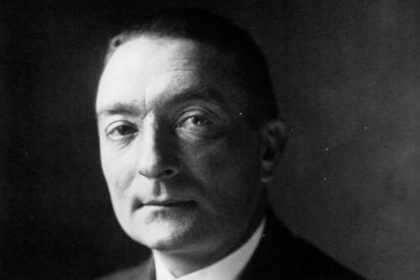
The G.91 was a light fighter designed by Italian aeronautics engineer Giuseppe Gabrielli (hence the “G” designation) and built by Fiat Aviazione. It was the winner of the 1953 NATO competition for a light fighter. It entered operational service in 1958 with Aeronautica Militare (the aerial defence force of Repubblica Italiana (the Italian Republic); the Luftwaffe of the Bundesrepublik Deutschland (West Germany) in 1962; and then Força Aérea Portuguesa (the air force of Portugal) in 1965 which deployed some of them to its former African colonies of Mozambique, Guinea-Bissau and Angola as close-support aircraft until 1975 (40 were purchased second-hand from the Luftwaffe out of aircraft that had originally been produced for Greece and had maintenance issues).
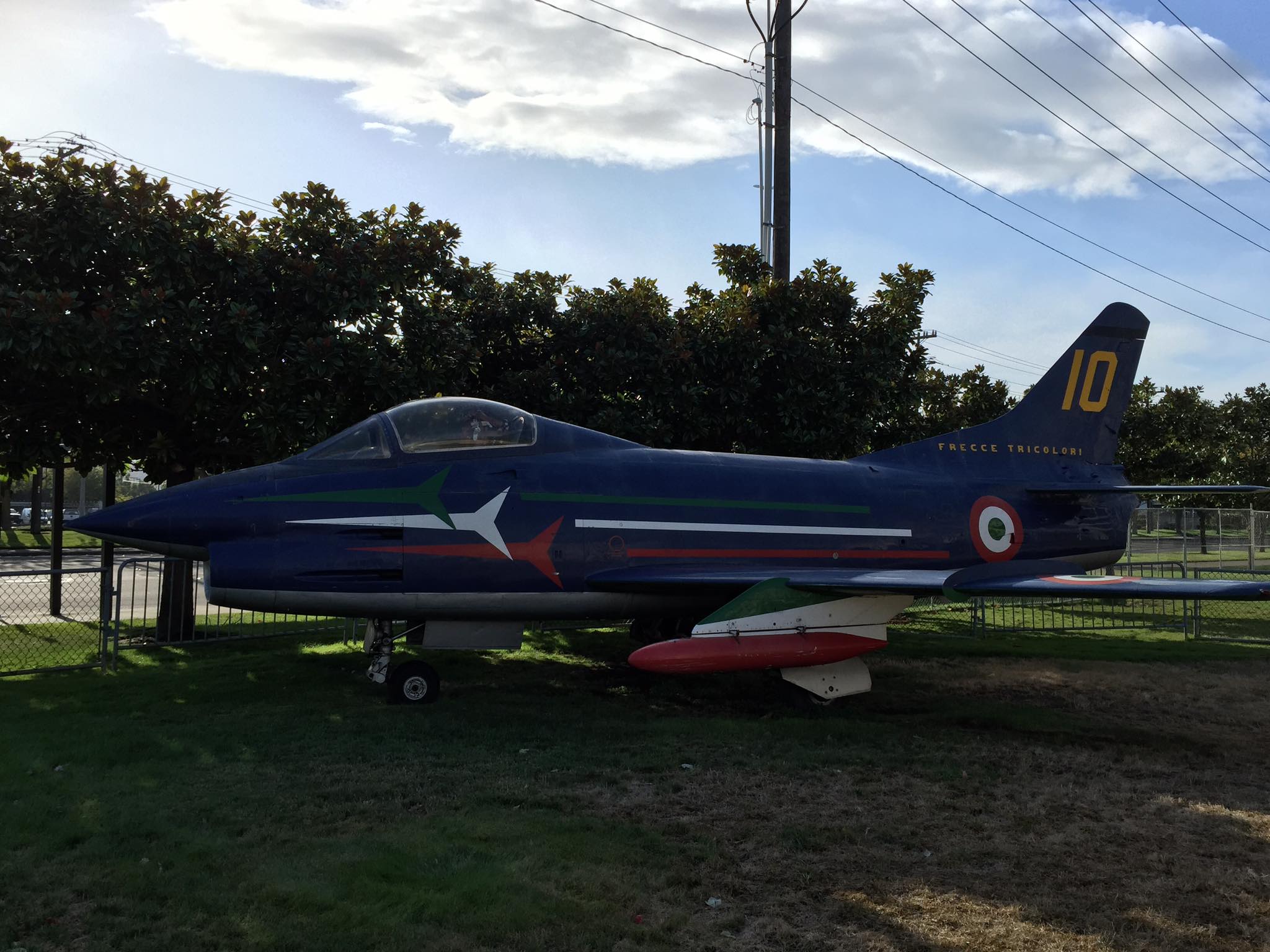
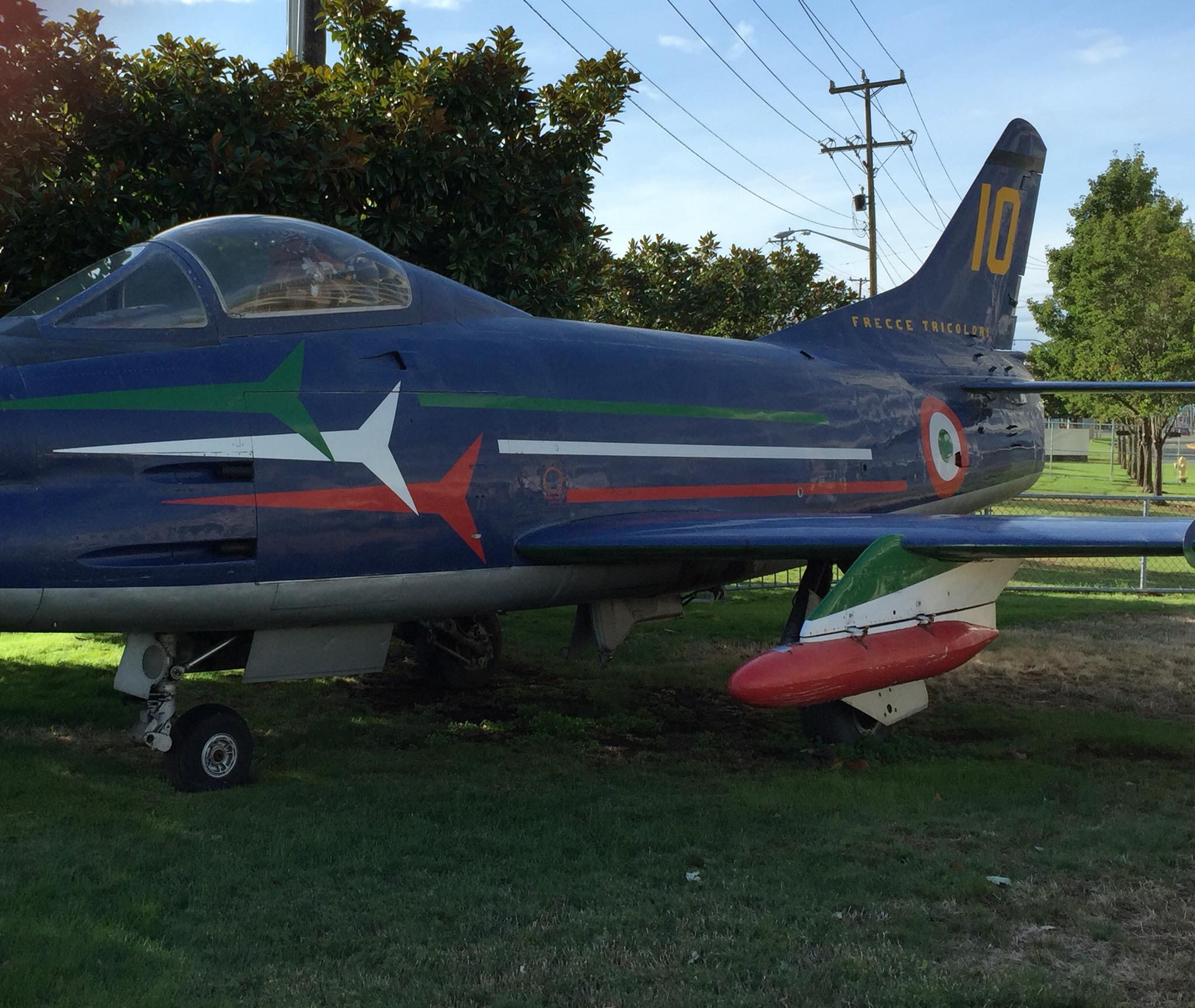
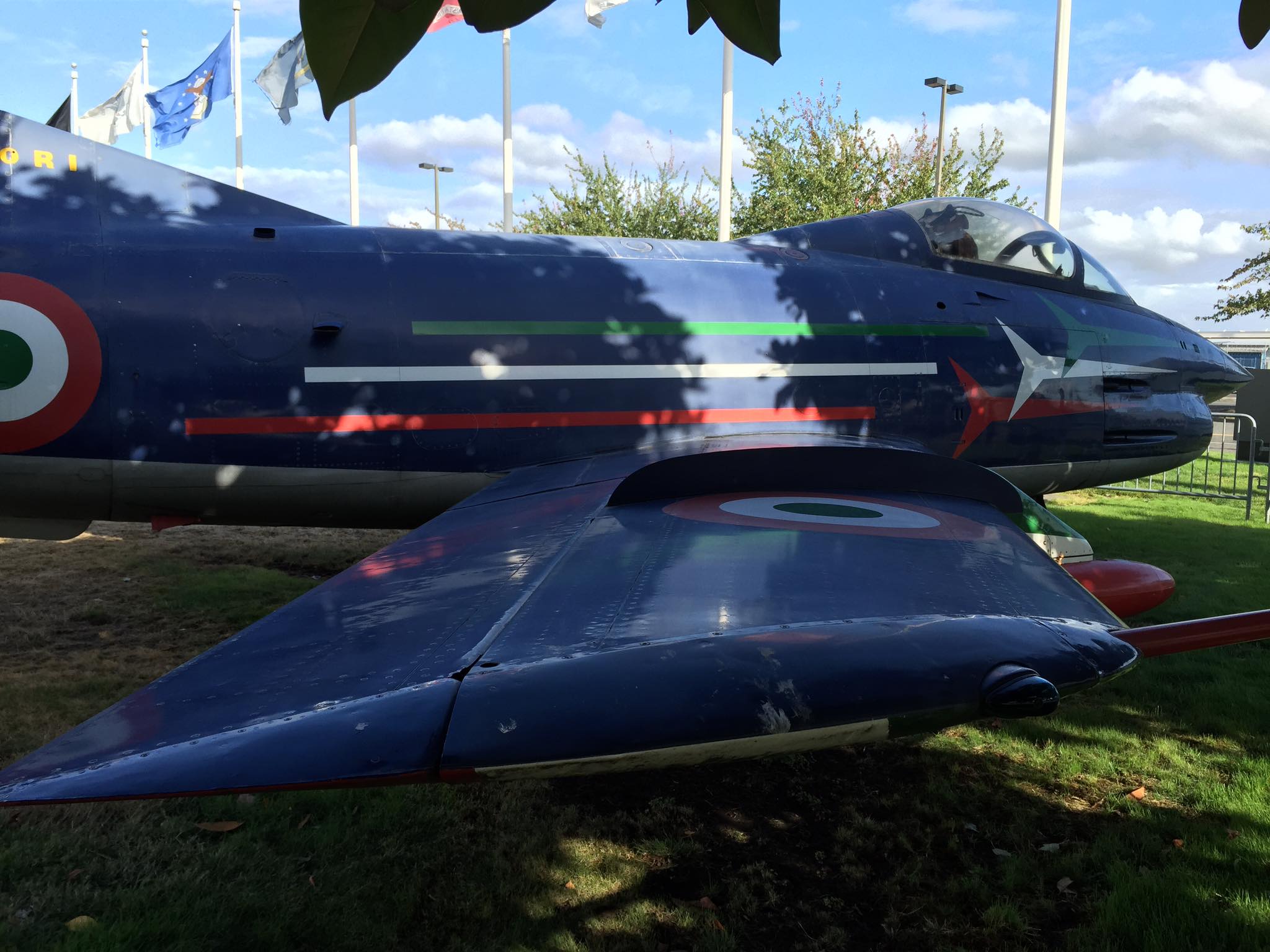
Approximately 770 G.91’s were produced until 1977 and remained in service with the Portuguese Air Force until 1993, and the Italian Air Force until 1995. 294 aircraft were built in Germany by Flugzeug-Union Süd (a consortium of Messerschmitt, Heinkel, and Dornier) and were the first jet aircraft built in Germany after WWII (including 50 that had been ordered and then cancelled by Greece and Turkey). Variants included trainers, reconnaissance, ground attack, and a twin-engine version.
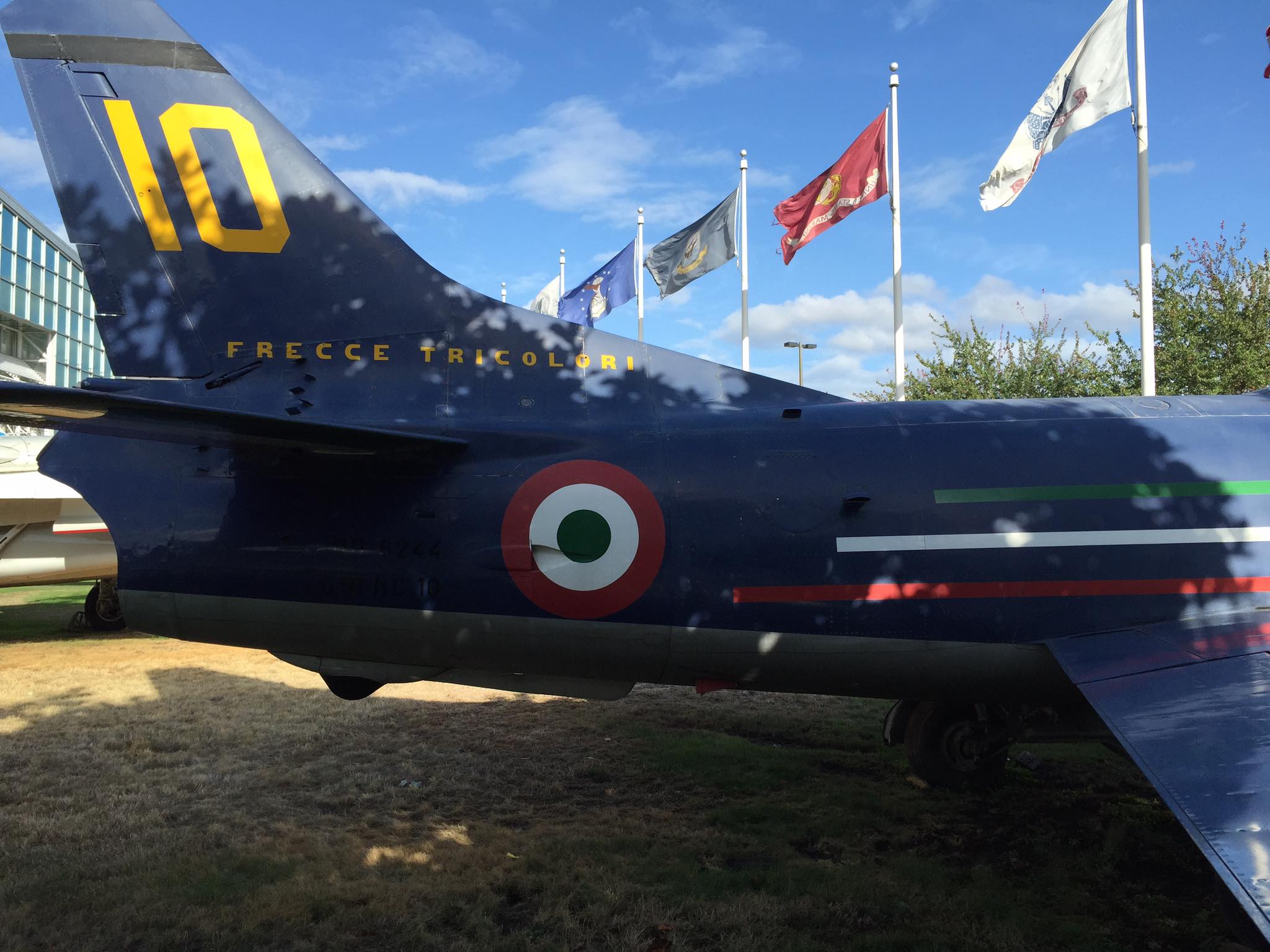
Armament: four fixed Browning M2 .50 cal. machine guns mounted in the nose with 300 rounds each (the Luftwaffe fitted the R/3 variant with two DEFA cannons (Direction des Études et Fabrications d’Armement), French-made revolver cannons (autocannons), firing 30 mm rounds. Under-wing pylons could hold 1,814 kg of varying payload (or drop tanks): bombs, Matra, or Hispano rockets. The powerplant is a single Bristol Siddeley Orpheus 803 turbojet engine. My photos at the Museum of Flight.
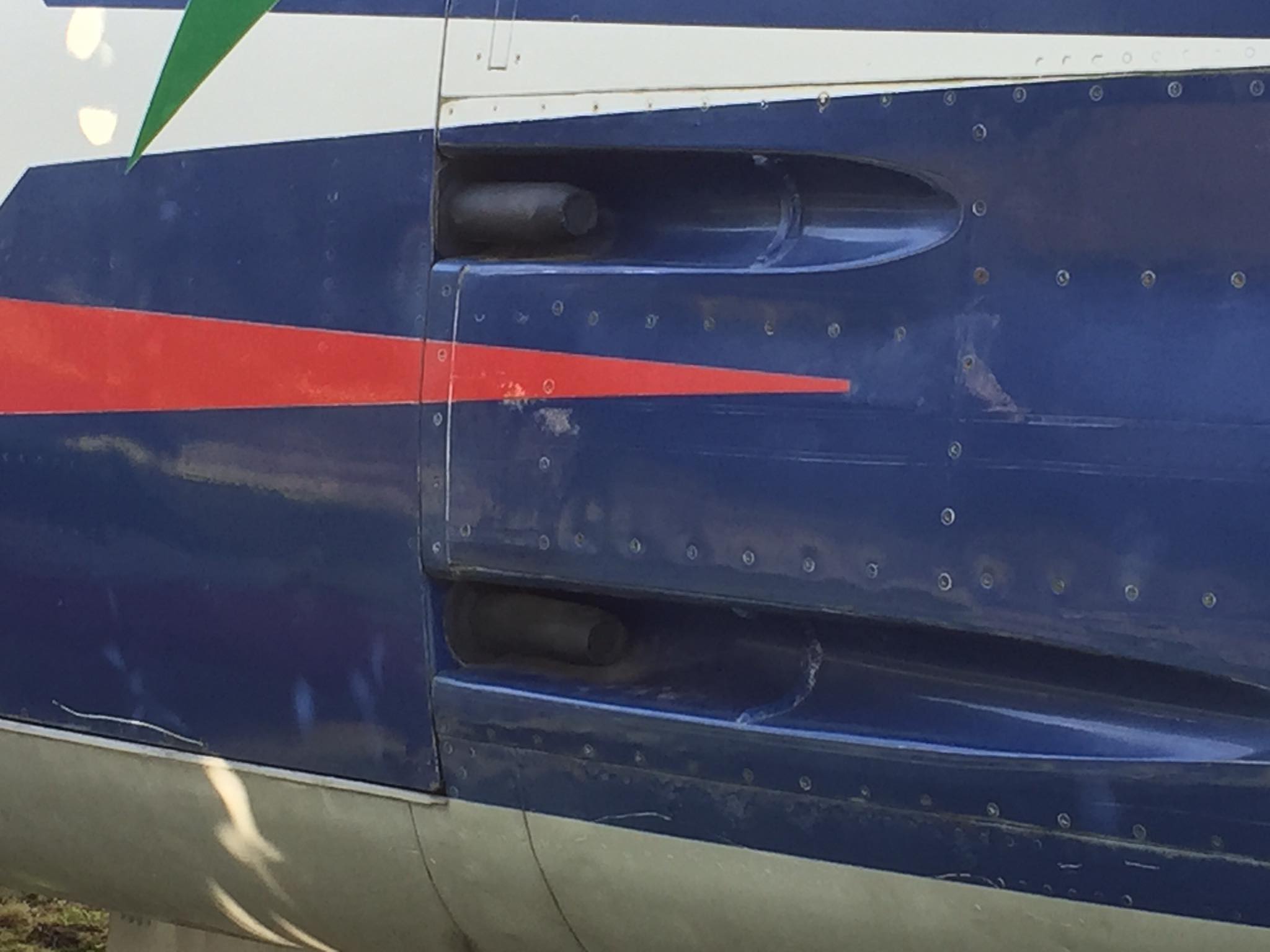
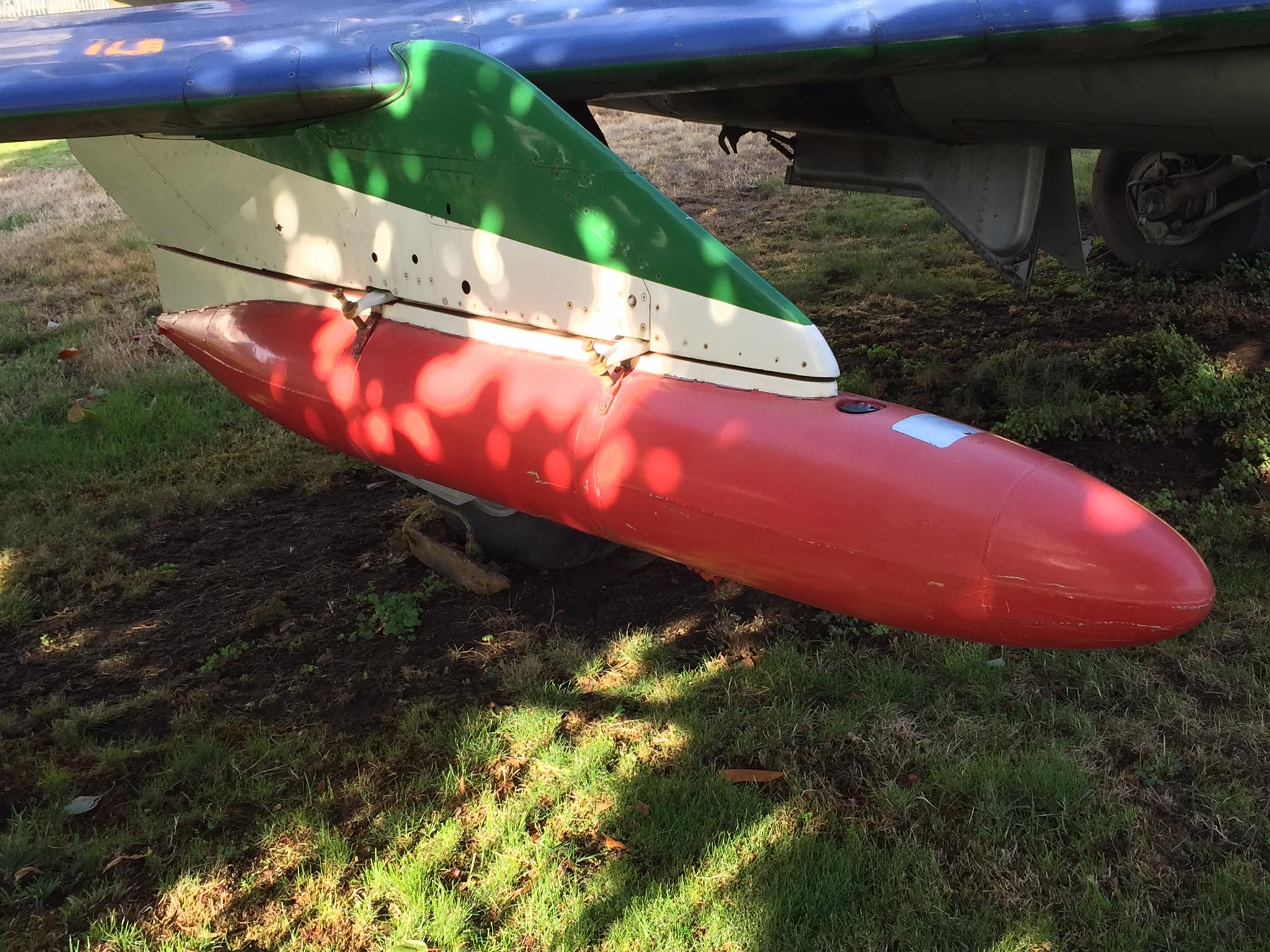
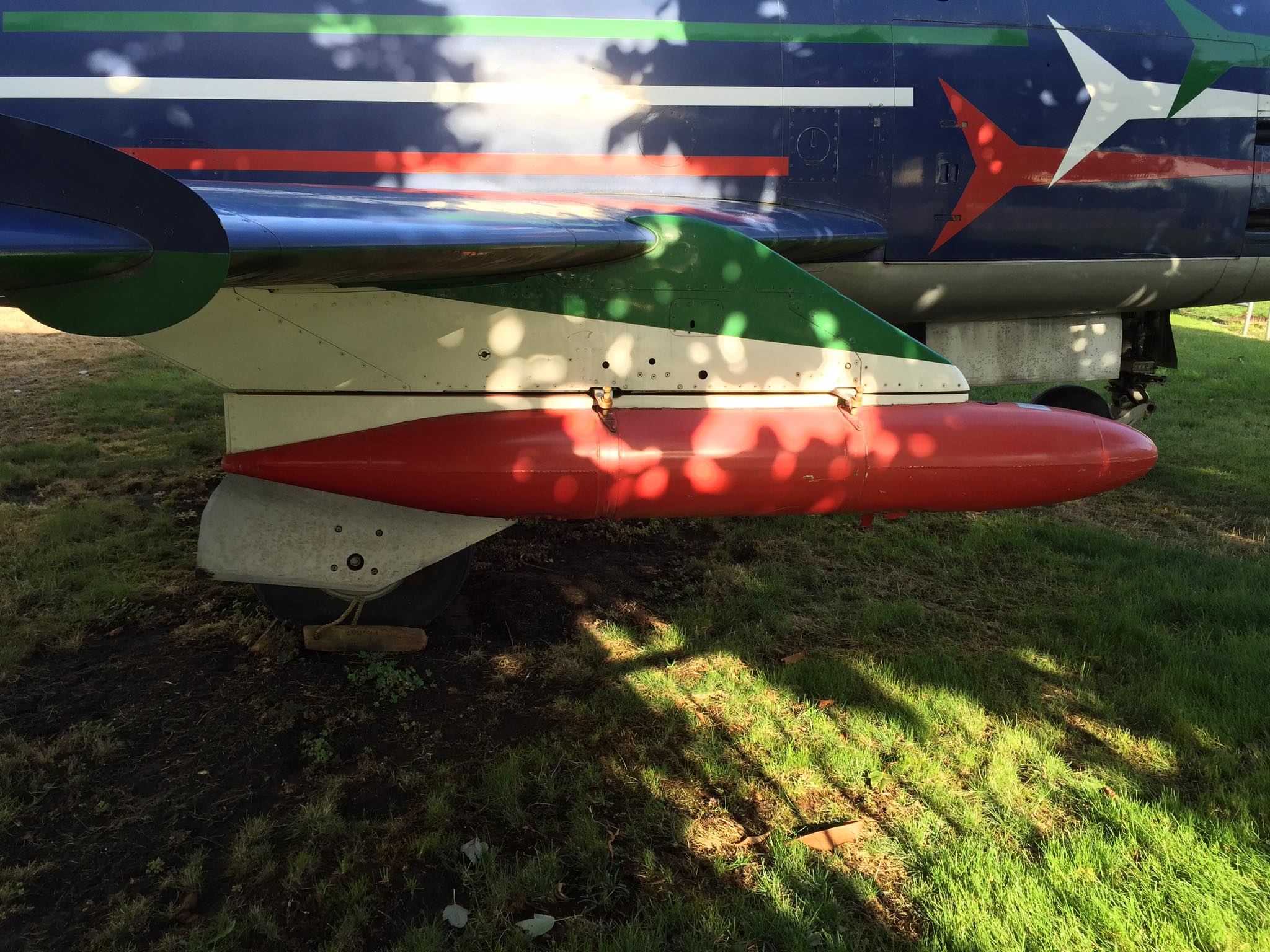
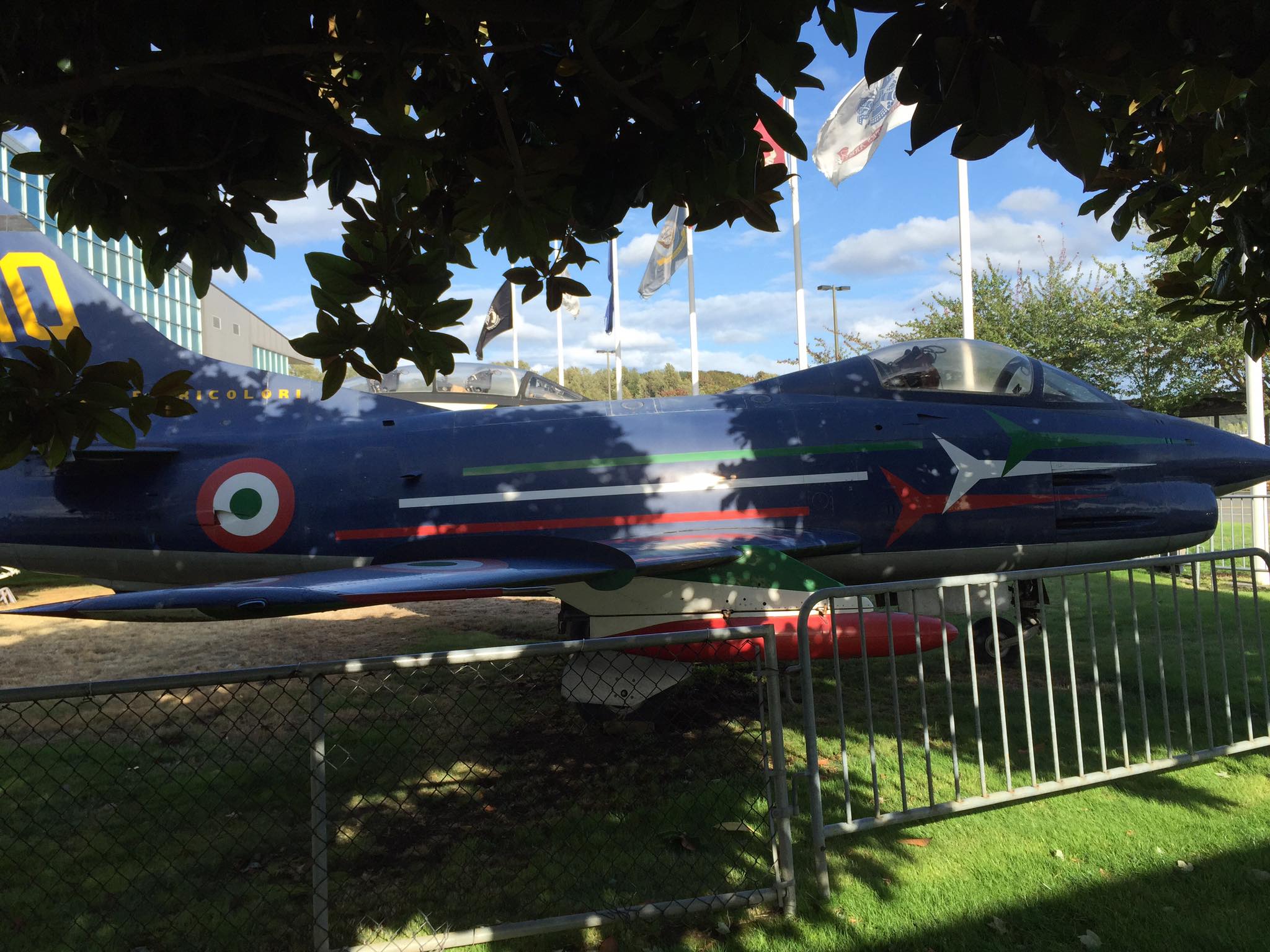
Editor’s Notes: Since Randy took these photos in 2015, this G.91, Aeronautica Militare serial number MM 6244, has returned to Italy, which we at Vintage Aviation News reported on in this article HERE. Since then, G.91 MM 6244 has been placed on display at the Volandia Park and Flight Museum, which sits adjacent to Milan-Malpensa Airport. The museum’s webpage on the aircraft can be found here: VOLANDIA – Park and Museum of Flight
About the author 
Randy Malmstrom grew up in a family steeped in aviation culture. His father, Bob, was still a cadet in training with the USAAF at the end of WWII, but did serve in Germany during the U.S. occupation in the immediate post-war period, where he had the opportunity to fly in a wide variety of types that flew in WWII. After returning to the States, Bob became a multi-engine aircraft sales manager and, as such, flew a wide variety of aircraft; Randy frequently accompanied him on these flights. Furthermore, Randy’s cousin, Einar Axel Malmstrom, flew P-47 Thunderbolts with the 356th FG from RAF Martlesham Heath. He was commanding this unit at the time he was shot down over France on April 24th, 1944, spending the rest of the war as a prisoner of war. Following his repatriation at war’s end, Einar continued his military service, attaining the rank of Colonel. He was serving as Deputy Wing Commander of the 407th Strategic Fighter Wing at Great Falls AFB, MT, at the time of his death in a T-33 training accident on August 21, 1954. The base was renamed in his honor in October 1955 and continues to serve in the present USAF as home to the 341st Missile Wing. Randy’s innate interest in history in general, and aviation history in particular, plus his educational background and passion for WWII warbirds, led him down his current path of capturing detailed aircraft walk-around photos and in-depth airframe histories, recording a precise description of a particular aircraft in all aspects.