
(Image credit: VAN)
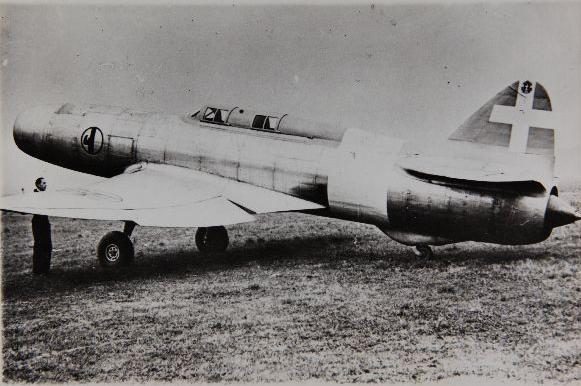
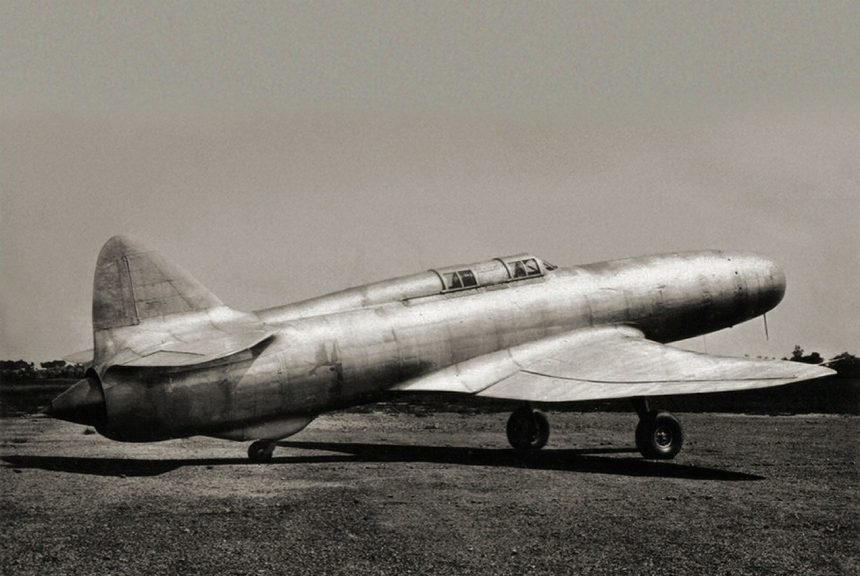
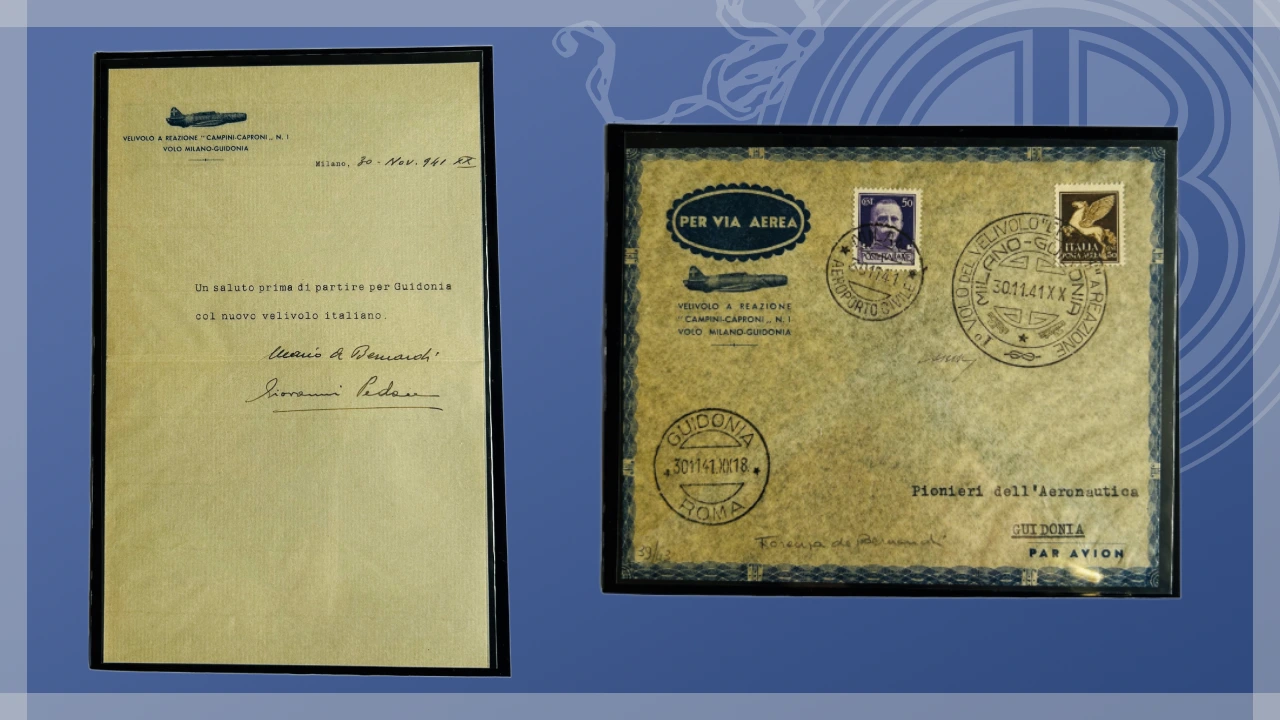
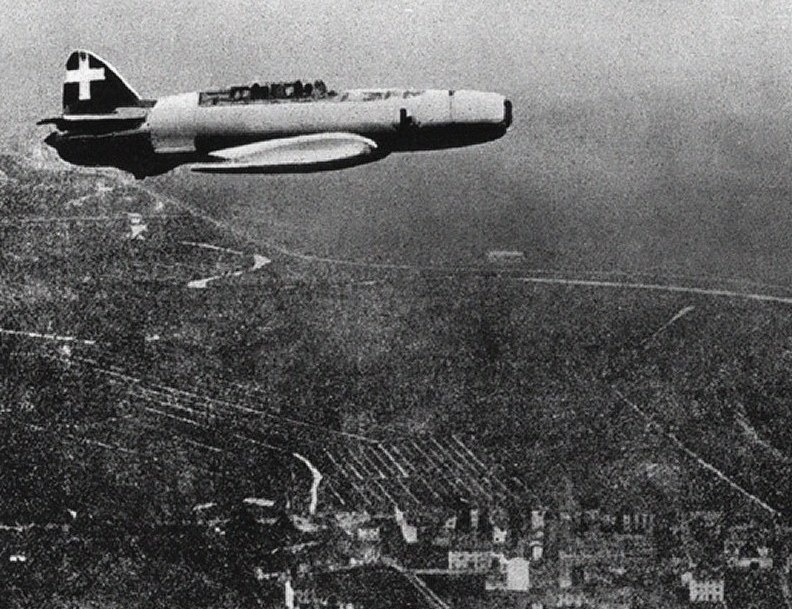
On this day in aviation history, 84 years ago (November 30, 1941), airmail was flown via jet aircraft for the first time. The Caproni Campini N.1, an Italian experimental jet aircraft which first flew in 1940, was tasked with this historic airmail flight. At the controls of the N.1 was Mario de Bernardi, an Italian fighter pilot who had served in World War I and also participated in seaplane racing. De Bernardi had flown the N.1 on its first jaunt to the skies on August 27, 1940. He was quite familiar with the Caproni and enjoyed the early jet’s flight characteristics.
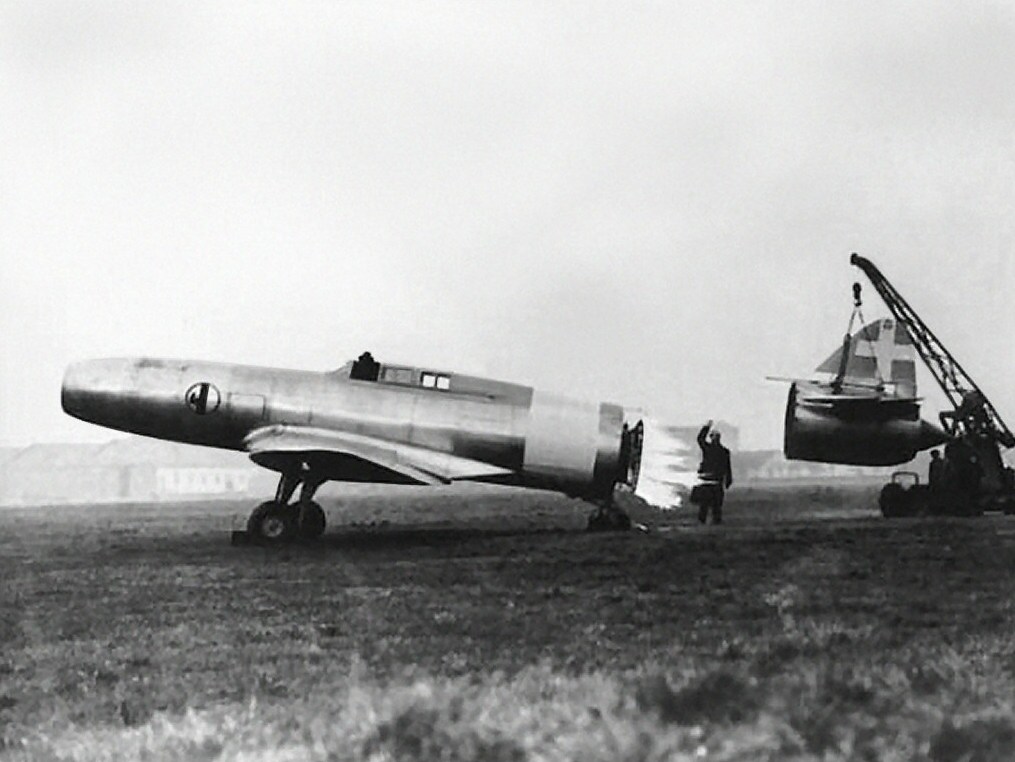
The Caproni N.1 was briefly noted as the first jet-powered aircraft to successfully take flight, until word had been released about Germany’s first flight of the Heinkel He 178, a year prior. The N.1, also referred to as the C.C.2, was powered by a motorjet engine. In a motorjet, the compressor is propelled by a reciprocating engine. The N. 1’s motorjet was powered by an Isotta Fraschini L.121 R.C.40 engine of 900 horsepower. This reciprocating engine drove a three-stage variable-pitch axial compressor, which, with an afterburner, produced 1,600 pounds of thrust. The N.1 had a wingspan of 52 feet and was 43 feet long. A maximum speed of 233 miles per hour was attained by de Bernardi while test flying the Caproni, along with a service ceiling of 13,000 feet.
Mario de Bernardi was born on July 1, 1893, in Venosa, Italy. He served with the Italian armed forces during the Italo-Turkish War from 1911 to 1912. During his time in the service, de Bernardi was inspired by the use of airplanes that he witnessed in combat. Upon returning to Italy, he vowed to become an aviator. In 1914, de Bernardi earned his pilot’s license. When World War I emerged, Mario joined the Italian Air Service to fly and fight. He is credited as being the first Italian to destroy an enemy aircraft in the air (a victory which occurred over Verona). At war’s end in 1918, Mario had brought down four Austro-Hungarian aircraft and had an additional unconfirmed kill.
After his time of service in the Great War, Mario de Bernardi would venture into air racing. He would find success in this sport, winning the 1926 Schneider Trophy race at Hampton Roads, Virginia. A year later, at the 1927 Schneider Trophy race, Mario would set a world speed record of 297.817 miles per hour while flying a Macchi M.52. After his air racing career, de Bernardi spent time as a test pilot in Italy. It was here that he’d have the opportunity to fly the Caproni N.1. On November 30, 1941, Mario de Bernardi flew the N.1 from Milan to Guidonia Montecelio, while carrying aerograms that had canceled postage stamps. This two-hour flight made Mario and the N.1 the first duo to fly airmail in a jet aircraft.