
The eagerly awaited return of the Hahnweide Old Timer Fly-In proved well worth the six-year pause, transforming the picturesque airfield near Stuttgart into one of Europe’s most vibrant celebrations of historic aviation. More than 250 vintage aircraft descended on the grass strip, offering a rare mix of variety, authenticity, and atmosphere. In this first part of our coverage, contributor Nigel Hitcham highlights the warbirds that defined the weekend—from the newly restored Bf 109E making its public display debut to Mustangs, Corsairs, Spitfires, and even a Me 262—each adding to an unforgettable showcase of flying heritage.
Part One, The Warbirds
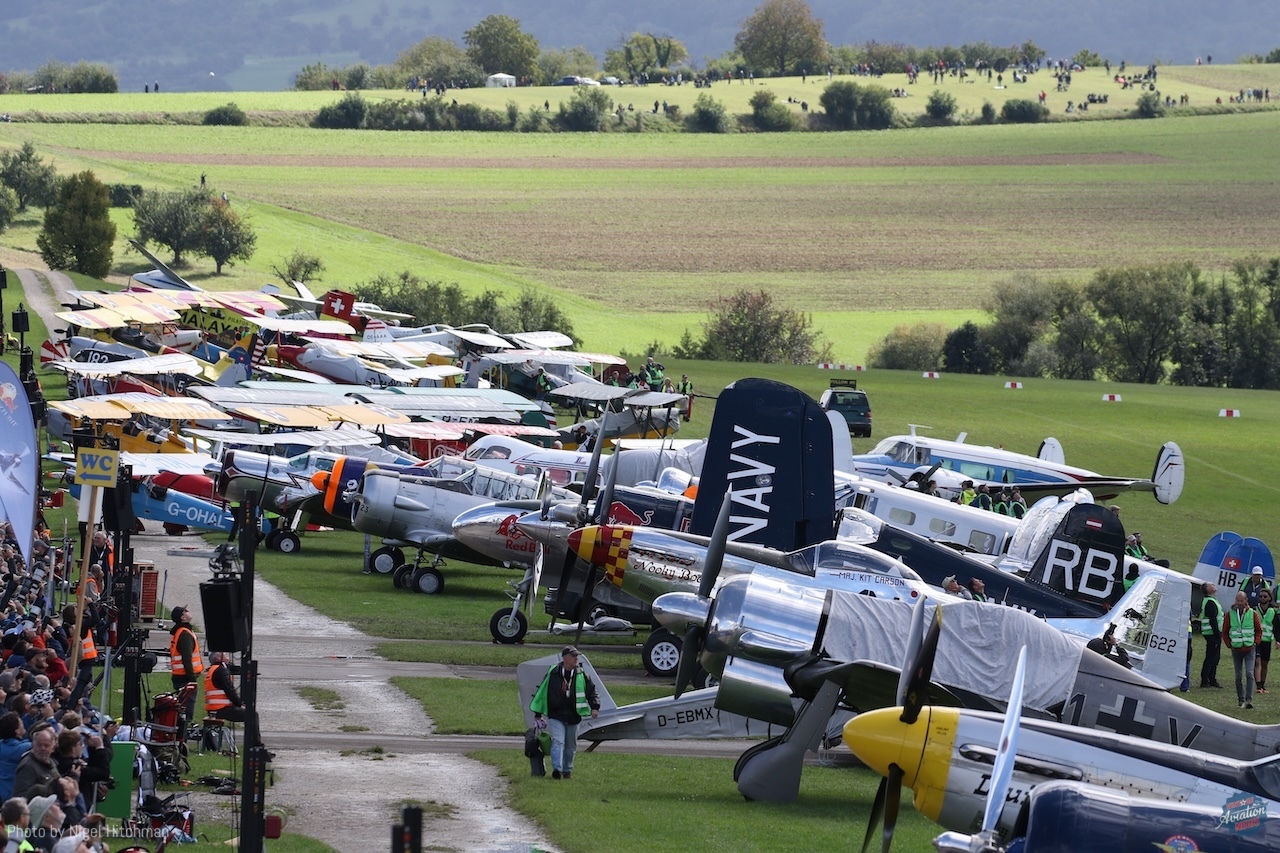
Probably the most anticipated aviation event of the past few years was the return of the fantastic Old Timer fly-in meeting at Hahnweide near Stuttgart. Having last been held in 2019, many thought it might not happen again, but when the announcement was made in the summer of 2024, hotels were booked, travel arrangements made, and everyone looked forward to seeing what was going to appear on the participation list. Eventually, there were around 380 mostly vintage aircraft on the participants’ list. In the end, with some changeable weather all over Europe, around 250 aircraft attended, even then it was by far the biggest vintage aircraft gathering outside of Oshkosh and with an amazing variety of types.
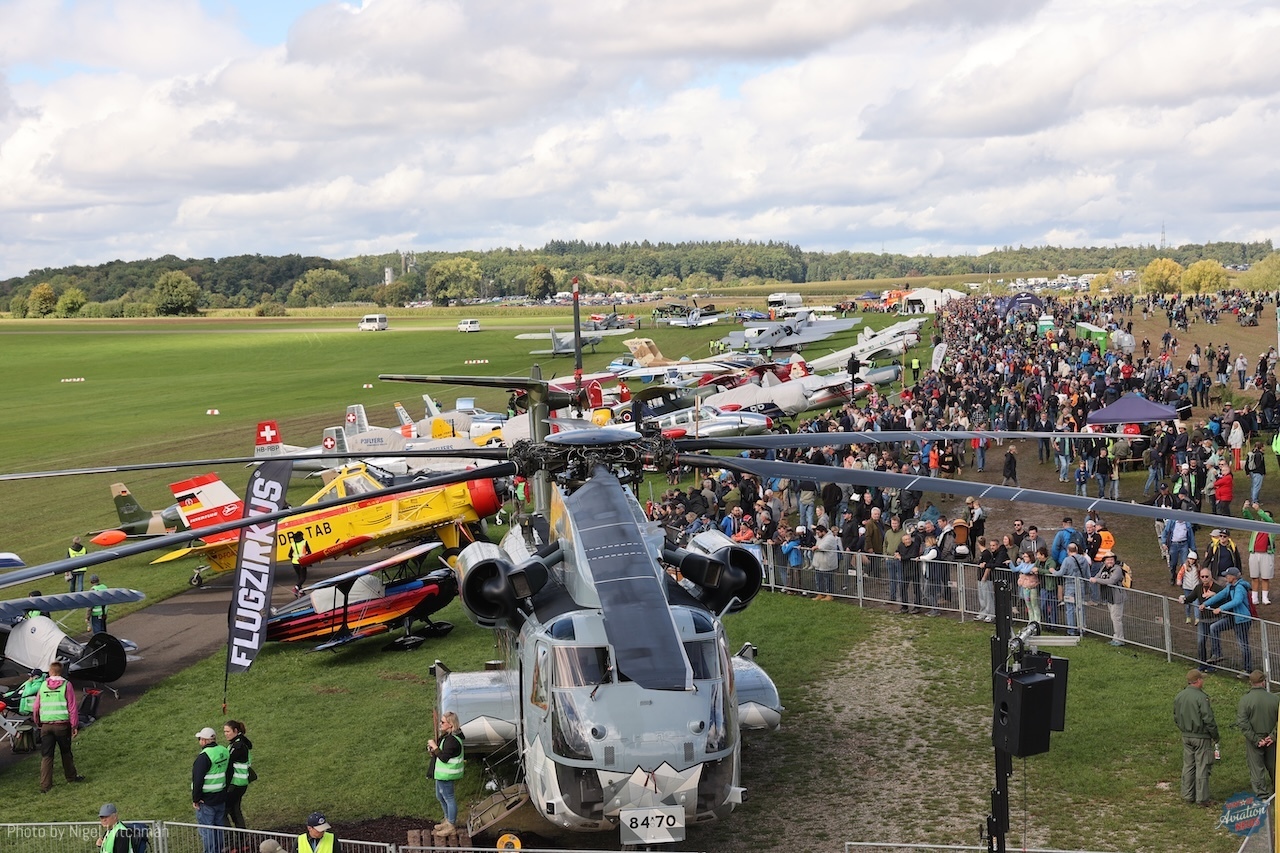
The first “Oldtimer-Fliegertreffen” was organised at Hahnweide Airfield by the members of Fliegergruppe Wolf Hirth e.V. on the weekend of September 12th-13th, 1981. Since then, it has been held every two years until 2013, after which it became a 3-year cycle. However, 2022 was missed due to uncertainties over any more COVID problems when the initial organisation was being done in 2020 and 2021. It’s an all-volunteer organisation with many of the volunteers coming from the local gliding and flying clubs and their friends. It’s a really well-run, friendly event.

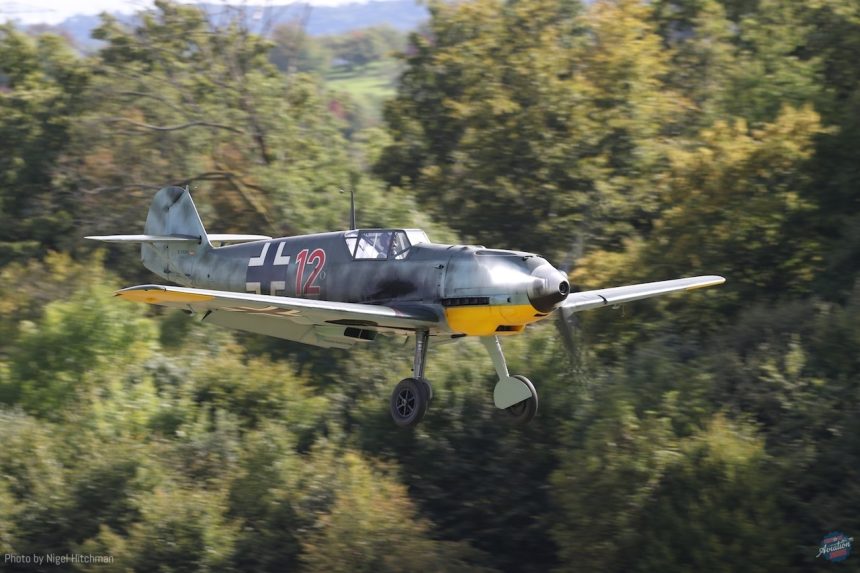
While it is predominantly a vintage aircraft fly-in/airshow, there have been more and more warbirds participating over the years, some just flying in and their crews watching the show, others taking part in the flying display. Thursday and Friday are arrival days, with a few practice displays, and Saturday and Sunday are the organised display days. Things start early with the the runway filled with vintage gliders which are then all towed up at 0915 to open the event, once they are down the field is open for more arrivals until 1100 and then its time for displays, around every 20 minutes, so no rushing and time to look around too, this goes on until the finale, Michael Carlson flying his Bleriot XI at sunset around 1900, followed by the Red Bull Blanik glider duo with their pyrotechnics, landing in the last light. But it doesn’t end there, lights illuminate some of the aircraft on the flightline, and everyone heads for the food and beer vendors for the rest of the evening, a great time to meet friends and have some good German food. Many people are there until late at night at the hangar party. Unfortunately, this year the weather on the Sunday wasn’t good, with frequent showers passing through, so the formal display program was cancelled, and aircraft were permitted to leave when they could to get back to their bases. It was still a great sight watching all the departures, and there were several displays that happened anyway. Monday was the official departure day, particularly for the non-display aircraft, but there were only 60 or 70 left, which slowly departed as weather allowed. This year, the warbird highlight was the Messerschmitt Bf 109E D-FEML flown in by Charlie Brown from its base at Bonn Hangelar.
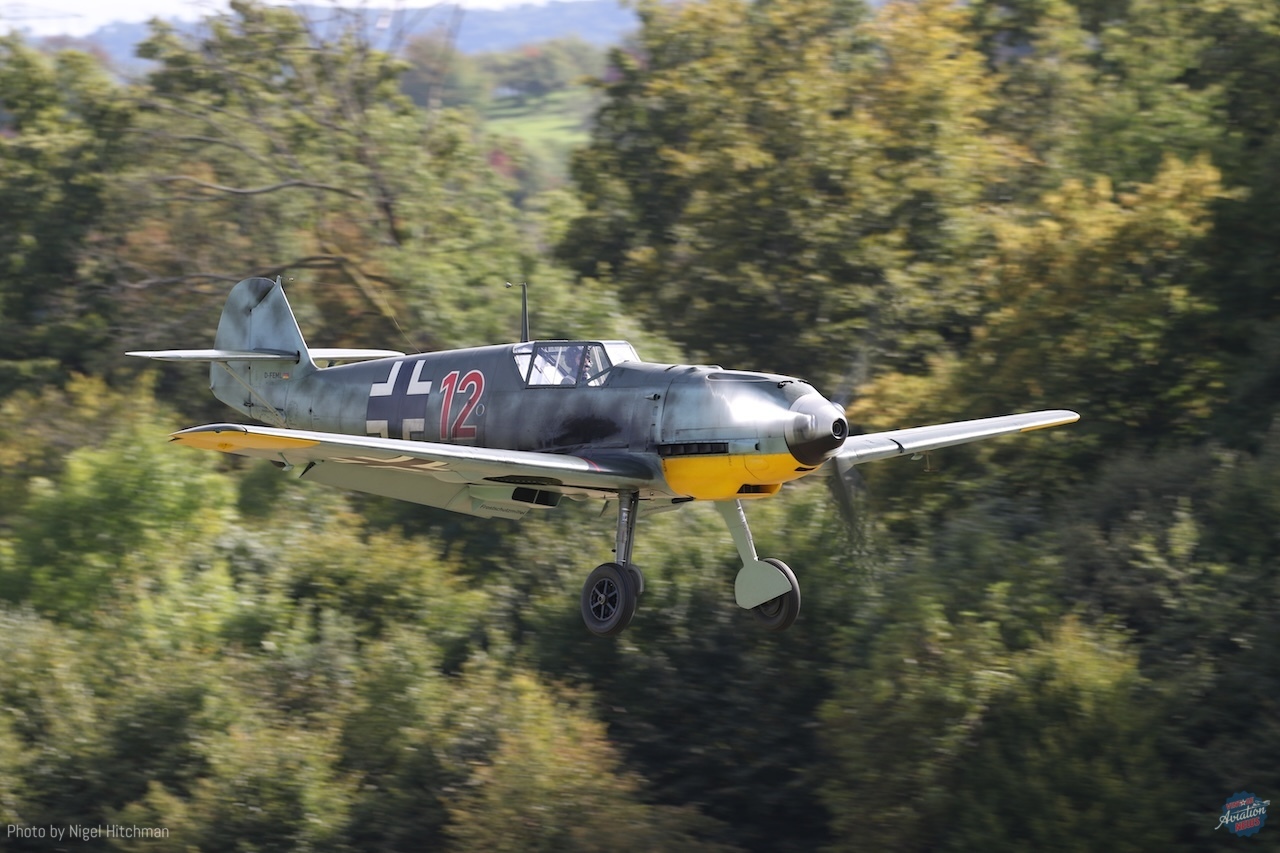
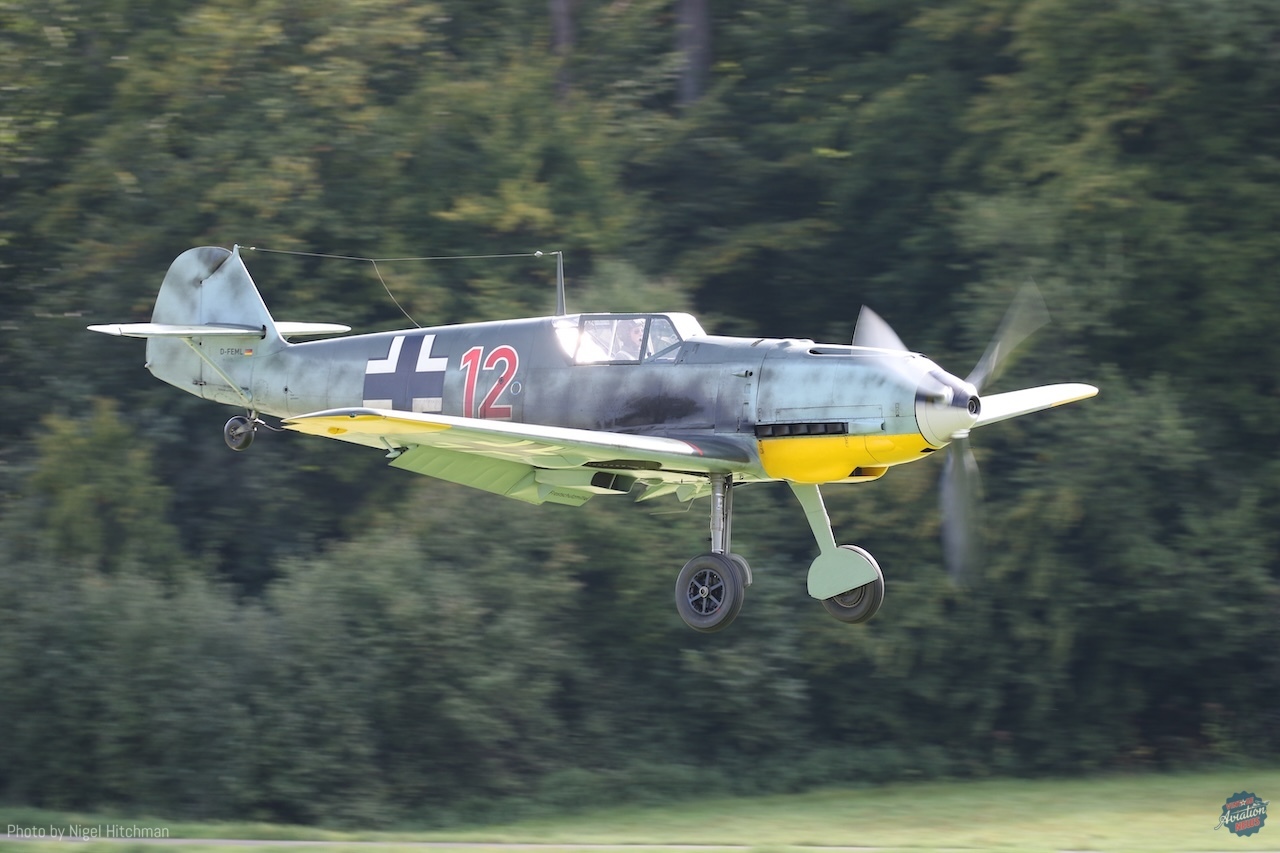
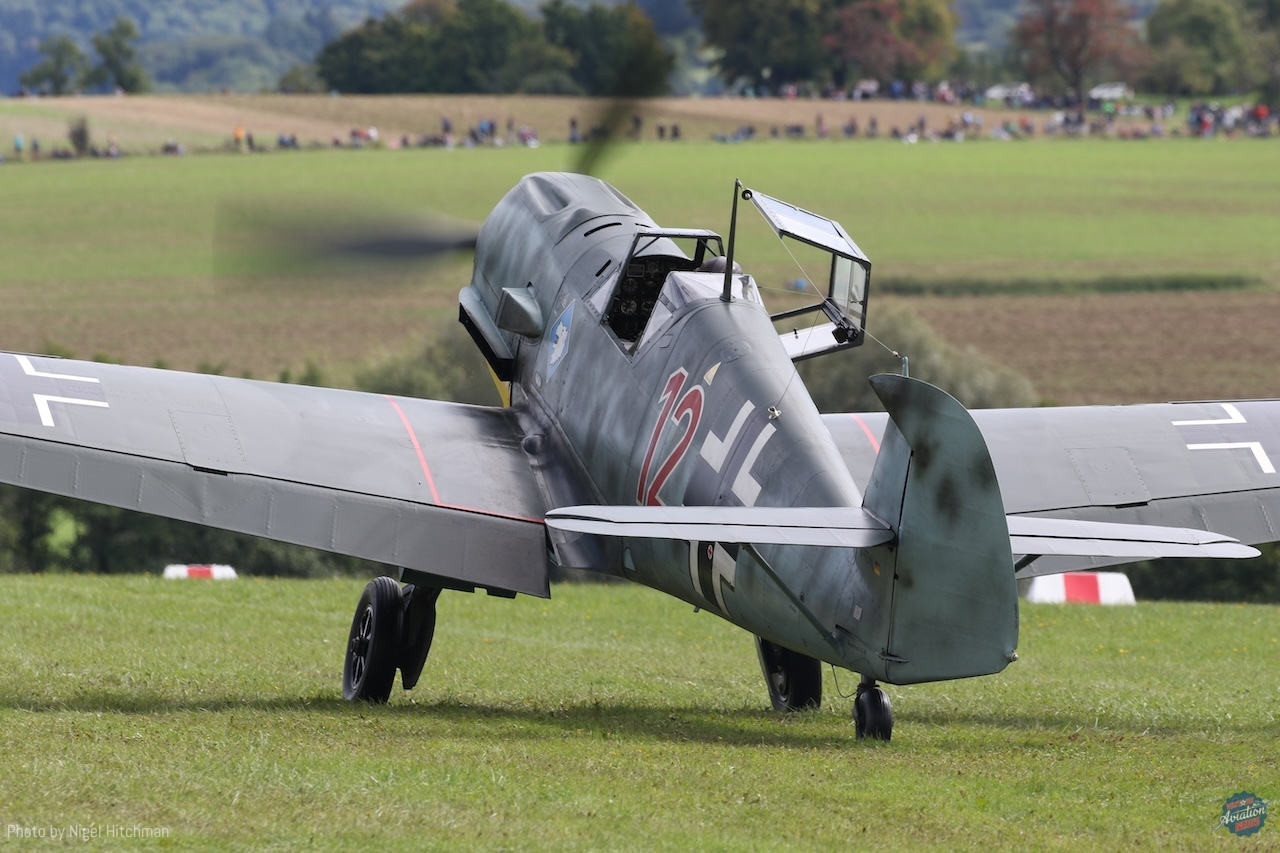
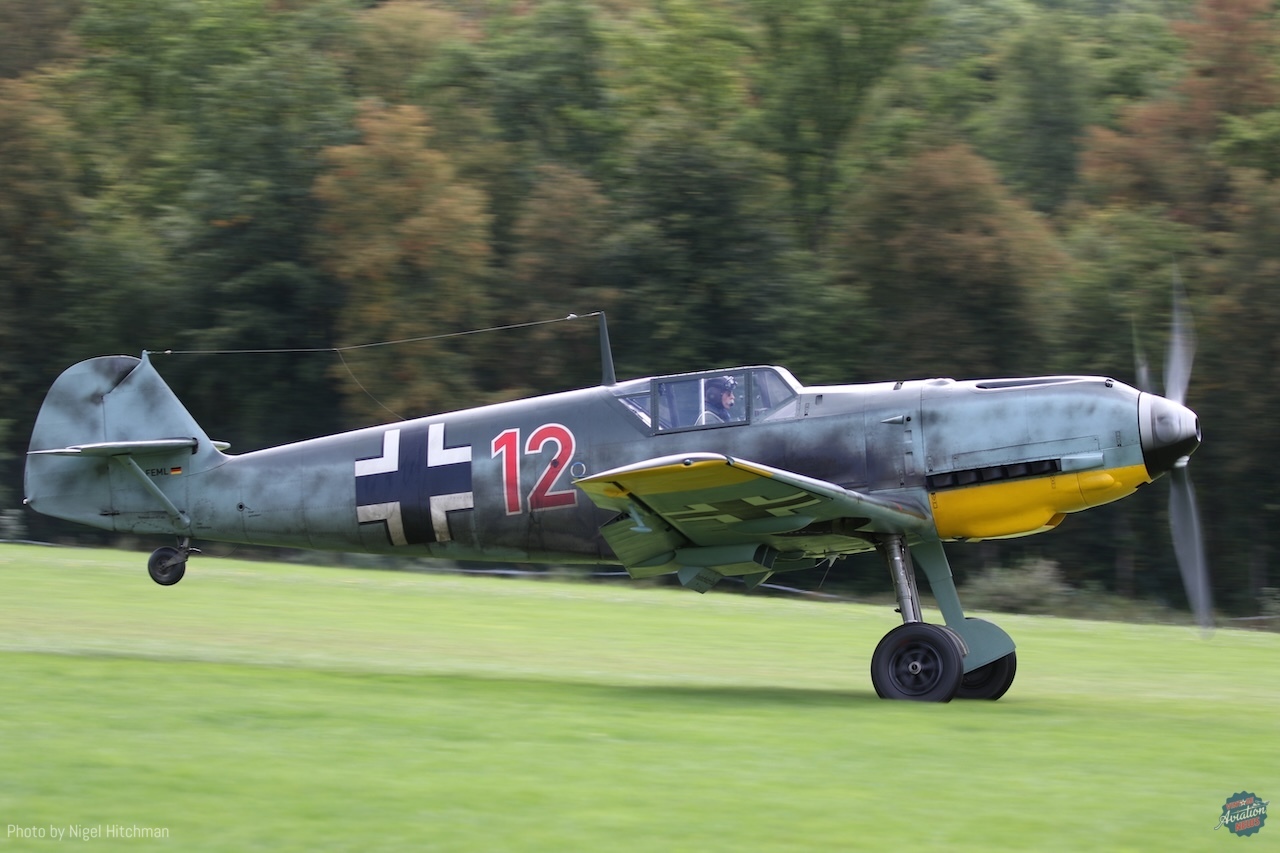
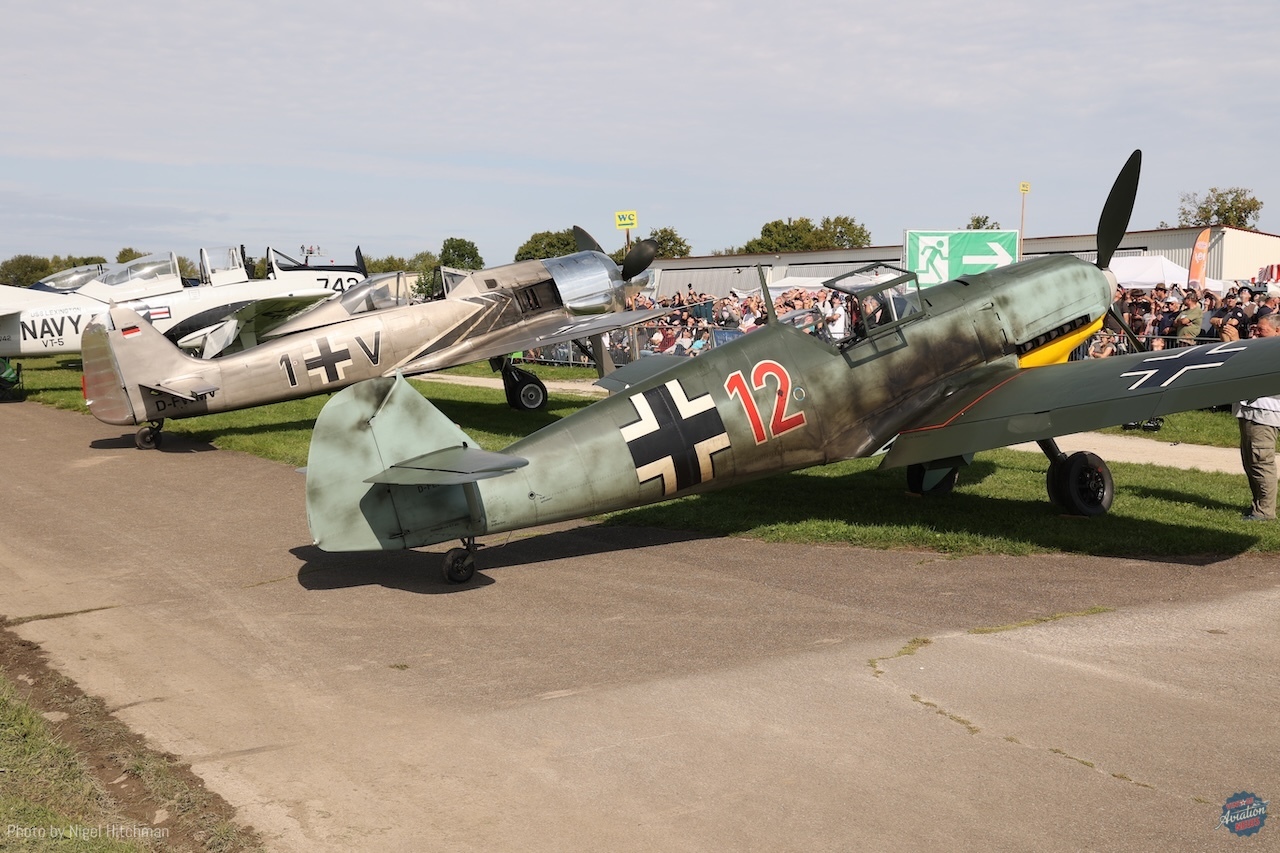
This 109 was recovered from Russia in 1993, with the fuselage and tail section restored in England by well-known Bf 109 expert Craig Charleston; the wings were restored in Germany by Hartmair Leichtbau. It was restored for Eberhard Thiesen and taken to Manching, by 2017 engine runs were carried out which found a lot of problems which necessitated the engine being removed and rebuilt, it was taken to Dirk Bender’s workshops for rebuild, but eventually Dirk overhauled a complete as new DB601 that had been found in its crate inhibited and buried with a bunch of other engines at Frankfurt airport in 2005. With other work and inspections to be done, the Bf109 finally flew again in June 2023 with Charlie Brown at the controls. A thorough flight test program was undertaken in which the aircraft performed flawlessly. We had expected the first public display to be at LA Ferte Alais this year, but that didn’t happen, and its public display debut was at Hahnweide. Great to see it displayed, though a little high, but given its rarity and being a new restoration, very understandable. I believe this was the first display of a Bf 109E in Europe since just after WWII (many displays of various later Bf 109 G models).
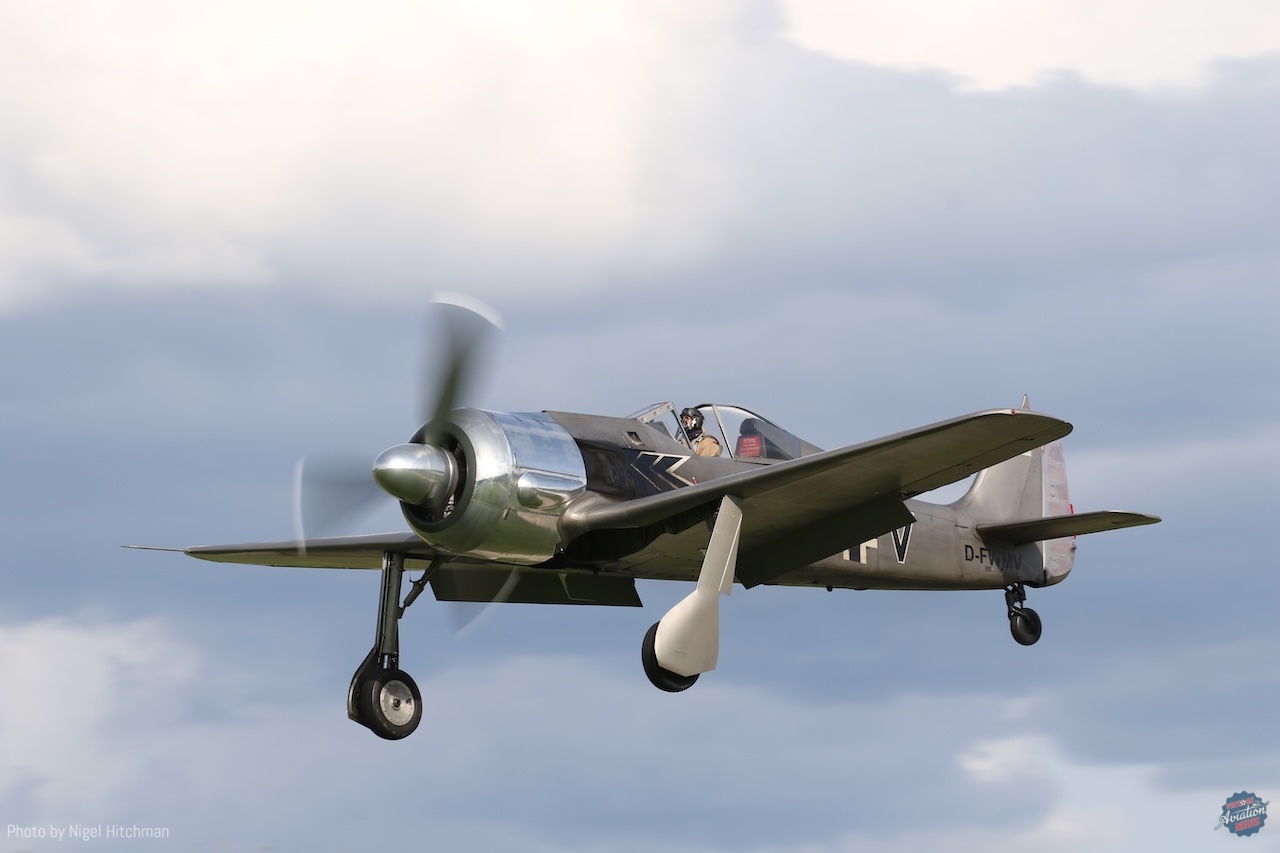
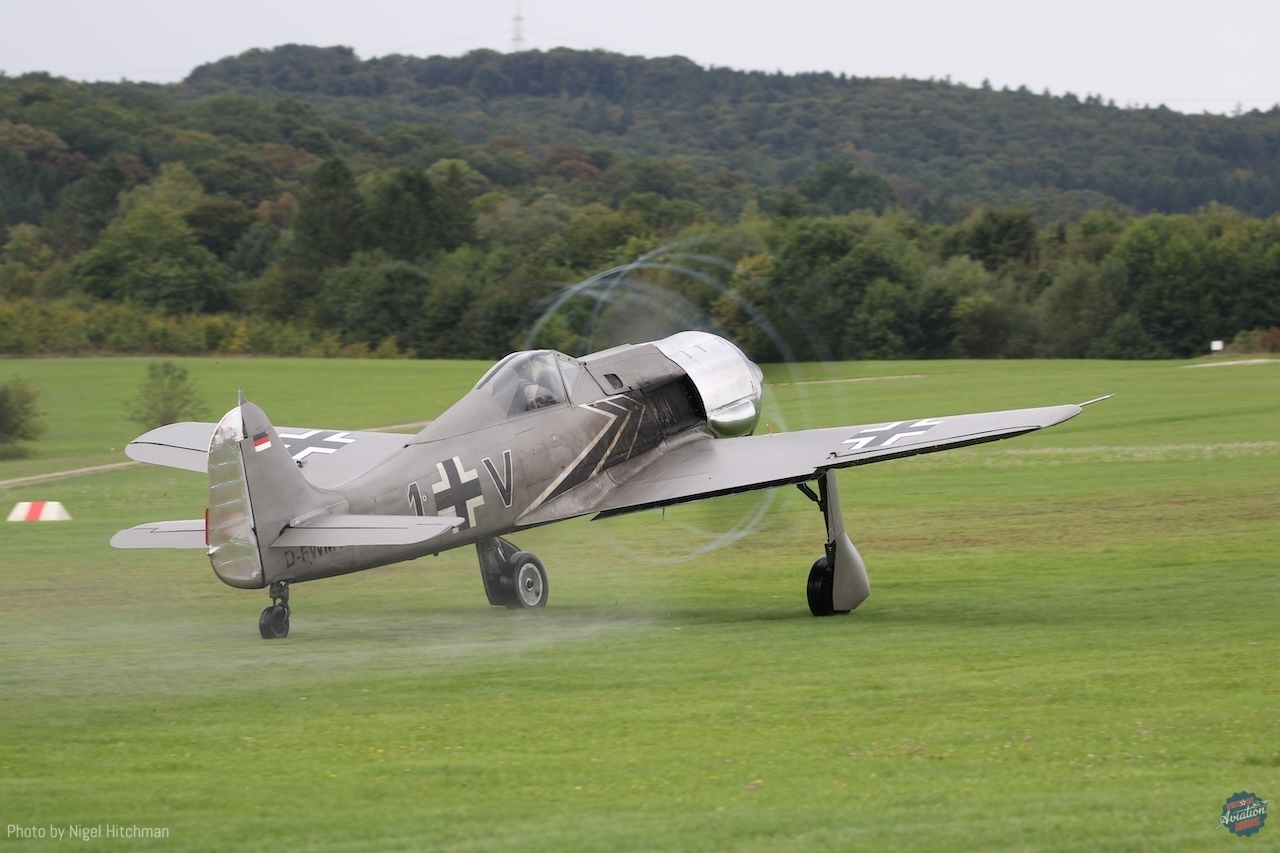
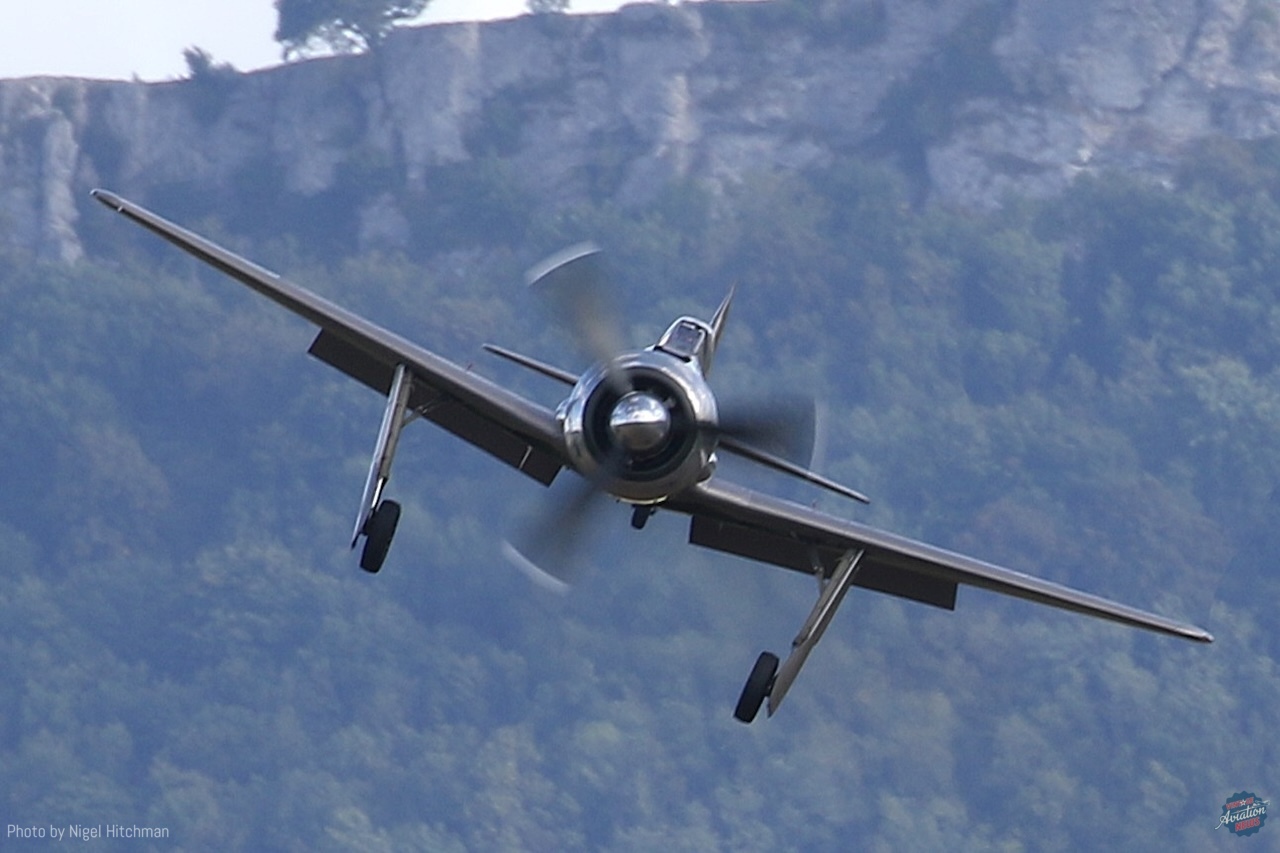
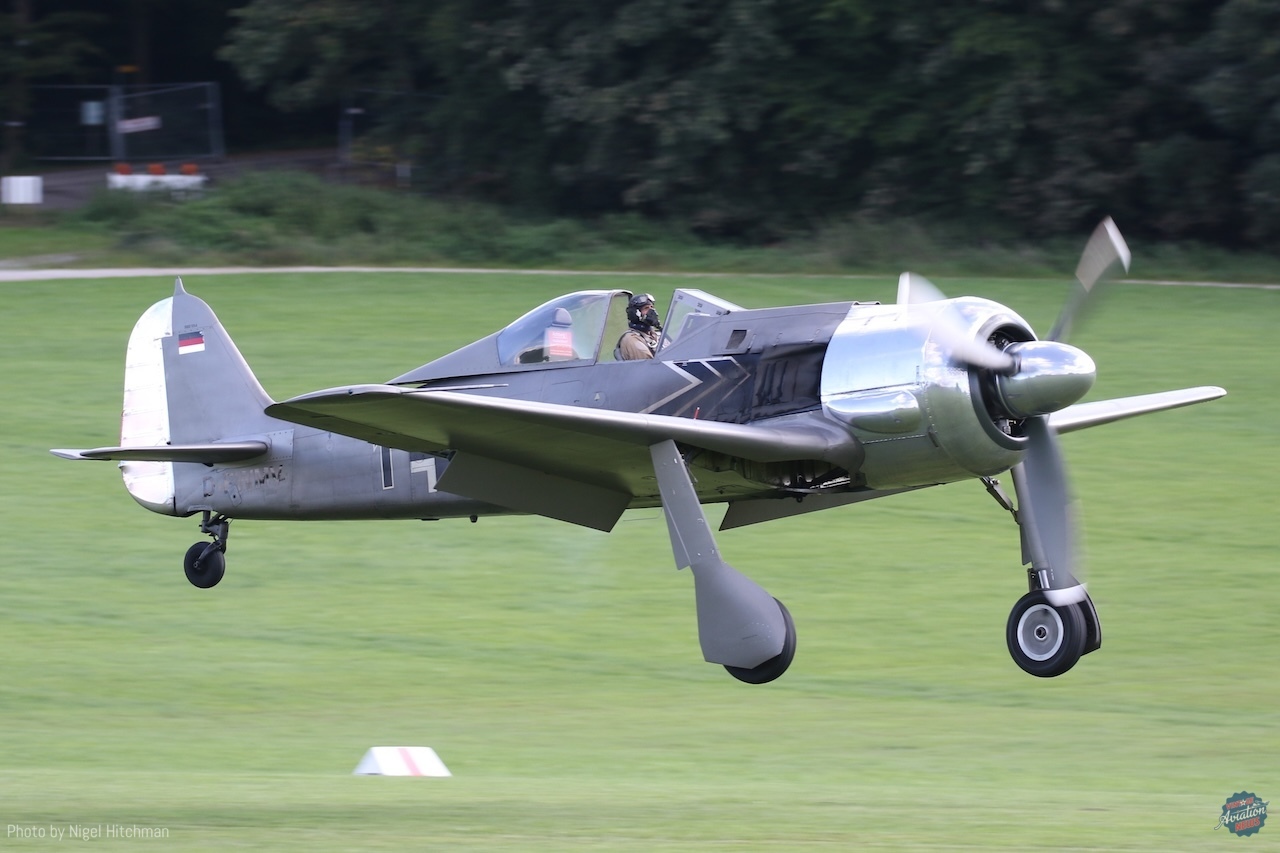
The Flug Werk FW190 D-FWMV was another hit, flown by Klaus Plasa, who had probably flown more FW190s than anyone else. Unfortunately, it had landing gear problems on Saturday, and so we only had one gear down pass before landing, and on Sunday, it just flew back to base at Braunschweig with the gear locked down. This was the FW190 that appeared at Duxford around 2007, when owned by American Tom Blair and registered G-FWAB. Having been built with very poor workmanship in some areas, particularly the wing, it was not permitted to fly. It was sold and ended up having extensive work done on it at Meier Motors and then further work on the wing at Braunshweig. It’s been flying since 2011, but only made occasional airshow appearances, and this was its first visit to Hahnweide.
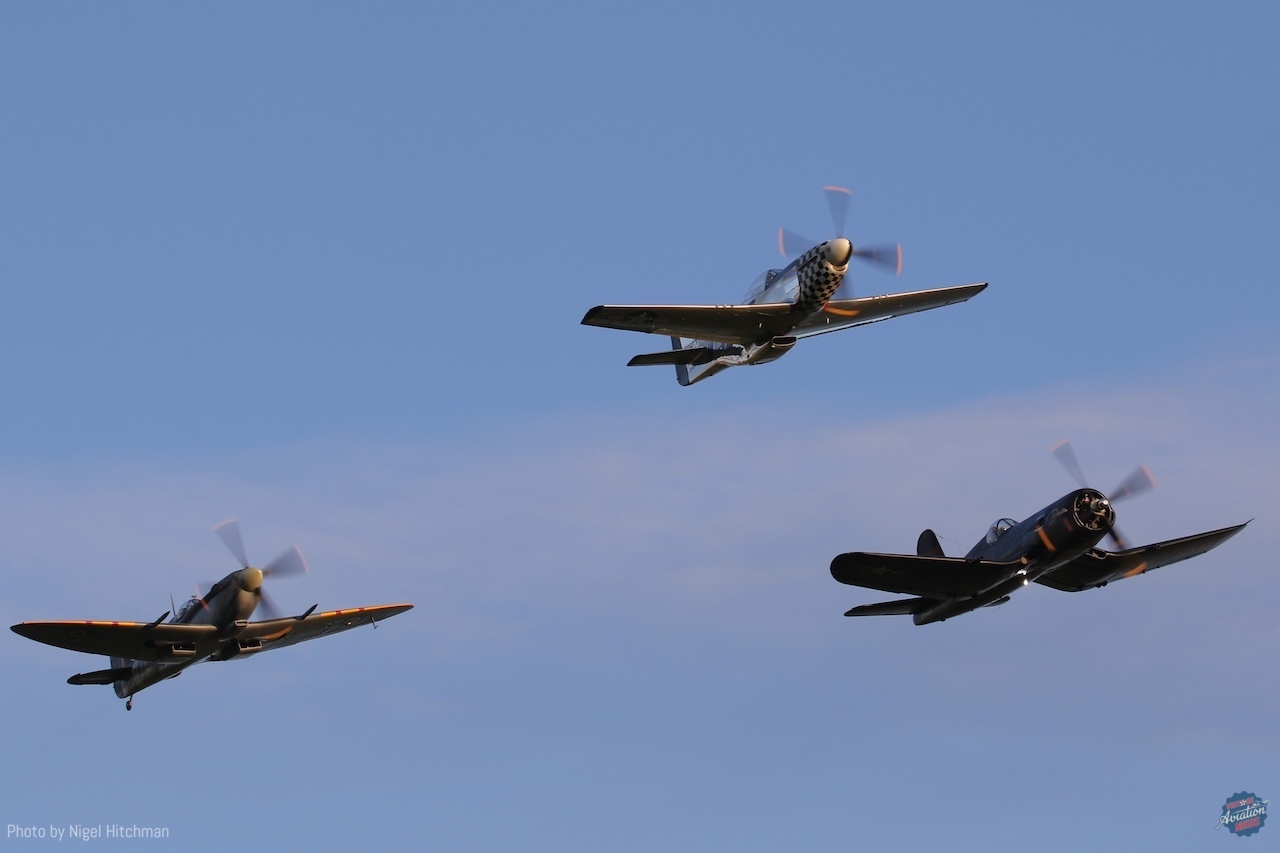
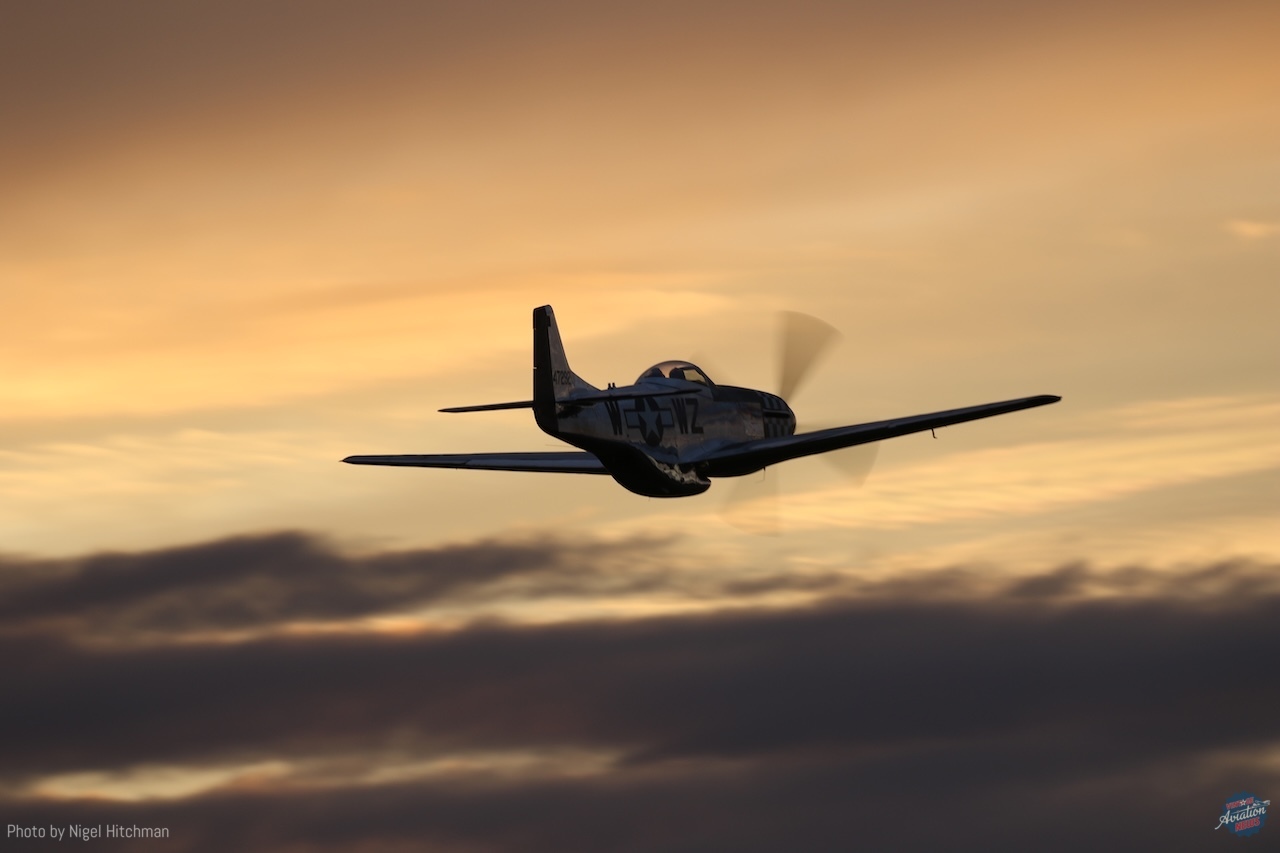
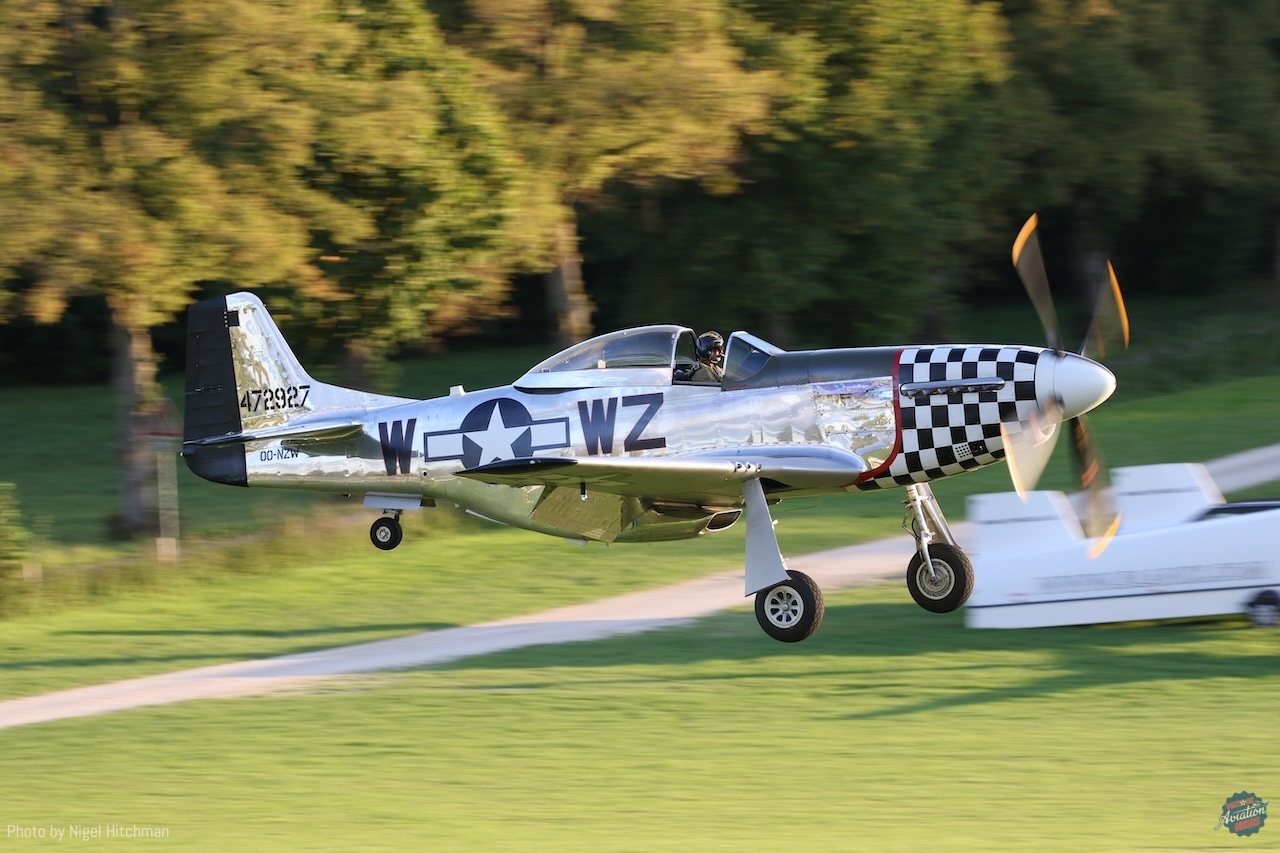
Georg Raab’s Flying Legend brought their Vought F4U-5NL Corsair D-FCOR, P-51D Mustang “Francis Dell” OO-NZW and Spitfire IX MH415 OO-IXB. They arrived together in a nice formation but displayed separately.
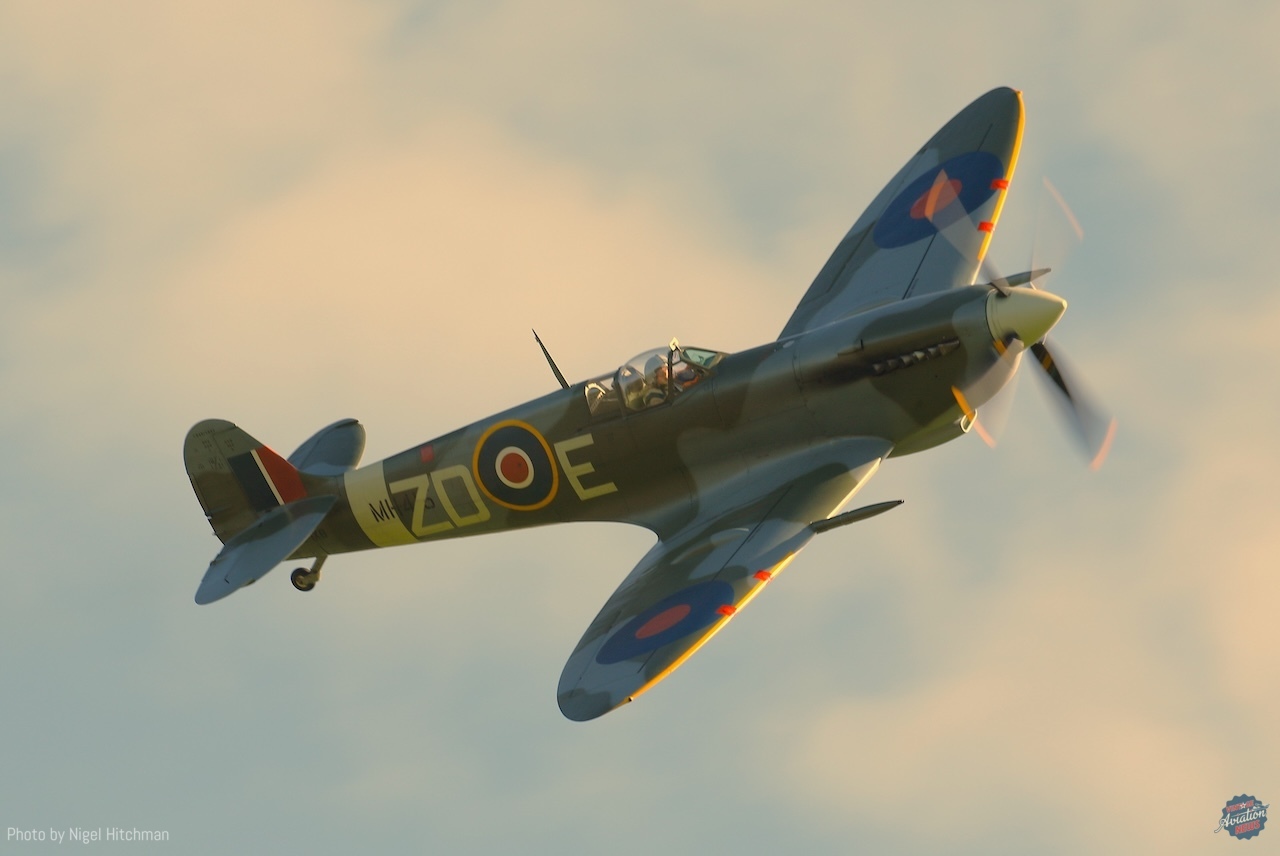
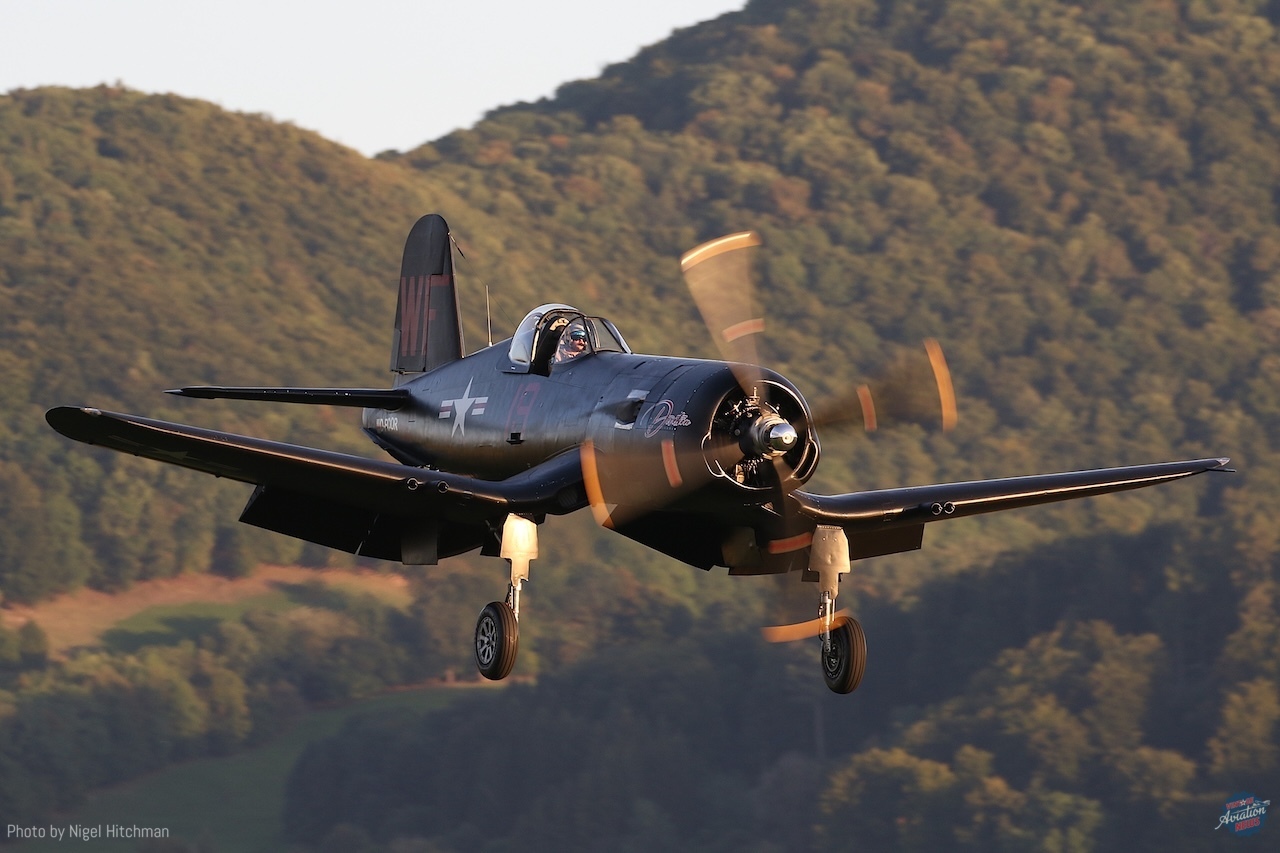
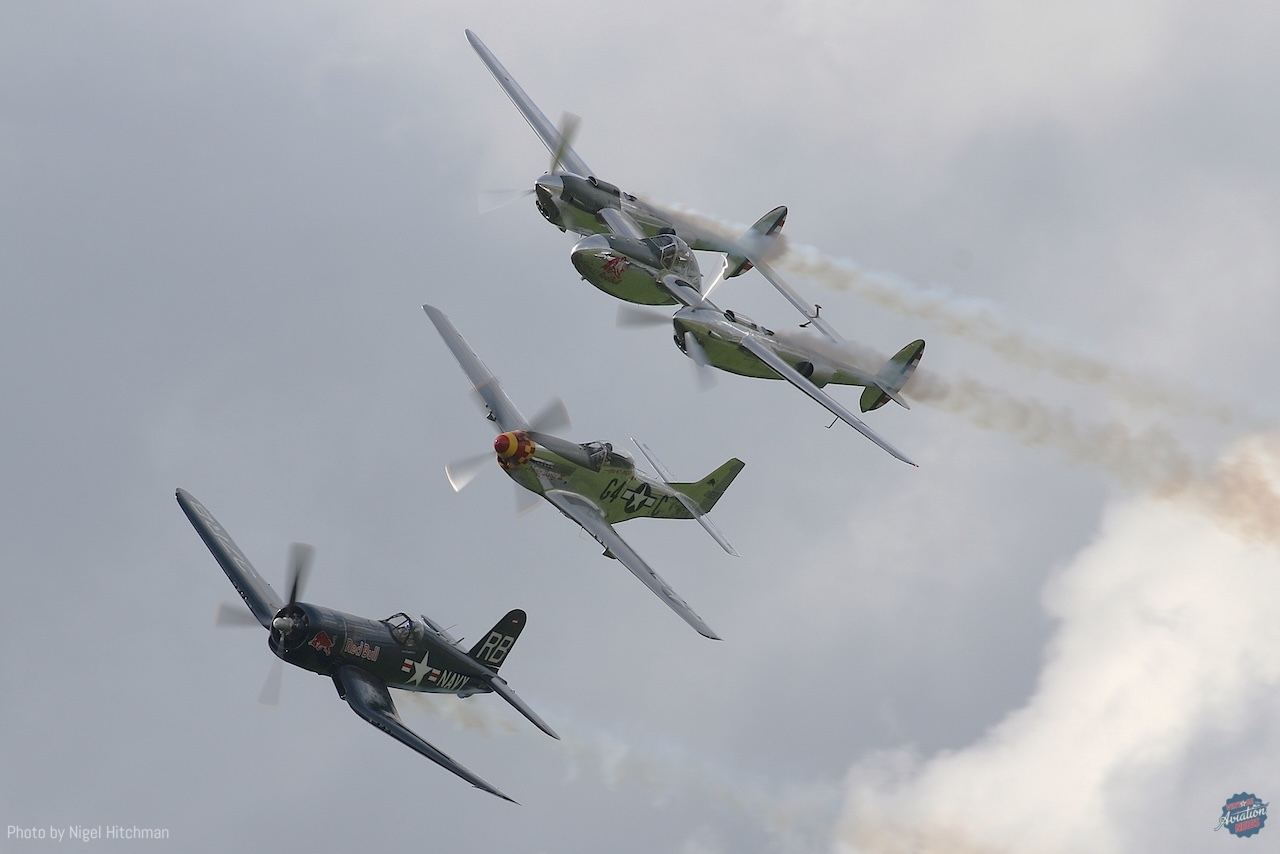
Red Bull brought their P-38 Lightning N25Y, Corsair OE-EAS and P-51D Mustang OE-EFB “Nooky Booky” and gave their usual polished formation display, followed by solo routines.
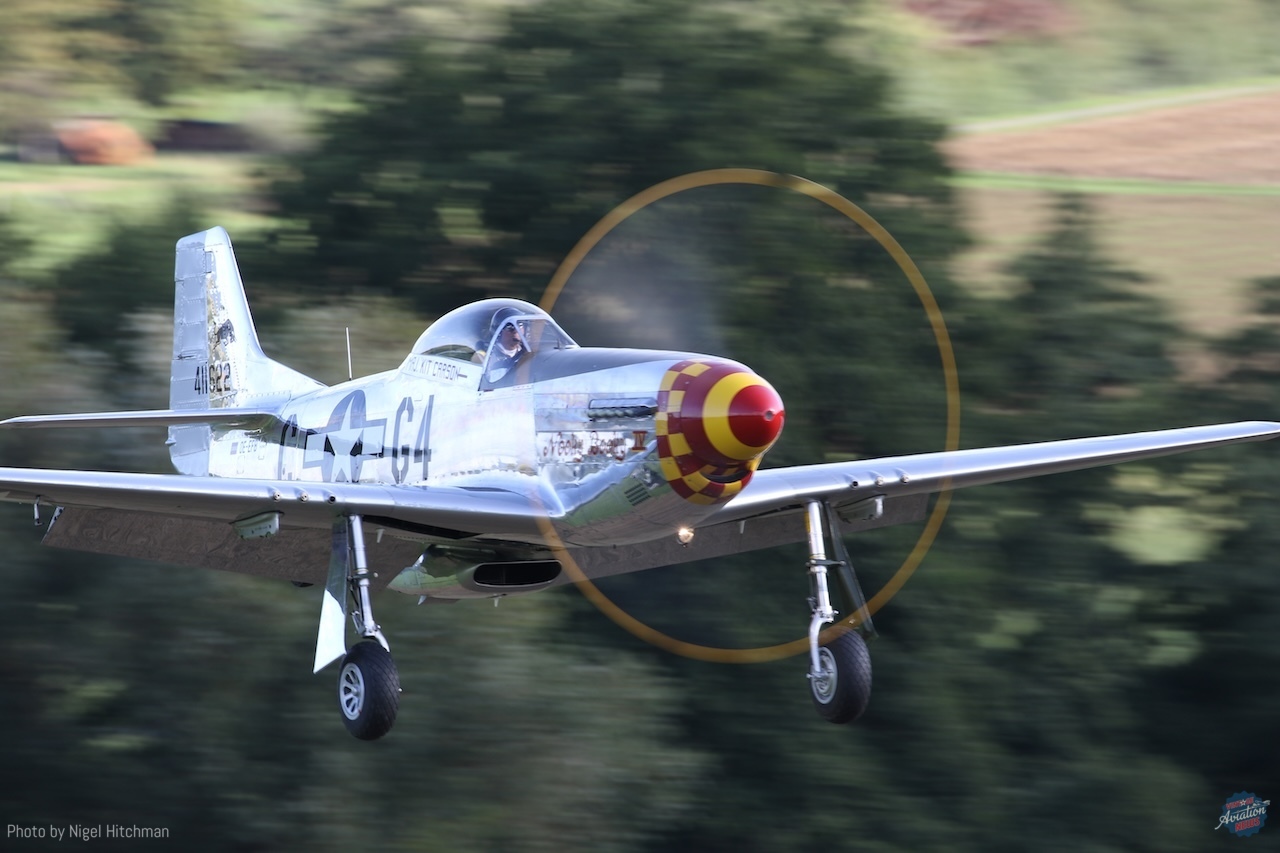
Two other Mustangs were present, both of which rarely make appearances at airshows, N51AB CAC 18 “Made in Australia” Built by Commenwealth Aircraft Corportation in Australia as RAAF A68-100 and then civilian operated as VH-BOW in the 60s, it was then exported to the US in the late 60s flying as “Miss Escort” and “Flying Dutchman” in the US until 2015 when it was exported to Germany, its been in these colours for a couple of years.
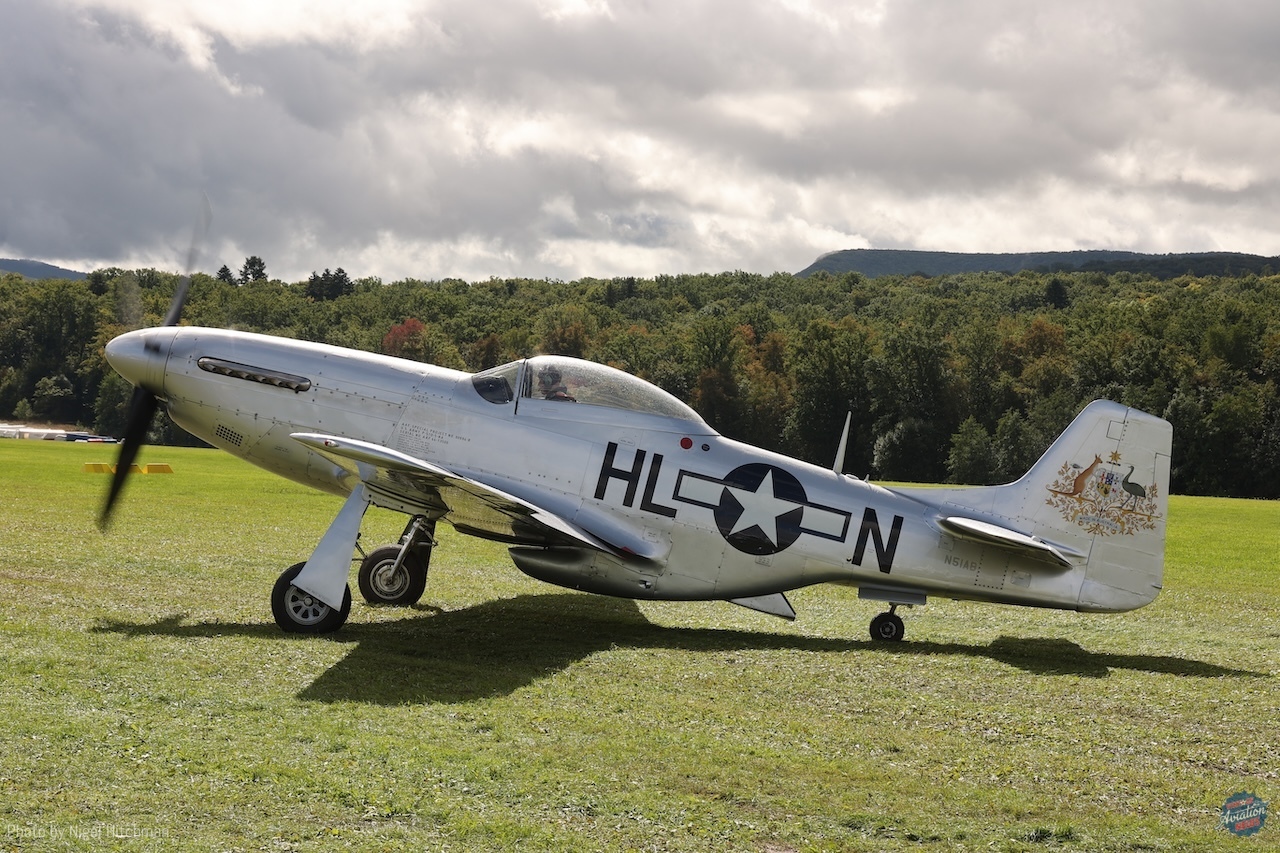
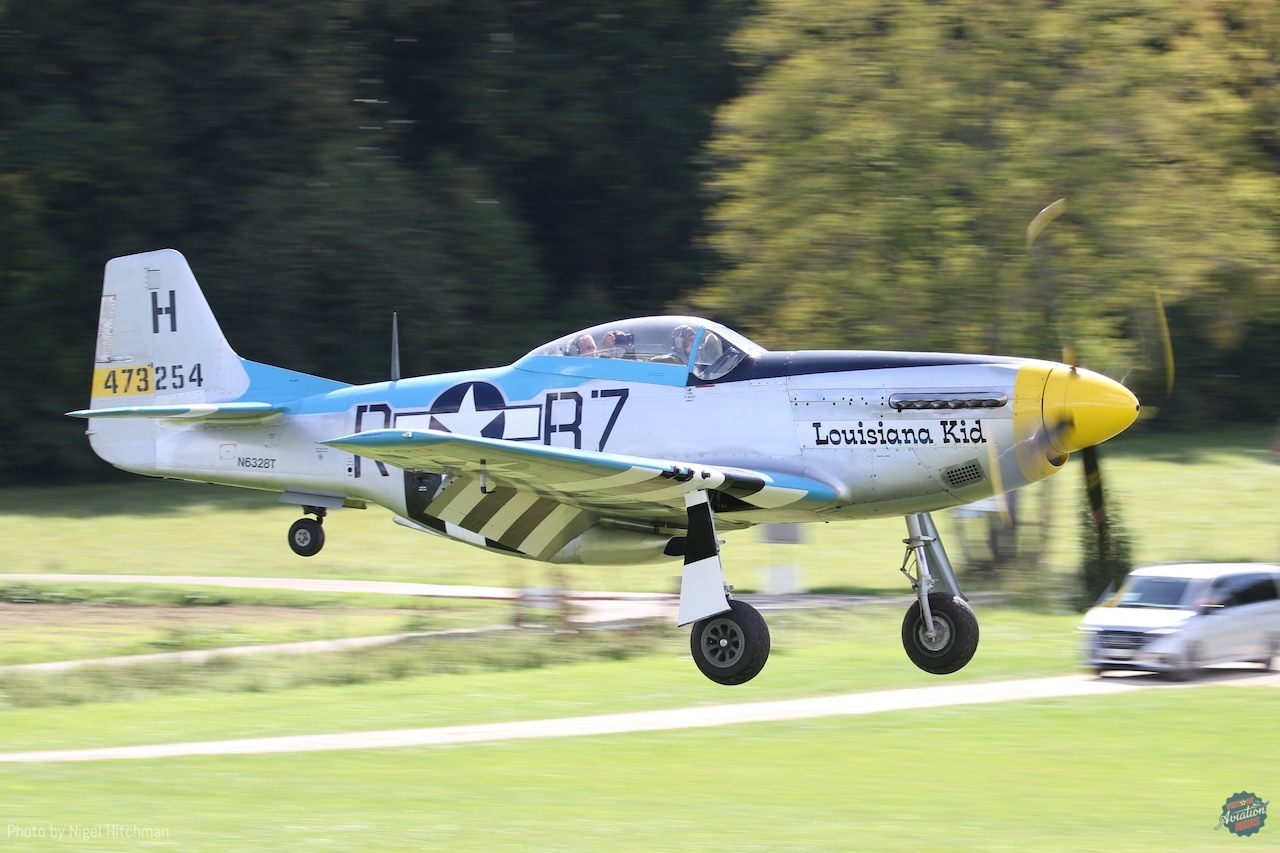
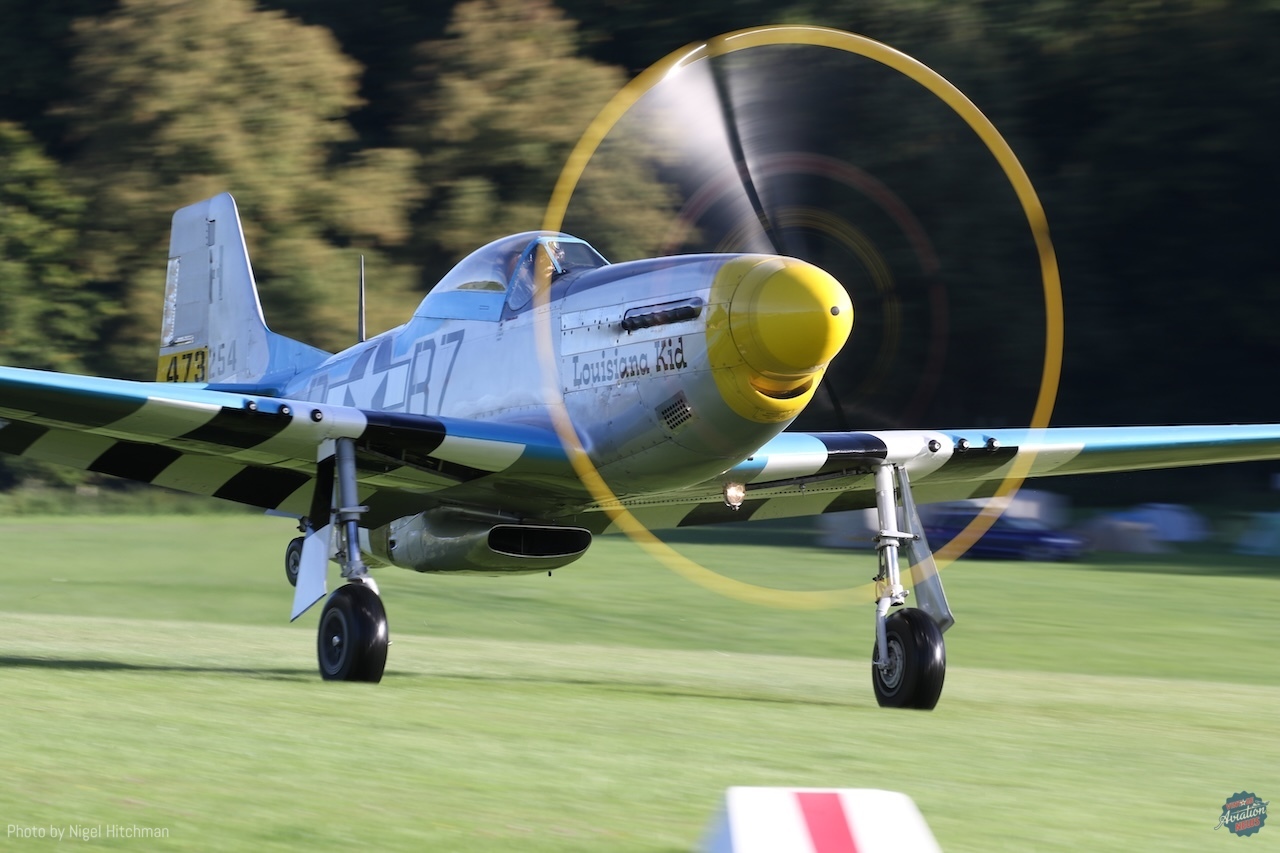
N6328T P-51D “Louisiana Kid”, which has been based in Germany since 2012 and gained the name “Louisiana Kid” shortly after arrival, presumably in reference to it having been a long-term resident of Louisiana from the 70s until sold in Germany, this was its third appearance at Hahnweide.
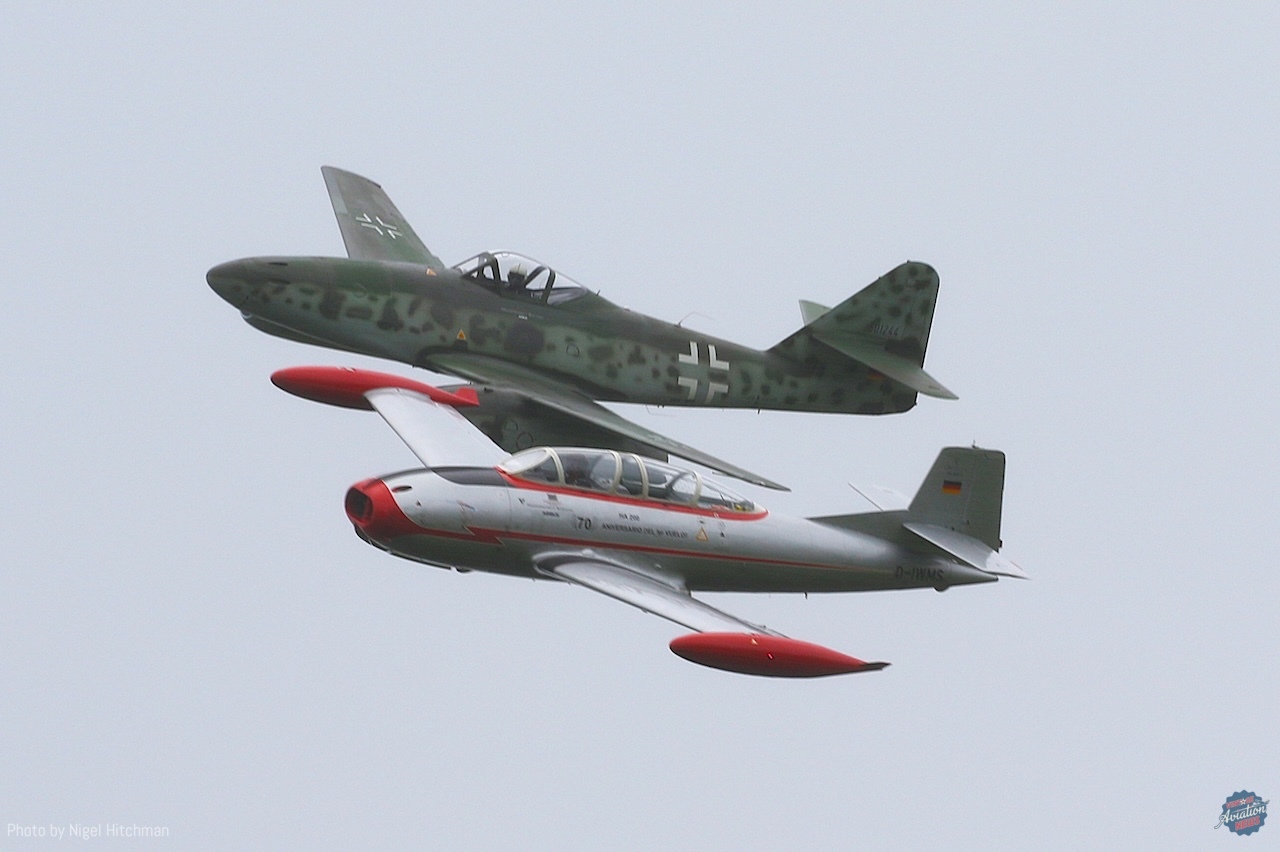
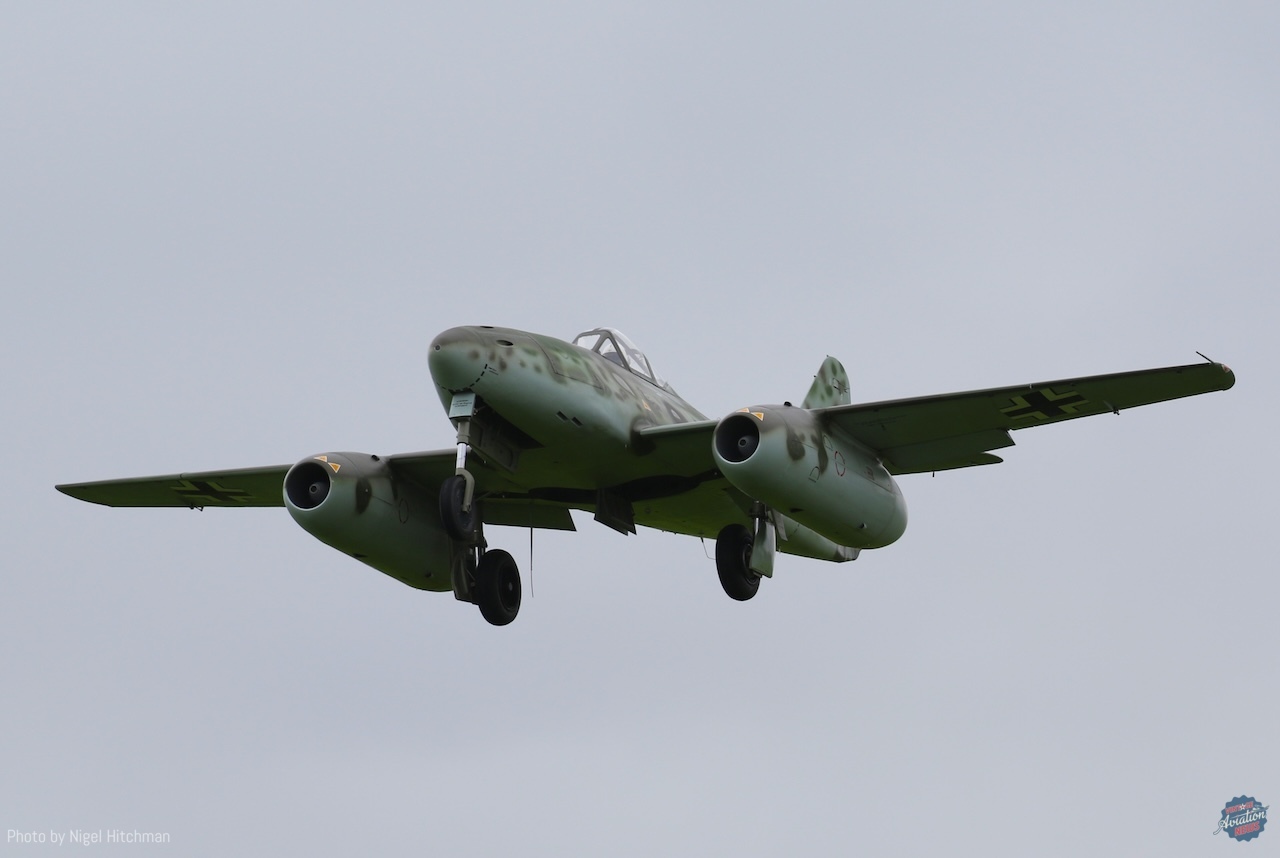
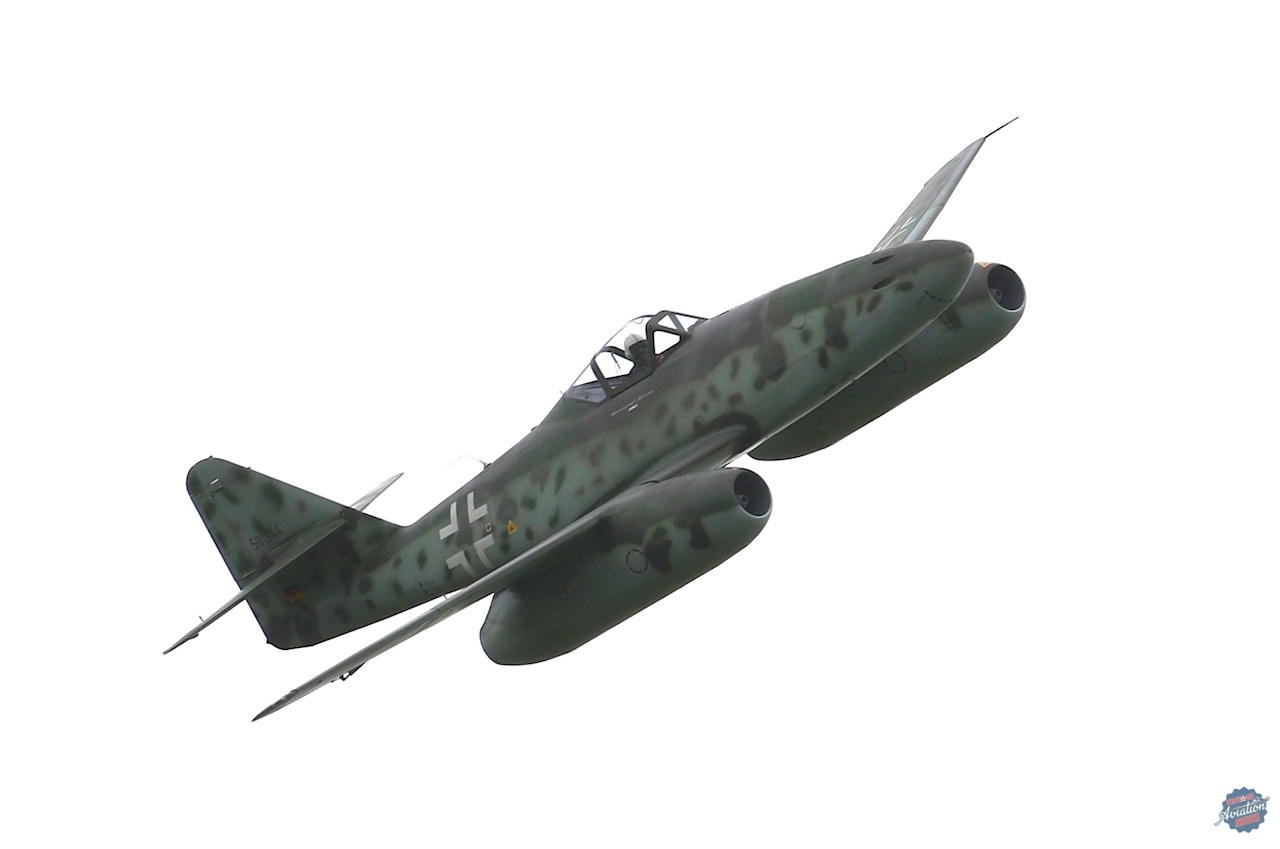
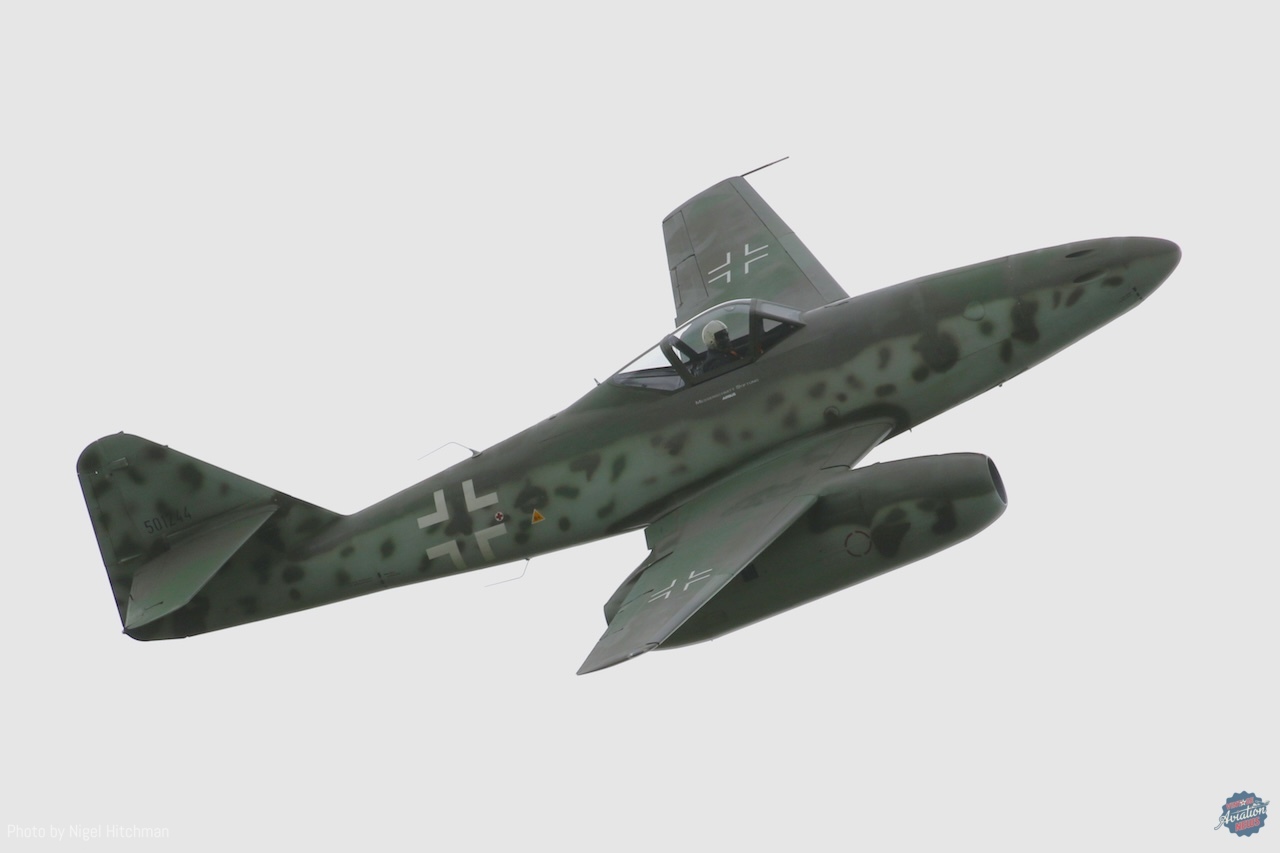
Flying from elsewhere were the Messerschmitt foundation Me262 D-IMTT and Hispano HA.200D Saeta D-IWMS, which gave a few excellent formation passes before splitting for individual displays. The Me262 is, of course, one of the three flying replicas built as copies of an original started in Texas and completed in Seattle, this one first flying in 2005 there and then in Germany in 2006. The Hispano Saeta was a Wülfli Messerschmitt design, first flying in 1955, and in service with the Spanish Air Force until the early 80s. This example was obtained by the Messerschmitt foundation in 1995 and taken to Manching for some restoration work and repainting, flying again in 1998.

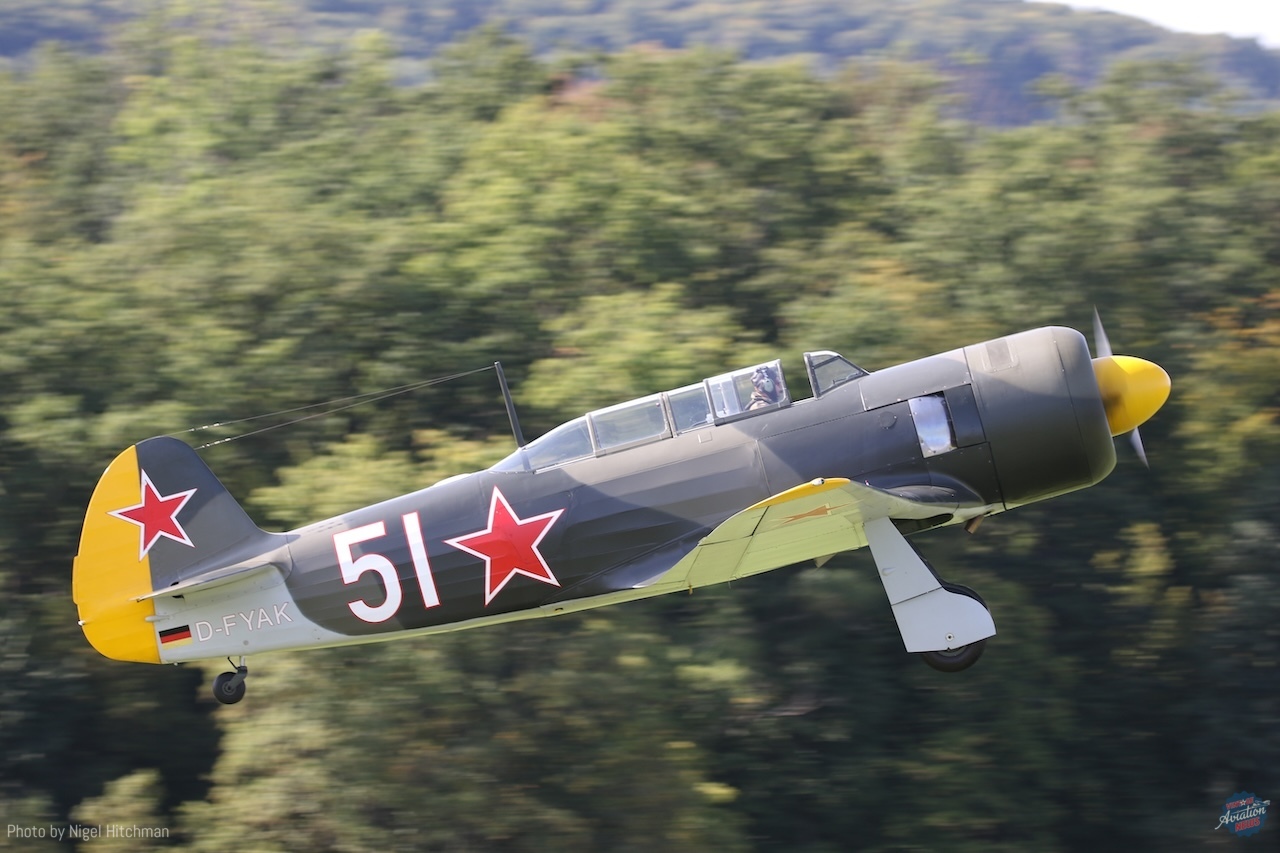
D-FYAK is a Let C.11, Czech-built Yak 11, which served in the Czechoslovak AF and was then restored by Yak UK in the late 90s as G-DYAK initially painted in East German AF colours, based in Hamburg, it was then put on the German register as D-FYAK and later repainted in these Russian colours.
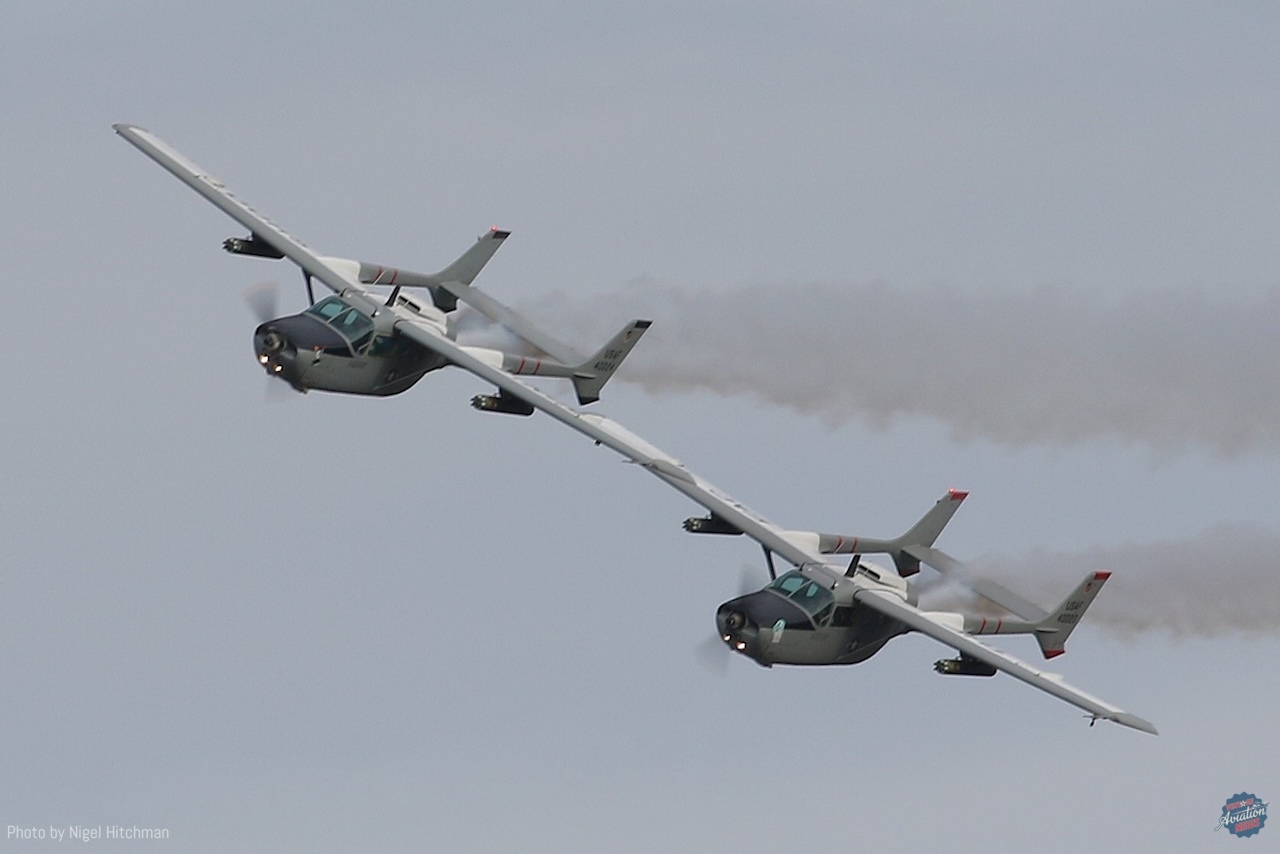
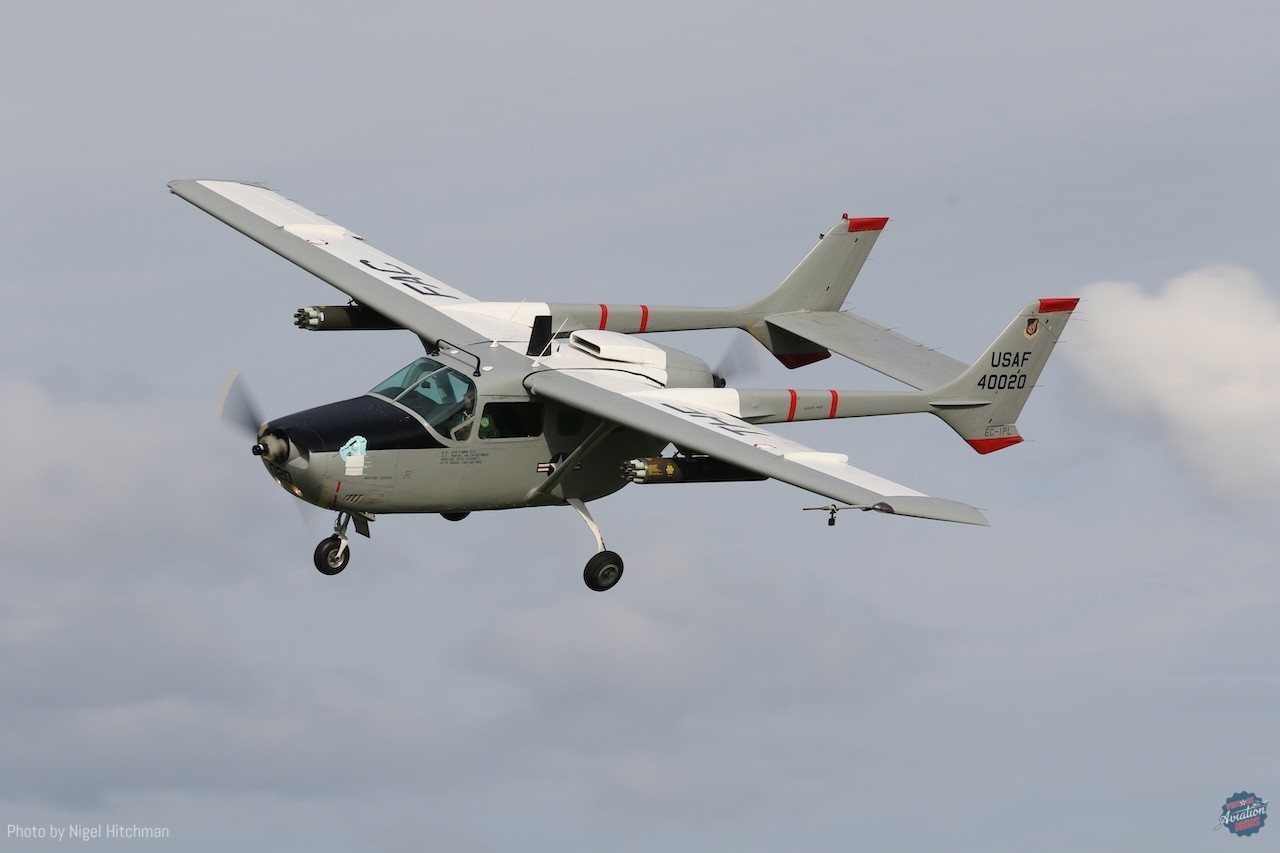
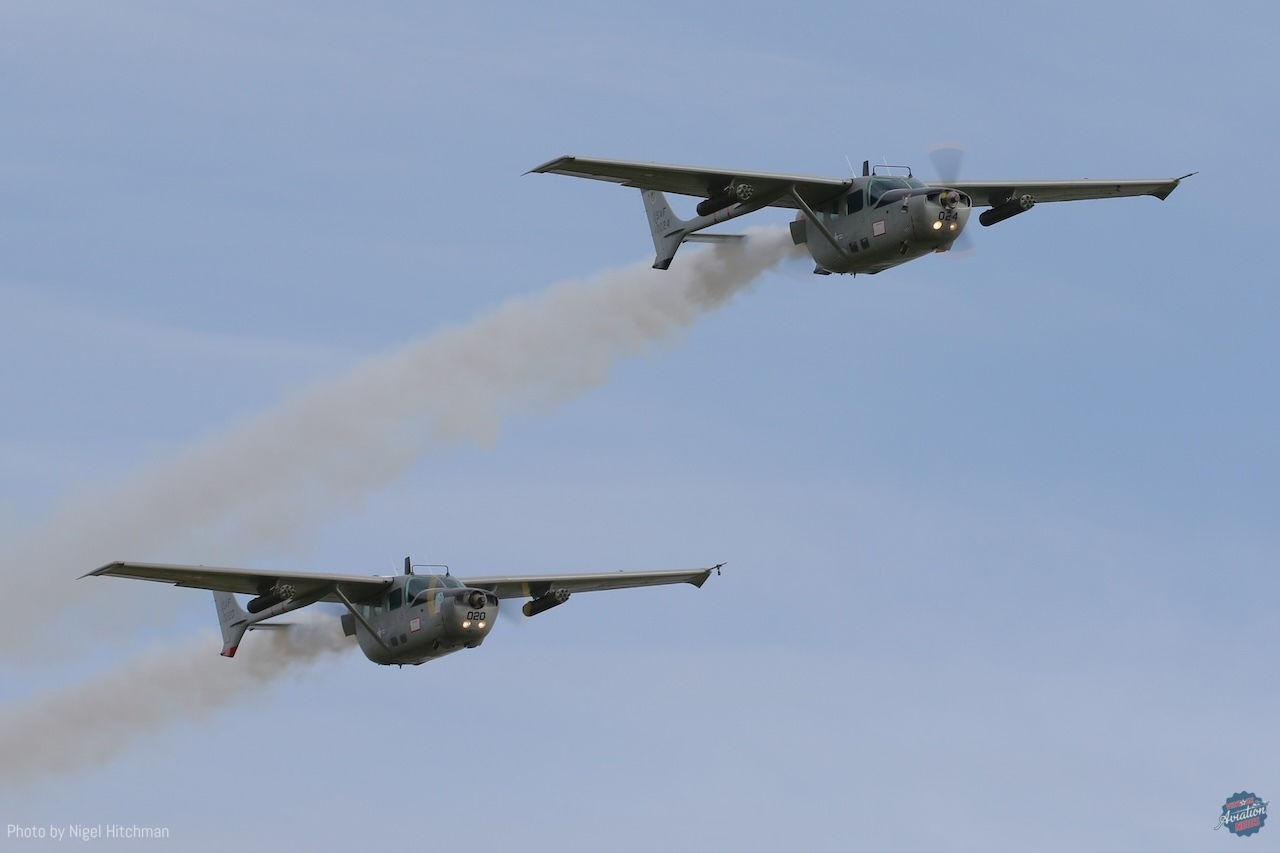
The two Spanish Cessna O-2s provided an interesting change. EC-IPL and EC-MYM are operated by Fundación Aeronáutica Antonio Quintana, based at Cuatro Vientos near Madrid. These are ex-Portuguese AF Cessna FTB.337Gs painted to represent USAF Cessna O-2s used as forward air controllers in the Vietnam War.
F-AZKM North American OV-10B Bronco is operated by the montelimar Aviation Museum in France, it was built as a target towing aircraft for the West German Air Force and flown to Montelimar after retirement in 1991. Later restored to flying condition, it proved popular on the airshow circuit, first in German colours and more recently painted to represent a USMC aircraft.


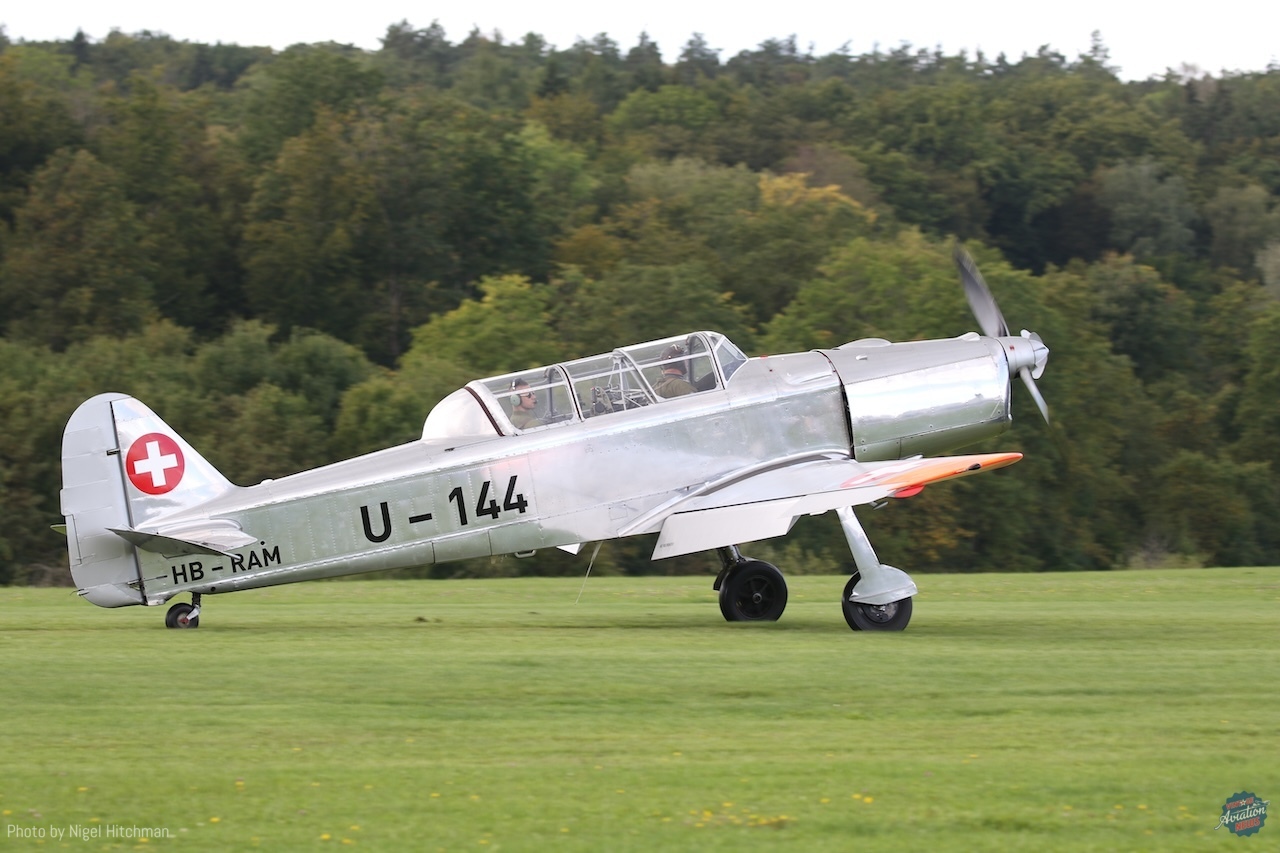
Pilatus P-2 U-144/HB-RAM was a treat to see, built in the late 40s/early 50s, Pilatus P-2s became a fairly common sight on the European airshow scene after the Swiss AF sale in 1981, some painted in German ww2 colours for films, but thankfully mostly now back in Swiss AF colours, although now a much rarer sight.
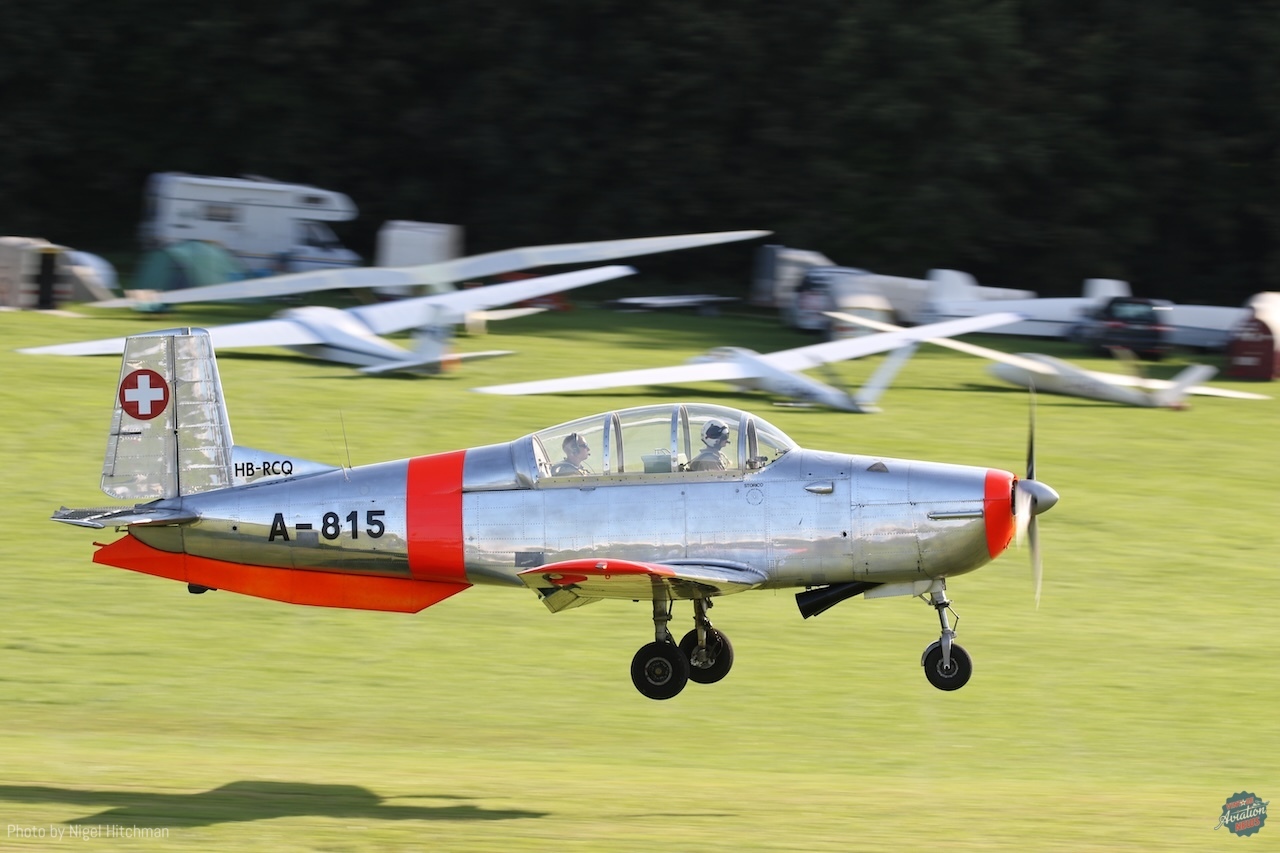
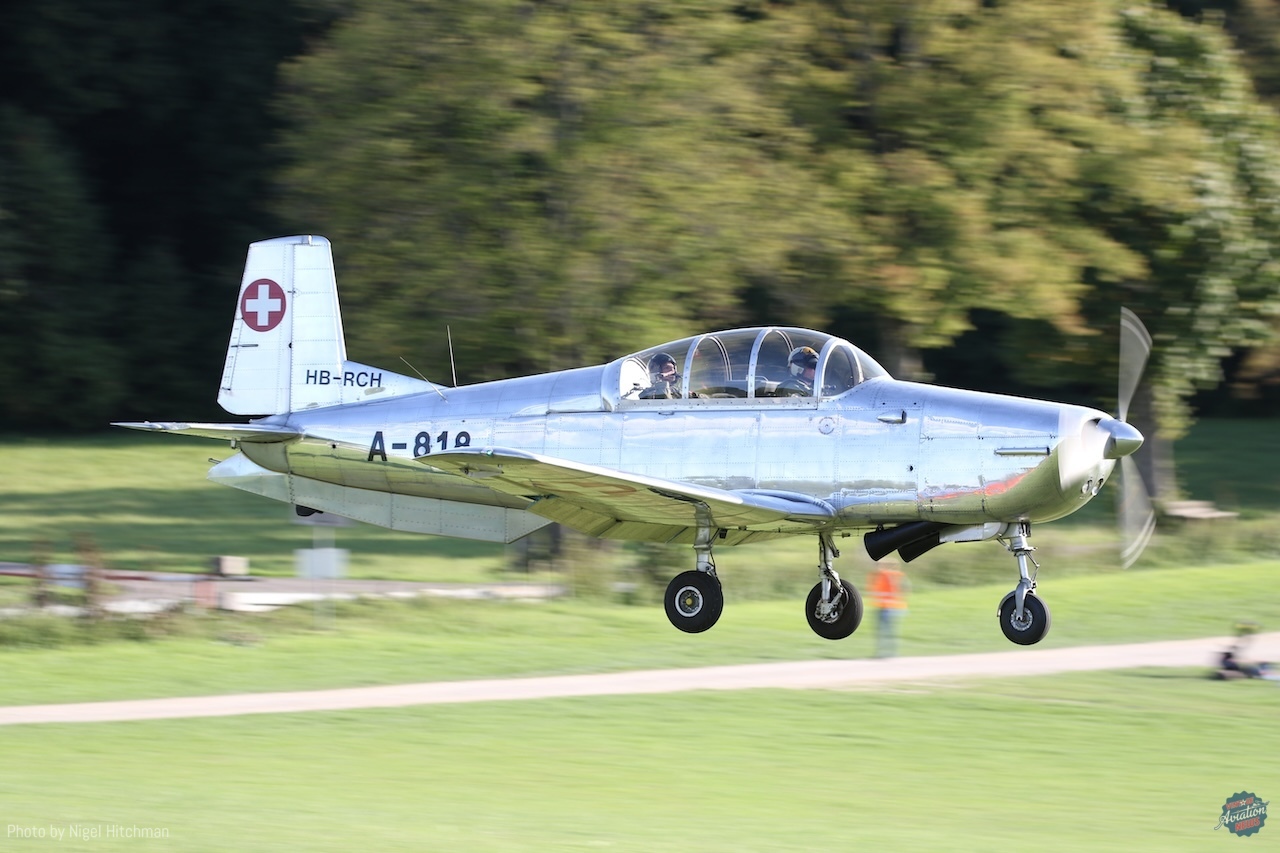
There are nowadays more Pilatus P-3s, this was a new design first flying in 1953 and entering Swiss AF service in 1956, 79 were built with the only other customer being the Brazillian Navy, however it was later developed into the much more capable turbine engine powered PC-7 and PC-9. Withdrawn from Swiss AF service in the early 90s, many were sold on the civilian market and have proved a popular warbird; four examples flew to Hahnweide from Switzerland.
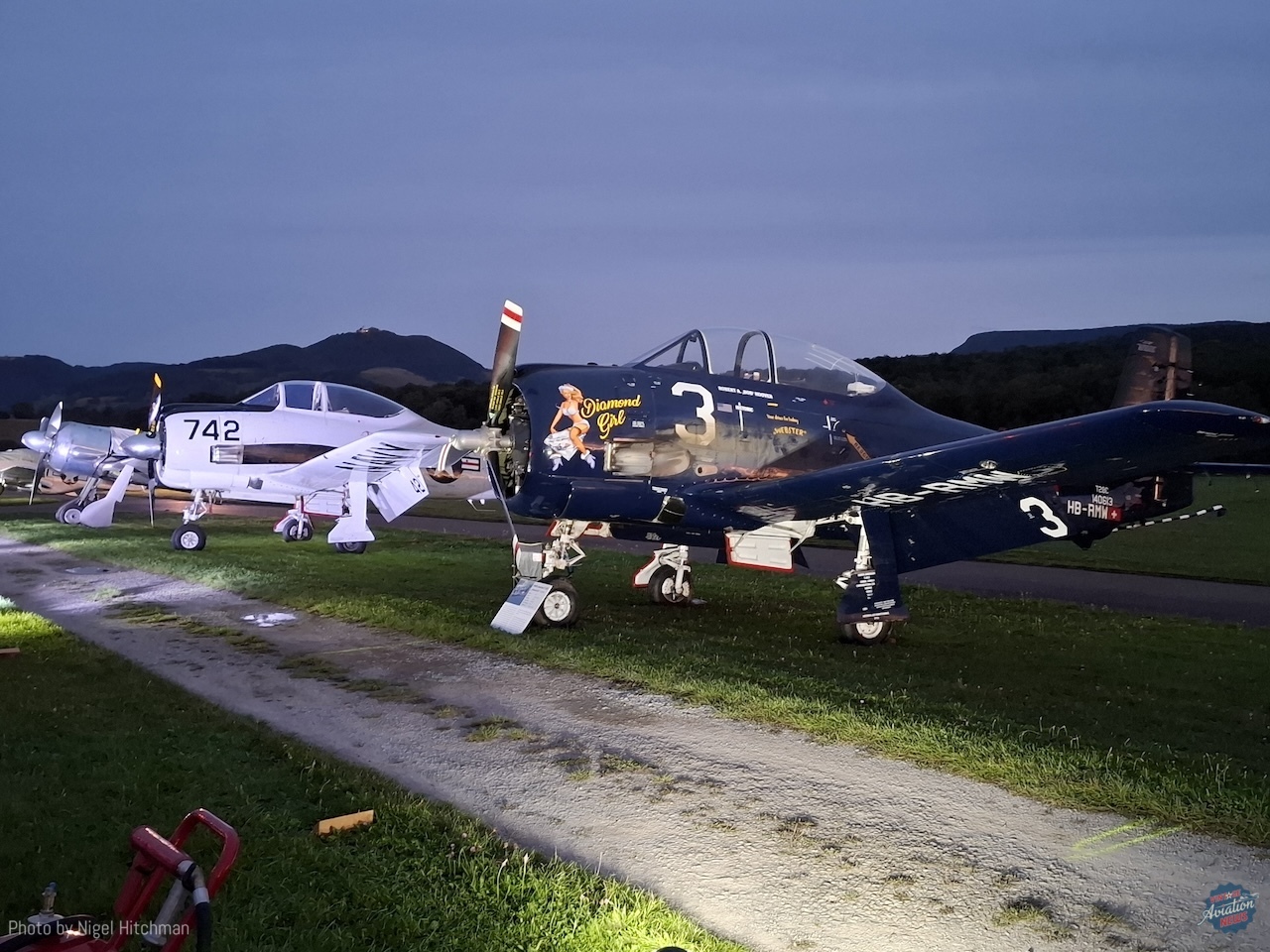
The North American T-28 was fairly unknown in Europe, except in France where the Air Force operated around 150 Fennecs which were locally converted ex US T-28As, mostly in Algeria and several started to be operated in private ownership from the late 80s, but more recently quite a few have started to appear as “warbirds” all over Europe and two were present at Hahnwiede HB-RMW/140613 T-28C and N1742R/49-1742 T-28D which is an ex USAF T28D, for some reason painted in US Navy colours at some time before import to Europe in 2016.

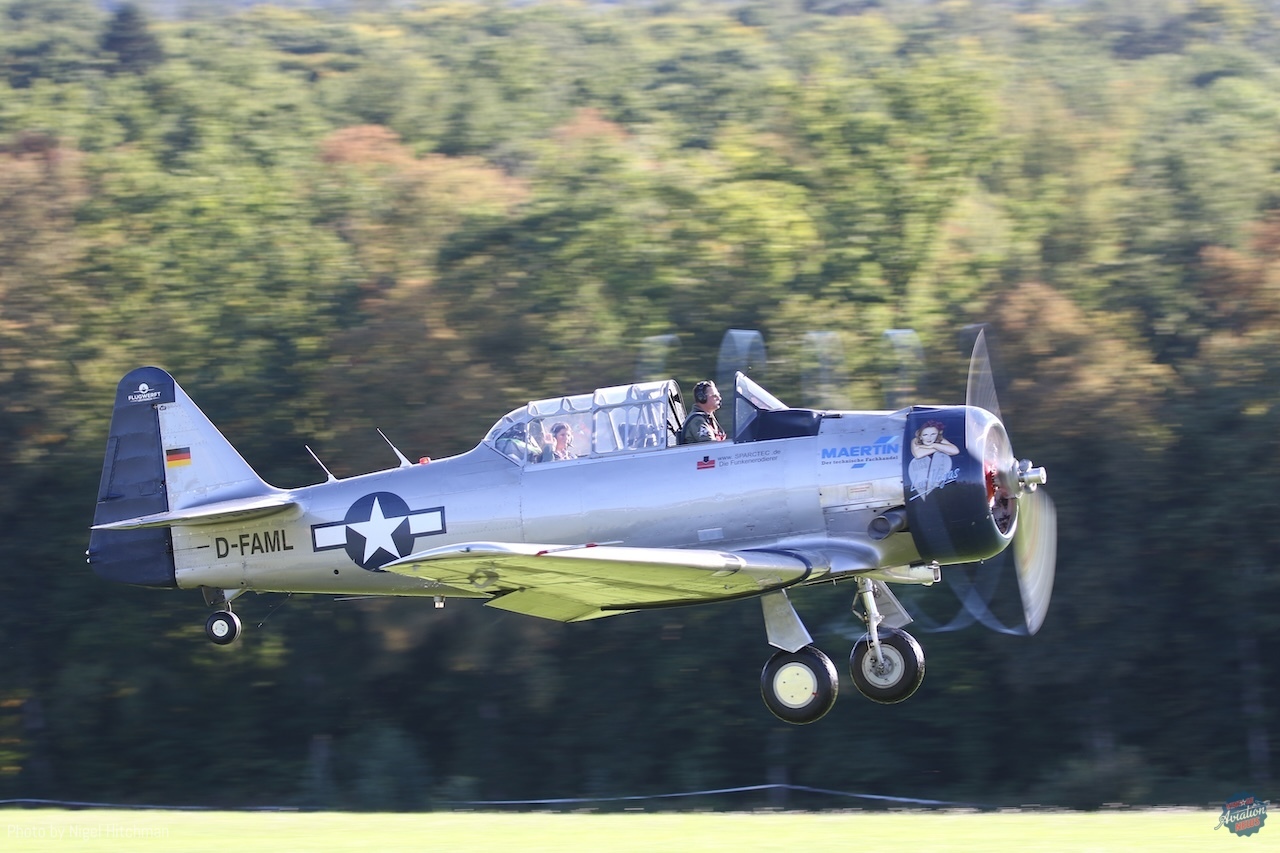
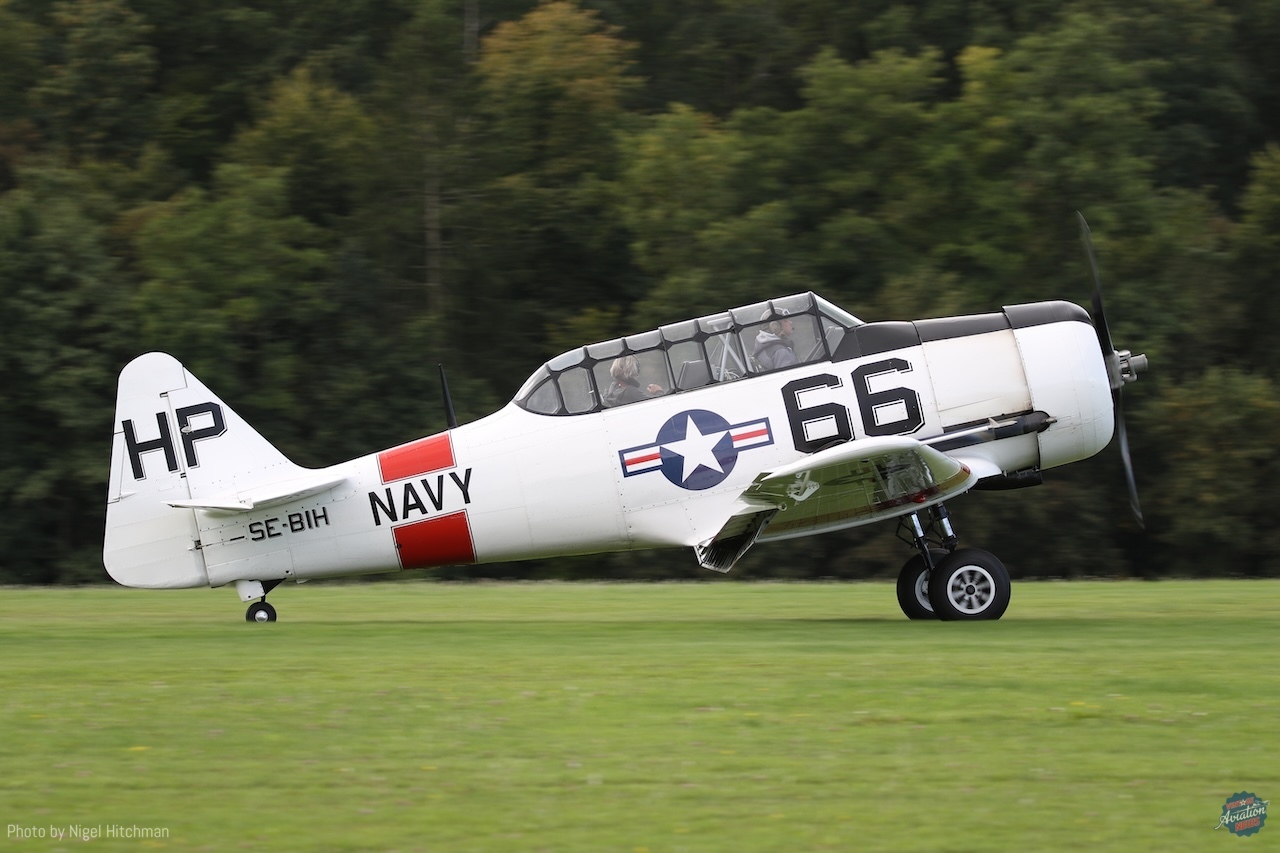
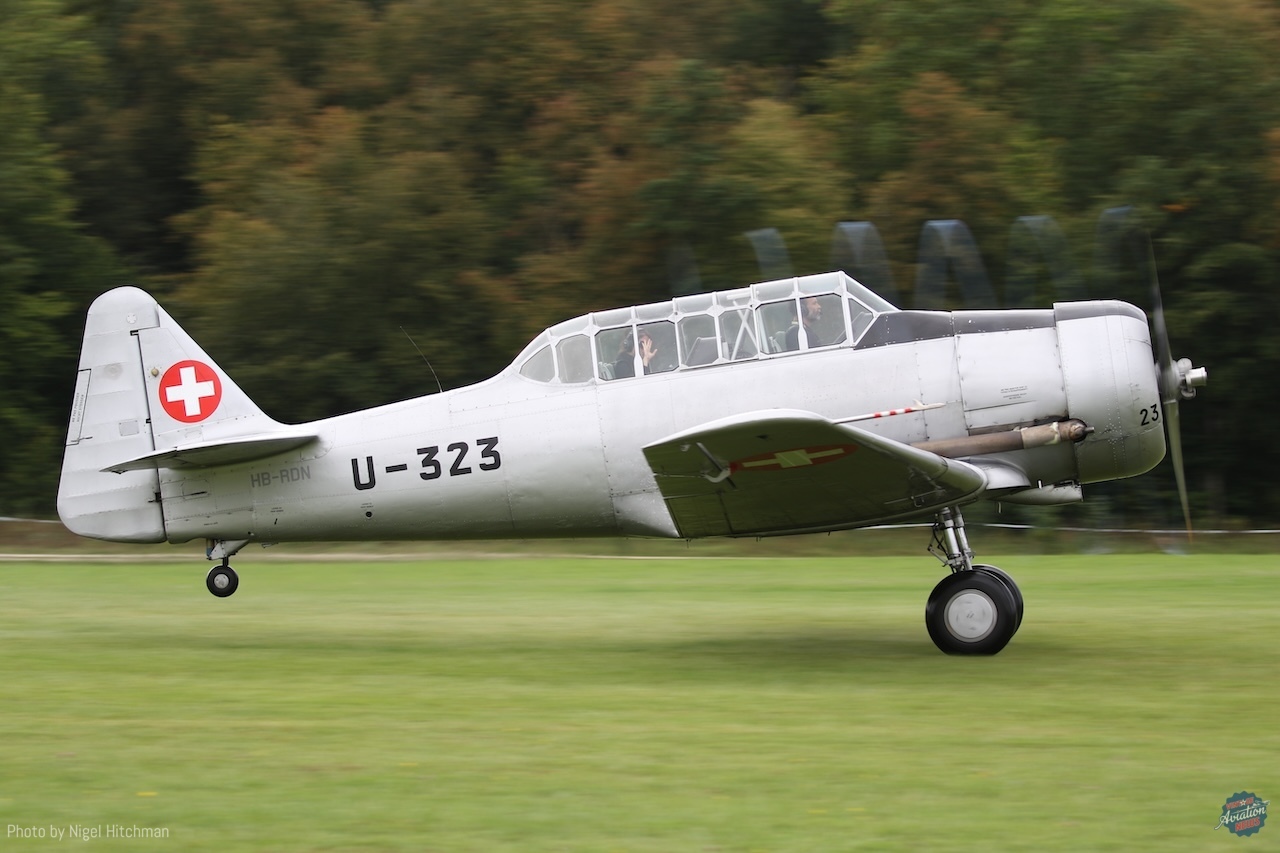
North American T-6/Harvards have always been popular in Europe, and around 10 came to Hahnweide from England, Sweden, Switzerland, France, Austria and Germany.

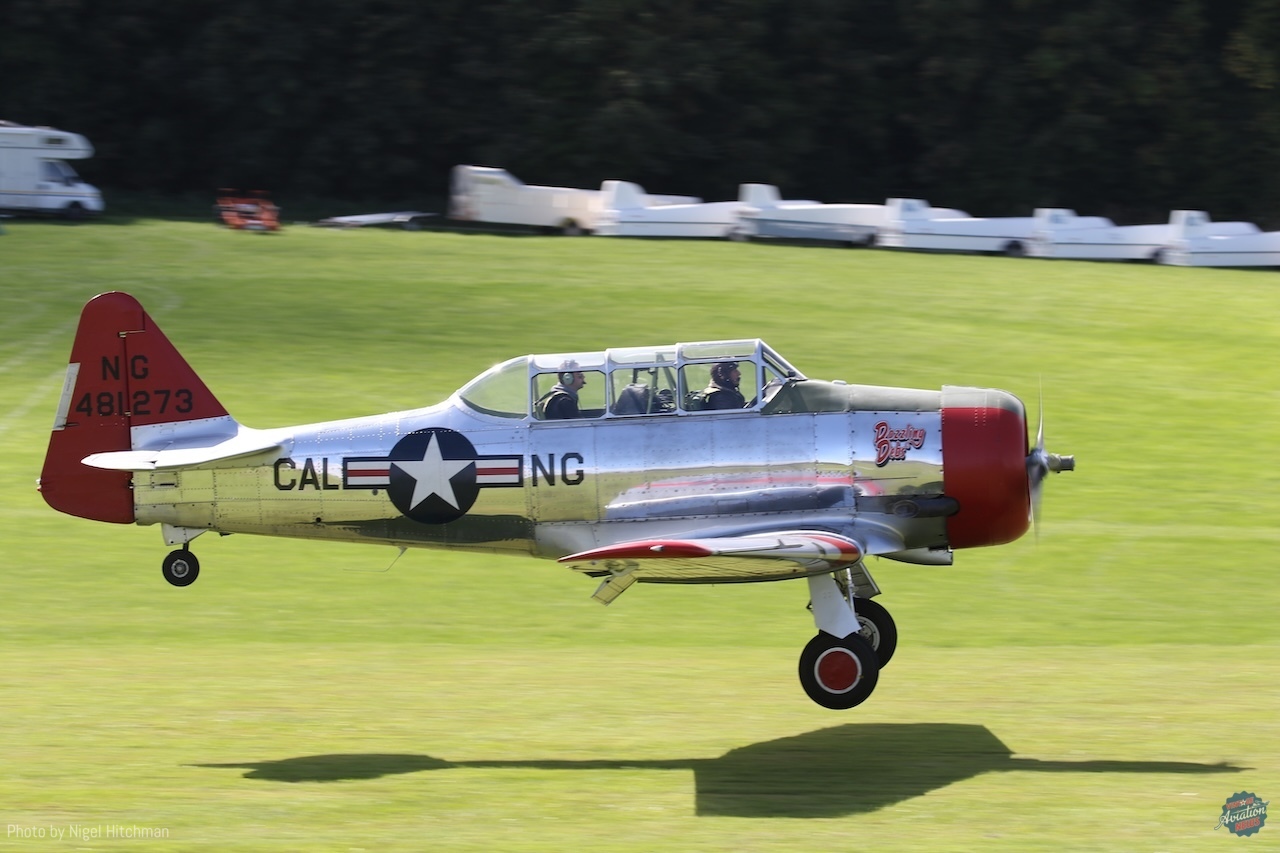
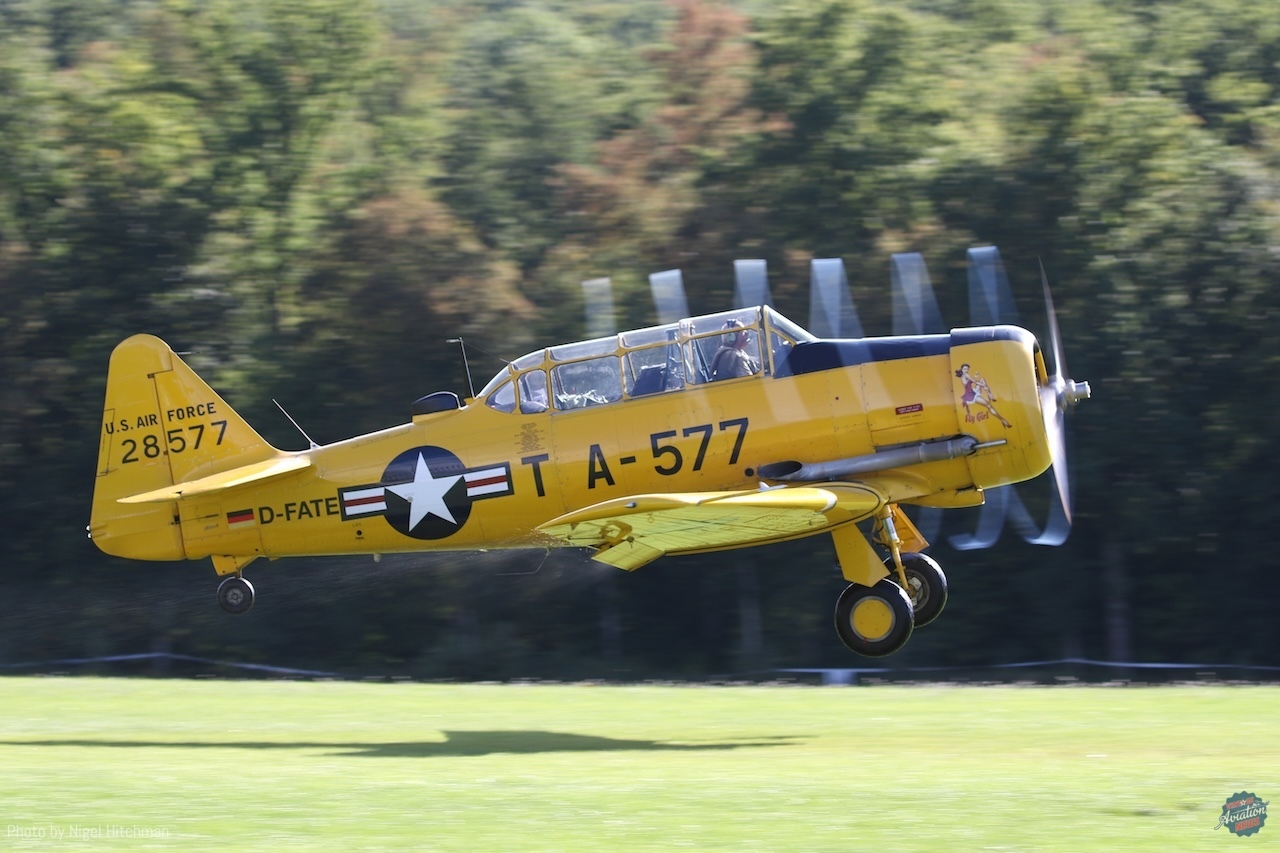
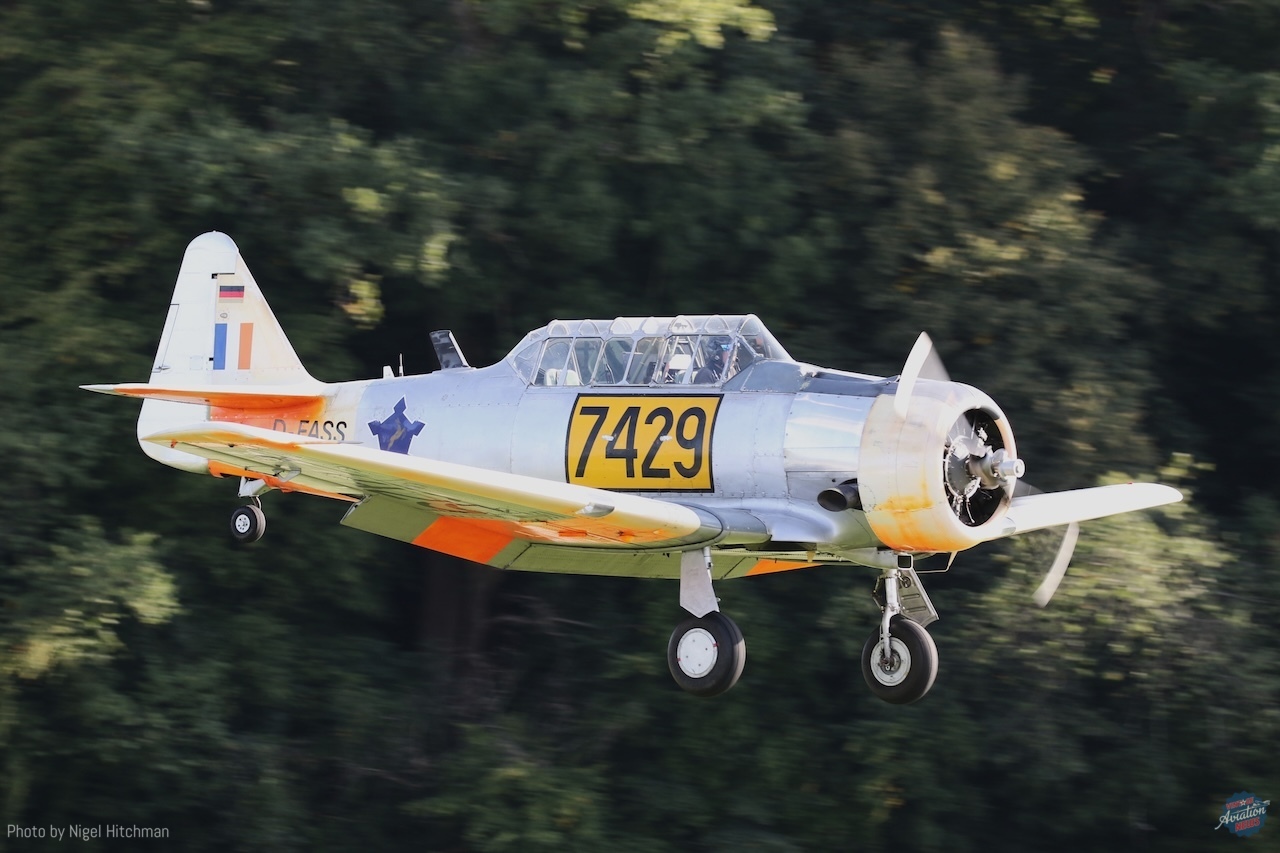
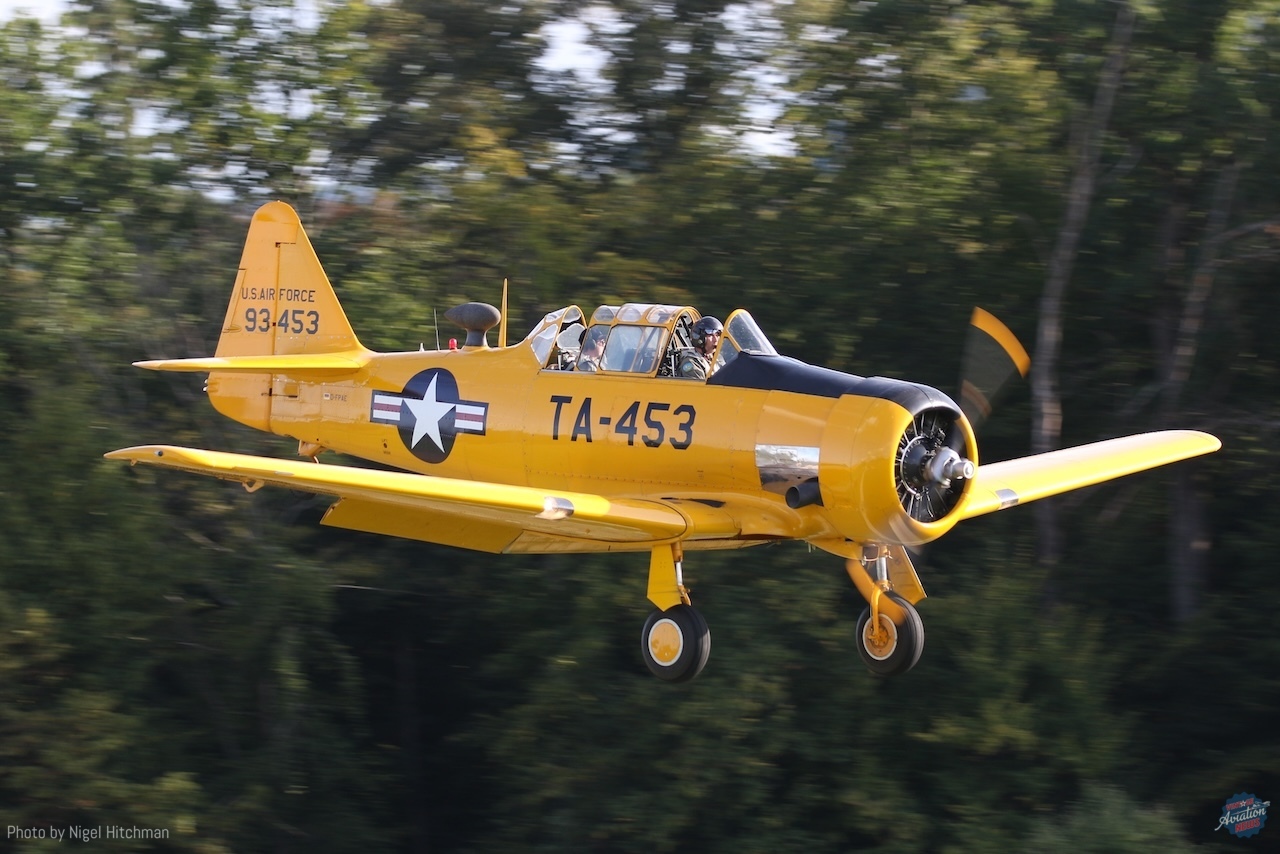
Two Fieseler Fi-156 Storch aircraft were present, D-EVDB and D-EKLU, both in original configuration and with Argus engines.
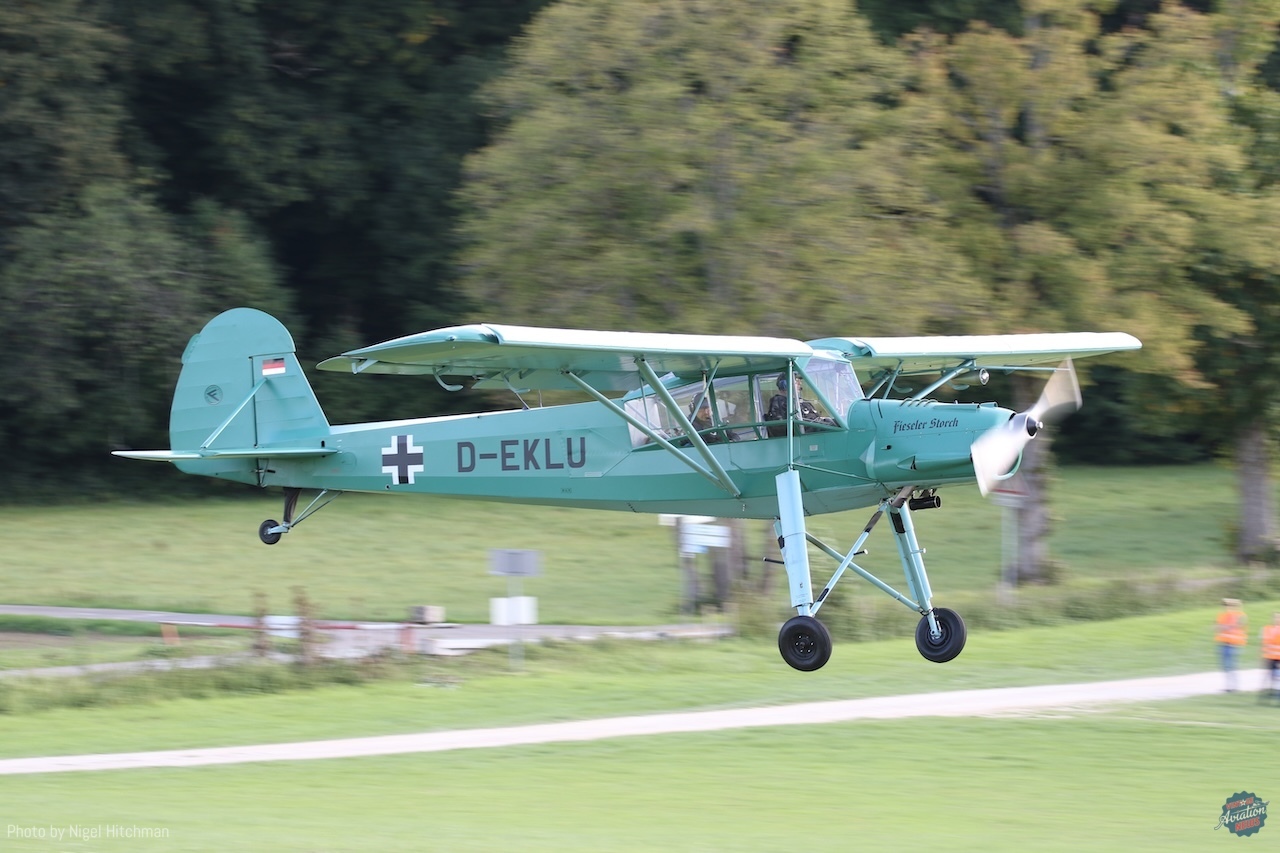
Several Dornier Do27s were present, many in their former German Air Force colours; there was also one Dornier Do28A and one more modern Dornier Do 28D.
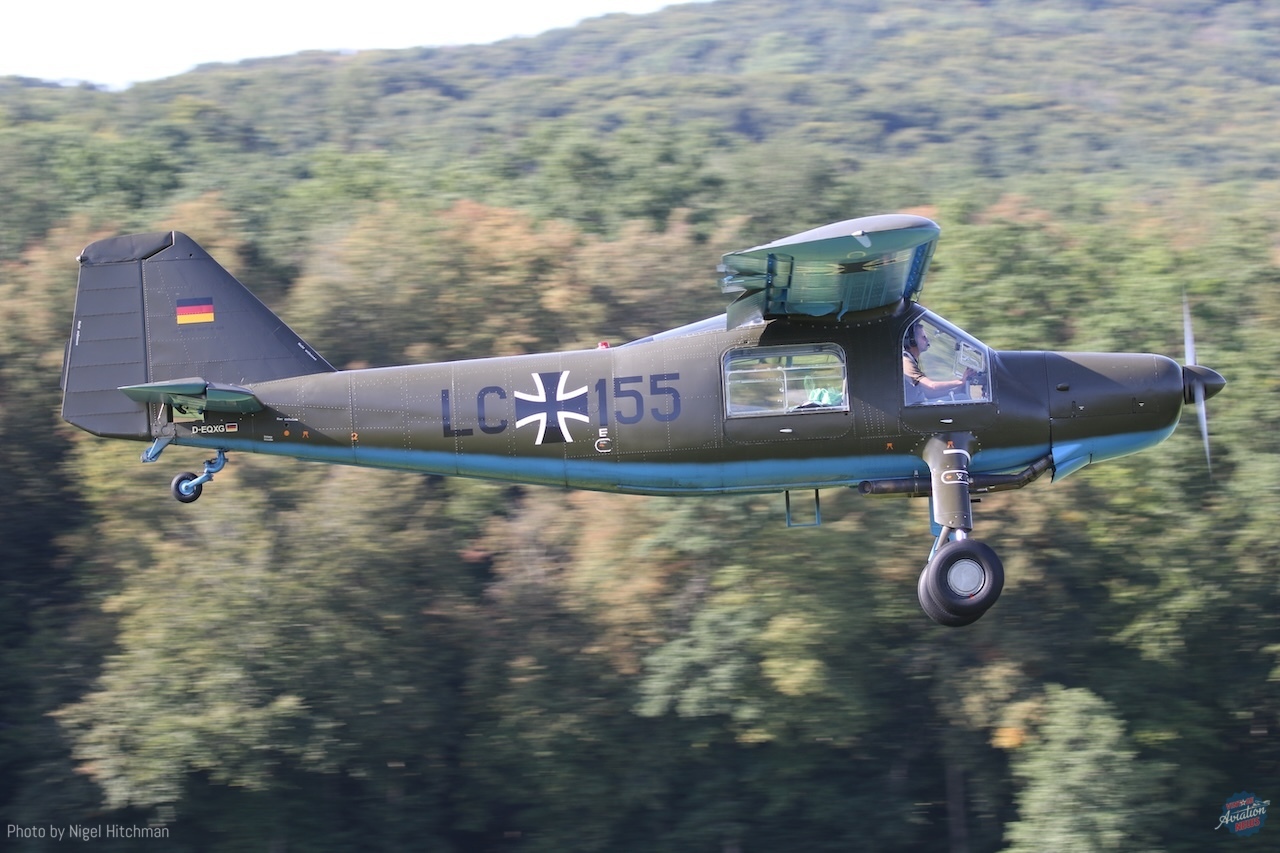
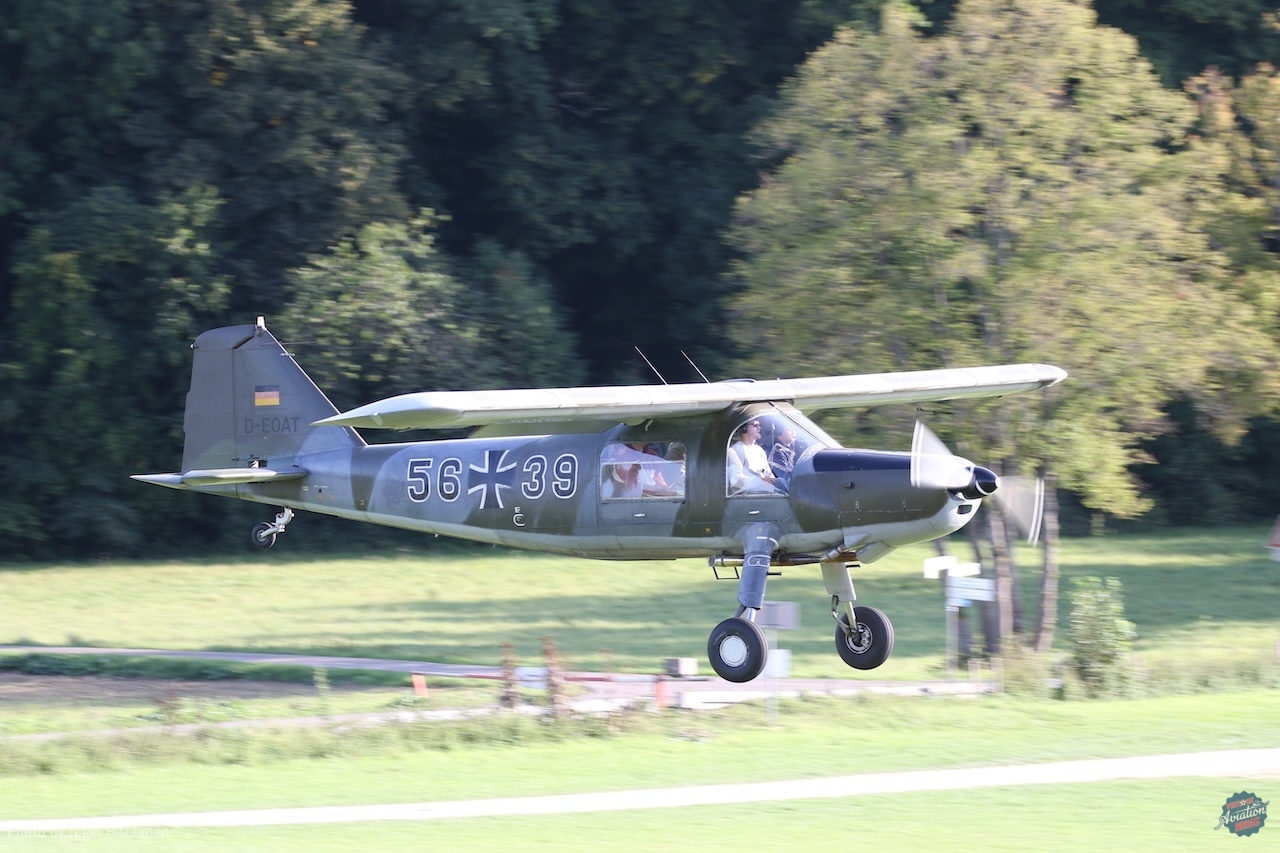
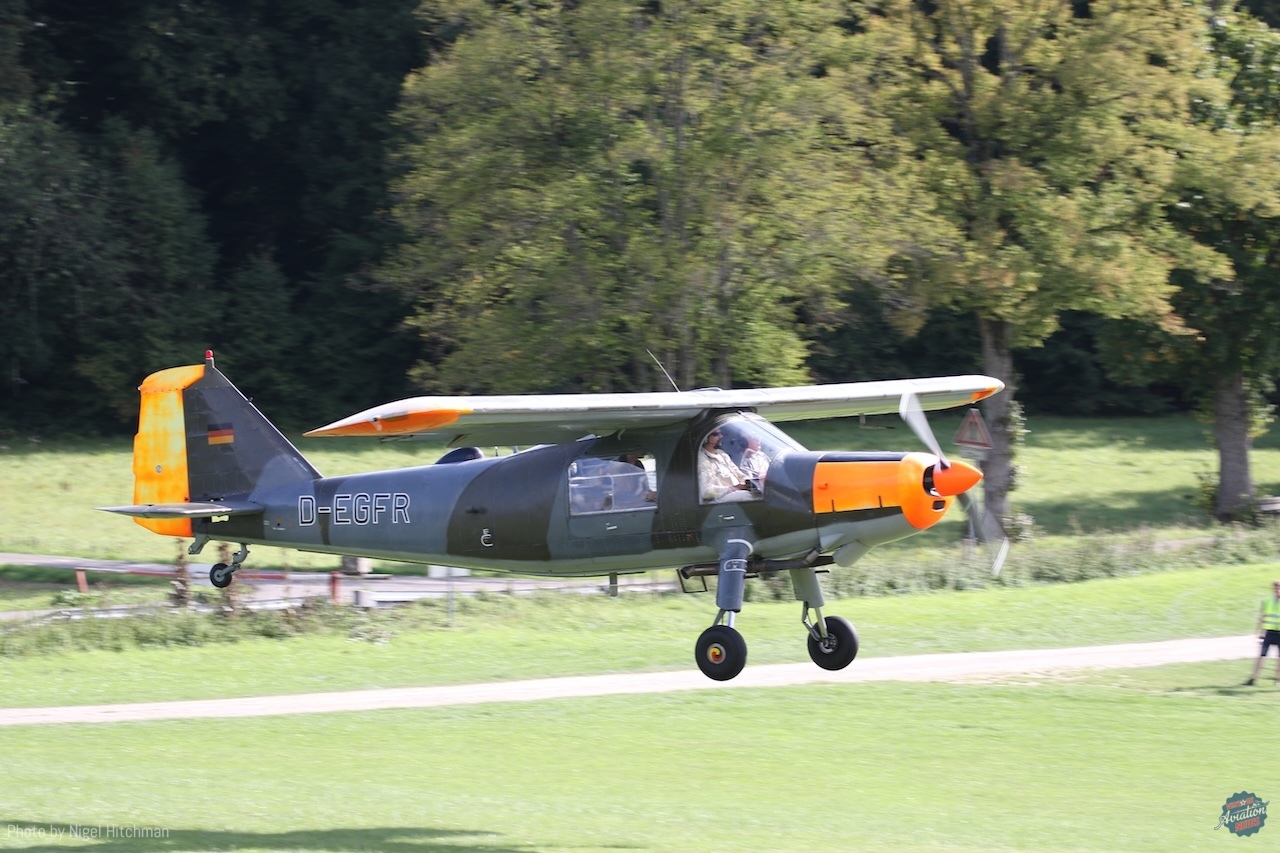
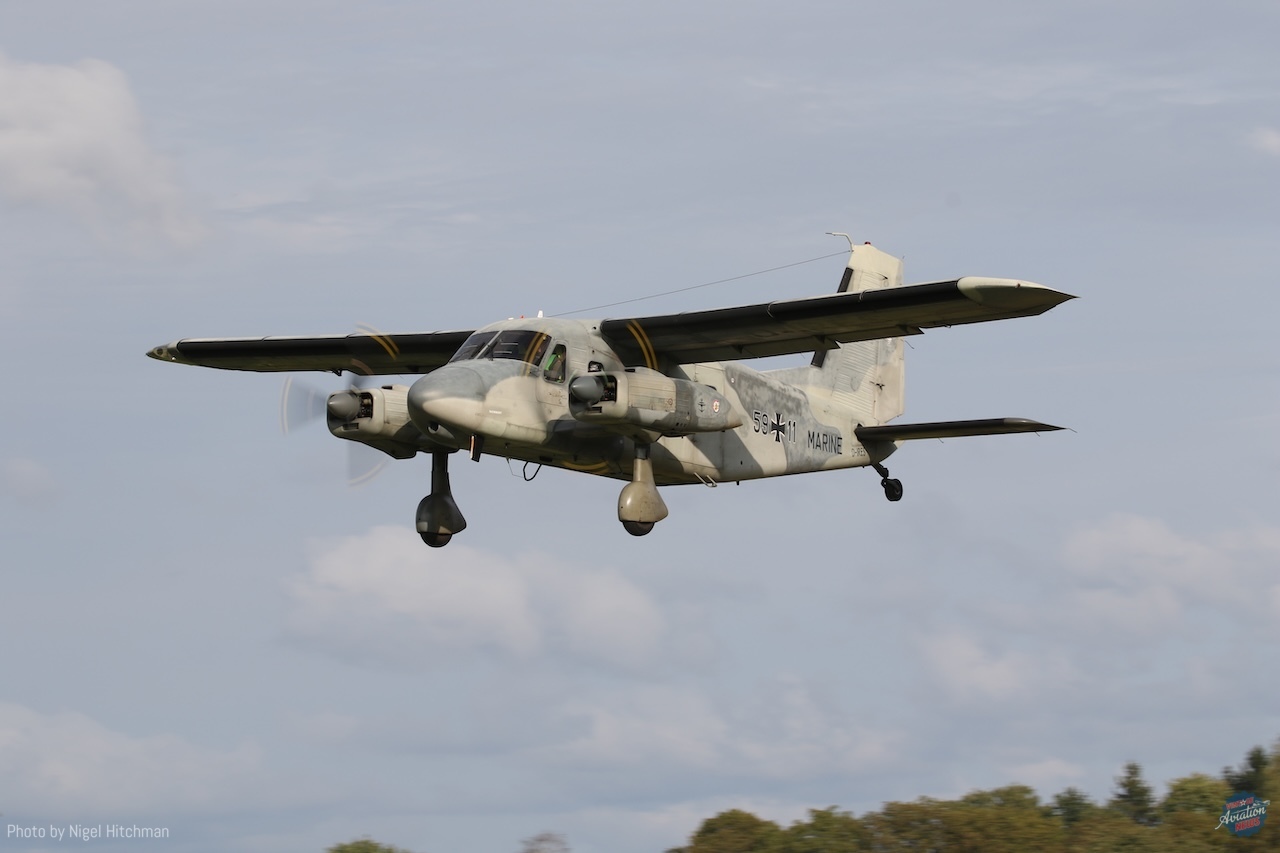
Many other military trainers like Buckers, Focke-Wulf Steiglitz, Piper L-4s, etc., but these will be covered with the vintage aircraft. A fabulous gathering of warbirds in a fantastic setting and some superb flying displays, it was a real treat to see. We can’t wait for the next event, which we hope will be in Sept 2028.