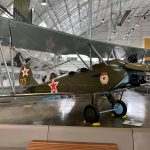

Since his childhood, Randy Malmstrom has had a passion for aviation history and historic military aircraft in particular. He has a particular penchant for documenting specific airframes with a highly detailed series of walk-around images and an in-depth exploration of their history, which have proved to be popular with many of those who have seen them, and we thought our readers would be equally fascinated too. This installment of Randy’s Warbird Profiles takes a look at the Museum of Flight’s Nieuport 24bis reproduction.
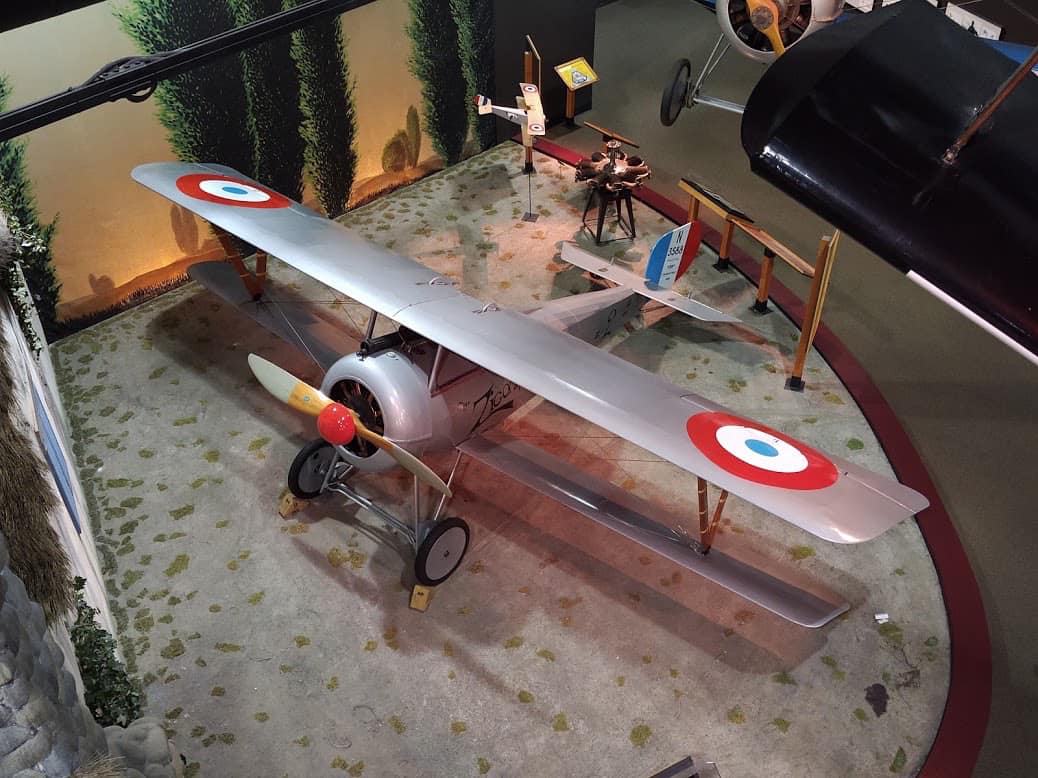
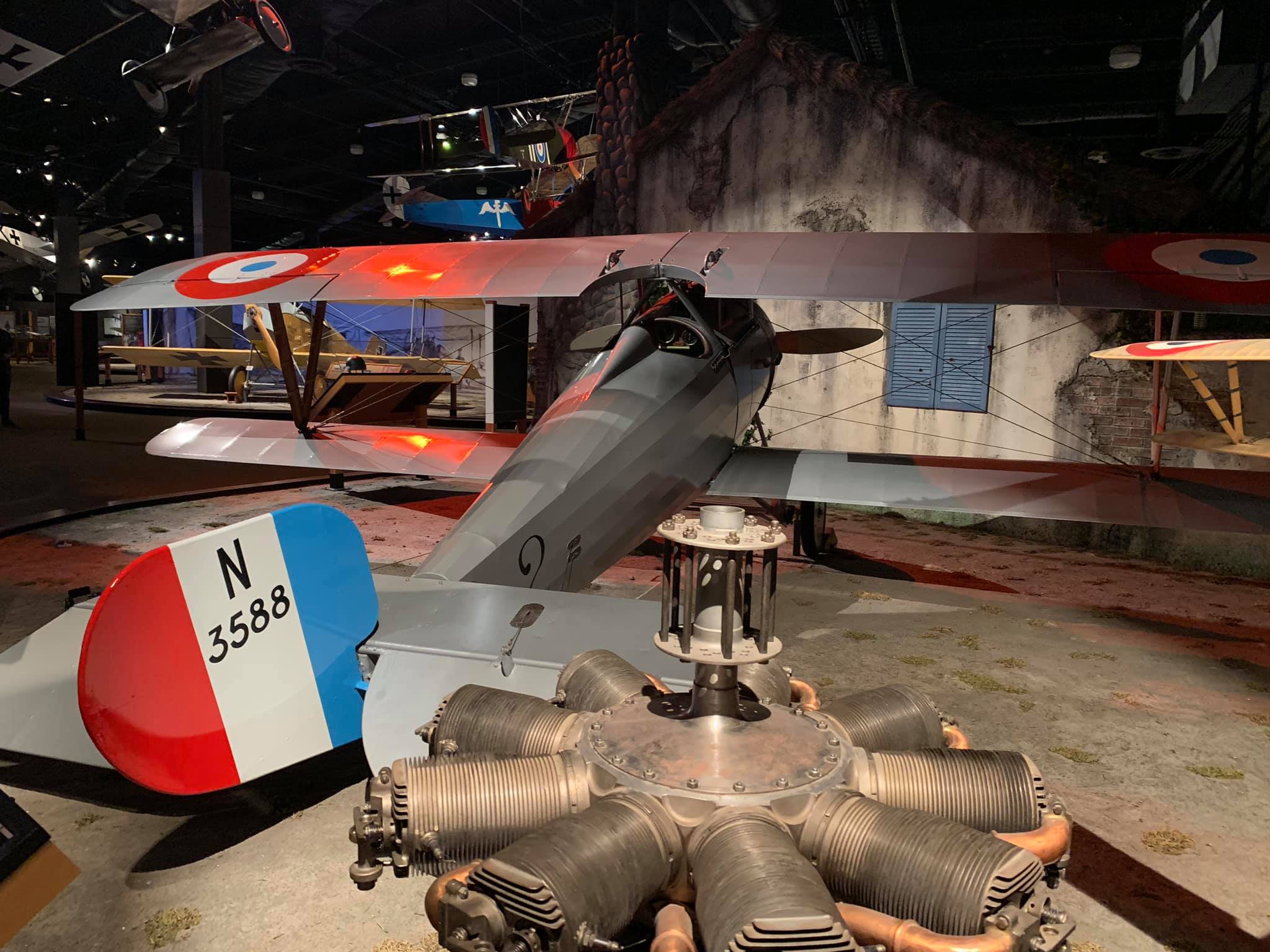
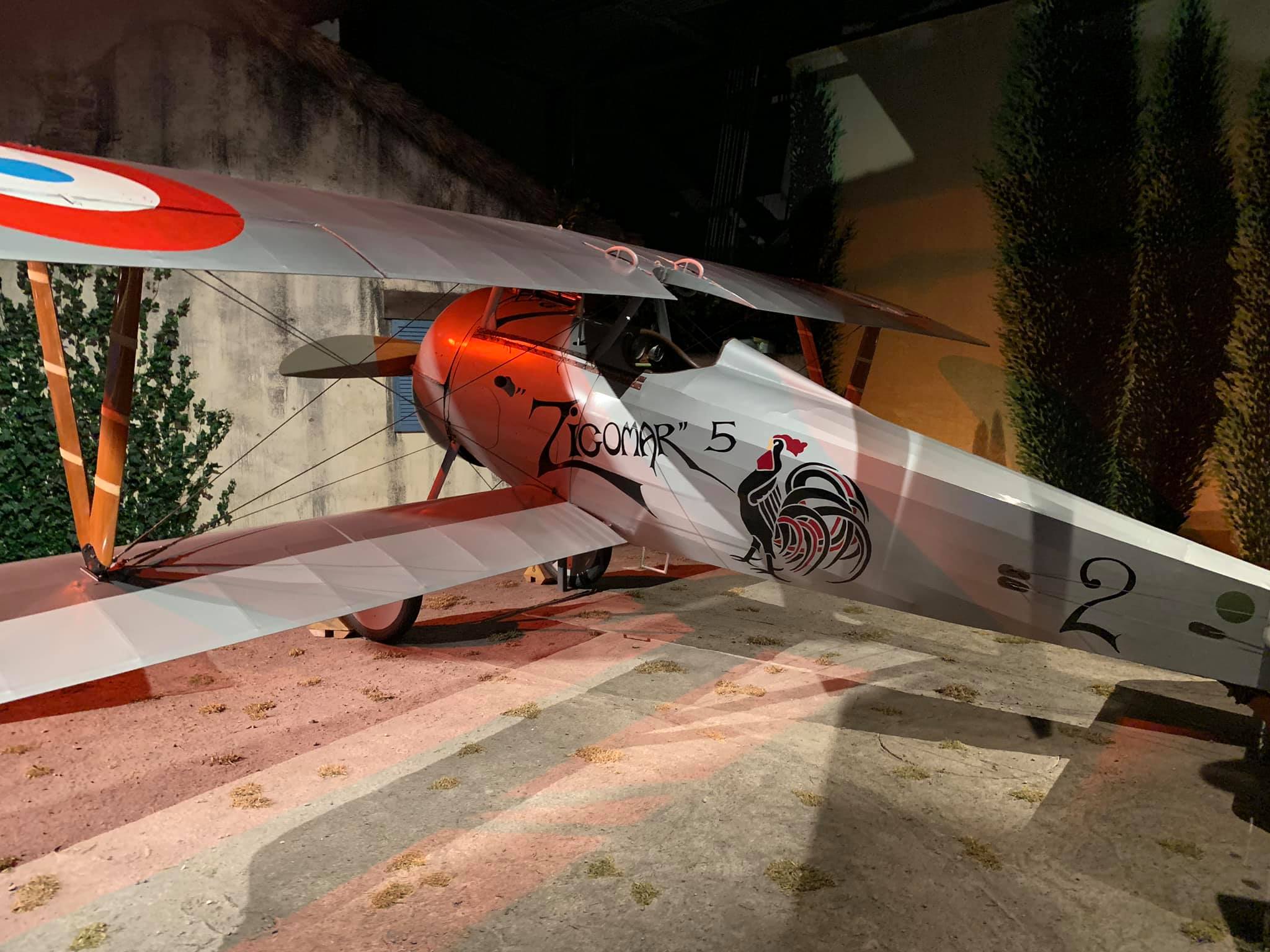
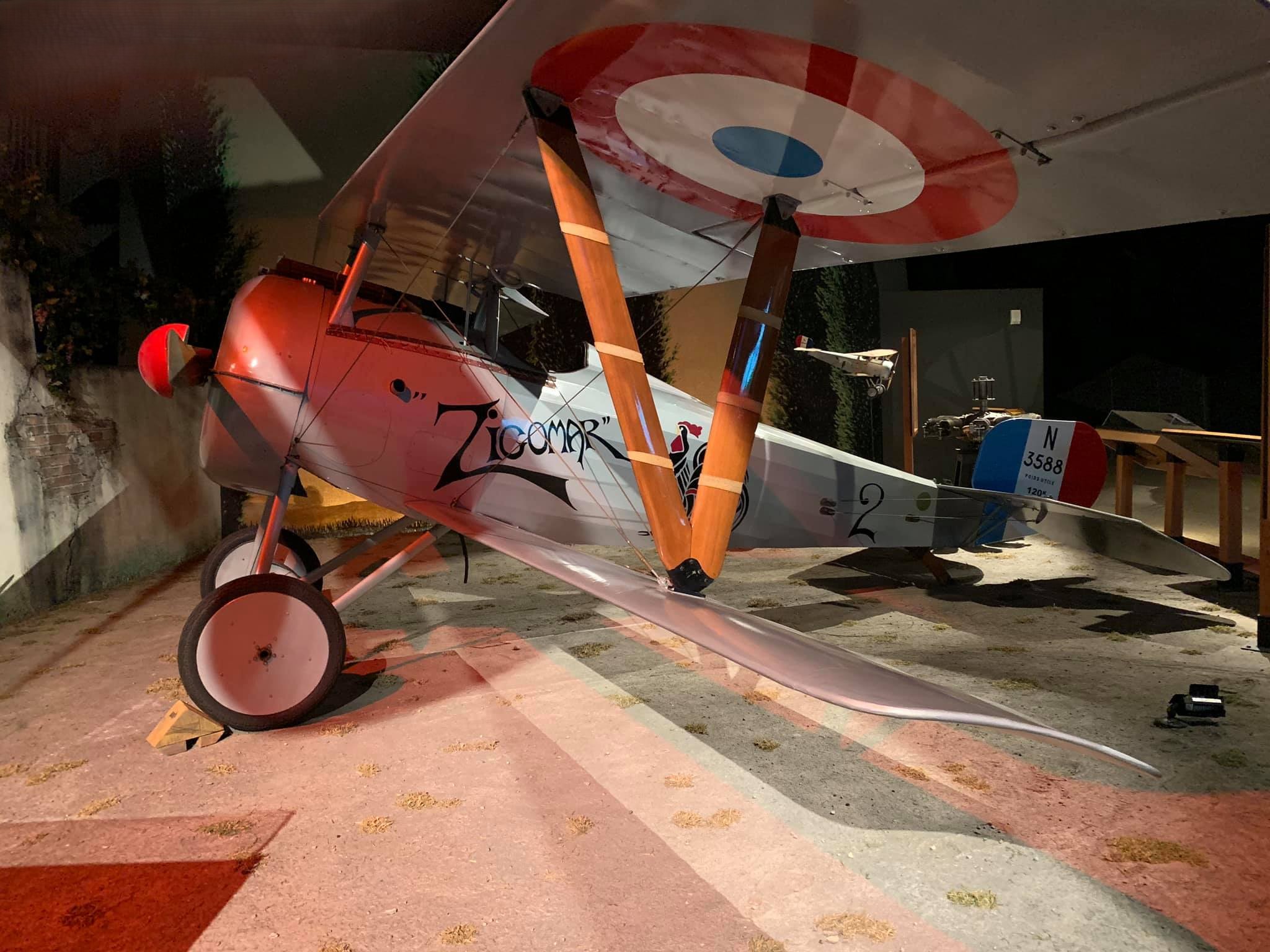
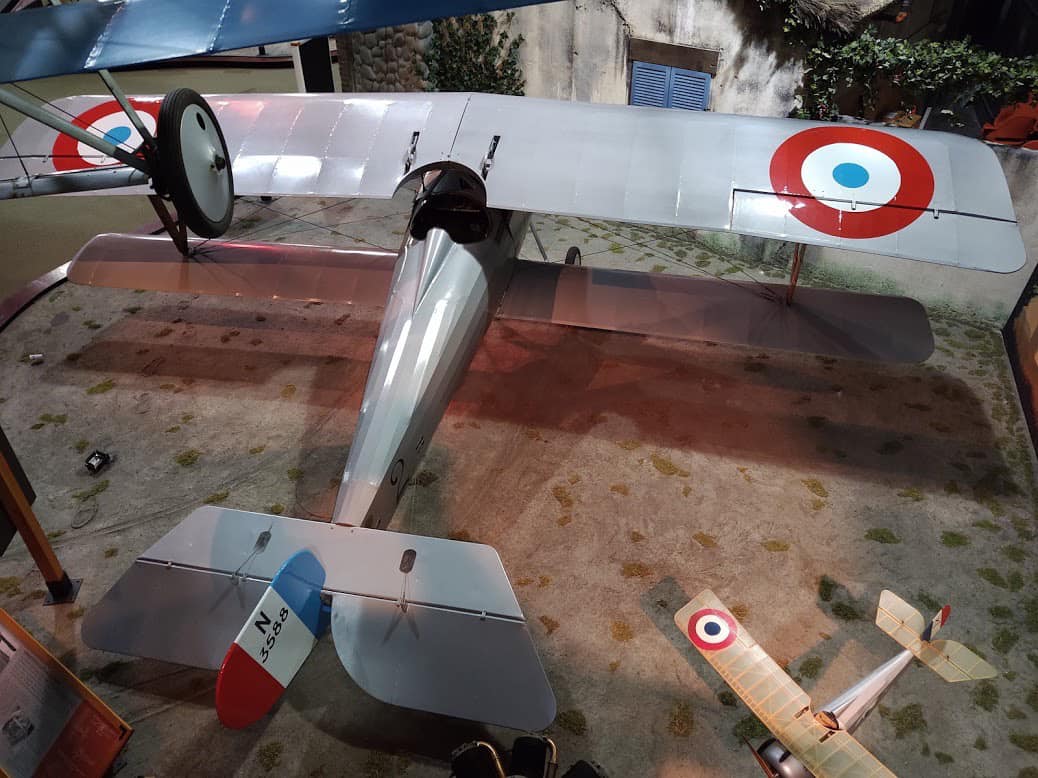
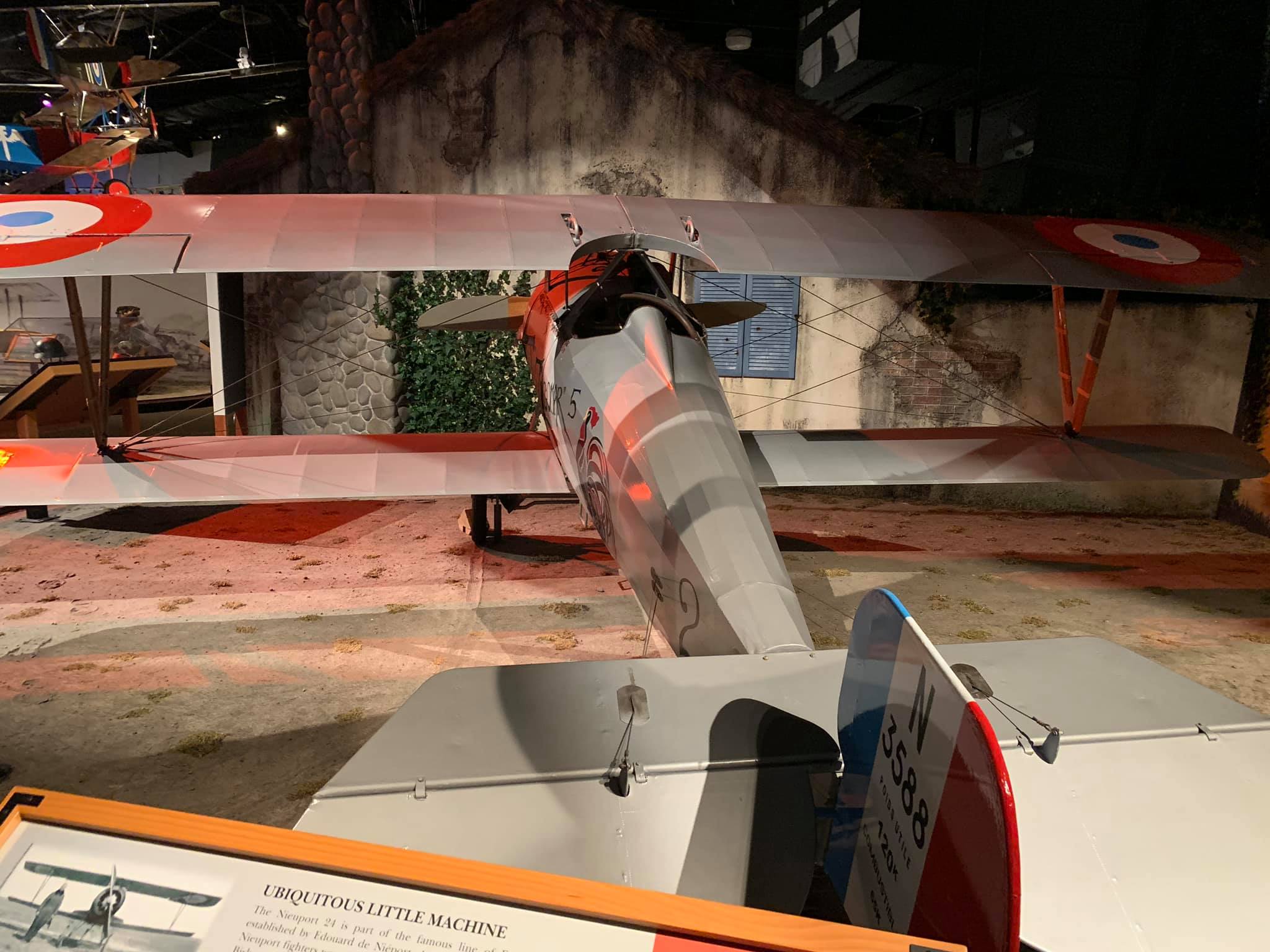
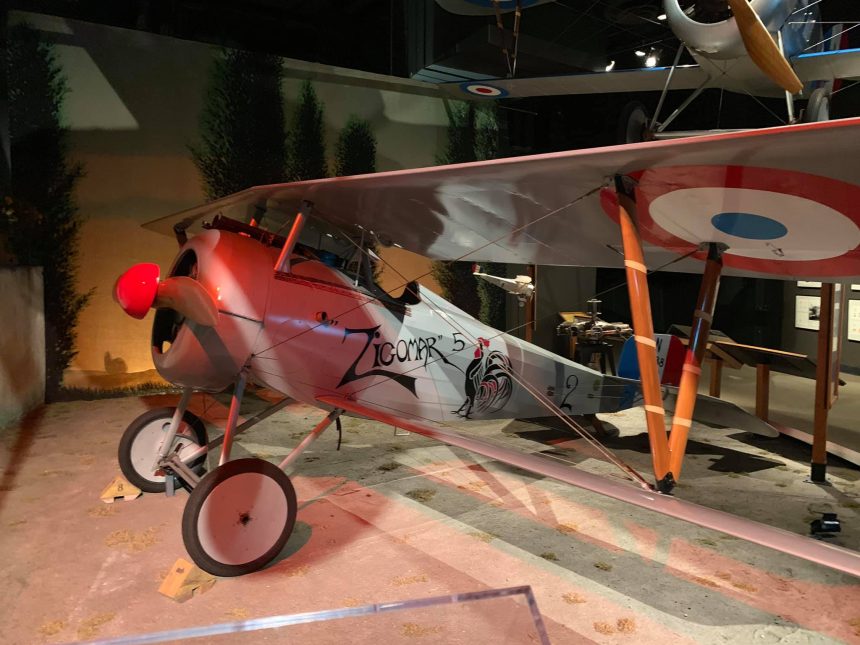
Designed by the Société Anonyme des Établissements Nieuport under the direction of Gustav Delage. Its first flight tests were in February 1917 and production went to Nieuport of France, Nieuport-Macchi, and JSC “Dux” (“leader” in Latin) of Moscow. It was the last of the aircraft with a single bay V-strut wing arrangement to see combat. The undercarriage was typical V-strut with Bungee cords for shock absorbers. Airframe: wood and canvas.
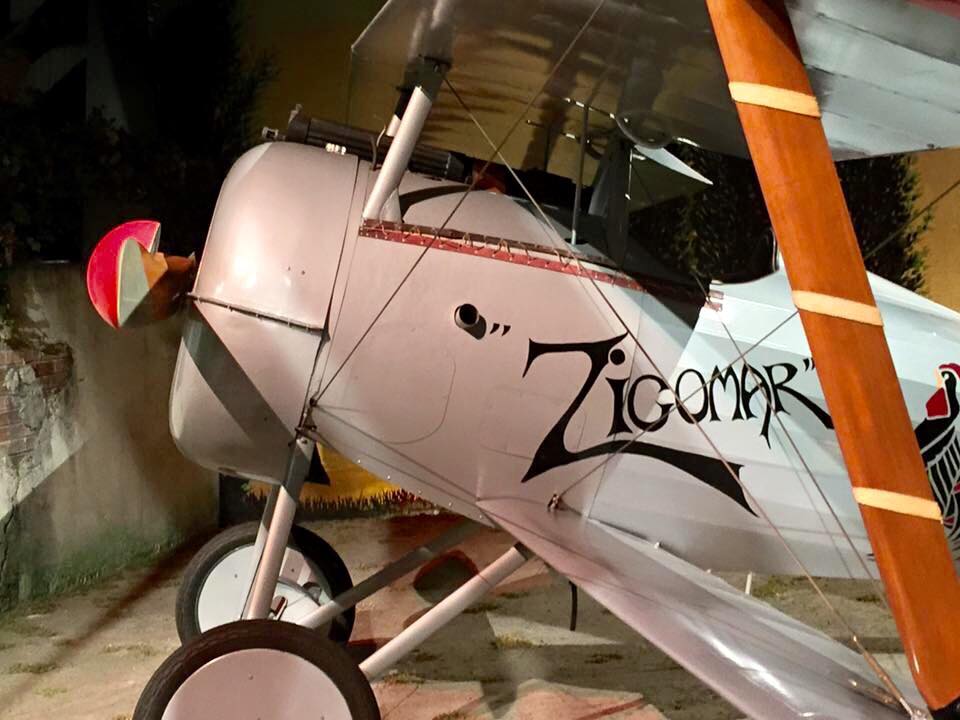
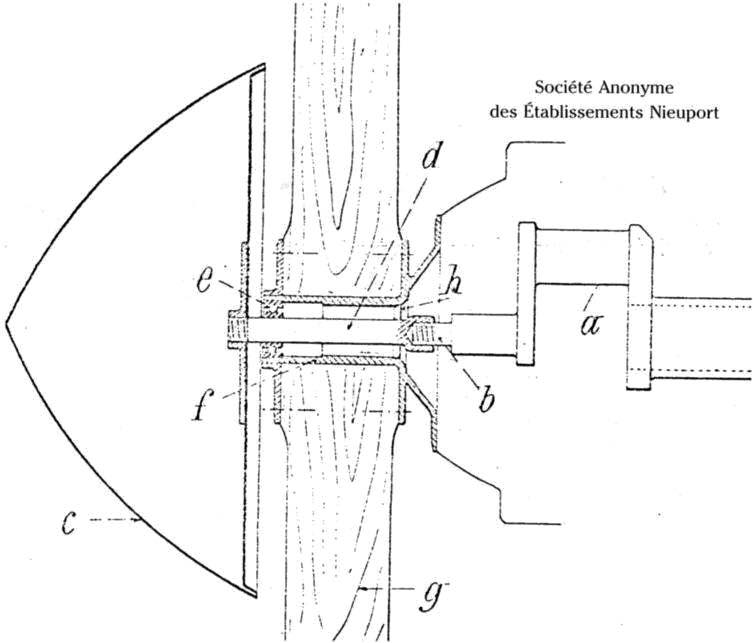
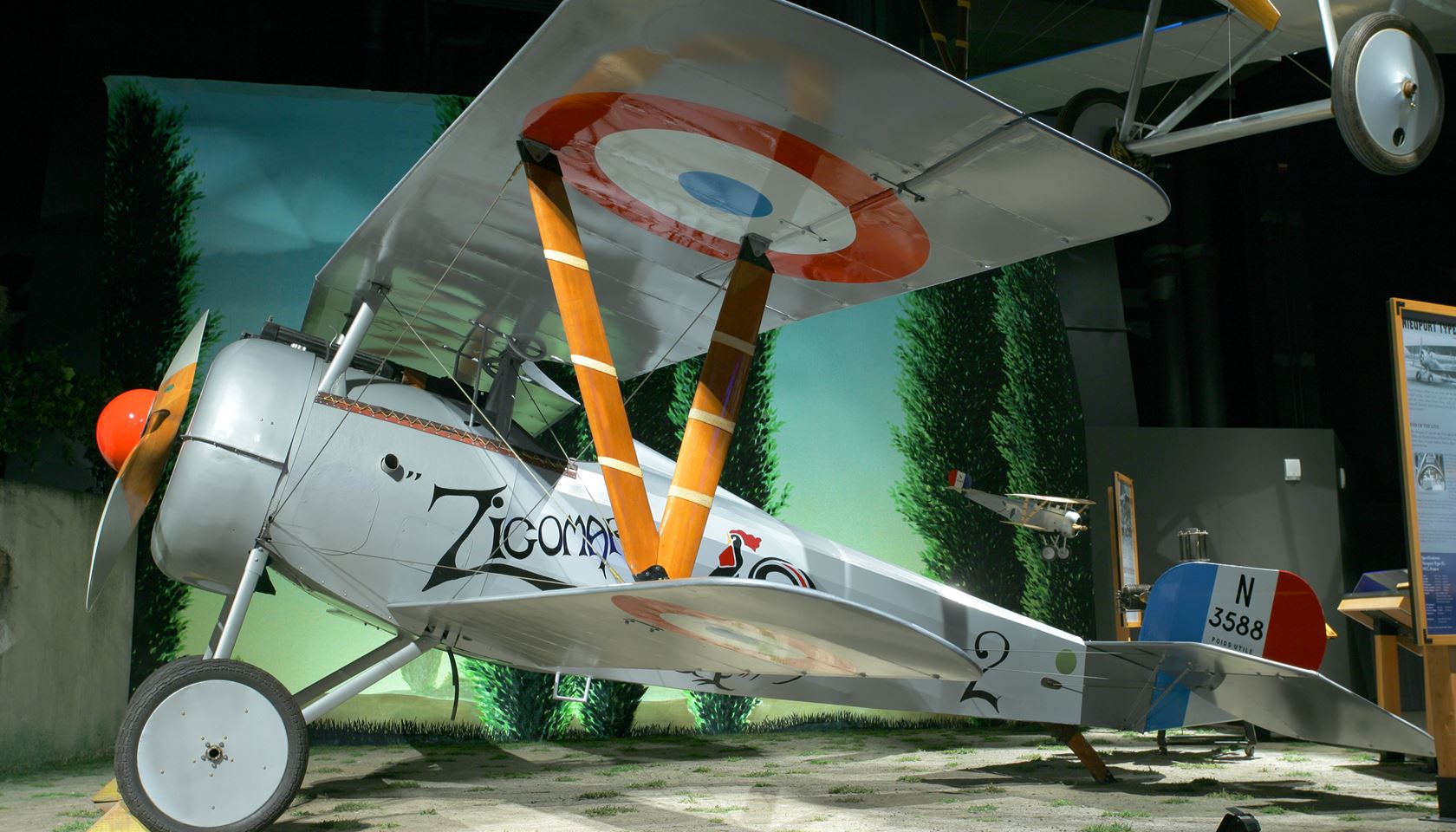
Powerplant: a Le Rhône 9Jb, 9-cylinder, air cooled rotary engine. Some of the aircraft such as this one were fitted with a “cone de pénétration” produced by Société Anonyme des Établissements Nieuport under the 1916 French Patent No. 492.971 and was a non-turning fairing mounted in front of the propeller which resembles a spinner.
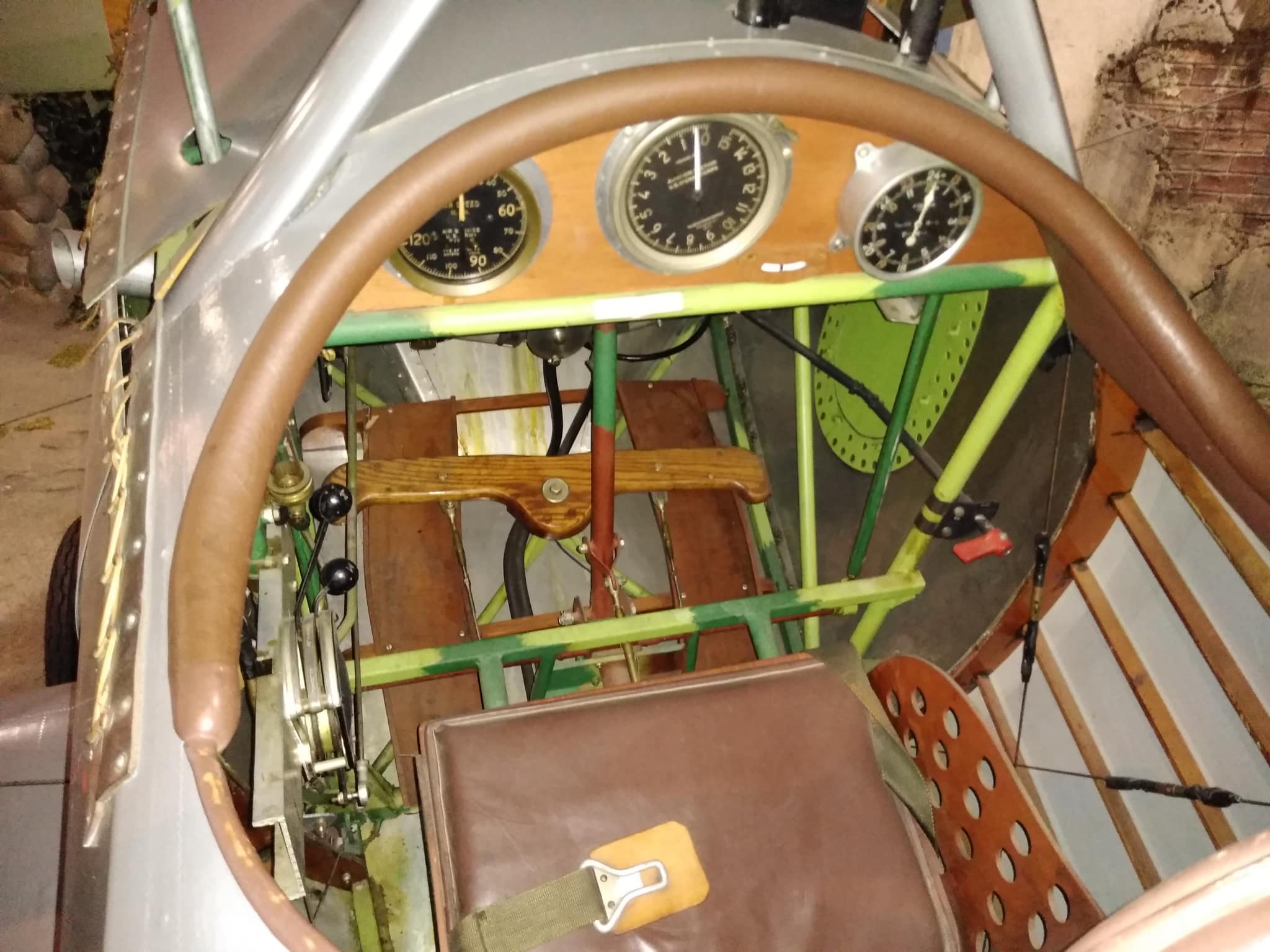
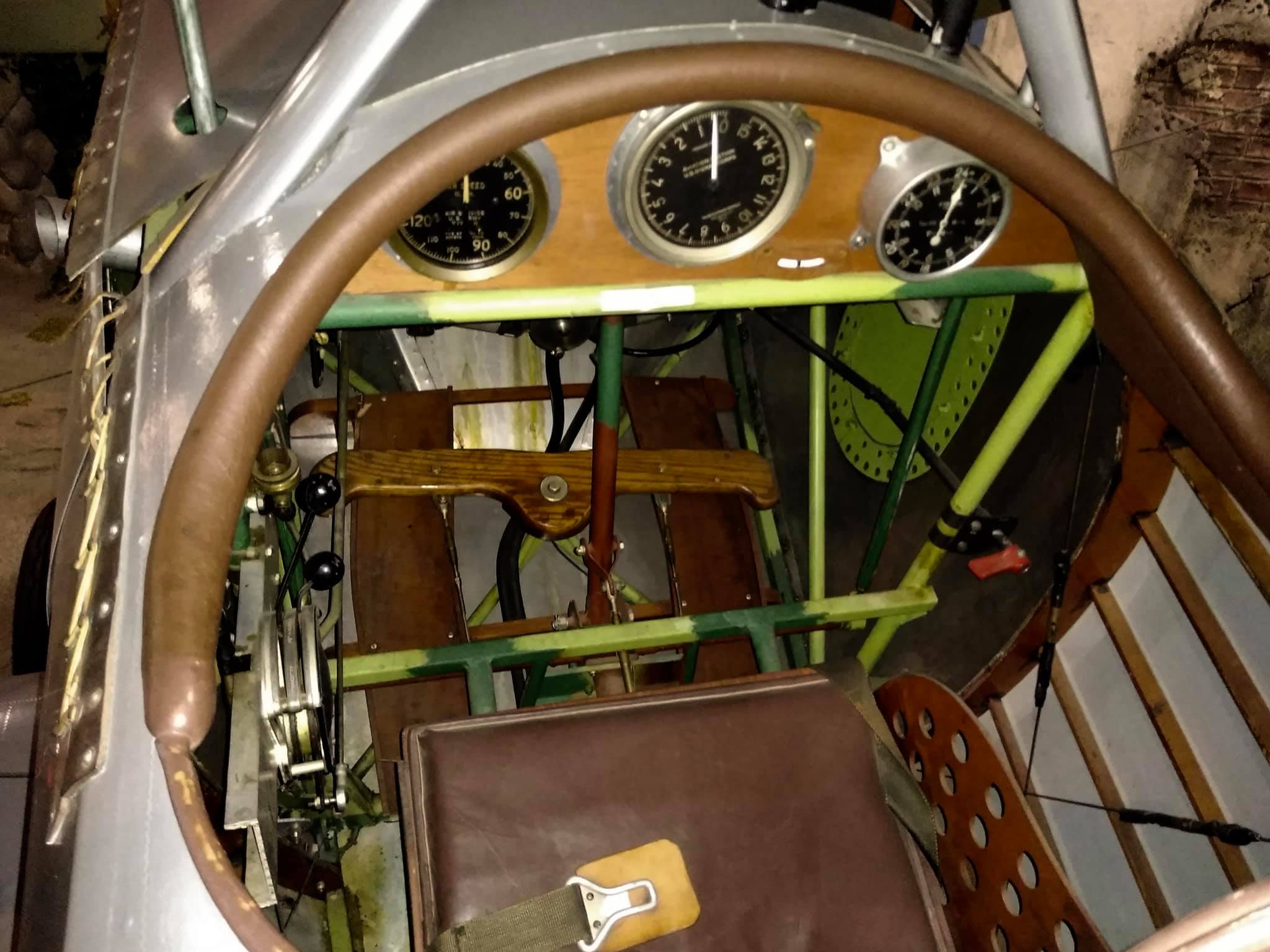
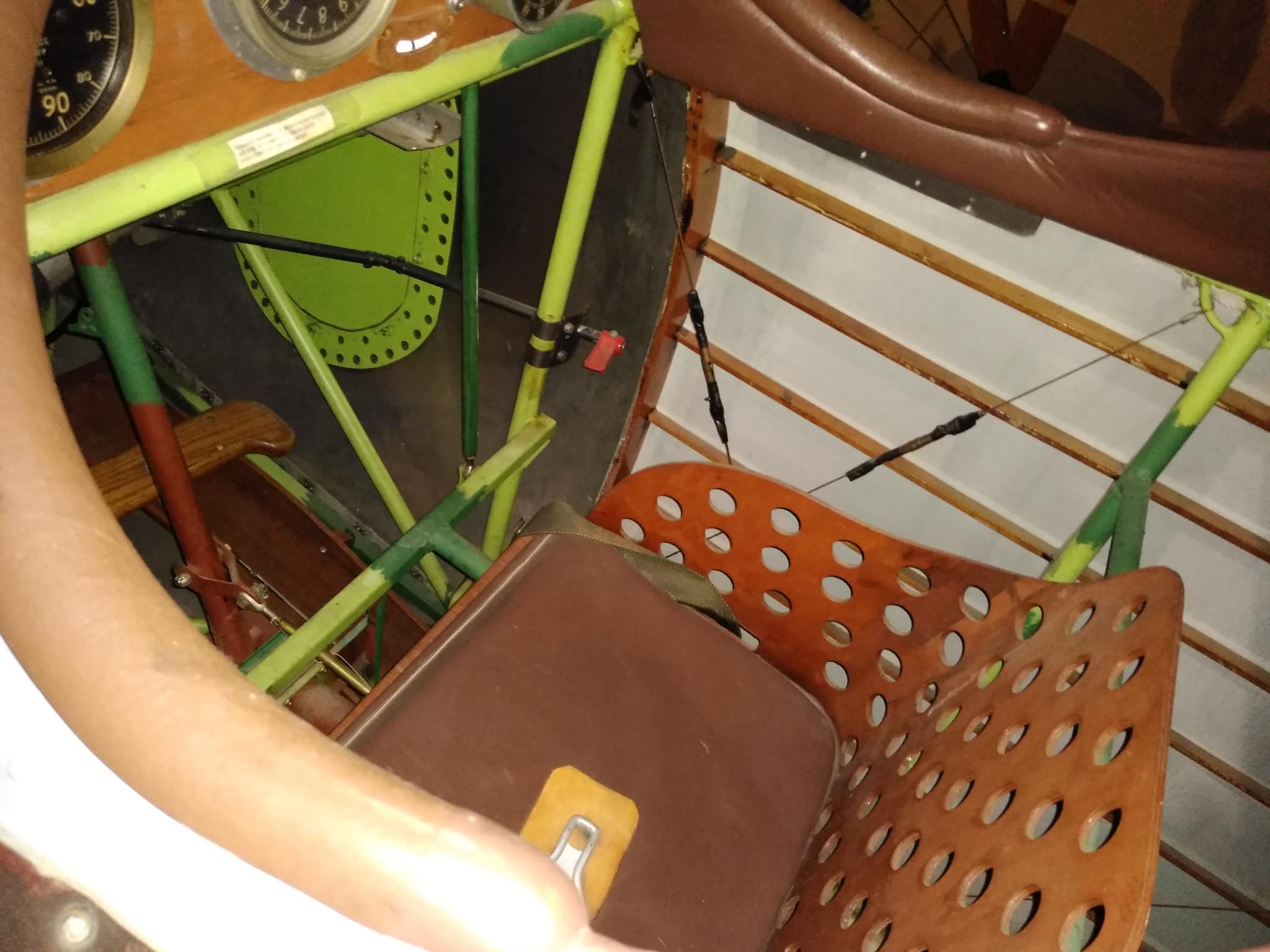
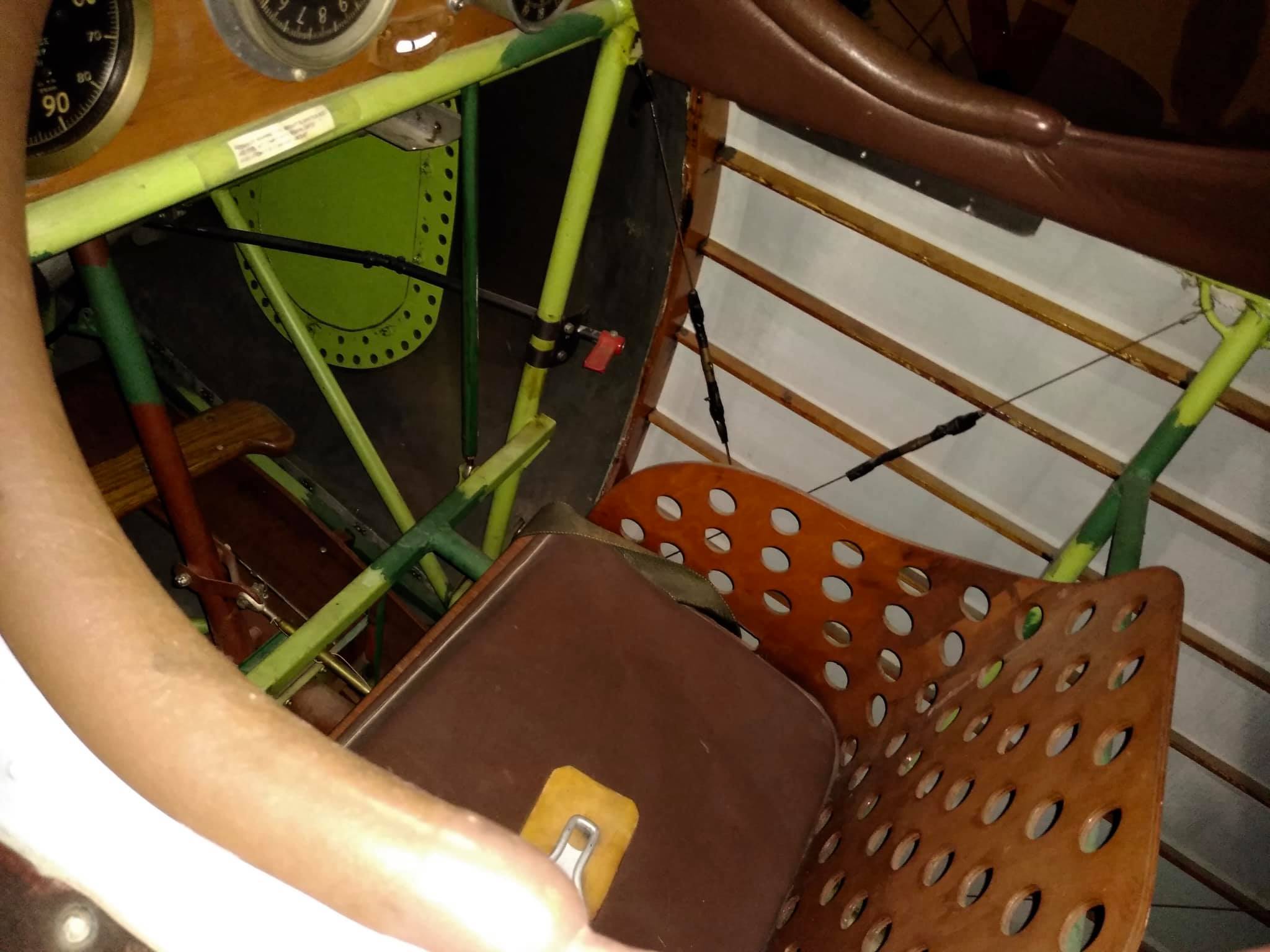
Armament: one synchronized 0.303 Vickers machine gun (French and Italian aircraft); or one 0.303 Lewis gun on a Foster Mount on the upper wing (British Royal Flying Corps).
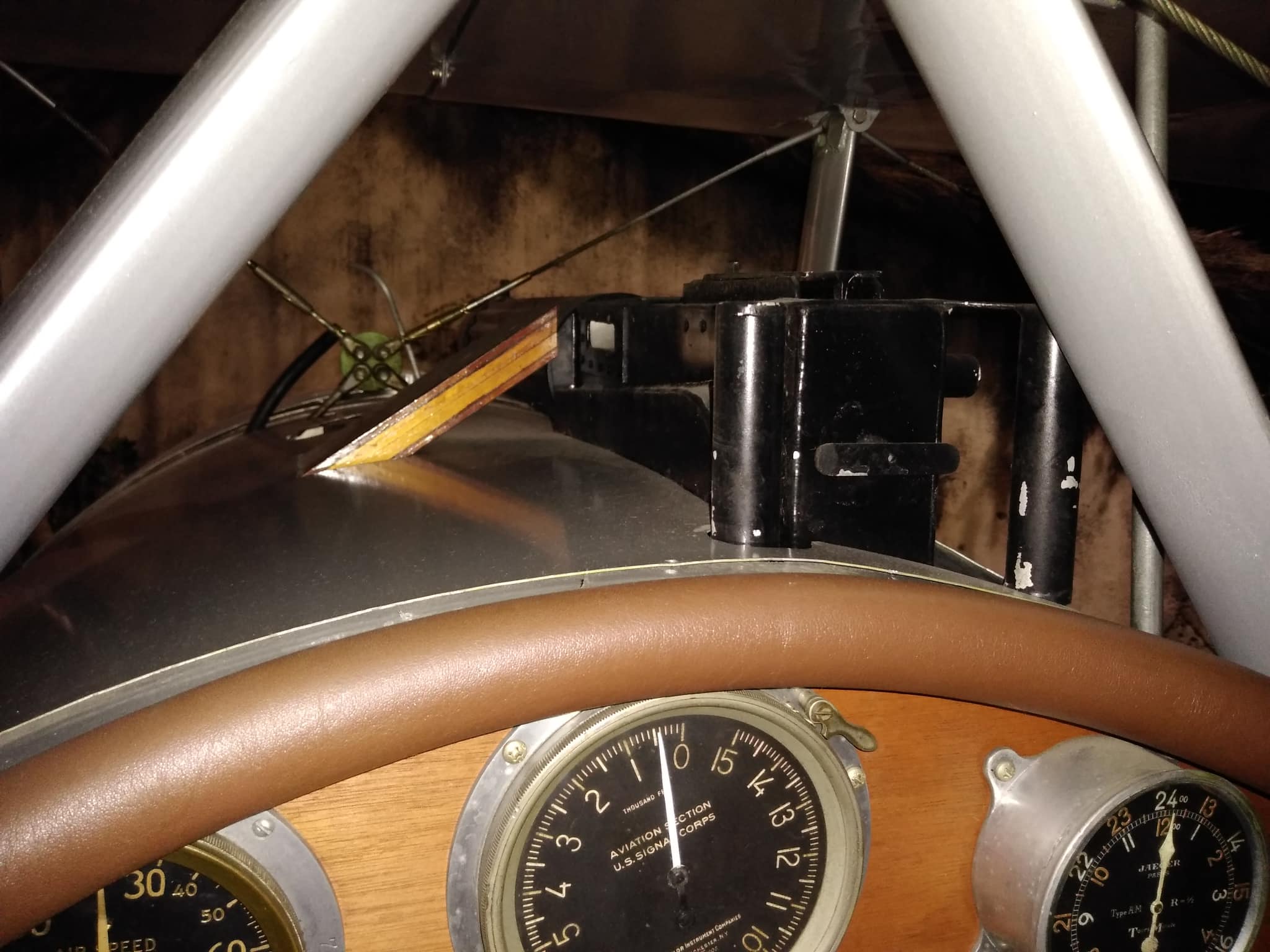
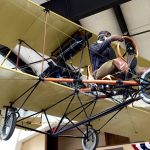
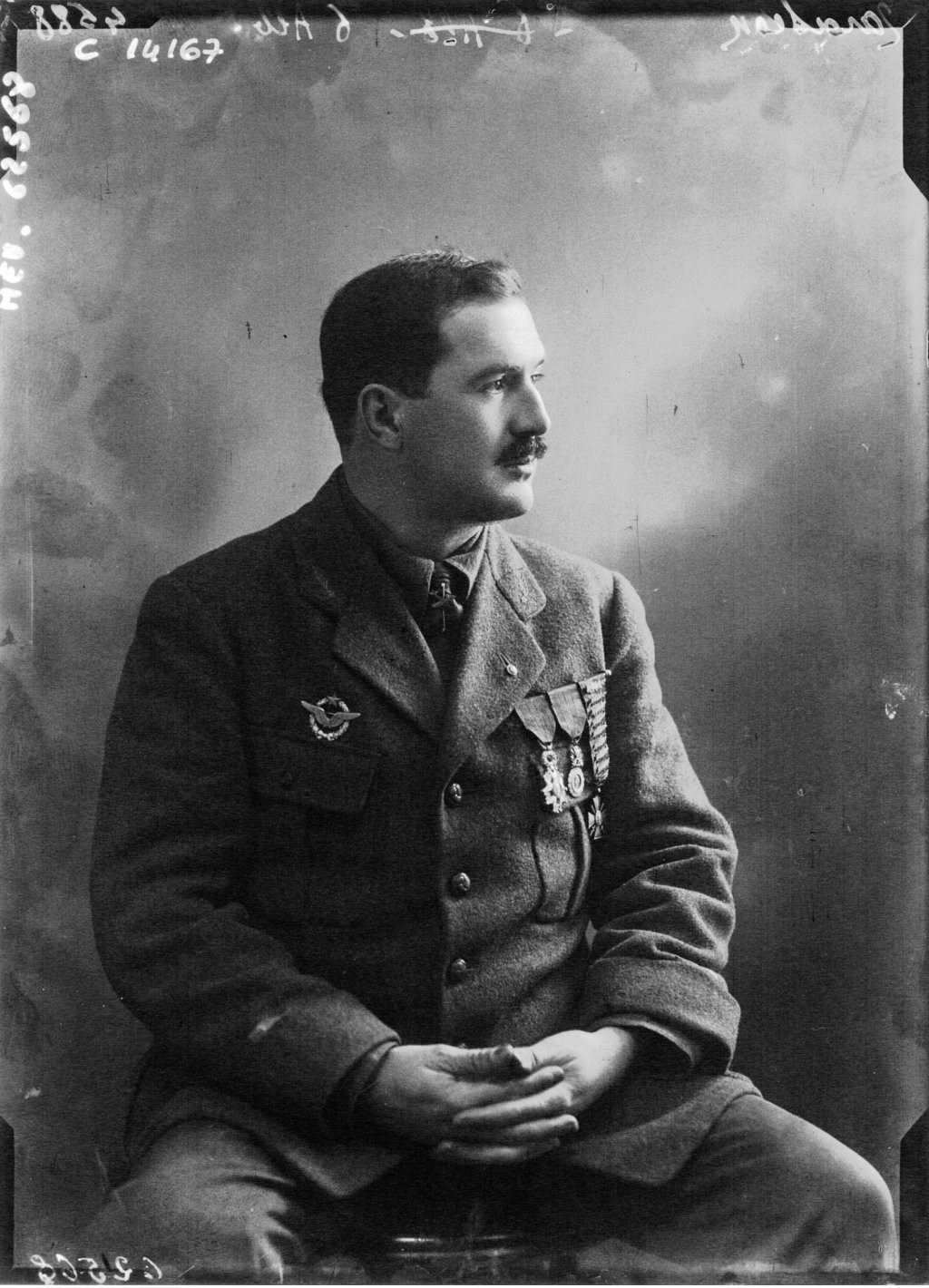
This replica was built in 1980 with a Gnome 165 hp. engine and using steel tubes rather than a wood frame and is painted as No. 3588 of French ace Lt. Paul Tarascon, Escadrille N 62. “Zigomar” was a fictional character created in 1911 that depicted the dark side of society. The squadron’s rooster represented the fighting spirit and courage of its airmen. Tarascon lost his right foot in a pre-war flying accident but was still accepted into service and racked up 12 victories – he became known as “l’ace à la jambe de bois” (the ace with the wooden leg).
About the author 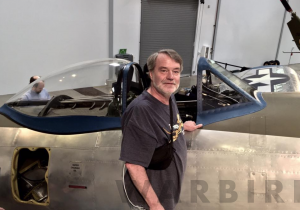 Randy Malmstrom, grew up in a family steeped in aviation culture. His father, Bob, was still a cadet in training with the USAAF at the end of WWII but did serve in Germany during the U.S. occupation in the immediate post-war period, where he had the opportunity to fly in a wide variety of types that flew in WWII. After returning to the States, Bob became a multi-engine aircraft sales manager and, as such, flew a wide variety of aircraft; Randy frequently accompanied him on these flights. Furthermore, Randy’s cousin, Einar Axel Malmstrom, flew P-47 Thunderbolts with the 356th FG from RAF Martlesham Heath. He was commanding this unit at the time he was shot down over France on April 24th, 1944, spending the rest of the war as a prisoner of war. Following his repatriation at war’s end, Einar continued his military service, attaining the rank of Colonel. He was serving as Deputy Wing Commander of the 407th Strategic Fighter Wing at Great Falls AFB, MT at the time of his death in a T-33 training accident on August 21, 1954. The base was renamed in his honor in October 1955 and continues to serve in the present USAF as home to the 341st Missile Wing. Randy’s innate interest in history in general, and aviation history in particular, plus his educational background and passion for WWII warbirds, led him down his current path of capturing detailed aircraft walk-around photos and in-depth airframe histories, recording a precise description of a particular aircraft in all aspects.