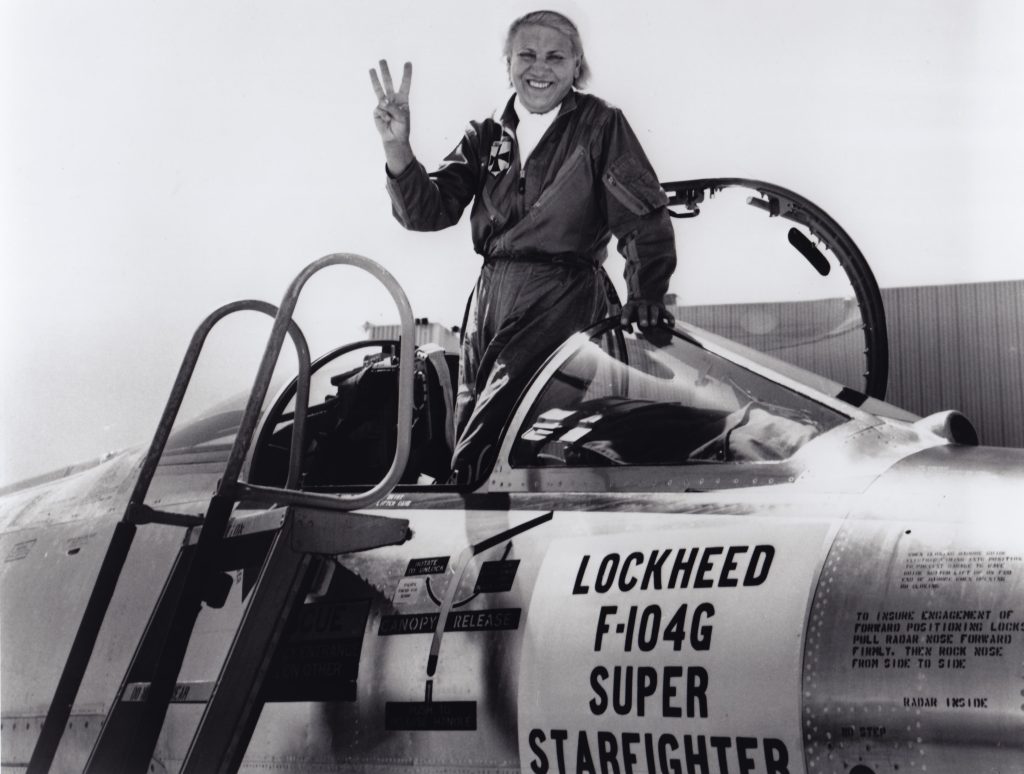
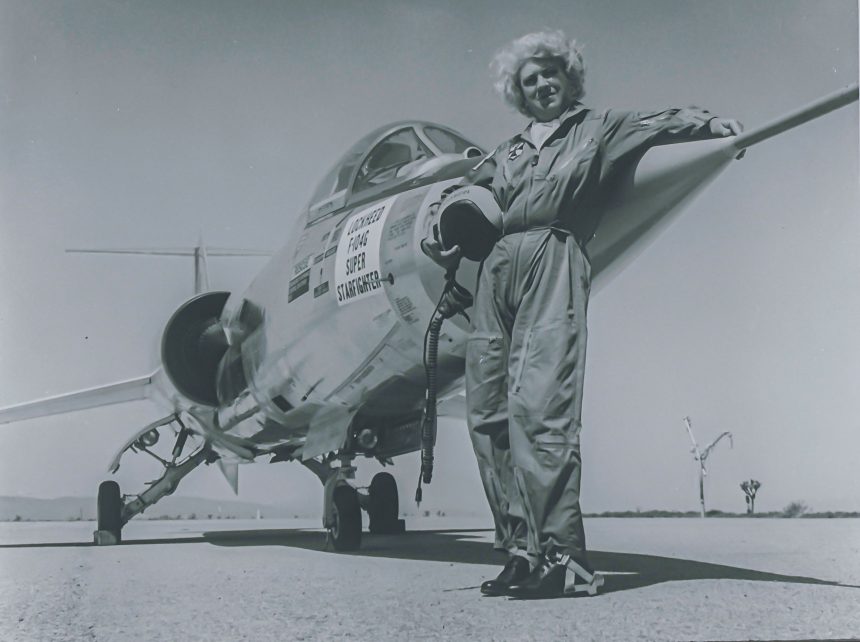

It is well-known that pioneering aviatrix Jacqueline “Jackie” Cochran was one of the most prominent pilots of her generation, regardless of sex. In addition to her wartime work as head of the Women’s Airforce Service Pilots (WASP), she was an influential member of the Ninety-Nines, a businesswoman, and an air racing pilot who set speed records in both the pre- and post-war eras. On May 18, 1953, Jackie was at the controls of a Canadian-built F-86 Sabre when she set a women’s absolute speed record of 652.337mph, thus becoming the first woman to break the sound barrier. Soon after, however, that record was bested by 63mph by French test pilot Jacqueline Auriol. On August 24, 1961, Cochran set the record back when she piloted a T-38 to 844.2mph over a straight course. Over the next seven weeks, Jackie flew the Talon to another seven speed and altitude records. Three years later, she would shatter many of these records, including her own, flying the most iconic fighter of the Century Series- the F-104 Starfighter.
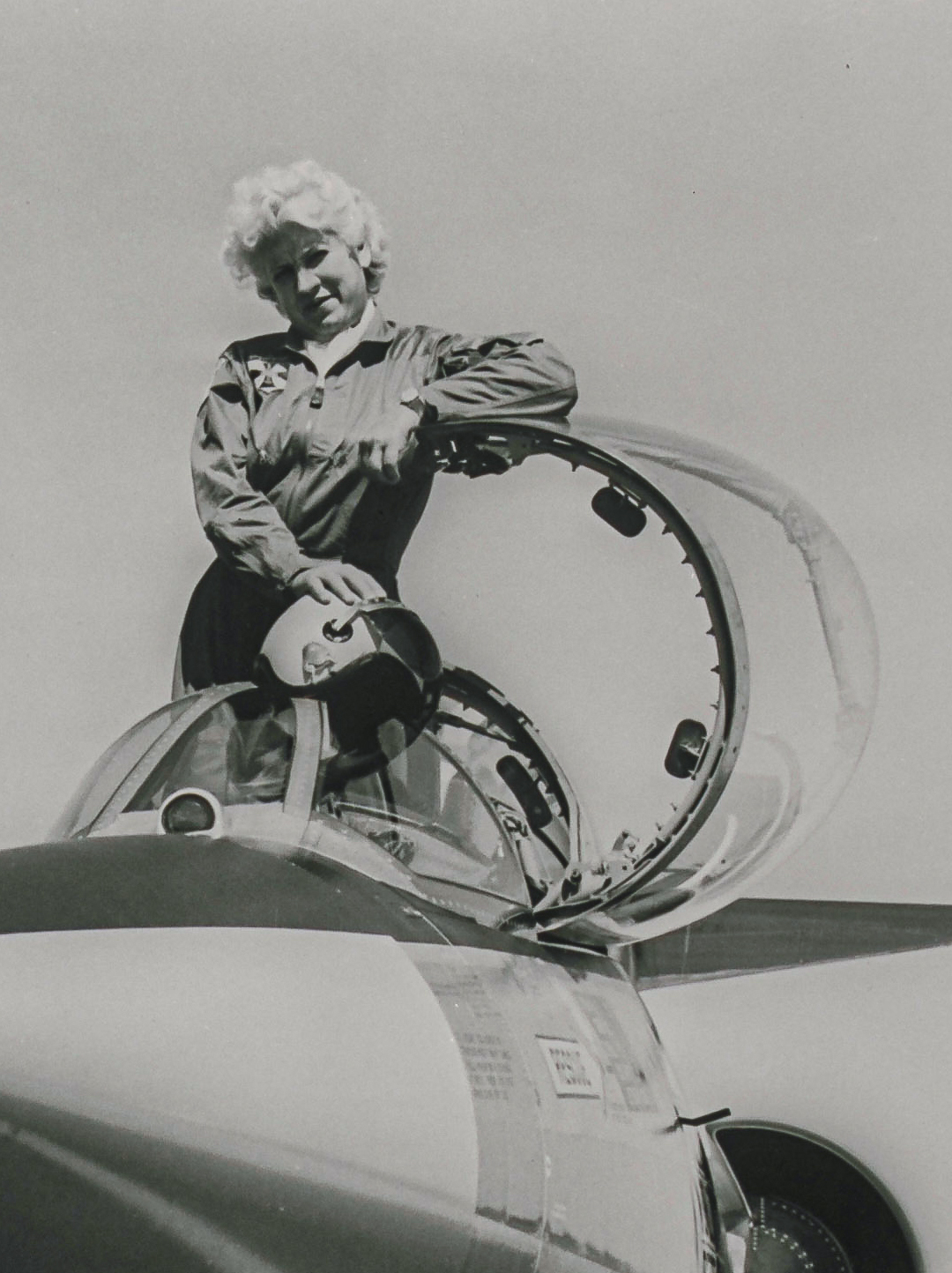
The genesis of the jet that became the Lockheed F-104 Starfighter came about in November 1952 when legendary designer Clarence “Kelly” Johnson made an unsolicited proposal to the U.S. Air Force for a single-seat, single-engine fighter. Developed by what was then the Advanced Design Group (the now famous Skunk Works) and internally designated TDN CL-246, the Air Force was so taken with the design they created a general operational requirement (GOR) for a new lightweight fighter to replace the North American F-100 from 1956 onwards.
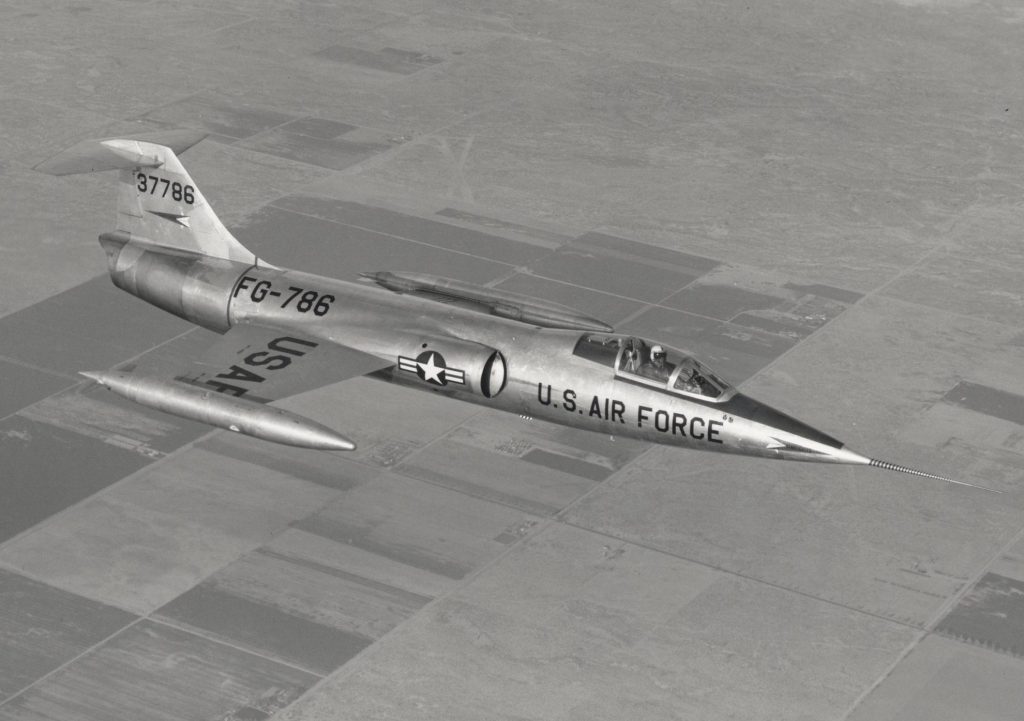
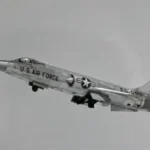
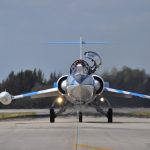
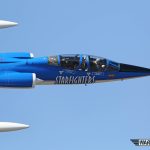
In 1954, the F-104 was unlike anything anyone had ever seen before. When Lockheed test pilot Tony LeVier first laid eyes on the XF-104 prototype, his first words were, “Where are the wings?” The F-104 is six feet longer than the F-16, but its wingspan, 20 feet 10 inches, is nearly identical to that of an S-2B Pitts Special! The Starfighter had performance to match its Buck Rogers look. In 2013, William Smith, who set a number of time-to-climb records in 1957 while serving as an operational pilot with the 538th Fighter Interceptor Group, told the author, “I thought the F-104 was the greatest airplane ever. It was so far ahead of its time. I was flying Mach 2 while the airlines were still flying propeller-driven aircraft.” Among the many nicknames hung on the jet, the most quoted and appropriate was “The Missile with a Man In It.” In the early 1960s, supersonic speed records were the realm of men flying the latest military aircraft. So, how did Jackie, a civilian and a woman, gain access to what was then the highest-performance fighter in the world? She went to her friend Tony LeVier, “When Jackie wanted to break the world’s speed records in 1963, she had to come to Lockheed because we had the fastest fighter in the world. I helped her get started, hired her as a pilot in my program, and even gave her a pay rate. I was her boss.” Tony related in Jackie’s autobiography, JACKIE COCHRAN: The Autobiography of the Greatest Woman Pilot in Aviation History.
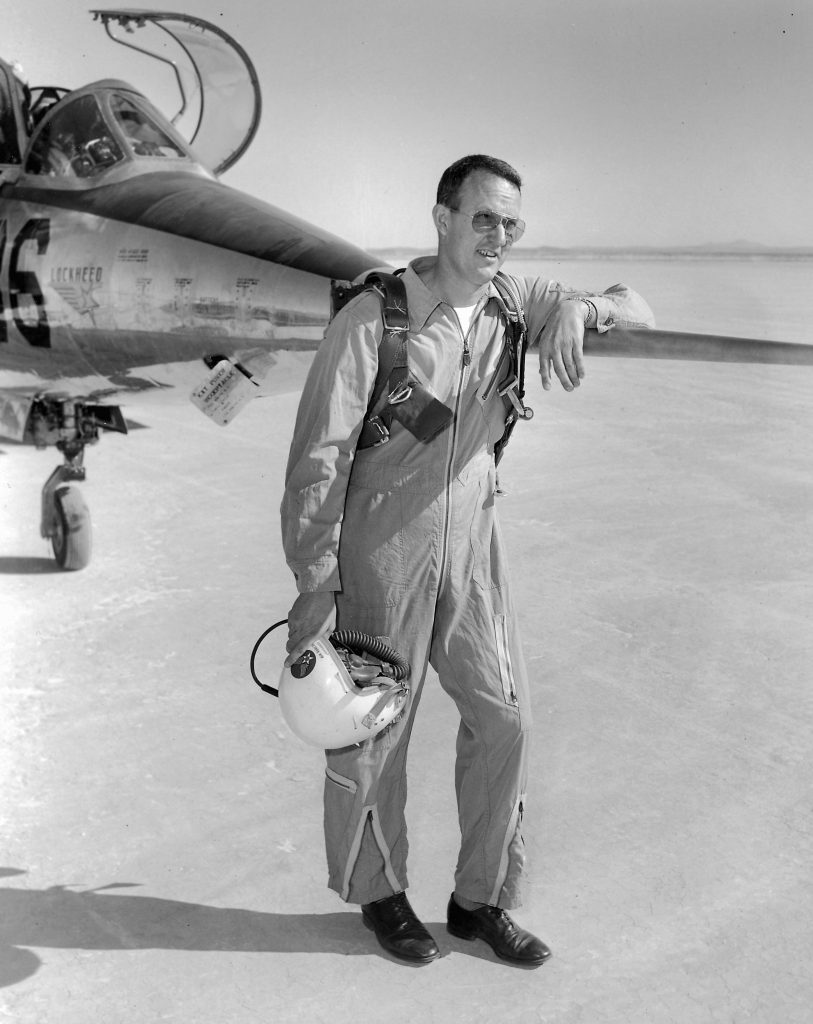
It should come as no surprise, considering the time period, that there was more than a little grumbling from LeVier’s pilots and engineers when he broke the news to them that a woman would be training to fly the Starfighter. He made it clear, however, that he would not put up with any “chauvinistic routines”. He said succinctly, “I’ll have your hides if I hear anything bad.” It did not take long before Jackie endeared herself to the other pilots.
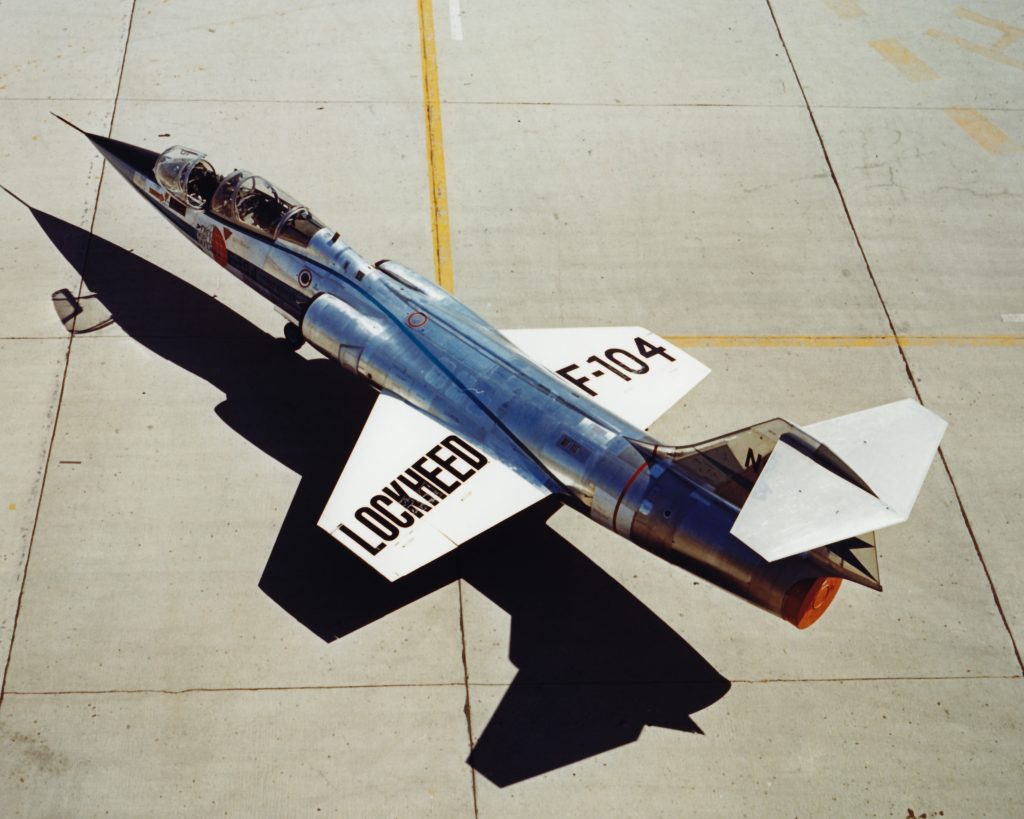
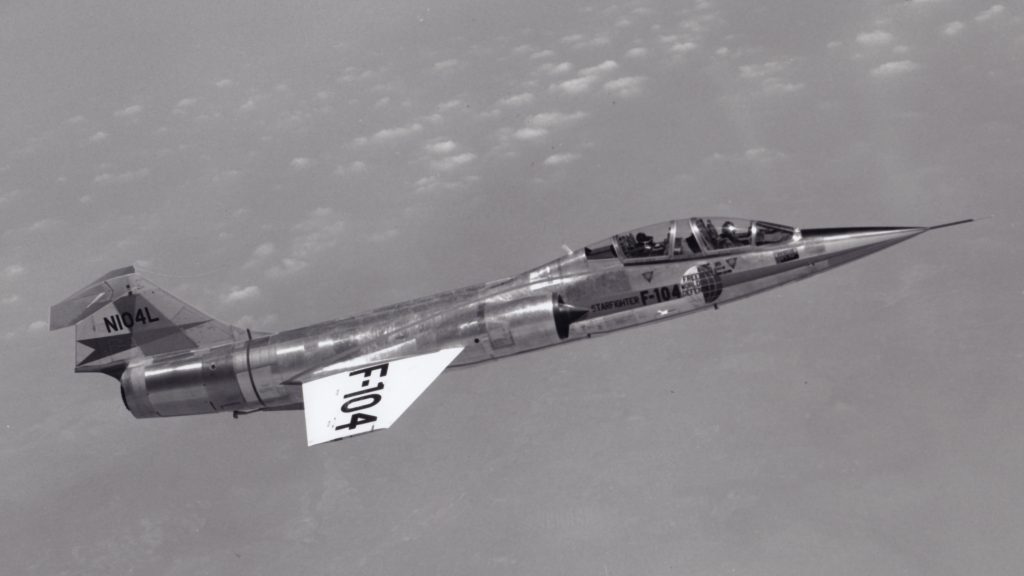
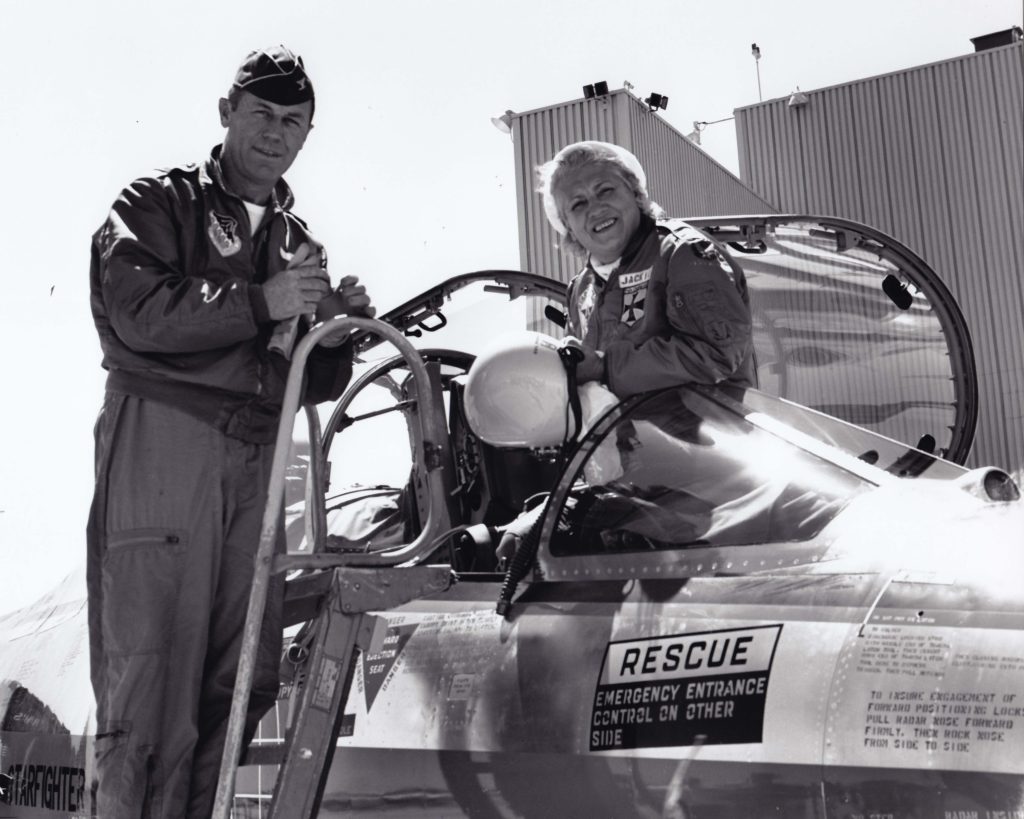
Just as with her previous records, Jackie would fly out of Edwards AFB, California, and the jet she received was TF-104G (c/n 5702), a jet originally built for the Luftwaffe but retained by Lockheed as a customer demonstrator and promotional aircraft. It was placed on the U.S. register as N90500 and named Free World Defender. The first record she set out for was the straight 15/25km record. The flight took place on April 12, 1963, and she shattered her previous record with a speed of 1,273.11mph. On May 1 she averaged 1,203.68mph over a 100km-closed course, which broke her T-38 record by over 400mph. She explained in her autobiography, “Picture in your mind a rectangular tunnel, 300 feet high, a quarter of a mile wide, and extending 20 miles long through the air at an altitude of 35,000 feet. I had to fly through that tunnel at top speed without touching a side. There were no walls to see, but radar and ground instruments let me know my mistakes immediately.”
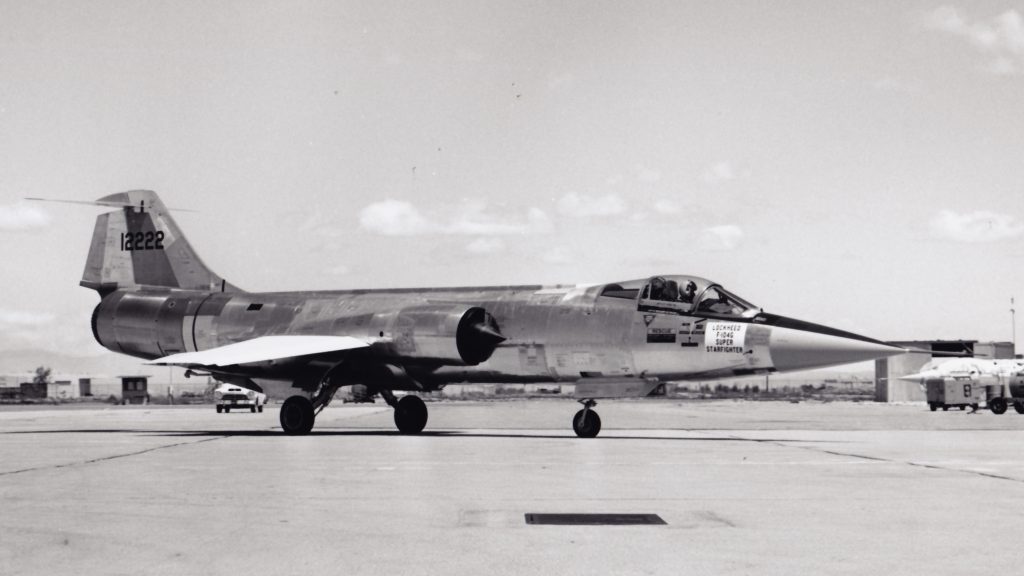
The following spring, she returned to Edwards to see “where that old demon lives.” She would fly F-104G USAF #62-12222. On May 11, 1964, Jackie climbed into the cobalt blue skies over Edwards and rocketed through the 15/25km straight course at 1,429.30mph, thus setting a new world speed record and becoming the first woman to exceed Mach 2. On June 1, she also broke her previous 100km closed record with a speed of 1,303.18mph. As if the straight course was difficult enough, the closed course records required even greater precision and concentration. “The 100-kilometer closed course was so damn difficult. Imagine an absolutely circular racetrack, about a quarter of a mile wide, on the ground with an inner fence exactly 63 miles long. Now, in your mind’s eye, leave the track and get into the air at 35,000 feet. Fly it without touching the fence in the slightest. It’s tricky because if you get too far away from the inner fence, trying not to touch, you won’t make the speed you need to break the record. And if you get too close, you disqualify yourself. Eyes are glued to that instrument panel. Ears can hear the voice of the space-positioning officer. You are dealing in fractions of seconds. And your plane isn’t flying in a flat position. It’s tipped over to an 80-degree bank to compensate for the circle. That imaginary inner fence may be to your left, but you don’t head your plane left. That’d lose you altitude. Instead, you pull the nose up a bit, and because the plane is so banked over, you move closer to the inside fence. You turn.” She wrote. Two days later, Jackie went after her own 500km closed-course record, which she shattered with a speed of 1,127.397mph. This record not only made Jacqueline Cochran the fastest woman in the world, but the fastest human in the world, and for a brief moment in that summer of 1964, the F-104 Starfighter was “The Missile With a Woman In It.”