

(Image credit: VAN)
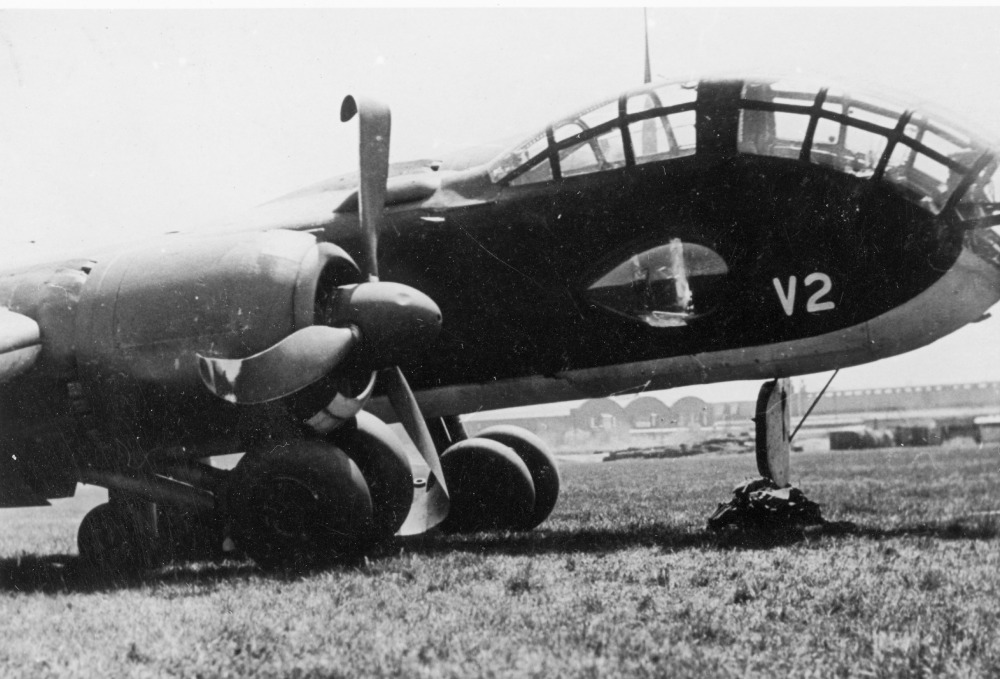
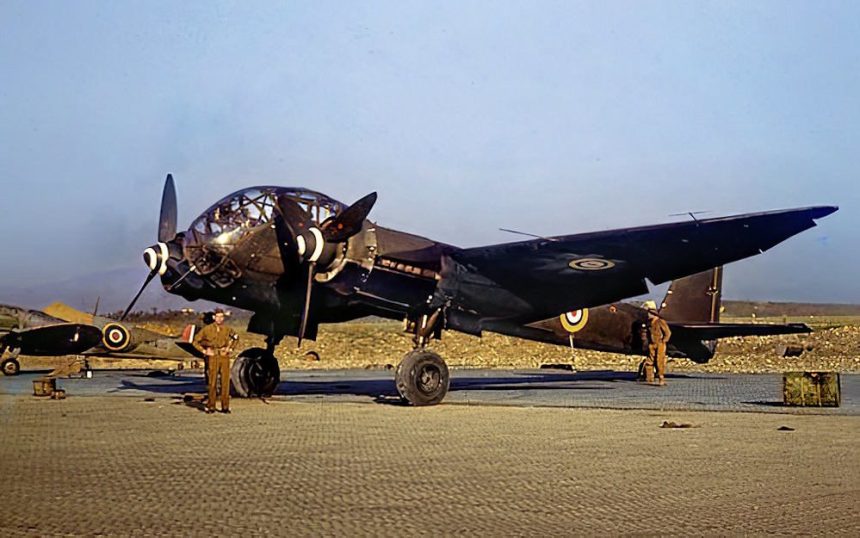
On this day in aviation history, 85 years ago (November 29, 1940), the first flight of the Junkers Ju 288 occurred. Internally known as the EF 704 at Junkers, the Ju 288 was a German bomber project that was developed during the Second World War. Though 22 aircraft were built, the Ju 288 never materialized past the prototype phase. Junkers won the Bomber B competition with the Ju 288, a contest that began shortly before WWII. The Bomber B program’s intent was to develop a new high-speed bomber for the Luftwaffe.
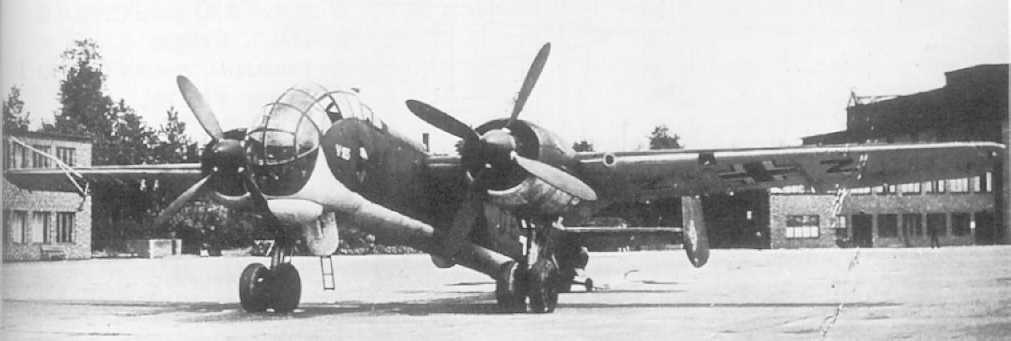
From the moment the Ju 288 began to fly in the Bomber B competition, the likelihood of the aircraft’s victory was seldom doubted. The Luftwaffe sought a Schnellbomber (“fast bomber”) to replace Junkers’ proven Ju 88. The Ju 288 was larger than the Ju 88 and offered a pressurized cabin for higher-altitude missions. Additionally, the Ju 288 had a longer range, larger payload, greater speed, and more defensive armament. Junkers’ 288 was aimed at replacing all the bombers in Luftwaffe service at the time.
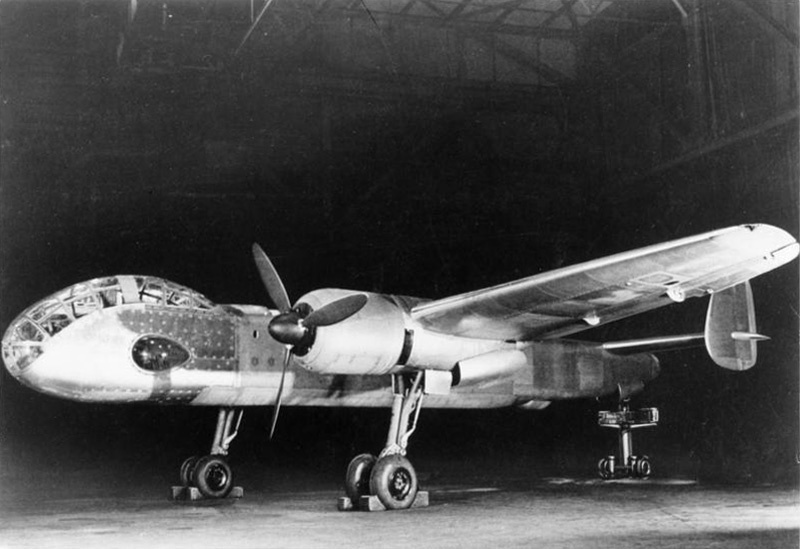
Everything that the Luftwaffe demanded of the Ju 288 (or any bomber that would replace the entire fleet) demanded engines powerful enough to propel such a large and heavy aircraft with enough speed to be effective in combat. Most of the Bomber B concepts relied on the Junkers Jumo 222 engine to provide this power. Ultimately, this engine design failed, and the Ju 288 was forced to rely on two Daimler-Benz DB 610 24-cylinder coupled V-12 engines. With 2,950 horsepower each, these DB 610s had plenty of power, but they were riddled with reliability issues. The lack of a stable powerplant killed the Ju 288 program.
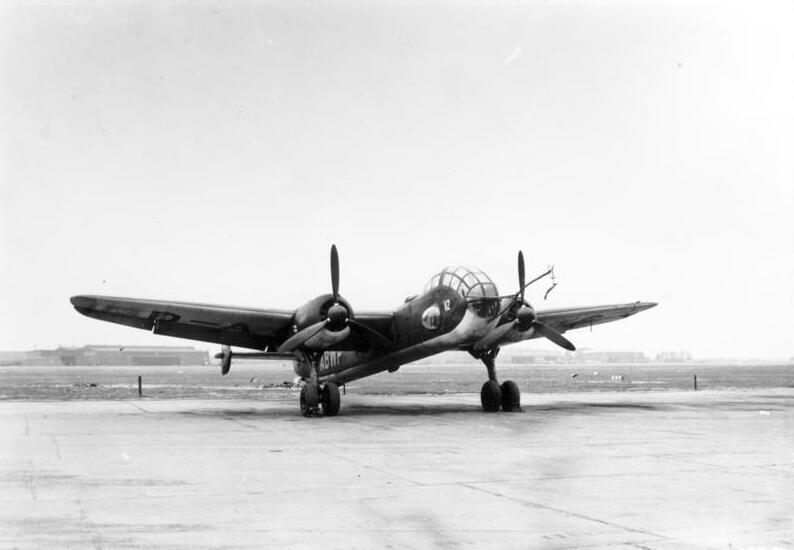
The Junkers Ju 288C-1 had a crew of four, while the C-2 had five. The hefty fast-bomber had an empty weight of 29,542 pounds and a gross weight of 41,157. The Ju 288 would cruise at 322 miles per hour, and could attain a maximum speed of 407, in keeping with the Schnellbomber concept. The aircraft’s range was estimated to have been 1,400 nautical miles, with a service ceiling of 34,100 feet. Four 13 millimeter MG 131 machine guns, and an additional 15 millimeter MG 151 cannon or a 20 millimeter MG 151/20 cannon gave the Ju 288 a means of self-defense. A bomb-load of 6,600 pounds would be carried by the Junkers prototype Schnellbomber.