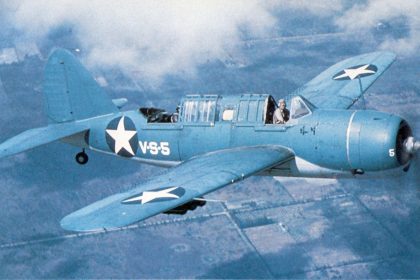


After WWI, Brewster & Co., which started as a carriage builder, began making hulls for Loening amphibians. By 1928, it produced floats for the Vought O2U Corsair. In 1932, aeronautical engineer James Work bought the aviation division for $30,000 (about $708,000 in 2025) and formed the Brewster Aeronautical Corporation. Initially, Brewster made seaplane floats and wing panels. After hiring chief engineer Dayton Brown, the company began designing its own aircraft. In 1934, Brown designed a two-seat scout-bomber called the Brewster SBA. The aircraft first flew in 1936. It was later built by the Naval Aircraft Factory as the SBN-1. Another Brown design to fly in 1941 was the Brewster SB2A Buccaneer. The Royal Air Force ordered this model and called it the Bermuda. In 1936, the company developed a new fighter, designated the Brewster F2A, to carry weapons. The British called it the Buffalo. The Navy selected it over an earlier version of the Grumman F4F Wildcat. The prototype F2A performed well, and the Navy ordered 54 in 1938. Production was slow, mainly because of inefficiency at the Brewster plant. Therefore, the Navy ordered Wildcats, which had been improved by 1938. Buffalos were then exported to Finland starting in 1939. More were meant for Belgium, but Germany took over the country before they could be delivered. The United Kingdom also received Buffalos, which later went to the Far East. They did not perform well in battles against Japanese Zeros.

The Finnish Air Force liked the Buffalos and used them effectively against the Soviet air force. They even began a program to create their own version called the Humu. The Dutch bought 92 Buffalos and sent most to the Militaire Luchtvaart KNIL in the Dutch East Indies (now Indonesia), where they battled the Japanese. The Japanese repainted some captured Buffalos with Hinomaru insignia and tested them thoroughly. During WWII, it became clear that Brewster was poorly managed. The company grew rapidly from a small aircraft parts supplier to a major defense contractor. Brewster ranked 84th among US companies in the value of military production contracts during WWII. Jimmy Work, then leading the company, hired Alfred and Ignacio Miranda as salesmen. They had previously served two years in prison for selling illegal arms to Bolivia and had promised customers more than Brewster could deliver. The war stimulated growth in the defense industries, but the new workers often lacked the skills and motivation needed. The company faced many problems, including illegal strikes and suspected sabotage.

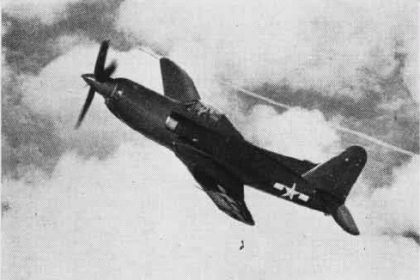
George Chapline became president of the company, replacing Jimmy Work, whom the Navy had appointed to increase production. But Jimmy Work returned to run the company in early 1942, just as he was being sued for $10 million (about $197 million today) for financial improprieties. On April 18, 1942, the Navy took control of Brewster and placed George Conrad Westervelt, the former head of the Naval Aircraft Factory, in charge. By mid-May, the Navy appointed a new board of directors, and Brewster began making the F3A-1 Corsair under a license. When the Navy canceled Brewster’s last contract for assembling the Corsair on July 1, 1944, the company faced serious problems. In October, after reporting significant losses, management decided to shut the company down. Brewster Aeronautical Corporation was officially dissolved by its shareholders on April 5, 1946. Read more Forgotten Factories articles HERE.