






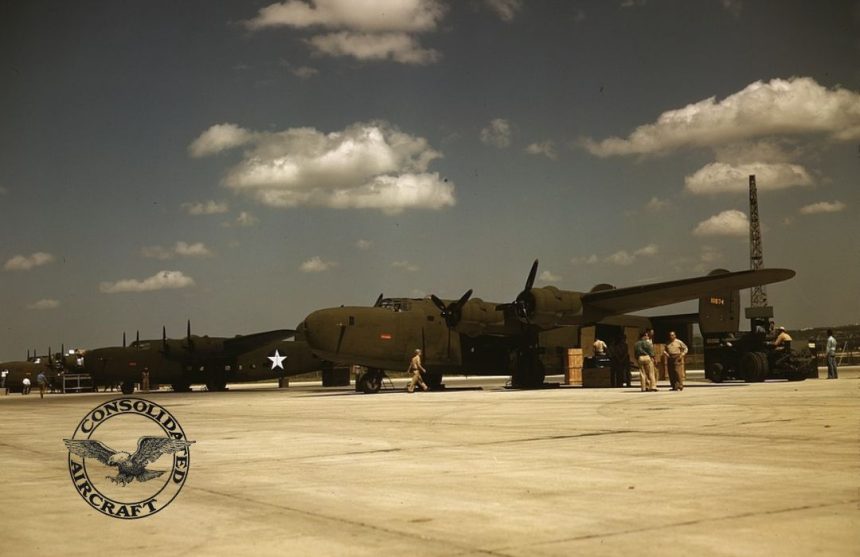

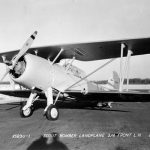
During the early years of aviation, many manufacturers developed several aircraft that later became iconic. But in the process, some of those manufacturers were lost to history because they either went out of business for lack of money, were bought out by a larger company, or changed fields. One such manufacturer was Consolidated Aircraft Corporation, which developed the B-24 Liberator, an iconic bomber used extensively in WWII. Consolidated Aircraft Corporation was founded in 1923 by Reuben H. Fleet. The company emerged after the Gallaudet Aircraft Company went out of business, and Fleet bought designs from the Dayton-Wright Company as it was closing down due to its parent company, General Motors. Consolidated became famous in the 1920s and 1930s for making flying boats. The most successful of its patrol flying boats was the PBY Catalina, which was produced during WWII and used widely by the Allies. Consolidated Aircraft Corporation’s first design was the TW-3 primary trainer, which Fleet bought from Dayton-Wright. The US Army later named it the PT-1 Trusty. In September 1924, the company moved from its plant in Rhode Island to new facilities in Buffalo, New York. That same year, it won a US Navy contract for a naval version of the PT-1, which was called the NY-1. Lawrence Bell was the Operating Head at Consolidated Aircraft Corporation from 1929 to 1934. When the company planned to move to San Diego, Bell chose to stay and start his own business, the Bell Aircraft Corporation, in the old Consolidated plant.
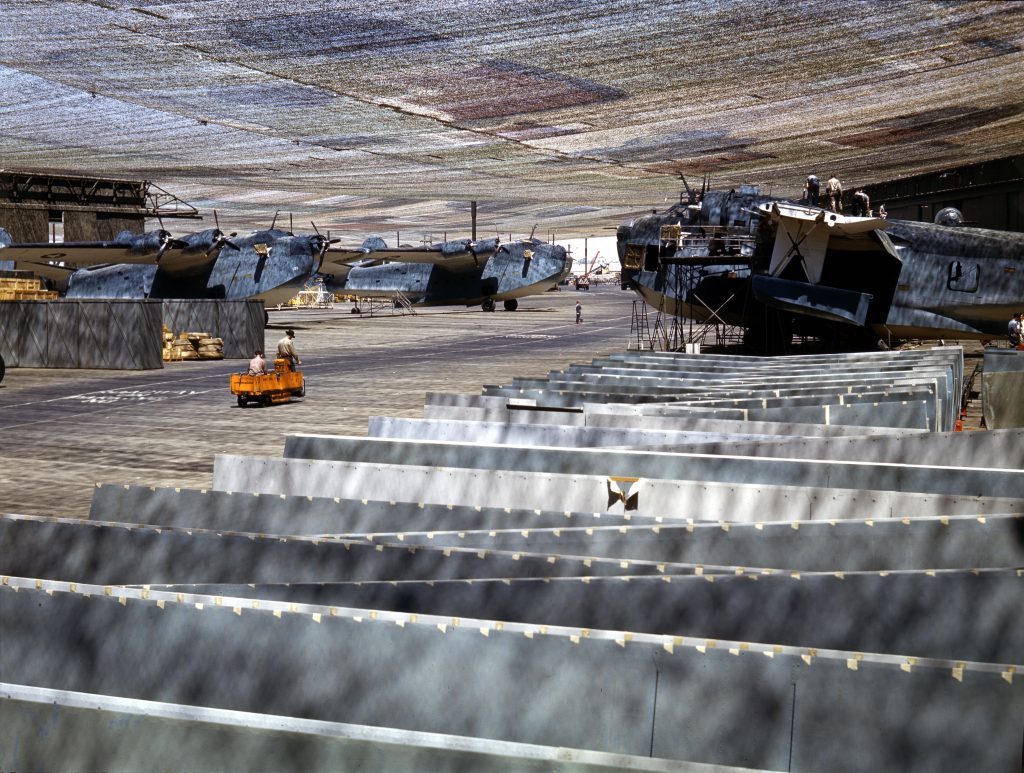
In September 1935, Consolidated Aircraft Corporation moved to a new factory called “Building 1” in San Diego, California. The factory covered 247,000 square feet and allowed for a continuous flow of production. The first PBY Catalina was launched in San Diego Bay in 1936. In 1937, the first XPB2Y-1 Coronado test aircraft took its first flight. Edgar Gott, the vice president of Consolidated, secured the contract to design and build the B-24 Liberator bomber. The XB-24 Liberator prototype first flew in December 1939. The first production order came from France in 1940, shortly before France surrendered to Germany. Six of these YB-24 Liberators, known as LB-30A, were sent to Britain. In 1940, Consolidated acquired Hall-Aluminum Aircraft Corporation and shut it down. At the time, Archibald Hall was the President of Hall-Aluminum, and later joined Consolidated Aircraft Corporation as an executive. To support defense production needs, several engineers and technical staff from Hall-Aluminum were added to Consolidated. By the fall of 1941, Consolidated became San Diego’s largest employer with 25,000 employees, which grew to 45,000 by the next year. In November 1941, Fleet sold his 34.26% share in Consolidated for $10.9 million to Victor Emanuel, who was the president of the Aviation Corporation (later called AVCO). He planned for Consolidated to merge with Aviation’s Vultee subsidiary.
During WWII, General Henry H. “Hap” Arnold opened a regular air transport service between the US mainland and the Southwest Pacific in April 1942 to support the military. The Ferry Command chose Consolidated Aircraft Corporation to operate this service, creating Consolidated Airways, Inc., also called Consairways. The airline transported personnel and cargo and delivered aircraft to the Pacific Theatre. By the time it closed in 1945, it had carried over 101 million ton-miles of cargo and flown more than 299 million passenger miles. In 1943, Consolidated merged with Vultee Aircraft to create Convair. In March 1953, General Dynamics bought most of Convair. Convair continued to make aircraft and aircraft parts until it was sold to McDonnell Douglas in 1994. McDonnell Douglas closed this division two years later, in 1996. As a forgotten manufacturer, Consolidated Aircraft Corporation had a strong legacy. It built 221 PT-1 Trusty trainers, 302 NY-1 trainers, 250 PT-3 trainers, 35 O-17 Courier observation aircraft, 14 Commodore flying boat airliners, 78 P2Y patrol flying boats, 26 Fleetster transports, 41 PT-11 trainers, 60 P-30 fighters, 1,871 PBY Catalina flying boats, 217 PB2Y Coronado patrol bombers, approximately 9,251 B-24 Liberator heavy bombers, 180 TBY Sea Wolf torpedo bombers, 118 B-32 Dominator heavy bombers, 977 PB4Y-1 Liberator patrol bombers, 739 PB4Y-2 Privateer maritime patrol bombers, 287 C-87 Liberator Express transports, 218 C-109 fuel tankers, and numerous experimental aircraft, including the XB2Y, XP4Y Corregidor, XB-41, R2Y, and XPB3Y.
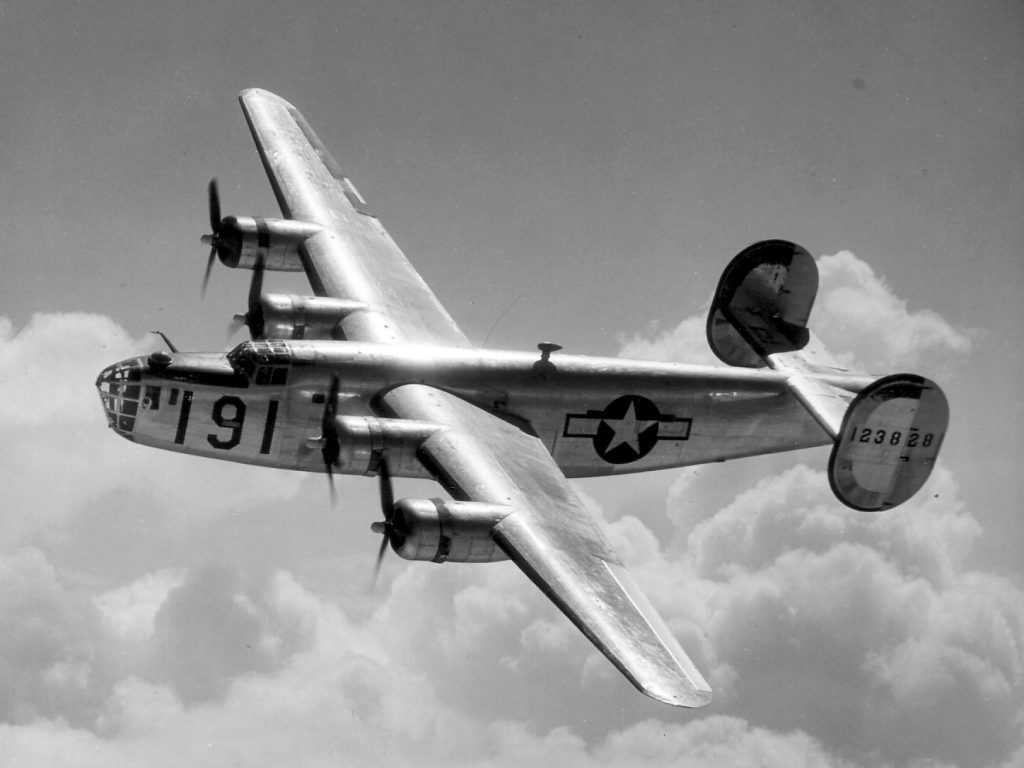







By the way, when you said that the RAF had redesigned the six YB-24s as LB-30A, that is incorrect, because the LB-30A designation was a company designation for those aircraft. The actual RAF Designation was Liberat9r MK.1.