







Northrop Grumman is one of the most well-known names within defense circles. But Grumman was not always a part of Northrop. Leroy R. Grumman started the Grumman Aircraft Engineering Corporation in December 1929 in Long Island, New York. The company opened for business on January 2, 1930, along with its partners Leon Swirbul, Clint Towl, William Schwendler, and Ed Poor. Grumman, Swirbul, and Schwendler all worked at Loening Aircraft Engineering Corporation in New York City. When Keystone Aircraft Corp. bought Loening and moved it to Pennsylvania, Grumman and his partners decided to stay in New York to set up their new company in a small, abandoned auto garage in Baldwin, Long Island. The new company started by repairing Loening aircraft, but soon ran out of work. The company then secured a contract with Motor Haulage Corporation to build four aluminum truck bodies. The quality of Grumman Aircraft Engineering Corporation’s work impressed the customer, leading to more contracts and helping the company earn money during the economic depression. While some workers felt discouraged due to the lack of aviation projects, they were glad to have jobs. Leroy Grumman learned through his connections in naval aviation that the Navy was unhappy with the amphibious floats on their O2U-1 Scout planes. Bill Schwendler designed a new float with retractable landing gear, which the Navy accepted, resulting in contracts for both Model A and Model B floats. In March 1930, when asked about upgrading the Boeing F4B-1 fighters, Grumman Aircraft Engineering Corporation proposed a new two-seat biplane fighter design with retractable landing gear. He promised better performance than existing Navy fighters and then waited for a response.
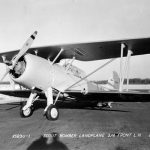
After a wait of 381 days, the Navy awarded a contract for a single fighter, the XFF-1, with a budget of $46,875. A wooden mockup was built, and assembly of the aircraft began. As the fuselage and wings took shape, a second prototype, the XSF-1 Scout version, was ordered. However, Grumman Aircraft Engineering Corporation’s small shop in Baldwin proved inadequate for two aircraft. To address this, the company moved to a vacant Naval Reserve hangar near Curtiss Field in Valley Stream, which provided sufficient space and reasonable rent, along with a small building for the engineering department and corporate offices. The XFF-1 flew for the first time in December 1931. After initial problems, the aircraft flew well on this flight. After Grumman Aircraft Engineering Corporation’s test flights, the Navy took over testing the XFF-1. The aircraft performed well overall and reached a top speed of 195 mph, which was faster than the Navy’s Boeing F4B-4 fighter. The XFF-1 exceeded the Navy’s expectations and needed no major changes. In the early 1930s, military aircraft typically flew at speeds around 200 mph. The Granville Brothers’ Gee Bee Model Z broke that record with 314 mph on its first flight in August 1931, piloted by Bob Hall. Unfortunately, the Model Z and its pilot, Lowell Bayles, crashed in an attempt to set a new world speed record in Michigan in December 1931. At the same time, Grumman was working on the XSF-1, which flew for the first time in August 1931 and also received a Navy contract to build the XJF-1 Amphibian prototype. By the end of that year, the Navy accepted the XFF-1 and ordered FF-1 fighters, which brought Grumman Aircraft Engineering Corporation contracts worth nearly $750,000.
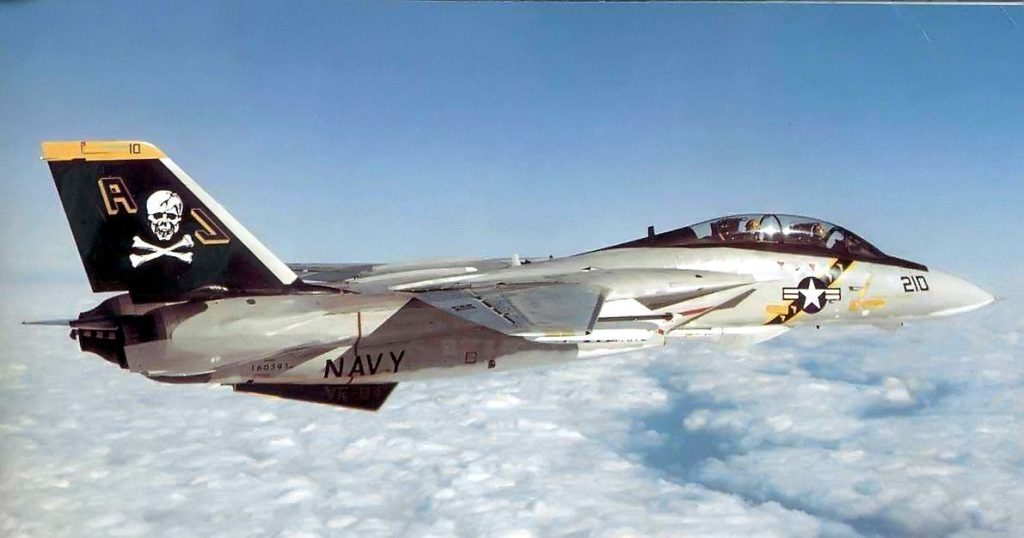
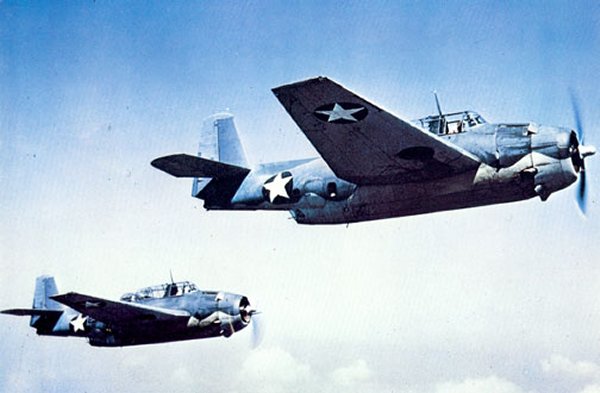
Soon after, the Navy ordered 34 SF-1 Scout fighters, leading Grumman Aircraft Engineering Corporation to move to a larger facility in Farmingdale, where it shared an airfield with Seversky. By 1933, Grumman was growing rapidly. As Grumman began producing the FF-1, management focused on replacing the outdated Loening OL amphibians used by the Navy since 1923. The new design had the same basic layout but a more advanced all-metal, semi-stressed monocoque fuselage and deeper centerline floats to improve engine thrust line and forward visibility. The wings were aluminum alloy with fabric covering. When the design team had their proposal ready, they presented it to the Navy, which issued a contract for a prototype. On April 24, 1933, the XJF-1 was prepared for its first flight. The JF-1, nicknamed the “Duck,” was later developed in six main versions. The US Coast Guard saw that the JF-1 met their needs and ordered 14 of these amphibious aircraft. The service specified that the planes should not have arresting gear and that the Pratt & Whitney R-1830 engine should be replaced with a Wright R-1820 engine. The new version was called the JF-2, and these Ducks served the Coast Guard very well for many years. Biplanes and amphibians were produced until WWII. During the war, Grumman Aircraft Engineering Corporation switched to making F4F Wildcats, F6F Hellcats, and Avenger torpedo bombers, as the Navy needed more planes. To meet this demand, the company subcontracted some work. Eastern Aircraft Division, which is the aviation division of General Motors, produced Wildcats and Avengers, while the Bethpage facility focused on making Hellcats.
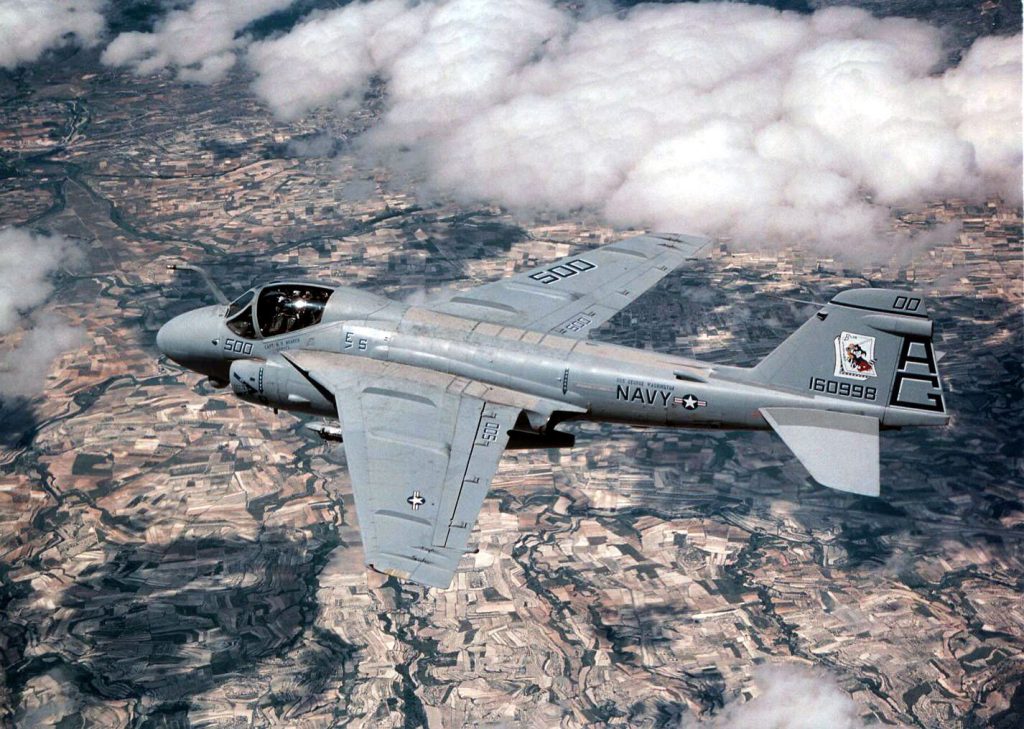
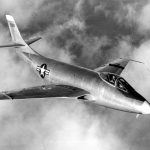
The Korean War marked Grumman Aircraft Engineering Corporation’s introduction to jet aircraft with the F9F Panther, which was widely used in Korea. After WWII, Grumman started using the Navy facility in Calverton, Long Island in 1952 to make and test jets. During the Vietnam War, Grumman produced the A-6 Intruder, the only all-weather attack bomber used by Navy and Marine Corps squadrons. Toward the end of the war, the F-14 was deployed for the first time with USS Enterprise, providing air cover during the evacuation of Saigon. For the US Apollo missions, Grumman Aircraft Engineering Corporation built the Lunar Module. All Lunar Modules were made in Bethpage and flown to Cape Kennedy using a large Super-Guppy aircraft. The last F-14 was completed in 1992. After that, business steadily declined in the US aerospace industry, and in 1994, Northrop Corporation from California bought Grumman Aircraft Engineering Corporation, together becoming Northrop Grumman.







Grumman historians would point out that there are a few significant omissions in this article. Notably the development of the amphibious stalwarts: the Widgeon and Grey Goose, to say nothing of the missing mention of the Cougar swept wing version of the Panther jet. Then, too, there’s the fact that the Navy’s demonstration team, the Blue Angels, flew Grumman aircraft by choice, due to the high quality and reliability of Grumman airframes. I am proud to say my father was an engineer with Grumman when the company was a pleasure at which to work.
Hello Jack,
Thank you very much for the feedback on this article. Great to know that your father was an engineer with Grumman. I understand your concerns about the omissions of Widgeon and Grey Goose, but it is very difficult to fit everything into one article, given the extent of Grumman’s impact.
I’d like to point out several red flags in your article. One: The Duck has a single central float, which forms the hull of of the aircraft. Two: The aircraft building division of GM was Eastern Aircraft, not “Eastern Motors”. Three: The R-1830 is a 14 cylinder engine, and is larger than the R-1820 Cyclone-9. Four: The F9F Panther began its life BEFORE the Korean War. Also, you forgot to mention that Grumman shifted production of the Duck to Columbia Aircraft, the development of the OV-1 Mohawk for the Army, the development of the AF Guardian for the Navy, to replace the Avenger, the development of the Tracker/Tracer/Trader, the Albatross amphibian for the air force, and Navy, plus the Hawkeye, and Greyhound. Also, you omitted the F-11 Tiger, and Grumman’s involvement in the TFX program, which gave birth to the F-111B for the Navy, and it in turn gave birth to the Tomcat.
Hi John,
Thanks for pointing these out. I have reviewed the suggestions and made the changes I found necessary. Appreciate you taking the time to read and flag them.