






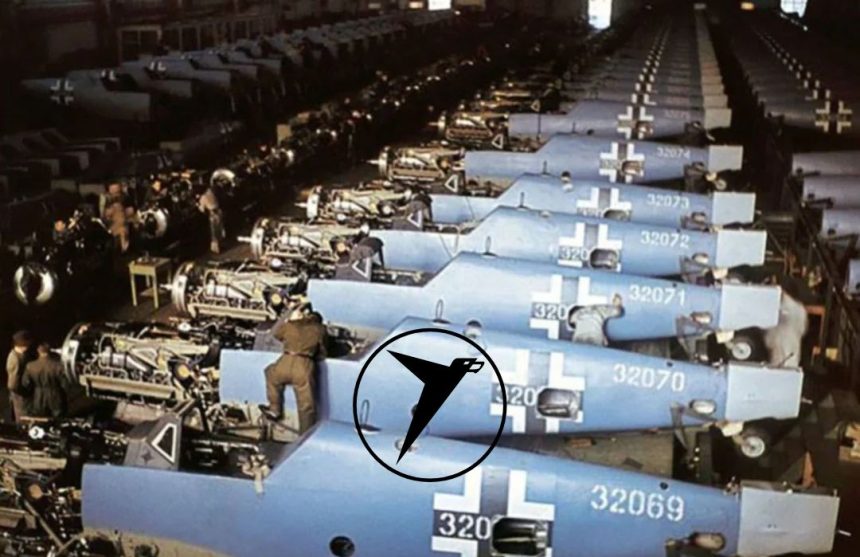

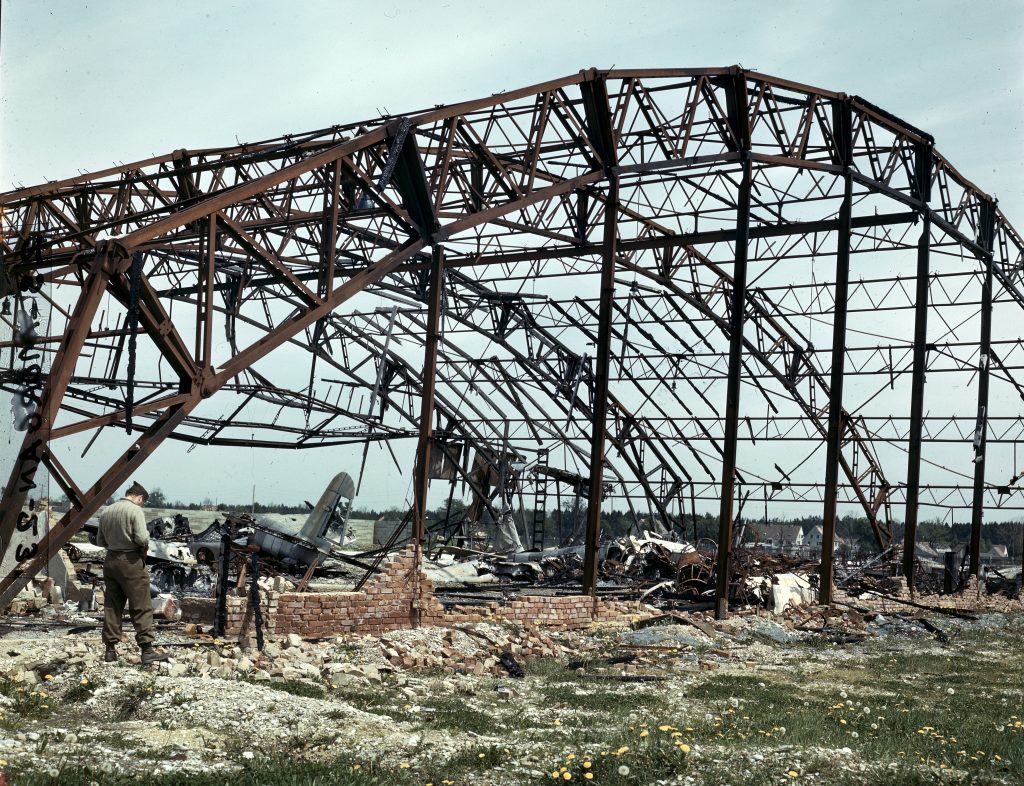
If one had to name a company responsible for all of German WWII aviation, it would undoubtedly be Messerschmitt. In February 1916, several banks and the south German engineering company MAN AG acquired the unprofitable aircraft manufacturer Otto-Flugzeugwerke, establishing Bayerische Flugzeugwerke AG (BFW). With an urgent need for aircraft due to WWI, BFW began manufacturing under license from Albatros Flugzeugwerke. Initially troubled by quality issues, improvements in organization helped boost production to over 200 aircraft per month by the end of 1916, expanding the workforce to 3,000. However, the end of the war resulted in a collapse of military demand, prompting BFW to shift to furniture production and motorcycles by 1921. That autumn, financier Camillo Castiglioni sought to purchase BFW, and after persuading MAN AG to relinquish its shares in spring 1922, he gained full control, paving the way for a merger with BMW after acquiring their engine business. BFW was reformed in 1926 in Augsburg, Bavaria. It changed from Udet Flugzeugbau GmbH to a joint-stock company. In its early days, BMW AG owned a part of this company and was represented on the supervisory board by Josef Popp. Willy Messerschmitt joined the company in 1927, became the chief designer and engineer, and created a design team.
The Messerschmitt M20 was one of the company’s first designs, and it faced many problems. Many prototypes crashed, and one crash resulted in the death of Hans Hackmack, a close friend of Erhard Milch, who was in charge of the German civil aviation authorities and Deutsche Luft Hansa. Milch was unhappy with Messerschmitt’s response to the crashes, which led to his long-standing dislike of him. As a result, Milch canceled all contracts with Messerschmitt to force the company into bankruptcy in 1931. However, Messerschmitt had a friend in Hugo Junkers, who helped revive his and BFW’s careers starting in 1933. Despite this, Milch blocked Messerschmitt’s attempt to take over BFW until 1938, which is why early Messerschmitt designs are labeled “Bf.” The company introduced a method called “lightweight construction.” The approach combined several separate load-bearing parts into a single reinforced firewall, which saved weight and improved performance. The first real test of this method was in the Bf 108 sports aircraft, which set many records. Because of this success, the company was invited to submit a design proposal for the Luftwaffe’s 1935 fighter contest, which it won with the Bf 109, which used the same construction techniques. After this, Willy Messerschmitt became an important figure for the Nazi Party because of both his aircraft designs and his political skills. His factory in southern Germany was advantageous since it was away from the crowded aviation firms in the north. On July 11, 1938, BFW changed its name to “Messerschmitt AG,” with Willy Messerschmitt as the chairman and managing director.
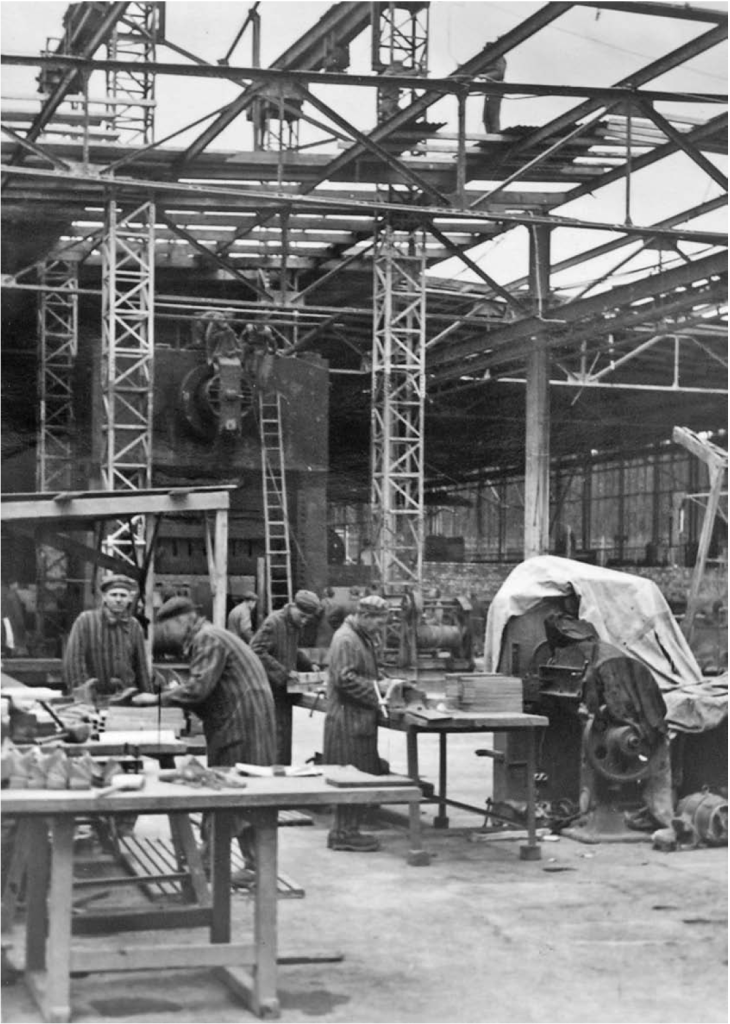
The name change also meant that the company’s RLM designation changed from “Bf” to “Me” for all new designs approved by the RLM after the acquisition. Existing aircraft, such as the Bf 109 and 110, retained their original designations in official documents, but subcontractors, like Erla Maschinenwerk of Leipzig, sometimes used the new designations. In practice, all BFW/Messerschmitt aircraft from the Bf 108 four-seat touring plane to the Bf 163 light observation plane (which lost the government contract to the Fieseler Fi 156) were still called “Bf.” All later designs were given the “Me” prefix. During WWII, the company became an important supplier of aircraft designs. The company’s Bf 109 and Bf 110 made up most of the fighter planes used in the war’s first half. It also designed larger planes, such as the Me 321 Gigant transport glider and its six-engine successor, the Me 323. In the war’s second half, Messerschmitt focused mostly on jet designs, creating the world’s first operational jet fighter, the Me 262 Schwalbe (“Swallow”). It also made the Me 163 Komet, the first rocket-powered plane to enter service. To produce these aircraft, Messerschmitt used a lot of forced labor. The prisoners manufactured numerous parts of the aircraft at the brutal KZ Gusen I and II camps, as well as the nearby Mauthausen concentration camp. The working conditions at KZ Gusen for these aircraft resulted in approximately 40,000 inmates from countries such as Spain, Italy, Poland, Slovenia, France, Russia, and Hungary being killed. Messerschmitt officials managed barracks at the concentration camps to supervise the inmates.
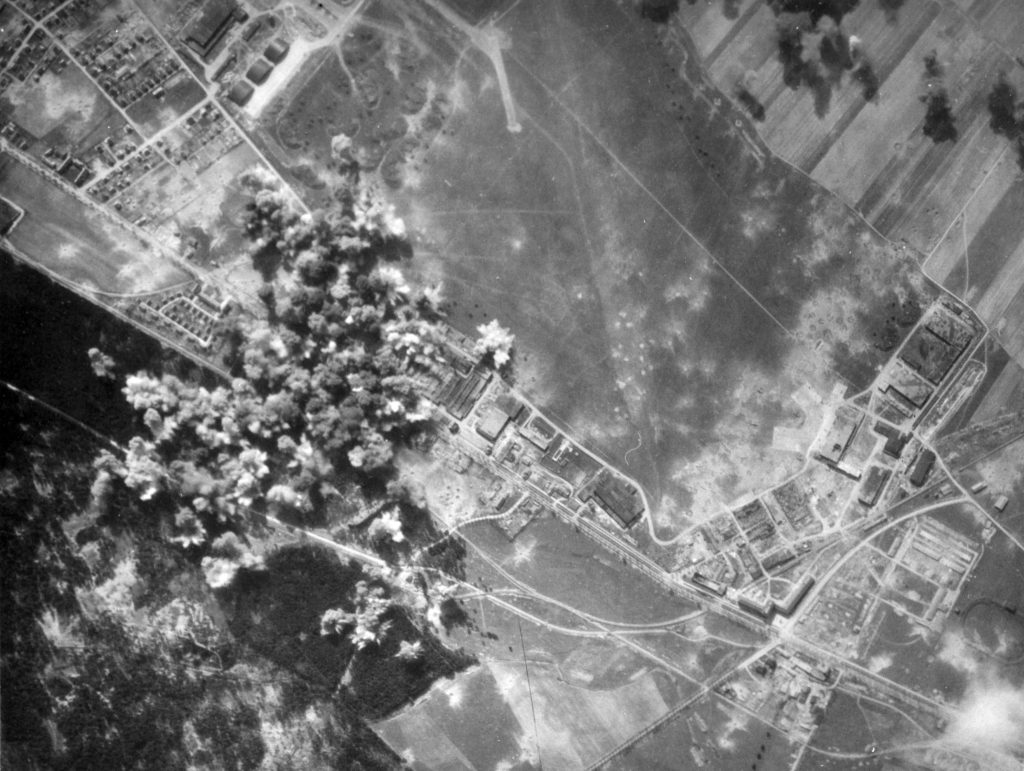
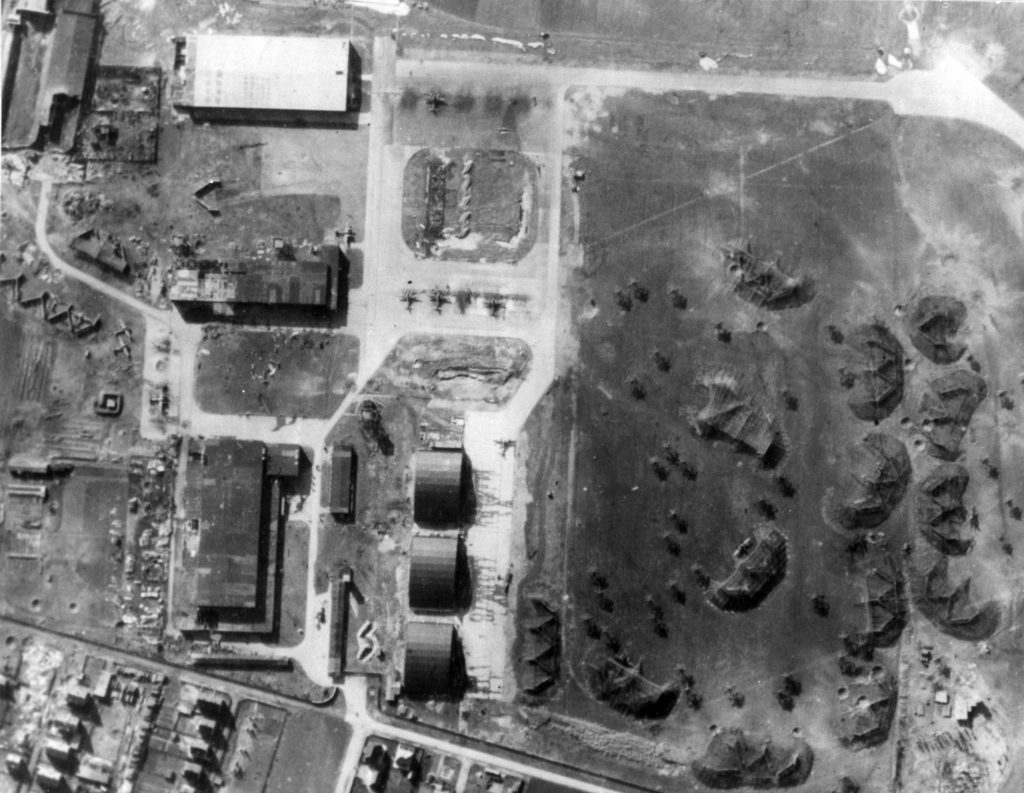
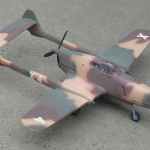
Willy Messerschmitt and his company also occupied the Villa Tugendhat in Brno, Czech Republic, which was designed by Lilly Reich and Mies van der Rohe in the 1920s. During the war, the Messerschmitt aircraft factory office and the Gestapo used this property. Messerschmitt had some poor designs, including the Me 210. The aircraft, intended to replace the Me 110, had aerodynamic issues that nearly caused the company to collapse. Later, these design flaws were fixed in the Me 410 Hornisse, but only a few were built before the focus shifted to the Me 262. Toward the end of the war, Messerschmitt also worked on a heavy bomber called the Me 264, which was part of a competition against the Junkers Ju 390 and the Heinkel He 277, which was never built. The Me 264 flew in prototype form, with three prototypes made; the first one flew in December 1942, but it was too late to see combat. After WWII, the company could not make aircraft for ten years. As an alternative, it created a three-wheeled microcar (bubble car), also called a bubble car, known as the KR175/KR200. Fritz Fend, an aircraft engineer, designed this vehicle. The cars were made by Fend’s own company at the Messerschmitt factory in Regensburg. Willy Messerschmitt had little involvement with these vehicles, only allowing them to use his name. Production of the KR200 ended in 1964. The Messerschmitt factory also made prefabricated houses. These houses were designed as “self-building kits” using a lightweight alloy framework. On June 6, 1968, Messerschmitt AG merged with a small company called Bölkow, which worked in civil engineering and civil aviation. The new company was named Messerschmitt-Bölkow. In May 1969, it acquired Hamburger Flugzeugbau (HFB) and changed its name to Messerschmitt-Bölkow-Blohm (MBB). In 1989, MBB was taken over by DASA, which later operated as “EADS Germany” and is now known as Airbus, ending the Messerschmitt legacy.










How is Messerschmidt “forgotten”? It’s probably tha most famous German WW2 aircraft manufacturer. Paul
Messerschmitt? Forgotten? By whom, by AI?
This is not an AI article. Everyone is now an AI expert, until a few weeks ago you didn’t even know what AI was.