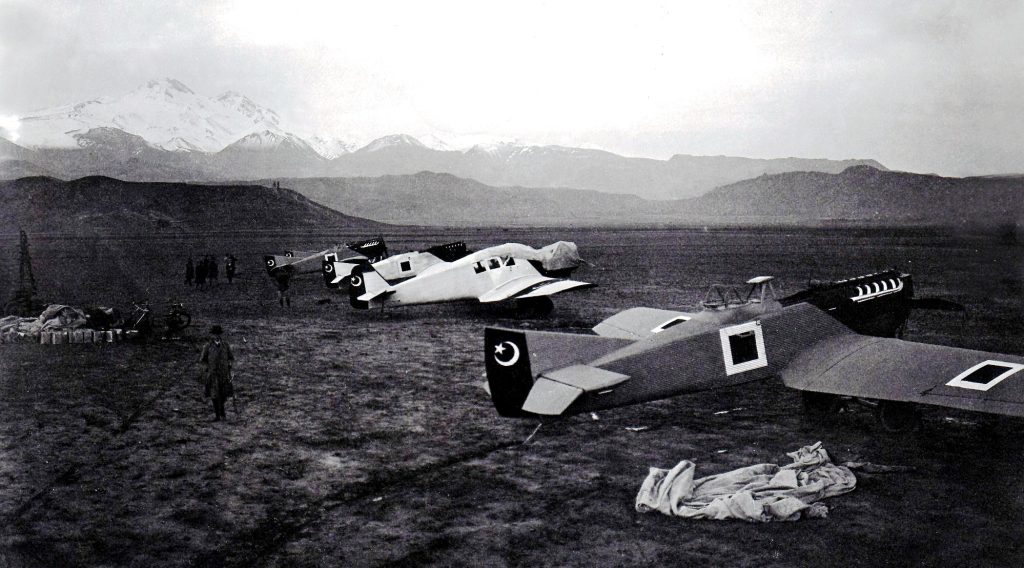
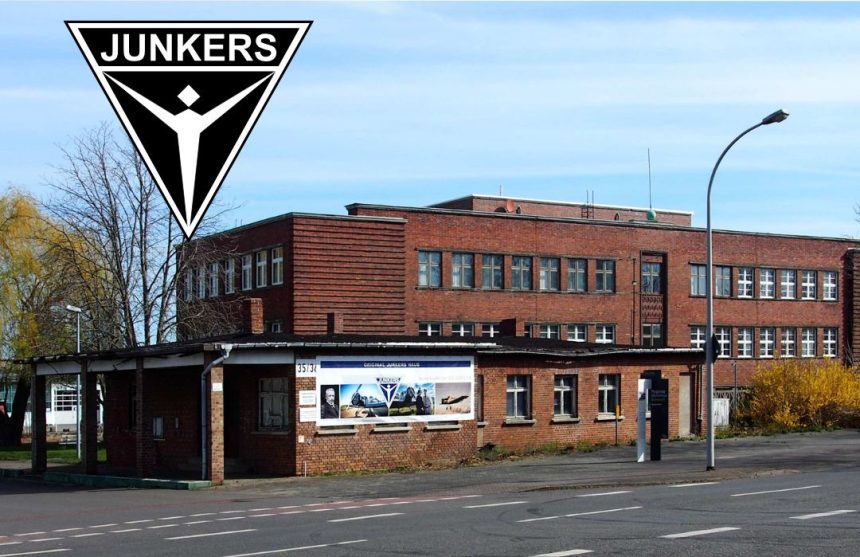

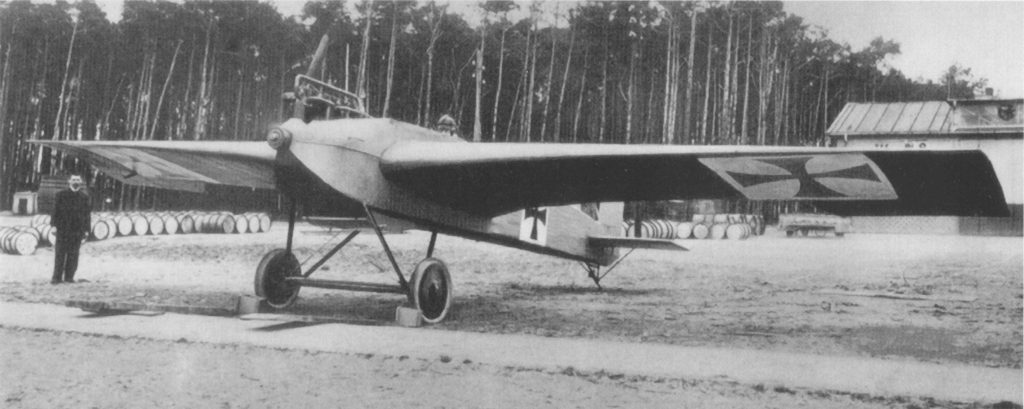
Despite all the technological growth, only a few manufacturers can develop an impactful aircraft even today. However, in the first half of the 20th century, when aviation was still new, a German company called Junkers Aircraft and Motor Works changed the way people viewed aircraft. Founded in 1895 by Hugo Junkers, the company initially made boilers and radiators. Due to WWI, Junkers stopped producing civilian goods. Instead, the company produced the first all-metal aircraft, the Junkers J 1, at the end of 1915 at its bath-stove factory in Dessau. Before this, the company had no experience in aviation. In October 1917, the military forced Junkers to merge its aircraft division with Fokker Aeroplanbau, creating Junkers-Fokker Werke AG. By April 1919, the company changed its name to Junkers Flugzeug AG. That same year, it built the world’s first all-metal commercial plane, the Junkers F13. Soon after, it introduced other aircraft, such as the Junkers A20 and G 24.
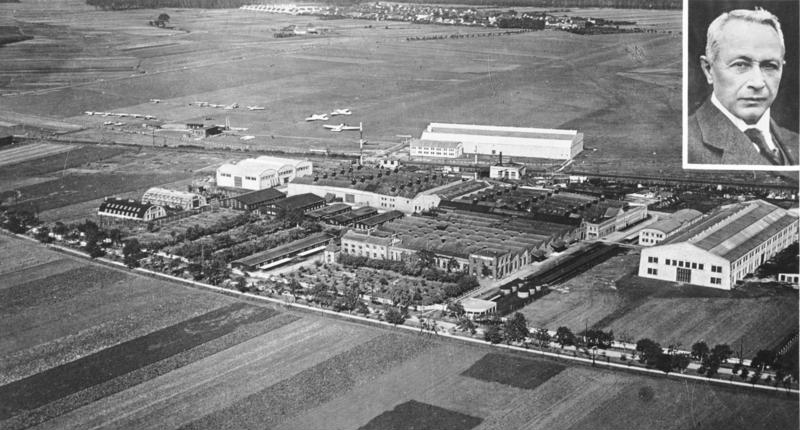
Junkers developed the F-13 by using their J8 design. The F-13 flew for the first time on June 25, 1919, and proved successful in Europe and North America. The Treaty of Versailles was signed just days after the F-13 flew. It initially banned any aircraft construction in Germany for several months. After that, Germany could only design civilian aircraft. The Junkers firm partly moved to the Fili suburb of Moscow and started manufacturing aircraft again in the Soviet Union in 1922. The revived Junkers firm created larger civil aircraft, like the single-engine G.24 and the three-engine G.31. Once the treaty restrictions ended in 1926, Junkers introduced the Junkers W33 and W34 series. These models achieved commercial success with large orders for passenger and freight transport, and later military uses. The W-33/W-34 series also set several aviation records for flight duration, distance, altitude, rocket-assisted takeoff, and in-flight refueling between 1926 and 1930. By 1925, Junkers aircraft were responsible for about 40% of the world’s air traffic network. In 1931, the company faced financial problems that led to its collapse. The shareholders wanted Hugo to leave the company.
However, Hugo held the patents for many of the technologies used in most Junkers designs, including their engines. A plan was developed to resolve two issues by acquiring Hugo’s engine patent portfolio and establishing a new company, Junkers Motoren-Patentstelle GmbH, which was formed in November 1932. But before Junkers transferred his patents to the Patentstelle, the Junkers consortium’s collapse was cured by selling Junkers Thermo Technik GmbH to Robert Bosch GmbH, which still uses the brand name to this day. Adolf Dethmann, a Communist activist and Hugo’s friend, became the managing director. After suffering extensive damage from bombs during WWII, the Junkers company survived and continued to operate in East Germany. It became Junkers GmbH and later merged into the MBB consortium through a joint venture called Flugzeug-Union-Süd, formed by Heinkel and Messerschmitt in 1958. In West Germany, Junkers focused on research related to future aerospace transportation in the 1950s and early 1960s. During this time, it employed the famous Austrian engineer and space travel theorist Eugen Sänger.In 1961, he completed a design for an advanced orbital spacecraft at Junkers. However, the name Junkers GmbH disappeared in 1969 when it was absorbed into MBB. Junkers developed about 50 to 60 different types of aircraft, including models and major experimental prototypes, including the J-series, F-series, G-series, and Ju-series. Some of its most famous planes were the Junkers F 13, Junkers Ju 52/3m, and Junkers Ju 87 Stuka. The company produced tens of thousands of planes. The most-produced Junkers models were the Junkers Ju 88, with 15,183 planes made, the Junkers Ju 52, with 4,835 built, and the Junkers Ju 87 Stuka, with around 6,000 produced.