






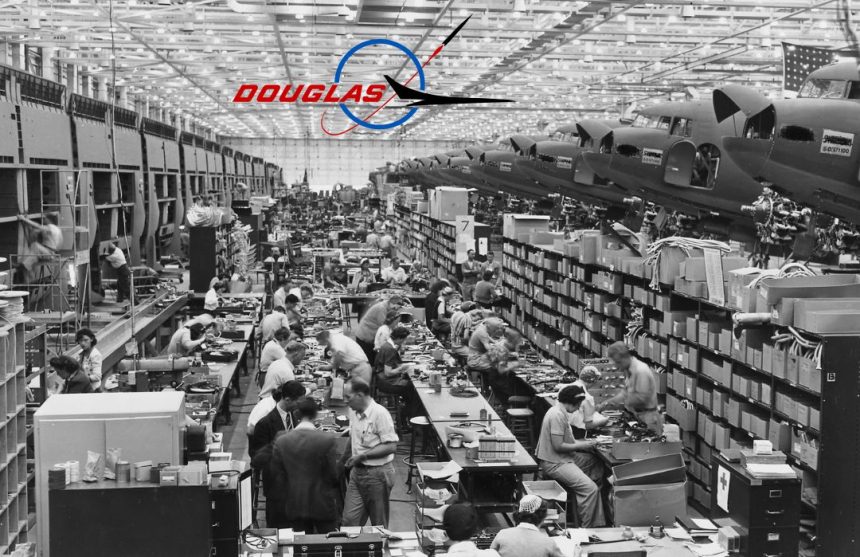

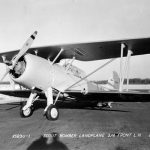
Some aviation manufacturers in US history were so iconic that they have never truly been forgotten, yet when they merged with another manufacturer, the legacy associated with their name was lost forever, leaving a void in the minds of aviation lovers. Douglas Aircraft Company also met the same fate when it merged with Boeing; the iconic name no longer existed. Donald Wills Douglas Sr. founded Douglas on July 22, 1921. After the Davis-Douglas Company dissolved. One of its early achievements was the first trip around the world by air using Douglas airplanes in 1924. In 1923, the US Army Air Service wanted to fly around the Earth by aircraft for the first time, a program called “World Flight.” Donald Douglas suggested modifying a Douglas DT to meet the Army’s requirements. The DT was a two-seat, open-cockpit biplane torpedo bomber that had already been made for the US Navy. The company modified DTs taken from its manufacturing plants in Rock Island, Illinois, and Dayton, Ohio. The Douglas World Cruiser (DWC) was the first major project for designer Jack Northrop, who worked on its fuel system. The Army received the prototype in November 1923 and tested it successfully. After this, the service ordered four production aircraft. To get ready for an important expedition, spare parts, including extra engines and pontoons, were sent to various airports along the way. The last aircraft was delivered on March 11, 1924. The four aircraft left Seattle on April 6, 1924. Two returned on September 28 and received great praise, while one was lost in fog, and another sank in the Atlantic. After this successful mission, the Army Air Service ordered six observation aircraft. The DWC’s success helped establish the Douglas Aircraft Company’s reputation in aviation, leading to its motto, “First Around the World – First the World Around.” Douglas started with a logo that had two letter Ds with wings and a heart shape, which honored Clan Douglas.
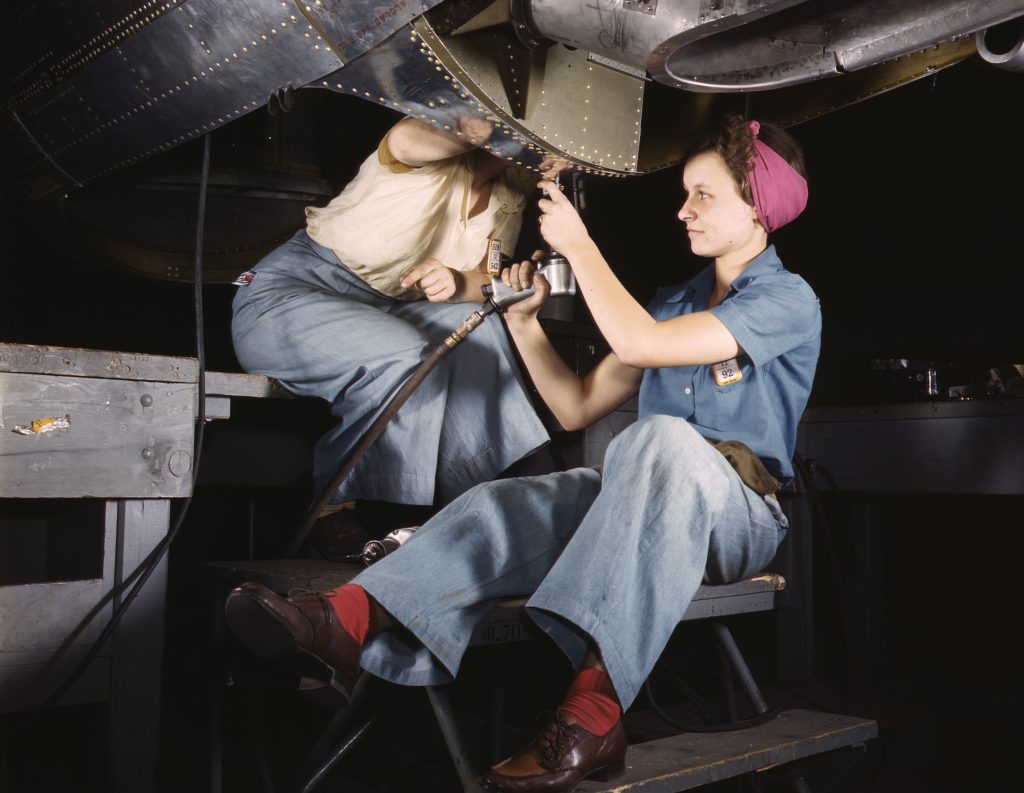
After the success of the DWC, the logo changed to show three airplanes flying around a globe. Eventually, it became a design featuring an aircraft, a missile, and a globe. McDonnell Douglas adopted this design in 1967, and it later became the basis for Boeing’s logo after their merger in 1997. Douglas Aircraft designed and built various planes for the US military, including the Navy, Army, Marine Corps, Air Force, and Coast Guard. The company started by making torpedo bombers and later expanded to reconnaissance and airmail planes, producing about 100 aircraft each year within five years. Prominent early employees included Ed Heinemann, “Dutch” Kindelberger, and Jack Northrop. In the mid-1920s, Douglas operated in Santa Monica but later moved to Clover Field. By the end of WWII, it had facilities in several locations in California, as well as in Oklahoma and Illinois. In 1928, the company became the Douglas Aircraft Company. It made commercial twin-engine transport planes like the DC-2 (1934) and the well-known DC-3 (1935), which was also used as the military C-47 Skytrain. During WWII, Douglas Aircraft Company collaborated with BVD (Boeing-Vega-Douglas) to help in the development of the B-17 Flying Fortress. After the war, Douglas built another airplane, the B-47 Stratojet, which was a turbojet-powered bomber, under a license from Boeing at United States Air Force Plant 6 in Marietta, Georgia. WWII helped Douglas Aircraft Company as the company was the fifth largest in the US for wartime production contracts. Between 1942 and 1945, Douglas built almost 30,000 aircraft and its staff grew to 160,000 people. The company produced several planes such as the C-47 Skytrain, the DB-7 (also known as the A-20, Havoc), the SBD Dauntless dive bomber, and the A-26 Invader. After WWII, Douglas Aircraft Company made big cuts to the workforce and laid off nearly 100,000 workers because government orders ended and there was a surplus of aircraft. In March 1946, the United States Army Air Forces contracted with the company to study intercontinental warfare, thus initiating Project RAND, which later became the RAND Corporation.
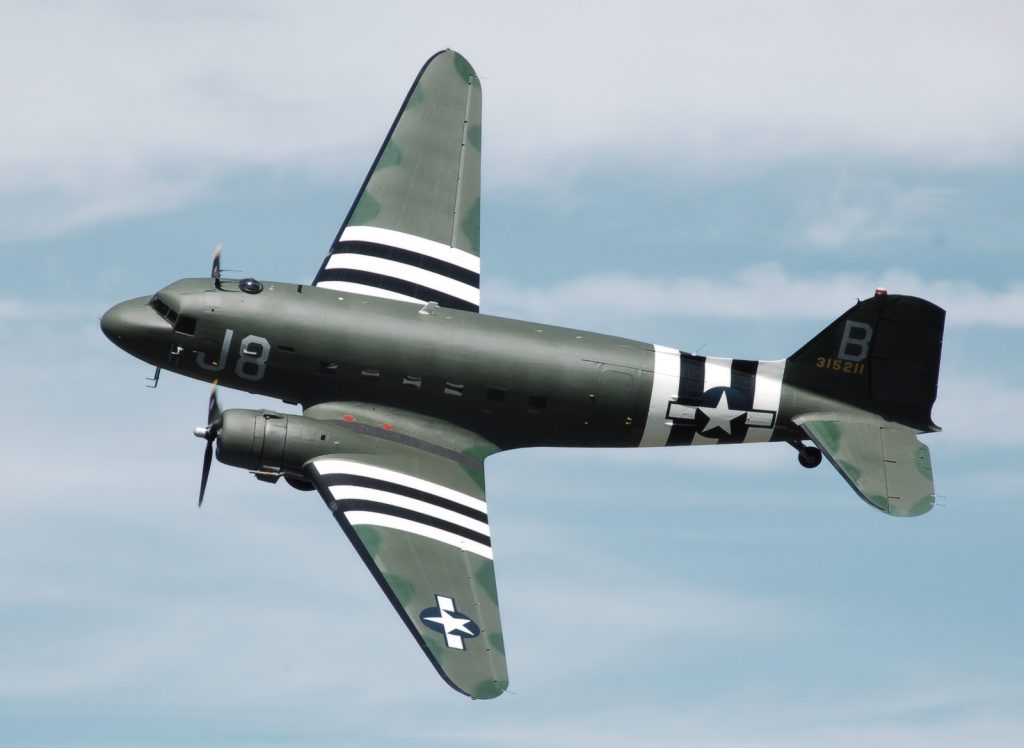
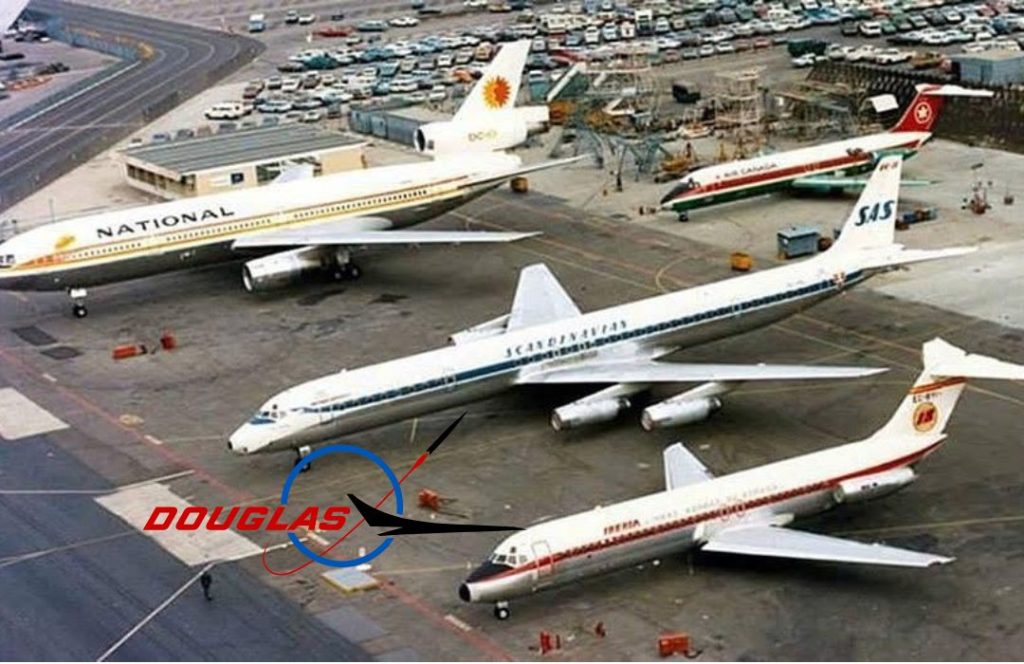
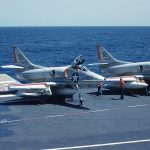
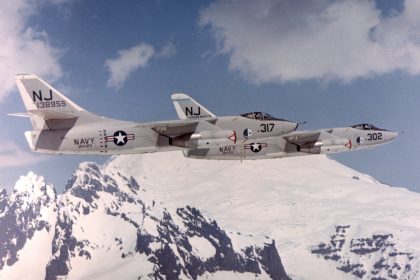
In 1946, Douglas Aircraft Company created the successful DC-6, and the last propeller-driven plane, the DC-7, came out in 1953. Then, the company started working with jets and produced the F3D Skyknight in 1948 and the F4D Skyray in 1951. In 1958, Douglas entered the commercial jet market with the DC-8 to compete against the Boeing 707. During the 1950s, Douglas Aircraft Company also focused on missiles. It became the main contractor for the Nike, Skybolt, and Thor missile programs. The firm also won NASA contracts for the Saturn IB and V rocket stages. In 1967, Douglas Aircraft Company had trouble increasing production of its DC-8 and DC-9 airliners and A-4 Skyhawk aircraft. The Vietnam War compounded problems with quality and cash flow. To solve its challenges, Douglas merged with McDonnell Aircraft Corporation on April 28, 1967, which helped because McDonnell brought in money from defense contracts. The new company operated from McDonnell’s facility in St. Louis. In 1997, McDonnell Douglas merged with Boeing, and the Douglas Aircraft Company name retired forever after 76 years. The last commercial aircraft built in Long Beach, the Boeing 717, stopped production in May 2006. The final C-17 Globemaster III was assembled in late 2015, but the Douglas Aircraft Company logo remains at the Long Beach facility.As a forgotten manufacturer, Douglas built DC-1, DC-2, DC-3, DC-4, DC-5, DC-6, DC-7, DC-8, and DC-9, along with specialized models such as the DC-4E, piston-powered DC-8, Cloudster, Cloudster II, Dolphin, DA-1 Ambassador, DF, DT, and D-906.
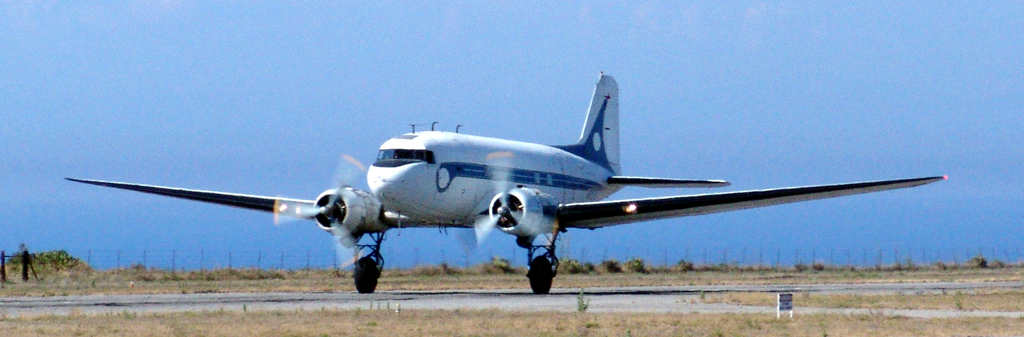
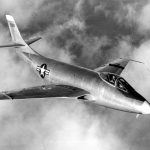
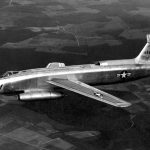
Douglas Aircraft Company also produced military aircraft such as the C-47 Skytrain, AC-47 Spooky, C-54 Skymaster, C-74 Globemaster, C-124 Globemaster II, C-133 Cargomaster, A-1 Skyraider, A-3 Skywarrior, A-4 Skyhawk, A-20 Havoc, A-26 Invader, SBD Dauntless, TBD Devastator, B-18 Bolo, B-23 Dragon, B-66 Destroyer, BTD Destroyer, F3D Skyknight, F4D Skyray, and X-3 Stiletto. Douglas Aircraft Company also developed numerous prototypes and experimental aircraft, including the XB-19, XB-42 Mixmaster, XB-43 Jetmaster, XA-2, A2D Skyshark, XTB2D Skypirate, F5D Skylancer, F6D Missileer, XP-48, XP3D, XT-30, XT3D, XFD, XCG-17, C-132, and the record-breaking D-558-1 Skystreak and D-558-2 Skyrocket research aircraft.Earlier designs included the World Cruiser, C-1, M-1, O-2, O-31, O-38, O-43, O-46, O2D, YOA-5, T2D, Y1B-7, B-7, O-35, A-33, XB-22, XB-31, and the Douglas 1211-J and 2229 concepts. Beyond aircraft, Douglas became a major missile and space contractor, producing systems such as the Sparrow I, Nike Ajax, Nike Hercules, Corporal, WAC Corporal, Honest John, Little John, AIR-2 Genie, Skybolt, Nike Zeus, Spartan, the Thor family of ballistic missiles and launch vehicles, the Delta rocket, Saturn S-IV and S-IVB stages, the SASSTO reusable space concept, the Manned Orbiting Laboratory space station, and even the Roc I spacecraft concept.




During the war I remember going under the netting at the Long Beach Douglas plant. I was about 8 or 9 then. In 1955 I was stationed at Long Beach AFB and Douglas was making the RB 66 and found out that they could fly it out using JATOs but couldn’t land it as the runway was too short and the one they tried to land almost wound up in the middle of Lakewood Blvd. Caught some hops with the reservists flying B17s and spent a lot of time babysitting those 66s sitting in crackerbox ambulance, I was a fresh faced medic
Memoried
I work in the old Douglas facility at Tinker AFB, OK. Where I believe that majority of the C-47 production was accomplished here. The building has had many additions through out the years. We have several photos in the hangar and offices of the Building 3001 during WWII and the C-47 production line. After Douglas left the USAF has used and still is using this facility for large aircraft depot maintenance and engine overhaul. Photos in the many corridors show B-29s, B-47s, B-52s and all the variants of the C-135 undergoing heavy maintenance there. Working in a historic building is a privilege and I enjoy it.