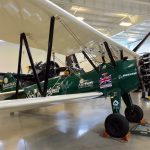
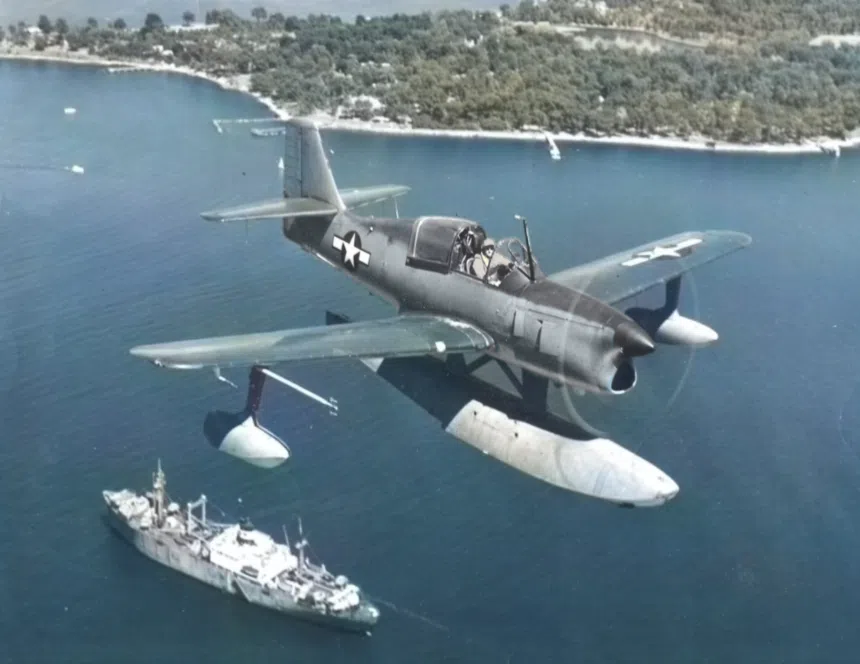

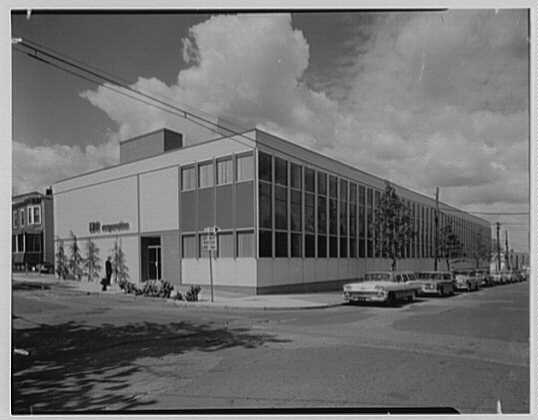
The EDO Aircraft Corporation started on October 16, 1925, in College Point, New York. Its founder, Earl Dodge Osborne, wanted to build airplanes but initially produced EDO floats. These floats gained popularity for their innovative design, made from aluminum instead of wood, and for the lack of paved runways in the 1920s. When WWII began, the company shifted its focus. EDO began providing parts for military aircraft for the US Naval Air Corps, US Army Air Forces, and foreign air forces. Because of this shift, the company changed its name to the EDO Corporation in November 1947. EDO built a factory on Long Island in 1940, and the construction cost was $305,000. In June 1950, Ray Erwin started the Erwin Sales Company, which he operated until he died in 1961.
On March 1, 1952, the company changed its name to Garwin Inc., focusing on rebuilding aircraft instruments and accessories. By late 1952, the company also began making its own instruments. In 1963, it became known as Garwin-Carruth Inc. Three years later, in 1966, Weston Instruments bought the company. By that time, Garwin was selling its products in South America and Europe, as well as in the United States. In 1969, EDO Corporation acquired the Wichita Division of Weston Instrument Company. That same year, EDO took control of Electronic Equipment Engineering (EEE), Inc. based in Dallas, Texas. EEE designed and manufactured radio and audio control equipment for long-range aircraft, and it relocated to Wichita in 1970. The merged company was called EDO-Aire. By the 1980s, the light aircraft industry faced a serious decline. Production dropped from over 12,000 units per year to about 1,600.
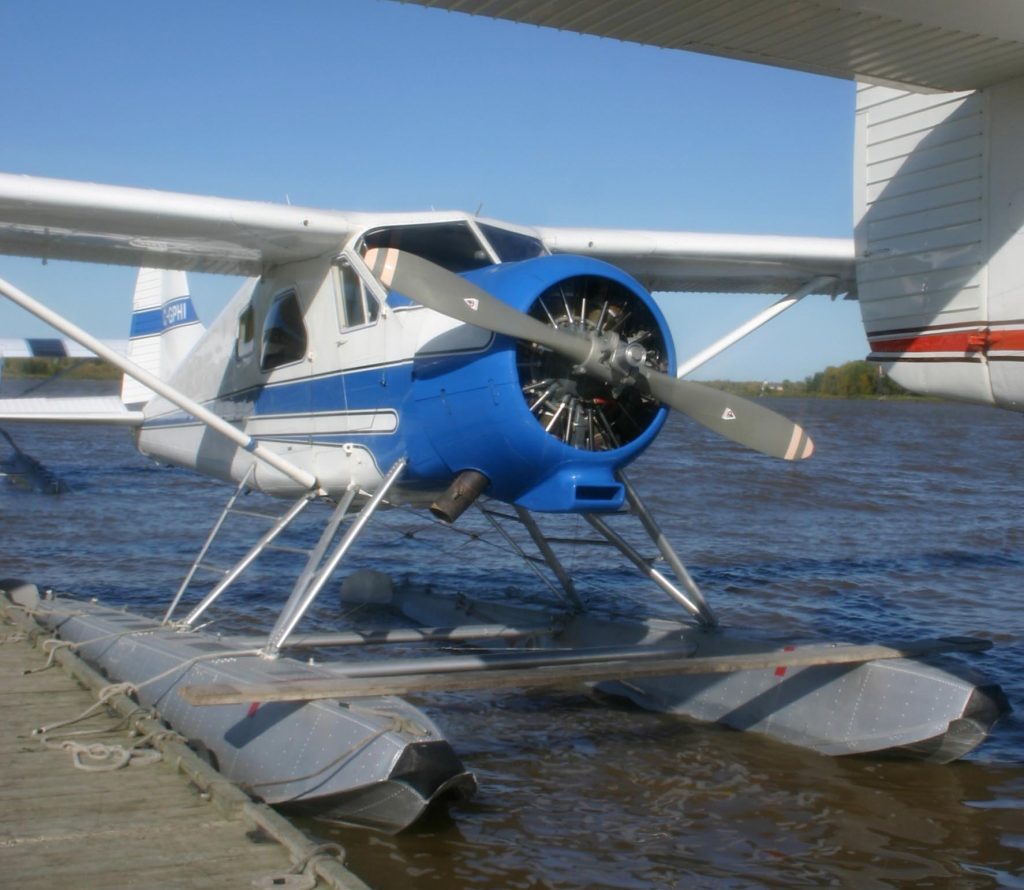
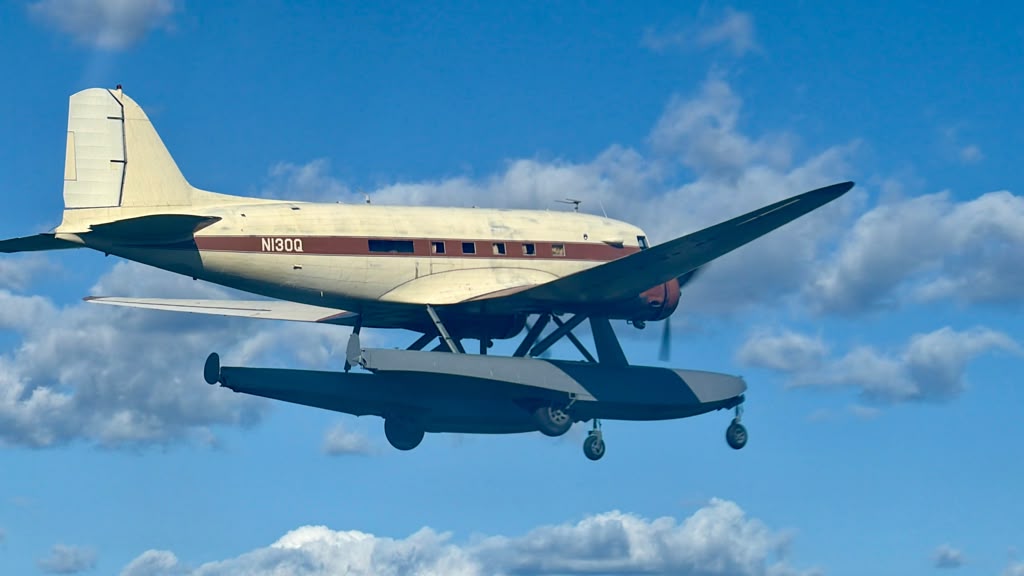
In 1982, EDO Aircraft Corporation decided to sell the EDO-Aire Group, ending its 60-year involvement in the aviation industry. In April 1983, four former leaders of EDO-Aire Wichita created Sigma Tek, Inc., buying EDO-Aire Wichita’s assets from EDO Corporation. This deal was completed on May 25, 1983. EDO became well-known as the top producer of pontoon floats for aircraft before WWII. The company created floats for many popular aircraft, including Piper Cubs and the Douglas C-47. EDO continued to lead in this area into the 1970s but faced more competition from Wipaire and their Wipline floats. After WWII, Kenmore Air Company started in the Seattle area as a small transportation business. The company expanded its services to include maintenance, sales, and restoration work. Kenmore gained the sales rights for EDO floats in the northwestern United States. In the 1980s, as EDO Corporation began selling its aircraft-related businesses, it transferred the name and rights to EDO floats to Kenmore.
(Image credit: Carter Canders)