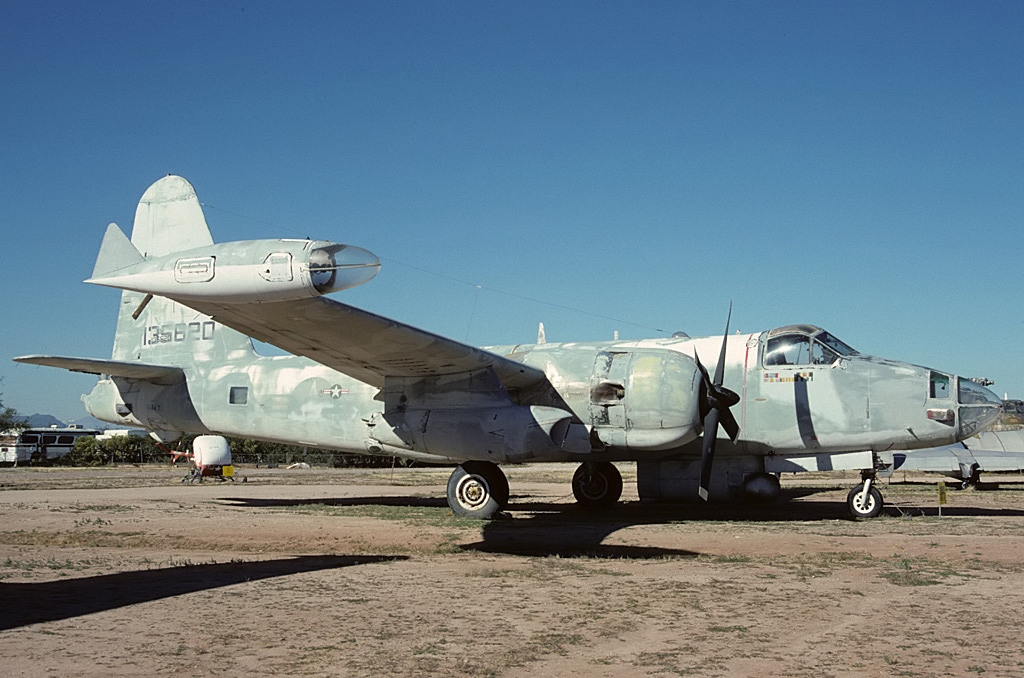
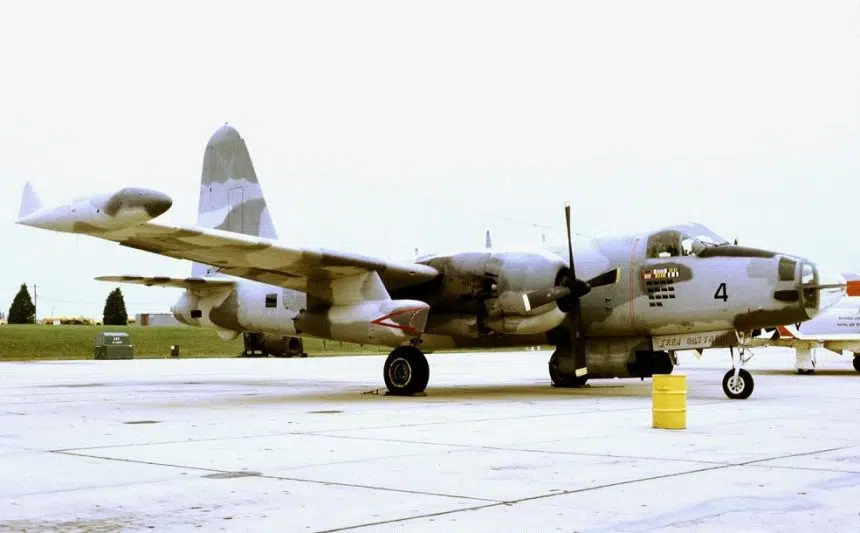

Heavy Attack Squadron 21 (VAH-21), known as the Roadrunners, was a US Navy unit that operated for a short period during the Vietnam War. The squadron was based at Naval Station Sangley Point in the Philippines and used modified Lockheed P-2 Neptune aircraft. These planes had special electronic equipment to find and disrupt enemy supplies moving by land or sea. Although Heavy Attack Squadron 21 existed for less than a year, it demonstrated the Navy’s effort to use aircraft with sensors and surveillance technology for nighttime operations. The Navy created Heavy Attack Squadron 21 on September 1, 1968, as its first squadron focused on night missions using new electronic surveillance equipment. Its main job was to stop enemy supplies moving by land or sea. Rather than relying only on traditional bombing, the squadron aimed to use its sensors to detect and track movement at night and disrupt enemy supply lines. VAH-21 operated a specialized version of the Lockheed P-2 Neptune called the AP-2H. Only four aircraft were converted to this type, all from existing SP-2H Neptune models.
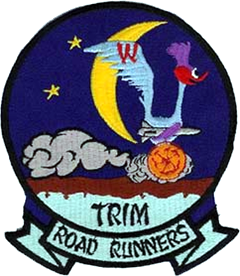
The modifications shifted the aircraft from standard maritime patrol to a platform capable of nighttime surveillance using electronic equipment. This gave Heavy Attack Squadron 21 special capabilities different from the regular missions of standard Neptune squadrons. Soon after the squadron was formed, a VAH-21 team was sent to a Navy facility near Cam Ranh Air Base in South Vietnam. The team previously worked as part of the Naval Air Test Center Project TRIM. TRIM, which stood for Trials Roads Interdiction Multi-sensor, focused on using multiple sensors to track activity on roads and trails. When the team joined Heavy Attack Squadron 21, it brought this experimental surveillance and interdiction ability to an operational squadron. Their mission was to spot logistics movements and help stop the flow of supplies, especially at night when regular observation was harder. Heavy Attack Squadron 21’s time was short, and the squadron was disbanded on June 16, 1969, less than 10 months later. Read more Squadron Histories articles HERE.