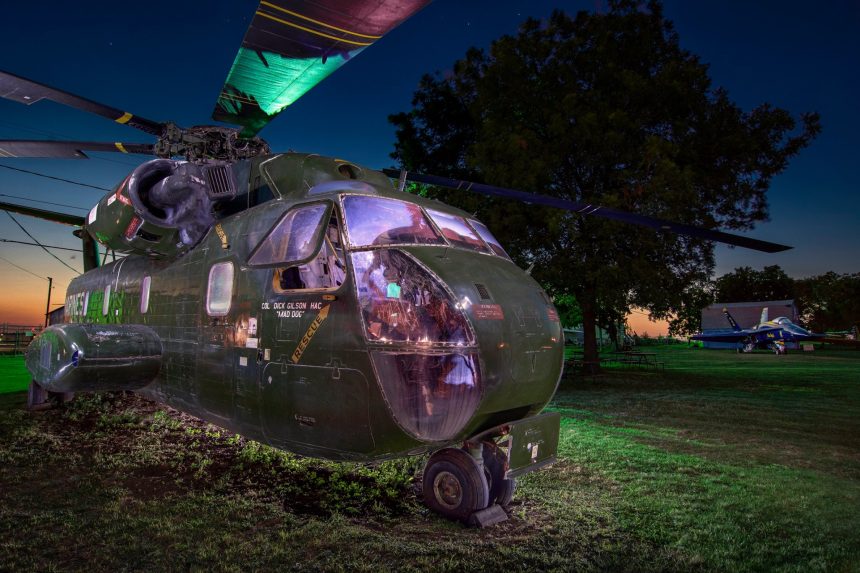

The Fort Worth Aviation Museum has launched an initiative to restore two of its most significant aircraft: the Sikorsky CH-53A/D Sea Stallion, known as “Patches,” and the Hawker-Siddeley AV-8A Harrier “Jump Jet.” Both aircraft, which have served with distinction in U.S. Marine Corps history, now face pressing preservation needs due to years of exposure to sun and salt air. The museum is seeking to raise $20,000 to fund essential cleaning, corrosion repairs, and paint restoration to ensure these historic machines remain accessible to future generations. You can donate at this link.
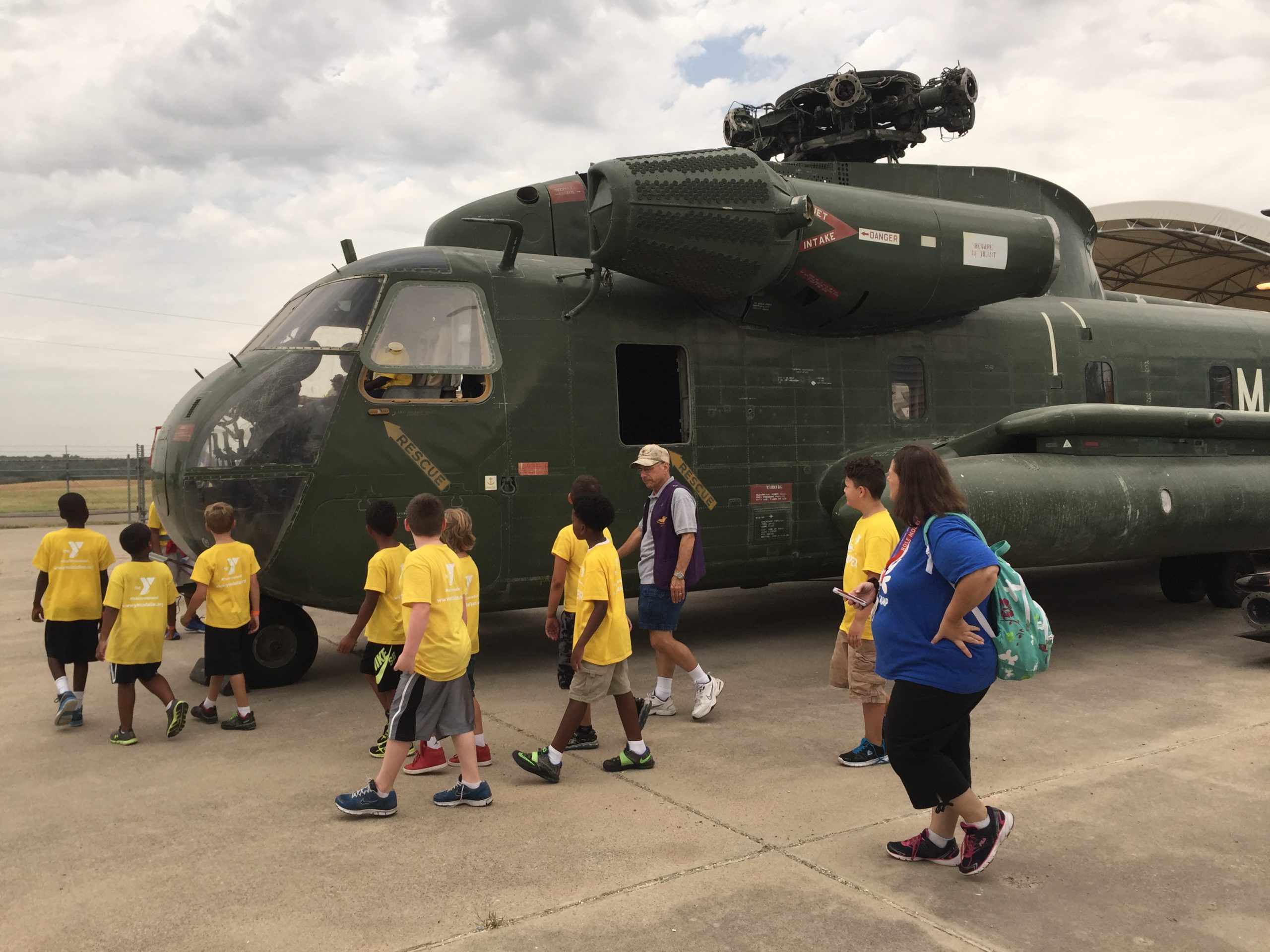
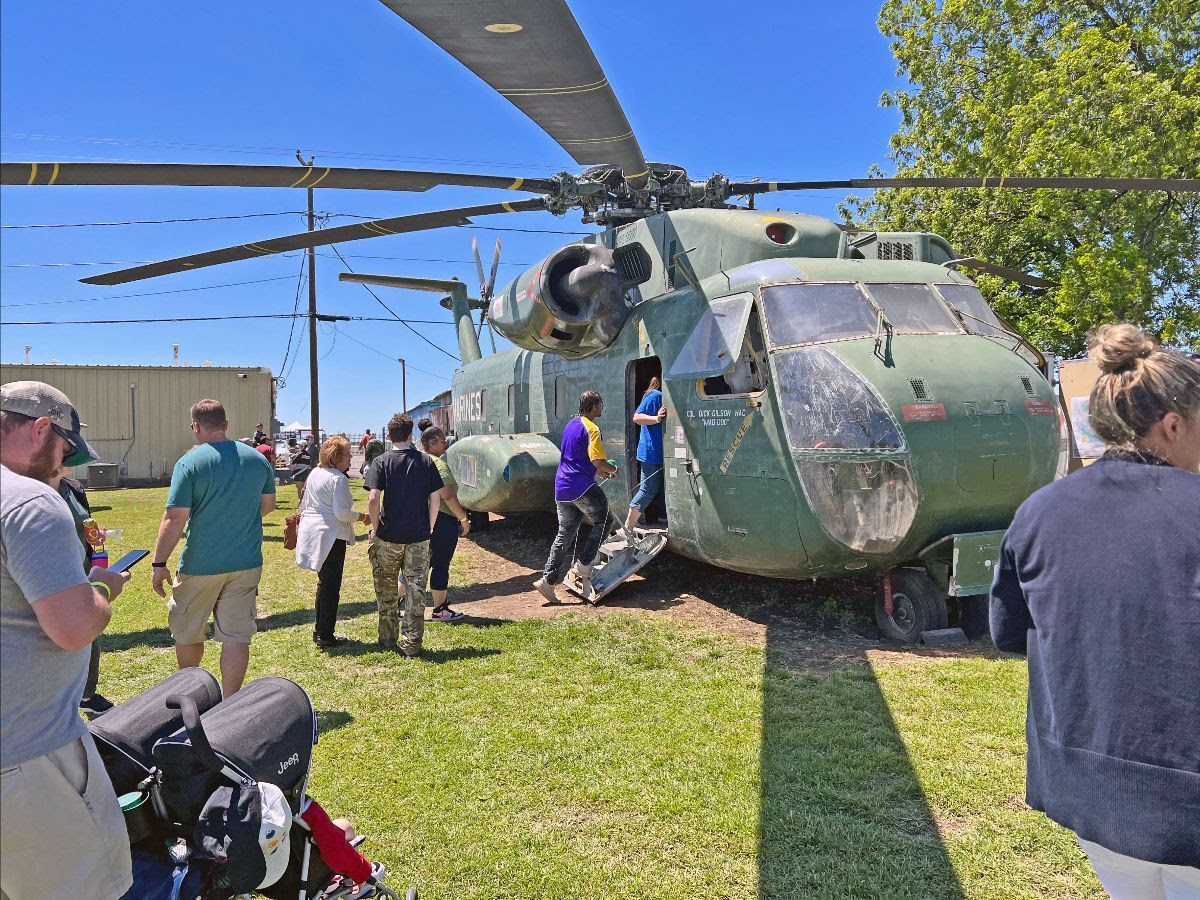
The CH-53 Sea Stallion, built by Sikorsky Aircraft in Stratford, Connecticut, rolled off the assembly line in 1967. Accepted by the Naval Plant Representative Office on June 29 of that year, the helicopter was assigned Bureau Number 153715 and Sikorsky Serial Number 65-105. Nicknamed “Patches,” the aircraft is a combat veteran of the Vietnam War and later served as a training platform for generations of Marines.
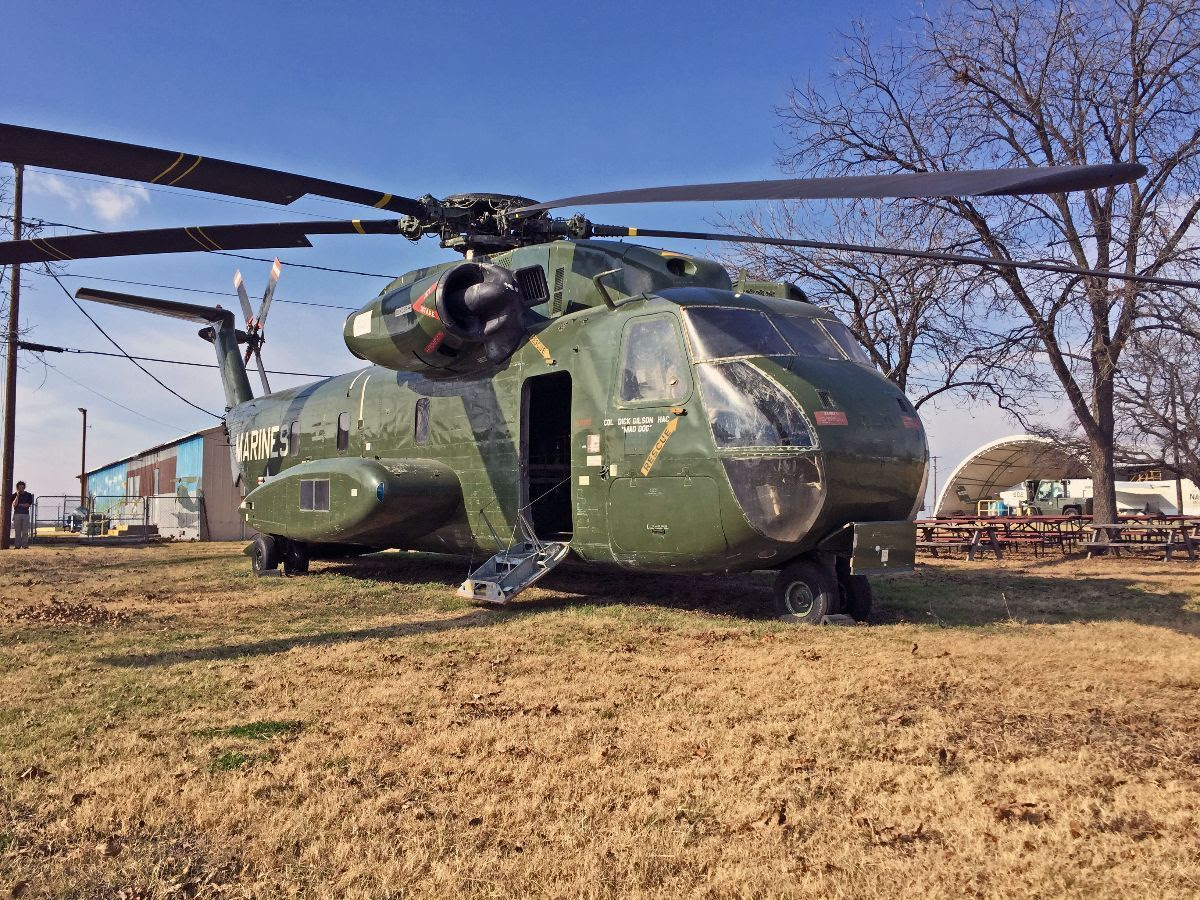
Initially assigned to Marine Heavy Helicopter Squadron 462, the “Heavy Haulers,” the aircraft was deployed to Vietnam in 1968 and operated with Headquarters and Maintenance Squadron 16 at Marble Mountain Air Facility near Da Nang. Later that year, it was transferred to Marine Heavy Helicopter Squadron 463, “Pegasus.” During its service, “Patches” endured multiple enemy rocket attacks, one of which left visible shrapnel scars across its fuselage. The field repairs applied during this period earned the helicopter its enduring nickname, painted in red just forward of the starboard hatch.
Following Vietnam, the aircraft rotated through several Marine units before being placed in deep preservation at Davis-Monthan AFB in 1974. It was later reactivated for use as a training aid at the Naval Air Technical Training Center in Millington, Tennessee, where modifications upgraded it to CH-53D configuration. The Sea Stallion eventually entered museum care, arriving in Fort Worth in 2013 on loan from the National Naval Aviation Museum in Pensacola, Florida.
The museum’s AV-8A Harrier has an equally distinguished past. Constructed at the Hawker-Siddeley factory in England in 1970, it first flew on February 16, 1971, before being delivered to the Royal Air Force as XW647. Shortly thereafter, it was transferred to the United States Marine Corps, receiving Bureau Number 158387. As one of the first four Harriers acquired by the Marine Corps, the aircraft served with multiple squadrons, including VMA-513 and VMA-231, and underwent several redesignations and upgrades during its career, including conversion to AV-8C configuration.
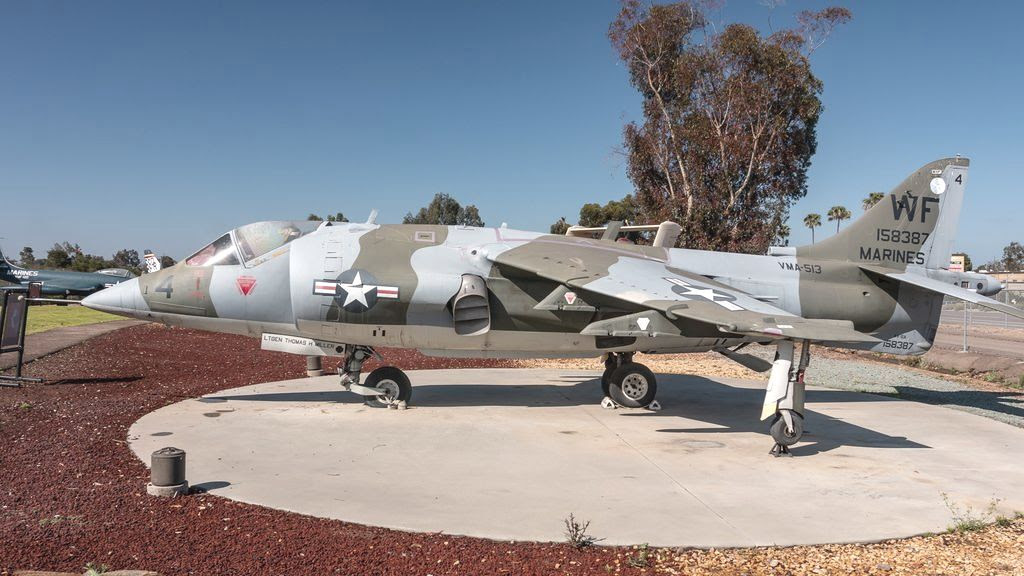
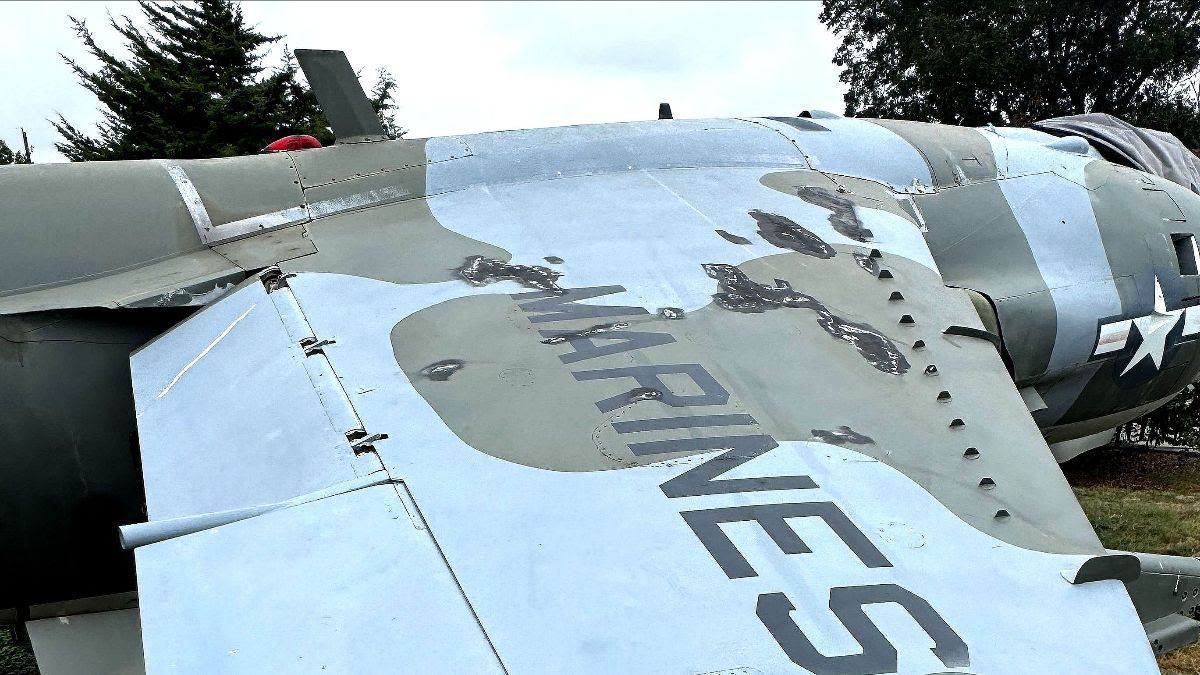
In the 1980s, the jet was also operated by NASA, registered as N719NA, and later displayed at NASA’s Ames Exploration Center in California. Following its NASA service, the aircraft appeared at several aviation museums, including the Flying Leatherneck Aviation Museum, before being relocated to Texas in 2021. Like the Sea Stallion, it remains on loan from the National Naval Aviation Museum.
Today, both aircraft stand as tangible reminders of Marine Corps innovation and sacrifice, but their condition requires immediate intervention. With public support, the Fort Worth Aviation Museum hopes to return “Patches” and the “Jump Jet” to their former glory, preserving their legacy for years to come. To place a donation, click HERE. For more information about the Fort Worth Aviation Museum, visit www.fortworthaviationmuseum.com

(Image credit: Fort Worth Aviation Museum)