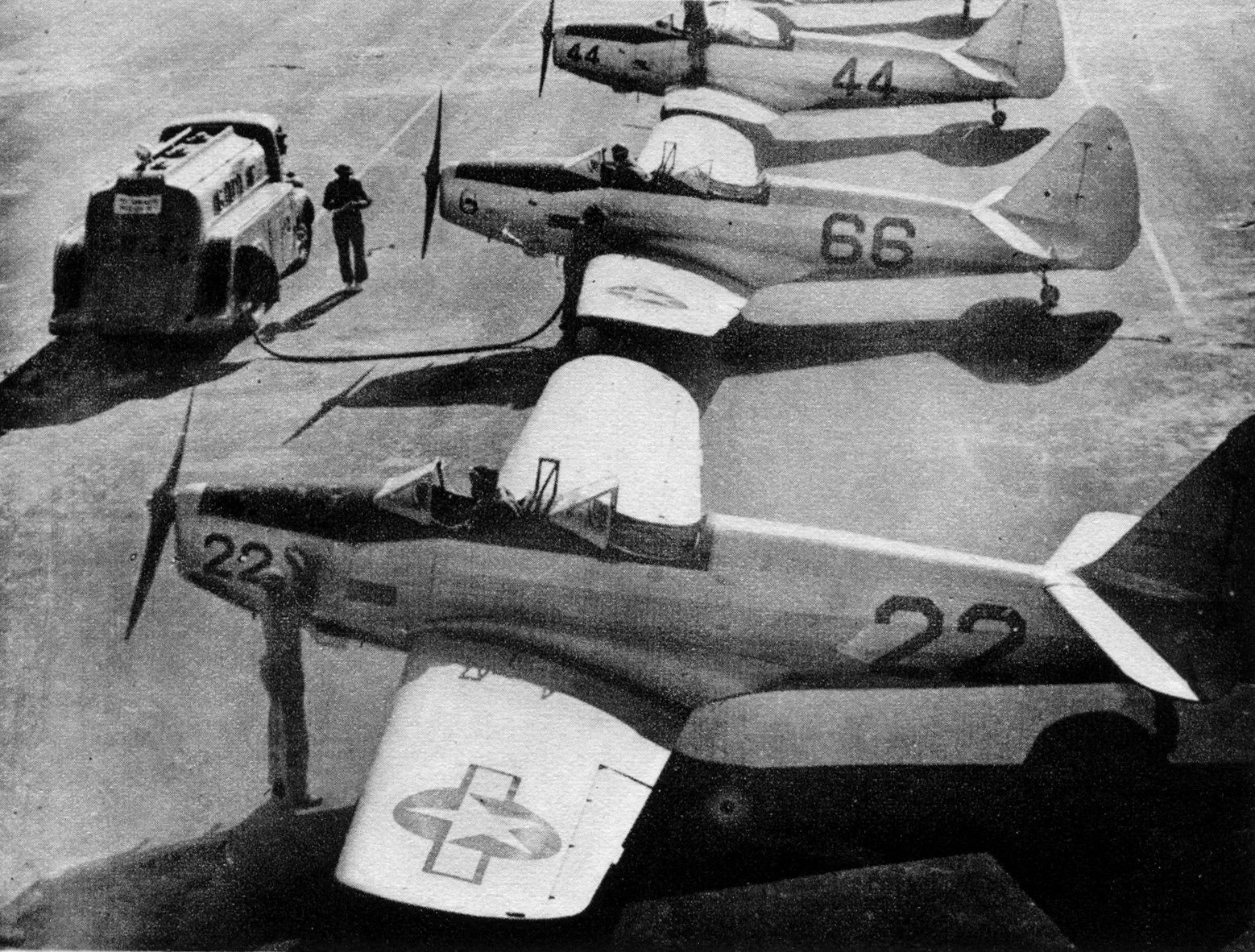
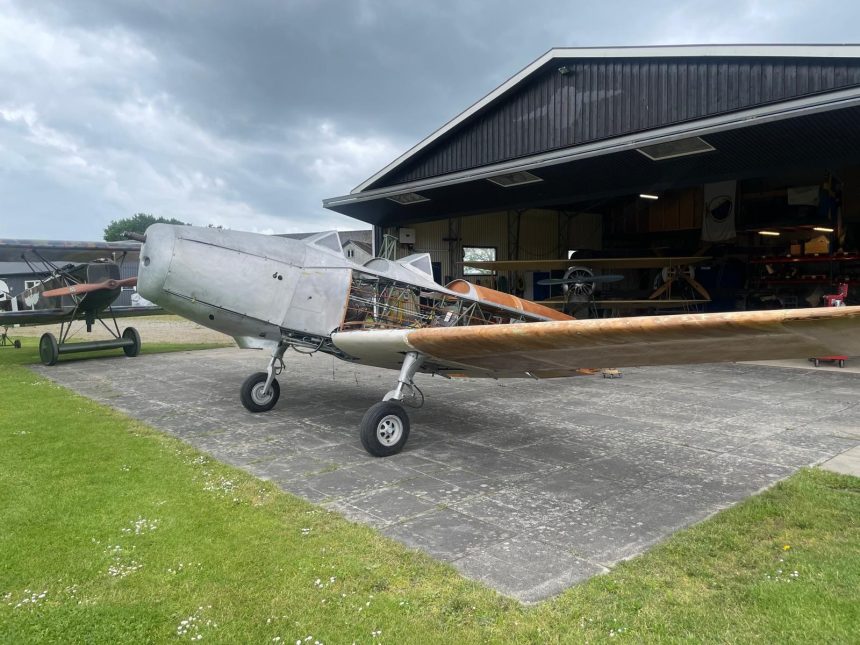

The American Heritage Museum, in Hudson, MA, is restoring a Fairchild PT-19A Recruit (serial number 43-31512), one of only two known surviving examples that trained Tuskegee Airmen during World War II. The CAF Airbase Georgia operates the second airframe (Click HERE to read our article). Built by Aeronca and delivered to the U.S. Army Air Forces in February 1944, the aircraft was assigned to Moton Field at Tuskegee just days later. Its unique history likely includes flights by both WASPs and Tuskegee pilots. Now undergoing a meticulous, factory-fresh restoration in Sweden by master craftsman Mikael Carlson, the PT-19A is expected to return to the U.S. in 2026 as a rare flying tribute to the legacy of America’s pioneering African-American airmen.
“This was a brand-new airplane that went straight to Moton Field,” explains American Heritage Museum’s president Rob Collings. “You kind of have this impression that the Tuskegee Airmen only got hand-me-downs, but they didn’t. The irony is, it was probably delivered by a WASP, and then stayed in the Tuskegee squadron. So this aircraft might’ve only ever been flown by minorities—WASPs and Tuskegee Airmen. That makes its history pretty remarkable.”
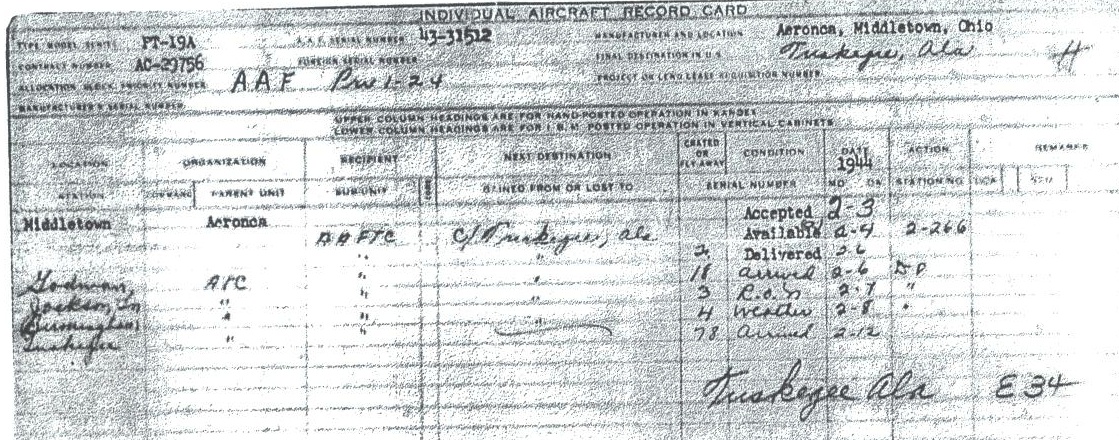
The PT-19A passed through several hands after the war, but its Tuskegee connection makes it a singular survivor. Recognizing its importance, the AHM committed to a full, 100-point restoration to factory-fresh condition. The project began at Century Aviation and later moved to American Aero Services in Florida. In 2024, leadership decided to ship the aircraft to Sweden, entrusting the work to master restorer Mikael Carlson—renowned for his craftsmanship in wood and fabric, demonstrated most recently on AHM’s original Nieuport 28.
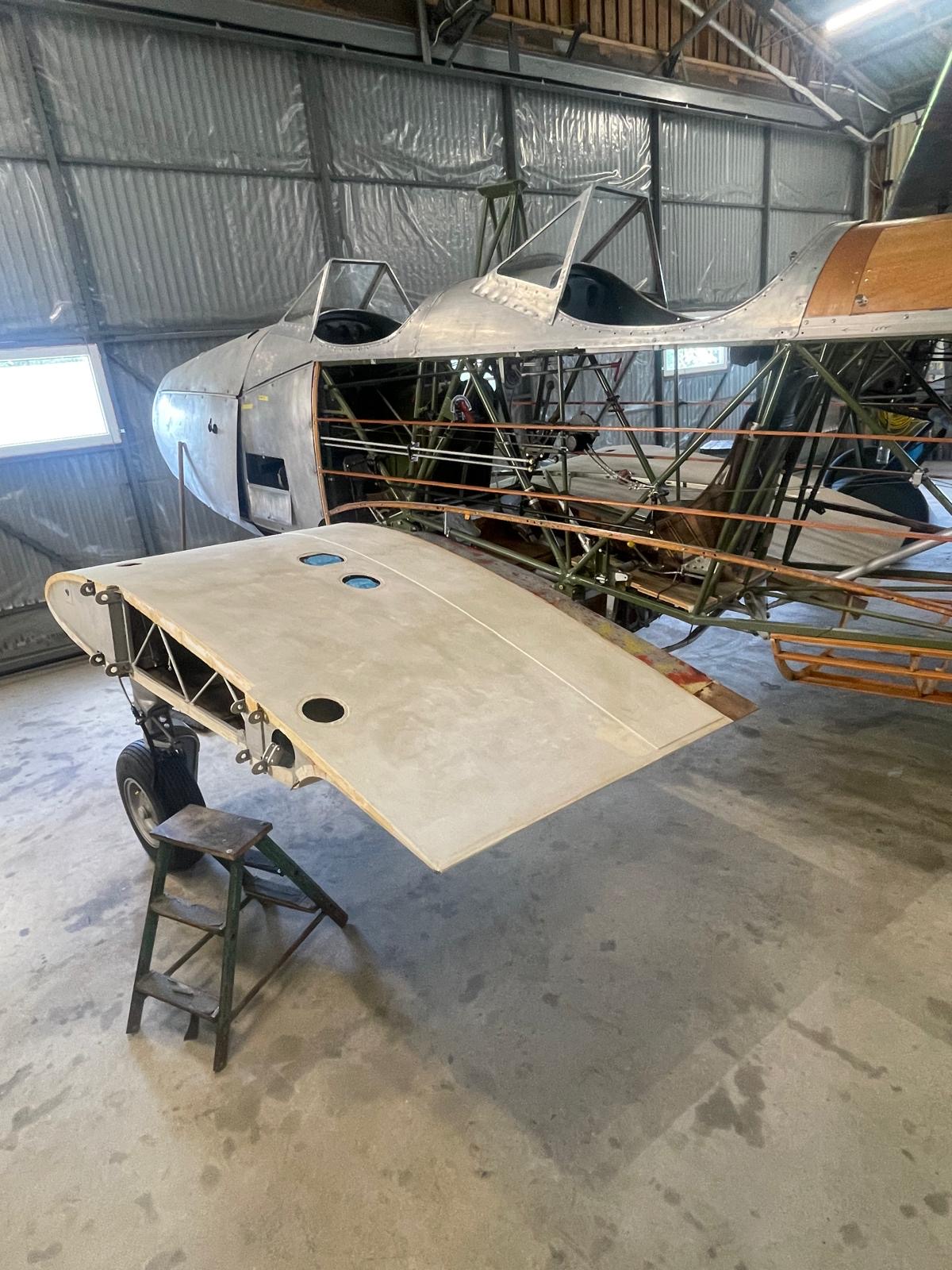
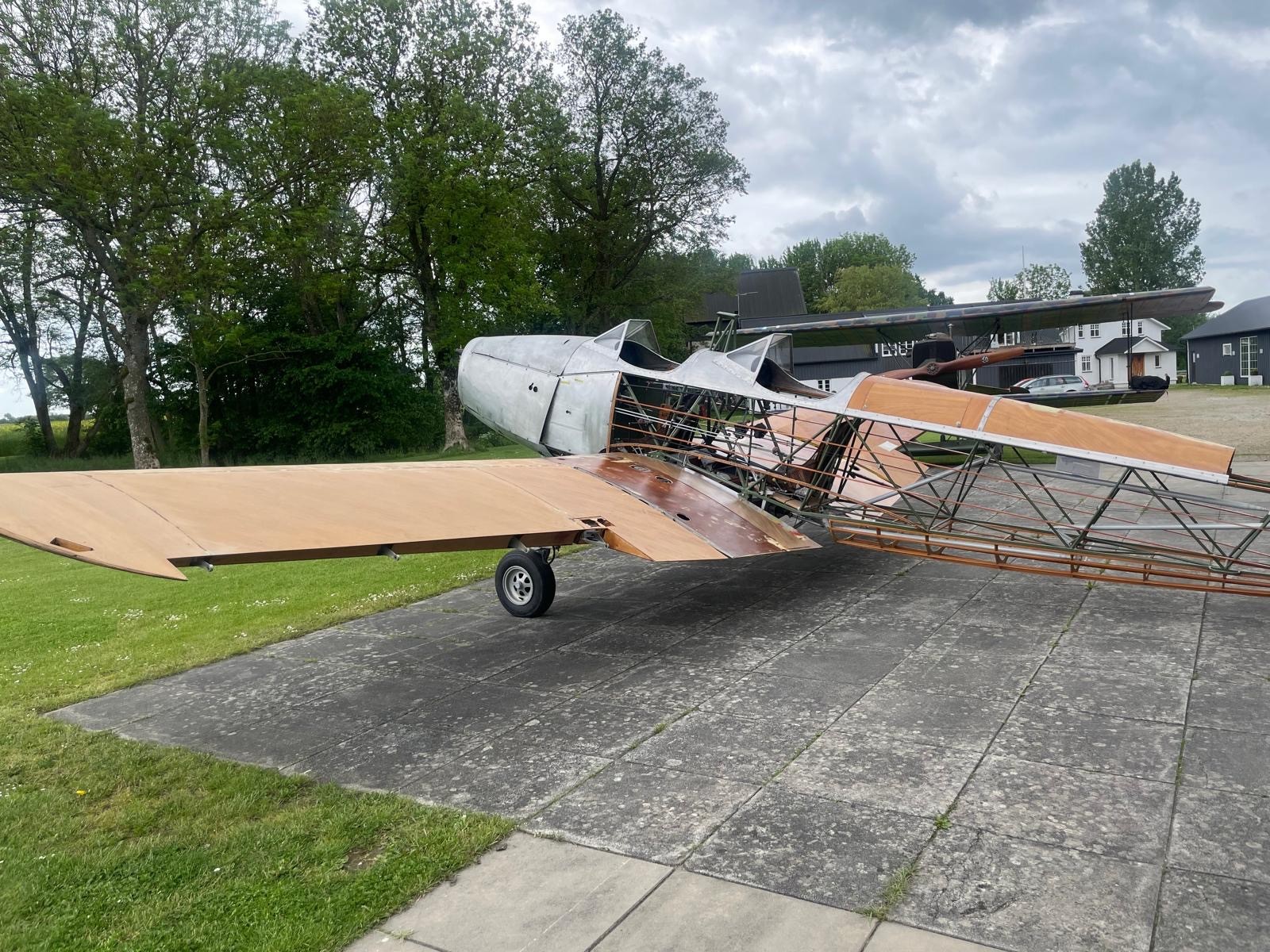
“We always knew this wasn’t going to be just another flying PT-19,” says Collings. “It had to be restored exactly as it was when it trained Tuskegee pilots. Mikael was the logical choice. He’s already finished the mahogany veneer woodwork and applied Grade A cotton fabric, exactly as it was originally. It’s beautiful before it even gets painted.” Since its arrival in Sebbarp, Sweden, progress has accelerated. The wings and control surfaces have been fabricated, covered, and test-fitted. Carlson has turned his focus to the fuselage, which will soon receive its own covering. He projects completion by summer 2026, with the aircraft returning to the U.S. in the fall.
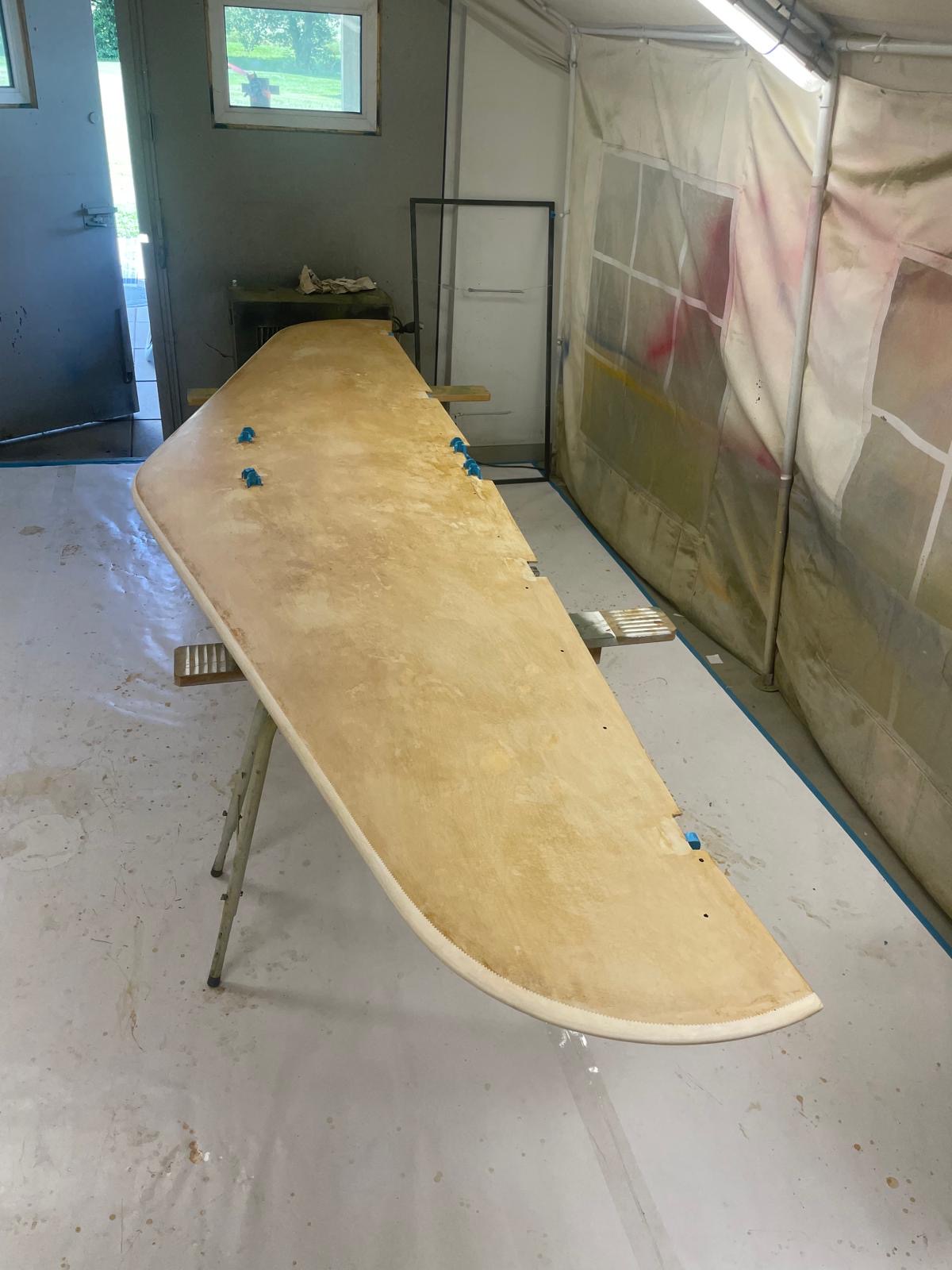
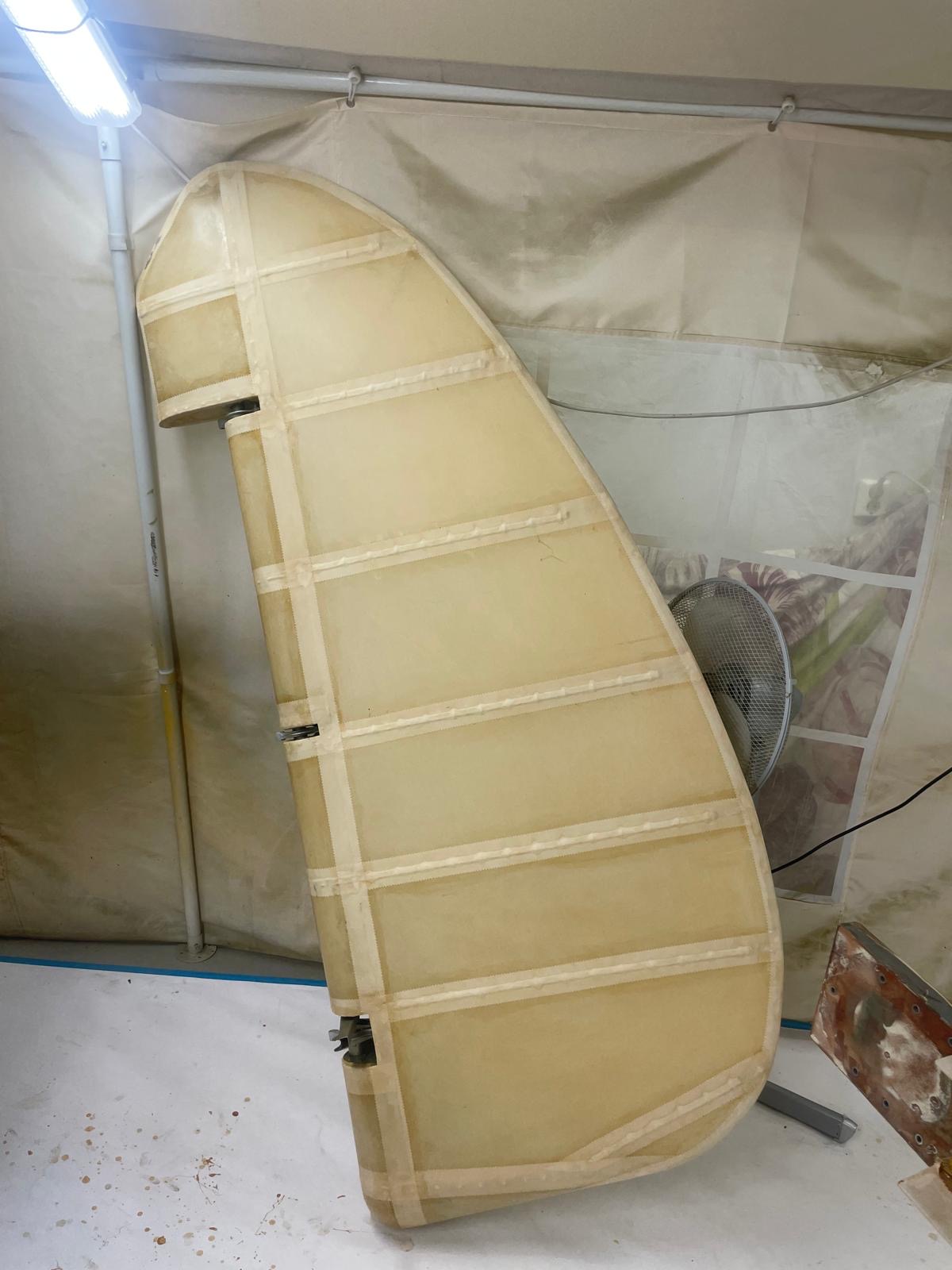
When finished, the PT-19A will be the only airworthy trainer with documented Tuskegee service—a flying tribute to the pioneering African-American pilots who overcame racism and prejudice to become one of World War II’s most respected fighter groups. “Our goal is to make this the most historically accurate PT-19 in existence,” Collings adds. “And when it’s flying again, it won’t just represent an airplane—it will carry forward the story of the Tuskegee Airmen for future generations.” For more information and to support this restoration, visit www.americanheritagemuseum.org.