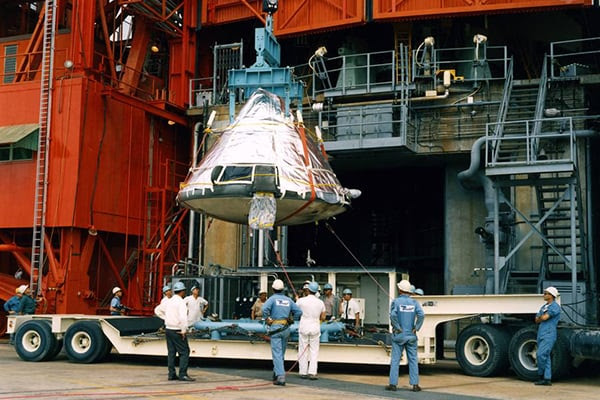

Each year, on the last Thursday of January, NASA observes its Day of Remembrance in honor of the astronauts and astronaut candidates who lost their lives in the pursuit of space exploration. From January 10 through February 5, The Museum of Flight, Seattle, WA, will mark the occasion with special displays and a video presentation in the Charles Simonyi Space Gallery. The exhibit reflects on the Apollo 1 crew and the crews of space shuttles Challenger and Columbia, remembering the missions and lives lost on January 27, 1967, January 28, 1986, and February 1, 2003.
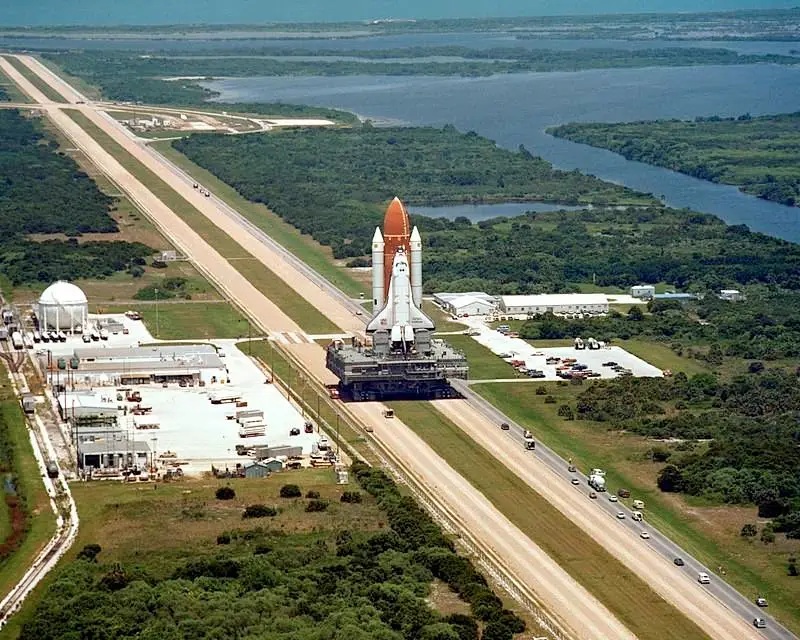
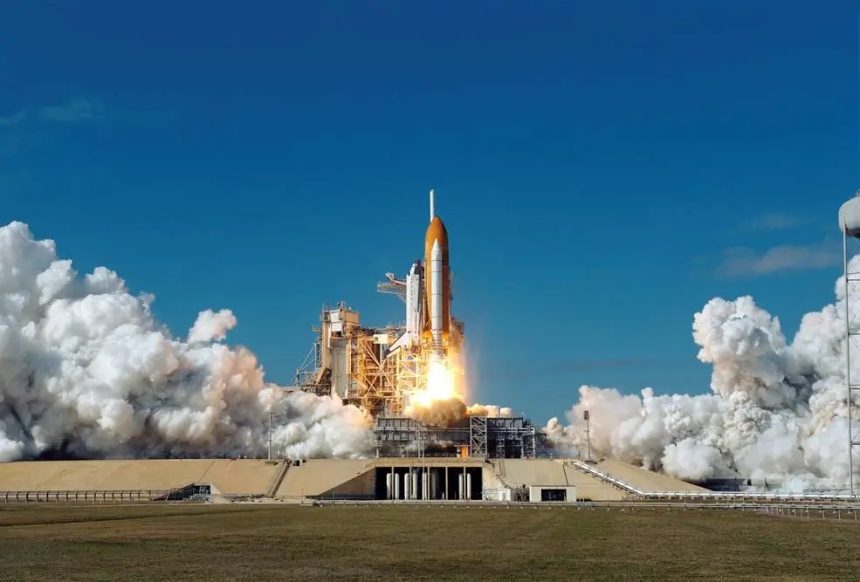
Apollo 1, Challenger, and Columbia are three missions that ended in tragedy for NASA. Apollo 1 was lost on January 27, 1967, during a ground test when a fire broke out inside the capsule, killing astronauts Gus Grissom, Ed White, and Roger Chaffee. The cabin was filled with pure oxygen, and the crew could not escape. On January 28, 1986, Space Shuttle Challenger broke apart shortly after launch when a seal in one of its solid rocket boosters failed in cold weather, leading to the loss of all seven astronauts, including schoolteacher Christa McAuliffe. Years later, on February 1, 2003, Space Shuttle Columbia was destroyed during re-entry after damage to its heat shield, caused by falling foam at launch, allowed hot air to tear into the wing. In each case, the accidents led to major changes in how spacecraft were built, tested, and flown. Each of these failed missions has shaped NASA to strengthen its safety protocols. Remembering the fallen heroes is how NASA honors those who risked everything to explore beyond Earth. For more information and to support The Museum of Flight, click on this link: www.museumofflight.org.