







By Grant Newman
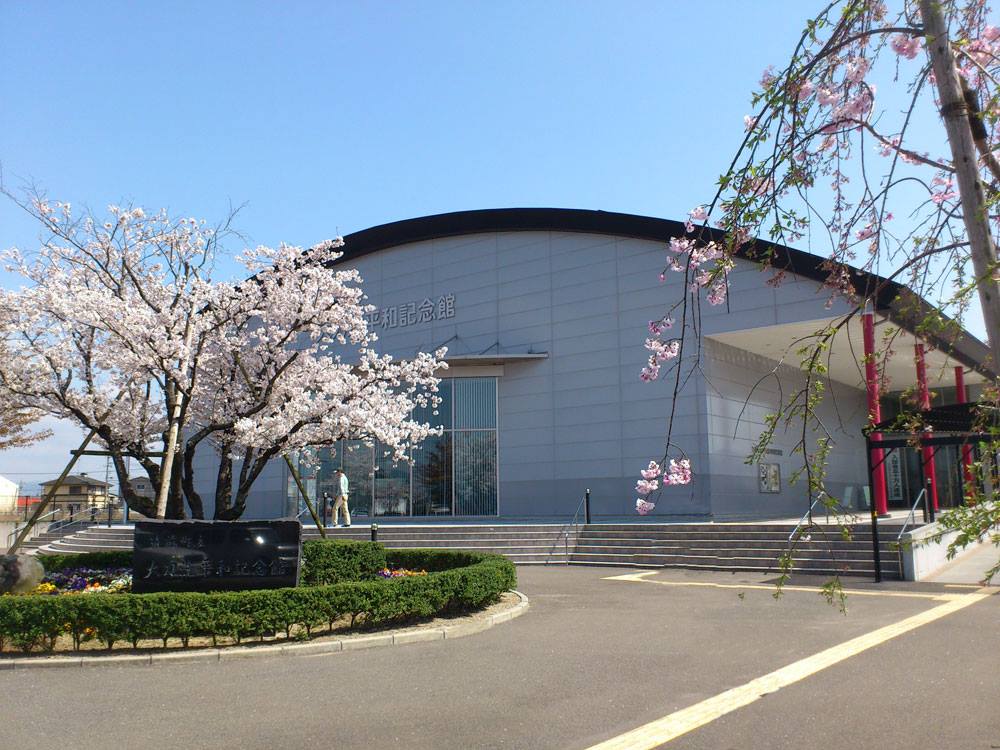
Located in rural Fukuoka Prefecture, between the quiet communities of Chikuzen and Tachiarai, the Tachiarai Peace Memorial Museum houses only a handful of aircraft—but each is significant. The more than one-hour journey on small, rattling local trains from Fukuoka City is well worth the effort. Situated on the site of a wartime airfield once used by suicide pilots, the museum presents this somber chapter of Japan’s aviation history through compelling exhibits housed in a spacious, open hall.
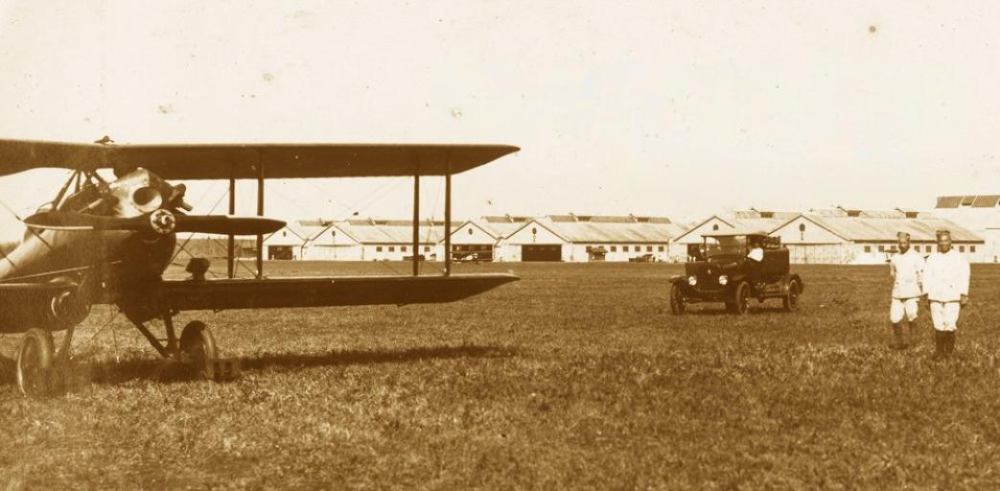
Tachiarai Airfield was established in 1919 as just the fourth aircraft landing ground built for Imperial Japanese Army use. Extensive construction followed, including at least ten hangars and numerous training facilities. In its early years, the primary aircraft was the Kawasaki Army Otsu-1, a licence-built Salmson 2A.2 reconnaissance aircraft. With the 4th Air Regiment, trainee airmen learned observation and level bombing techniques.
By the late 1920s, Tachiarai had also become a civilian aviation hub. Japan Air Transport Ltd began operating scheduled passenger services from the airfield in April 1929, using Fokker Super Universal aircraft—later license-built by Nakajima—and nine Fokker F.VIIb/3m tri-motor airliners. Daily routes connected Tachiarai with Fukuoka, Osaka, and Tokyo, while weekly international flights served Seoul, Pyongyang, and Dalian. A domestic fare of 35 yen was substantial at the time, considering a university graduate’s starting salary averaged only 50 yen. Former military Otsu-1 aircraft were also used for mail delivery, with a round trip to Osaka taking approximately eight hours. Nearby, in Miwa village, the Watanabe Iron Works—under Imperial Japanese Navy direction—established a factory to produce aircraft components and eventually complete aircraft under the Kyūshū Aircraft Company Ltd. In 1937, this facility became the Tachiarai Manufacturing Company Ltd. Unusually, given the rivalry between the army and navy, it supplied both services. By 1943, two production lines were in operation: one building Kokusai Ki-86 primary trainers (license-built Bücker Bü 131 Jungmann biplanes) and Mitsubishi Ki-67 Hiryū twin-engined bombers for the army, and another producing torpedoes for the navy. During the 1930s and early 1940s, Tachiarai expanded into one of East Asia’s largest and busiest airfields. Covering nearly 4 square kilometers, the complex included factories, firing ranges, and training facilities. Aircraft based there included Nakajima Ki-27 fighters, Tachikawa Ki-36 trainers, and Ki-54 transports. Advanced combat training, including live-fire exercises, drew pilots from across the Japanese Empire.
From mid-1944, Tachiarai took on a darker role as a centre for Special Attack Unit training. Aircraft numbers grew, including Mitsubishi A6M Reisen (Zero) fighters, Ki-44 Shoki interceptors, and Ki-84 Hayate fighters. Many of these aircraft, after serving as trainers, were expended in suicide missions. Young pilots from across the Empire were housed with local families before departing on missions from which they would not return. Units formed at Tachiarai—including the 36th, 37th, and 38th Sei Dai Hikotai—first attacked Allied shipping during the Okinawa campaign in March and April 1945. In early 1945, the 4th Sentai deployed Ki-45 Toryū night fighters to Tachiarai to counter B-29 Superfortress raids. Some pilots resorted to Shinten Seiku Tai ramming attacks, deliberately colliding with bombers when interception proved difficult at high altitude. On April 18th, 1945, Lt Mitsuyoshi Yamamoto carried out such an attack, destroying a B-29 before crashing and later dying of his injuries. All eleven crew members aboard the bomber were killed when it crashed near Ogori.
That same month, USAAF XXI Bomber Command targeted Tachiarai in a series of raids. On March 27th, B-29s from the 497th Bombardment Group caused widespread damage. Four nights later, aircraft from the 314th Bomb Wing carried out a devastating follow-up attack, destroying hangars and accommodations and rendering the airfield temporarily unusable. Approximately 1,000 civilians in surrounding towns were killed. With little effective air defense remaining, the 4th Sentai withdrew its aircraft to Itazuke Air Base.
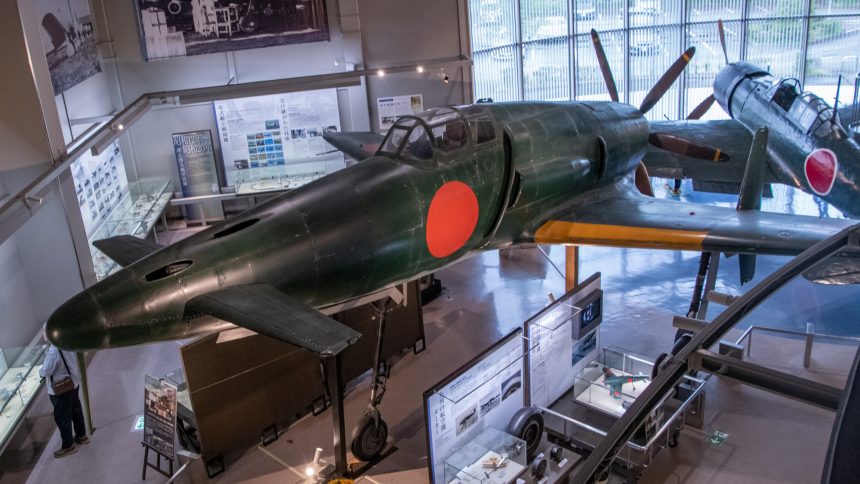
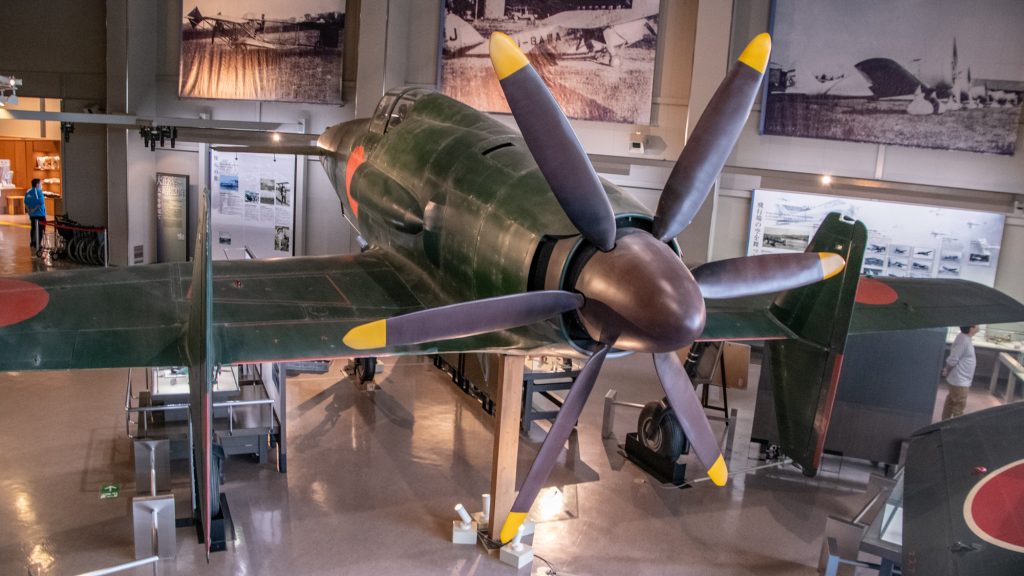
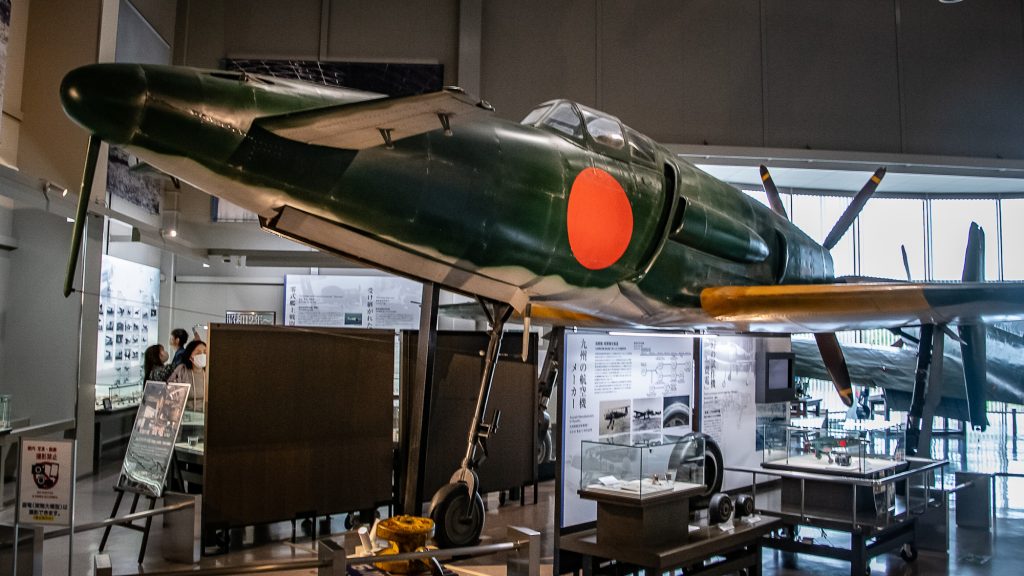
On May 25th, two modified Ki-67 Hiryūs and two Ki-44s departed Tachiarai as part of Operation Kikusui No. 7 under Operation Ten-Go. All eight crew members were lost. The Hiryūs were equipped with massive three-ton explosive charges known as Sakura-Dan, symbolically named after the cherry blossom—a motif associated with the fleeting nature of life and widely adopted by suicide units. In the final weeks of the war, the advanced Kyūshū J7W Shinden interceptor was prepared for flight at Fukuoka. Designed to counter B-29s, it flew only twice in August 1945 under Capt Masaoki Tsuruno. Although it was expected to operate from Tachiarai, it never did so before the war ended.
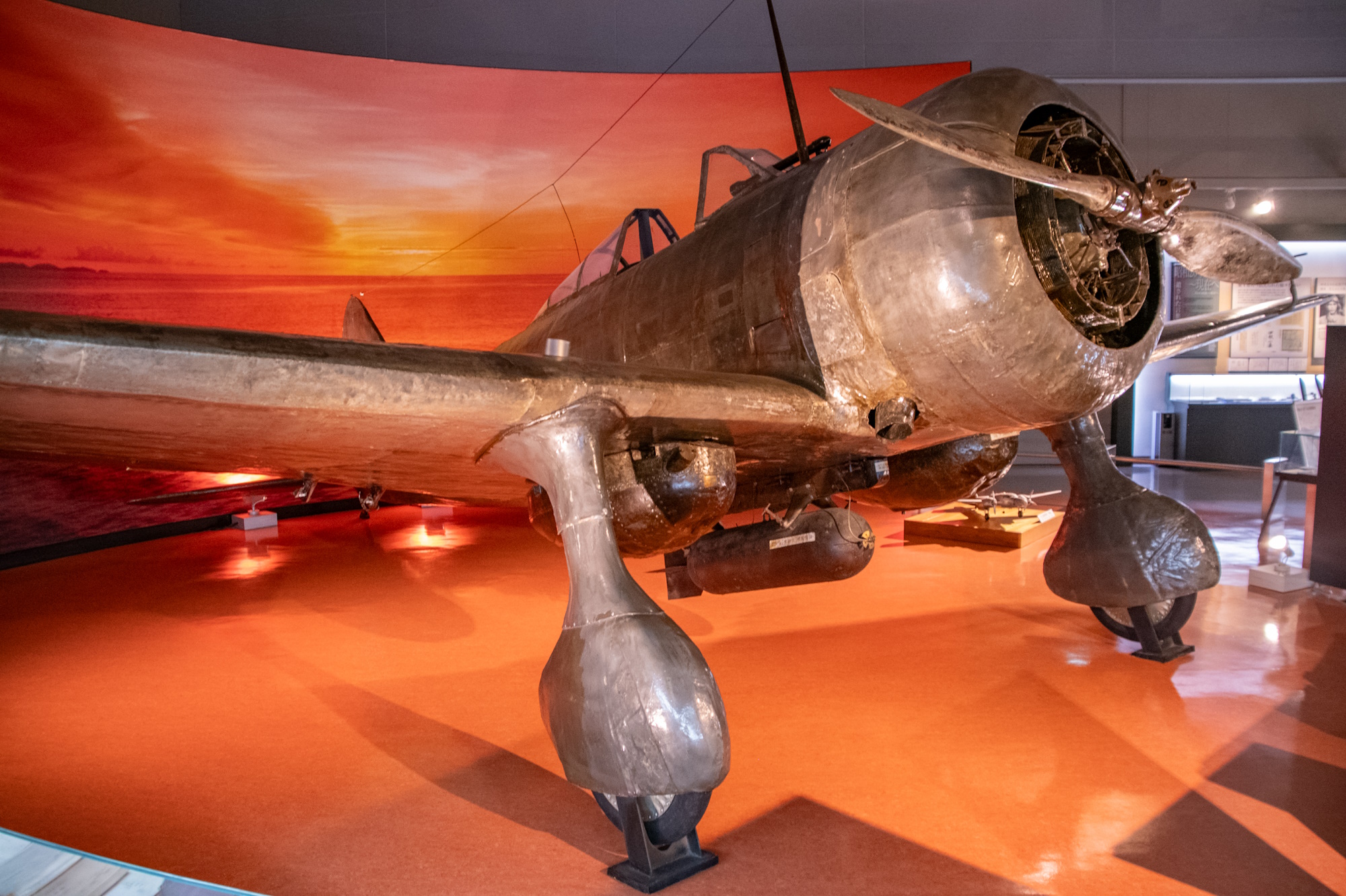
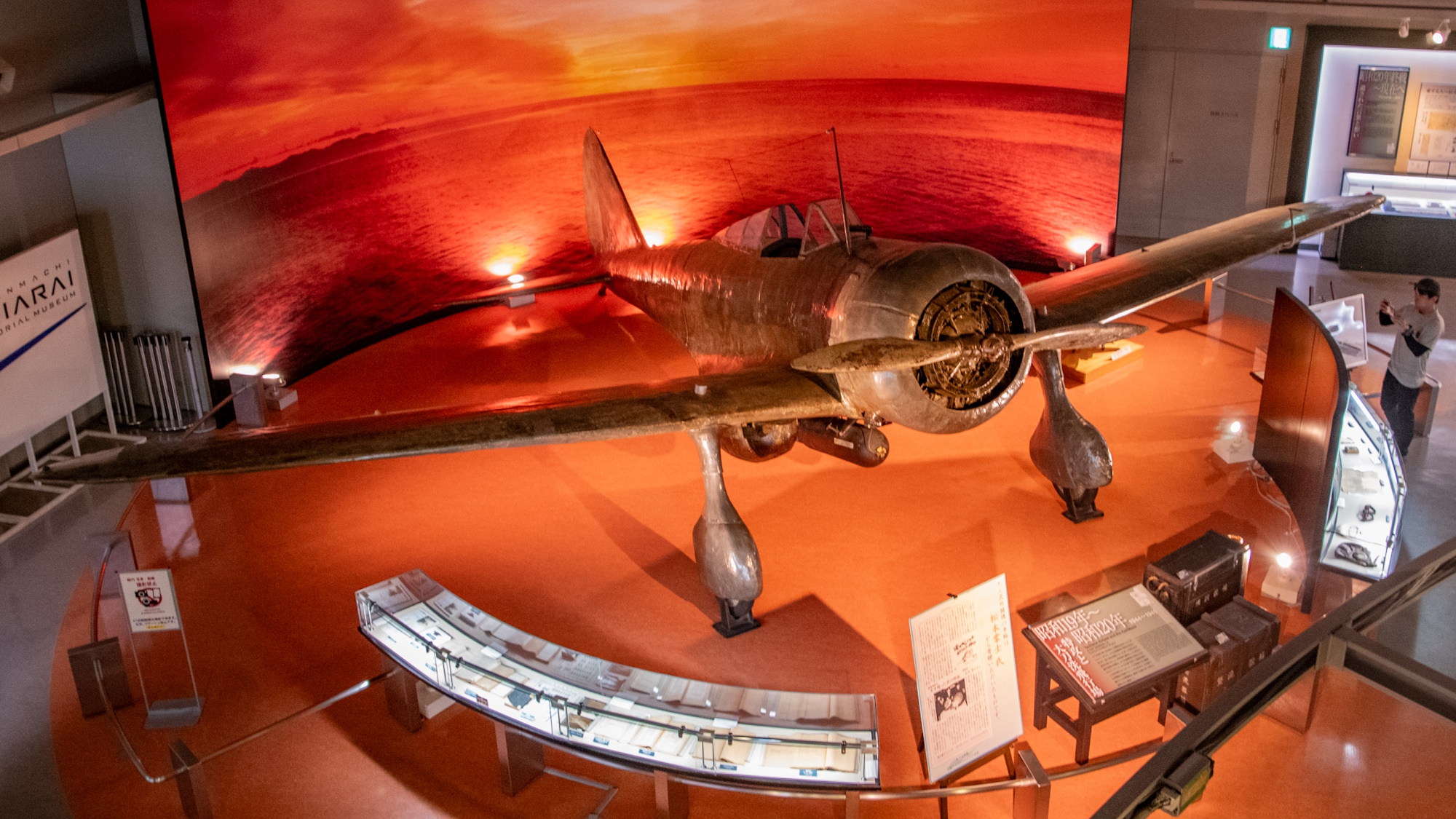
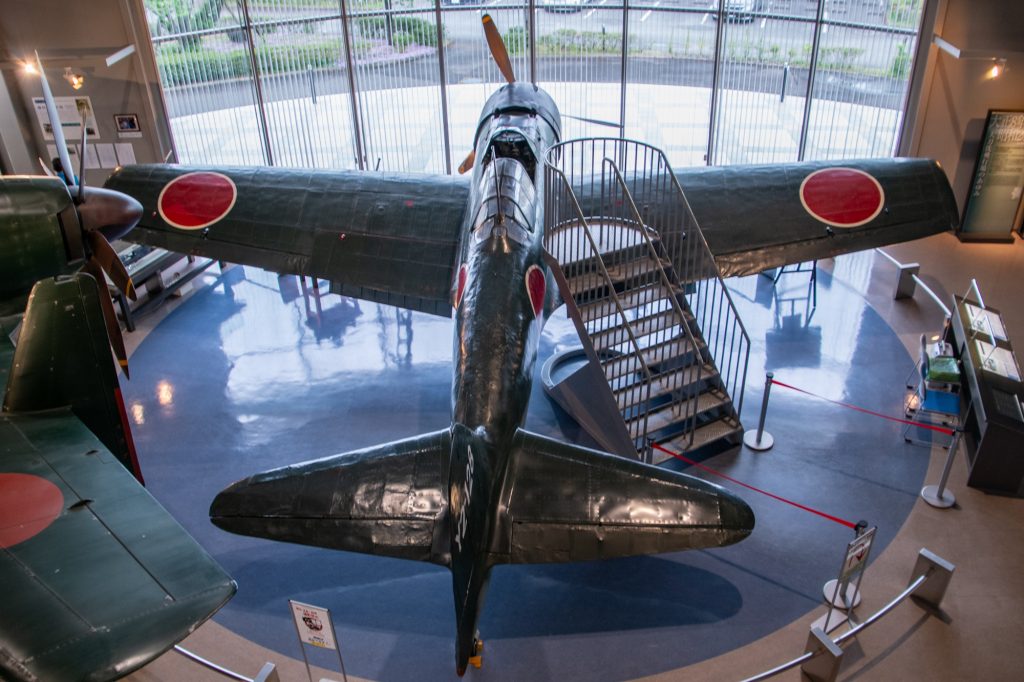
At the time of Japan’s surrender, 24 pilots remained at Tachiarai training for Special Attack missions. After the war, the site was abandoned. Decades later, in 1996, the wreck of a Ki-27 was discovered in Hakata Bay during construction work. Initially thought to have originated from Tachiarai, it was later identified through wartime diaries as the aircraft flown by Lt Toshihiro Watanabe, who ditched it in April 1945 before later being killed in a Kamikaze mission.
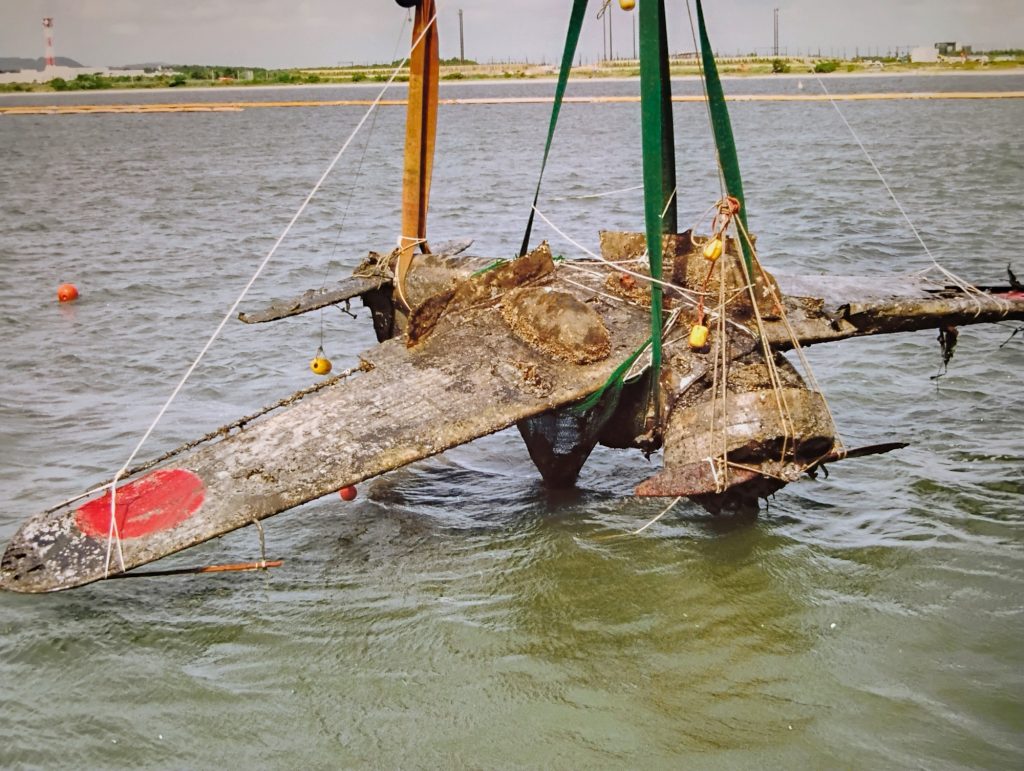
The aircraft’s regular pilot, Cpl Toru Sato, survived the war—an outcome that carried deep personal stigma for a Special Attack pilot. The recovered Ki-27, remarkably well preserved, was eventually restored and displayed locally before becoming a centerpiece of the Tachiarai Peace Memorial Museum when it opened in 2009.
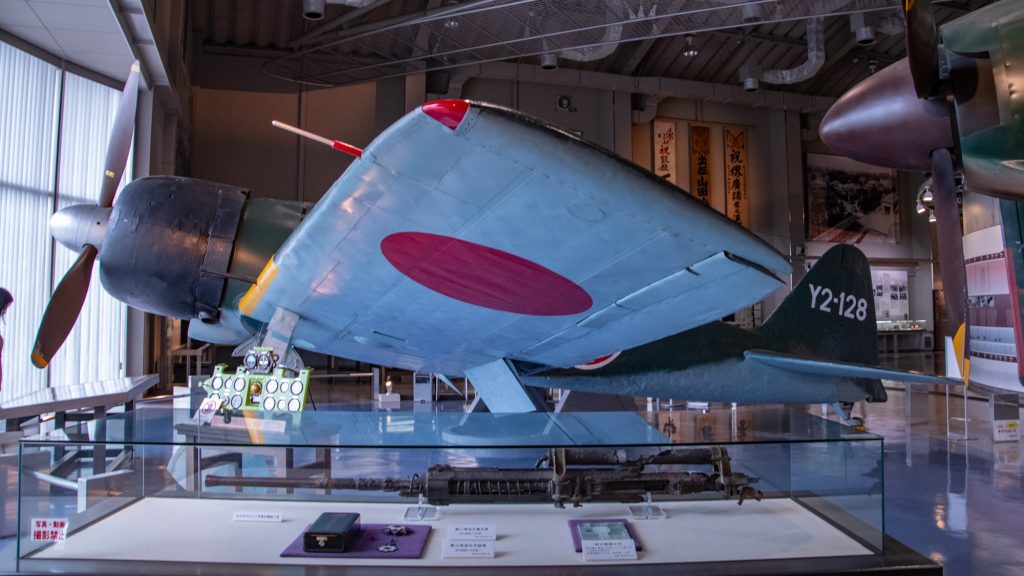
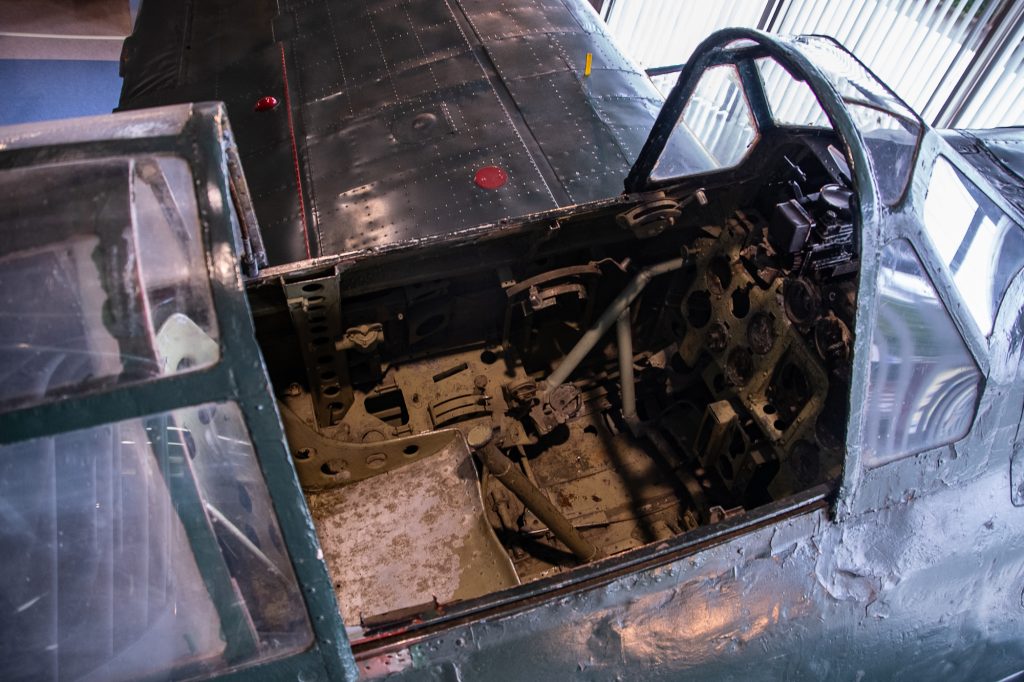
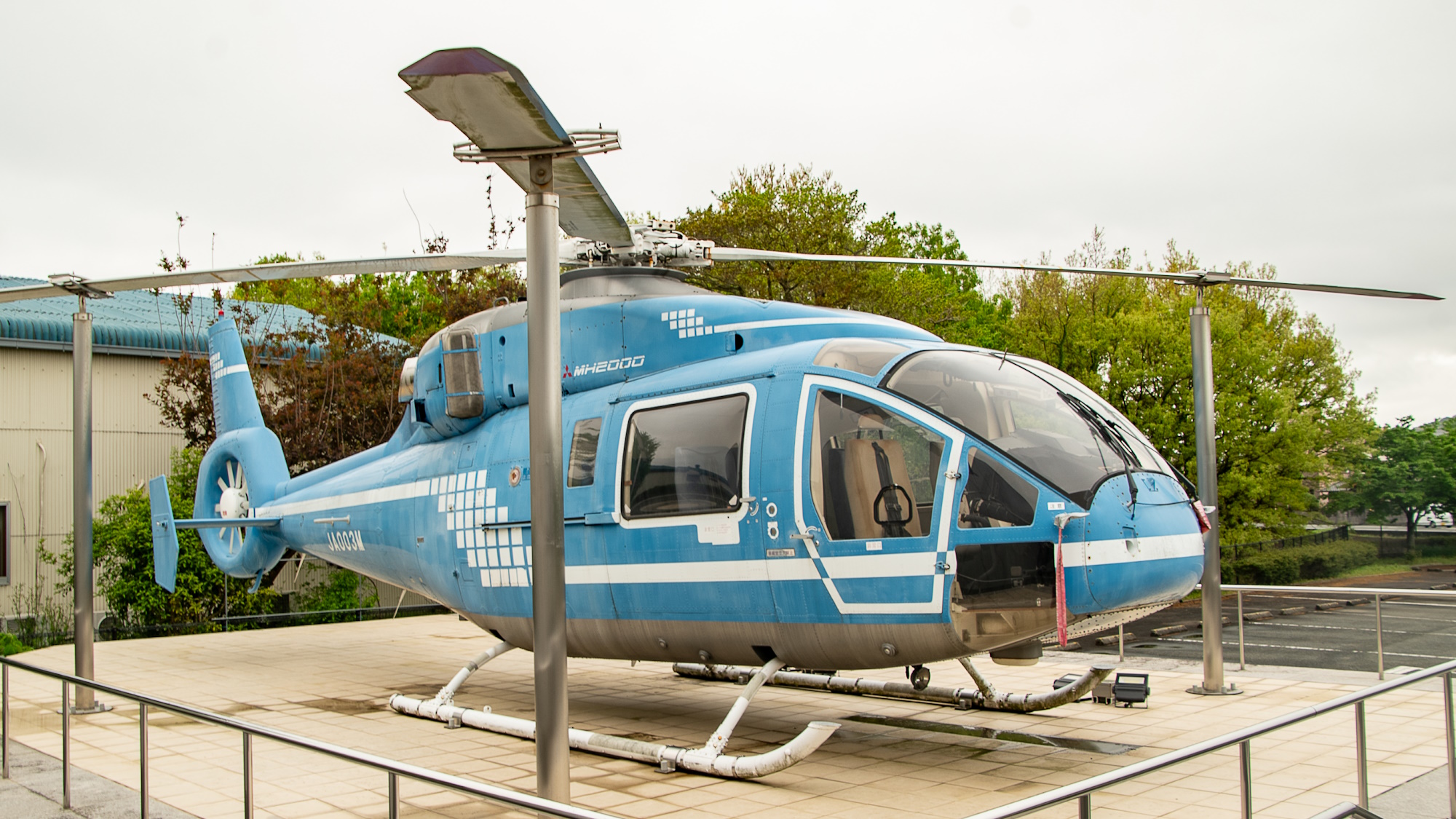
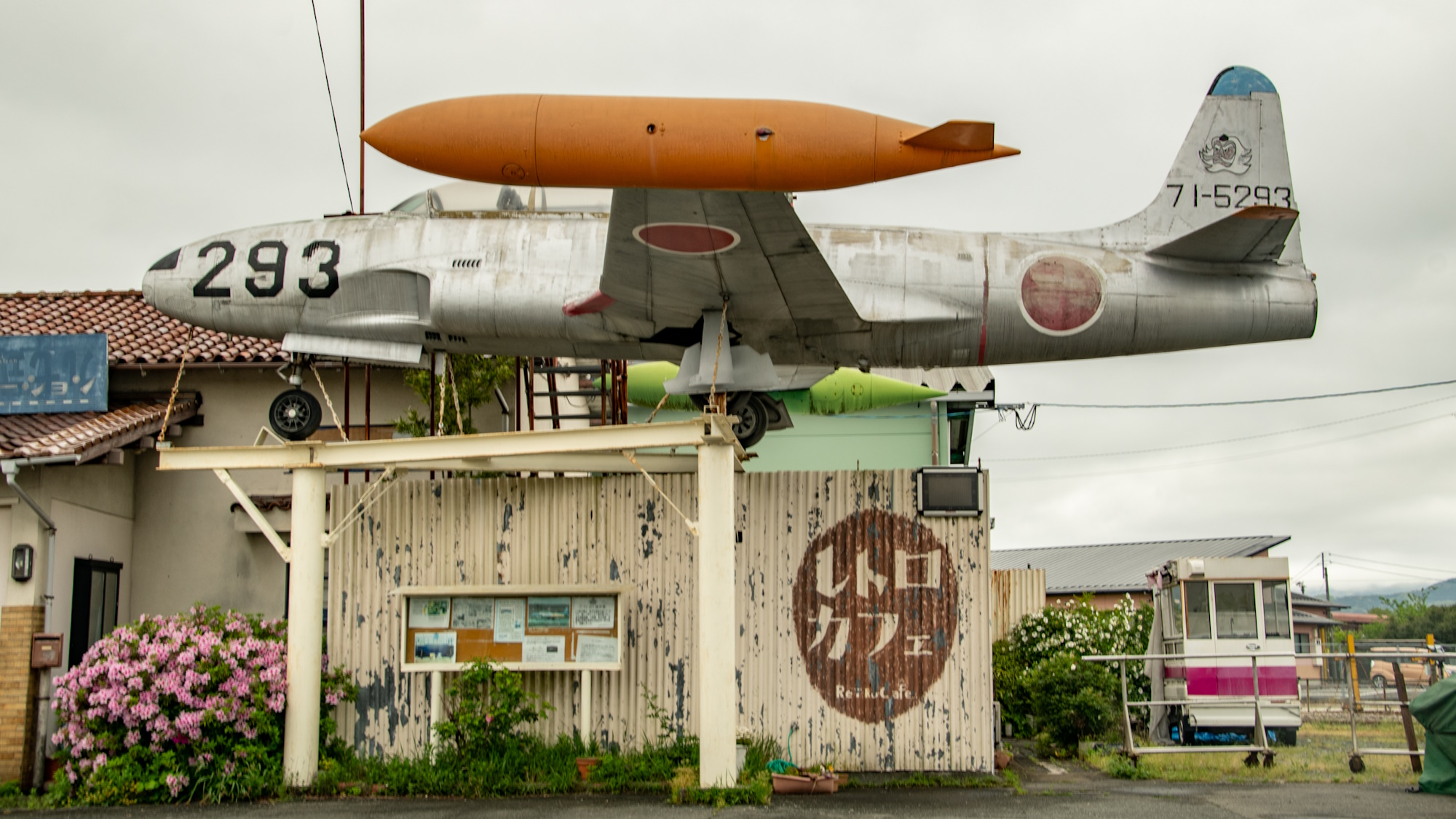
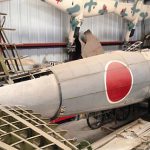
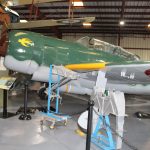
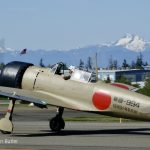
Today, the museum houses around 1,800 artifacts, many donated by families of pilots. Outside stands a Mitsubishi MH-2000 helicopter, while inside, a full-scale replica of the futuristic J7W Shinden—built for the film Godzilla Minus One—dominates the entrance. Nearby is a restored A6M3 Reisen (Zero), assembled from multiple components and modified postwar, with a complex history involving recovery from the Marshall Islands and eventual return to Japan.
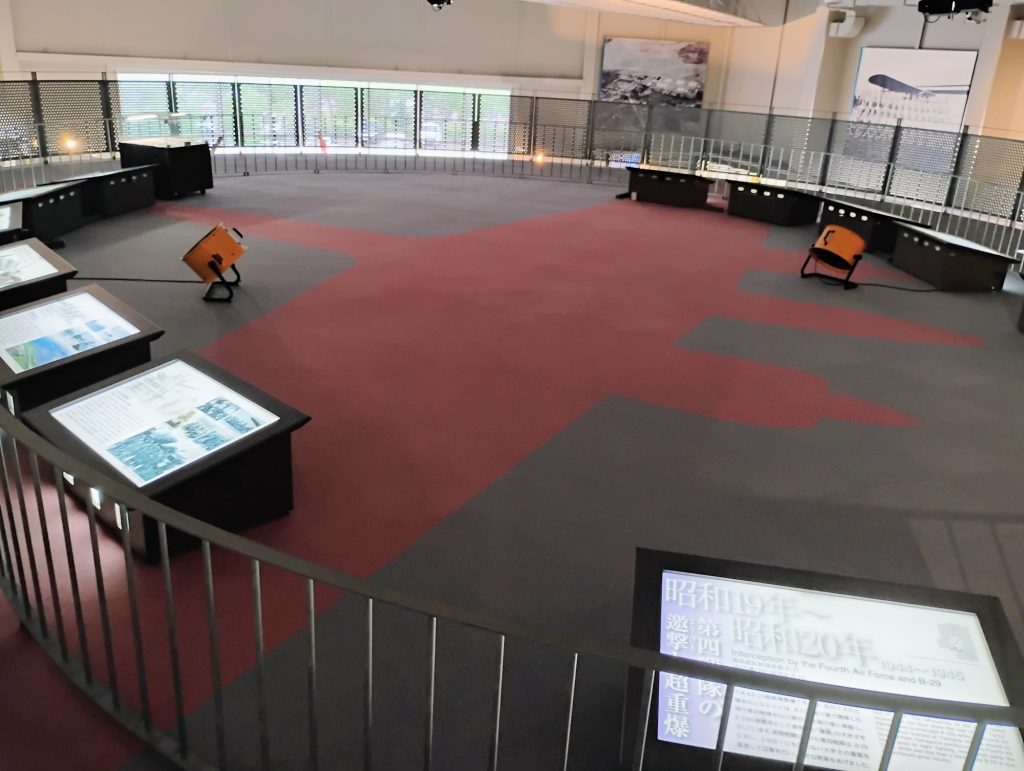
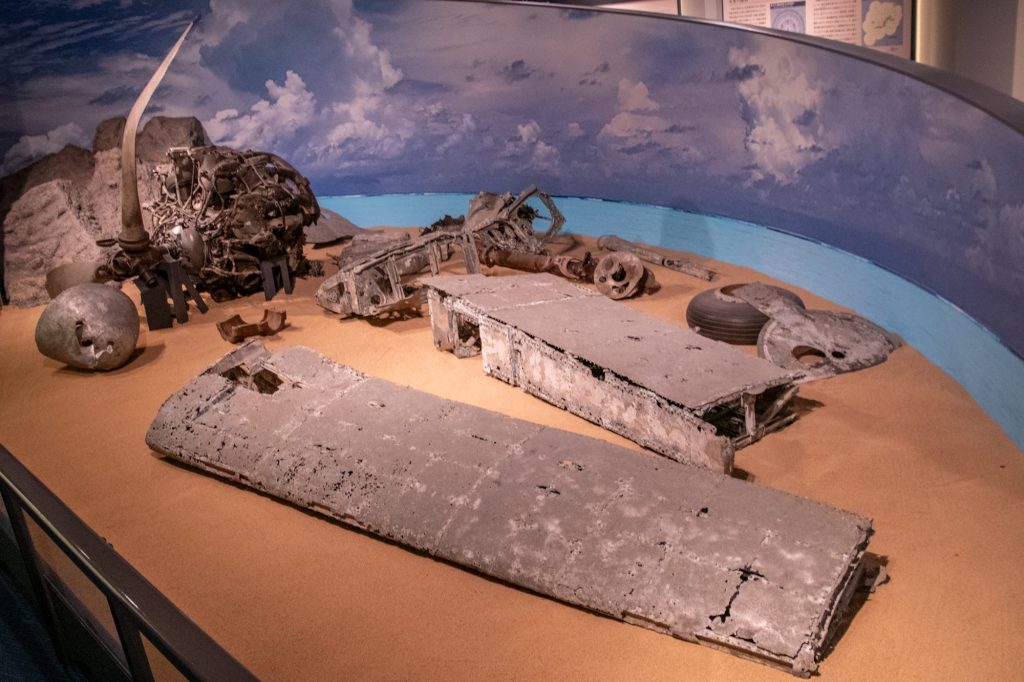
Other exhibits include the Ki-27 displayed in a circular gallery, remnants of torpedoes built on site, and displays detailing anti-B-29 operations. A separate room features the wreckage of an A6M2 displayed in a sand setting, evoking Pacific island battlefields. The most moving exhibits are the personal effects and farewell letters of the young pilots. Audio recordings allow visitors to hear their words, offering a powerful reminder of the human cost of war. Around 3,000 trainee pilots passed through Tachiarai. A memorial wall lists local civilians killed in the 1945 air raids, with names still being added as research continues.
Though relatively small, the Tachiarai Peace Memorial Museum offers a deeply informative and sobering experience. While most displays are in Japanese, translation apps make them accessible, and English-speaking guides are sometimes available. For those wishing to delve deeper, the museum’s Japanese-language guidebook is highly recommended. For more information about the Tachiarai Peace Memorial Museum, visit www.tachiarai-heiwa.jp.






So wheres the Cherry Blossom? The Yokasuka MXY 07? Rocket propelled suicide aircraft
The J7W is similar to the USAAF P-59 Ascender. The P-59 never went into production either but was test flown and proved to be very maneuverable.