
By Grant Newman
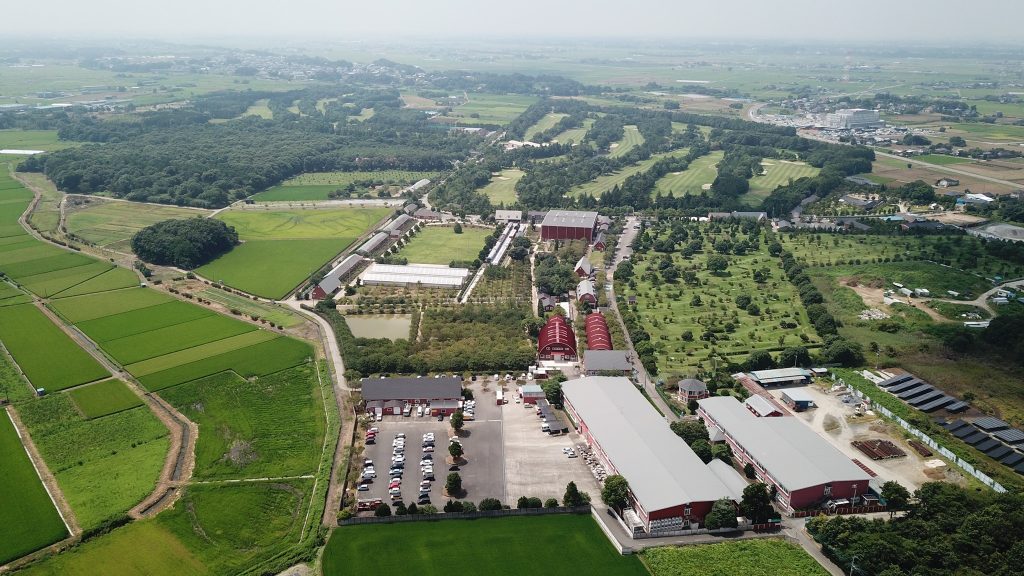
One of Japan’s newest aviation-themed attractions is the Hirosawa City Aviation Museum, located just a few kilometers from Chikusei City in Ibaraki Prefecture, north of Tokyo. The museum, which houses a small but fascinating collection of aircraft, officially opened to the public in February 2024. It forms part of the expansive Hirosawa City theme park—a purpose-built visitor destination spanning roughly one million square meters.
Hirosawa City is owned and operated by the Hirosawa Group, a corporate conglomerate centered around the industrial machinery manufacturer Hirosawa Seiki Seisakusho Company of Tsukuba. The concept for Hirosawa City was the brainchild of the company’s chairman, Kiyoshi Hirosawa, who—with support from the Ibaraki Prefecture government—provided funding and organizational leadership to bring the project to life beginning in March 2021.
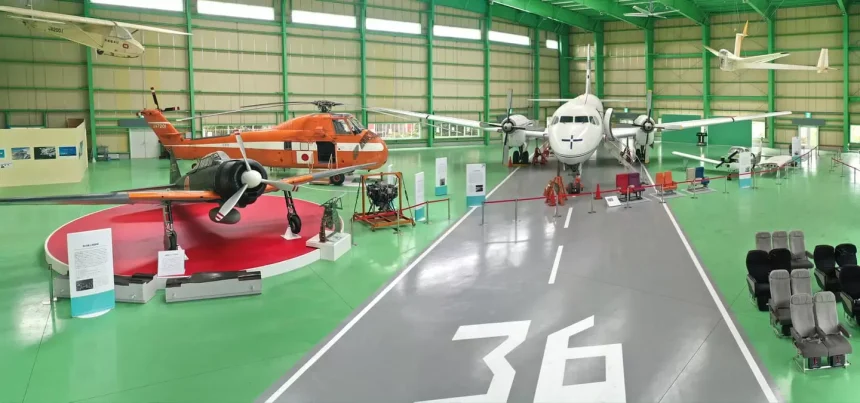
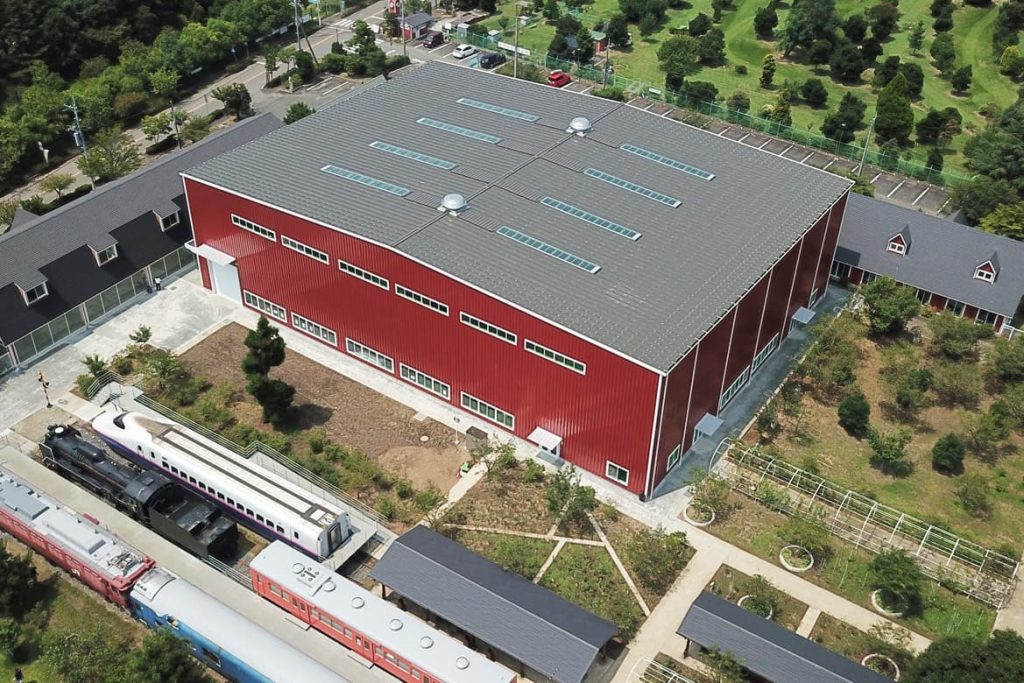
Thanks to a joint agreement with the National Museum of Nature and Science (hereafter, the Science Museum), the aviation collection includes aircraft on long-term loan. These are housed in an enormous red hangar within the Yumenoba, the transport and technology section of Hirosawa City. During a formal ceremony held ten days prior to the museum’s public opening on February 11, 2024, Chairman Hirosawa and Science Museum Director Kenichi Shinoda welcomed media and dignitaries to preview the new facility.
A Visit to the Museum
While Hirosawa City is slightly off the beaten path for Tokyo visitors, it’s accessible and worth planning a full-day trip. The complex also includes an art gallery, decorative gardens, and various transport exhibits beyond the aviation section. To reach the museum, visitors should take the Tohoku Shinkansen from Tokyo Station to Oyama, then transfer to a local service to Shimodate Station in Chikusei—total travel time is approximately 90 minutes. From there, a ten-minute taxi ride offers the most direct route, though buses to Hirosawa City are also available. Entry is through a general admission shop providing access to Yumenoba. From there, the rest of the park is a short walk away. The aviation museum, housed in a bold red hangar reminiscent of Boeing’s “Red Barn” in Seattle, occupies one corner of the complex. Smaller adjacent buildings showcase additional aviation and transport displays.
The Aircraft Collection
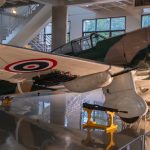
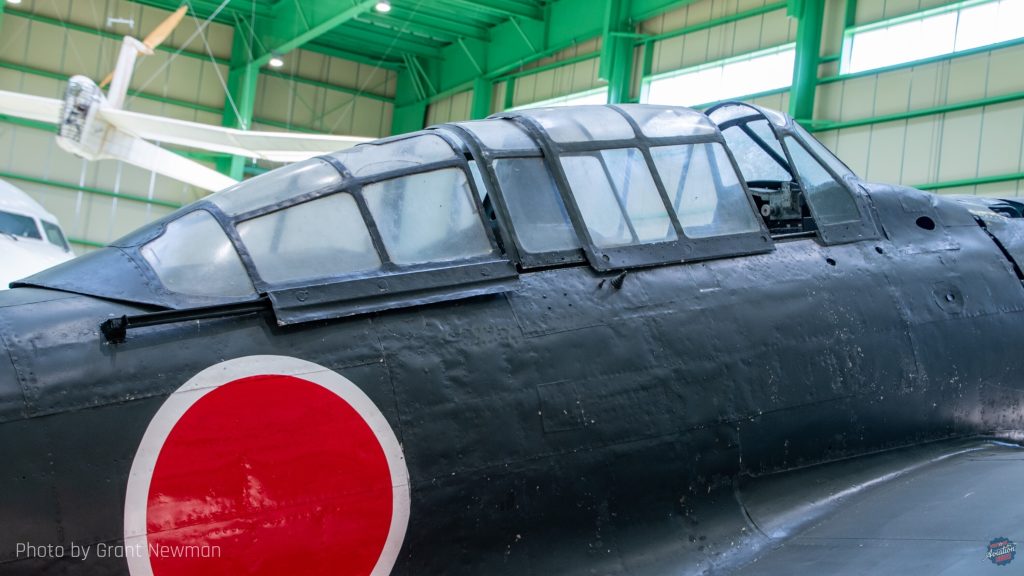
Greeting visitors as they enter the spacious red hangar is a rare two-seat Mitsubishi A6M2b Model 21 Zero, once displayed at the Science Museum’s Ueno Park location in Tokyo. This unique aircraft began life as a single-seat A6M2b, serial number 31870, built by Nakajima in 1943 and assigned to the 253rd Kokutai at Rabaul in the Solomon Islands. In October 1944, it was modified into a reconnaissance aircraft with the addition of a second seat behind the cockpit—created by cutting an oval opening into the fuselage, extending the canopy, and installing radio equipment. On January 18, 1945, it was forced to ditch into the sea off Cape Lambert due to fuel exhaustion. Remarkably, both pilot P/O Kentaro Miyagoshi and his observer survived and made a two-day trek through the jungle back to Rabaul.
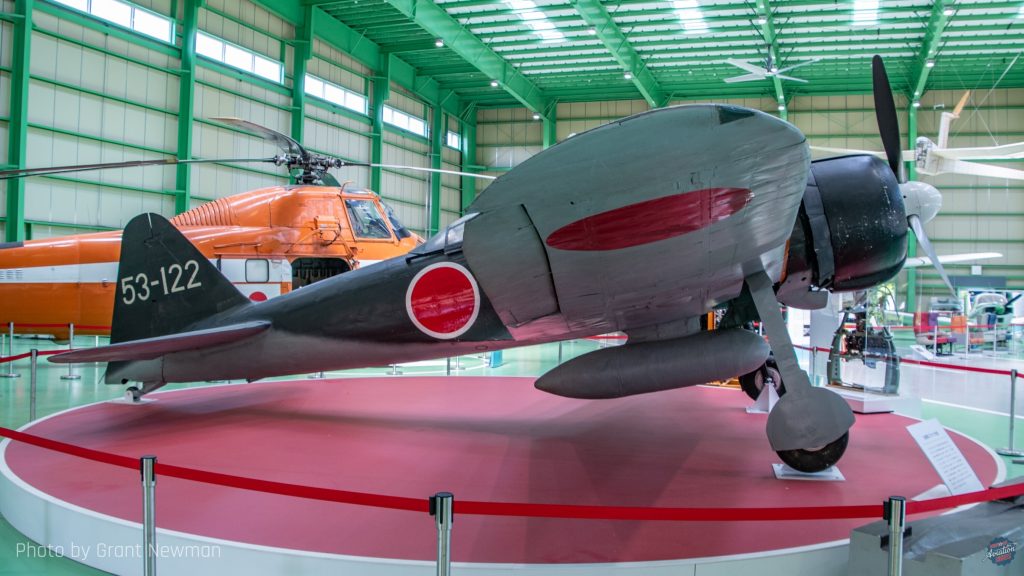
Recovered nearly intact in August 1972, the aircraft was unfortunately damaged when its integral wings were unnecessarily severed from the fuselage during transport. It was shipped to Australia and restored over three years before becoming entangled in a legal dispute. Seized by the Australian Federal Police, it was later acquired in 1975 for 15 million yen by Professor Shintaro Ishimatsu of Nihon University, who donated it to the Science Museum.
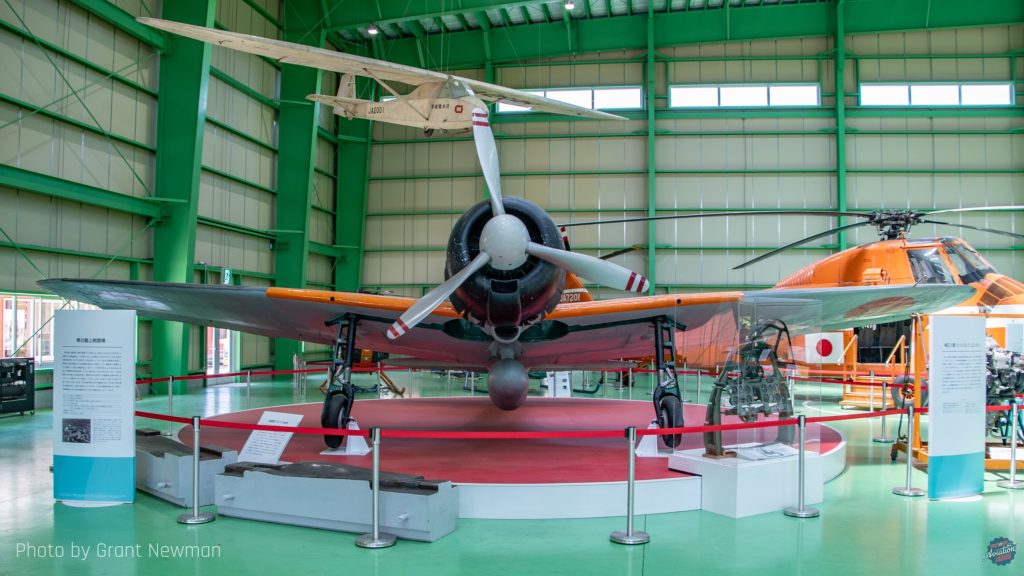
Suspended for many years from the ceiling of the Ueno Park museum, the Zero was eventually refurbished at the Science Museum’s Tsukuba facility. Now on display at Hirosawa City, the aircraft is mounted on a raised circular platform evoking the red Hinomaru roundel. A Nakajima Sakae 12 engine, an A6M instrument panel, and original propeller blade molds complement the display.
Honoring Japan’s Aviation Legacy
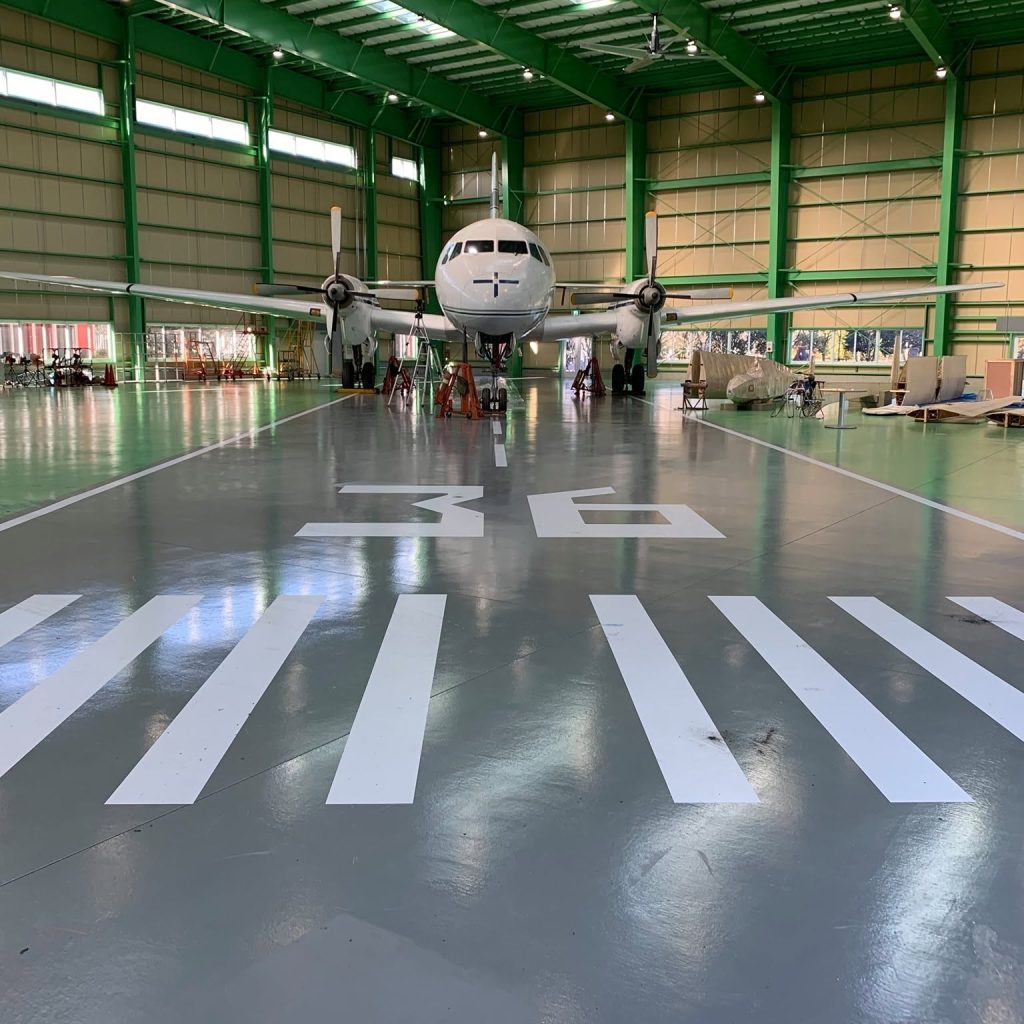
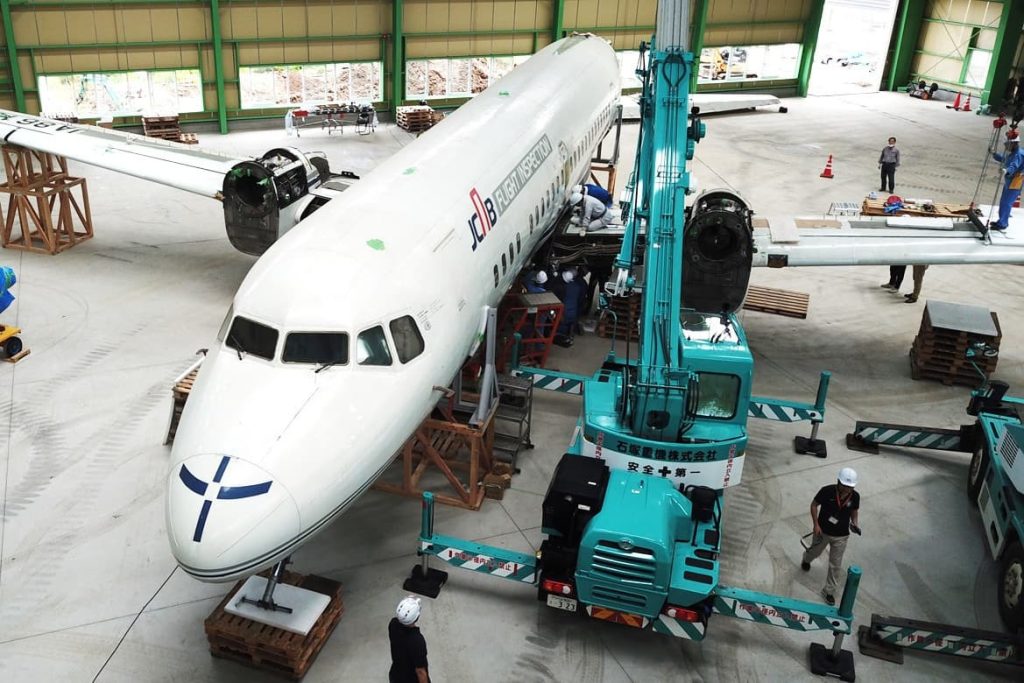
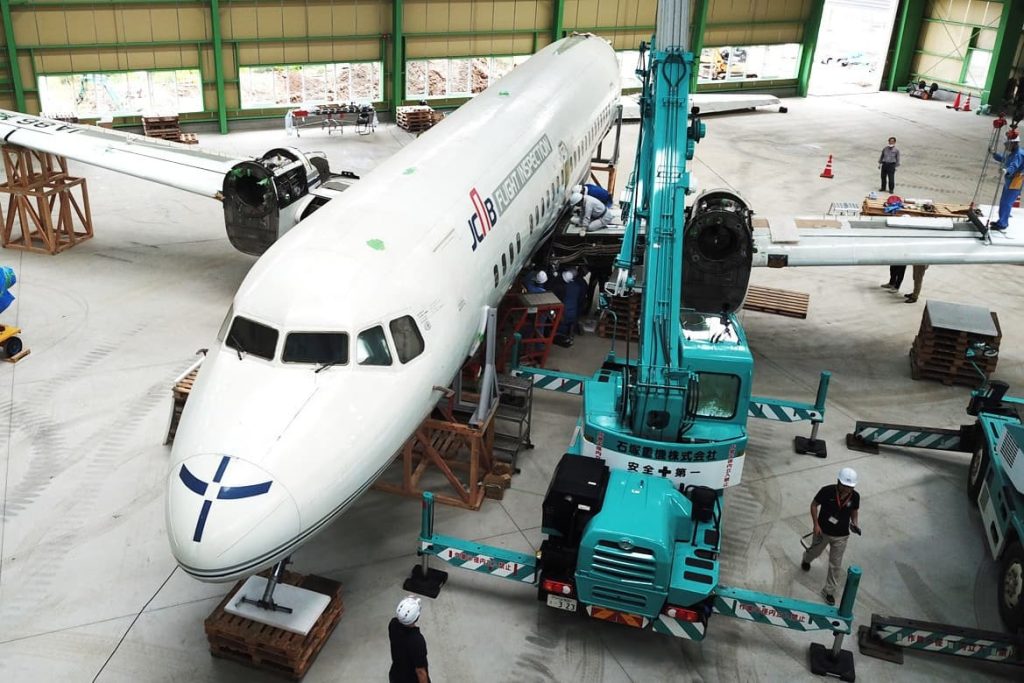
The Zero’s inclusion in the Yumenoba was a natural fit for honoring Jiro Horikoshi, the aircraft’s designer, who also played a key role in Japan’s first postwar airliner—the NAMC YS-11. The aircraft on display, construction number 2003, is the first production example of the YS-11 and was completed in 1964. Co-designed by Horikoshi and Takeo Doi (former designer of the WWII-era Ki-61 fighter), the aircraft never entered commercial passenger service. Instead, it served the Civil Aviation Bureau as a flight inspection aircraft named Chiyoda II, logging over 20,000 flight hours across 33 years.
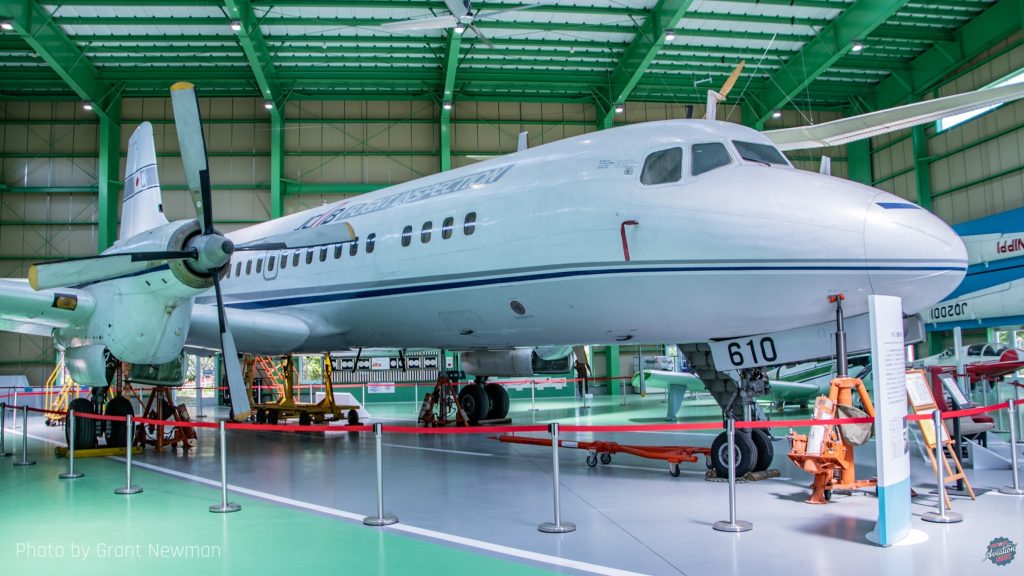
Retired in 1998 and donated to the Science Museum in 1999, the aircraft was kept in airworthy condition at Haneda Airport. In July 2020, it was dismantled and trucked to Hirosawa City as the museum’s first official exhibit, supported by museum funds and a crowdfunding campaign launched in response to financial strain from the COVID-19 pandemic. In 2008, the YS-11 and a preserved Ki-61 at the Gifu Kakamigahara Air and Space Museum were officially designated as Important Aviation Heritage Artifacts—a rare honor in Japan, with only eight aircraft to date receiving such recognition.
Helicopters and Other Highlights
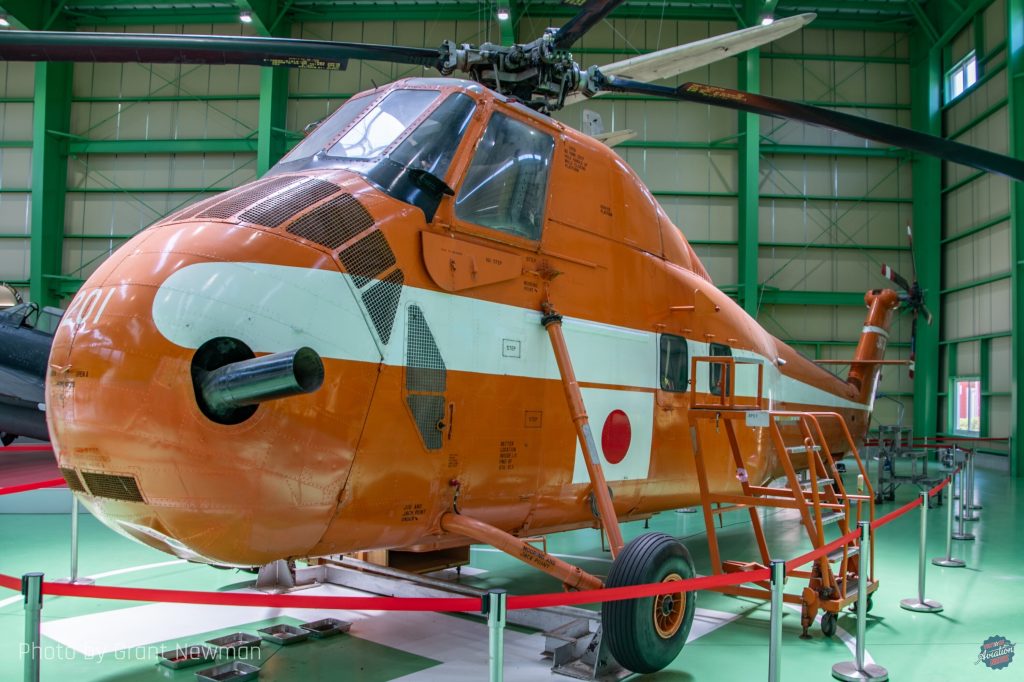
Another star of the museum is a bright orange Sikorsky S-58T, formerly operated by the Japan Coast Guard. This aircraft gained fame in 1958 for rescuing the only two surviving Karafuto-Ken huskies—Jiro and Taro—that endured 11 months stranded in Antarctica. Operating from the research vessel Sōya, the S-58T was part of Japan’s Antarctic missions from 1958 to 1962. Today, two life-size stone statues of the heroic dogs, carved from Ibaraki’s Makabe stone, stand beside the helicopter.
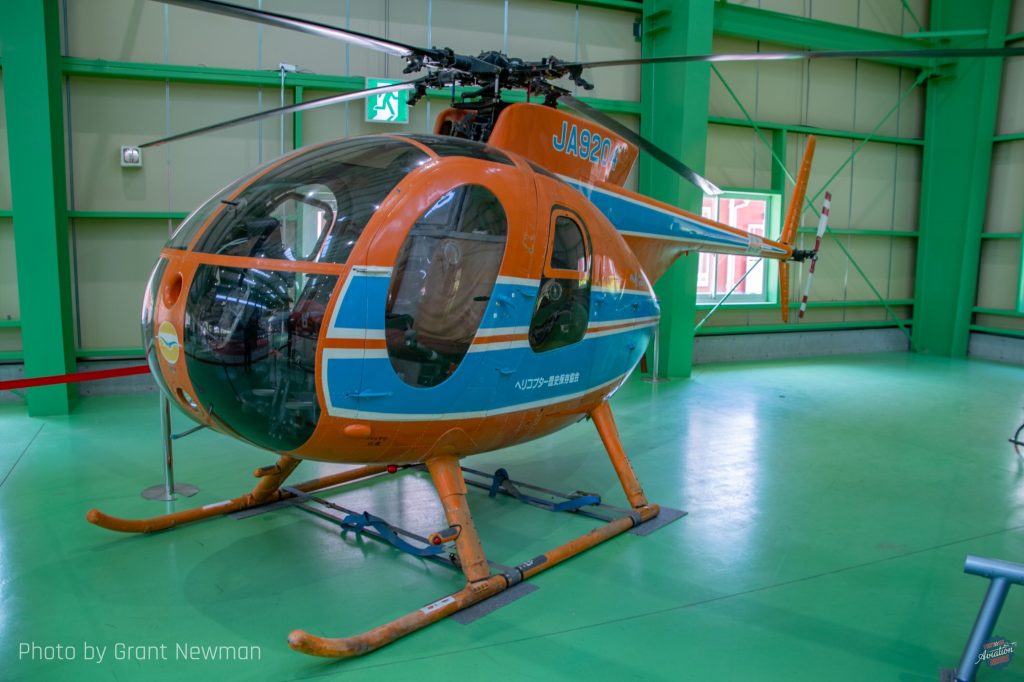
Additional helicopters on display include a Kawasaki-Hughes 369HS (JA9204) and a Kawasaki-Bell 47G-2, both veterans of Japan’s cold-weather and Antarctic operations.
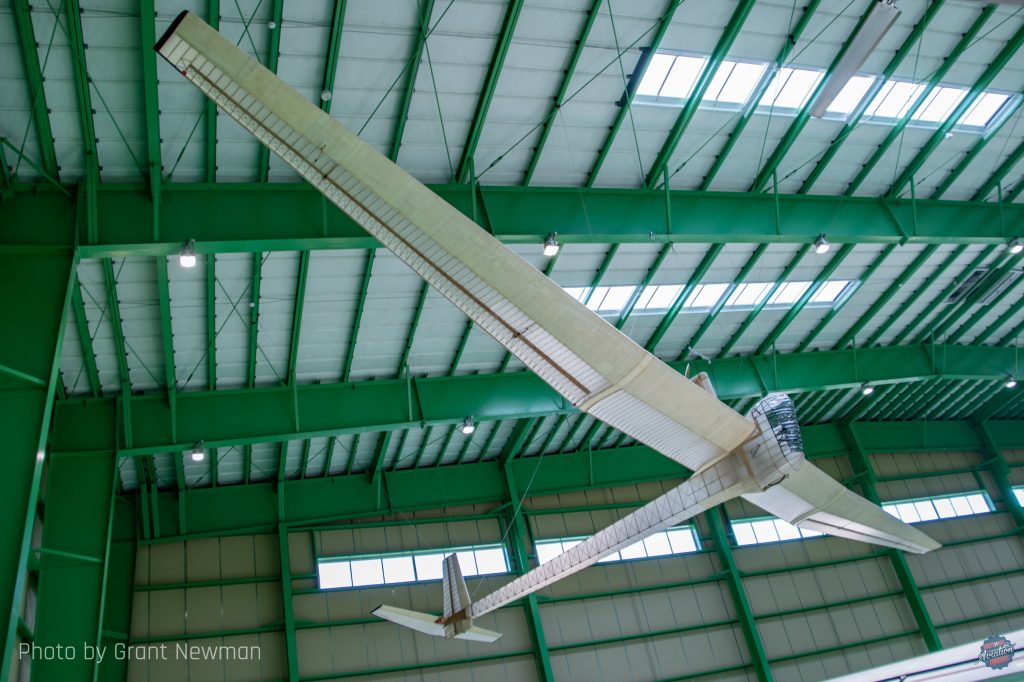
Suspended from the ceiling is the Stork B, a man-powered aircraft that set a Japanese record in January 1977 by flying 2,093.9 meters (1.3 miles) in 4 minutes and 28 seconds. Built from spruce, plywood, and steel, with a covering of traditional Japanese Gampi-shi paper, it had been stored at the Science Museum’s Tsukuba site before undergoing restoration for display.
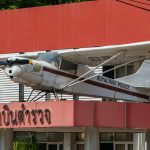
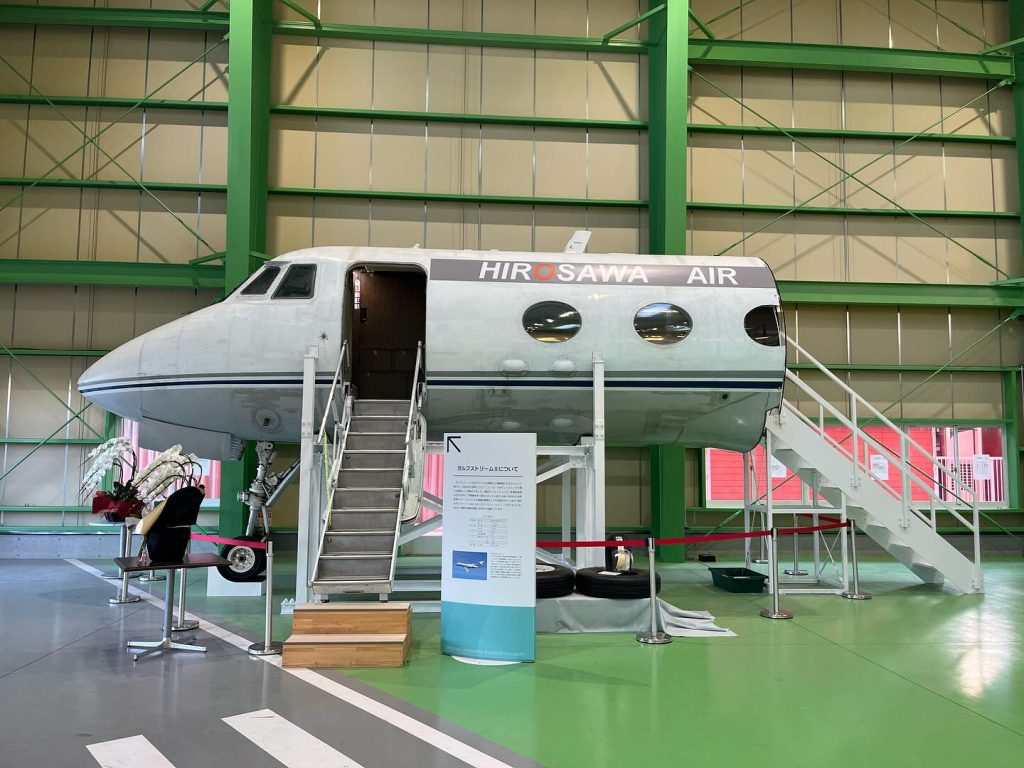
Other aircraft on exhibit include a dismantled Fuji FA-200, a Nippi NP-100 motor glider, a walk-through Gulfstream G-II forward fuselage, and a Kirigamine Taka 7 glider from 1952. One wall features a special temporary exhibition of aircraft profile illustrations by the late Rikyu Watanabe, whose detailed artwork graced numerous WWII-themed aviation books and Western publications, including those by Jane’s Aviation. In another building nearby, visitors can view two modern gliders—Nippi-Pilatus B-4 and Slingsby T-59 Kestrel—surrounded by display cases filled with scale models of Japanese aircraft.
Conclusion
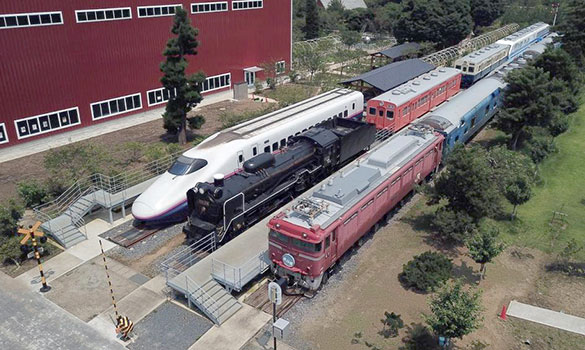
While the Hirosawa City Aviation Museum may be modest in size and a bit distant from Tokyo, it offers a rich, well-curated collection of historically significant aircraft. Combined with the broader Hirosawa City attractions—which include vintage trains, classic cars, motorcycles, and fire engines—the museum makes for a worthwhile and memorable day trip for any aviation or transportation enthusiast. For more information, visit www.sorakasai.jp.