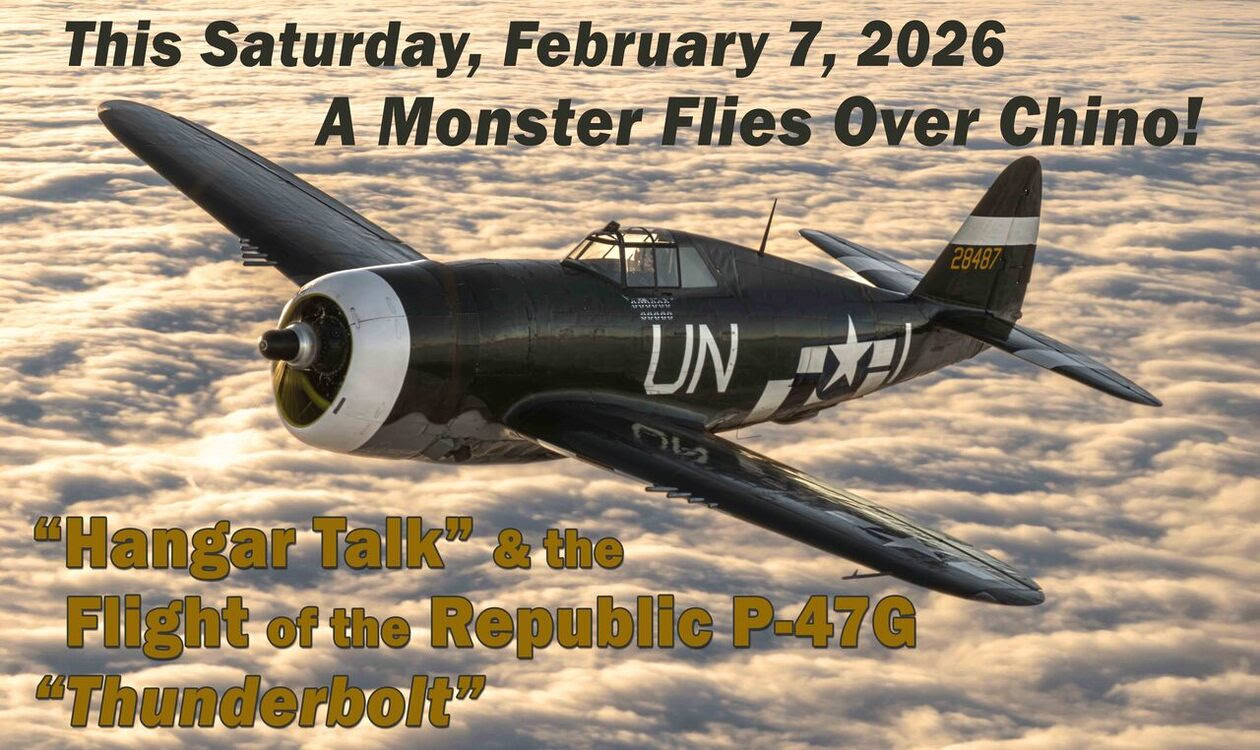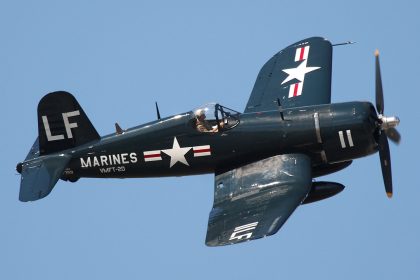
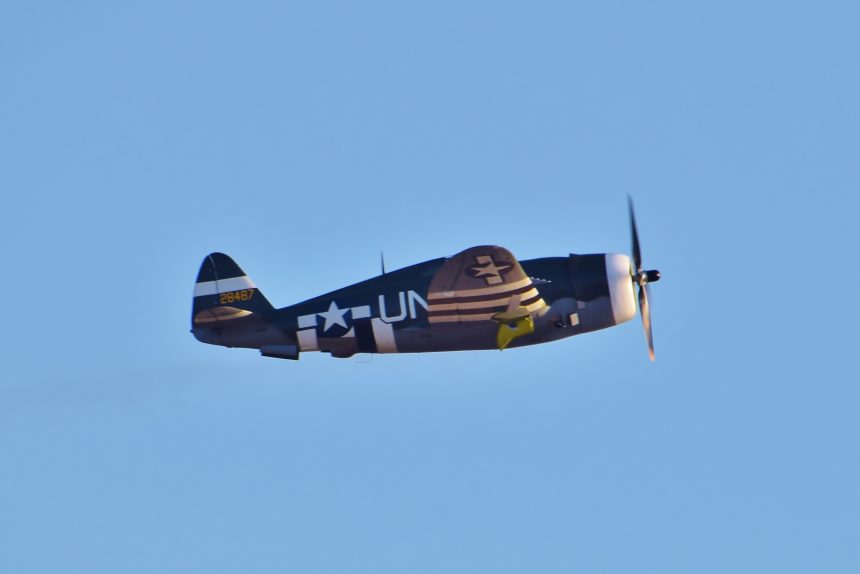

It has been more than six years since the Planes of Fame Air Museum’s Republic P-47G Thunderbolt last flew over the museum grounds. In the years since, the iconic fighter has undergone an extensive renewal, including the installation of a newly rebuilt Pratt & Whitney R-2800 engine, a new propeller, refurbished landing gear, and a complete cosmetic makeover. The aircraft returned to the air in September 2025, then publicly for the first time at the Central Coast AirFest in Santa Maria last October.
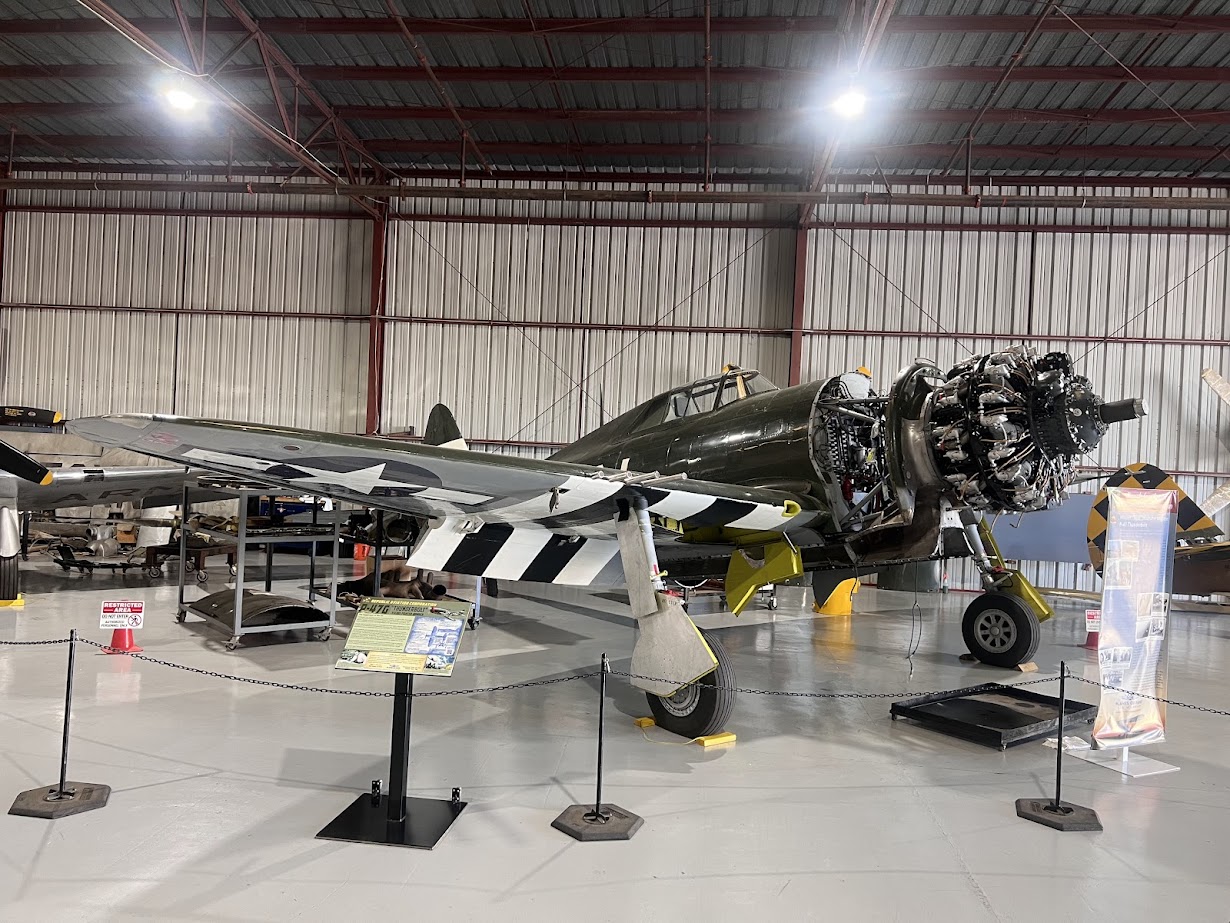
This Saturday’s event at the Planes of Fame Air Museum promises to be a particularly memorable one, highlighted by a full slate of “Hangar Talk” presentations and the long-awaited return to the skies of the museum’s massive P-47G Thunderbolt. Museum doors will open at 9:00 a.m., with regular admission prices in effect; museum members are admitted free of charge. “Hangar Talk” begins at 10:30 a.m. in the Maloney Hangar and will span topics ranging from space exploration to maritime history and World War II aviation.
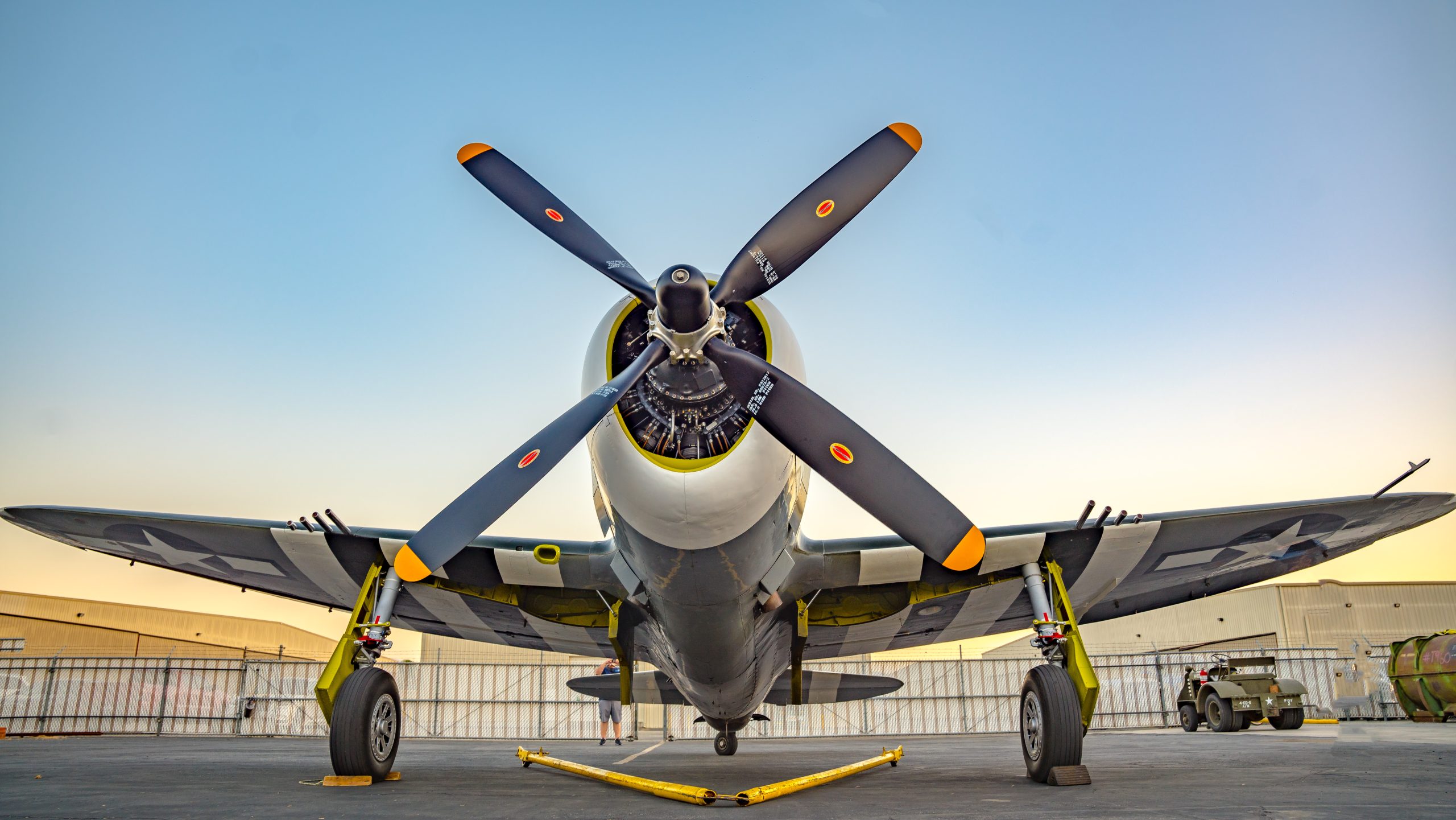
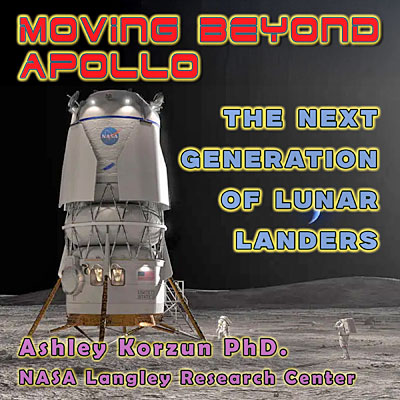
Among the featured speakers is NASA engineer Dr. Ashley Korzun, who will offer a special presentation examining America’s future space missions and ongoing journeys beyond Earth. Her appearance adds a forward-looking dimension to a program that also celebrates aviation’s storied past. As is tradition for Event Saturdays, the centerpiece of the day will be a special aircraft flight, and few aircraft command attention like the Republic P-47 Thunderbolt. Powered by a 2,000-horsepower air-cooled radial engine, the Thunderbolt remains one of the most formidable piston-engine fighters ever built, and its return to flight over Chino is expected to be a highlight for enthusiasts and photographers alike.
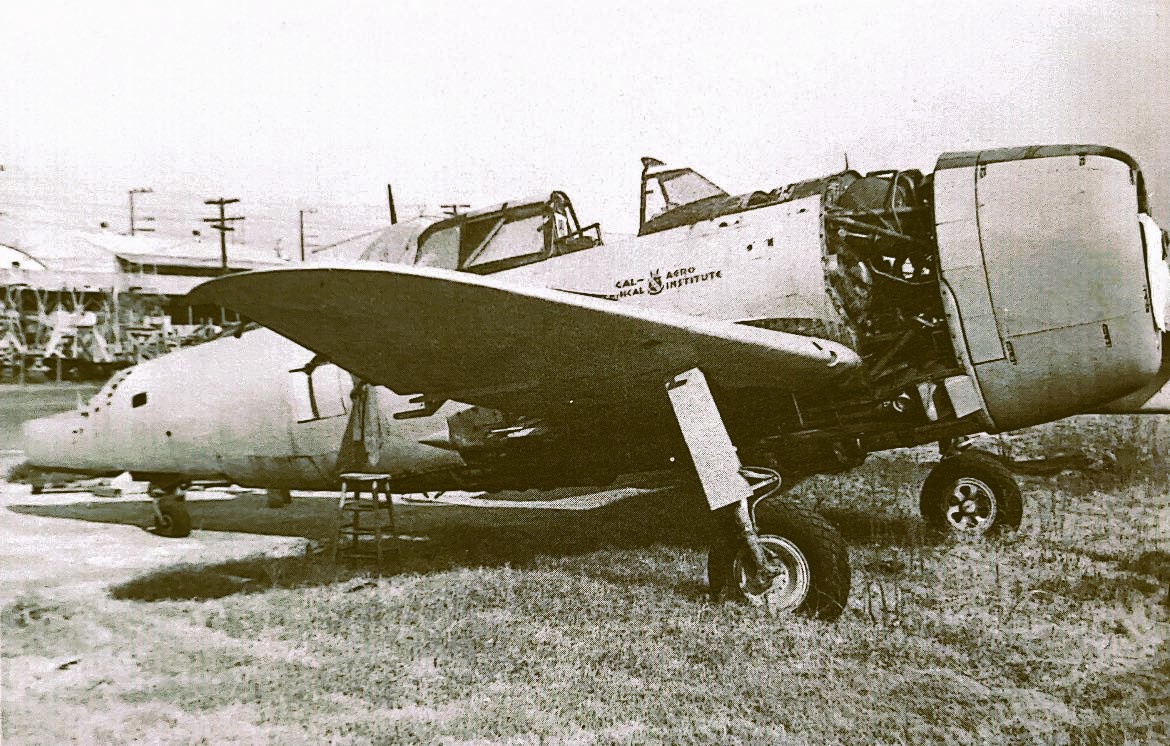
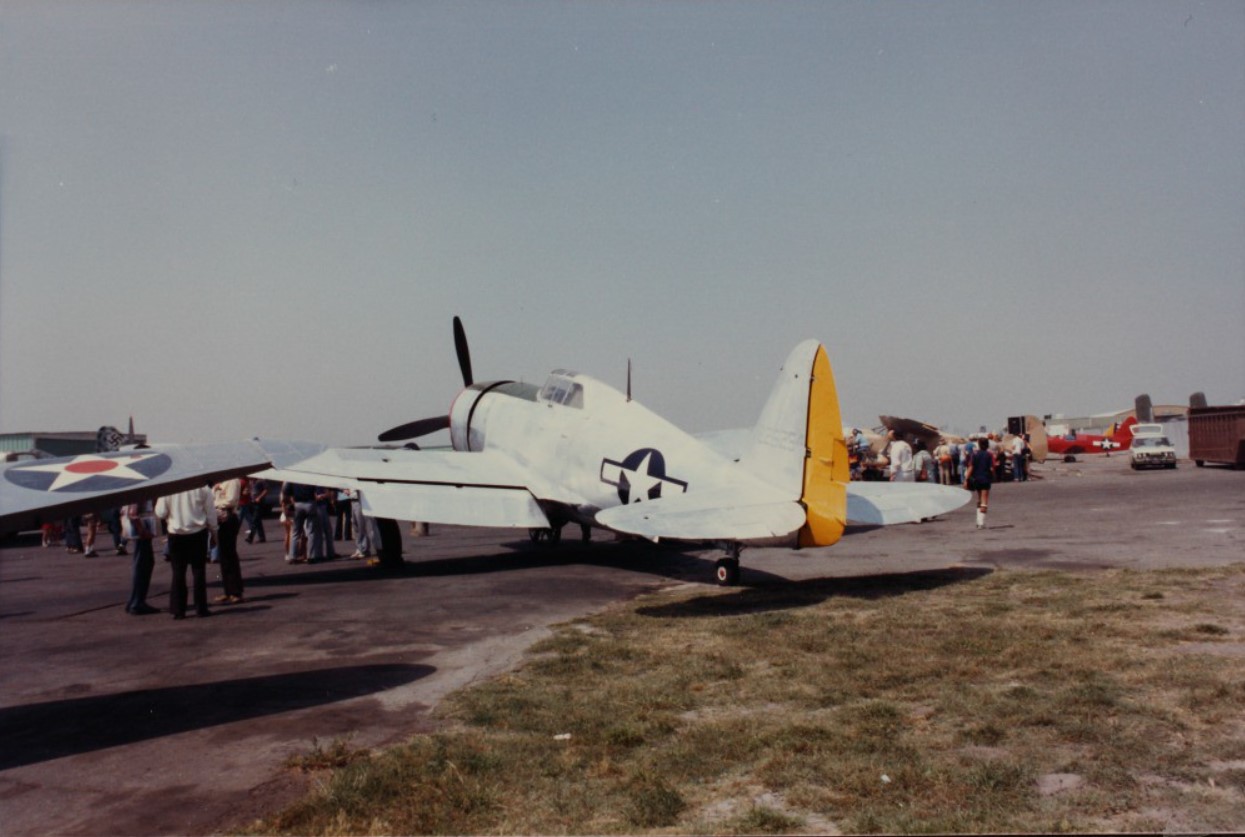
Planes of Fame’s P-47G-15-CU, serial number 42-25254, was contracted under the 1942 fiscal year budget and spent much of its wartime service as a fighter trainer in the western United States. Following World War II, the aircraft was used as an instructional airframe at Grand Central Airport in Glendale, California. In 1952, museum founder Ed Maloney acquired the Thunderbolt and stored it at his home with the intention of displaying it in a future air museum. The aircraft was reassembled at the museum’s Ontario International Airport base in 1963 and appeared at numerous West Coast airshows until it was damaged during a forced landing at Naval Air Station Point Mugu in 1971. Following the accident, the Thunderbolt was placed back into storage until 1980, when it was restored for static display at the museum’s new Chino location. Although returning the aircraft to flight remained the long-term goal, the absence of a suitable replacement engine delayed that effort for several years.
In early 1985, with a new engine finally on the horizon, Steve Hinton’s Fighter Rebuilders team, supported by museum volunteers, began the process of returning the P-47 to airworthy condition. A custom-built Pratt & Whitney R-2800 engine, overhauled by John Sandberg’s JRS Enterprises of Minneapolis, was delivered in May of that year. The engine was paired with a Hamilton Standard propeller, selected for its reliability and parts availability. Additional modifications included TBM Avenger wheels and multi-disc brakes for improved stopping power, modern radio equipment, and the replacement of the aircraft’s damaged starboard wing with one sourced from a postwar South American P-47D. A jump seat was also installed behind the pilot to accommodate a passenger. Throughout its life, 42-25254 has worn numerous paint schemes reflecting different chapters of its history. Wartime olive drab and gray gave way to yellow and black markings during its training role at Grand Central. Subsequent restorations saw the aircraft represent several historically significant Thunderbolts, including those flown by 56th Fighter Group ace Bud Mahurin. When it returned to flight in 1985, the aircraft appeared in an exceptionally accurate scheme representing Mahurin’s P-47D-5, Spirit of Atlantic City, N.J. Carrying the civil registration NX3395G in discreet lettering, the Thunderbolt made its post-restoration debut at the Planes of Fame Air Museum’s sixth annual air display in May 1985.
Saturday’s schedule will include a special Hot Ramp presentation at 12:15 p.m., during which museum historian Scott Cassells will discuss the P-47’s development and combat record during World War II, when the type exceeded expectations in theaters around the globe. Guests will then witness pilot John Kerpa start the Thunderbolt’s powerful radial engine directly in front of the crowd. Following engine start, Cassells will conduct the museum’s members-only raffle, offering one lucky participant the opportunity to fly in one of the museum’s World War II trainer aircraft.
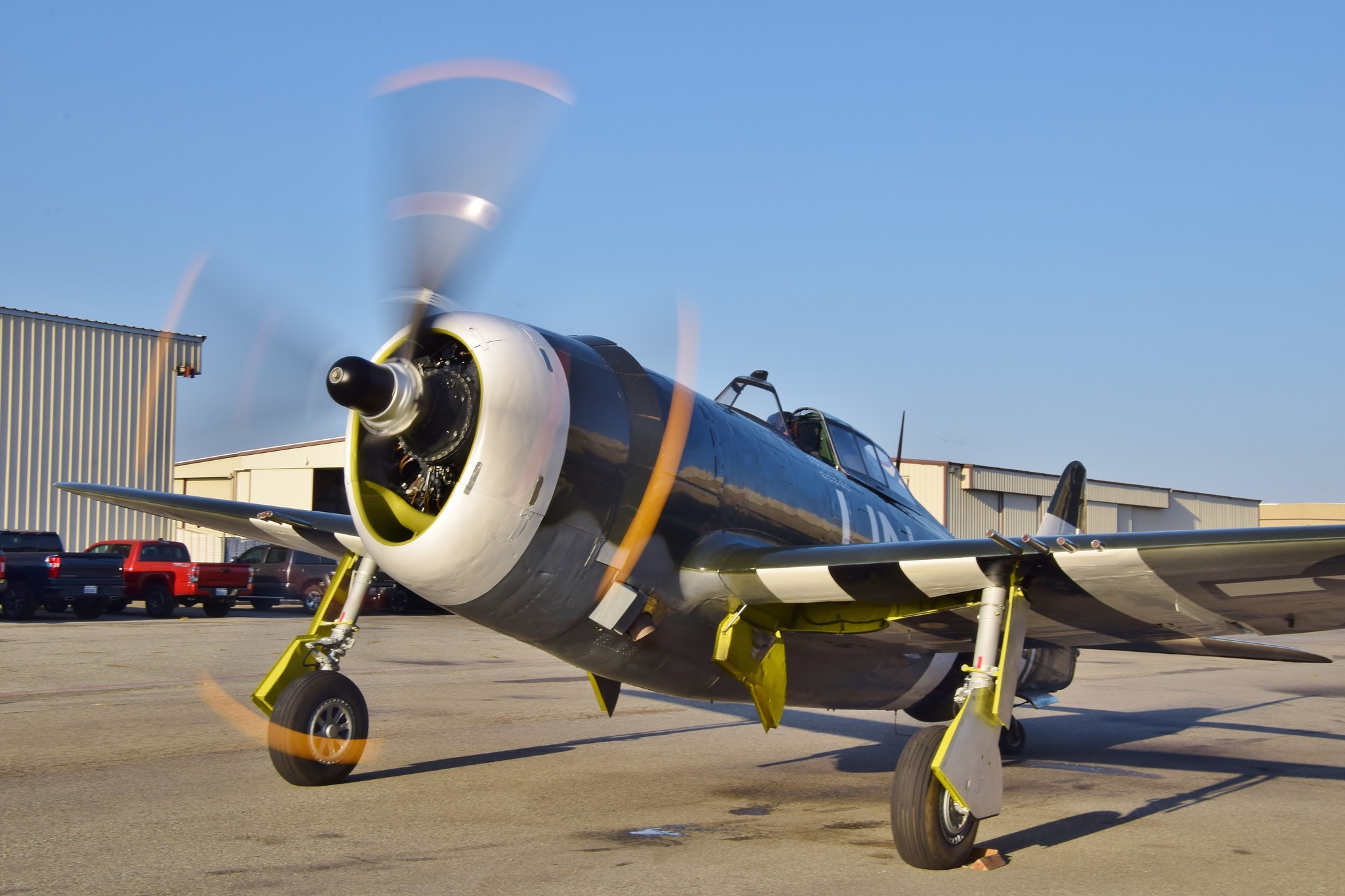
The flight demonstration will feature multiple passes over the museum lasting approximately twenty minutes, providing ample opportunities to experience the sound and presence of one of America’s most legendary fighters. After landing, Kerpa and Cassells will be available to answer questions about the recent restoration work and the experience of flying this historic aircraft. There is something for every aviation enthusiast at the Planes of Fame Air Museum this Saturday, February 7, 2026, as history, technology, and living aviation heritage come together for a day of discovery and flight. For more information about this event and the Planes of Fame Air Museum, visit www.planesoffame.org.